How to Clean Brass at Home: Simple, Tested Methods That Work


How to clean brass at home is something I get asked every week, whether it is door handles, taps, ornaments or jewellery that has gone dull and patchy. After nearly 20 years cleaning homes across the UK, I have tried just about every brass cleaning method going, from lemon and bicarbonate of soda to ketchup, toothpaste and specialist polishes, and I can tell you which ones actually work and which are more trouble than they are worth.
In this guide I will show you how to tell what kind of brass you have, the safest way to get rid of everyday tarnish, the best home remedies for deeper cleaning, and when to reach for a proper brass polish instead of raiding the fridge. You will also learn how to protect brass so it keeps that golden shine for longer, instead of going brown again a month later.
What you will learn here:
- How to check if your item is solid, lacquered or brass plated
- Simple soap and water methods for quick freshening
- Natural options like lemon, bicarbonate of soda, vinegar and ketchup that genuinely work on tarnish
- When to use a commercial brass polish instead
- Common mistakes that can damage brass or strip patina
- How often to clean brass at home and basic aftercare
If you follow the steps, you will be able to clean most household brass at home without expensive products or specialist equipment.
Quick Summary
Time needed: 15 to 45 minutes, depending on tarnish
Difficulty: Easy to moderate
You will need: Mild washing up liquid, soft cloths, white vinegar, bicarbonate of soda, optional brass polish
Key takeaway: Start with soapy water, then use a gentle homemade paste or brass polish suited to your item, and always dry and protect the surface so it stays shiny for longer.
What You Will Need
For most brass cleaning jobs at home, gather:
- Mild washing up liquid and warm water
- Soft microfibre cloths
- Old toothbrush or soft nail brush
- White vinegar (distilled)
- Bicarbonate of soda
- Table salt
- Optional: lemon for natural paste
- Optional: ketchup or non gel toothpaste for light tarnish
- Optional: brass polish such as Brasso or a similar metal polish
How to Clean Brass at Home – Step by Step Guide
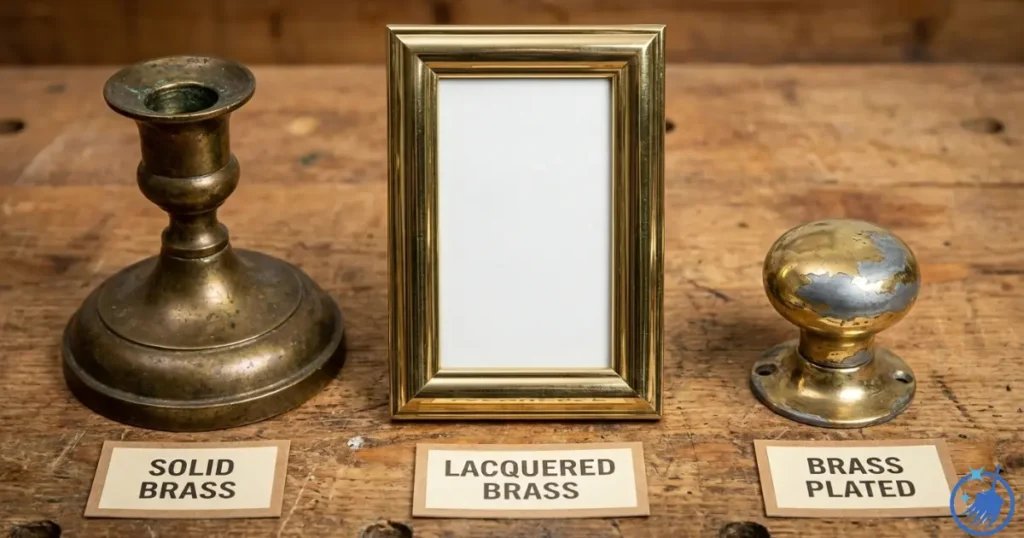
Step 1 – Check what type of brass you have
Before you reach for vinegar or lemon, work out what you are dealing with.
- Solid brass usually feels heavy for its size and has a warm yellow or golden colour.
- Brass plated items often have a different coloured metal showing on worn edges or screw threads. A small magnet will usually stick to brass plated steel but not to solid brass.
- Lacquered brass has a clear, glossy coating that keeps it shiny. Scratches or peeling patches can reveal dull, tarnished metal underneath.
Why this matters: solid brass can handle stronger natural cleaners and short vinegar based treatments, while brass plated and lacquered surfaces need milder methods or you risk stripping the finish.
Step 2 – Give it a gentle wash first
Even very tarnished brass is often covered in everyday dirt, grease and old polish.
- Fill a bowl with warm water and a squirt of washing up liquid.
- Dip a soft cloth in the solution and gently wipe the brass all over.
- Use an old toothbrush for grooves, patterns and around screws.
- Rinse quickly with clean water and dry with a microfibre cloth.
Why this matters: removing oils and grime first makes any paste or polish work faster and more evenly, and in some cases light tarnish disappears just from this step.

Step 3 – Use simple home remedies for light tarnish
If the brass is only slightly dull or spotted, a gentle homemade cleaner is usually enough.
Option A: Vinegar, salt and flour paste
- Mix 1 tablespoon of table salt with half a cup of white vinegar, stirring until the salt dissolves.
- Add plain flour gradually until you have a thick paste.
- Spread a thin layer over the brass with a cloth or your fingers (wear gloves).
- Leave for 10 to 20 minutes.
- Rinse with warm water and buff dry.
Option B: Lemon and bicarbonate of soda
- Squeeze the juice of half a lemon into a small bowl.
- Add 1 tablespoon of bicarbonate of soda and stir. It will fizz and turn into a paste.
- Rub gently onto the brass with a cloth or toothbrush.
- Leave for 5 to 10 minutes, then rinse and dry thoroughly.
Option C: Ketchup or non gel toothpaste for very light tarnish
- Spread a thin layer of ketchup or plain white toothpaste on the brass.
- Leave for 15 to 30 minutes, then scrub gently with a cloth, rinse and buff.
Why this matters: these mild acids and gentle abrasives lift surface tarnish and revive shine without needing strong chemicals.
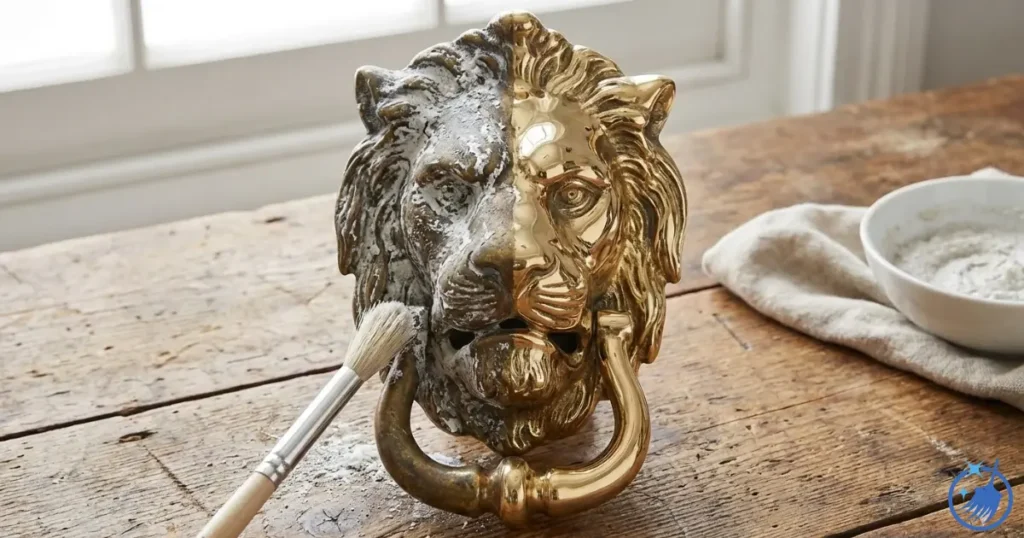
Step 4 – Try a brass polish for faster results
If you prefer a quicker, less messy route, or your brass still looks dull after home remedies, a brass specific polish is often the easiest fix.
- Put a small amount of brass polish on a soft cloth.
- Rub over the brass in small circles, paying attention to darker patches.
- Let it darken slightly as it reacts with tarnish.
- Buff off with a clean cloth until you get a bright, even shine.
Polishes are ideal for modern, solid brass fittings and ornaments where you are not trying to preserve patina, such as bathroom taps, kitchen handles and some decorative pieces.
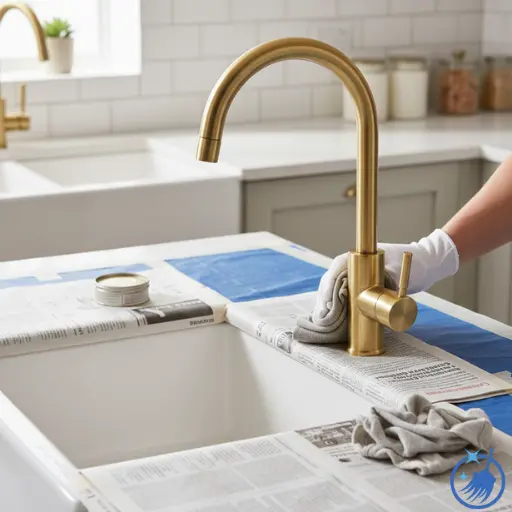
Step 5 – Clean brass handles and fixtures in place
For fixed items like door handles, taps and light switches, it is not always practical to remove them.
Here is a simple routine:
- Wipe with soapy water to remove fingerprints and grime.
- Apply a small amount of your chosen paste or polish on a cloth, not directly on the fitting, to control where it goes.
- Rub gently, then wipe away with a clean damp cloth.
- Dry immediately with a microfibre cloth to avoid water marks.
If the fittings are lacquered, stick to mild soapy water and a soft cloth for regular cleaning, and only use stronger products on bare, exposed brass patches if the lacquer is already damaged.
Step 6 – Rinse, dry and protect
Whatever method you choose, always finish with:
- A wipe with clean water to remove any cleaner residues.
- A thorough dry with a soft cloth, including edges and crevices.
- Optional: a thin layer of microcrystalline wax or a suitable metal wax on high touch items like taps and handles, then buff to a soft sheen.
This last step makes it harder for moisture and air to reach the surface, so tarnish comes back more slowly.
Common Mistakes to Avoid
- Using harsh abrasives like wire wool on decorative brass: Wire wool and rough scouring pads scratch brass and can remove fine detail, especially on engraved or patterned pieces. Use soft cloths or very fine, non scratch pads and let the cleaner do most of the work.
- Leaving lemon or vinegar on for hours: Strong acids will strip tarnish, but they also remove metal and patina if left too long. Stick to the timings above and always rinse and dry thoroughly afterwards.
- Treating brass plated items like solid brass: Long soaks and heavy scrubbing can lift the thin brass layer completely and expose the base metal. If a magnet sticks, or you see a different colour metal underneath, keep things mild and avoid pastes that are too gritty.
- Over cleaning antiques and removing patina: On old candlesticks, clocks and similar pieces, that darker patina is part of the charm and value. Only clean off dirt and sticky residues, and stop before everything looks bright and new if you want to keep the character.
- Skipping the drying step: If you leave brass damp, you almost invite new tarnish and water marks. Always finish by drying thoroughly and, if you can, give a quick buff with a dry cloth the next day.
How Often Should You Clean Brass at Home?
There is no single rule, but this table works well for most households:
| Cleaning task | Frequency | Why |
|---|---|---|
| Quick wipe with soapy water | Weekly or fortnightly | Removes fingerprints and surface grime |
| Light polish or natural paste | Every 1 to 2 months | Keeps tarnish from building up |
| Deep clean for dull, patchy brass | Every 6 to 12 months | Restores shine and tackles heavier tarnish |
| Check and clean high humidity areas | Monthly | Bathrooms and kitchens tarnish faster |
| Professional or specialist care | Every few years if needed | For antiques or very delicate items or heavily corroded brass |
Brass near hobs, kettles or showers will usually need more frequent quick cleans than brass in a hallway or spare room.
Natural vs Chemical Cleaners for Brass at Home
When natural methods work best
Natural options are great for:
- Everyday maintenance and light tarnish
- People who prefer to avoid strong chemical smells
- Most solid brass ornaments and modern fittings
Lemon, vinegar, salt, flour and bicarbonate of soda all work because the mild acids and gentle abrasives remove oxidation without needing industrial products.
Just remember the patina and lacquer warnings, and always rinse and dry.
When you need chemical polishes
Commercial brass polishes are better for:
- Heavier tarnish that natural pastes barely touch
- Large areas like bathroom fittings where you want faster results
- Situations where you want a very bright, uniform shine
They are formulated to remove tarnish efficiently and often leave a temporary protective layer. Used correctly on suitable items, they are safe and very effective.
Safety considerations at home
- Do not mix brass polishes with other cleaners.
- Open a window when using stronger products or a lot of vinegar.
- Wear gloves if you have sensitive skin.
- Protect nearby surfaces such as wood, stone and painted walls from splashes.
Pro Tips From a Professional Cleaner
Insider Tips for Cleaning Brass at Home
After cleaning a lot of brass in UK homes, here is what really helps:
Test first in a hidden spot
Dab your chosen cleaner on the back, underside or inside edge before doing the whole piece. If it looks wrong, you have only marked a hidden area.Clean from top to bottom
On things like door knockers or taps, start at the top so any drips run over areas you have not polished yet, not ones you have already finished.Use cotton buds in detailed areas
They are perfect for getting paste or polish into tiny corners, lettering and patterns, then wiping it out without leaving crusty bits behind.Do regular light cleans instead of rare heavy ones
A quick wipe every week and a gentle polish now and then is much easier than having to tackle thick tarnish once a year, and it is kinder to the metal.
Conclusion
Once you understand how to clean brass at home properly, most dull handles, ornaments and small fittings can be brought back to life with things you already have in the kitchen and one decent brass polish. Start with a gentle soapy wash, choose a natural paste or polish that suits your item, avoid aggressive scrubbing on antiques and plated pieces, and always rinse, dry and protect the surface.
Do that, and your brass will keep its warm golden shine far longer, without constant scrubbing or expensive products every time a bit of tarnish appears.
Frequently Asked Questions
How to clean brass at home?
To clean brass at home, first wash it with warm water and a little washing up liquid, then use either a homemade paste like vinegar, salt and flour or lemon and bicarbonate of soda, or a brass polish on a soft cloth. Rinse off any cleaner, dry thoroughly and, if you like, finish with a thin layer of wax to slow down new tarnish.
What is the best way to clean brass at home?
The best way to clean brass at home depends on how tarnished it is and whether it is solid, plated or lacquered, but for most modern solid brass a simple soap wash followed by a vinegar and salt or lemon and bicarbonate paste, then a final polish, gives excellent results. If the tarnish is heavy or very patchy, a proper brass polish is usually quicker and more reliable.
How do you clean brass with vinegar?
Mix white vinegar with a little salt and flour to make a paste, apply it to the brass, leave for 10 to 20 minutes, then rinse and dry, or dampen a cloth with vinegar and salt and rub it over the surface before rinsing. Always avoid long soaks on plated or antique pieces and rinse well so the acid does not keep reacting.
Can you clean brass with toothpaste?
Yes, non gel white toothpaste can clean lightly tarnished brass because it contains mild abrasives, so apply a small amount with a soft cloth, rub gently, then rinse and buff dry. It is not strong enough for very dark or heavily tarnished brass, but works nicely for a quick freshen up on handles or small ornaments.
Does ketchup clean brass?
Ketchup can clean brass because the mild acids in the tomatoes and vinegar help dissolve light tarnish, so you can spread a thin layer on, leave it for around 20 to 40 minutes, then rinse and polish. It is a handy option if you have no polish, although it is slower and messier than a proper paste or commercial cleaner.
How do you clean brass without removing patina?
To clean brass without removing patina, stick to mild washing up liquid and warm water, using a soft cloth to lift dirt and sticky residues while keeping the darker colour. If you need a bit more help, use a very gentle metal polish sparingly and stop as soon as the grime is gone, rather than trying to make it bright and shiny all over.
How do you clean brass jewellery at home?
For brass jewellery, especially pieces that touch skin, mix warm water with a little washing up liquid, soak for a few minutes, then gently brush with a soft toothbrush and rinse and dry. If it is very dull, a tiny amount of a mild paste like lemon and bicarbonate of soda can help, but avoid harsh scrubbing, and make sure everything is rinsed and dried before you wear it again.
How to clean brass door handles at home?
Leave door handles in place, wipe them with warm soapy water, then use a paste like vinegar, salt and flour or a brass polish on a cloth to tackle tarnish, working carefully around the edges. Wipe with a clean damp cloth afterwards, then dry and buff so you do not leave streaks or drips on the door.
Is it safe to use vinegar on brass?
It is generally safe to use vinegar on solid brass if you use it in a controlled way and rinse it off thoroughly, but long soaks or strong pastes on plated, lacquered or antique pieces can remove patina or damage the finish. Keep contact times short, always test in a hidden spot first and neutralise any acid with a rinse and good dry.
How often should you clean brass?
Most household brass only needs a quick wipe every week or two and a more thorough clean every few months, though bathroom and kitchen fittings may need more frequent attention because of moisture and soap. As long as you keep on top of light tarnish, you rarely need to do heavy, time consuming deep cleans.
You May Also Like

How to Clean Earrings: Complete Guide for All Metal Types
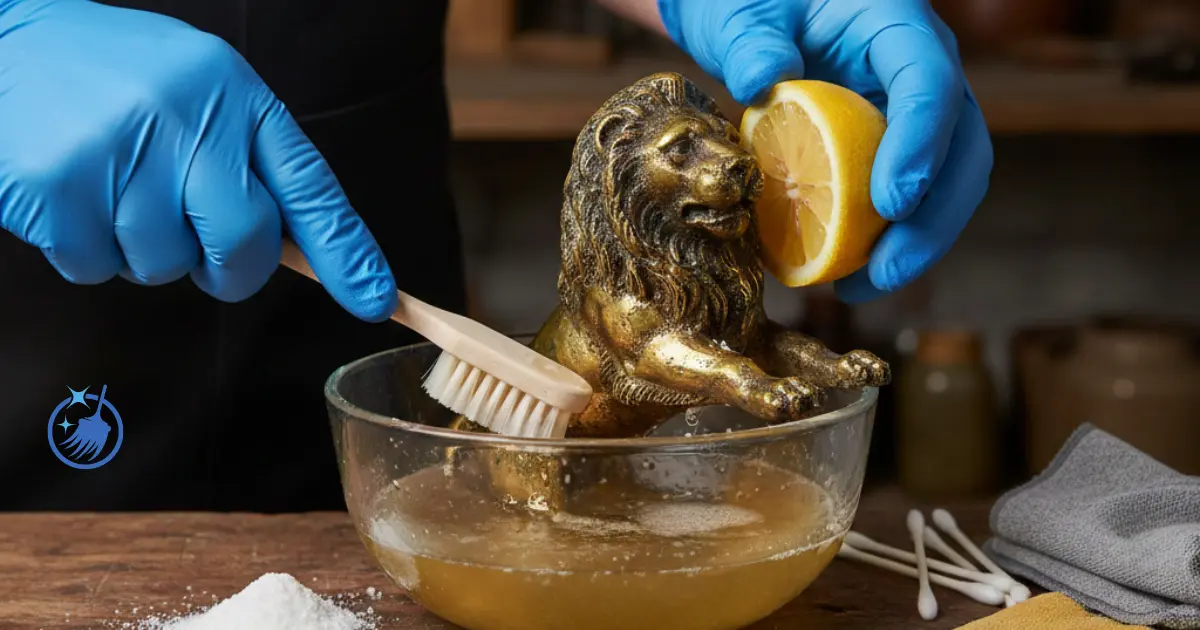
How to Clean Heavily Corroded Brass: Proven Methods That Work