How to Clean Heavily Corroded Brass: Proven Methods That Work

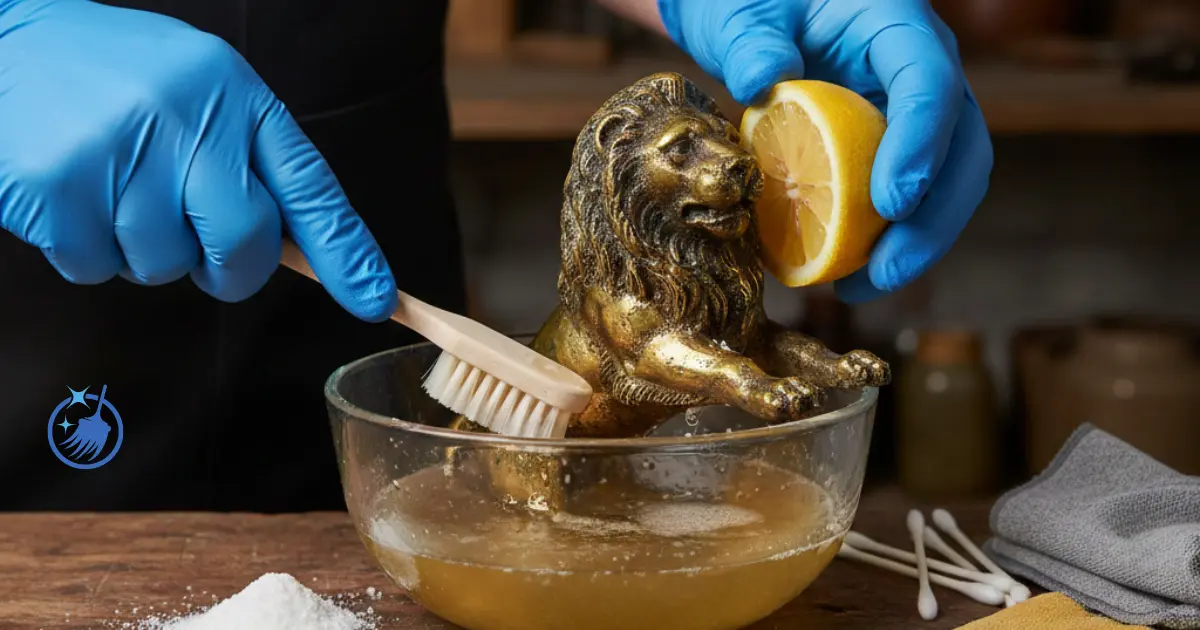
How to clean heavily corroded brass is something I get asked a lot, especially when people uncover old handles, ornaments or light fittings that look more green and brown than gold. After 18 years cleaning homes all over the UK, I can tell you that most “hopeless” brass can be rescued with the right method, a bit of patience and the right products.
In this guide I will walk you through simple ways to tell if your item is really brass, when it is safe to use natural cleaners like vinegar and bicarbonate of soda, when you are better off with a commercial brass cleaner, and what to do about that stubborn green corrosion called verdigris. You will also learn how to protect your brass so it stays shiny for longer, instead of going dull again in a few weeks.
What you will learn here:
- How to check if your piece is solid brass, lacquered or brass plated
- A step by step routine to remove heavy tarnish and green corrosion
- When to use natural cleaners and when to reach for stronger products
- The big mistakes that can permanently damage brass
- How often to clean brass and how to keep it bright with minimal effort
- When it is safer to call a professional, especially for antiques
This is a moderate effort job, especially if the brass is very corroded, but if you follow along you can usually get that warm golden shine back without paying for specialist restoration.
Quick Summary
Time needed: 30–90 minutes, depending on how corroded it is
Difficulty: Moderate
You’ll need: White vinegar, bicarbonate of soda, mild washing up liquid, soft cloths, old toothbrush, optional commercial brass cleaner
Key takeaway: Start gently with natural cleaners on solid brass, only move to stronger products if you need to, and always protect the surface afterwards so the corrosion does not come back quickly.
What You’ll Need
For most heavily tarnished or corroded brass pieces, gather:
- Mild washing up liquid and warm water
- White vinegar (distilled)
- Bicarbonate of soda
- Fine salt (table salt)
- Soft microfibre cloths
- Old toothbrush or soft nail brush
- Cotton buds for corners and grooves
- Rubber gloves
- Optional: commercial brass cleaner or dip (for example Brasso, Priory Polishes Brass Cleaning Solution, or a brass tarnish remover)
How to Clean Heavily Corroded Brass – Step by Step Guide
Step 1 – Check what kind of brass you have
Before you start, you need to know what you are working with.
- Colour test: Brass is usually a warm yellow or golden colour. If it looks more reddish it might be copper, and if it is very pale it might be brass plated steel.
- Magnet test: Hold a fridge magnet against a hidden area. If it sticks, you probably have brass plating over steel or another metal, not solid brass.
- Look for lacquer: Many modern handles and taps have a clear lacquer coating. If the surface looks very even and glossy, it might be lacquered, which needs gentler cleaning.
Why this matters: solid brass can usually cope with stronger cleaning and even a short vinegar soak, while plated or lacquered brass can be ruined by abrasives or long acid soaks.
Step 2 – Do a gentle wash first
Even heavily corroded brass is often covered in normal dirt, grease and old polish.
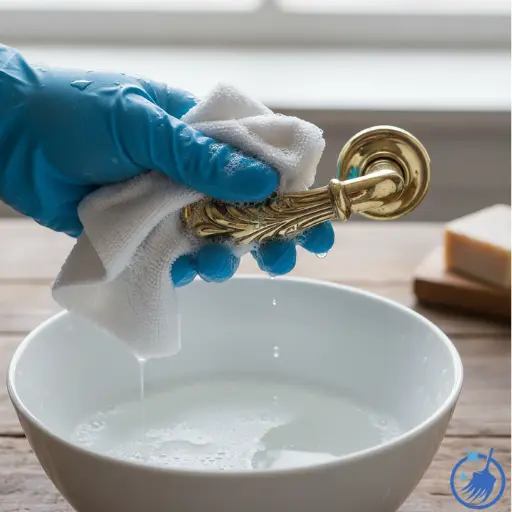
- Mix a bowl of warm water with a few drops of washing up liquid.
- Dip a soft cloth in and gently clean the piece, using an old toothbrush for crevices.
- Rinse quickly with clean water and dry thoroughly with a microfibre cloth.
Why this matters: you do not want to grind dirt into the surface while you treat the corrosion. Removing grease also helps natural acids work better on tarnish and verdigris.
Step 3 – Use a vinegar and bicarbonate of soda paste (for solid, unlacquered brass)
For solid brass that is badly tarnished or has patches of corrosion, a gentle acid and mild abrasive together works well.
- In a small bowl mix 2 tablespoons of white vinegar with 2 tablespoons of bicarbonate of soda and ½ teaspoon of fine salt to make a thick paste.
- Spread the paste over the brass with a cloth or your fingers (wear gloves), focusing on dark or green areas.
- Leave it to sit for 10–20 minutes on normal tarnish. For heavy corrosion, you can go up to 30–40 minutes, checking every 10 minutes.
- Scrub gently with a soft cloth or toothbrush, following the grain if there is one.
- Rinse thoroughly with warm water and dry straight away.
Why this matters: the vinegar dissolves the oxidation while the bicarbonate of soda and salt give a tiny bit of scrub without being as harsh as sandpaper. For a lot of corroded brass, this is enough to bring back most of the shine.
Step 4 – Treat stubborn green corrosion (verdigris)
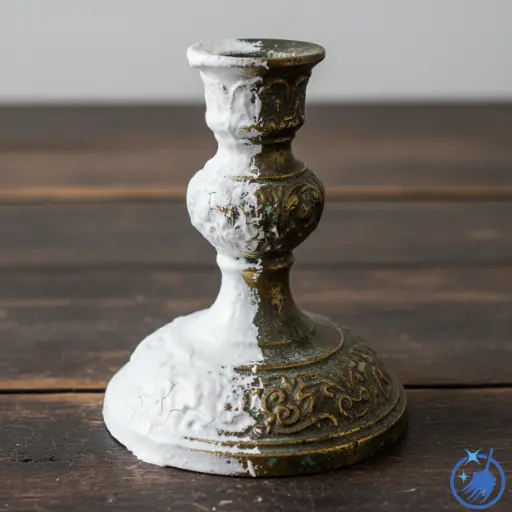
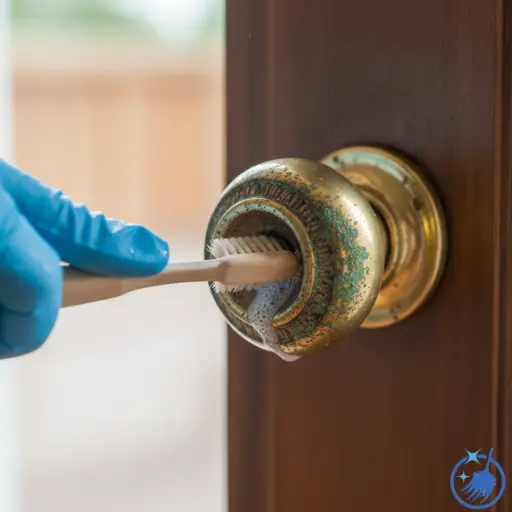
The green, crusty patches on brass are called verdigris. They need a bit more patience.
Option A: Short vinegar soak (for solid brass only)
- Place the brass item in a plastic container.
- Pour in enough white vinegar to cover the badly affected area.
- Leave for 15–30 minutes to start with. For very heavy corrosion you can go up to 2 hours, but check every 20 minutes.
- Take it out, scrub gently with a toothbrush or soft brush.
- Rinse, then neutralise by rubbing with a paste of bicarbonate of soda and water, rinse again and dry.
Option B: Commercial brass tarnish remover
If natural methods barely touch the corrosion, a purpose made cleaner or dip can help. Products like Priory Polishes No1 Brass Cleaning Solution or other brass tarnish removers are designed to shift years of build up.
- Follow the instructions exactly, usually a short dip or application with a cloth, then a rinse and dry.
- Never exceed the recommended time, especially on thin or decorative items.
Why this matters: verdigris eats into brass over time. Removing it stops further damage and improves both appearance and lifespan.
Step 5 – Polish and protect
Once the corrosion and heavy tarnish are gone, you want to restore a nice shine and slow down future oxidation.
- Use a brass polish (for example Brasso or a similar metal polish) on a soft cloth, working in small circles.
- Buff with a clean microfibre cloth until you see a warm, even shine.
- For items that live in damp rooms, like bathroom fittings, finish with a thin layer of microcrystalline wax or a suitable metal wax. Buff again.
This final step gives you that “new again” look and keeps fingerprints and water marks from ruining your hard work straight away.
Common Mistakes to Avoid
- Using harsh abrasives like steel wool on decorative brass: This scratches the surface and can remove detail. Use soft cloths or very fine pads only, and let the cleaner do the work.
- Soaking brass plated items in strong acid: A long vinegar soak can strip thin brass plating completely. Always test with a magnet and treat plated pieces gently with mild cleaners only.
- Leaving vinegar or lemon juice on brass for too long: Acids can darken brass or cause pitting if left for hours. Stick to the timings above and always rinse thoroughly.
- Cleaning antique brass as if it is modern hardware: Some antiques are valuable because of their patina. Over cleaning with abrasive pastes can ruin that finish. When in doubt, clean lightly or speak to a restorer.
- Skipping the drying step: Leaving brass damp encourages new tarnish and water marks. Always dry immediately with a soft cloth after rinsing.
How often should you clean brass?
This depends on where the brass is and how you use it, but here is a good starting point:
| Cleaning task | Frequency | Why |
|---|---|---|
| Quick wipe | Weekly | Removes fingerprints and surface grime |
| Light polish | Every 1–2 months | Stops tarnish building up |
| Deep clean for tarnish | Every 6–12 months | Deals with dullness and early corrosion |
| Heavy corrosion treatment | As needed | Only when you see green or heavy dark patches |
| Professional restoration | Every few years (antiques) | Protects delicate or valuable pieces |
If your brass is in a steamy bathroom or near the hob in the kitchen, you might need to do the quick wipe more often to stop soap, steam and grease sitting on the surface.
Cleaning Heavily Corroded Brass by Type
Solid, unlacquered brass
- Safest option for strong cleaning.
- Can handle short vinegar soaks and bicarbonate of soda pastes if you watch the timing.
- Ideal for door knockers, solid handles, and some older fittings.
Lacquered brass
- Has a clear coating to keep it shiny.
- If the lacquer is intact, stick to mild soapy water and a soft cloth.
- If the lacquer is peeling and corrosion is underneath, you may need to strip the lacquer first with a specialist product, then treat the brass and consider re-lacquering or waxing.
Brass plated items
- Usually cheap decorative pieces, furniture handles, or light fixtures.
- The brass layer is thin, so avoid scrubbing or strong acids.
- Use mild washing up liquid, very gentle polishing and stop as soon as it looks better.
Antique or valuable brass
- Treat as gently as possible. Some experts even avoid bicarbonate of soda and lemon on antiques because of the abrasion and acidity.
- For sentimental or high value items, speak to a professional restorer, especially if the corrosion is very heavy.
Pro Tips From a Professional Cleaner
Insider Tips for Brass Cleaning
After cleaning a lot of brass in homes across the UK, here is what really makes a difference:
Work in good light
Corrosion and remaining tarnish are much easier to see by a window or under a bright lamp, so you do not miss patches.Tackle edges and corners first
Use cotton buds or a toothbrush around screws, engravings and joins, then finish the larger flat areas. It gives a more professional finish.Neutralise acids properly
After using vinegar or lemon juice, always rub with a plain bicarbonate of soda and water paste, then rinse. It stops the acid continuing to react with the metal.Protect high touch areas
On bathroom fittings and door handles, a thin layer of wax after polishing can easily double the time before you need to deep clean again.
Conclusion
Once you know how to clean heavily corroded brass properly, most sad looking pieces are far from ruined. Start by checking whether the item is solid brass, clean away normal dirt, use a timed vinegar and bicarbonate of soda treatment on suitable pieces, and only move to stronger commercial brass cleaners if the corrosion is really stubborn.
Avoid harsh abrasives, be especially careful with antique or brass plated items, and always finish by drying and protecting the surface. Follow this routine and your brass can go from green and dull to warm, golden and shining again, without the cost of professional restoration every time.
Frequently Asked Questions
How to clean heavily corroded brass?
To clean heavily corroded brass, wash it first with warm water and washing up liquid, then use a vinegar and bicarbonate of soda paste or a short vinegar soak for solid brass, scrubbing gently with a soft brush before rinsing and drying. For very stubborn green corrosion, a specialist brass tarnish remover can help, followed by polishing and waxing to protect the finish.
What is the best way to clean heavily tarnished brass?
The best way depends on the item, but for most household pieces a paste of white vinegar, bicarbonate of soda and a little salt works very well. Apply, leave for 10–20 minutes, then scrub gently and rinse, repeating on the worst patches. Finish with a brass polish to restore shine.
How do you remove green corrosion from brass?
Green corrosion (verdigris) can often be removed by a short soak in white vinegar for solid brass items, followed by gentle scrubbing and then neutralising the acid with a bicarbonate of soda paste. If that is not enough, a commercial brass tarnish remover or dip designed for heavy tarnish is usually the next step.
Can you use vinegar to clean brass?
Yes, white vinegar is one of the most effective natural ways to clean tarnished brass, especially when combined with bicarbonate of soda or flour and salt. You just need to limit the contact time, rinse very well, and avoid long soaks on brass plated or antique pieces where it can cause damage.
Does vinegar damage brass?
Vinegar will not usually damage solid brass if used for short periods, but if it is left on for too long it can darken the metal or cause pitting. That is why timed treatments and proper rinsing are important, and why antiques and plated items should be treated more cautiously.
How do you clean antique brass without removing the patina?
With antique brass, use mild washing up liquid and warm water first, then a very gentle metal polish used sparingly only on areas that really need it. Avoid strong acids, abrasive pastes and heavy scrubbing so you keep the natural patina that gives the piece its character and value, and consider getting a professional opinion for valuable items.
How do you know if brass is solid or plated?
A quick magnet test works well, as a magnet will usually stick to brass plated steel but not to solid brass. You can also look at worn areas or screw threads, where plated items may show a different coloured base metal underneath.
How do you clean badly tarnished brass naturally?
For a natural approach, use a paste of lemon juice or white vinegar with bicarbonate of soda or flour and salt, apply it to the brass, leave it for 10–30 minutes, then scrub gently and rinse. You might need to repeat this a few times on very dark or green patches, but it avoids harsher chemicals.
How often should you clean brass?
Most brass only needs a quick wipe weekly and a light polish every couple of months, with a deeper clean once or twice a year depending on how exposed it is to fingerprints, moisture and pollution. Items in bathrooms or kitchens may need a bit more attention because of steam, soap and grease.
You May Also Like

How to Clean Earrings: Complete Guide for All Metal Types

How to Clean Brass at Home: Simple, Tested Methods That Work