How to Clean Vertical Blinds: Quick & Easy Professional Methods

How to clean vertical blinds is something I get asked about constantly, and I always give the same answer: they’re actually the easiest blinds to maintain. After 18 years as a professional cleaner, I’ve cleaned thousands of vertical blinds across UK homes, and here’s the brilliant news – their vertical position means dust doesn’t settle as heavily as it does on horizontal blinds like Venetians. In the next five minutes, I’ll show you exactly how to clean vertical blinds whether they’re fabric, PVC, or any other material, plus how to tackle stubborn stains and mould without removing them from the window. These are the same quick methods I use in client homes every single day.
What You’ll Learn:
- How to clean vertical blinds in under 10 minutes without taking them down
- Specific methods for fabric, PVC, and wooden vertical blinds
- How to remove mould and stubborn stains safely
- Whether you can put vertical blinds in the washing machine
- Weekly maintenance that keeps them looking new
Quick Summary
Time needed: 5-10 minutes for routine cleaning
Difficulty: Easy
You’ll need: Microfibre cloth, warm water, mild washing-up liquid
Key takeaway: Vertical blinds are the easiest blind type to clean – their vertical position naturally sheds dust, and most can be cleaned whilst hanging.
What You'll Need
The beauty of cleaning vertical blinds is how little equipment you need:
- Microfibre cloths (at least 2)
- Warm water
- Mild washing-up liquid (Fairy is perfect)
- Bucket or bowl
- Vacuum cleaner with soft brush attachment (optional)
- Optional: White vinegar (for mould and stubborn stains)
- Optional: Clean tea towel
How to Clean Vertical Blinds – Step-by-Step Guide
Step 1 – Identify Your Blind Material
Before you start cleaning, you need to know what your vertical blinds are made from. This determines which cleaning method you’ll use:
Fabric vertical blinds – Most common type, usually polyester or a cotton blend. Can be vacuumed and spot-cleaned.
PVC/Vinyl vertical blinds – Waterproof and easiest to clean. Perfect for bathrooms and kitchens.
Wooden vertical blinds – Rare but need the gentlest approach with minimal water.
Aluminium vertical blinds – Water-resistant but avoid harsh chemicals that damage the coating.
Not sure which you have? PVC blinds feel smooth and slightly plastic-like. Fabric blinds have a softer, textile feel. If you’re still unsure, test in an inconspicuous area first.
Step 2 – Quick Dust First
This step takes 2 minutes and makes the actual cleaning far easier.
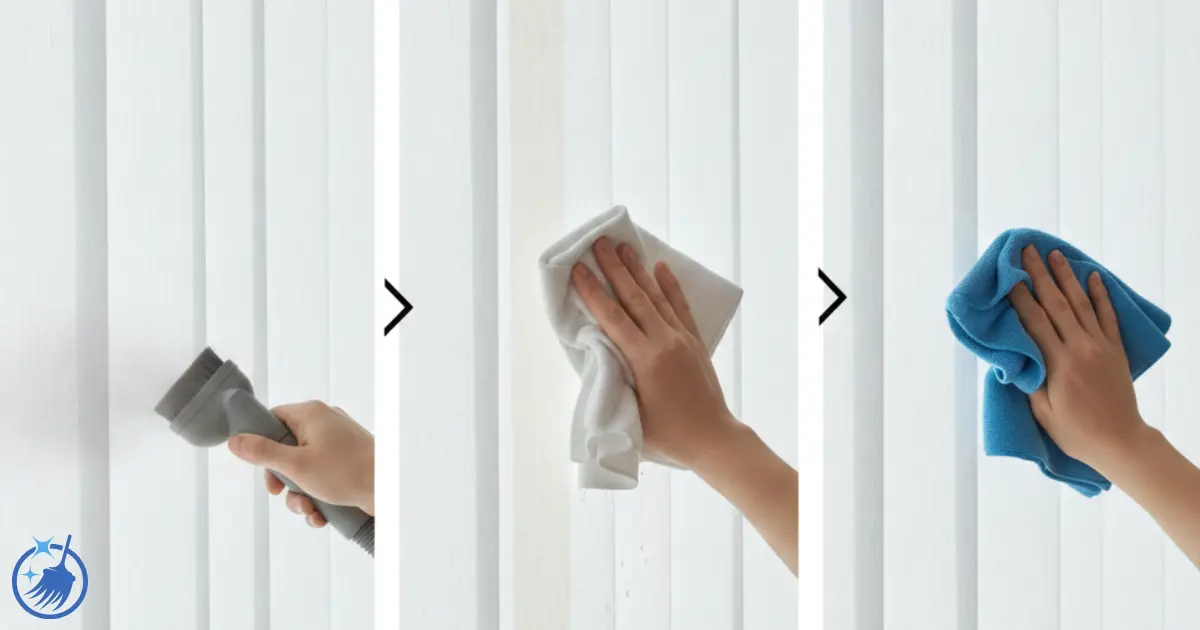
Use a dry microfibre cloth and wipe each panel from top to bottom in one smooth motion. The vertical position means you can clean an entire panel in a single wipe – much faster than dusting horizontal Venetian blinds slat by slat.
Alternatively, use your vacuum cleaner on the lowest setting with the soft brush attachment. Hold each panel gently and vacuum from top to bottom.
Step 3 – Prepare Your Cleaning Solution
Fill a bucket with warm (not hot) water and add a small squirt of washing-up liquid. You want barely any bubbles – too much soap leaves streaks and residue.
For fabric blinds, use even less soap as fabric can absorb it and become stiff.
Step 4 – Clean According to Material Type
For PVC/Vinyl Vertical Blinds:
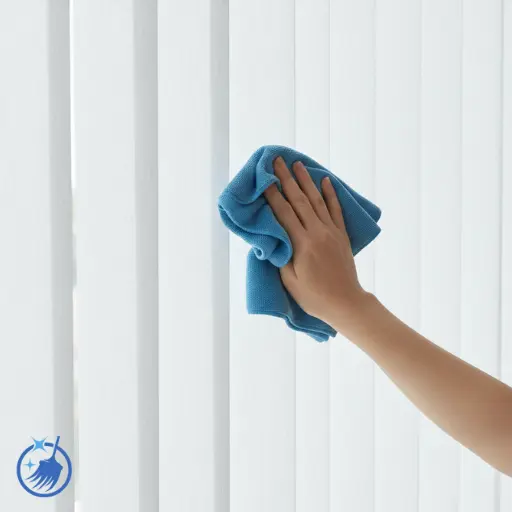
These are wonderfully forgiving. Dampen your microfibre cloth in the cleaning solution, wring it out well, and wipe each panel from top to bottom. You can be quite firm with PVC blinds – they’re designed to handle moisture.
For stubborn marks, you can wipe them multiple times or use slightly more pressure. PVC vertical blinds are the easiest of all blind types to maintain.
For Fabric Vertical Blinds:
More care needed here. Your cloth should be barely damp – wring it out thoroughly until it’s almost dry. Wipe each panel gently from top to bottom using light pressure.
For stains on fabric, spot-clean only. Dampen a clean cloth, dab (don’t rub) the stain, then blot with a dry cloth. Rubbing can damage the fabric backing or spread the stain.
For Wooden Vertical Blinds:
Use an almost-dry cloth. Wooden blinds should barely feel any moisture. Wipe gently along the grain of the wood and dry immediately with a separate dry cloth.
Step 5 – Dry Thoroughly
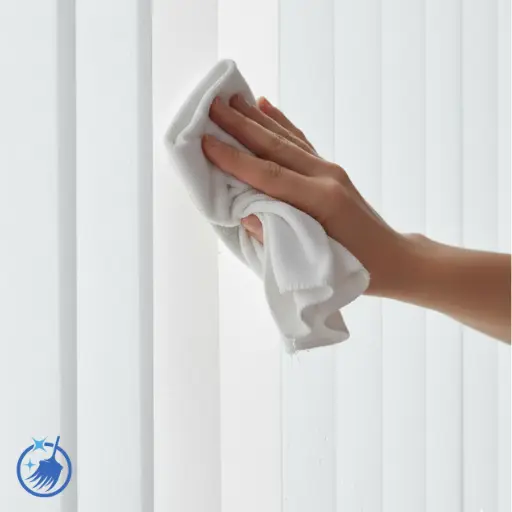
Go over each panel with a clean, dry microfibre cloth or tea towel. This prevents water spots and ensures no moisture sits in the fabric or mechanisms where mould can develop.
For fabric blinds, this step is crucial – never leave them damp.
How to Clean Vertical Blinds Without Removing Them
The method above covers cleaning vertical blinds whilst they’re hanging, which is what I do in 95% of client homes. It’s quick, effective, and means you don’t need to wrestle with clips and mechanisms.
However, if your blinds are heavily soiled – for instance, kitchen blinds with built-up grease – here’s my approach for more intensive cleaning without removal:
- Close the blinds so all panels face the same direction
- Mix warm water with washing-up liquid and a tablespoon of white vinegar (the vinegar cuts through grease brilliantly)
- Use a slightly damper cloth than usual and wipe each panel thoroughly
- For stubborn marks, go over them 2-3 times
- Wipe with a clean damp cloth to remove soap residue
- Dry immediately with a clean towel
This method works for PVC blinds. For fabric blinds with heavy soiling, see the washing machine section below.
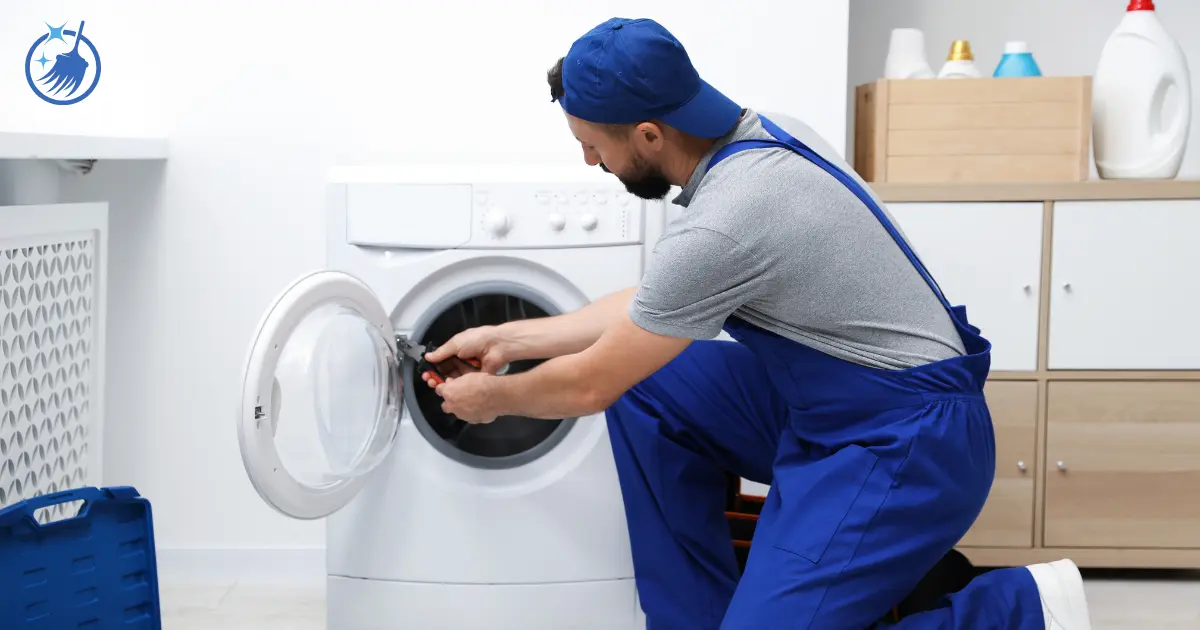
Can you put vertical blinds in the washing machine?
This is one of the most common questions I hear, and the answer is: only if the manufacturer explicitly says they’re machine-washable.
Checking if Your Blinds Are Machine-Washable:
Look for a care label on the headrail or on one of the panels (usually near the top). If it says machine-washable or has a washing machine symbol, you’re good to go.
If there’s no label or you’re unsure, assume they’re NOT machine-washable. Non-washable vertical blinds will shrink, distort, or lose their backing adhesive in the wash.
How to Machine Wash Vertical Blinds (For Washable Ones Only):
- Remove each panel carefully from the headrail and take off the bottom weights
- Roll each panel loosely (don’t fold – this creates permanent creases)
- Place 2-3 rolled panels inside a pillowcase and tie it closed
- Wash on delicate/gentle cycle with mild detergent – 30°C maximum
- Remove immediately after the cycle finishes
- Hang each panel up to dry (I use a shower rail or outdoor washing line)
- Never tumble dry – the heat will destroy them
- Rehang once completely dry
I’ve cleaned hundreds of vertical blinds over the years and I only machine wash them if I’m absolutely certain they’re designed for it. When in doubt, stick to hand cleaning – it’s safer and only takes 10 minutes.
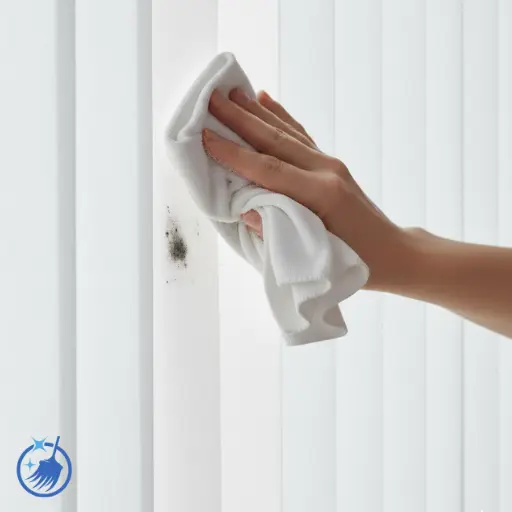
How to Remove Mould from Vertical Blinds
Mould on vertical blinds is incredibly common, particularly in bathrooms where condensation builds up. The good news is it’s usually easy to remove if you catch it early.
For PVC/Vinyl Vertical Blinds:
- Mix equal parts white vinegar and water in a spray bottle
- Spray directly onto the mouldy areas
- Leave for 5-10 minutes (the vinegar kills the mould spores)
- Wipe clean with a damp cloth
- Dry thoroughly
For stubborn mould, you can make a paste of bicarbonate of soda and water, apply it to the mould, leave for 10 minutes, then wipe clean.
For Fabric Vertical Blinds:
More challenging because you can’t saturate fabric. Here’s my method:
- Mix white vinegar and water (50/50)
- Spray the solution onto a cloth (not directly onto the blind)
- Dab the mouldy areas gently
- Don’t soak the fabric – use light dabs
- Wipe with a clean damp cloth
- Leave to air dry completely
For severe mould on fabric blinds, professional dry cleaning or replacement is often the best option. Extensive mould indicates the fabric backing is compromised.
Preventing Mould on Vertical Blinds:
- Open bathroom windows after showers to reduce humidity
- Use an extractor fan whilst bathing
- Wipe bathroom blinds dry if condensation settles on them
- Consider PVC vertical blinds for high-moisture rooms instead of fabric
- Check blinds weekly for early signs of mould (easier to remove when small)
How to Clean Fabric Vertical Blinds (Detailed Method)
Fabric vertical blinds need the gentlest approach. Here’s exactly how I clean them in client homes:
Weekly Maintenance:
- Vacuum on lowest setting with soft brush attachment, or
- Wipe with a completely dry microfibre cloth
Monthly Cleaning:
- Barely damp cloth with minimal washing-up liquid
- Wipe from top to bottom in one smooth motion
- Dry immediately
For Stains:
- Mix one teaspoon washing-up liquid with one cup warm water
- Dip a cloth in the solution and wring until nearly dry
- Dab the stain gently – never rub
- Blot with a dry cloth
- If the stain persists, try a fabric stain remover (test on an inconspicuous area first)
Deep Cleaning (Only for Machine-Washable Fabric Blinds): Follow the washing machine method described earlier, but only if your blinds have a care label confirming they’re washable.
For non-washable fabric blinds, if they’re very dirty, professional dry cleaning is safer than attempting to wash them yourself. A dry cleaner will charge around £3-5 per panel, which is far cheaper than replacing damaged blinds.
Common Mistakes to Avoid When Cleaning Vertical Blinds
After 18 years cleaning blinds professionally, I’ve seen every mistake possible. Here are the ones that cause the most damage:
- Using too much water on fabric blinds – This causes the backing adhesive to fail and the fabric to distort. Always wring cloths until they’re barely damp for fabric.
- Machine washing non-washable blinds – I once had a client who machine washed their expensive blackout vertical blinds without checking the label. They came out 15cm shorter and completely misshapen. Always check the care label first.
- Using bleach on fabric – Bleach weakens fabric fibres and causes yellowing. White vinegar is far safer and more effective for stains and mould.
- Forgetting to remove bottom weights before washing – The weights will damage both the blinds and your washing machine. Always remove them first.
- Leaving blinds damp – This creates the perfect environment for mould. Always dry vertical blinds thoroughly after cleaning.
- Using harsh chemicals on PVC – Strong bathroom cleaners and bleach can discolour PVC blinds. Washing-up liquid and water work perfectly.
How Often Should You Clean Vertical Blinds?
Based on my professional experience, here’s what actually keeps vertical blinds in excellent condition:
| Cleaning Task | Frequency | Why |
|---|---|---|
| Quick dust/wipe | Weekly | Takes 2 minutes, prevents dirt building up |
| Damp wipe clean | Monthly | Removes any marks before they become stains |
| Deep clean | Every 3-4 months | Keeps blinds looking fresh |
| Mould check (bathrooms) | Weekly | Catches mould when it’s easiest to remove |
Kitchen vertical blinds need fortnightly cleaning due to cooking grease. Bathroom blinds benefit from a quick wipe-down after steamy showers.
The wonderful thing about vertical blinds compared to other blind types is that weekly maintenance genuinely only takes 2-3 minutes. I have clients who’ve had their vertical blinds for over 10 years and they still look nearly new because they wipe them weekly whilst waiting for the kettle to boil.
Time-Saving Vertical Blind Maintenance
Fastest way to keep vertical blinds perfect:
Week 1: Dry wipe whilst kettle boils (2 minutes)
Week 2: Dry wipe whilst kettle boils (2 minutes)
Week 3: Dry wipe whilst kettle boils (2 minutes)
Week 4: Damp wipe during cleaning session (8 minutes)
Total monthly time: 14 minutes
Result: Blinds that look new for years
Troubleshooting – When Vertical Blinds Won't Come Clean
Problem: Greasy film won’t shift (common on kitchen blinds)
Kitchen grease builds up invisibly on vertical blinds. Use warm water with extra washing-up liquid and add one tablespoon of white vinegar. For PVC blinds, you can wipe quite firmly. For fabric, you may need to spot-clean individual grease marks or consider professional cleaning.
Problem: Fabric blinds smell musty even after cleaning
This indicates mould inside the fabric backing. Clean with a white vinegar solution (50/50 with water) and ensure the room is well-ventilated whilst drying. If the smell persists after two cleaning attempts, the fabric backing is compromised and the blinds need replacing.
Problem: Blinds won’t rotate smoothly
Dust builds up in the headrail mechanism. Remove the panels and wipe inside the headrail track with a damp cloth. You can spray a small amount of silicone-based lubricant on the track to improve rotation. Make sure you don’t get any on the blind panels.
Problem: White fabric blinds turning yellow
This is usually from UV exposure or smoke. Try cleaning with warm water and one tablespoon of bicarbonate of soda per litre. For PVC blinds, you can soak them briefly. For fabric, spot-clean only. If yellowing persists, it may be permanent.
Problem: Water marks after cleaning
You’ve used too much water. For fabric blinds especially, cloths must be wrung out until barely damp. For existing water marks, try wiping with a completely dry microfibre cloth using circular motions.
When to Call a Professional:
- Severe mould that returns after cleaning
- Extensive yellowing or staining on expensive blinds
- Mechanisms broken or stuck
- Very large blinds (over 3 metres) that are difficult to handle
Professional blind cleaning costs around £3-5 per vertical blind panel. It’s worth it for expensive or delicate blinds.
Pro Tips From a Professional Cleaner
After cleaning vertical blinds in hundreds of UK homes, here’s what makes the biggest difference:
1. Prevention is easier than cleaning
Opening windows whilst cooking reduces grease buildup on kitchen blinds by about 60%. This one habit saves hours of scrubbing later.
2. The weekly wipe genuinely works
Clients who wipe their vertical blinds weekly – literally 2 minutes whilst the kettle boils – only need deep cleaning once a year. Clients who ignore them for months end up spending an hour scrubbing stubborn marks.
3. Direction matters when drying
Always wipe from top to bottom when drying. Water runs downwards, so working in this direction prevents you from pushing moisture back up into areas you’ve just dried.
4. Check bottom weights regularly
These can accumulate dust and moisture. Every few months, remove each panel and wipe the weights clean. This keeps blinds hanging straight and prevents mould forming in the hem.
5. Sunlight is brilliant for fabric blinds
If you can, remove machine-washable fabric blinds and dry them outside in sunlight. The UV naturally kills bacteria and freshens fabric better than any product.
6. Kitchen blinds need different treatment
The cooking grease that builds up on kitchen vertical blinds is invisible until you try to clean them. I always add white vinegar to the cleaning solution for kitchen blinds – it cuts through grease brilliantly.
7. Test everything first
Always test cleaning solutions on an inconspicuous area (usually the back top corner of one panel) before cleaning the whole blind. This takes 30 seconds and has saved me from damaging expensive blinds countless times.
For more general blind cleaning advice covering all types including Venetian and roller blinds, have a look at our complete guide on how to clean blinds.
Conclusion
Cleaning vertical blinds is genuinely one of the easiest home maintenance tasks once you know the right method. The vertical position means dust doesn’t settle heavily, most materials can be cleaned whilst hanging, and weekly maintenance takes under 3 minutes. Remember the key principles: identify your material type first, use minimal water on fabric blinds, always dry thoroughly, and weekly dusting prevents intensive cleaning later.
The methods I’ve shared are exactly what I use in client homes every day, and they work on every vertical blind type from budget PVC to expensive designer fabric. Master these basics – gentle cleaning, proper drying, and regular maintenance – and your vertical blinds will stay looking fresh for years. <!– INTERNAL LINKS: Add 2-3 related article links here once published –>
Related guides:
- How to Clean Venetian Blinds
- How to Remove Mould from Bathroom Surfaces
- Best Cleaning Solutions for Kitchen Grease
Frequently Asked Questions
How to clean vertical blinds without removing them?
Wipe each panel from top to bottom with a damp microfibre cloth whilst the blinds are hanging. Use warm water with a drop of washing-up liquid, wring the cloth well so it’s barely damp, and dry each panel immediately with a clean towel. This takes about 5-10 minutes for a standard window and works for all vertical blind types except heavily soiled ones.
Can you put vertical blinds in the washing machine?
Only if the manufacturer’s care label explicitly states they’re machine-washable. Most fabric vertical blinds aren’t machine-washable and will shrink or lose their backing if washed. For washable ones, remove weights, roll panels loosely, place in a pillowcase, wash on delicate at 30°C with mild detergent, and hang to dry. Never machine wash PVC vertical blinds.
How to clean fabric vertical blinds?
Vacuum on the lowest setting with a soft brush attachment, or wipe with a barely damp cloth from top to bottom. For stains, spot-clean only by dabbing gently with a damp cloth – never rub. Use minimal water as excess moisture damages the fabric backing. Dry immediately after cleaning. Weekly dusting prevents the need for intensive cleaning.
How to clean mould off vertical blinds?
Mix equal parts white vinegar and water, spray onto the mouldy areas (for PVC blinds) or onto a cloth (for fabric blinds), leave for 5-10 minutes, then wipe clean and dry thoroughly. Vinegar kills mould spores and prevents regrowth. For stubborn mould, make a paste with bicarbonate of soda and water. Severe mould on fabric blinds often requires professional cleaning or replacement.
How often should I clean vertical blinds?
Dust or wipe vertical blinds weekly (takes 2-3 minutes), clean with a damp cloth monthly, and deep clean every 3-4 months. Kitchen vertical blinds need fortnightly cleaning due to grease buildup, whilst bathroom blinds should be checked weekly for mould. Regular weekly maintenance prevents dirt building up and keeps blinds looking new for years.
How to clean PVC vertical blinds?
PVC vertical blinds are the easiest to clean. Wipe each panel from top to bottom with a damp cloth and warm soapy water – you can be quite firm as PVC handles moisture well. For heavy soiling, remove panels and soak in warm water with washing-up liquid for 10-20 minutes, wipe clean, rinse, and hang to dry. Never machine wash PVC blinds.
How to clean greasy vertical blinds in the kitchen?
Use warm water with washing-up liquid and one tablespoon of white vinegar – the vinegar cuts through cooking grease brilliantly. Wipe each panel thoroughly from top to bottom, going over stubborn areas 2-3 times if needed. For heavy grease on PVC blinds, you can remove and soak them. Kitchen blinds need cleaning fortnightly to prevent grease building up.
Can you steam clean vertical blinds?
Steam cleaning isn’t recommended for vertical blinds. The intense moisture can damage fabric backing, melt adhesives in the hem weights, and cause warping. Stick to gentle wiping with a barely damp cloth for fabric blinds and regular damp wiping for PVC blinds. Steam contains far too much moisture for safe blind cleaning.
How to clean white vertical blinds?
White vertical blinds show dirt quickly but clean easily. Use warm water with washing-up liquid and wipe from top to bottom. For yellowing, add one tablespoon bicarbonate of soda per litre of water. For PVC white blinds, you can add white vinegar to restore brightness. Avoid chlorine bleach as it causes yellowing – oxygen bleach is safer for stubborn stains on fabric.
How long do vertical blinds take to dry after cleaning?
PVC vertical blinds dry in 15-30 minutes when wiped dry after cleaning. Fabric vertical blinds take 1-3 hours to air dry if cleaned whilst hanging, or 6-12 hours if machine washed and hung on a line. Never hang damp blinds back on the window – always ensure they’re completely dry first to prevent mould growth.
You May Also Like
How to Clean a Sink Drain: Complete Step-by-Step Guide

How to Deep Clean Your Kitchen: Complete Step-by-Step Guide