How to Dry Clean at Home: The Complete UK Guide (2025)


How to dry clean at home is something I’ve taught hundreds of clients who want to save money on professional cleaning bills. After 18 years as a professional cleaner, I’ve seen people waste £10-20 per garment on dry cleaning when many items can be safely cleaned at home for pennies. The truth is, “dry clean only” labels are often overly cautious – manufacturers use them to avoid liability, not because home cleaning will definitely damage the item. That said, some fabrics genuinely need professional care, and I’ll tell you exactly which ones. You’ll learn the proper methods I use, when home dry cleaning works brilliantly, when it’s risky, and how to know the difference.
What makes this guide different is brutal honesty about limitations. I run a cleaning business, so it’s in my interest to tell you to use professional services. But I’d rather give you accurate information – some things you can absolutely do yourself, saving money for the items that truly need expert care.
Quick Summary
Time needed: 20-40 minutes per garment
Difficulty: Easy to moderate (depending on fabric)
You’ll need: Home dry cleaning kit OR bicarbonate of soda, white vinegar, steamer, gentle detergent
Key takeaway: Most “dry clean only” items can be hand-washed gently or steam-cleaned at home. Exceptions: structured suits, silk, leather, suede, heavily embellished items
What You'll Need
For Kit-Based Dry Cleaning
- Home dry cleaning kit (£5-12 from Tesco, Asda, or Amazon – Dryel is popular)
- Tumble dryer
- Hangers
- Optional: Handheld steamer (£15-30 from Argos)
For DIY Dry Cleaning Without a Kit
- Bicarbonate of soda (under £1)
- White vinegar (about 50p)
- Gentle laundry detergent (Woolite or similar, £3-4)
- Large basin or clean sink
- White towels
- Spray bottle
- Handheld steamer or iron with steam function
- Soft brush (optional, for spot cleaning)
Understanding "Dry Clean Only" Labels
Before we start, let’s talk about what “dry clean only” actually means. Manufacturers put this label on items for several reasons:
Genuine reasons for dry clean only:
- The fabric shrinks dramatically when wet (some wools, some silks)
- The dye runs badly and will ruin the garment
- The item has a structured shape that water destroys (tailored suits, structured blazers)
- Delicate embellishments that can’t handle water or agitation
- Fabrics that water-spot permanently (some silks, some satins)
Cautionary “dry clean only” (often washable at home):
- Linen that wrinkles easily but doesn’t actually need dry cleaning
- Viscose and rayon that are fragile but can handle gentle hand washing
- Wool jumpers and cardigans without structure
- Most curtains and soft furnishings
- Many dresses without structure or lining
The trick is knowing which category your item falls into. I’ll teach you how to test this safely.
The Spot Test – Always Do This First
Never try any cleaning method on a full garment without testing. This 5-minute test has saved me from ruining countless items.
How to spot test:
- Find a hidden area – inside seam, under a collar, inside a hem
- Dampen a white cloth with your chosen cleaning method (water, vinegar solution, or whatever you’re using)
- Gently dab the hidden spot
- Wait 5 minutes
- Press a dry white cloth against it
Look for:
- Colour transfer to the white cloth (means the dye runs)
- Fabric puckering or changing texture
- Water marks that don’t disappear when dry
- Any other obvious damage
If any of these happen, don’t proceed with home cleaning. Take it to a professional instead. If the spot test is clean, you’re safe to continue.
How to Dry Clean Clothes at Home – Method 1: Using a Dry Cleaning Kit
Home dry cleaning kits work through steam and mild solvents to freshen and lightly clean garments. They’re best for items that aren’t actually dirty, just need refreshing.
Step 1 – Prepare the Garment
- Check all pockets and remove everything
- Pre-treat any visible stains with the stain remover stick included in the kit
- Dab (don’t rub) the stain gently
- Let it sit for 5 minutes
Step 2 – Load the Cleaning Bag
- Place 1-2 garments maximum in the bag (kits usually say 3-4, but I get better results with fewer)
- Add the pre-moistened cleaning cloth from the kit
- Seal the bag completely – any opening lets the steam escape
Step 3 – Tumble Dry
- Set your dryer to low heat – this is crucial
- Run for the time specified on the kit (usually 15-30 minutes)
- Don’t add anything else to the dryer
- The heat activates the cleaning cloth, creating steam inside the sealed bag
Step 4 – Steam and Hang
- Remove immediately when the cycle finishes
- Hang the garment straight away on a proper hanger
- Use a steamer or steam iron to remove any wrinkles
- Let it air for 2-3 hours before wearing
What works well with kits:
- Wool jumpers and cardigans
- Lightweight suits (for refreshing between professional cleans)
- Dresses without heavy staining
- Trousers and skirts
- Curtains (if they fit)
What doesn’t work with kits:
- Actually dirty items (these need proper washing)
- Heavy coats
- Items with serious stains
- Anything too large for the bag
I’ve used Dryel kits (£10-12 for 6 loads) dozens of times. They work brilliantly for refreshing, but they’re not true cleaning – they remove odours and very light surface dirt only.
How to Dry Clean at Home Without a Kit – Method 2: Hand Washing
This is what I do for 80% of “dry clean only” items in my own wardrobe. It’s proper cleaning, not just refreshing.
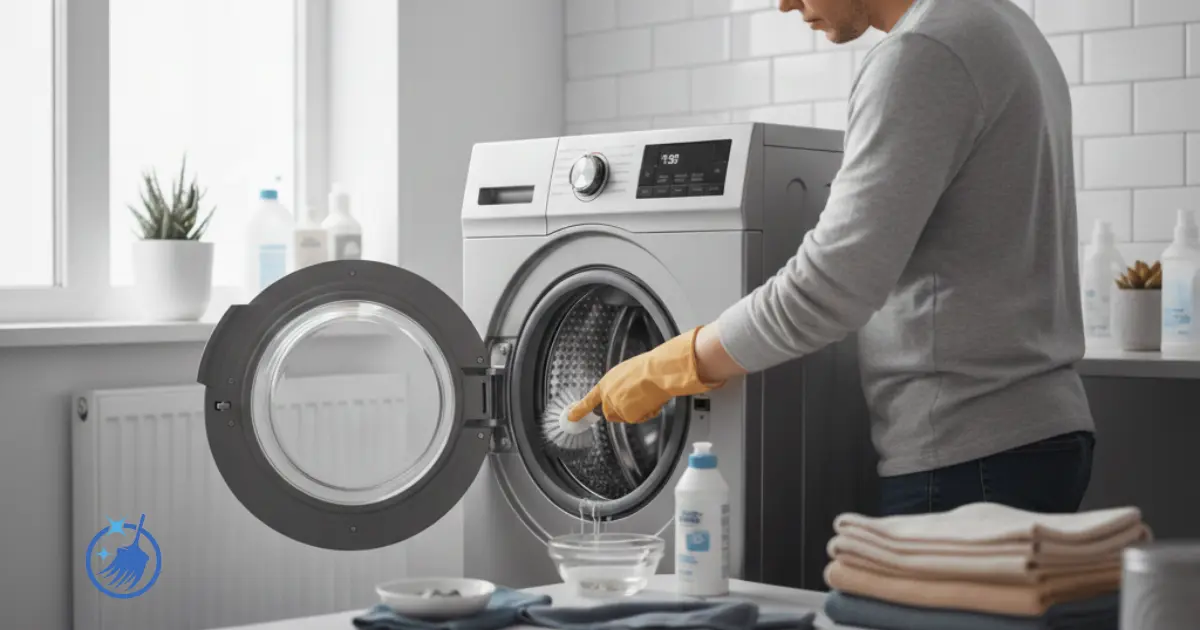
Step 1 – Fill Basin with Lukewarm Water
- Use a clean sink or large basin
- Fill with lukewarm water – never hot, never cold (test with your hand – should feel neutral)
- Add 1 teaspoon of gentle detergent (Woolite, Ecover Delicate, or baby shampoo all work)
- Swish it around to dissolve
Step 2 – Submerge and Soak
- Turn the garment inside out if possible
- Gently place it in the water
- Push it down so it’s fully submerged
- Let it soak for 5-10 minutes (no longer – extended soaking can damage fibres)
- Don’t agitate or scrub – just let it sit
Step 3 – Gentle Agitation
- After soaking, very gently move the garment around in the water
- Use a pressing motion with your hands, like kneading bread very softly
- Never wring, twist, or rub fabric against itself
- Do this for about 2 minutes
- Pay attention to underarms, collars, and cuffs where dirt accumulates
Step 4 – Rinse Thoroughly
- Drain the soapy water
- Fill with clean lukewarm water
- Gently move the garment around to rinse
- Drain and repeat until water runs completely clear and you can’t smell any detergent
- This usually takes 2-3 rinses
Step 5 – Remove Water Without Wringing
This is the crucial step most people get wrong.
- Never wring or twist the garment
- Gently press the water out while the item is still in the sink
- Lift it carefully, supporting the weight
- Lay a clean white towel on a flat surface
- Place the garment on the towel
- Roll the towel and garment together like a Swiss roll
- Press firmly on the roll to transfer water from garment to towel
- Unroll and reshape the garment gently
- Lay flat on a dry towel to finish drying, or hang if the fabric isn’t too heavy
Drying times:
- Wool jumpers: 24-48 hours flat drying
- Silk blouses: 6-12 hours hanging
- Polyester dresses: 12-24 hours hanging
- Wool coats: 48-72 hours flat drying
How to Dry Clean Specific Items at Home
How to Dry Clean a Suit at Home
Suits are tricky because they have structure – canvas interfacing, shoulder pads, and linings that react differently to water.
For suit jackets:
- Don’t attempt to wash the jacket at home if it’s structured (tailored, with substantial shoulder pads)
- Use a kit for light refreshing only
- Steam regularly to remove wrinkles and odours
- Spot-clean stains immediately with a damp cloth
- Professional dry clean 2-3 times per year
For suit trousers:
- These can often be hand-washed if they’re wool without a delicate finish
- Do the spot test first on the inside leg seam
- If safe, hand wash following Method 2
- Hang by the waistband while slightly damp to maintain the crease
- Use trouser hangers with clips
I’ll be honest – structured suit jackets are the one item I always recommend professional cleaning for. The interfacing and construction don’t survive home washing. But suit trousers? Those I wash at home constantly.
How to Dry Clean Curtains at Home
Curtains are usually safe to clean at home, saving you £30-80 on professional cleaning.
For most curtains:
- Remove from the rail and take out hooks
- Shake vigorously outside to remove dust
- If they fit in your washing machine, use the delicate cycle with cold water
- If they don’t fit or you’re nervous, hand wash in the bath
- Use minimal detergent – curtain fabric shows detergent residue easily
- Rinse extremely thoroughly
- While still slightly damp, rehang them – the weight pulls out wrinkles
- Steam any remaining creases once hung
For velvet curtains:
- Never wash velvet at home
- Vacuum with the upholstery attachment instead
- Steam from 15cm away to refresh
- Professional clean every 2-3 years
I’ve washed hundreds of curtains at home. The key is rehanging while damp – they dry wrinkle-free and you avoid ironing metres of fabric.
How to Dry Clean a Coat at Home
Wool coats:
- Most wool coats are too heavy and structured for home washing
- Spot-clean stains only
- Use a clothes brush to remove surface dirt and lint
- Steam regularly to refresh
- Air outside on a dry, breezy day to remove odours
- Professional clean once per year
Lighter jackets and unlined coats:
- These can sometimes be hand-washed
- Do a thorough spot test
- Hand wash in the bath if they’re too large for a basin
- Flat dry on towels – hanging wet coats stretches them out of shape
- May take 3-4 days to dry completely
How to Dry Clean Wool at Home
Wool is actually quite forgiving if you follow specific rules.
The rules:
- Never use hot water – causes immediate, irreversible shrinkage
- Never agitate vigorously – causes felting
- Never wring – stretches the fibres
- Always use wool-specific or very gentle detergent
- Always flat dry – hanging stretches the shape
Method for wool jumpers:
- Fill basin with cool water and wool wash
- Submerge jumper and soak for 10 minutes
- Gently press water through – don’t rub or wring
- Rinse in cool water 2-3 times
- Roll in a towel to remove water
- Reshape carefully on a flat towel
- Dry flat away from heat and direct sunlight
- Turn over halfway through drying
I wash all my own wool jumpers this way and they last for years. Cashmere, merino, lambswool – all safe with this method.
How to Dry Clean Silk at Home
Silk is high-risk. Some silks wash beautifully at home; others water-spot permanently or shrink dramatically.
When you can wash silk:
- Plain silk without any embellishment
- Silk that passes the spot test with no water marks
- Silk scarves (usually very washable)
- Some silk blouses (spot test first)
When you can’t:
- Silk with “dry clean only” labels that specifically mention water-spotting
- Structured silk garments
- Silk with beading, sequins, or delicate trim
- Very expensive designer silk
- Silk ties (these almost always water-spot)
If washing silk at home:
- Use cool water only
- Add 1 teaspoon of baby shampoo or gentle detergent
- Soak for maximum 5 minutes
- Rinse very quickly in cool water
- Roll gently in a towel
- Hang to dry immediately (silk dries fast)
- Iron while still slightly damp on the lowest setting
Honestly, silk makes me nervous even after 18 years. If the item is expensive or sentimental, pay for professional cleaning. If it’s a £15 Primark silk scarf, go ahead and experiment.
How to Dry Clean Velvet at Home
Velvet is another high-risk fabric because the pile (the raised fibres) flattens with washing and never fully recovers.
For velvet:
- Never wash velvet in water
- Brush regularly with a soft clothes brush to maintain the pile
- Steam from 15-20cm away – never let the steamer touch the fabric
- For stains, use tiny amounts of clear alcohol (vodka works) on a cotton bud
- Dab the stain gently – the alcohol evaporates without water marks
- Professional clean when genuinely dirty
For velvet sofas and cushions:
- Vacuum weekly with upholstery attachment
- Steam monthly to freshen
- Spot-clean stains with alcohol method
- Professional clean every 2-3 years
Velvet is beautiful but genuinely needs special care. Don’t risk expensive velvet items with home washing.
How to Dry Clean Leather and Suede at Home
Don’t. Just don’t.
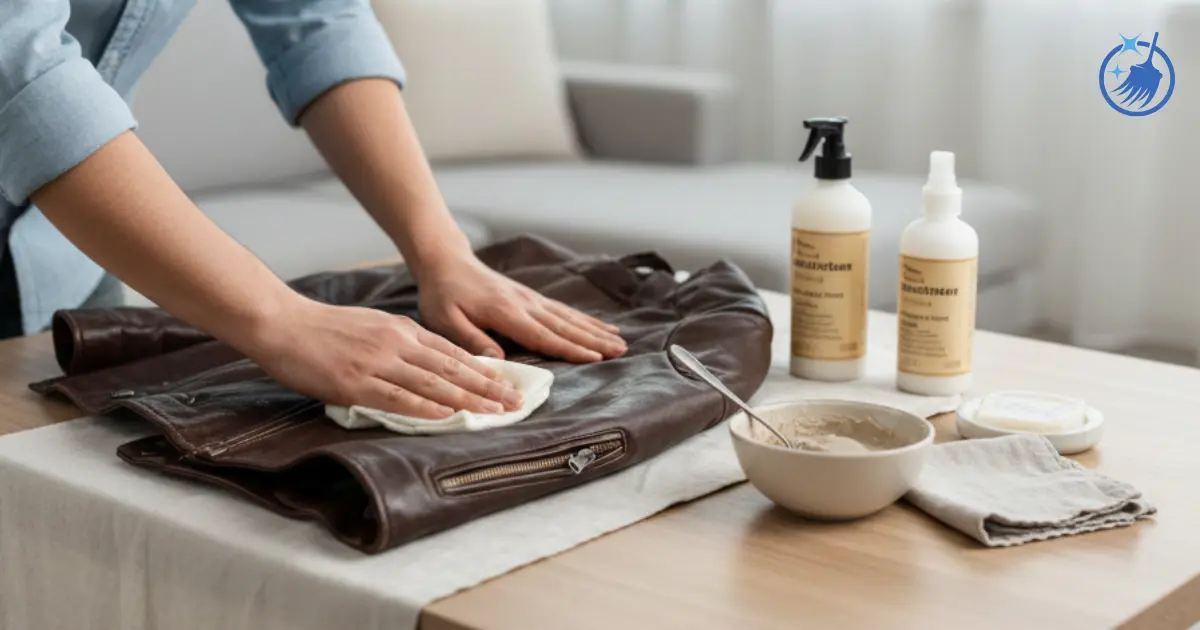
I’ve seen too many ruined leather jackets from people who tried DIY cleaning. Water damages leather permanently – it stiffens, discolours, and cracks. Suede water-spots badly and the nap never fully recovers.
What you can do at home:
- Wipe leather with a slightly damp cloth for surface dirt
- Use leather conditioner 2-3 times per year
- For suede, use a suede brush to maintain the nap
- Use a suede eraser for light marks
What needs professional care:
- Any actual cleaning of leather or suede
- Stains on leather
- Water marks on suede
- Worn patches
Professional leather cleaning costs £30-60 but it’s worth it. The home alternatives (saddle soap, various internet remedies) rarely work well and often cause more damage.
How to Steam-Clean "Dry Clean Only" Items
Steaming is an underrated cleaning method that works brilliantly for refreshing clothes between washes.
What you need:
- Handheld steamer (£15-30 from Argos, Currys, or Amazon)
- OR an iron with a good steam function
- Clean water
- A hanger
How to steam-clean:
- Hang the garment on a sturdy hanger
- Fill the steamer with water
- Let it heat up completely (usually 2-3 minutes)
- Hold the steamer 10-15cm away from the fabric
- Move it slowly up and down the garment
- The steam penetrates the fibres, releasing odours and killing bacteria
- Pay extra attention to underarms, collars, and any areas that contact skin
- Let the garment air-dry completely before wearing (about 30 minutes)
What steaming does:
- Removes odours without washing
- Kills bacteria and dust mites
- Removes light wrinkles
- Freshens fabric
What steaming doesn’t do:
- Remove actual dirt or stains
- Deep clean the fabric
- Remove heavy wrinkles (you need an iron)
I steam my suits, wool coats, and dresses between dry cleaning. It extends the time between professional cleans from every 3 months to every 6-9 months, saving me hundreds of pounds per year.
How to Spot-Clean Stains on "Dry Clean Only" Items
Sometimes you just need to tackle a single stain without washing the whole garment.
For grease stains:
- Sprinkle bicarbonate of soda on the stain immediately
- Let it sit for 20-30 minutes to absorb the grease
- Brush off gently
- If any stain remains, dab with white vinegar on a cotton bud
- Blot with a clean white cloth
- Let it air-dry
For water-based stains (coffee, tea, wine):
- Blot immediately with a clean white cloth
- Don’t rub – this spreads the stain
- Mix 1 part white vinegar to 2 parts water
- Dab the solution onto the stain with a white cloth
- Blot with a dry cloth
- Repeat until the stain lifts
- Let it air-dry
For ink stains:
- Dab with rubbing alcohol on a cotton bud
- Work from the outside of the stain inward
- Blot with a clean white cloth
- Repeat until no more ink transfers
- Let it air-dry
For makeup stains:
- Use a makeup remover wipe or micellar water
- Gently dab the stain
- Blot with a clean white cloth
- Repeat if needed
- Let it air-dry
The key to all spot cleaning is immediate action and gentle dabbing, never rubbing. I’ve saved countless garments from needing full professional cleaning just by treating stains quickly.
Common Mistakes to Avoid When Dry Cleaning at Home
- Using too much heat – High heat shrinks wool, melts synthetics, and damages delicate fibres. Always use low heat in dryers and low settings on irons. I’ve seen jumpers shrink to doll size because someone used high heat.
- Overloading dry cleaning kit bags – The kits say they hold 3-4 items, but they work much better with 1-2. More items means less steam circulation and poorer results.
- Wringing out water – This stretches and damages fibres permanently. Always use the towel-rolling method instead.
- Skipping the spot test – This 5-minute step prevents hours of heartbreak. Do it every single time, even on items you’ve washed before.
- Hanging heavy wet items – Wet wool coats, thick jumpers, and heavy dresses stretch out of shape when hung wet. Always flat dry heavy items.
- Using regular detergent on delicates – Standard detergents are too harsh. Use Woolite, Ecover Delicate, or similar gentle formulations.
- Overcleaning – Not every wearing needs cleaning. Air garments outside, steam them, and spot-clean instead of full washing after every use. Overcleaning wears out clothes faster.
When to Use Professional Dry Cleaning Instead
I want to save you money, but I also want to save you from ruining expensive clothes. Use professional dry cleaning for:
Always professional:
- Structured tailored suits and jackets
- Silk ties
- Leather and suede anything
- Designer items worth £200+
- Wedding dresses
- Items with “do not wash” symbols (crossed-out washing tub)
- Anything with complex pleating or structure
- Items with serious stains you can’t remove
- Garments with beading, sequins, or delicate embellishments
Sometimes professional:
- Expensive wool coats (depending on construction)
- Silk garments (depending on spot test results)
- Vintage items (fabrics degrade over time)
- Items you’re unsure about
Usually safe at home:
- Wool jumpers and cardigans
- Most dresses without structure
- Cotton and linen “dry clean only” items (usually cautionary)
- Polyester and viscose
- Most curtains
- Everyday blazers without heavy structure
- Washable silk (after spot testing)
When in doubt, err on the side of caution. Professional dry cleaning costs £8-20 per item, which hurts. But replacing a ruined £100 dress hurts more.
How Often Should You Dry Clean Items?
| Item Type | Home Cleaning | Professional Cleaning |
|---|---|---|
| Wool jumpers | After 3-5 wears (hand wash) | Annually if needed |
| Suits | Steam after each wear | Every 3-6 months |
| Wool coats | Spot-clean as needed | Once per year |
| Silk blouses | After 2-3 wears (if washable) | As needed for non-washable |
| Dresses | After each wear if washable | 2-3 times per year if not |
| Curtains | Annually | Every 2-3 years |
| Trousers | Hand wash every 3-5 wears | 2-3 times per year |
| Ties | Never | When visibly dirty |
The key is using home methods (steaming, airing, spot-cleaning) between deep cleans to extend the time between professional dry cleaning or full washing.
Saving Money With Home Dry Cleaning
Let me break down the real costs:
Professional dry cleaning:
- Suit jacket: £10-15
- Suit trousers: £7-10
- Dress: £10-15
- Coat: £15-25
- Curtains (pair): £30-80
- Total for weekly dry cleaning: £400-800/year
Home dry cleaning with kit:
- Kit cost: £10-12 for 6 loads
- Per item cost: About £2
- Total for similar cleaning: £100-150/year
- Savings: £300-650/year
DIY home dry cleaning:
- Gentle detergent: £4 (lasts months)
- Steamer: £20-30 (one-time purchase)
- Vinegar and bicarbonate of soda: £2
- Per item cost: About 20p
- Total for similar cleaning: £30-50/year
- Savings: £350-750/year
That’s a holiday fund right there. The savings are real if you’re currently dry cleaning everything.
Pro Tips From a Professional Cleaner
Insider Tips
After cleaning professionally for 18 years, here’s what I’ve learned:
- Air first, clean second – Most “dirty” clothes just need airing. Hang them outside on a breezy day for 2-3 hours. You’ll be amazed how much this freshens things without any washing.
- The freezer trick for wool – Put wool jumpers in a sealed bag in the freezer overnight. This kills bacteria and odours without washing. I do this monthly with my favourite cashmere.
- Vodka spray for suits – Mix vodka and water 1:1 in a spray bottle. Lightly mist suits and dresses. The alcohol kills bacteria and evaporates without marks. Professional theatre costumers use this trick.
- Brush your clothes – A good clothes brush (£8-12) removes surface dirt, lint, and dust. Two minutes of brushing can make clothes look freshly cleaned.
- Steam in the bathroom – No steamer? Hang your garment in the bathroom while you shower. The steam freshens and removes light wrinkles. Free and effective.
Creating a Home Dry Cleaning Station
If you’re serious about home dry cleaning, set up a dedicated space:
Essential items:
- Handheld steamer (£20-30)
- Clothes brush (£8-12)
- Gentle detergent (£4)
- Spray bottle with vodka/water mix (£1 for bottle)
- White towels for drying
- Good quality hangers
- Drying rack for flat drying
Nice to have:
- Home dry cleaning kit for emergencies
- Stain removal kit
- Fabric shaver for removing pills
- Lint roller
Total investment: £50-80 for everything. Pays for itself in 2-3 months compared to professional dry cleaning costs.
Environmental Benefits of Home Dry Cleaning
Traditional dry cleaning uses perchloroethylene (perc), a chemical solvent that’s harmful to the environment and potentially carcinogenic. By cleaning at home, you’re:
- Reducing chemical pollution
- Saving water (professional cleaning uses significant water)
- Reducing plastic packaging (dry cleaner bags)
- Lowering your carbon footprint (no trips to and from the cleaners)
Eco-friendly professional cleaners exist but charge 30-50% more. Home cleaning with gentle methods is the most environmentally friendly option for most items.
Knowing how to dry clean at home saves you hundreds of pounds per year and gives you control over what chemicals touch your clothes and skin. The key is understanding which items genuinely need professional care and which items manufacturers label “dry clean only” out of abundance of caution. After testing with the spot test, hand-washing gently, and using steam for refreshing, most “dry clean only” items in your wardrobe can be safely cleaned at home.
I’ve built this skill over 18 years of professional cleaning, and I use these exact methods on my own expensive clothes. The bicarbonate of soda, vinegar, and gentle hand-washing techniques work brilliantly for wool, cotton, linen, polyester, and even some silks. Combined with regular steaming and airing, you can extend the time between professional cleans from months to years.
Start with items you’re less worried about – a wool jumper from Marks & Spencer rather than a designer coat. Build your confidence with the methods, do thorough spot tests, and you’ll quickly learn what works in your wardrobe. Save the professional dry cleaning bills for the items that truly need it: structured suits, leather, non-washable silks, and special occasion wear.
Your wallet will thank you, and your clothes will actually last longer because you’re using gentler methods than harsh commercial dry cleaning chemicals.
Frequently Asked Questions
Can you wash dry clean only clothes at home?
Yes, many “dry clean only” items can be washed at home, but not all. Cotton, linen, polyester, and unstructured wool usually wash safely with gentle hand-washing. Exceptions include structured suits, silk ties, leather, suede, and heavily embellished items. Always do a spot test first – dampen a hidden area and check for colour bleeding, puckering, or water marks before washing the full garment.
How do you dry clean at home without a kit?
Hand wash in cool water with gentle detergent, soak for 5-10 minutes without agitating, rinse thoroughly 2-3 times, and remove water by rolling in a towel (never wring). Flat dry heavy items like wool jumpers. For refreshing without washing, steam the garment and air it outside. This DIY method costs about 20p per item versus £2-3 with a kit.
What can I use instead of dry cleaning?
Steam cleaning for refreshing between washes, gentle hand-washing with Woolite or baby shampoo for actual cleaning, spot-treating stains immediately with white vinegar or bicarbonate of soda, and airing garments outside on breezy days. For wool items, freeze overnight in a sealed bag to kill bacteria and odours. These methods work for 70-80% of items labelled “dry clean only.”
Is home dry cleaning as good as professional?
For refreshing and light cleaning, yes. For deep cleaning of structured garments or removing serious stains, no. Home methods excel at maintaining clothes between professional cleans and handling everyday soiling on unstructured items. Professional dry cleaning is better for tailored suits, stubborn stains, leather, silk ties, and expensive designer pieces. Use home methods for regular maintenance, professional for serious cleaning.
How do you dry clean a suit at home?
Don’t wash structured suit jackets at home – the interfacing and construction don’t survive. Instead, steam after each wear, spot-clean stains immediately, brush regularly with a clothes brush, and air outside monthly. Suit trousers can often be hand-washed if wool – spot test first, then hand wash in cool water and hang by the waistband to dry. Professional clean jackets 2-3 times yearly.
What fabrics can be dry cleaned at home?
Wool (jumpers, scarves, unstructured items), polyester, cotton and linen labelled “dry clean only,” viscose and rayon (with care), some washable silks (spot test first), acrylic, and most curtain fabrics. Safe methods include gentle hand-washing in cool water or using home dry cleaning kits. Always do a spot test before proceeding with any fabric.
What fabrics should never be dry cleaned at home?
Leather and suede (water damages permanently), silk ties (interfacing doesn’t survive), structured tailored suits, velvet (pile flattens and doesn’t recover), heavily beaded or sequined items, anything with “do not wash” crossed-out tub symbol, vintage delicate fabrics, and expensive designer pieces. These genuinely need professional dry cleaning with specialized equipment and solvents.
How often should you dry clean clothes?
Most items don’t need cleaning after every wear. Suits: steam after each wear, professionally clean every 3-6 months. Wool jumpers: hand wash after 3-5 wears. Dresses: wash after each wear if washable, professionally clean 2-3 times yearly if not. Coats: spot-clean as needed, professionally clean once yearly. Air and steam between wears to extend time between cleaning.
Does steaming clothes clean them?
Steaming freshens clothes and kills bacteria but doesn’t remove dirt, stains, or body oils. It’s excellent for refreshing between washes, removing odours, killing dust mites, and maintaining appearance. Use steaming as maintenance, not as replacement for actual cleaning. Steam suits, dresses, and coats between professional cleans to extend the time between deep cleaning from 3 months to 6-9 months.
Can you put dry clean only items in the washing machine?
Some can go on delicate cycle with cold water, but most shouldn’t. Items safe for machine washing: some cotton and linen marked “dry clean only” (cautionary labels), polyester dresses, unstructured cotton blazers, most curtains. Never machine wash: wool (shrinks dramatically), silk (damages), structured garments, anything with interfacing, leather, suede, or delicate embellishments. When in doubt, hand wash instead – it’s gentler and safer.
You May Also Like
How Much to Dry Clean a Wedding Dress in the UK (2026)
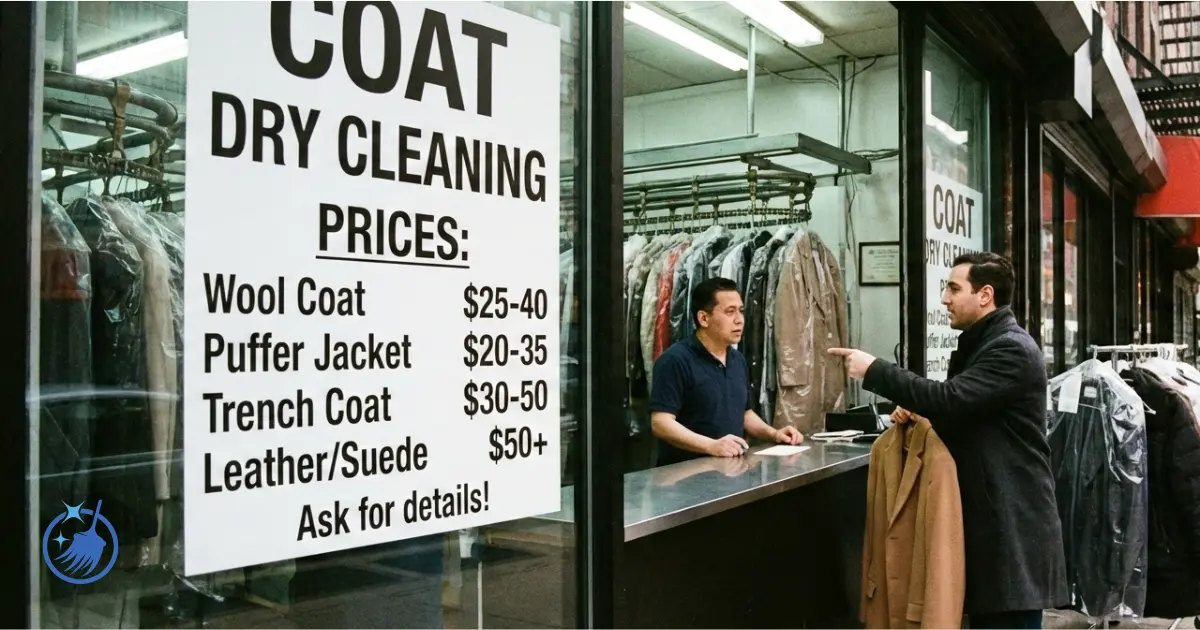
How Much to Dry Clean a Coat: Complete UK Pricing Guide (2026)