How to Clean Fabric Vertical Blinds: Complete UK Guide


Fabric vertical blinds hanging in your living room or covering your patio doors can transform from pristine window dressings to dust magnets faster than you’d think. If you’ve been putting off cleaning yours because you’re worried about shrinkage, discolouration, or simply don’t know where to start, you’re not alone. The good news? Cleaning fabric vertical blinds is far simpler than most people imagine, and with the right approach, you can have them looking fresh in under an hour.
Unlike PVC or wooden blinds that you can simply wipe down, fabric vertical blinds require a gentler touch. The material absorbs dust, traps cooking smells in kitchens, and can develop mould in humid bathrooms. But fabric also offers a softness and elegance that rigid materials simply can’t match. The key is understanding which cleaning method suits your fabric type, how often you should clean them, and most importantly, what mistakes to avoid that could ruin your blinds permanently.
In this guide, you’ll discover exactly how to clean fabric vertical blinds safely, whether you prefer quick dusting methods, spot cleaning for stains, or a full deep clean. We’ll cover everything from identifying your fabric type to removing stubborn mould, plus the controversial question of machine washing (spoiler: it depends). By the end, you’ll have a clear maintenance routine that keeps your blinds looking new for years, saving you the cost of premature replacement.
Quick Summary
Time needed: 10 minutes (quick clean) to 2 hours (deep clean)
Difficulty: Easy to moderate
You’ll need: Vacuum with brush attachment, microfibre cloths, mild washing-up liquid, bucket or bathtub
Key takeaway: Weekly dusting prevents major cleaning sessions, and always use cool water (never hot) to avoid shrinking your fabric blinds.
Understanding Your Fabric Vertical Blinds
Before you spray any cleaning solution or fill your bathtub, you need to know exactly what type of fabric you’re dealing with. Not all fabric vertical blinds are created equal, and using the wrong cleaning method can lead to disaster.
Types of Fabric Used in Vertical Blinds
The material of your blinds dictates everything about how you should clean them. Here are the most common types found in UK homes:
Polyester Fabric Blinds are the workhorses of the vertical blind world. They’re water-resistant, durable, and relatively forgiving when it comes to cleaning. Most polyester blinds can handle gentle washing without shrinking, making them ideal for busy households. They dry relatively quickly and resist fading better than natural fibres.
Cotton Fabric Blinds offer a softer, more luxurious feel but require extra care. Cotton is highly absorbent, which means it soaks up water readily and takes ages to dry. This absorbency makes cotton blinds prone to water staining and mould growth if not dried properly. They’re also more likely to shrink with hot water or aggressive washing.
PVC-Coated Fabric gives you the best of both worlds. These blinds have a fabric core with a vinyl coating that makes them incredibly easy to maintain. You can often wipe them clean with a damp cloth, and they’re naturally resistant to moisture and mould. These are particularly popular for bathrooms and kitchens.
Treated Fabric Blinds have been given special finishes, such as stain-resistant, fire-retardant, or antimicrobial treatments. These coatings can be damaged by harsh chemicals or excessive heat, so they need gentler handling. Always check if your blinds have any special treatments before deciding on a cleaning method.
| Fabric Type | Water Tolerance | Cleaning Difficulty | Drying Time | Machine Washable? | Best For |
|---|---|---|---|---|---|
| Polyester | Good – water-resistant | Easy | 4-6 hours | Often (check label) | Most rooms, high-use areas |
| Cotton | Poor – highly absorbent | Moderate to difficult | 8-12 hours | No (will shrink) | Low-humidity rooms, decorative use |
| PVC-Coated | Excellent – repels water | Very easy | 2-3 hours | Sometimes (check label) | Kitchens, bathrooms, high-moisture areas |
| Treated Fabric | Varies by treatment | Easy to moderate | 4-6 hours | Check manufacturer | Any room with specific needs (fire-retardant, antimicrobial) |
Why Material Matters for Cleaning
The fabric type determines three critical factors: how much water it can tolerate, what temperature to use, and how long it takes to dry. Polyester and PVC-coated fabrics can handle more moisture and dry faster, making them suitable for full washing. Cotton needs minimal water and careful drying to prevent shrinkage and mould.
If you use hot water on any fabric blind, you risk shrinking it by several centimetres. That might not sound like much, but when your blind no longer reaches the floor or hangs unevenly, it’s immediately noticeable. Similarly, if you soak cotton blinds and hang them wet, the weight of the water can stretch them out of shape permanently.
Before You Start Cleaning

When to Clean Your Fabric Vertical Blinds
Regular maintenance beats intensive cleaning every time. Here’s a realistic schedule for UK households:
For weekly cleaning, a quick five-minute dust or vacuum keeps dust from building up into a stubborn layer. This is especially important if you live near a busy road or during pollen season. You’ll notice the difference immediately in how much cleaner your room feels.
Monthly spot cleaning addresses any marks before they set into the fabric. A splash of tea, fingerprints from children, or cooking splatters in the kitchen all come off easily when treated promptly. Leave them for months, and you’ll need aggressive cleaning that risks damaging the fabric.
Every three months, give your blinds a proper deep clean. This doesn’t necessarily mean taking them down and washing them fully, but it does mean going beyond surface dusting. This quarterly clean prevents that gradual dulling that makes blinds look tired and old.
High-traffic areas need more frequent attention. Kitchen blinds exposed to cooking grease might need monthly deep cleans. Bathroom blinds in humid conditions should be checked weekly for mould. Bedroom blinds in rarely-opened guest rooms might only need quarterly attention.
Essential Cleaning Supplies Checklist
Gather everything before you start. Nothing’s more frustrating than being halfway through cleaning and realising you need something from the shops.
For basic weekly maintenance, you only need a vacuum cleaner with a soft brush attachment and a clean microfibre cloth. That’s it. The vacuum removes loose dust, and the microfibre cloth catches anything the vacuum misses.
For deeper cleaning sessions, expand your kit to include a bucket or large washing-up bowl, mild washing-up liquid (nothing harsh or heavily scented), white vinegar for mould issues, several clean microfibre cloths or soft sponges, and plenty of old towels for drying and protecting your floor.
If you’re planning to remove the blinds completely, you’ll also want a step stool for safe access, a pillowcase or mesh laundry bag if machine washing, and a large flat surface like a dining table or clean floor space where you can lay blinds flat to dry.
Safety Precautions
Always read your manufacturer’s care instructions first. These should tell you whether your blinds are machine washable, what maximum temperature they can handle, and any specific products to avoid. If you’ve lost the instructions, check the manufacturer’s website or contact them directly.
Test any cleaning solution on an inconspicuous area first. The bottom corner of one slat works perfectly. Apply your cleaning solution, wait 10 minutes, then check for any discolouration, fabric damage, or colour bleeding. Better to discover a problem on one small area than across your entire blind.
Handle the clips and hangers carefully. The plastic clips at the top of each slat become brittle over time, especially on older blinds. Pull too hard or at the wrong angle, and they’ll snap. You can buy replacement clips, but it’s easier to just be gentle during removal and rehanging.
Quick Cleaning Methods Without Removal
Most of the time, you don’t need to take your fabric vertical blinds down to clean them. These quick methods handle regular maintenance and minor issues whilst the blinds stay hanging.
Weekly Dusting Routine
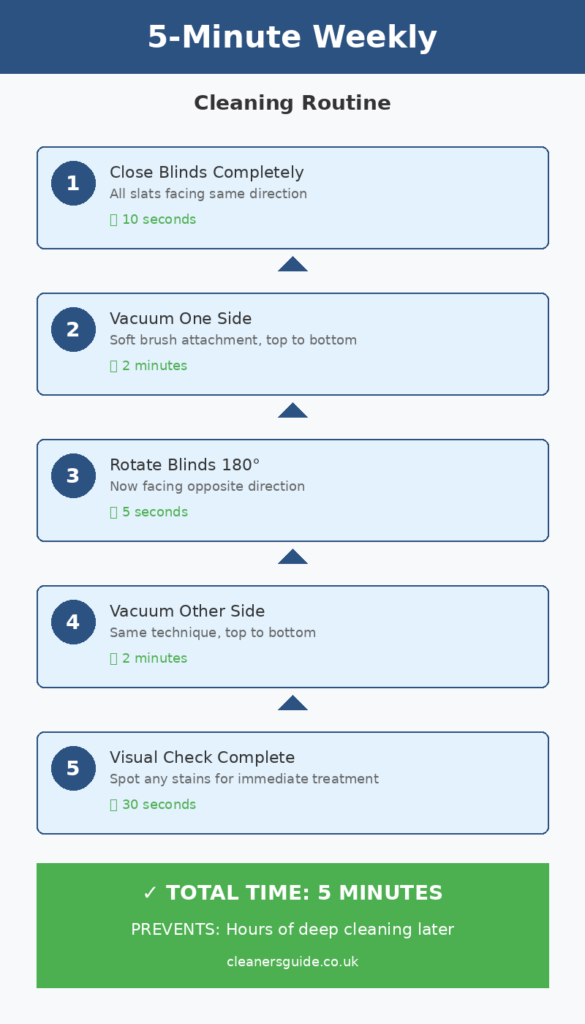
This five to ten-minute routine should become as automatic as hoovering your carpets. Start by closing your blinds completely so all slats face the same direction. This gives you a flat surface to work with and makes the process faster.
For the vacuum method, attach your soft brush head (the one you’d use for upholstery or curtains). Never use the hard floor attachment, as it can damage delicate fabric. Hold each slat steady with your free hand to prevent it swinging about. Start at the top and move downward in smooth, quick strokes. You’re not trying to scrub the fabric, just lift away the loose dust.
Work from left to right across all your slats, then rotate the blinds 180 degrees to face the opposite direction and repeat the process. Yes, this means cleaning both sides. Dust settles on both faces of the blind, and cleaning only one side is like washing only the front of your car.
For the microfibre cloth method, use a dry or very slightly damp cloth. Wipe each slat from top to bottom in long, smooth strokes. Support the blind from behind with your other hand so you’re not pushing it back and forth. This method is gentler than vacuuming but takes slightly longer.
The traditional feather duster works well for very light dust, but it’s less effective than modern methods. If you prefer this approach, use gentle sweeping motions from top to bottom, and shake the duster frequently outside to remove collected dust.
Spot Cleaning Stains
Deal with stains immediately when you spot them. Fresh stains come out easily; set-in stains might be permanent.
For minor marks and smudges, mix a small amount of washing-up liquid with warm (not hot) water in a bowl. You want just enough soap to create slight suds when you swirl it around. Dip your cloth into the solution and wring it out thoroughly. The cloth should be barely damp, not wet. Excess water can soak into the fabric and cause water staining or shrinkage.
Dab the stained area gently. Never rub or scrub fabric vertical blinds. Rubbing causes pilling (those annoying little fabric balls) and can push the stain deeper into the fibres. Think of it as blotting rather than wiping. Keep dabbing with a clean part of the cloth until the stain lifts.
Rinse the area by dabbing it with a separate cloth dampened with clean water. This removes any soap residue that could attract more dirt. Finally, pat the area with a dry towel to remove excess moisture, then leave the blind open fully to air dry.
For stubborn marks that won’t shift with soapy water, create a paste from baking soda and a tiny amount of water. The consistency should be like toothpaste. Apply this paste to the stain with a soft cloth or clean toothbrush, working it in gently with small circular motions. Leave it for 10 to 15 minutes, then wipe away with a damp cloth. The mild abrasive action of baking soda often lifts stains that resist other methods.
Different stains need different approaches. Grease marks from cooking respond well to washing-up liquid since that’s designed to cut through grease. Water marks often disappear with a solution of equal parts white vinegar and water. Food stains usually need the baking soda paste treatment. Ink marks are tricky and might require a tiny amount of rubbing alcohol on a cotton bud, but test this carefully first as it can affect some dyes.
| Stain Type | Best Treatment | How to Apply | Time to Act | Never Use |
|---|---|---|---|---|
| Grease/Cooking Oil | Washing-up liquid solution | Dab neat washing-up liquid, let sit 5 mins, blot with damp cloth | Immediately – sets quickly | Hot water (spreads grease) |
| Water Marks/Hard Water | White vinegar solution (1:1) | Dab from outside edge inward, rinse with clean water | Within 24 hours | More water without vinegar |
| Food Stains | Baking soda paste | Mix paste, apply with soft brush, leave 10-15 mins, wipe clean | Within 2 hours if possible | Scrubbing (causes pilling) |
| Ink/Pen Marks | Rubbing alcohol (test first!) | Apply tiny amount to cotton bud, dab gently, blot immediately | Fresh only – set ink is permanent | Water (spreads ink) |
| Mould/Mildew | White vinegar or lemon juice | Spray on, leave 10-15 mins, wipe, dry thoroughly | As soon as spotted | Bleach (damages fabric) |
| Dust/Dirt Build-up | Mild soap solution | Dab with barely damp cloth, work top to bottom | Weekly maintenance prevents this | Dry wiping (pushes dirt in) |
| Pet Stains | Enzyme cleaner (pet-specific) | Follow product instructions, test first, blot thoroughly | Immediately | Ammonia cleaners (smells like urine to pets) |
| Coffee/Tea | Cold water + mild detergent | Blot with cold water first, then mild soap solution | Within minutes if possible | Hot water (sets tannin stains) |
Deep Cleaning Methods
When regular dusting isn’t enough and your fabric vertical blinds need a thorough refresh, it’s time for a deep clean. You have several options, each with its own advantages and risks.
| Method | Time Required | Difficulty | Water Usage | Risk Level | Best For | Cost |
|---|---|---|---|---|---|---|
| Hand Washing (Bathtub) | 45-60 mins + 4-8 hrs drying | Moderate | High (40-80 litres) | Low (if done correctly) | All fabric types, heavy soiling | £5-10 |
| Hand Washing (Table Method) | 60-90 mins + 4-8 hrs drying | Moderate | Low (5-10 litres) | Very low | Delicate fabrics, controlled cleaning | £5-10 |
| Machine Washing | 30-40 mins + 4-8 hrs drying | Easy | Medium (30-50 litres) | Medium to high (shrinkage risk) | Polyester only (check label) | £2-5 |
| Steam Cleaning | 20-30 mins + 1-2 hrs drying | Easy | Very low (under 1 litre) | Low to medium (heat risk) | Light to moderate soiling, quick refresh | £15-25 (steamer rental) or £40-80 (purchase) |
| Professional Cleaning | Drop-off + 3-7 days | None (they do it) | N/A | Very low (insured) | Expensive blinds, extensive mould, difficult stains | £50-150 |
Hand Washing Method
Hand washing gives you the most control and is the safest option for delicate or expensive fabric blinds. Plan for about 45 to 60 minutes for the cleaning process, plus several hours for drying.
Start by preparing your workspace. If using your bathtub, give it a quick clean first so you’re not washing your blinds in yesterday’s bath scum. Alternatively, you can work on a large table protected with old towels and use buckets of water. The table method takes longer but gives you more control over water exposure.
Remove your blinds carefully. First, disconnect the chain at the bottom of the slats and slide out the small weights. Keep these safe as you’ll need them later. Next, remove each louvre from the headrail. Hold the slat at the top, tilt it to about 45 degrees, and gently pull the clip free from its hook. The angle matters; pulling straight down often breaks the clip. Take out the plastic hangers from the top of each slat.
Before washing the slats, clean the headrail. Wipe it down with a damp microfibre cloth to remove dust and grime. Use a can of compressed air (like the ones sold for cleaning keyboards) to blast dust from tight corners and the mechanism. If you have silicone spray, give the track a light coating to keep everything moving smoothly when you rehang the blinds.
| Water Temperature | Celsius | Fahrenheit | Hand Test | Safe For | Risk |
|---|---|---|---|---|---|
| Cold | 10-15°C | 50-59°F | Feels cold | All fabric types | ✅ None – completely safe |
| Cool | 15-20°C | 59-68°F | Feels slightly cool | All fabric types | ✅ None – completely safe |
| Lukewarm | 20-30°C | 68-86°F | Feels comfortable | All fabric types | ✅ Safe – recommended range |
| Warm | 30-40°C | 86-104°F | Feels warm but comfortable | Only polyester (check label) | ⚠️ Caution – may cause slight shrinkage |
| Hot | 40°C+ | 104°F+ | Feels hot, uncomfortable | NONE | ❌ Dangerous – will cause shrinkage and damage |
For the bathtub washing method, fill your bath with lukewarm water. The temperature should feel comfortable if you dipped your hand in, definitely not hot. Add a small squirt of mild washing-up liquid or gentle laundry detergent designed for delicates. You don’t need much; about a tablespoon for a standard bath is plenty.
Lay your fabric blinds flat in the water. Don’t scrunch them up or pile them on top of each other. Gently move the water around the blinds with your hands, letting the soapy water work through the fabric. For stubborn marks, use a soft sponge with gentle circular motions, but don’t scrub hard.
Don’t let the blinds soak for more than 10 to 15 minutes. Extended soaking, particularly of cotton blinds, can cause shrinkage and may dissolve the glue holding any bottom weights in place. It can also strip away protective treatments applied to the fabric.
Drain the bath and rinse the blinds thoroughly with clean lukewarm water. Keep rinsing until the water runs clear and no soap bubbles remain. Soap residue left in the fabric will attract dirt and make your blinds look grimy again within weeks.
For the table method, lay each slat on your protected surface. Use a bucket of soapy water and a clean cloth to wipe down each blind thoroughly, working from top to bottom. Have a second bucket of clean water for rinsing. Change both buckets when the water becomes visibly dirty. This method uses less water and gives you more control, but it’s more labour-intensive for large sets of blinds.
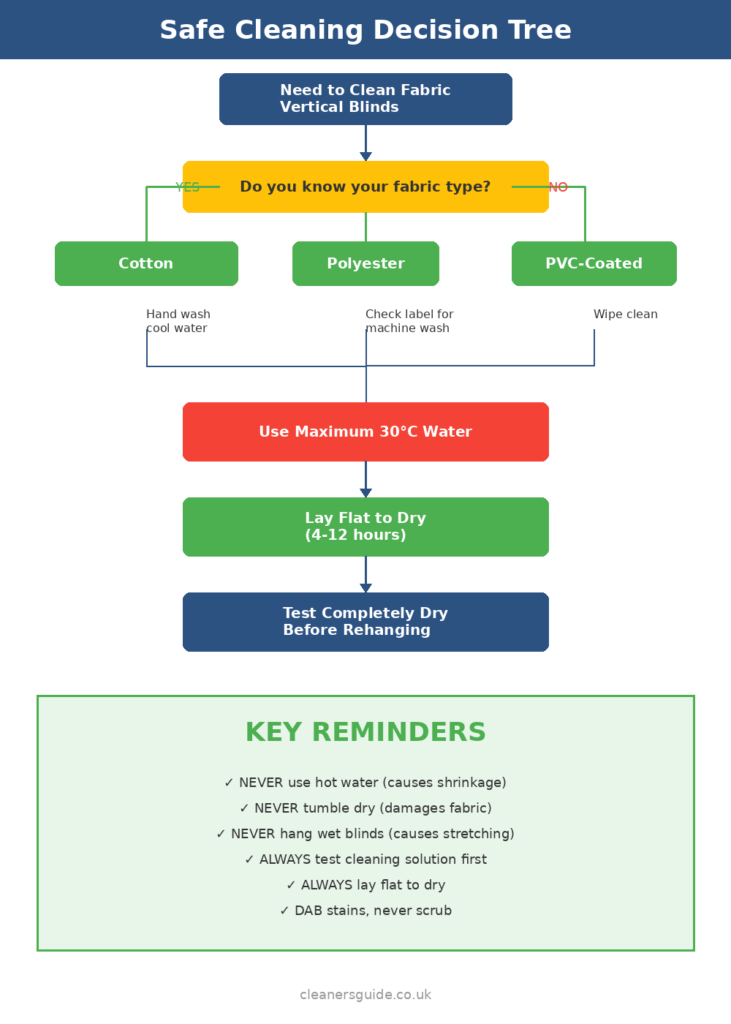
The critical factor with hand washing is water temperature. Lukewarm water (around 20 to 30°C) is safe for most fabrics. Hot water (anything above 30°C) risks shrinkage, especially with cotton blends. Cold water won’t clean effectively, particularly for grease or oil-based stains.
What you absolutely must avoid: harsh chemicals like bleach or strong detergents will damage fabric fibres and cause discolouration. Abrasive scrubbing pads or stiff brushes create pilling and damage the fabric surface. Fabric softener removes protective coatings applied by manufacturers, making your blinds attract dust more readily. Any product containing chlorine or ammonia can weaken fabric and cause yellowing over time.
Machine Washing Method
This is the controversial one. Some manufacturers say never do it. Others say it’s fine with precautions. The truth is somewhere in between, and it depends heavily on your specific blinds.
First, check your care label. If it explicitly says “Do Not Machine Wash,” respect that instruction. The manufacturer knows their product best, and you’ll void any warranty by ignoring their guidance. If the label says machine washable or doesn’t mention it at all, you can proceed with caution.
Machine washing is realistically only suitable for polyester or PVC-coated fabric blinds. Cotton blinds almost always shrink in the machine, even on gentle cycles. Treated fabrics risk losing their special coatings. If you’re not certain about your fabric type, hand washing is the safer choice.
The benefits of machine washing are obvious: it’s much faster and requires less physical effort. You can clean your blinds in 30 to 40 minutes of active time, and the machine does the hard work. It’s also more thorough than hand washing for deeply embedded dirt.
However, the risks are real. Even at low temperatures, some shrinkage is possible. Blinds can fray if they rub against other items or the drum. The agitation can damage or warp slats. You might lose the shape of your blinds permanently, even if you follow all precautions. Some protective coatings will wash away. These risks increase with older blinds, whose fibres have already weakened with age and sun exposure.
If you decide to machine wash, follow this process exactly. Remove all hardware completely: chains, weights, plastic hangers, and any clips still attached. These can damage your machine and will definitely damage your blinds if left on.
Roll your louvres loosely together. Don’t fold them sharply or tie them tightly. Place them inside a large pillowcase or mesh laundry bag, and tie or zip it closed. This protective layer prevents the blinds from tangling and reduces friction against the drum.
Select your machine settings carefully. Temperature must be cold or maximum 30°C. Choose the delicate or gentle cycle, which uses slower agitation and less spinning. If your machine has a “hand wash” setting, that’s ideal. Turn off the fast spin or reduce it to the minimum setting. The harsh spinning can warp fabric and plastic components.
Use a small amount of mild, non-biological detergent designed for delicates. Avoid any detergent with built-in fabric softener, optical brighteners, or harsh enzymes. Never add bleach or other additives. Don’t wash anything else with your blinds; they should be the only item in the machine.
When the cycle finishes, remove your blinds immediately. Don’t leave them sitting in the machine, as this can cause creasing and mildew. Blot excess water with a towel rather than wringing or twisting the fabric, which causes permanent creasing.
Many professional cleaning services actually recommend against machine washing fabric vertical blinds. The risk often outweighs the convenience, particularly for expensive or older blinds. If you have any doubts, stick with hand washing or spot cleaning.
Steam Cleaning Method
Steam cleaning offers a middle ground: more thorough than spot cleaning but less risky than full immersion washing. It’s brilliant for a quick refresh and sanitising without the drying time.
You’ll need a handheld steam cleaner for this method. The large carpet steam cleaners are too powerful and unwieldy. If you don’t own one, you can rent them from most tool hire shops for around £15 to £25 per day.
Crucially, vacuum all dust from your blinds first. This isn’t optional. When steam hits dust, you create mud that smears across your fabric and makes things worse. Take five minutes to vacuum both sides of all slats thoroughly before you start steaming.
Test the steam cleaner on a hidden corner of one slat to ensure your fabric can handle it. Some delicate fabrics don’t react well to steam, and it’s better to discover this on a small test area.
Hold the steamer about 15 to 20 centimetres away from the fabric. Move it steadily down each slat without holding it in one spot for more than a second or two. The steam should kiss the fabric, not soak it. If you see water droplets forming or the fabric getting very wet, you’re holding the steamer too close or moving too slowly.
Work from top to bottom on each slat, then rotate your blinds to clean the other side. Follow immediately with a clean microfibre cloth to wipe away any moisture and lifted dirt.
Be particularly careful around areas with plastic clips, hangers, or glue. The heat from steam can soften adhesives and warp plastic components. Keep the steamer away from these areas entirely or use only the coolest setting if your machine has variable temperature control.
Allow the blinds to air dry completely before closing them. Although steam cleaning doesn’t saturate the fabric like washing does, there’s still residual moisture that needs to evaporate. Leave your blinds fully open for at least an hour after steam cleaning.
The advantages of steam cleaning include natural sanitisation (steam kills most bacteria, dust mites, and mould spores), no chemicals needed, faster than full washing with minimal drying time, and effective for light to moderate soiling. However, it’s not suitable for heavily stained blinds, doesn’t work on all fabric types, requires equipment you might not own, and there’s a small risk of heat damage to certain fabrics or plastic components.
Drying Your Fabric Vertical Blinds Correctly
You can do everything else perfectly, but if you dry your fabric vertical blinds incorrectly, you’ll still end up with damaged, misshapen blinds. This stage is absolutely critical.
The Only Safe Drying Method
After washing, lay your blinds completely flat to dry. This is non-negotiable. Find a clean, flat surface: a large dining table covered with clean towels, a spare bed with a waterproof sheet underneath, or even a clean floor area if you have space.
Lay each louvre out separately. Don’t overlap them or stack them, as this prevents air circulation and encourages mould growth. Arrange them so both sides are exposed to air. You might need to use several rooms if you have large blinds.
Place old towels or absorbent cloths underneath to soak up dripping water and protect your furniture or flooring. Put more towels on top and press gently to blot out excess moisture. Don’t wring or twist the fabric.
If you’re concerned about space, you can carefully hang blinds on a washing line outdoors or on a clothes horse, but only if you clip them gently at the top corners and ensure they hang straight without stretching. Choose a shady spot, as direct sunlight can fade colours. However, laying flat is always the safer option, especially for cotton or older blinds.
Speed up drying with good ventilation. Open windows to create airflow. Use a fan pointed towards (not directly at) the blinds to circulate air. A dehumidifier in the room helps in humid conditions. You can very carefully use a hairdryer on the coolest setting, held at least 30 centimetres away, but this is risky and usually unnecessary.
The drying time varies dramatically based on fabric type, humidity, and ventilation. Polyester blinds in a well-ventilated room might dry in 4 to 6 hours. Cotton blinds in humid conditions could take 8 to 12 hours. Always allow more time than you think you need.
How do you know they’re completely dry? They should feel completely dry to the touch, not cool or clammy. They should feel their normal weight, not heavy with water. There should be no darker damp patches visible anywhere. If in doubt, give them another hour.
What Never to Do When Drying
Tumble drying is catastrophic for fabric vertical blinds. The heat causes severe shrinkage, often 10 to 15 centimetres or more. The tumbling action can warp plastic components, create permanent creases, and generally destroy your blinds. Even on the coolest setting, tumble dryers are too aggressive. Don’t risk it.
Direct sunlight when blinds are very wet can cause uneven drying and colour fading. Once they’re mostly dry, gentle sunlight is fine, but don’t leave soaking wet blinds in direct summer sun.
Radiators and heated clothes airers seem convenient but create the same problems as tumble dryers. The heat causes shrinkage and can warp fabric. If you’re desperate, you can hang blinds near (not on or touching) a radiator, but this is risky.
Rushing the drying process always ends badly. If you need your blinds back up urgently, use fans and dehumidifiers rather than heat sources.
Removing Mould and Mildew from Fabric Vertical Blinds
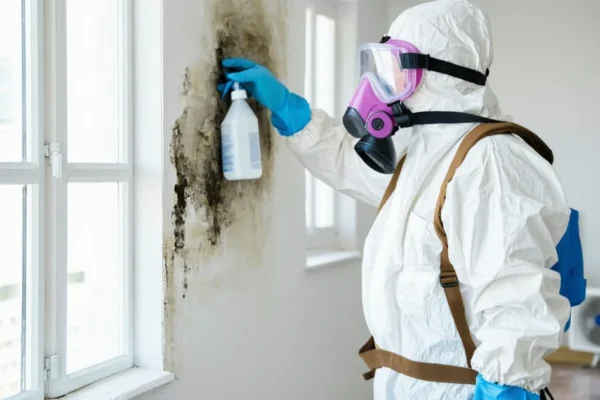
Mould on fabric vertical blinds is common in humid rooms, particularly bathrooms, kitchens with poor ventilation, or any room with condensation issues. It appears as black, grey, or greenish spots or patches, often with a musty smell.
Why Mould Grows on Fabric Blinds
Mould spores are everywhere in the air. They only become a problem when they find the right conditions: moisture, warmth, and something organic to feed on. Fabric provides the organic material, and humid environments provide everything else mould needs to thrive.
In bathrooms, steam from hot showers creates perfect mould-growing conditions. Kitchen steam from cooking does the same. Condensation on cold windows runs down onto blinds, keeping them damp. Poor ventilation means moisture can’t escape, so it settles on surfaces, including your blinds.
If you’ve recently had your blinds cleaned and mould returns within weeks, the problem isn’t your cleaning; it’s your environment. You need to address the root cause: humidity levels above 60%, inadequate ventilation, condensation issues, or placing damp items too close to blinds.
Natural Mould Removal Solutions
White vinegar is your best weapon against mould on fabric. The acetic acid in white vinegar (about 5% concentration) kills 82% of mould species by disrupting their cell membranes. It’s also safe for most fabrics, non-toxic, and cheap.
Mix equal parts white vinegar and water in a spray bottle. Spray the solution directly onto the affected areas, ensuring complete coverage. The mould needs to be thoroughly wet with the solution. Leave it to sit for 10 to 15 minutes. This contact time is crucial as it allows the acetic acid to penetrate the mould structure and kill the spores.
Wipe the area clean with a damp cloth. You should see the mould come away. For stubborn growth, you might need to scrub gently with a soft brush, but be cautious not to damage the fabric. Rinse with a cloth dampened in clean water to remove any vinegar residue. Finally, dry the area completely with a towel and leave the blind fully open to air dry.
Lemon juice offers an alternative with similar properties. Pure lemon juice or a 1:1 dilution with water works well. The natural citric acid kills mould whilst leaving a fresh scent. Apply as you would vinegar solution. One unique benefit of lemon juice is that its mould-killing properties are enhanced by sunlight, so if you can position the treated blind in sunny spot whilst the lemon juice works, you’ll get better results.
Tea tree oil is remarkably effective but more expensive. Mix one teaspoon of tea tree oil with one cup of water in a spray bottle. Shake well before each use as the oil doesn’t dissolve completely. Spray on mouldy areas and leave to dry without rinsing. The oil continues working over time to prevent regrowth. The smell is strong but fades within a few days.
For extensive mould coverage, you’ll need to remove the blinds and wash them fully using one of the methods described earlier, adding white vinegar to your wash water (about 250ml per basin or bath of water).
When to Use Bleach (and Why You Probably Shouldn't)
Bleach is extremely effective at killing mould and mildew, but it comes with significant downsides for fabric vertical blinds. Use it only as an absolute last resort for severe mould infestation on cheap, sturdy blinds that you’re prepared to replace if things go wrong.
If you must use bleach, dilute it heavily: one part bleach to ten parts water. Never use it neat. Wear gloves and ensure excellent ventilation. Test on an inconspicuous area first and wait 24 hours to check for discolouration or fabric damage.
Apply with a sponge or cloth, never spray (which can get bleach on surrounding areas). Work quickly and rinse thoroughly with several changes of clean water. Any bleach residue will continue damaging fabric over time.
The problems with bleach are serious. It causes irreversible discolouration, especially on coloured or patterned fabrics. It weakens fabric fibres, making them prone to tearing. It can react badly with certain fabric treatments. The fumes are unpleasant and potentially harmful. Most manufacturers explicitly warn against using bleach on their products.
Better alternatives to bleach include oxygen bleach (gentler than chlorine bleach but still effective), commercial mould removers designed for fabric, or simply calling a professional cleaning service for expensive or delicate blinds.
Preventing Future Mould Growth
Once you’ve dealt with existing mould, prevention becomes your priority. Control humidity levels using a dehumidifier in problem rooms. Aim to keep humidity below 60%, ideally around 40 to 50%. You can buy cheap humidity monitors for under £10 to track levels.
Improve ventilation dramatically by opening windows regularly, even in winter. Use extractor fans when showering or cooking. Leave bathroom doors open after use to let moisture escape. Consider installing trickle vents in windows if condensation is a persistent problem.
Regular cleaning prevents mould from getting established. Vacuum your blinds weekly to remove dust that mould feeds on. Wipe bathroom blinds fortnightly with a vinegar solution as a preventive measure. Keep blinds fully open during the day to allow air circulation.
Address window condensation, which is often the root cause of blind mould. Condensation forms when warm, moist air hits cold glass. Solutions include improving insulation, upgrading to better double glazing, using a condensation channel along the bottom of windows, or wiping windows dry each morning during winter.
Don’t place wet towels, clothes, or other damp items near your blinds. Keep houseplants away from blinds, as they release moisture into the air and encourage mould growth. Consider using antimicrobial fabric blinds in problem areas if you’re replacing old blinds; these have treatments that resist mould growth.
If you’ve tried everything and mould keeps returning, you might have a more serious damp problem in your home. This could indicate issues with wall insulation, rising damp, or structural problems. It’s worth getting a professional damp assessment to identify and fix the underlying cause.
Maintenance Schedule and Prevention
Preventing dirt build-up is infinitely easier than intensive cleaning. A solid maintenance schedule keeps your fabric vertical blinds looking fresh for years with minimal effort.
| Frequency | Tasks | Time Required | What You’ll Need | Priority Level |
|---|---|---|---|---|
| Daily | • Quick visual check for new stains • Open blinds for air circulation • Wipe obvious marks immediately | 1-2 minutes | Microfibre cloth, spray bottle with water | Low (optional but helpful) |
| Weekly | • Vacuum both sides with soft brush • Check for new stains or mould • Dust headrail | 5-10 minutes | Vacuum with brush attachment | 🔴 High (prevents major cleaning) |
| Fortnightly (high-traffic areas) | • Thorough vacuum • Spot clean any marks • Check clips and hardware | 15-20 minutes | Vacuum, mild soap solution, cloths | Medium (for kitchens, near doors) |
| Monthly | • Deep vacuum both sides • Spot clean all stains • Clean headrail thoroughly • Apply silicone spray to mechanism • Inspect hardware for damage | 20-30 minutes | Vacuum, cleaning solutions, silicone spray, step stool | 🔴 High (essential maintenance) |
| Quarterly (every 3 months) | • Deep clean using chosen method • Remove and wash if needed • Clean headrail completely • Replace any damaged clips • Apply fabric protector spray | 1-2 hours + drying | Full cleaning supplies, replacement parts if needed | 🔴 High (extends blind lifespan) |
| Twice Yearly | • Professional assessment (optional) • Reapply fabric protector • Deep hardware check • Consider professional cleaning for expensive blinds | Varies | Fabric protector spray, professional service contact | Medium (recommended for valuable blinds) |
| Annually | • Evaluate for replacement needs • Deep professional clean (if budget allows) • Replace heavily worn blinds • Update cleaning products | Assessment: 30 mins | Assessment criteria, budget planning | Medium (preventive evaluation) |
Your Weekly Routine
Every week, spend five to ten minutes giving your blinds a quick once-over. This prevents dust from compacting into a stubborn layer that requires aggressive cleaning. Vacuum both sides using your soft brush attachment, working from top to bottom on each slat.
During this weekly clean, do a visual inspection for new stains or marks. Catching a fresh stain means you can spot-clean it in seconds. Leave it for weeks, and you’ll need aggressive treatment that risks fabric damage.
Check for mould growth, especially in bathrooms and kitchens. Small spots of mould wipe away easily with vinegar solution. Large colonies require proper treatment. Early detection is key.
Your Monthly Deep Clean
Once a month, spend 15 to 20 minutes on a more thorough clean. Vacuum both sides of all slats carefully. Spot-clean any marks you noticed during weekly checks. Clean the headrail with a damp cloth to remove dust and cooking grease.
Apply a light mist of silicone spray to the headrail mechanism if needed. This keeps everything moving smoothly and prevents the frustrating sticking that develops when mechanisms get clogged with dust and grime.
Inspect all clips, hangers, and chains for damage. Brittle clips that are starting to crack will eventually snap, so it’s worth replacing them before they fail. Check that chains are secure and weights haven’t slipped out.
Your Quarterly Intensive Clean
Every three months, do a proper deep clean using one of the methods described earlier. For most homes, this means either a thorough vacuum and spot clean of all areas, or taking the blinds down for hand washing if they’re visibly grubby.
This quarterly clean is also when you should assess whether your blinds need professional attention or replacement. Look for signs of permanent staining, fabric thinning, torn areas, fading, irreversible mould damage, or broken hardware that can’t be easily replaced.
Adjusting for High-Traffic Areas
Some locations need more frequent cleaning. Kitchen blinds exposed to cooking grease and steam should be spot-cleaned weekly and deep-cleaned monthly. The grease in cooking vapours creates a sticky film that attracts dust, creating that horrible grimy coating that’s much harder to remove once established.
Bathroom blinds in humid conditions need weekly mould checks and monthly cleaning to prevent mildew build-up. The constant moisture makes bathrooms particularly problematic for fabric blinds.
Blinds near external doors in busy households accumulate dirt from outside as people come and go. Clean these every fortnight to prevent excessive soiling.
Conversely, bedroom blinds in rarely-used guest rooms might only need quarterly attention. There’s no point doing weekly maintenance on blinds that barely get exposed to dust or use.
Long-Term Protection Strategies
Apply fabric protector spray after each deep clean. These sprays create an invisible barrier that repels dust and makes stains easier to wipe away. Products like Scotchgard Fabric Protector work well on most fabric blinds. Follow the product instructions carefully, and only apply to completely dry blinds. Reapply every six months.
Consider your environment when choosing cleaning frequency. Homes near busy roads accumulate more dust and require more frequent cleaning. Coastal homes deal with salt air that can damage fabrics. Homes with pets need more regular vacuuming to remove pet hair and dander.
Handle your blinds gently during daily use. Don’t yank chains roughly or pull blinds open aggressively. Gentle operation extends the life of both the fabric and the mechanism.
Rotate which slats get the most sun exposure if possible. Sunlight causes gradual fading, and if the same slats are always in direct sunlight whilst others are shaded, you’ll eventually notice uneven colouring. Every few months, swap the positions of slats if your design allows.
Common Mistakes That Damage Fabric Vertical Blinds
Learning what not to do is as important as learning correct techniques. These mistakes ruin blinds permanently and can’t be undone.
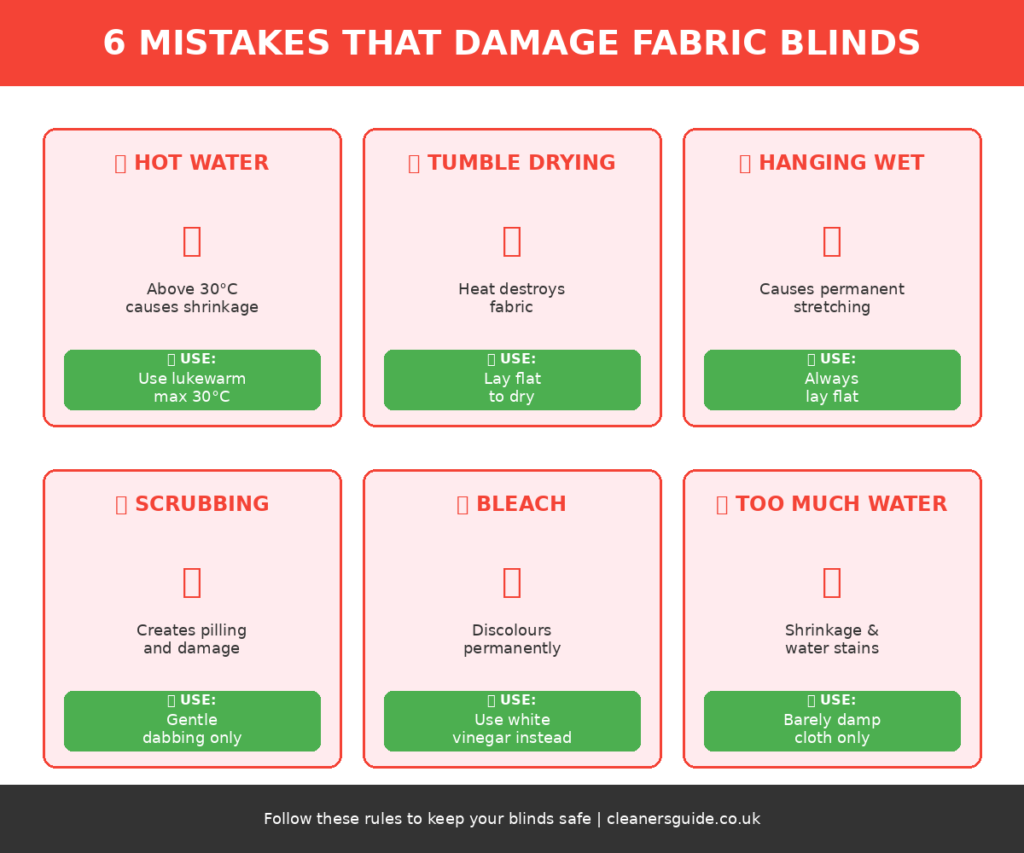
Using Too Much Water
Oversaturation is one of the most common errors. When cleaning, your cloth should be damp, not dripping wet. Excess water soaks into fabric, causing several problems: it can shrink natural fibres, promote mould growth if the blind doesn’t dry completely, create water stains and tide marks, and dissolve the glue holding bottom weights.
The solution is simple but requires discipline: wring out your cloth thoroughly before each wipe. Test on your hand; if it feels wet rather than just damp, wring it out more. Use spray bottles for controlled application. Keep a dry towel handy to blot excess moisture immediately.
Hot Water Disasters
This mistake often happens when people don’t think about water temperature. They fill a basin from the hot tap, add detergent, and wash their blinds, only to discover later that the blinds have shrunk by 10 centimetres or more.
Hot water causes fabric fibres to contract. Even if they feel fine when wet, the shrinkage becomes obvious as they dry. There’s no way to stretch fabric back to its original size once shrunk. Water temperature above 30°C is simply too hot for fabric vertical blinds.
Always use lukewarm or cool water, around 20 to 30°C. Fill your basin or bath by mixing hot and cold taps until the temperature feels comfortable to your hand. If it feels hot, it’s too hot for your blinds. When in doubt, go cooler rather than warmer.
Harsh Chemical Damage
Using products not designed for delicate fabrics causes discolouration, weakens fibres, strips protective treatments, leaves residues that attract dirt, and can even cause fabric to become brittle and tear easily.
The culprits include bleach (the worst offender), strong all-purpose cleaners, bathroom cleaners containing harsh chemicals, abrasive cleaners meant for hard surfaces, and heavily fragranced products with unnecessary additives.
Stick to mild washing-up liquid, gentle laundry detergent for delicates, white vinegar (for mould), bicarbonate of soda (for stains), and lemon juice (for natural cleaning). These products are effective, safe, and won’t damage fabric.
Scrubbing vs Dabbing
When faced with a stubborn stain, the instinct is to scrub harder. Resist this urge. Scrubbing fabric vertical blinds causes pilling, where small balls of fibre form on the surface. It frays edges and damages the weave of the fabric. It pushes stains deeper into fibres rather than lifting them. It can damage protective coatings applied by manufacturers.
The correct approach is always to dab and blot. Apply your cleaning solution, let it sit for a minute to work on the stain, then blot gently with a clean cloth. Repeat this process multiple times rather than scrubbing once aggressively. Patience and repetition work better than force.
Machine Washing Against Instructions
If your manufacturer explicitly says not to machine wash your blinds, there’s a reason. They’ve tested their product and know its limitations. Ignoring this advice usually results in shrinkage, fraying, warped slats, lost shape, or removed protective treatments. You’ll also void any warranty you might have had.
Always check care labels before machine washing. If the label is missing and you can’t find information online, default to hand washing. It’s not worth risking expensive blinds to save half an hour.
Improper Drying
Hanging wet blinds to dry causes them to stretch under their own weight. The bottom of the blind becomes longer than the top, creating permanent sagging. Tumble drying causes severe shrinkage and warping. Using direct heat sources like radiators creates similar problems.
Only lay blinds flat to dry. Yes, this requires space and time, but it’s the only safe method. If you absolutely must hang them, clip them at multiple points along the top edge to distribute weight, keep them straight, and check every hour for stretching.
Ignoring Manufacturer Instructions
Your blinds came with care instructions for a reason. These tell you what materials were used, what temperature is safe, whether machine washing is acceptable, what products to avoid, and any special considerations for treatments or coatings.
If you’ve lost the physical instructions, check the manufacturer’s website. Most have downloadable care guides. You can also contact their customer service with your product number (usually on a label on the headrail).
When instructions conflict with general advice, always follow the specific instructions for your product. Manufacturers know their blinds better than any general guide can.
Skipping the Test Patch
This five-minute step prevents disasters. Always test cleaning solutions on a hidden area before applying them to visible sections. Apply the solution, wait 10 to 15 minutes, then check for discolouration, fabric damage, colour bleeding, or texture changes.
Good test spots include the bottom corner of the last slat, behind furniture where nobody looks, or the very top where it meets the headrail. If your test patch shows any problems, don’t proceed with that cleaning method or product.
When to Call Professionals or Replace Your Blinds
Sometimes DIY cleaning isn’t the answer. Knowing when to seek help or admit defeat saves time, money, and frustration.
Signs You Need Professional Cleaning
Consider professional cleaning services when you’re dealing with extensive mould growth across multiple slats that resists home treatment. Professional cleaners have commercial-grade antimicrobial treatments that are more effective than domestic solutions.
Very large or expensive blinds often warrant professional attention. If you’ve invested £500 or more in custom blinds, the £75 to £150 professional cleaning cost becomes worthwhile insurance against accidental damage.
Delicate, antique, or custom fabric blinds should always go to specialists. These often use materials or techniques that don’t respond well to standard cleaning methods. Professional cleaners have experience with unusual fabrics and can adapt their approach accordingly.
Stains that won’t respond to home methods might shift with professional equipment and solutions. Commercial fabric cleaning machines and specialised stain removers often succeed where domestic methods fail.
If you have allergies requiring deep sanitisation, professional cleaning eliminates dust mites, mould spores, and allergens more thoroughly than home methods. This is particularly important for asthmatics or people with severe dust allergies.
Physical limitations that prevent safe DIY cleaning make professional services sensible. If you can’t safely reach your blinds, can’t handle the physical work of washing them, or don’t have space to dry them properly, paying someone else is the practical choice.
Professional cleaning typically costs £50 to £150 depending on the size of your blinds, your location, and the cleaning method required. Some companies offer mobile services where they clean blinds in your home. Others require you to drop off your blinds at their facility. Ask about turnaround time, as you might be without blinds for several days.
| Factor | DIY Cleaning | Professional Cleaning |
|---|---|---|
| Cost | £10-30 (supplies last multiple cleanings) | £50-150 per session |
| Time Investment | 1-3 hours active time + drying | Drop-off time + 3-7 days waiting |
| Convenience | Do it on your schedule; no transport needed | Drop off and collect; no physical effort |
| Results Quality | Good for regular maintenance; adequate for most stains | Excellent for stubborn stains; commercial-grade sanitisation |
| Risk Level | Risk of shrinkage, damage if done incorrectly | Insured service; professional expertise |
| Equipment Needed | Basic household items (vacuum, cloths, soap) | None – they have specialised equipment |
| Best For | Regular maintenance, standard blinds, budget-conscious | Expensive blinds, extensive mould, difficult stains, delicate antique fabrics |
| Frequency | Weekly dusting, quarterly deep clean | Annually or as needed for problem situations |
| Learning Curve | First time takes longer; improves with practice | None – professionals handle everything |
| Availability | Clean whenever convenient | Depends on service availability; may need booking |
When Replacement Makes More Sense
Sometimes cleaning isn’t worth the effort, and replacement is the more sensible option. If your fabric is permanently stained despite cleaning attempts, the blinds will never look fresh. Discolouration from sun damage, bleach accidents, or age can’t be reversed.
Fabric that’s thinning, tearing, or developing holes has reached the end of its useful life. You might get them clean, but they’ll look shabby and won’t last much longer anyway. The structural integrity is compromised, and they’re likely to fail soon regardless of cleaning.
Extensive hardware damage beyond simple fixes makes replacement necessary. If multiple clips are broken, the headrail is bent, or the mechanism no longer works smoothly, the cost of repairs often approaches or exceeds replacement cost.
Mould that has penetrated deep into the fabric fibres creates a health hazard. Surface mould can be cleaned, but if the mould smell persists after thorough cleaning and drying, the spores are embedded too deeply. This often happens with blinds that have been repeatedly exposed to damp conditions over years.
Sometimes, the style is so outdated that cleaning merely preserves something you don’t actually like anymore. If your blinds are from the 1990s and look it, replacement gives you a fresh style that suits your current décor.
Consider the cost-benefit analysis. If professional cleaning costs £100, and replacement costs £150, spending the extra £50 for new blinds makes more sense. You get better appearance, warranty coverage, modern materials, and several more years of life.
Here’s a simple decision framework. For blinds less than five years old in good condition with minor issues, cleaning is worthwhile. For blinds five to ten years old with multiple problems, weigh cleaning costs against replacement. For blinds over ten years old with significant damage, replacement is usually the better choice.
Making Your Decision
Ask yourself these questions. Do the blinds have sentimental value? Custom blinds from a company that no longer operates might warrant extra effort to preserve. Are they part of a matching set? Replacing one blind might mean replacing all of them to maintain consistency. Can you actually find suitable replacements? Unusual sizes or discontinued styles might be difficult to replace. What’s your budget? Sometimes cleaning is simply what you can afford right now, even if replacement would be better long-term.
If you decide to replace your blinds, learn from what went wrong with the old ones. Choose materials suited to your environment (PVC-coated for humid rooms, treated fabrics for sunny spots). Consider wipe-clean options for high-maintenance areas. Factor in cleaning requirements when selecting new blinds. The cheapest option isn’t always the most economical over time if it requires excessive maintenance or frequent replacement.
Troubleshooting Common Problems
Even when following all advice perfectly, sometimes things go wrong. Here’s how to fix common issues that arise during or after cleaning.
| Problem | Likely Cause | Quick Solution | Prevention |
|---|---|---|---|
| Streaks after cleaning | Dirty rinse water, too much soap, hard water deposits | Re-clean with clean water only; use vinegar solution for hard water | Change water frequently, use less soap, final rinse with distilled water |
| Won’t dry completely | High humidity, poor ventilation, thick fabric | Use dehumidifier, fans; flip halfway through; blot with towels | Clean on dry days, ensure good airflow, allow 12+ hours for cotton |
| Stains keep returning | Oil-based stain not fully removed, mould regrowth, wicking | Use washing-up liquid for grease; vinegar for mould; clean both sides | Treat stains immediately, address humidity issues, use enzyme cleaners |
| Fabric feels stiff | Soap residue, over-drying, harsh detergent | Rinse again with clean water; gently massage fabric; use tiny amount of conditioner | Rinse thoroughly, use mild detergents, don’t over-dry |
| Musty smell persists | Mould in fabric, inadequate drying, bacterial growth | Re-clean with vinegar solution; ensure complete drying; sprinkle bicarbonate of soda | Dry thoroughly before rehanging, control humidity, improve ventilation |
| Colours fading | Sun exposure, harsh chemicals, natural aging | Apply UV-protective spray; rotate slat positions if possible | Close blinds during peak sun, use mild cleaners, expect some fading over time |
| Blinds shrunk | Hot water used, tumble dried, incorrect fabric care | Unfortunately permanent – replacement needed | Always use max 30°C water, lay flat to dry, follow manufacturer instructions |
| Water stains/tide marks | Mineral deposits from hard water, too much water used | Treat with vinegar solution; dry quickly; use distilled water | Use barely damp cloth, blot excess immediately, final rinse with distilled water |
| Clips keep breaking | Age-related brittleness, forcing during removal | Replace broken clips (available online £5-15 per pack) | Handle gently, tilt to 45° when removing, replace old brittle clips preventively |
| Mould grows back quickly | Underlying humidity problem, inadequate treatment | Use dehumidifier, improve ventilation, treat with tea tree oil (prevents regrowth) | Control humidity below 60%, ensure good airflow, address condensation |
Streaks After Cleaning
Streaks usually indicate dirty rinse water, too much soap in your cleaning solution, or hard water deposits on the fabric.
To fix existing streaks, re-clean the affected areas using clean water only, changing your water frequently. For hard water streaks, use a solution of equal parts white vinegar and water. The acid in vinegar dissolves mineral deposits.
Prevent future streaking by using less detergent (a little goes a long way), rinsing more thoroughly, changing rinse water when it becomes cloudy, and if you have hard water, do a final rinse with distilled water.
Blinds Won't Dry Completely
If your blinds are still damp after 8 hours, you’re dealing with high humidity, poor air circulation, thick fabric that retains water, or insufficient initial water removal.
Solutions include using a dehumidifier in the drying room to pull moisture from the air, pointing fans directly at the blinds, flipping blinds halfway through drying to expose the other side to air, blotting again with dry towels to remove more water, and moving blinds to a different room with better ventilation.
Cotton blinds and heavyweight fabrics can take 12 to 16 hours to dry completely in humid conditions. Don’t rush the process by applying heat.
Stains Keep Coming Back
Recurring stains typically mean the stain wasn’t fully removed initially, there’s oil or grease in the stain that needs specific treatment, mould spores are regrowing, or wicking is occurring (stain from backing comes forward through fabric).
For oil-based stains, use washing-up liquid designed to cut grease. Apply it directly to the stain, let sit for 5 to 10 minutes, then blot with warm water. For mould regrowth, treat with white vinegar solution and address humidity issues. For wicking, you need to clean both sides of the fabric, and you might need enzyme-based cleaners.
If standard methods fail, consider commercial stain removers designed for upholstery fabric. Always test first, and follow instructions carefully.
Fabric Feels Stiff After Cleaning
Stiffness indicates soap residue remained in the fabric, the fabric over-dried, or harsh detergent damaged the fibres.
To restore softness, rinse the blinds again with clean water to remove any soap residue, gently massage the fabric to help loosen fibres, or use a tiny amount of fabric conditioner in clean water (but be aware this might reduce stain resistance).
Fabric often softens naturally after being used for a few days, so if the stiffness isn’t severe, simply give it time.
Blinds Smell Bad After Cleaning
Persistent odour after cleaning indicates mould or mildew in the fabric that wasn’t fully killed, inadequate drying created new mould growth, or bacteria has developed in damp fabric.
The solution is to re-clean using white vinegar solution (250ml vinegar per 5 litres water), ensure thorough drying this time, sprinkle bicarbonate of soda over dry blinds and leave for 12 hours before vacuuming, and consider professional sanitising if the smell persists.
If cleaning doesn’t eliminate the smell, the mould or bacteria might be too deep in the fabric, and replacement becomes necessary.
Colour Fading
Some fading results from cleaning, particularly if harsh chemicals were used, but most colour loss comes from sun exposure over time. If fading is uniform, it’s likely sun damage rather than cleaning damage.
To minimise future fading, apply UV-protective spray designed for fabrics (available at most DIY stores), rotate slat positions periodically if possible, use window film to reduce UV penetration, and use only mild cleaning solutions specifically designed for coloured fabrics.
Accept that some fading is inevitable with fabric blinds, particularly in sunny rooms. If the fading bothers you, replacement might be necessary. Dark colours fade more noticeably than light ones, so consider this when choosing replacement blinds.
Rehanging Your Fabric Vertical Blinds
You’ve cleaned your blinds, dried them properly, and now they’re ready to go back up. This final stage requires care to avoid damage and ensure everything works smoothly.
The Rehanging Process
Start by checking that your blinds are completely, absolutely, thoroughly dry. Feel every part of each slat. Check seams and corners, which retain moisture longest. If there’s any doubt, give them another hour.
Lay your blinds out in order if they’re not already. If they’re numbered or have a pattern, make sure they’re sequenced correctly. Nothing’s more frustrating than getting halfway through rehanging and realising they’re in the wrong order.
Take the plastic hangers you removed earlier and insert them back into the top of each slat. They should slide in easily to the same position they occupied before. If they don’t fit easily, don’t force them. Check you have the right hanger orientation.
Pick up your first slat, holding it near the top. Line up the hanger with its clip on the headrail. Tilt the slat to about 45 degrees – the same angle you used to remove it. Gently push the hanger into the clip until you feel and hear it click into place. Give it a gentle tug to confirm it’s secure.
Work systematically from one end of the blind to the other. Don’t skip around randomly, as this makes it harder to spot if you’ve missed one. After clipping each slat, check that it’s hanging straight and at the proper length.
Once all slats are in place, reinsert the weights into the bottom of each louvre. These small metal or plastic weights keep the blinds hanging straight. They should slide back into the pockets at the bottom, usually accessed through a small slit in the fabric.
Finally, reconnect the chains at the bottom of the slats. The chain links clip together in most systems. Pull the chain gently to ensure it moves freely through all slats.
Testing and Adjusting
After rehanging all slats, test the operation. Open and close the blinds fully several times. Rotate them from fully open to fully closed in both directions. Everything should move smoothly without sticking or catching.
Check that all slats are hanging at the same length. If one is shorter or longer, it might not be properly clipped in. Remove and reattach that slat.
Listen for unusual sounds like clicking, grinding, or scraping. These indicate a problem, often with the headrail mechanism or misaligned clips. Address these before regular use to prevent damage.
Check the alignment when the blinds are closed. They should form a relatively flat surface with minimal gaps. Significant misalignment suggests damaged clips or slats that have warped during cleaning.
Common Rehanging Problems
If clips won’t hold the hangers securely, they’ve likely become brittle with age. Replacement clips are available from blind suppliers or directly from manufacturers. Replace all brittle clips now rather than waiting for them to break.
If blinds don’t rotate smoothly after rehanging, the mechanism might need lubrication or there’s dust in the headrail. Remove slats again, clean the headrail thoroughly, apply silicone spray, then rehang.
If slats hang at uneven lengths despite being properly clipped, they might have shrunk at different rates during cleaning. This suggests uneven drying or that some slats got hotter water than others. Unfortunately, there’s no fix beyond replacement.
If the chain doesn’t pull smoothly, check that it’s connected correctly through all slats and the mechanism isn’t tangled. Sometimes chains twist during removal and need to be straightened before reattachment.
Caring for Different Fabric Types
Not all fabric vertical blinds need the same treatment. These specific tips help you tailor your cleaning approach to your exact blind type.
Polyester Fabric Blinds
Polyester is the most forgiving fabric for vertical blinds. It’s water-resistant, dries relatively quickly, and can handle more aggressive cleaning than other fabrics.
For polyester, you can safely use the hand-washing method with warm water up to 30°C, spot clean with mild detergent without worrying too much about water staining, and machine wash (if the label permits) with less risk than other fabrics.
However, polyester still has limits. Hot water can damage polyester fibres and affect their shape. Harsh chemicals can break down the synthetic fibres. Excessive heat during drying can melt or warp the fabric. Scrubbing can cause pilling, though less than with natural fibres.
Polyester blinds dry in 4 to 6 hours with good ventilation, making them practical for regular deep cleaning.
Cotton Fabric Blinds
Cotton requires the gentlest handling. It’s highly absorbent, prone to shrinkage, slow-drying, and susceptible to mould in humid conditions.
For cotton blinds, use minimal water. Spot cleaning is preferable to full washing. When you must wash them, use cool water (20°C maximum) and be extremely cautious. Never machine wash cotton vertical blinds unless explicitly permitted by the manufacturer.
Allow much longer drying time, potentially 8 to 12 hours or more. Lay completely flat to dry, as cotton is particularly prone to stretching when wet. Avoid any heat sources, as cotton shrinks readily.
The advantage of cotton is its soft appearance and natural feel. If you can accept the higher maintenance requirements, cotton blinds provide a premium aesthetic.
PVC-Coated Fabric
These are the easiest fabric vertical blinds to maintain. The vinyl coating makes them practically wipe-clean.
For PVC-coated blinds, simple wiping with a damp cloth handles most cleaning. Spot cleaning is quick and effective. They can handle slightly more water than uncoated fabrics. They dry quickly, often within 2 to 3 hours.
The coating resists mould and mildew better than uncoated fabrics. Grease and stains don’t penetrate as easily, staying on the surface where they’re easier to remove.
However, the coating can be damaged by harsh chemicals (including bleach), excessive heat (never tumble dry), and abrasive scrubbing (can scratch the coating).
PVC-coated blinds are ideal for kitchens, bathrooms, and other high-moisture or high-soil areas. If you’re choosing new blinds for problem locations, this is your best option.
Treated Fabric Blinds
Blinds with special treatments (stain-resistant, fire-retardant, antimicrobial, or UV-protective) need extra consideration. The treatment is applied as a coating or chemical process, and aggressive cleaning can strip it away.
For treated blinds, avoid hot water completely, as heat can break down treatments. Use only mild, pH-neutral cleaners. Never use bleach or harsh chemicals. Don’t scrub aggressively, as mechanical action can wear away coatings.
Check manufacturer instructions for specific guidance on preserving treatments. Some treatments require reapplication after deep cleaning.
If you notice that your treated blinds suddenly start staining more easily or collecting more dust, the treatment might have been compromised by previous cleaning. Some treatments can be reapplied professionally.
Year-Round Fabric Vertical Blind Care
Seasonal changes affect your blinds differently throughout the year. Adapting your care routine to the seasons keeps them in better condition.
Spring and Summer Care
Warmer months bring higher pollen counts, increased dust from open windows, more sunlight causing faster fading, and higher humidity promoting mould.
During spring cleaning season, do a thorough deep clean of all fabric vertical blinds. This removes winter’s accumulated dust and grime. Check for any damage that occurred during winter (when you probably used your blinds more and opened them less).
Throughout summer, increase your dusting frequency if you keep windows open. Pollen and outdoor dust blow in constantly during summer months. Vacuum blinds twice weekly if this is the case.
Apply or reapply UV-protective spray to blinds in sunny positions. Summer sun is intense and will fade colours faster. Consider closing blinds during the hottest part of the day to reduce sun exposure.
Check for mould more frequently in humid summer weather, especially after periods of rain. Humidity levels rise quickly, and your blinds might develop mould in the summer even if they never do in winter.
Autumn and Winter Care
Colder months bring condensation problems, less ventilation (windows closed more), increased indoor humidity from cooking and heating, and mould risks in bathrooms.
Combat condensation by wiping windows daily if needed. Condensation runs down onto blinds, keeping them damp. This is the primary cause of winter mould problems on blinds.
Improve ventilation despite the cold. Open windows for at least 10 to 15 minutes daily to let moisture escape. Use extractor fans religiously. Consider a dehumidifier in problem rooms.
Clean bathroom blinds more frequently. Hot showers in cold weather create massive amounts of steam, and poor winter ventilation means this moisture has nowhere to go. Weekly cleaning might be necessary.
Check blinds near radiators for damage. Fabric directly exposed to heating can dry out and weaken. Keep radiators at moderate temperatures, and ensure blinds don’t touch hot surfaces.
Professional Tips for Perfect Results
These insights from professional cleaners help you achieve better results with less effort.
The Professional Approach
Professional cleaners work systematically, not randomly. They clean all blinds in a room at once rather than doing one at a time. This saves time and ensures consistent results.
They use minimal product. Professional cleaners use far less soap than most people expect. A tiny amount of quality detergent in plenty of water works better than strong solutions. The water does most of the work; soap just helps it along.
They change cleaning water frequently. As soon as water becomes visibly dirty, professionals empty and refill. Using dirty water simply redistributes grime. Fresh water for rinsing is non-negotiable.
They time everything. Contact time matters. Professionals apply cleaning solution and leave it to work for a specific time before wiping. Rushing reduces effectiveness.
They test everything first, every single time. Even with experience, professionals test cleaning solutions on each job. Different fabric batches react differently.
Time-Saving Shortcuts That Actually Work
Create a cleaning station. Set everything up before you start: cleaning solutions mixed, cloths ready, towels laid out, step stool positioned. This prevents interruptions and keeps the process flowing.
Clean blinds in sections rather than all at once if you have many rooms. One room per weekend is less overwhelming than trying to do the entire house in a day.
Use a spray bottle for control. Mix your cleaning solution in a spray bottle, spray it onto your cloth (not directly onto blinds), then wipe. This controls exactly how much solution touches your blinds.
Keep cleaning supplies specifically for blinds. A dedicated bucket, cloths, and spray bottle mean you’re always ready for quick maintenance without searching for supplies.
Use your weekly vacuum routine to spot issues early. The five minutes you spend vacuuming is also an inspection time. Notice new stains, developing mould, or damage immediately.
Cost-Effective Solutions
Make your own cleaning solutions. Shop-bought products specifically for blinds often cost £8 to £12. Washing-up liquid, white vinegar, and bicarbonate of soda combined cost under £5 and last much longer.
Buy microfibre cloths in bulk. A pack of 20 costs about £10, and they last years. Having plenty means you always have clean ones available.
Prevent problems rather than fixing them. Weekly maintenance costs nothing but time. Major cleaning sessions cost time, effort, and sometimes money for professional help. Prevention is always cheaper.
Learn to do minor repairs yourself. Replacement clips, weights, and chains are available online for a few pounds. Learning to replace these simple parts saves call-out fees for professionals.
The Environmental Impact of Cleaning Fabric Vertical Blinds
Conscious cleaning practices help the environment whilst keeping your blinds fresh.
Eco-Friendly Cleaning Methods
Natural cleaning solutions work as well as chemical ones for most purposes. White vinegar is a brilliant mould killer, deodoriser, and general cleaner. Bicarbonate of soda tackles stains and odours. Lemon juice cleans and freshens naturally. These products are biodegradable, non-toxic, and cost pennies.
Reduce water usage by spot cleaning rather than full washing when possible. A damp cloth uses a fraction of a litre. A bathtub wash uses 40 to 80 litres. Spot clean weekly, and you might only need to fully wash blinds twice a year instead of quarterly.
Choose concentrated products that require dilution. A small bottle of concentrated cleaner lasts longer and requires less packaging than multiple bottles of ready-mixed solutions.
Air-dry your blinds rather than using heat or machines. Natural drying uses no electricity and doesn’t damage fabric. It just requires time and space.
Disposing of Old Blinds Responsibly
When blinds finally reach the end of their life, don’t just throw them in general waste. Fabric can often be separated from plastic and metal components for recycling.
Remove all metal components (chains, weights, clips) and recycle them with household metal. Separate plastic headrails and components. Many councils accept rigid plastics for recycling.
Fabric itself is trickier. Most councils don’t accept fabric in household recycling, but textile recycling schemes exist. Companies like Recyc-Textiles or local charity textile banks might accept clean fabric, even if it’s not clothing.
Alternatively, repurpose old fabric blind material. Cut it into cleaning cloths, use it as protective covering for DIY projects, or donate it to schools or playgroups for craft projects.
If blinds are still functional but simply unwanted, donate them to charity shops, advertise them free on local community groups, or offer them to community organisations that furnish homes for people in need.
This comprehensive guide covers everything you need to know about cleaning fabric vertical blinds safely and effectively. Regular maintenance with weekly dusting prevents the need for intensive cleaning sessions. When deep cleaning is necessary, choosing the right method for your fabric type ensures excellent results without damage. Remember: gentle cleaning with cool water protects your blinds whilst still getting them thoroughly clean.
Your fabric vertical blinds can look fresh and pristine for many years with proper care. Start with weekly dusting, address stains immediately, and tackle deep cleaning before blinds become heavily soiled. Prevention is infinitely easier than intensive restoration. Now you have all the knowledge needed to keep your fabric vertical blinds looking their absolute best.
Frequently Asked Questions About Cleaning Fabric Vertical Blinds
Can You Wash Fabric Vertical Blinds in the Washing Machine?
It depends on the fabric type and manufacturer’s instructions. Polyester and PVC-coated fabric blinds can often be machine washed on a gentle cycle at maximum 30°C, but only if the care label permits it. Cotton fabric blinds almost always shrink in the washing machine and should be hand washed instead.
If you do machine wash fabric vertical blinds, remove all hardware first (chains, weights, and hangers), place them in a pillowcase or mesh bag to prevent tangling, use the delicate cycle with mild detergent, and never tumble dry them afterwards. Lay them completely flat to dry instead.
Many manufacturers advise against machine washing because even on gentle cycles, there’s a risk of shrinkage, fraying, and losing the blind’s shape. Hand washing in a bathtub gives you more control and is generally safer for expensive or delicate blinds. If you’re considering machine washing, check out our detailed guide on whether you can put vertical blinds in the washing machine for more specific advice.
How Often Should You Clean Fabric Vertical Blinds?
For best results, vacuum or dust your fabric vertical blinds weekly to prevent dust accumulation. This takes just 5 to 10 minutes and stops dirt from compacting into stubborn layers. Spot clean any stains as soon as you notice them, ideally within 24 hours whilst they’re still fresh.
Give your blinds a more thorough clean monthly, which includes vacuuming both sides carefully, wiping the headrail, and addressing any marks that appeared during the week. Every three months, do a deep clean using one of the washing methods described in the main article.
High-traffic areas need more frequent attention. Kitchen blinds exposed to cooking grease should be cleaned monthly rather than quarterly. Bathroom blinds in humid conditions need weekly mould checks and monthly deep cleans. Bedroom blinds in guest rooms that are rarely used might only need quarterly cleaning.
What's the Best Temperature Water for Washing Fabric Vertical Blinds?
Always use lukewarm or cool water between 20°C and 30°C maximum when washing fabric vertical blinds. Water temperature is absolutely critical because hot water causes fabric shrinkage, can melt protective coatings, warps plastic components, and may dissolve the glue holding bottom weights in place.
Test the water temperature with your hand. It should feel comfortable to touch, definitely not hot. If you’re filling a bathtub, mix hot and cold taps until the temperature feels barely warm. When in doubt, go cooler rather than warmer. Cold water is safe but less effective at removing grease and oil-based stains, which is why lukewarm (around 25°C) hits the sweet spot.
Even blinds labelled as machine washable should never be washed above 30°C. The shrinkage becomes obvious once blinds dry, and there’s no way to stretch fabric back to its original size.
How Do You Remove Mould from Fabric Vertical Blinds?
White vinegar is the most effective solution for removing mould from fabric vertical blinds. Mix equal parts white vinegar and water in a spray bottle, spray directly onto the mouldy areas, leave it to sit for 10 to 15 minutes (this contact time is crucial), then wipe clean with a damp cloth and allow to air dry completely.
For stubborn mould, pure lemon juice works brilliantly. Apply it directly to the affected areas and position the blind in sunlight if possible, as the combination of lemon’s citric acid and UV light kills mould spores more effectively. Tea tree oil is another natural option: mix one teaspoon of tea tree oil with one cup of water, spray on mouldy areas, and don’t rinse (the oil continues working to prevent regrowth).
Never use bleach on fabric vertical blinds as it causes irreversible discolouration and weakens fabric fibres. If mould is extensive across multiple slats, you’ll need to remove the blinds and hand wash them in a bathtub with vinegar added to the water (about 250ml per bath).
Prevent future mould by controlling humidity levels below 60%, improving ventilation with extractor fans and open windows, wiping down windows to prevent condensation dripping onto blinds, and keeping blinds fully open during the day for air circulation.
Can You Steam Clean Fabric Vertical Blinds?
Yes, you can steam clean fabric vertical blinds using a handheld steam cleaner, and it’s actually an excellent method for a quick refresh without full washing. However, you must vacuum all dust from the blinds first because when steam hits dust, you create mud that smears across the fabric.
Hold the steam cleaner 15 to 20 centimetres away from the fabric and move it steadily down each slat without lingering in one spot. Use low to medium heat settings only. Test on a hidden area first to ensure your specific fabric tolerates steam. Avoid areas with plastic clips or glue, as heat can soften adhesives and warp plastic components.
Steam cleaning works brilliantly for light to moderate soiling, sanitising blinds naturally without chemicals, and situations where you don’t want to take blinds down. However, it’s not suitable for heavily stained blinds or all fabric types. Some delicate fabrics don’t respond well to steam, so always test first.
Allow blinds to air dry completely after steam cleaning before closing them, even though steam doesn’t saturate fabric like washing does.
How Long Does It Take for Fabric Vertical Blinds to Dry?
Drying time varies significantly based on fabric type, humidity levels, and ventilation. Polyester blinds in a well-ventilated room typically dry in 4 to 6 hours. Cotton blinds take much longer, often 8 to 12 hours, because cotton absorbs more water. In humid conditions with poor ventilation, drying can take up to 16 hours.
PVC-coated blinds dry fastest, usually within 2 to 4 hours, because the coating repels water. Always lay fabric vertical blinds completely flat to dry on a clean surface like a table covered with towels. Never hang them wet, as this causes stretching and permanent sagging.
Speed up drying by using fans to circulate air (point them towards but not directly at the blinds), opening windows for ventilation, using a dehumidifier in the room, or gently blotting with dry towels to remove excess water before laying flat. Never use direct heat sources like radiators, tumble dryers, or high-heat hairdryers, as these cause shrinkage and warping.
Your blinds must be completely, thoroughly, bone-dry before rehanging. Touch them all over, especially seams and corners. If they feel even slightly cool or damp, give them more time.
What Cleaning Products Should You Avoid on Fabric Vertical Blinds?
Never use bleach on fabric vertical blinds, as it causes irreversible discolouration (including yellow patches on white blinds) and weakens fabric fibres. Harsh all-purpose cleaners or bathroom cleaners containing ammonia, chlorine, or strong solvents will damage delicate fabrics and strip protective coatings.
Avoid abrasive cleaners meant for hard surfaces, as these scratch and damage fabric. Don’t use fabric softener when washing blinds, because it removes dust-repellent and stain-resistant coatings applied by manufacturers. Heavily fragranced products often contain unnecessary chemicals that can cause discolouration or leave residues that attract dirt.
Stick to mild washing-up liquid (the kind you’d use on delicate dishes), gentle laundry detergent specifically designed for delicates, white vinegar for mould and stains, bicarbonate of soda for stubborn marks, and pure lemon juice for natural cleaning. These products are effective, safe for fabric, and won’t cause damage.
If you’re considering using a specialised cleaning product, always test it on a hidden area of the blind first and wait 24 hours to check for any adverse reactions.
Why Are My Fabric Vertical Blinds Shrinking?
Shrinkage occurs when fabric vertical blinds are exposed to hot water (anything above 30°C) or heat during drying. Natural fibres like cotton are particularly susceptible to shrinkage, but even polyester can shrink with excessive heat. The hot water causes fabric fibres to contract, and once they’ve shrunk, there’s no way to stretch them back to their original size.
Tumble drying is the worst culprit for shrinkage, as the combination of heat and agitation causes severe contraction, often 10 to 15 centimetres or more. Hanging blinds on radiators or near heaters creates similar problems. Even washing on a hot cycle in your washing machine can cause noticeable shrinkage.
To prevent shrinkage, always use cool or lukewarm water (maximum 30°C), never tumble dry fabric blinds under any circumstances, lay blinds completely flat to dry away from heat sources, and check your fabric type (cotton shrinks more than polyester). If your blinds have already shrunk, unfortunately, replacement is usually the only solution, as fabric can’t be stretched back to its original dimensions.
How Do You Know What Type of Fabric Your Vertical Blinds Are?
Check the manufacturer’s label first, which should be attached to the headrail or on a tag when the blinds were new. The label tells you the exact fabric composition and care instructions. If the label is missing, check the manufacturer’s website using any product codes or model numbers you can find.
For a quick assessment without the label, use these tests. Touch the fabric: does it feel soft and cloth-like (probably cotton or untreated polyester) or slightly plasticky with a subtle sheen (likely PVC-coated or treated polyester)? Look at the surface: matte finish usually indicates cotton, whilst a slight sheen suggests polyester or PVC coating.
Check water absorption by touching the fabric with a barely damp finger. If water soaks in immediately, it’s probably cotton or untreated polyester. If water beads up on the surface, it’s likely PVC-coated or has water-resistant treatment. Weight also helps: cotton blinds feel softer and lighter, whilst PVC-coated blinds feel heavier and more substantial.
If you’re still unsure and planning a deep clean, err on the side of caution. Use the gentlest cleaning method (cool water hand washing, minimal soaking, lay flat drying) to minimise risk of damage regardless of fabric type.
Can You Clean Fabric Vertical Blinds Without Taking Them Down?
Yes, you can effectively clean fabric vertical blinds without removing them, and this is actually the recommended method for weekly and monthly maintenance. Vacuum both sides of all slats using your vacuum’s soft brush attachment, supporting each blind from behind with your hand to prevent swinging. This removes dust quickly and safely.
For spot cleaning stains whilst blinds hang, mix mild washing-up liquid with warm water, dip a cloth in the solution and wring it thoroughly (it should be barely damp), dab the stain gently without rubbing, rinse with a clean damp cloth, and pat dry with a towel. Keep blinds fully open until completely dry.
You can also steam clean hanging blinds if you have a handheld steamer. The advantages of cleaning without removal include saving time (no need to unclip and rehang), reducing risk of breaking brittle clips, convenience for quick maintenance, and suitability for regular weekly or monthly cleaning.
However, deep cleaning heavily soiled blinds really requires removal for thorough washing. You can’t properly clean the headrail, reach all areas effectively, or ensure complete drying whilst blinds hang. For quarterly deep cleans or dealing with extensive mould or staining, taking blinds down is necessary. You can find more detailed guidance in our article on how to clean vertical blinds without removing them.
How Much Does Professional Fabric Vertical Blind Cleaning Cost?
Professional cleaning services for fabric vertical blinds typically cost between £50 and £150 depending on several factors: the size and number of blinds (a single small blind costs less than multiple large patio door blinds), your location (London and southeast prices tend to be higher), the cleaning method required (basic cleaning is cheaper than mould treatment or stain removal), and whether you need collection and delivery or mobile service.
Most professional cleaners charge per blind or per slat rather than a flat rate. Expect to pay around £30 to £50 for a standard window blind with 6 to 8 slats, or £60 to £100 for large patio door blinds with 12 to 15 slats. Specialist treatments for mould removal or stubborn stains may cost extra.
DIY cleaning costs are significantly lower: around £10 to £30 for supplies (mild detergent, white vinegar, microfibre cloths) that last for multiple cleaning sessions. However, professional cleaning offers specialist equipment and solutions, proper sanitisation for allergen removal, insurance coverage if damage occurs, time savings (especially for multiple large blinds), and better results for tough stains or extensive mould.
Consider professional cleaning if your blinds are expensive or delicate, you have physical limitations preventing DIY cleaning, stains won’t respond to home methods, or you’re dealing with extensive mould that requires specialist treatment.
What's the Difference Between Cleaning Fabric vs Vinyl Vertical Blinds?
Fabric and vinyl vertical blinds require completely different cleaning approaches. Fabric blinds are much more delicate, absorb water readily, can shrink with hot water or heat, are prone to pilling if scrubbed, attract and hold more dust, require gentle dabbing rather than wiping, and need 4 to 12 hours to dry completely.
Vinyl blinds (also called PVC blinds) are far more forgiving. They’re water-resistant and wipe clean easily, can withstand moderate scrubbing without damage, dry quickly (often within an hour), can be soaked in bathtubs safely, tolerate slightly higher temperatures (though still avoid very hot water), and rarely shrink or warp when cleaned properly.
For fabric blinds, you use minimal water and gentle dabbing, cool water only (maximum 30°C), mild soap solutions, and lay flat to dry. For vinyl blinds, you can wipe with damp cloth liberally, use warm soapy water safely, scrub gently if needed for stubborn marks, and hang to dry without problems.
The cleaning frequency differs too. Fabric blinds need weekly vacuuming to prevent dust embedding into fibres, whilst vinyl blinds can often go fortnightly between cleans because dust doesn’t penetrate the surface. If you’re choosing new blinds for kitchens or bathrooms, vinyl is more practical. For living rooms and bedrooms where appearance matters more than easy maintenance, fabric provides a softer, more elegant look.
For specific guidance on different blind types, check our comprehensive guide to cleaning vertical blinds that covers all materials.
Do Fabric Vertical Blinds Attract More Dust Than Other Types?
Yes, fabric vertical blinds attract and hold more dust than vinyl, aluminium, or wooden blinds because fabric has a textured surface with fibres that trap dust particles. The weave of the fabric creates countless tiny spaces where dust settles and clings. Static electricity in synthetic fabrics like polyester can also attract dust particles from the air.
This is why regular weekly vacuuming is crucial for fabric vertical blinds. The dust embeds into the fabric over time, making it progressively harder to remove. Left for months without cleaning, you’ll need aggressive washing that risks damaging the fabric. Weekly maintenance with a vacuum’s soft brush attachment prevents this accumulation.
You can reduce dust attraction by applying fabric protector spray after deep cleaning. Products like Scotchgard create a barrier that repels dust and makes cleaning easier. Reapply every six months. Keeping windows closed during dusty conditions (windy days, nearby construction work, high pollen counts) also helps.
PVC-coated fabric blinds attract less dust than uncoated fabric because the smooth coating doesn’t trap particles as readily. If dust is a major concern (due to allergies or living near busy roads), consider PVC-coated fabric blinds or vinyl blinds as alternatives that combine easy maintenance with good appearance.
Can You Iron Fabric Vertical Blinds to Remove Creases?
Generally, you should not iron fabric vertical blinds because most have plastic or vinyl components that will melt under heat, protective coatings that can be damaged by ironing, and fabric treatments that react badly to direct heat. Even if the fabric itself could theoretically be ironed, the overall construction of the blind makes it impractical and risky.
If your fabric blinds have developed creases from storage or washing, hang them properly and let gravity work naturally over several days. Most creases will drop out within 48 to 72 hours of hanging. For stubborn creases, try steam treatment: use a handheld steamer held 20 to 30 centimetres away, move it continuously without concentrating heat in one spot, and work from top to bottom.
Alternatively, hang blinds in a steamy bathroom whilst you shower. Close the bathroom door and let the room fill with steam for 10 to 15 minutes. The steam relaxes fabric fibres and releases creases naturally. This method works particularly well for light creasing.
Prevention is better than cure. Always lay fabric vertical blinds flat rather than folding them during storage or cleaning. Roll them loosely if you must store them temporarily. After washing, ensure they dry completely flat without any folds or creases forming.
How Do You Prevent Water Stains on Fabric Vertical Blinds?
Water stains (also called tide marks) occur when minerals in water are left behind as the water evaporates. To prevent them, always use minimal water when spot cleaning (cloth should be barely damp, not wet), blot excess moisture immediately with a dry towel, work from the outside of any wet area towards the centre to prevent spreading, and dry blinds quickly with good ventilation.
If you live in a hard water area, consider using distilled water for the final rinse when cleaning, as distilled water contains no minerals that cause staining. After spot cleaning with soapy water, do a second wipe with clean water to remove soap residue, then immediately pat dry.
If water stains have already formed, they often respond to a solution of equal parts white vinegar and water. The mild acid in vinegar dissolves mineral deposits. Apply with a damp cloth, working from the stained area outward in gentle dabbing motions, then rinse with clean water and dry thoroughly.
For bathroom blinds where condensation constantly drips onto them, improving ventilation prevents the recurring dampness that causes water staining. Use extractor fans during and after showers, wipe windows dry each morning, and keep blinds fully open when possible to allow air circulation.
What Should You Do If Your Fabric Vertical Blinds Smell Musty After Cleaning?
A musty smell after cleaning indicates that mould or mildew grew in the fabric because the blinds weren’t dried completely before rehanging. Even slightly damp fabric can develop mould within 24 to 48 hours, especially in humid conditions or enclosed spaces.
You’ll need to clean them again, this time with a mould-killing solution. Take the blinds down and wash them using white vinegar solution (mix 250ml white vinegar per 5 litres of water), ensuring the vinegar solution contacts all fabric areas thoroughly, leave the solution on for 10 to 15 minutes before rinsing, and rinse multiple times with clean water.
This time, ensure absolutely thorough drying. Lay blinds completely flat in a well-ventilated room with fans circulating air. If possible, use a dehumidifier. Allow at least 8 to 12 hours, checking regularly. The blinds must feel completely dry, not cool or clammy, before rehanging.
As blinds dry, sprinkle bicarbonate of soda liberally over the fabric and leave for several hours or overnight. Bicarbonate of soda absorbs residual moisture and eliminates odours. Vacuum it away thoroughly before rehanging the blinds.
If the musty smell persists after re-cleaning and proper drying, the mould spores may be too deeply embedded in the fabric. At this point, the blinds pose a potential health risk, particularly for people with respiratory issues or mould allergies. Replacement is the safest option.
Are Fabric Vertical Blinds Suitable for Bathrooms and Kitchens?
Fabric vertical blinds can work in bathrooms and kitchens, but they require careful consideration and increased maintenance. Standard untreated fabric blinds are not ideal for these rooms because they absorb moisture easily, are prone to mould in humid bathroom conditions, trap cooking grease and odours in kitchens, and require frequent cleaning to prevent grime build-up.
If you want fabric blinds in bathrooms or kitchens, choose PVC-coated fabric blinds specifically. The vinyl coating makes them moisture-resistant, wipe-clean for easy maintenance, naturally resistant to mould and mildew, and suitable for humid environments. These combine the practical benefits of vinyl blinds with the softer appearance of fabric.
Alternatively, look for fabric blinds with antimicrobial treatments that resist mould growth, or moisture-resistant treatments for bathroom use. Ensure excellent ventilation with powerful extractor fans that run during and after showers or cooking, regular window opening to reduce humidity, and immediate wipe-down of any splashes.
Maintenance requirements increase significantly in these rooms. Bathroom fabric blinds need weekly mould checks, fortnightly cleaning, and quarterly deep cleaning. Kitchen fabric blinds need weekly spot-cleaning of grease marks, monthly deep cleaning, and immediate attention to splashes.
For purely practical considerations, vinyl or aluminium vertical blinds work better in bathrooms and kitchens. Reserve fabric vertical blinds for living rooms, bedrooms, dining rooms, and home offices where moisture and grease aren’t constant issues. You might also consider our guide on cleaning roller blinds as another moisture-resistant option for these rooms.
How Long Do Fabric Vertical Blinds Last With Proper Cleaning?
With regular maintenance and proper cleaning, fabric vertical blinds typically last 7 to 10 years in average conditions. This lifespan depends on several factors: fabric quality (higher-quality blinds last longer), sun exposure (UV rays fade and weaken fabric), usage frequency (busy family rooms see more wear than guest bedrooms), cleaning methods (gentle care extends life), and environmental conditions (humid areas or pollution reduce lifespan).
Proper care significantly extends blind life. Weekly dusting prevents abrasive dust particles from wearing fabric fibres. Immediate stain treatment prevents aggressive cleaning that damages fabric. Using cool water and gentle products preserves fabric integrity. Laying flat to dry maintains shape and prevents stretching.
Signs that fabric vertical blinds are reaching end of life include fabric thinning or becoming translucent, permanent staining that won’t respond to cleaning, persistent musty odours indicating deep mould, fading that makes colours look washed out, fraying edges or small tears developing, and loss of shape (sagging or stretching despite proper cleaning and drying).
You can extend lifespan by applying UV-protective spray in sunny rooms to reduce fading, using fabric protector spray after cleaning to repel stains, addressing problems immediately rather than leaving them to worsen, and rotating slat positions occasionally if your blind design allows.
Quality matters. Cheap fabric blinds might only last 3 to 5 years even with excellent care, whilst premium blinds with high-quality fabric and construction can easily exceed 10 years. When purchasing new blinds, investing in better quality often proves more economical long-term because they withstand cleaning better and last longer.
Can You Repair Damaged Fabric Vertical Blinds?
Minor damage to fabric vertical blinds can often be repaired, but significant damage usually requires replacement. Small tears can be repaired with fabric glue or iron-on patches on the back of the blind (test heat sensitivity first), though repairs are usually visible on close inspection. Loose hems can be re-glued using fabric adhesive, applied carefully along the hem edge.
Broken clips, hangers, and weights are easily replaced. You can buy replacement hardware online or from blind suppliers, typically costing £5 to £15 for a pack. Replacing a few broken clips is straightforward and extends blind life significantly. Broken or tangled chains can also be replaced relatively easily.
However, some damage can’t be repaired. Shrunk fabric cannot be stretched back to size. Extensive mould penetration means the spores are throughout the fabric. Severe fading is irreversible. Fabric that’s thinned from age and sun damage will continue deteriorating. Multiple tears indicate the fabric is failing.
For individual damaged slats in otherwise good blinds, you might be able to purchase replacement slats from the manufacturer if they still stock them. This is more economical than replacing the entire blind set. Contact the manufacturer with your product details to check availability.
Before attempting repairs, consider whether the repair cost (materials plus your time) approaches the cost of replacement. If repairs will cost £50 and new blinds cost £100, replacement might be better value. Repaired blinds rarely look as good as new ones, so factor appearance into your decision.
Should You Wash All Slats at Once or Clean Them Individually?
For weekly maintenance and spot cleaning, clean slats individually whilst they hang. This is practical for regular upkeep and lets you target specific dirty areas without disrupting the entire blind set.
For quarterly deep cleaning or when blinds are heavily soiled, remove and wash all slats together. This ensures consistent cleaning, prevents colour variations from different cleaning times, allows thorough headrail cleaning whilst blinds are down, and is more efficient than cleaning one slat at a time repeatedly over several weeks.
When washing all slats together in a bathtub, don’t pile them on top of each other. Lay them flat in the water side by side. If your bath isn’t large enough, do them in two or three batches, using fresh water for each batch.
For very large blind sets (15+ slats), consider breaking the job into two sessions. Clean half the blinds one weekend, rehang them, then do the other half the following weekend. This prevents being without window coverage for extended periods and makes the task less overwhelming.
If slats have patterns or directional designs, keep them in order as you remove them. Lay them out in sequence or number them with sticky notes. This makes reassembly much easier and ensures patterns align correctly when you rehang them.
The comprehensive answers above should address the most common questions about cleaning fabric vertical blinds whilst incorporating internal links and maintaining the informative, practical tone of the main article.
You May Also Like
How to Clean Shower Tiles: Complete Guide for 2026
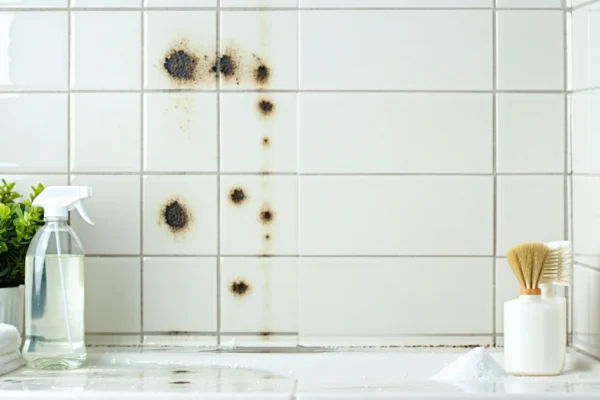
How to Clean Shower Mold: Complete Removal Guide 2026