How to Clean Suede Shoes: Complete UK Guide (2025)

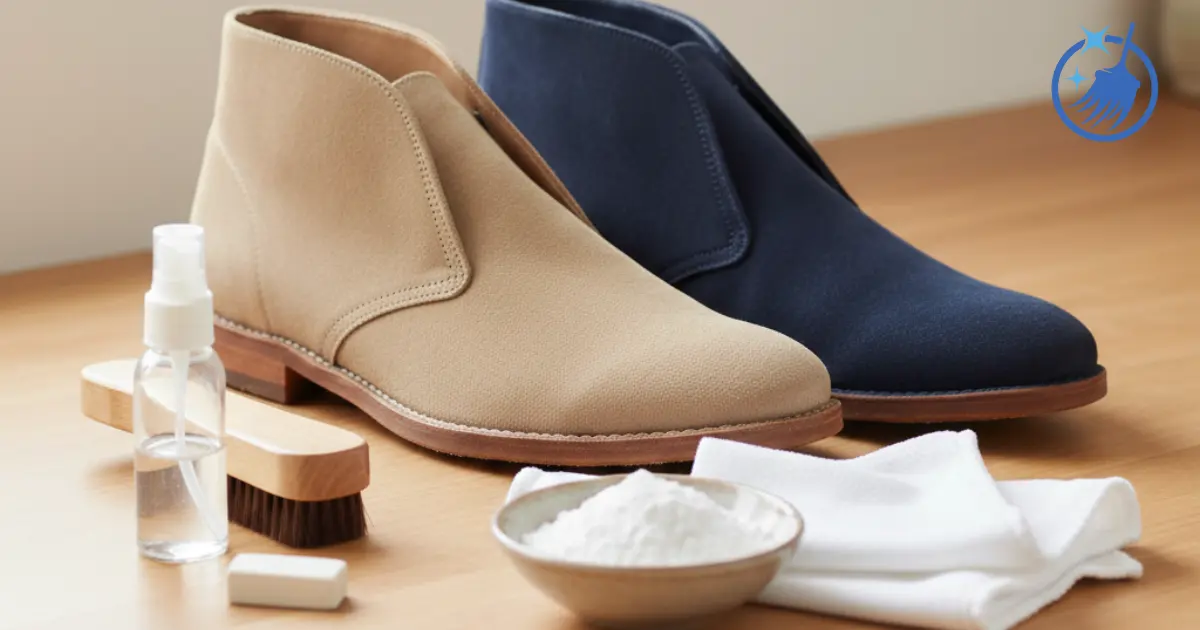
How to clean suede shoes properly can mean the difference between keeping your favourite footwear looking smart for years or ruining them in one misguided attempt. After 18 years cleaning professionally across the UK, I’ve rescued countless pairs of suede shoes from water damage, stubborn stains and well-meaning owners who’d used completely the wrong products. The good news? You don’t need expensive specialty cleaners. White vinegar (about 50p from Tesco), bicarbonate of soda (under £1) and a proper technique will handle 95% of suede cleaning jobs. I’ll show you exactly what works, what doesn’t, and how to avoid the mistakes that ruin suede permanently.
This guide covers everything from everyday dirt removal to rescuing suede that’s been caught in the rain. You’ll learn which household products actually work, how to tackle different types of stains, and when you absolutely must avoid water. Whether you’re dealing with mud on beige suede trainers or grease marks on black suede boots, these methods work on all colours and types.
Quick Summary
Time needed: 5-15 minutes (depending on stain severity)
Difficulty: Easy to moderate
You’ll need: Soft brush, white vinegar OR bicarbonate of soda, clean cloths
Key takeaway: Always let suede dry completely before cleaning, and never soak it in water or put it in the washing machine.
What You'll Need
For regular cleaning:
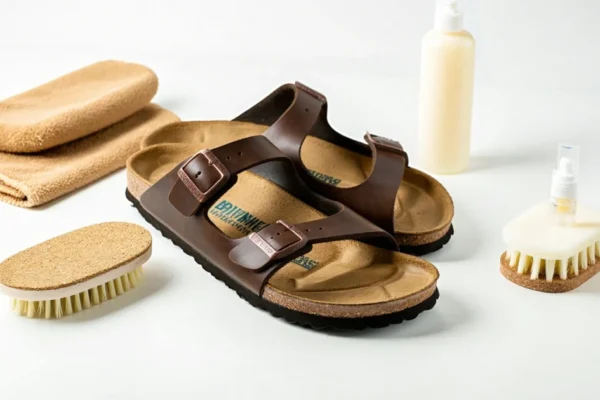
- Suede brush or soft-bristled brush (an old toothbrush works)
- Clean, dry microfibre cloths or tea towels
- White vinegar (about 50p from any supermarket)
- Bicarbonate of soda (under £1)
- Pencil rubber or suede eraser
Optional for stubborn stains:
- Rubbing alcohol (Isopropyl alcohol from Boots, around £2)
- Cornflour or talcum powder
- Washing up liquid (Fairy or own-brand)
- Suede protector spray (optional, £5-8 from Wilko or Astonish brand)
How to Clean Suede Shoes – Step-by-Step Guide
Step 1 – Let Your Shoes Dry Completely
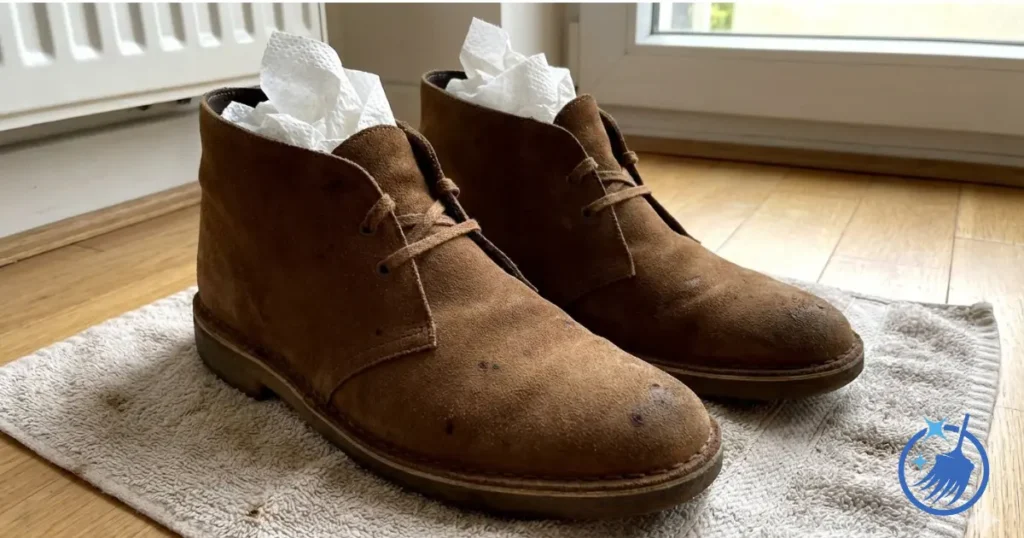
This is absolutely critical and where most people go wrong. If your suede shoes are wet or damp from rain, mud or spills, stop. Don’t touch them yet.
Remove the shoes and let them air dry naturally at room temperature. Stuff them with plain white paper (kitchen roll or newspaper works) to absorb moisture and help them keep their shape. Never use a hairdryer, radiator or any heat source. Heat shrinks suede, damages the texture and can cause permanent creasing.
Drying typically takes 12-24 hours depending on how wet they are. I know it’s frustrating to wait, but cleaning wet suede just pushes dirt deeper into the fibres and makes stains worse.
Step 2 – Brush Away Surface Dirt
Once your shoes are bone dry, remove the laces if they have any. Use a suede brush (or soft toothbrush) to gently brush away loose dirt, dust and dried mud. Always brush in the direction of the suede’s natural grain – you’ll feel which way is smoother.
For scuff marks, brush back and forth with slightly more pressure to lift the fibres. The nap (the fuzzy texture) should start to look more uniform as you work.
Step 3 – Remove Light Stains with a Rubber
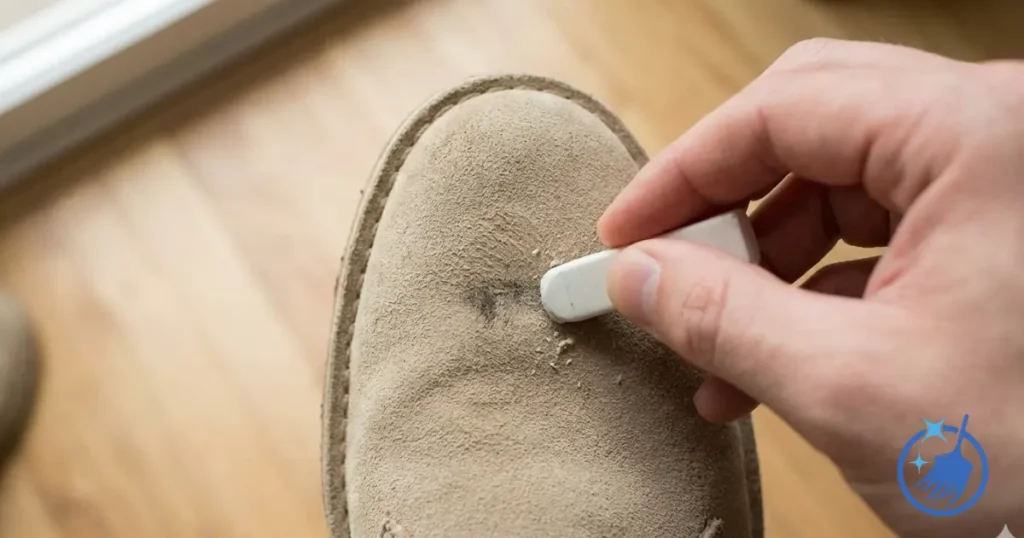
For small marks and light stains that brushing didn’t shift, grab a pencil rubber or suede eraser. Gently rub the mark using light, circular motions. Don’t scrub aggressively – you’re trying to lift dirt from the surface, not sand down the suede.
The rubber works by creating friction that brings dirt to the surface where it can be brushed away. After using the rubber, brush the area again to restore the nap.
Step 4 – Tackle Water Stains with the Spray Method
This sounds counterintuitive, but water stains on suede need more water to fix them properly. The stain appears because water dries unevenly, leaving a dark patch. To fix it, you need to wet the entire shoe evenly.
Fill a clean spray bottle with plain water. Lightly mist the entire surface of the shoe until it’s evenly damp (not soaking). Use your suede brush to gently work the moisture into the fibres in one direction. Dab with a clean cloth to remove excess water, then let them air dry completely.
The shoes will look darker whilst wet, but they’ll return to their original colour as they dry. This method works brilliantly on light-coloured suede where water marks really show up.
Step 5 – Remove Stubborn Stains with White Vinegar
How to clean suede shoes with vinegar is one of the most searched methods, and for good reason – it actually works. White vinegar’s mild acidity breaks down all sorts of stains without damaging suede, and it’s brilliant for salt marks (common in winter on UK pavements).
Dampen a clean cloth with white vinegar – the cloth should be damp, not dripping. Gently dab the stained area, working from the outside of the stain inward. Don’t rub hard or you’ll damage the nap. The area will darken temporarily but will lighten as it dries.
Let the shoes dry naturally (12+ hours), then brush to restore the texture. For persistent stains, repeat the process. Rubbing alcohol works exactly the same way if you’ve got that instead of vinegar.
Step 6 – Deal with Grease and Oil Stains
Oil and grease stains need a different approach because they won’t respond to water or vinegar. You need something to absorb the oil.
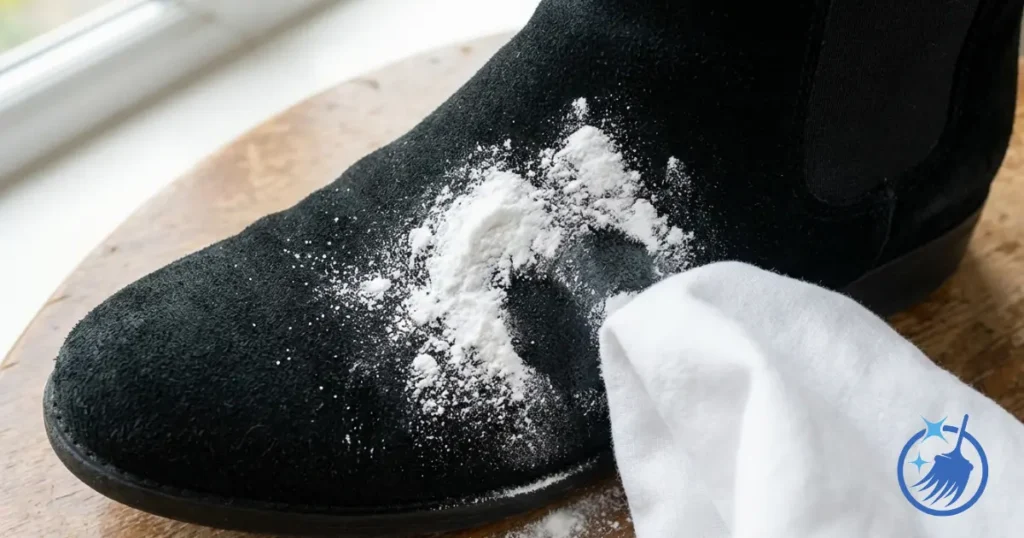
Sprinkle bicarbonate of soda, cornflour or talcum powder generously over the greasy area. Press it gently into the stain with a clean cloth. Leave it overnight (or at least 6-8 hours) to absorb the oil. The longer you leave it, the better it works.
Next day, use your suede brush to gently brush away all the powder. For stubborn grease that’s been there a while, try a tiny drop of washing up liquid on a barely damp cloth. Dab (don’t rub) the stain, then wipe with a clean, damp cloth to remove soap residue. Let it dry completely and brush to restore texture.
Step 7 – Clean Mud Off Suede Shoes
Never try to clean wet mud – you’ll smear it everywhere. Let muddy suede shoes dry completely first (often overnight). Once dry, the mud should brush off easily with a suede brush. Work from the outside of the mud patch inward to avoid spreading it.
For dried mud that’s really ground in, try the rubber technique from Step 3, then brush again. If there’s still a mark after the mud is gone, use the white vinegar method to remove any staining the mud left behind.
Common Mistakes to Avoid
- Using a washing machine – I’ve seen this disaster too many times. The agitation, water and heat will ruin suede completely. The texture goes stiff and the shoes often shrink or lose their shape. There’s no fixing this – the shoes are done.
- Applying heat to speed drying – Radiators, hairdryers and direct sunlight all damage suede. Heat causes shrinkage, stiffness and can create permanent creases. Always air dry at room temperature, even though it takes longer.
- Using shoe polish or leather conditioner – These products are designed for smooth leather, not suede. They’ll clog the delicate fibres, make the surface look dark and shiny, and completely change the texture. Once applied, they’re nearly impossible to remove.
- Rubbing stains aggressively – Harsh rubbing damages the nap and can create bald patches where the suede fibres have been worn away. Always use gentle dabbing motions and let the cleaning product do the work.
- Ignoring water damage – If suede gets soaked (caught in heavy rain, stepped in a puddle), don’t just leave them to dry. Stuff them immediately with white paper to absorb water and maintain shape. The quicker you act, the less likely you’ll get permanent water marks.
- Cleaning before drying – This is the single biggest mistake. Attempting to clean wet or damp suede just pushes dirt deeper into the fibres. Always wait until shoes are completely dry, even if it takes 24 hours.
How often should you clean suede shoes?
| Cleaning Task | Frequency | Why |
|---|---|---|
| Quick brush | After every wear | Removes surface dirt before it settles into fibres |
| Light clean (brush + rubber) | Weekly for regularly worn shoes | Prevents buildup and keeps nap looking fresh |
| Deep clean (full cleaning process) | Monthly or when stained | Removes embedded dirt and stubborn marks |
| Protective spray application | Every 2-3 months | Maintains water resistance and stain protection |
Best Products for Cleaning Suede Shoes
Budget option (under £2) White vinegar and bicarbonate of soda from any supermarket. This combination handles 90% of suede cleaning jobs brilliantly and costs pennies. Add a soft toothbrush you already own, and you’re set.
Mid-range option (£5-10) Astonish or Wilko own-brand suede cleaning kit. These typically include a suede brush, eraser and small bottle of cleaner. The brush is decent quality and will last years. Available from most supermarkets and high street shops.
Premium option (£15-25) Crep Protect or Saphir suede care sets. These include professional-grade brushes, specialty cleaners and protective sprays. Worth it if you own multiple pairs of expensive suede shoes. Available from shoe shops and online.
Professional favourite Honestly? White vinegar in a spray bottle (50p) and a dedicated suede brush (£3-5 from Wilko). After cleaning hundreds of pairs professionally, I’ve yet to find an expensive product that outperforms this combination. The brush quality matters more than fancy cleaners.
How to Clean Different Coloured Suede Shoes
White and cream suede shoes These show every mark, making them high-maintenance. The spray method (Step 4) works brilliantly because it evens out the colour. For yellowing, try a paste of bicarbonate of soda and water – apply gently, leave for 30 minutes, then brush off and let dry.
Black and dark suede shoes Easier to maintain as marks show less. However, water stains still appear as lighter patches. The white vinegar method works perfectly without leaving residue that would show on darker colours.
Beige, tan and brown suede shoes These show dirt easily but hide water marks better than pale colours. Regular brushing is crucial. For mud stains common on these colours, the dry-then-brush method prevents spreading.
Coloured suede (red, blue, pink, etc.) Always test cleaning products on a hidden area first (inside the tongue or heel) as some colours can run or fade. Stick to gentle methods – water spray and brushing rather than vinegar or alcohol.
Troubleshooting – When Suede Shoes Won't Come Clean
Problem: Suede looks darker after cleaning and won’t lighten This happens when too much liquid was used. The suede is still damp inside even though the surface feels dry. Stuff with fresh paper and leave another 24 hours. The colour should return as it fully dries. If darkness persists after 48 hours, the leather’s natural oils may have been stripped – try a tiny amount of suede conditioner.
Problem: The nap (fuzzy texture) looks flat and matted Use a suede brush or soft brass brush to gently brush against the grain, then with the grain. Work in different directions until the fibres lift. For really stubborn areas, hold the shoes over steam (not touching) from a just-boiled kettle for 5-10 seconds, then brush whilst still slightly warm.
Problem: White marks or cloudiness appear after cleaning Usually caused by soap residue or hard water. Dampen a clean cloth with distilled water (from any supermarket for car batteries, about £1) and gently dab the area. Let dry and brush. The distilled water won’t leave mineral deposits like tap water does.
Problem: Grease stain won’t shift If overnight bicarbonate of soda treatment didn’t work, the oil has penetrated deeply. Try: apply fresh bicarbonate of soda, cover with a clean cloth, place something heavy on top (a book), leave for 48 hours. The pressure helps push the powder into the stain. For really old grease marks, a professional cleaner might be your only option.
Problem: Mould or mildew on stored suede shoes Common in the UK’s damp climate. Brush off any loose mould outside (not inside your home). Mix equal parts white vinegar and water, dampen a cloth, and gently wipe the affected area. The vinegar kills mould spores. Let dry completely, then brush. Store with cedar shoe trees which absorb moisture and prevent future mould.
When to call a professional If the suede is extensively damaged, has large bleach stains, significant colour loss, or the leather feels brittle and cracked, a professional leather cleaner might save them. Expect to pay £15-30 for professional suede cleaning, which is worth it for expensive shoes. Most cobblers offer this service.
How to Protect Suede Shoes and Keep Them Looking Smart
Use a suede protector spray Apply waterproofing spray designed for suede before you wear new shoes and reapply every 2-3 months. Scotchgard, Crep Protect and Grangers all make versions available from outdoor shops, shoe shops and Boots. Spray outdoors or in a well-ventilated area, let dry completely (usually 24 hours) before wearing.
The spray creates an invisible barrier that repels water and prevents stains from setting. It’s not a miracle solution – suede can still get wet – but it gives you extra time to dab up spills before they become permanent.
Store properly Keep suede shoes in a cool, dry place away from direct sunlight which fades colour. Use shoe trees (cedar ones from Wilko, about £8) or stuff with acid-free tissue paper to maintain shape. Never store in plastic bags which trap moisture – use fabric shoe bags or leave them in their box with the lid slightly open for air circulation.
Check the weather I know it sounds obvious, but don’t wear suede when rain is forecast. A sudden shower can soak suede in seconds, leaving you with hours of drying and potential water stains. Keep a weather eye on British forecasts and have backup shoes ready.
Brush regularly Thirty seconds with a suede brush after each wear prevents dirt from becoming embedded. This single habit will reduce how often you need to do proper cleaning by at least half.
Suede Shoe Care Essentials
Daily: Quick brush after wearing
Weekly: Thorough brush, check for new marks
Monthly: Full clean if needed, inspect for damage
Every 2-3 months: Reapply protective spray
Seasonally: Condition if leather looks dry, check storage
Your suede shoes are an investment worth protecting. I’ve got pairs of suede boots that are eight years old and still look smart because I brush them after every wear and tackle stains immediately. It takes barely any time, costs next to nothing, and means you’ll get years more wear from shoes you love.
The key things to remember: always let suede dry completely before cleaning, never use harsh chemicals or excessive water, and invest 30 seconds in brushing after each wear. Master those basics and you’ll never ruin another pair of suede shoes.
Frequently Asked Questions
Can you put suede shoes in the washing machine?
No, never put suede shoes in a washing machine. The combination of water, agitation and heat will ruin suede permanently by removing natural oils, damaging the nap texture, and often causing shrinkage. Always clean suede shoes by hand using the gentle methods described above.
Can suede shoes get wet?
Suede can get wet briefly, but prolonged exposure to water causes damage. Water removes natural oils from the leather, creates stains as it dries unevenly, and can cause stiffening or shrinkage. If suede gets wet, stuff with white paper immediately and let air dry naturally away from heat sources.
How often should you clean suede shoes?
Brush suede shoes after every wear to remove surface dirt. Do a light clean (brush and rubber) weekly for regularly worn shoes. Deep clean monthly or immediately when stained. This preventive approach keeps suede looking better for longer and reduces the need for intensive cleaning.
Why does my suede shoe look darker after cleaning?
Suede temporarily darkens when damp and returns to its original colour once completely dry. If darkness persists beyond 24-48 hours after cleaning, the shoes are still damp inside or you’ve used too much liquid. Stuff with fresh paper and allow more drying time. The colour should return.
How do you restore the fuzzy texture on suede shoes?
Use a suede brush or soft brass brush to gently brush the surface in different directions until fibres lift. For stubborn flat areas, hold shoes over steam from a just-boiled kettle for 5-10 seconds (don’t touch the steam), then brush whilst slightly warm. This helps restore the characteristic nap.
How to remove water stains from suede shoes?
Lightly spray the entire shoe with plain water to even out the moisture, gently brush in one direction, dab excess with a clean cloth, then air dry completely. This counterintuitive method works because water stains are caused by uneven drying – rewetting and drying evenly removes the marks.
How to clean white suede shoes at home?
White suede shows every mark but cleans well with bicarbonate of soda for stains and the water spray method for overall cleaning. For yellowing, make a paste of bicarbonate of soda and water, apply gently, leave 30 minutes, brush off and dry. Avoid vinegar on white suede as it can sometimes cause slight yellowing.
Can you use baking soda on suede shoes?
Yes, bicarbonate of soda (baking soda) works brilliantly on suede for absorbing grease and oil stains. Sprinkle generously on the stain, leave overnight, then brush off. It’s also useful for deodorising smelly suede shoes. Avoid using it excessively or rubbing it in aggressively as it can be mildly abrasive.
How to clean grease off suede shoes?
Cover the grease stain completely with bicarbonate of soda, cornflour or talcum powder. Leave overnight (6-8 hours minimum) to absorb the oil. Brush away the powder gently. For old, set grease stains, try a tiny amount of washing up liquid on a barely damp cloth, dab gently, then wipe with a clean damp cloth and air dry.
How to clean mould off suede shoes?
Brush off loose mould outside (not indoors). Mix equal parts white vinegar and water, dampen a cloth, and gently wipe the affected area – vinegar kills mould spores. Let dry completely, then brush to restore texture. Store with cedar shoe trees to prevent future mould in damp conditions common in the UK.
You May Also Like
How to Clean Trainers: Complete Guide for All Materials
How to Clean UGGs: Complete Care Guide for Sheepskin Boots