How to Clean Makeup Brushes: Quick & Deep Clean Methods (2025)

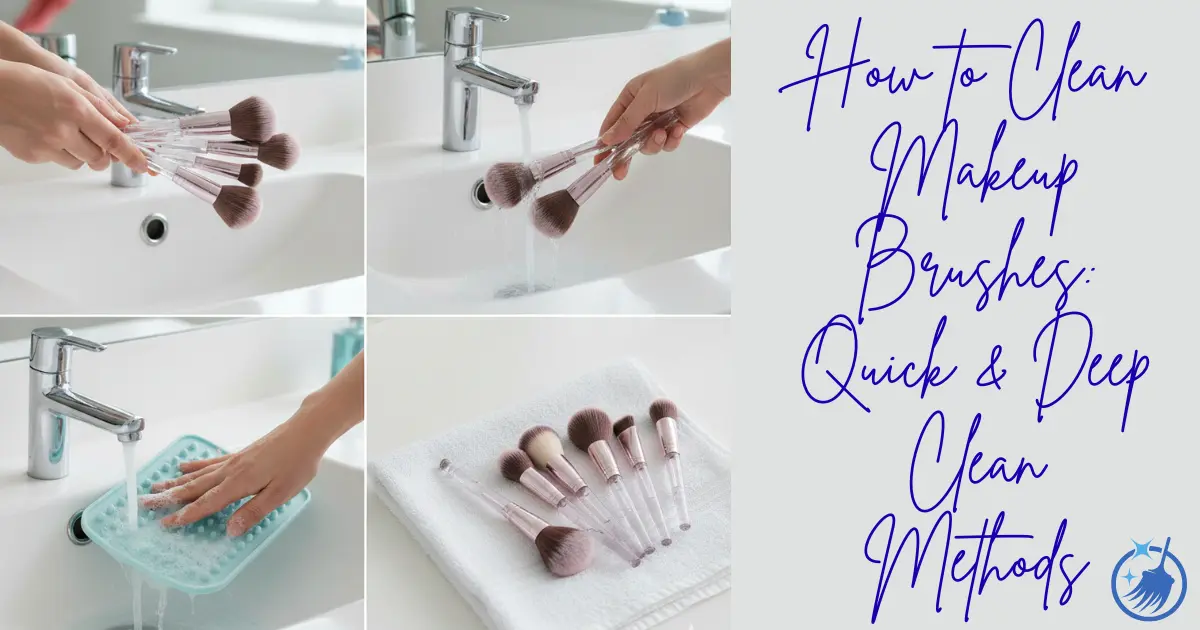
How to clean makeup brushes is something I get asked about constantly, despite spending most of my days cleaning homes rather than faces. After 18 years in professional cleaning, I’ve learnt that the principles of effective cleaning apply whether you’re tackling a kitchen worktop or a makeup brush – and the stakes are surprisingly similar. Dirty brushes harbour bacteria that can cause breakouts, eye infections, and skin irritation. I’ve tested dozens of methods over the years (my daughter’s a makeup artist, so I’ve had plenty of practice), and I can tell you exactly which techniques work and which are a waste of time. In the next few minutes, you’ll learn the proper way to clean your brushes using items you already have at home, how often you actually need to do it, and the mistakes that are probably shortening your brushes’ lifespan.
What Makes This Guide Different
After cleaning thousands of items professionally, I know what genuinely removes bacteria and what just moves dirt around. I’ll show you methods that work on everything from a £5 foundation brush from Boots to expensive natural hair brushes, and I’ll tell you honestly when you need proper products versus when washing up liquid does the job perfectly well.
Quick Summary
Time needed: 5 minutes quick clean / 15 minutes deep clean Difficulty: Easy You’ll need: Lukewarm water, gentle cleanser (baby shampoo or washing up liquid), clean towel Key takeaway: Clean foundation and concealer brushes weekly, eye brushes fortnightly, and never let water seep into the ferrule (the metal bit).What You’ll Need
For a basic clean, you don’t need fancy products. Here’s what actually works:
- Lukewarm water (never hot – it loosens the glue)
- Gentle cleanser – baby shampoo, washing up liquid, or dedicated brush cleanser
- Clean towel or kitchen roll
- Your hands (a cleaning mat helps but isn’t essential)
- Optional: Antibacterial spray for quick cleans between deep washes
How to Clean Makeup Brushes – Step-by-Step Deep Clean
This is the method I’ve used hundreds of times, and it’s never failed me yet.
Step 1 – Wet the Bristles (But Not the Ferrule)
Run your brush under lukewarm water, holding it at a downward angle so the bristles point toward the drain. This is absolutely crucial: keep the water away from the ferrule (the metal part connecting bristles to handle).
Why this matters: Water seeping into the ferrule dissolves the glue holding your bristles in place. I’ve seen £30 brushes ruined because someone held them upright under the tap. Always point the bristles down and never submerge the ferrule.
Step 2 – Apply Your Cleanser
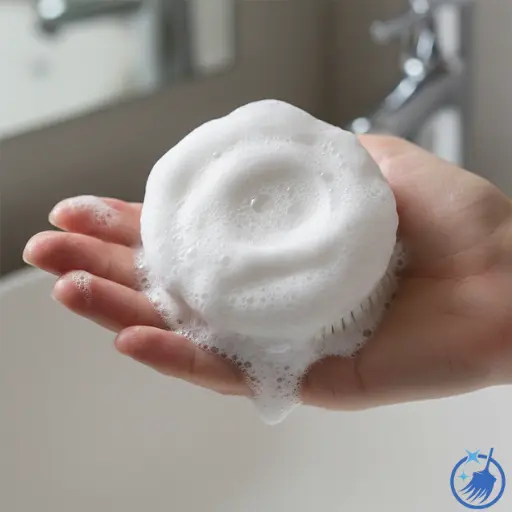
Squeeze a small amount of baby shampoo or washing up liquid into your palm. Swirl the wet brush bristles in circles on your palm, working the cleanser through the bristles. For particularly dirty foundation brushes, you’ll see the makeup releasing almost immediately.
If you’re cleaning a dense kabuki or buffing brush, gently work your fingers through the bristles to ensure the cleanser reaches the centre. Lighter brushes like eyeshadow brushes just need a gentle swirl.
Step 3 – Rinse Thoroughly
Hold the brush under running lukewarm water (bristles pointing down, remember) and gently squeeze the bristles whilst rinsing. Continue until the water runs completely clear. For brushes used with dark eyeshadow or liquid foundation, this might take 2-3 rinses.
Step 4 – Remove Excess Water
Gently squeeze the bristles in a clean towel or kitchen roll. Don’t twist or wring them – this damages the bristles and ruins the brush shape. Just press and squeeze until most of the water is removed.
Step 5 – Reshape and Dry
This step separates amateur brush cleaning from professional results. Gently reshape the bristles with your fingers, coaxing them back to their original form. Then lay the brushes flat on a clean towel with the bristle end hanging over the edge of your counter or table.
Why the overhang matters: Air needs to circulate around all sides of the bristles. If you lay them completely flat, the underside stays damp and can develop mildew. If you stand them upright whilst wet, water seeps into the ferrule. The overhang method ensures even drying.

Drying times:
- Small eyeshadow brushes: 4-6 hours
- Medium face brushes: 6-8 hours
- Dense foundation brushes: 8-12 hours
- Large powder brushes: Overnight (12-24 hours)
How to Quick Clean Makeup Brushes Between Deep Washes
For makeup artists working between clients, or if you need to reuse a brush the same day, a quick clean is essential. This is where antibacterial spray earns its keep.
Method 1 – Antibacterial Spray
Spray the bristles generously with an antibacterial makeup brush spray (or diluted surgical spirit – about 70% alcohol). Wipe the brush back and forth on a clean tissue or kitchen roll until no more product transfers. The alcohol kills bacteria and evaporates quickly, so your brush is ready to use in 5-10 minutes.
Method 2 – Spot Clean with Micellar Water
Pour a small amount of micellar water onto a cotton pad. Swirl the brush on the damp pad until clean. This works brilliantly for eyeshadow brushes when you’re changing colours. It’s gentler than alcohol and won’t dry out natural hair.
How Often Should You Clean Makeup Brushes?
This depends entirely on what you’re using the brush for and how often you use it. Here’s what actually makes sense:
Cleaning Frequency Guide
| Brush Type | Deep Clean Frequency | Why |
|---|---|---|
| Foundation/concealer brushes | Weekly | Liquid makeup breeds bacteria quickly |
| Powder/blush brushes | Fortnightly | Dry products are less problematic |
| Eye makeup brushes | Fortnightly | Close to eyes – infection risk |
| Lip brushes | After each use | Direct contact with mouth |
| Brushes used on clients | After every single use | Professional hygiene standard |
| After eye infection/cold sore | Immediately after recovery | Prevents reinfection |
If you wear makeup daily, foundation and concealer brushes absolutely must be cleaned weekly. I’ve seen what grows on brushes that haven’t been washed in months – it’s genuinely revolting and would horrify you if you saw it under a microscope.
For casual makeup wearers who use brushes 2-3 times weekly, you can stretch to fortnightly for most brushes, but foundation brushes still need weekly attention.
Common Mistakes That Ruin Makeup Brushes
After watching people destroy perfectly good brushes, here are the mistakes I see repeatedly:
- Using hot water – Loosens the glue in the ferrule and can melt synthetic bristles. Always use lukewarm water, similar to what you’d wash your face with.
- Storing brushes before they’re completely dry – This creates the perfect environment for mould and mildew. If your brush smells musty, this is why. Always ensure brushes are bone dry before putting them in a makeup bag or drawer.
- Scrubbing too aggressively – Gentle swirling is all you need. Harsh scrubbing damages bristles and shortens brush life. I treat brushes like I would a delicate jumper – firm enough to clean, gentle enough not to damage.
- Getting water in the ferrule – I’ve mentioned this several times because it’s the single biggest brush-killer. Always keep brushes angled downward when wet.
- Using harsh cleansers – Washing up liquid works fine in small amounts, but some people use neat bleach or harsh bathroom cleaners. These strip the natural oils from bristles and destroy them. If it’s too harsh for your face, it’s too harsh for your brushes.
- Standing wet brushes upright – Water runs down into the ferrule and loosens everything. Lay them flat with bristles overhanging.
Best Cleaners for Makeup Brushes – What Actually Works
I’ve tested everything from expensive salon products to household items. Here’s the honest truth:
Budget Option (Under £3): Johnson’s Baby Shampoo from any supermarket. Works perfectly for regular cleaning, gentle on all brush types, and won’t break the bank.
Mid-Range Option (£5-12): Real Techniques Brush Cleansing Gel (Boots, about £8). Specifically formulated for makeup brushes, removes stubborn makeup effectively, and includes conditioning agents.
For Quick Cleans (£2-5): Surgical spirit from any chemist (about £2 for 200ml) diluted 70:30 with water. Or Superdrug’s antibacterial brush spray (about £4.99).
Professional Favourite: Simple Kind to Skin Micellar Water (about £3 from Tesco). Brilliant for spot cleaning between colours, no rinsing needed, gentle on brushes.
My Honest Opinion on Brush Cleaning Devices
I’ve tested the StylPro brush cleaning spinner (about £30-40) that spins brushes to clean and dry them. It’s clever and works well for professional makeup artists with 50+ brushes to clean. For most people with 5-15 brushes? Complete overkill. Your hands and a towel work just as well and don’t require batteries or storage space. Save your money.Cleaning Different Types of Makeup Brushes
Different brushes need slightly different approaches:
Natural Hair Brushes (Goat, Squirrel, Sable)
These are the pricey ones and need gentle treatment. Use baby shampoo only – never washing up liquid, as it strips natural oils. After rinsing, you can add a tiny drop of hair conditioner to keep bristles soft. Work it through gently, rinse thoroughly, and dry as normal.
Synthetic Brushes
More forgiving than natural hair. Washing up liquid works fine here. They dry faster than natural hair (usually 6-8 hours for dense brushes) and can handle slightly more vigorous cleaning.
Dense Foundation/Kabuki Brushes
These need extra attention because makeup gets deep into the bristles. Make sure your cleanser reaches the centre by working your fingers through whilst lathering. Expect these to take 12+ hours to dry completely.
Delicate Eye Brushes
Gentle swirling only. These small brushes clean quickly but also damage easily. Don’t squeeze them too hard – just enough to remove water.
How to Clean Makeup Sponges Alongside Brushes
Since you’re already cleaning, you might as well sort your sponges too. The method is similar but with a few tweaks:
Wet the sponge completely under lukewarm water. Squeeze a small amount of baby shampoo or washing up liquid onto the sponge. Squeeze it repeatedly (like you’re kneading dough) until it lathers. Keep squeezing under running water until the water runs clear and no soap remains.
For stubborn makeup stains, let the soapy sponge sit for 10-15 minutes before the final rinse. Squeeze out as much water as possible in a clean towel, then leave to air dry completely (this takes 4-6 hours).
When to Replace Rather Than Clean
Even with perfect cleaning, brushes don’t last forever. Replace them when:
- Bristles are shedding excessively (a few loose hairs is normal, clumps falling out isn’t)
- The ferrule is loose or wobbly
- Bristles won’t return to their original shape after drying
- You can smell mildew even after thorough cleaning (the brush has internal mould)
- Bristles feel scratchy or have split ends
A decent brush should last 3-5 years with proper care. Cheap brushes (under £3) might only last 6-12 months, but that’s fine – they’ve done their job.
Natural Cleaning Solutions vs Commercial Products
People ask me constantly whether natural cleaners work as well as shop-bought products. The honest answer: sometimes yes, sometimes no.
What Works:
- Baby shampoo (brilliant all-rounder)
- Diluted washing up liquid (for synthetic brushes and stubborn makeup)
- White vinegar (good for disinfecting but can damage natural hair if used frequently)
- Bicarbonate of soda mixed with water (decent for deep cleaning, but rinse thoroughly)
What Doesn’t Work:
- Coconut oil on its own (leaves residue)
- Bar soap (too harsh for most brushes, though some makeup artists swear by it)
- Neat vinegar (too acidic – damages natural bristles)
What’s Genuinely Better When Bought:
- Antibacterial sprays for quick cleans (the 70% alcohol content is crucial for killing bacteria)
- Professional brush cleansers for very expensive natural hair brushes (they contain conditioning agents that preserve the bristles)
Pro Tips From 18 Years of Professional Cleaning
Insider Knowledge
After cleaning professionally for nearly two decades, here’s what I’ve learnt about brush care:Clean brushes on laundry day – You’re already in cleaning mode, and you can lay brushes on the same towel you’re using for delicates. Makes it feel less like a separate chore.
The tissue test – Press clean bristles onto a white tissue. If any colour transfers, keep rinsing. This catches makeup residue your eyes might miss.
Sunlight is your friend – If possible, let brushes dry near (not in direct) sunlight. UV light has natural antibacterial properties. I put mine on a towel on the kitchen windowsill.
Buy duplicates of favourites – If you use the same foundation brush daily, own two. Whilst one dries overnight, you can use the other. This extends both brushes’ life because they’re used less frequently.
Label them if you share – Living with flatmates or family who use makeup? Put a tiny mark of nail varnish on your brush handles. Sharing brushes spreads bacteria and eye infections.
Conclusion
Cleaning makeup brushes properly takes just 5 minutes once you’ve got the routine down, and it makes an enormous difference to your skin and the quality of your makeup application. The key points to remember: keep water away from the ferrule, use lukewarm water only, clean foundation brushes weekly, and always let brushes dry completely before storing them. Whether you’re using baby shampoo from Tesco or a £12 brush cleanser, the technique matters far more than the product. Your skin will thank you, your makeup will apply better, and your brushes will last years longer. Now you know how to clean makeup brushes properly – far better than the methods most people use.
Frequently Asked Questions
How often should you clean makeup brushes?
Foundation and concealer brushes need cleaning weekly, as liquid makeup breeds bacteria quickly. Eye makeup brushes and powder brushes can be cleaned fortnightly. Lip brushes should be cleaned after each use. If you’ve had an eye infection or cold sore, clean all brushes immediately after recovery to prevent reinfection. Professional makeup artists must clean brushes after every client.
Can you clean makeup brushes with washing up liquid?
Yes, washing up liquid works perfectly well for cleaning makeup brushes, especially synthetic ones. Use just a small drop (about the size of a 5p piece) mixed with lukewarm water. Fairy washing up liquid is particularly good at cutting through oil-based makeup. However, for expensive natural hair brushes, baby shampoo is gentler and won’t strip natural oils from the bristles.
What happens if you don’t clean your makeup brushes?
Dirty makeup brushes harbour bacteria, dead skin cells, and oil buildup that transfer to your face every time you use them. This causes breakouts, clogged pores, and can lead to eye infections if you use contaminated eye brushes. The makeup application also suffers – dirty brushes apply makeup unevenly and can transfer the wrong colours. In severe cases, months of buildup can cause skin rashes and acne.
How do you clean makeup brushes quickly?
For a quick clean between uses, spray antibacterial brush spray or diluted surgical spirit (70% alcohol) onto the bristles, then wipe on a clean tissue until no product transfers. This kills bacteria and dries in 5-10 minutes. Alternatively, swirl the brush on a cotton pad dampened with micellar water. These methods work for switching between colours but aren’t substitutes for proper weekly deep cleaning.
Can you clean makeup brushes with just water?
No, water alone won’t remove oil-based makeup, bacteria, or product buildup effectively. You need some form of cleanser – whether that’s baby shampoo, washing up liquid, or dedicated brush cleanser – to break down the oils and properly clean the bristles. Just water might remove some powder makeup from the surface, but it won’t deep clean or disinfect the brush.
How long do makeup brushes take to dry?
Small eyeshadow brushes dry in 4-6 hours, medium face brushes need 6-8 hours, dense foundation brushes take 8-12 hours, and large powder brushes can take 12-24 hours to dry completely. Always dry brushes flat with bristles hanging over a counter edge so air circulates around them. Never use a hairdryer as the heat damages bristles and loosens the glue in the ferrule.
Should you clean makeup brushes after every use?
Professional makeup artists must clean brushes after every single use when working on different clients, but personal brushes don’t need daily cleaning. Foundation and concealer brushes should be deep cleaned weekly, whilst eye and powder brushes need cleaning fortnightly. You can use antibacterial spray for a quick clean between uses if switching between products, but this doesn’t replace proper deep cleaning.
Can you use shampoo to clean makeup brushes?
Yes, shampoo works well for cleaning makeup brushes – baby shampoo is particularly recommended as it’s gentle and won’t damage bristles. Regular shampoo designed for human hair also works fine, especially on natural hair brushes. Avoid shampoos with heavy conditioning agents or strong fragrances. Baby shampoo costs about £1.50 from any supermarket and cleans brushes just as effectively as expensive brush cleansers.
What’s the best way to dry makeup brushes?
Lay brushes flat on a clean towel with the bristle end hanging over the edge of a counter or table. This allows air to circulate around all sides whilst preventing water from seeping into the ferrule (the metal part). Never stand brushes upright whilst wet as water runs down into the handle and loosens the glue. Never use heat – hairdryers damage bristles and melt adhesive. Natural air drying near sunlight works best.
How do you clean makeup brushes with vinegar?
Mix one part white vinegar with two parts lukewarm water. Swirl brushes in this solution, then rinse thoroughly under running water until the vinegar smell disappears. Vinegar works as a disinfectant and removes stubborn makeup, but use it sparingly on natural hair brushes as the acid can damage delicate bristles over time. For regular cleaning, baby shampoo or washing up liquid is gentler and equally effective.
You May Also Like
How to Clean Retainers: Complete Guide for All Types 2026