Best Way to Clean Windows: Expert Guide for Streak-Free Results

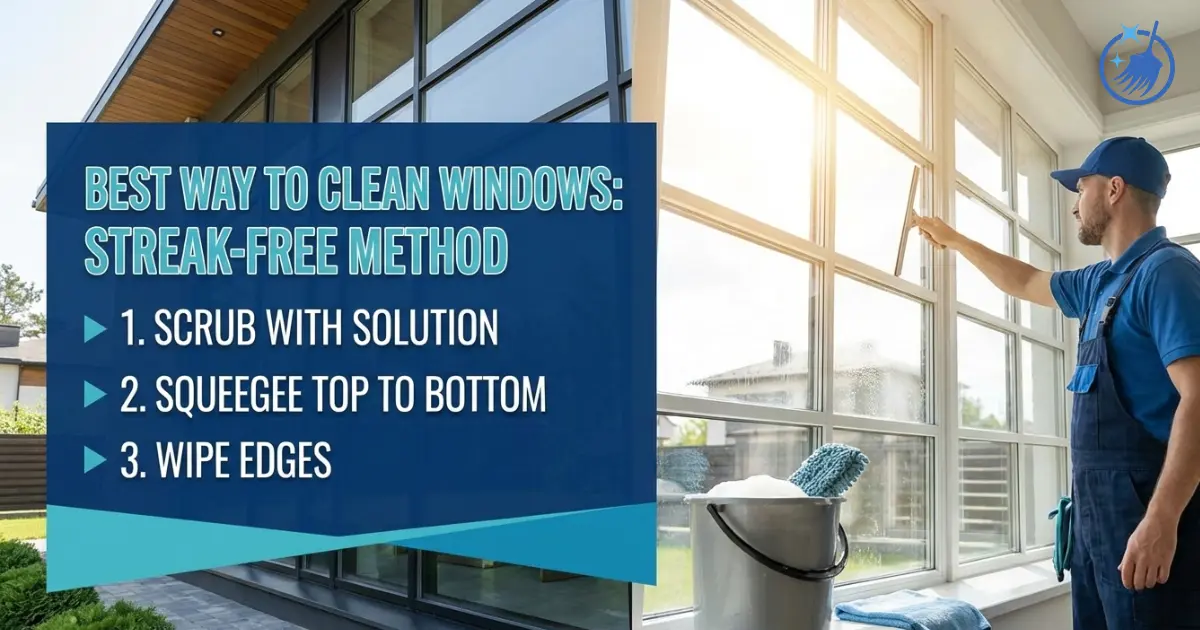
Finding the best way to clean windows has been a constant question throughout my 18 years as a professional cleaner. I’ve cleaned thousands of windows across the UK – from tiny Victorian cottage panes to floor-to-ceiling modern glass walls – and I can tell you that clean windows transform a home instantly. They let more natural light flood in, make rooms feel larger, and honestly, there’s something deeply satisfying about looking through crystal-clear glass.
The problem? Most people make the same mistakes that leave streaks, smears, and frustration. I’ve watched clients scrub for ages only to stand back and see their windows look worse than when they started. The good news is that once you know the right techniques and avoid the common pitfalls, cleaning windows becomes straightforward.
What you’ll learn:
- The best methods for cleaning windows (I’ve tested them all)
- How to clean inside and outside windows properly
- Why your windows streak and how to prevent it
- The right tools for different window types
- Solutions for stubborn problems like mould, water spots, and film
- When DIY cleaners work better than expensive products
Quick Summary
Time needed: 15-30 minutes per window (inside and out)
Difficulty: Easy with the right technique
You’ll need: Microfibre cloths, washing up liquid or vinegar, squeegee or window vac (optional)
Key takeaway: The best way to clean windows is on a cloudy day using minimal cleaning solution and the right wiping technique. Most streaks come from too much product or dirty tools, not lack of scrubbing.
What You'll Need
I’ve tested expensive specialty cleaners and basic household products side by side. Here’s what actually makes a difference:
Essential items:
- Washing up liquid (any brand)
- White vinegar (50p from any supermarket)
- Warm water
- Microfibre cloths (at least 2-3 clean ones)
- Bucket or spray bottle
- Old newspapers (optional, for polishing)
Helpful tools:
- Squeegee (basic £3 one from Wilko works fine)
- Window vacuum (Karcher makes good ones, around £50-70)
- Extendable pole for high windows
- Step ladder for upstairs windows
- Old toothbrush (for frames and tracks)
Optional upgrades:
- Steam cleaner (brilliant for tracks and frames)
- Telescopic window cleaning kit
- Professional squeegee with rubber blade
The Best Way to Clean Windows: Step-by-Step Method
This is my go-to method that works for most windows – inside or outside, ground floor or upstairs. It’s what I’ve refined over nearly two decades of professional cleaning.
Step 1: Choose Your Day Wisely
Never clean windows on a sunny day. I cannot stress this enough. The heat causes cleaning solution to dry too quickly, leaving streaks you’ll never fully remove. Overcast days are perfect. If the weather won’t cooperate, clean the shady side of your house first, then move to the sunny side in late afternoon.
Step 2: Remove Dust and Debris First
Use a dry microfibre cloth, duster, or handheld vacuum to remove dust from window frames, sills, and the glass surface. If you spray cleaner onto dusty glass, you create muddy streaks that are much harder to remove. This 30-second step saves you ages of extra scrubbing later.
For window tracks (those grooves at the bottom), use a vacuum attachment or old toothbrush to get dirt out before it becomes wet and gummy.
Step 3: Prepare Your Cleaning Solution
Mix your cleaning solution in a bucket or spray bottle. You have several options:
Option 1 – Basic soap solution:
- Warm water with a few drops of washing up liquid
- Stir gently to avoid too many suds
Option 2 – Vinegar solution (my favourite):
- Equal parts white vinegar and warm water
- The vinegar breaks down grease and hard water deposits
Option 3 – Commercial cleaner:
- Follow bottle instructions
- Use sparingly – less is more with glass cleaners
Step 4: Apply Cleaning Solution
Spray your window generously with cleaning solution, or dip a clean microfibre cloth into your bucket and apply it to the glass. You want the window properly wet but not absolutely drenched. Work in sections if you’re dealing with large windows.
Step 5: Wipe or Squeegee
If using a cloth: Wipe in a consistent pattern – either all horizontal strokes or all vertical strokes. This way, if streaks appear, you’ll know which side of the glass they’re on. Use firm pressure and work from top to bottom.
If using a squeegee: Start at the top corner and pull the squeegee across horizontally. Wipe the blade with a clean, dry cloth after each pass. Overlap your strokes slightly. Work your way down the window systematically.
Step 6: Buff for Shine
Take a clean, dry microfibre cloth (or crumpled newspaper) and buff the glass in circular motions. This removes any remaining moisture and gives you that crystal-clear finish. Check your work from different angles – streaks often show up differently depending on the light.
Step 7: Dry Window Frames and Sills
Use a dry cloth to wipe moisture from window frames and sills. Water left sitting can cause mould growth, especially on wooden frames. This final step prevents long-term damage and keeps your windows looking proper.
Best Methods Compared: Which One Should You Choose?
I’ve tried every window cleaning method out there. Here’s how they stack up:
Traditional Soap and Water Method
Best for: Regular maintenance cleaning, most window types Pros: Cheap, safe for all surfaces, widely available Cons: Can leave residue if not rinsed properly My verdict: Solid choice that works reliably. Mix just a few drops in warm water.
White Vinegar Solution
Best for: Hard water areas, greasy kitchen windows Pros: Cuts through grime brilliantly, natural option, streak-free when used right Cons: Smells strong while cleaning (dissipates quickly) My verdict: My personal favourite. The acidity dissolves mineral deposits and grease that soap struggles with.
Commercial Window Cleaners
Best for: Heavy-duty cleaning, saving time Pros: Convenient, often include ammonia for cutting grease, pleasant scent Cons: More expensive, not always better than DIY options My verdict: Worth it for very dirty windows or if you prefer the convenience. Windex, Flash, and Method all work well.
Water-Free Method (Dishmatic Hack)
Best for: Quick touch-ups inside, avoiding mess Pros: No drips on carpets or sills, very fast, minimal equipment Cons: Only really works for inside windows, needs window vac or extra cloths My verdict: Brilliant for maintaining inside windows between deep cleans. Fill a Dishmatic with vinegar and washing up liquid (70/30 ratio), scrub lightly, and vac or wipe dry.
Steam Cleaning
Best for: Window frames, tracks, and sills Pros: Sanitises while cleaning, brilliant for mould, no chemicals needed Cons: Takes longer, requires equipment, not ideal for glass itself My verdict: Worth it if you already own a steam cleaner. I use mine on frames and tracks but stick to traditional methods for the glass.
How to Clean Windows Inside: The Best Approach
Inside windows collect dust, fingerprints, and condensation marks. They’re generally less dirty than outside windows but show every smudge.
Remove curtains or blinds: Take down any window treatments that might get in the way. If you’ve got curtains, this is a perfect time to give them a wash.
Dust everything first: Use a microfibre cloth to wipe the window frame, sill, and surrounding wall. Dust on your cloth will scratch the glass if you’re not careful.
Use minimal water: Inside windows don’t need as much cleaning solution as outside ones. A lightly dampened cloth often does the job. Excess water drips onto carpets and wooden sills, causing problems.
Try the Z-pattern technique: When wiping, move your cloth in a Z-pattern across the glass. This covers every inch without missing spots and helps prevent streaks.
Dry thoroughly: This is crucial inside. Any moisture left behind will attract dust and show up as marks. Buff with a dry microfibre cloth or crumpled newspaper until the glass squeaks slightly when you wipe it.
How to Clean Windows Outside: What Works Best
Outside windows face the elements and get genuinely filthy – bird droppings, pollen, pollution, and weather grime all build up.
Rinse first if very dirty: If your windows have caked-on dirt or bird mess, rinse them with a garden hose before cleaning. This removes the worst of it without spreading muck around.
Use more cleaning solution: Outside windows need proper cleaning power. Don’t be shy with your solution – you need enough to dissolve and lift all that grime.
Work from top to bottom: Gravity is your friend. Start at the top of the window so dirty water runs down onto areas you haven’t cleaned yet, not onto freshly cleaned glass.
Consider a water-fed pole: For upstairs windows, a telescopic pole with a brush attachment that connects to your hosepipe is safer than a ladder. Pure water systems (available from £30+) are brilliant for reaching high windows safely from the ground.
Address window frames: Outside frames get just as dirty as the glass. Use a stiff brush and soapy water to scrub UPVC frames, paying attention to corners where green algae often grows.
How to Clean Car Windows (Inside and Out)
Car windows need different treatment because they’re often tinted and the inside builds up a greasy film from dashboard off-gassing.
Inside Car Windows
That awful film on the inside of car windows is notoriously stubborn. Here’s what actually shifts it:
Method 1 – Vinegar solution: Mix equal parts white vinegar and water. Spray generously and wipe with a microfibre cloth in circular motions. The vinegar cuts through the greasy film brilliantly. Buff dry with newspaper or a clean microfibre cloth.
Method 2 – Rubbing alcohol: For really stubborn film, add a tablespoon of rubbing alcohol to your vinegar solution. This breaks down the oily residue even faster.
Technique tip: Use vertical strokes on one window and horizontal on another. This way you can tell which side streaks are on if they appear.
Outside Car Windows
These are easier than inside ones. Wash them when you wash your car – soapy water and a microfibre cloth work perfectly. For water spots from rain or sprinklers, white vinegar removes them easily. Spray it on, leave for 30 seconds, then wipe clean.
How to Clean Different Window Types
Not all windows are the same. Here’s what works for specific types:
UPVC Windows and Frames
UPVC frames can go yellow or green if not cleaned regularly. Use warm soapy water and a soft brush for the frames. For stubborn green algae, add a splash of bleach to your water (wear gloves). Rinse thoroughly and dry. The glass cleans like any other window.
Double Glazed Windows
Clean these exactly like single-pane windows. The double glazing is sealed between the panes, so you can’t access that space. If you see condensation between the panes, the seal has failed and you need a professional repair – no amount of cleaning will fix it.
Velux and Roof Windows
These are awkward because of their angle and height. Most Velux windows rotate, letting you clean the outside from inside. Use a telescopic squeegee to avoid overreaching. Clean more often than other windows because they show dirt clearly with sunlight streaming through them.
Large Picture Windows
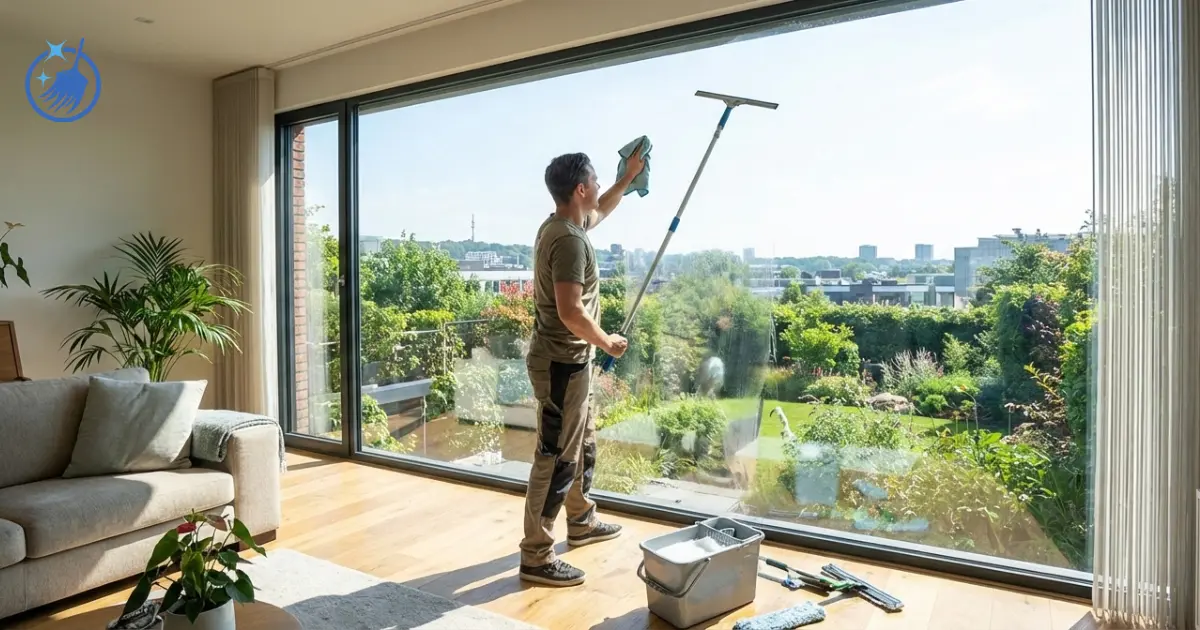
Work in sections to prevent the cleaning solution drying before you’ve finished. Have multiple clean microfibre cloths ready. A window vac is absolutely worth it for large windows – it stops you spending ages buffing out streaks.
Leaded or Georgian Windows
The lead strips between small panes collect dirt. Use a soft toothbrush dipped in soapy water to clean along the lead. Dry carefully with cotton buds to prevent water sitting in crevices. Be gentler with old leaded windows as the glazing can be fragile.
How to Clean Window Tracks and Frames
Window tracks are grime magnets. I’ve seen some absolute states over the years, but they always come up clean with the right approach.
The Classic Method
- Vacuum loose dirt from tracks
- Sprinkle bicarbonate of soda along the tracks
- Pour white vinegar over it (it will fizz)
- Let it sit for 5-10 minutes
- Scrub with an old toothbrush
- Wipe clean with a damp cloth
- Dry thoroughly
The Steam Cleaner Method (My Preferred Way)
If you own a steam cleaner, use it on window tracks. The steam loosens built-up dirt instantly, kills mould spores, and sanitises without chemicals. Use the narrow nozzle attachment and work slowly, vacuuming or wiping up the loosened dirt as you go. This method is honestly brilliant – it turns a 20-minute scrubbing job into a 5-minute task.
How to Clean Windows Without Streaks
Streaks are the bane of window cleaning. Here’s why they happen and how to prevent them:
Common causes of streaks:
- Too much cleaning solution
- Dirty cleaning tools
- Cleaning in direct sunlight
- Hard water in your cleaning solution
- Not buffing properly after wiping
- Low-quality paper towels leaving lint
Solutions that work:
Use less cleaning solution than you think you need. A little goes a long way with glass. If you’re spraying from a bottle, two or three sprays per window pane is usually sufficient.
Change your cloths frequently. Once a microfibre cloth gets dirty, it starts smearing rather than cleaning. I go through multiple cloths when doing a whole house.
Buff with newspaper. Old-fashioned but effective. The ink acts as a gentle polishing agent and newspaper doesn’t leave lint. Just scrunch up dry newspaper and rub the glass in circular motions.
Use distilled water in hard water areas. Tap water leaves mineral deposits when it dries. If you live somewhere with hard water and keep getting streaks, try making your cleaning solution with distilled or filtered water.
Wipe in one direction only. Horizontal on one side of the window, vertical on the other. This way you can immediately tell which side any remaining streaks are on.
Troubleshooting Common Window Cleaning Problems
Problem: Windows Still Look Smeared After Cleaning
Cause: Usually means either you’ve used too much cleaner, your cloth is dirty, or there’s a buildup of old product.
Solution: Wipe the window with plain warm water and a clean cloth to remove all cleaning product. Dry thoroughly. Then clean again with minimal solution. For stubborn smears from old product buildup, use straight white vinegar to strip everything off, then start fresh.
Problem: Water Spots and Hard Water Stains
Cause: Minerals in hard water dry onto the glass, leaving cloudy white marks.
Solution: Spray undiluted white vinegar directly onto the spots. Leave for 5 minutes, then scrub with a microfibre cloth. For really stubborn deposits, make a paste of bicarbonate of soda and vinegar, apply it, leave for 10 minutes, then scrub and rinse. In very hard water areas, consider using distilled water for your final rinse.
Problem: Mould Growing on Window Frames or Seals
Cause: Condensation and poor ventilation create perfect conditions for mould.
Solution: Mix one part bleach with four parts water (wear gloves and ensure good ventilation). Scrub mould spots with an old toothbrush dipped in the solution. Rinse thoroughly and dry completely. For rubber seals, use a solution of white vinegar instead of bleach as it’s gentler on rubber. Prevent recurrence by improving room ventilation and wiping condensation daily.
Problem: Cloudy or Hazy Windows That Won't Clear
Cause: Could be hard water deposits, film from cleaning products, or (if between double-glazed panes) a failed seal.
Solution: For surface cloudiness, clean with white vinegar and buff well. If that doesn’t work, try glass polish (available from car accessory shops). If cloudiness is between double-glazed panes, you need a professional repair – the seal has failed and you can’t access that space.
Problem: Greasy Film (Especially in Kitchens)
Cause: Cooking grease becomes airborne and settles on windows.
Solution: White vinegar solution cuts through grease brilliantly. For very greasy windows, add a tablespoon of washing up liquid to your vinegar solution. The combination breaks down grease while the vinegar prevents streaks. You might need to clean twice – once to remove the bulk of the grease, then again for a streak-free finish.
Problem: Nicotine or Vape Residue
Cause: Smoke and vapour particles stick to glass, creating a yellowish film.
Solution: Mix warm water with washing up liquid and add two tablespoons of white vinegar. Wipe windows thoroughly – you’ll see brown residue coming off. Rinse with clean water and dry. For stubborn residue, use rubbing alcohol on a cloth. This problem requires more elbow grease than normal cleaning, so don’t expect it to lift instantly.
Tools and Products: What Actually Works
Squeegees vs Cloths vs Window Vacs
Squeegees: Brilliant for large, flat windows once you’ve mastered the technique. Cheap (£3-10 for decent ones). The key is wiping the blade after every stroke and maintaining steady pressure. Takes practice but very effective.
Microfibre cloths: My go-to for most jobs. Affordable, washable, don’t scratch glass, and work brilliantly. Buy multiple so you always have clean ones. The secret is using one damp cloth for cleaning and a separate dry one for buffing.
Window vacuums: Worth the investment (£50-70 for Karcher models) if you have lots of windows or hate streaks. They suck water off the glass as you go, leaving perfectly streak-free windows. Particularly brilliant for inside windows where you don’t want drips.
Newspaper: Free if you get a paper anyway, and genuinely effective for buffing. The ink doesn’t transfer to windows despite what people worry about. Scrunch it up and polish in circles after cleaning.
Best Commercial Cleaners (UK)
Budget picks:
- Asda Smart Price Glass Cleaner (under £1) – works fine for basic cleaning
- Wilko Glass Cleaner (£1.25) – decent results, very affordable
Mid-range:
- Flash Glass Cleaner (£2-3) – reliable, leaves a nice shine
- Method Glass Cleaner (£3-4) – eco-friendly, pleasant smell, effective
- Windolene (£2.50) – old-fashioned but works well, good for smears
Premium:
- Karcher Glass Cleaner Concentrate (£8) – makes litres of solution, proper professional quality
- Vileda Window Cleaning Spray (£4-5) – designed to work with their cloths, very good results
DIY Solutions That Work
Basic vinegar solution: Equal parts white vinegar and water. Costs pennies and works brilliantly for 90% of jobs.
Enhanced cleaning solution:
- 2 cups warm water
- 1/4 cup white vinegar
- 1/4 cup rubbing alcohol (70%)
- 1 tablespoon cornflour (reduces streaking)
- 2 drops washing up liquid
Mix in a spray bottle. The rubbing alcohol helps it evaporate quickly, the cornflour gives a protective film that repels water.
Heavy-duty degreaser:
- 1 cup warm water
- 1/4 cup white vinegar
- 1 tablespoon washing up liquid
The extra washing up liquid tackles kitchen grease effectively.
Common Mistakes to Avoid
1. Cleaning on a sunny day: The biggest mistake I see. Heat causes streaks you’ll never fully remove. Wait for cloud cover or clean early morning/late evening.
2. Using too much cleaning product: More isn’t better with windows. Excess product leaves residue that attracts dirt and causes streaks. A light spray or barely damp cloth is sufficient.
3. Reusing dirty cloths: Once your cloth is dirty, it spreads grime rather than removing it. Have multiple clean cloths ready before you start.
4. Forgetting to dust first: Spraying cleaner onto dusty windows creates muddy streaks. Always remove loose dust with a dry cloth before applying any liquid.
5. Using the wrong cloths: Kitchen roll and regular towels often leave lint. Cotton cloths can scratch. Stick to microfibre cloths or newspaper for buffing.
6. Neglecting window frames and tracks: Dirty frames make clean windows look worse. Always clean the entire window area, not just the glass.
7. Not drying properly: Leaving windows damp leads to water spots and streaks. Always finish with a dry cloth to buff the glass to a shine.
8. Using worn-out squeegees: A damaged rubber blade leaves lines across your windows. Check your squeegee blade regularly and replace it when it gets nicks or becomes too soft.
9. Cleaning all windows in one go: By the time you finish cleaning, the first windows are dry and need touching up. Work room by room, completing each area fully before moving on.
10. Ignoring the outside: Inside windows sparkle, outside windows are filthy – the room still looks dull. Always clean both sides for maximum light and impact.
How Often Should You Clean Windows?
The frequency depends on your location and windows, but here’s my recommended schedule:
| Cleaning Task | Frequency | Why |
|---|---|---|
| Quick wipe (inside) | Weekly | Removes fingerprints and light dust |
| Spot clean marks | As needed | Prevents stains setting in |
| Deep clean (inside) | Every 3-4 months | Removes buildup, keeps glass clear |
| Deep clean (outside) | 2-3 times yearly | Battles weather damage and pollution |
| Clean window tracks | Every 6 months | Prevents dirt buildup and drainage issues |
| UPVC frame clean | Every 3-4 months | Prevents green algae and discolouration |
| Professional clean | Yearly (optional) | For very high or difficult windows |
Adjust for your situation:
- Live near a busy road? Clean outside windows more often (pollution and road grime)
- Have pets or young children? Clean inside windows more frequently (fingerprints and nose prints)
- In a rural area? May need less frequent cleaning but watch for pollen in spring
- Coastal location? Salt spray means more regular outside cleaning needed
When to Call a Professional Window Cleaner
Most window cleaning is manageable DIY, but sometimes professional help is worth the cost:
Consider hiring a pro when:
- You have windows above second-floor height (safety risk)
- Windows are difficult to access without specialist equipment
- You have very large expanses of glass that would take hours
- You have leaded windows requiring delicate handling
- The cost of buying equipment (telescopic poles, etc.) exceeds hiring someone
- Physical limitations prevent you from doing it yourself
Cost comparison: Professional window cleaning in the UK typically costs £40-80 for a standard terraced house (inside and outside), £80-120 for a semi-detached, and £100-200 for a larger detached house. A one-off deep clean costs about the same as buying quality window cleaning equipment, so consider frequency. If you only clean twice yearly, hiring someone might be cost-effective.
Professional Cleaner's Maintenance Routine
Here’s my personal routine for windows at home:
Weekly: Quick wipe of inside windows in high-traffic areas (kitchen, bathroom)
Monthly: Proper clean of all inside windows
Spring and autumn: Deep clean outside windows, tracks, and frames
As needed: Spot clean marks and mould immediately
This schedule means my windows always look decent and I never face a massive cleaning job. Prevention through regular light cleaning beats intensive deep cleans every time.
Preventing Window Problems Between Cleans
Keep windows cleaner for longer with these habits:
1. Address condensation daily: Wipe it away each morning with a microfibre cloth or window vac. This prevents mould growth and water marks.
2. Ventilate rooms properly: Open windows daily for 10-15 minutes, even in winter. Air circulation prevents condensation buildup.
3. Use a dehumidifier in damp rooms: Bathrooms and kitchens benefit from a small dehumidifier. Less moisture means less cleaning needed.
4. Teach children the “don’t touch” rule: Fingerprints on glass are inevitable, but teaching kids to avoid pressing hands and faces against windows reduces cleaning frequency.
5. Position houseplants carefully: Water drips from plants sitting on windowsills cause water marks. Use saucers under pots and wipe up spills immediately.
6. Clean window frames regularly: A quick wipe of frames prevents dirt transferring back onto freshly cleaned glass.
7. Replace window seals when damaged: Damaged seals let in dirt and water. Replacing them is cheap and prevents bigger problems.
Final Thoughts
The best way to clean windows genuinely depends on your specific situation – inside or outside, what type of windows you have, how dirty they are, and what tools you’ve got available. But the fundamentals remain the same: clean on a cloudy day, use minimal product, dry thoroughly, and don’t rush the job.
I’ve tested every method, product, and technique over my 18 years as a professional cleaner, and I promise you don’t need expensive equipment or specialty products to get brilliant results. A microfibre cloth, some white vinegar, and the techniques I’ve shared here will sort 95% of your window cleaning needs.
The key difference between windows that stay clean and those that quickly look grubby comes down to regular maintenance. Quick weekly wipes prevent dirt buildup far more effectively than intensive deep cleans every six months. Build these habits into your routine and you’ll never face a day of dreading window cleaning again.
Frequently Asked Questions
What is the best way to clean windows without streaks?
Clean windows on a cloudy day using minimal cleaning solution (white vinegar and water works brilliantly), wipe with a clean microfibre cloth in one direction only, then buff dry with a separate dry cloth or newspaper. Streaks usually come from too much product, dirty cloths, or cleaning in direct sunlight. The key is less cleaning solution than you think you need, and thorough drying.
Can you use white vinegar to clean windows?
Yes, white vinegar is excellent for cleaning windows. Mix equal parts white vinegar and warm water in a spray bottle. The acidity cuts through grease and hard water deposits while leaving glass streak-free. It’s my preferred cleaning solution after 18 years as a professional cleaner. The smell dissipates quickly as it dries. Add a drop of washing up liquid for extra cleaning power on very dirty windows.
Should you clean windows inside or outside first?
Always clean inside windows first. This way you can see streaks and marks clearly when you move to the outside. If you clean outside first, you won’t know whether remaining marks are on the inside or outside surface. Clean inside windows top to bottom, then move outside and do the same. Use different wiping directions (horizontal inside, vertical outside) to identify which side any remaining streaks are on.
How often should you clean your windows?
Clean inside windows every 3-4 months and outside windows 2-3 times yearly as a minimum. Quick weekly wipes of inside windows in high-traffic areas (kitchen, bathroom) prevent buildup and reduce deep cleaning needed. Adjust frequency based on your location – busy roads, coastal areas, and high pollen environments need more frequent cleaning. Window tracks should be cleaned every 6 months.
What is the best window cleaning solution?
For most windows, equal parts white vinegar and warm water works brilliantly and costs pennies. For very dirty windows, add a squirt of washing up liquid. Commercial cleaners like Flash or Method work well too but aren’t necessary. The solution matters less than your technique – use minimal product, clean on a cloudy day, and dry thoroughly. Expensive specialty cleaners rarely outperform simple vinegar and water.
Should you use a squeegee or cloth to clean windows?
Both work well. Microfibre cloths are easier for beginners and work brilliantly on all window sizes. Squeegees are excellent for large, flat windows once you’ve mastered the technique – wipe the blade after every stroke and overlap slightly. Window vacuums (around £50-70) combine the best of both, sucking water off for streak-free results. I use cloths for small windows and a window vac for large ones.
Why are my windows still smeared after cleaning?
Smears usually mean you’ve used too much cleaning product, your cloth is dirty, or there’s a buildup of old product on the glass. Wipe windows with plain warm water and a clean cloth to remove all cleaner, dry thoroughly, then clean again with minimal solution. If smears persist, strip everything off with undiluted white vinegar, rinse, dry, and start fresh. Always use clean cloths – dirty ones spread grime rather than remove it.
What is the best way to clean car windows inside?
The greasy film on inside car windows needs white vinegar to cut through it. Mix equal parts white vinegar and water, spray generously, and wipe with a microfibre cloth in circular motions. For stubborn film, add a tablespoon of rubbing alcohol to your solution. Buff dry with newspaper or a clean cloth. Never use ammonia-based cleaners on tinted windows as they damage the tint film.
How do you remove water spots from windows?
Spray undiluted white vinegar directly onto water spots and leave for 5 minutes. Scrub with a microfibre cloth. For stubborn hard water stains, make a paste of bicarbonate of soda and vinegar, apply to spots, leave for 10 minutes, then scrub and rinse. In hard water areas, use distilled water for your final rinse to prevent new spots forming. Regular cleaning prevents spots building up into permanent-looking stains.
How do you clean windows on a sunny day?
Don’t if you can avoid it – wait for cloud cover or clean early morning or late evening when the sun isn’t directly on the glass. If you must clean in sunshine, work in shade first, use minimal cleaning solution, work quickly in small sections, and dry immediately. The heat causes solution to evaporate before you can wipe it properly, leaving streaks that are nearly impossible to remove. Cloudy days genuinely make window cleaning ten times easier.
How do you clean mould off windows?
Mix one part bleach with four parts water (wear gloves and ensure good ventilation). Scrub mould with an old toothbrush dipped in the solution, paying attention to corners and seals. Rinse thoroughly and dry completely. For rubber window seals, use white vinegar instead of bleach as it’s gentler. Prevent mould returning by wiping daily condensation and improving room ventilation. Mould grows because of excess moisture, so address the underlying damp problem.
What's the best way to clean UPVC windows?
Use warm soapy water and a soft brush or cloth for UPVC frames. For green algae or yellowing, add a splash of bleach to your water (wear gloves), scrub gently, and rinse thoroughly. Never use abrasive cleaners or scouring pads as they damage the UPVC surface. Clean frames every 3-4 months to prevent discolouration. The glass cleans with normal window cleaning methods – vinegar solution works perfectly.
How do you clean windows without leaving streaks inside?
Use minimal water when cleaning inside windows – a barely damp cloth is sufficient for light dirt. Wipe in a Z-pattern or straight lines (not circles), then immediately dry with a clean, dry microfibre cloth. Buff until the glass squeaks slightly when you wipe it. Less water means fewer streaks. If you’re using a spray cleaner, two or three sprays per pane is plenty. Inside windows don’t need heavy-duty cleaning like outside ones do.
How do you clean high or upstairs windows safely?
Never overreach from a ladder. For upstairs outside windows, invest in a telescopic window cleaning pole (from £30) which connects to your hosepipe and lets you clean from the ground safely. Double-hung windows tilt inward for cleaning both sides from inside. For very high windows, professional cleaners have specialist equipment and insurance. It’s not worth the safety risk to save £40-80 – hire a professional for anything above second floor height.
You May Also Like
How to Clean Shower Head: Remove Limescale & Restore Flow
How to Clean Hardwood Floors: Complete UK Guide 2026