How Much to Dry Clean a Wedding Dress in the UK (2026)

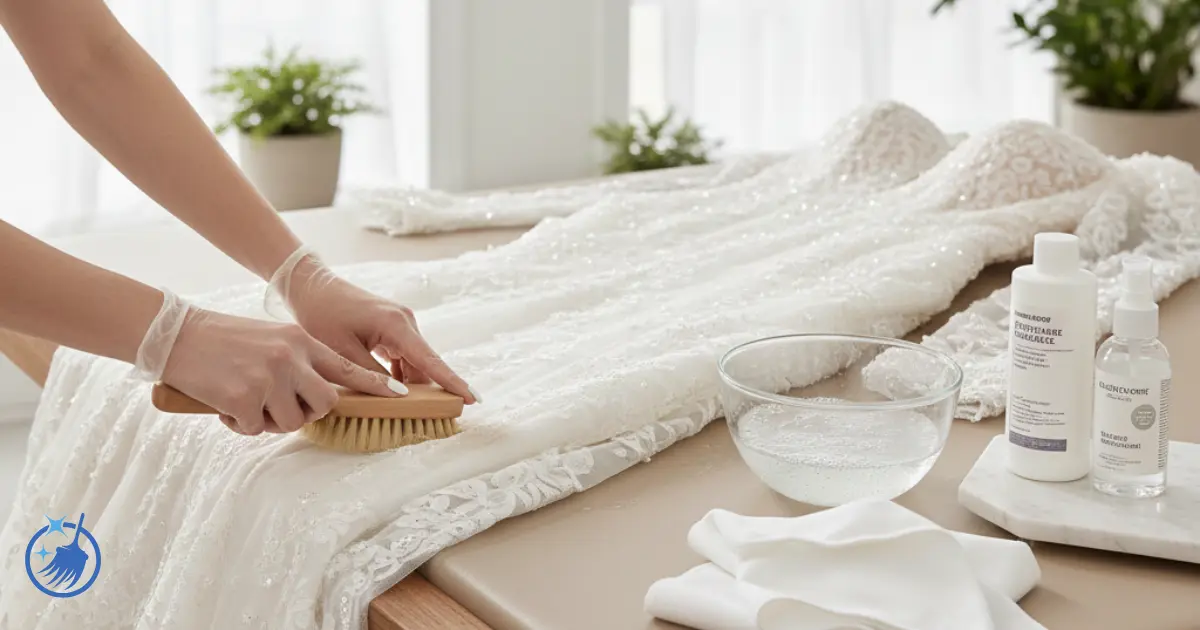
Your wedding dress is more than just fabric and thread. It’s the garment you wore during one of the most important days of your life, probably covered in champagne splashes, grass stains from the garden photos, and makeup smudges from all those hugs. Now it’s tucked away somewhere, and you’re wondering whether professional cleaning is worth the cost.
Here’s the straightforward answer: wedding dress dry cleaning in the UK typically costs between £70 and £300, with most brides paying around £100 to £140 for a standard service. That’s quite a range, and there’s a good reason for it. The final price depends on your dress style, the fabric it’s made from, how badly it’s stained, and whether you want it boxed for long-term storage.
This isn’t like dropping off a coat at the dry cleaners. Wedding dresses require specialist care, particular attention to delicate embellishments, and cleaning methods that won’t damage silk, lace, or those hundreds of tiny beads you spent ages choosing. Some dresses need hand-cleaning. Others require specific solvents. A few need restoration work before they can even be cleaned properly.
In this guide, you’ll find out exactly what you’ll pay based on your specific dress, what factors push the price up or down, which services are worth the extra cost, and how to choose a cleaner who won’t ruin your cherished gown. Whether you’re planning to keep your dress as a keepsake, pass it down to future generations, or sell it to help another bride have her perfect day, you’ll know precisely what to budget.
Quick Summary
Average cost: £100-£140 (basic clean), £70-£300 (full range)
Timeframe: 3-5 weeks standard, 1-2 weeks express
What affects price: Dress style (column vs ballgown), fabric type (silk costs more than polyester), stain severity, embellishments, preservation boxing
Key takeaway: Most UK wedding dress cleaners charge between £100-£140 for a standard clean with tissue wrapping, whilst premium services with preservation boxes cost £169-£275 depending on dress complexity.
What Does Wedding Dress Dry Cleaning Cost in 2026?
The national average for wedding dress cleaning in the UK has settled around £100 to £140 for a standard service. This typically includes a full inspection, pre-treatment of visible stains, the cleaning process itself, and your dress returned wrapped in acid-free tissue paper.
Here’s what you can expect across different service levels:
Basic Cleaning Services (£45-£85) You’ll get your dress cleaned and wrapped in either polythene or basic tissue paper. These services work well for simpler dresses without heavy staining. Some budget cleaners offer this price point, particularly for straightforward polyester or satin dresses without elaborate details.
Standard Professional Services (£70-£140) This is where most brides land. The service includes detailed stain inspection, pre-treatment, professional cleaning using appropriate methods for your fabric type, hand-finishing where needed, and return in acid-free tissue. Major high street chains and independent specialists typically charge in this bracket.
Premium and Preservation Packages (£169-£275) These packages combine cleaning with beautiful presentation boxes. Your dress gets the full treatment, then carefully folded with acid-free tissue layers and returned in a decorative storage box designed to prevent yellowing over years of storage.
Specialist Designer Dress Services (£200-£400+) For haute couture gowns, vintage dresses requiring restoration, or extremely delicate fabrics like raw silk, specialist cleaners charge premium rates. These services often include hand-washing, bespoke treatment plans, and insurance coverage for high-value garments.
Cleaning Service Comparison Table
| Service Level | Price Range | What’s Included | Best For |
|---|---|---|---|
| Budget Clean | £45-£85 | Basic clean, plastic/basic wrapping | Simple dresses, minimal staining, tight budgets |
| Standard Service | £70-£140 | Full clean, stain treatment, acid-free tissue | Most wedding dresses, moderate staining |
| Preservation Package | £169-£275 | Clean, tissue, decorative storage box | Long-term keepsakes, heirloom pieces |
| Specialist Service | £200-£400+ | Hand-cleaning, restoration, insurance | Designer gowns, vintage dresses, delicate silks |
What Affects Wedding Dress Cleaning Costs?
Not all wedding dresses cost the same to clean. Several factors influence the final price, and understanding these helps you anticipate what you’ll actually pay rather than just seeing the “from £X” advertised price.
Fabric Type and Material Quality
Your dress fabric is the single biggest factor in cleaning costs after the style itself.
Silk (£120-£200) Real silk requires exceptionally gentle handling. It’s sensitive to water, heat, and many cleaning solvents. Professional cleaners often hand-wash silk gowns or use specially formulated gentle solvents. The fabric can shrink, lose its lustre, or develop water marks if handled incorrectly, which is why experienced specialists charge premium rates.
Raw silk is even more delicate than standard silk. Some cleaners won’t touch it at all because the risk of damage is too high.
Satin (£100-£150) Satin has that gorgeous shiny finish that photographs beautifully, but it shows every water mark and can easily develop permanent spots if cleaned incorrectly. The fabric needs lower heat temperatures and specific solvents to maintain its characteristic sheen. Cheaper satin (polyester satin) costs less to clean than silk satin.
Lace (£130-£250) Intricate lace work takes time to clean properly. Each section needs individual attention, particularly vintage or delicate lace that can tear or disintegrate if handled roughly. Cleaners often work on heavily laced dresses by hand, treating each panel separately, which explains the higher cost.
Tulle and Chiffon (£90-£140) These lightweight fabrics are delicate but generally easier to clean than silk or heavy satin. Multiple layers of tulle (common in ballgowns) don’t significantly increase the price unless they’re heavily stained.
Polyester and Synthetic Fabrics (£70-£100) Modern synthetic fabrics are the most affordable to clean. They’re durable, resist shrinking, and handle standard dry cleaning processes well. If your dress is polyester, you’ll likely pay towards the lower end of the price range.
Dress Style and Complexity
Wedding dress styles require different amounts of work, which directly affects the cleaning cost.
Column or Sheath Dresses (£85-£195) These streamlined, close-fitting styles are the easiest to clean. Less fabric means less surface area to treat, quicker drying times, and simpler finishing. If you wore a simple column dress, you’ll pay the lowest rates.
A-Line Dresses (£100-£225) The classic A-line is Britain’s most popular wedding dress style. It has more fabric than a column dress but remains relatively straightforward to clean. Most standard pricing is based on A-line gowns, so you’ll typically pay the advertised “from” price for these.
Princess and Ballgown Styles (£130-£275) Full skirts with multiple layers of fabric, built-in petticoats, and elaborate trains take significantly longer to clean and press. Each layer needs individual treatment, and the sheer volume of fabric means longer cleaning cycles. Ballgowns consistently cost more across all cleaners.
Mermaid and Fishtail Styles (£110-£200) These fitted styles require careful pressing to maintain their structured shape. The dramatic flare at the bottom adds complexity, particularly if it includes multiple fabric layers or heavy beading.
The train length matters too. A cathedral train that dragged through grass and gathered dirt costs more to clean than a chapel-length or no-train dress.
Embellishments and Decorative Details
Those beautiful details that made you fall in love with your dress also increase cleaning costs.
Beading and Sequins (adds £20-£50) Hand-sewn beads and sequins need careful handling. Some are glued on rather than sewn, which means they might not survive the cleaning process at all. Cleaners inspect each embellishment, and heavily beaded dresses require significantly more time and gentler methods.
Embroidery (adds £15-£40) Intricate embroidered patterns, particularly 3D embroidery or thread-work, need gentle cleaning around each section. The thread must be colourfast, or you’ll end up with bleeding colours across white or ivory fabric.
Appliqués and 3D Floral Details (adds £20-£50) These delicate additions often get damaged during standard cleaning. Professional services treat each appliqué individually, checking security before and after cleaning. Loose or poorly attached elements might need re-securing, which adds to the cost.
Delicate Buttons and Closures (adds £10-£30) Covered buttons, particularly fabric-covered or pearl buttons, sometimes can’t handle cleaning solvents. Cleaners might need to remove them before cleaning and re-attach them afterwards. Crystal or glass buttons typically survive fine.
Corset Backs and Boning (included, but increases base price) Built-in corsets and boning require special attention during cleaning and pressing. The structure must be maintained, which means careful handling throughout the process.
Stain Severity and Type
Fresh stains cost less to remove than set-in marks that have been sitting for months or years.
Light Soiling (included in base price) General dust, light dirt around the hem, and minor marks typically don’t add extra costs. These come out during the standard cleaning process.
Moderate Staining (adds £15-£30) Visible but treatable stains like grass marks, champagne splashes, or foundation on the bodice fall into this category. They need pre-treatment but respond well to professional cleaning.
Heavy Staining (adds £30-£80) Multiple dark stains, mud caked into layers of tulle, or significant soiling across large areas require extensive pre-treatment and possibly multiple cleaning cycles. You might need a quote adjustment after the cleaner inspects your dress.
Specific Difficult Stains:
Grass and Mud: Common around hems, moderate difficulty to remove. Usually responds to standard pre-treatment. Adds around £15-£25.
Wine and Champagne: These need immediate pre-treatment to prevent yellowing. If the stain has set, removal becomes significantly harder. Expect £20-£40 extra for multiple wine stains.
Makeup and Foundation: Very common around necklines and inside bodices. Usually treatable with specialist solvents. Adds £10-£20.
Oil-Based Stains: Cooking oil, salad dressing, or oil from car parks are the most challenging. They require specific solvents and multiple treatments. Can add £50+ to the bill.
Mystery Yellowing: If your dress has been stored poorly and developed yellow patches from oxidation, you’re looking at restoration work rather than simple cleaning. This can cost £100-£200 extra.
Regional Location Differences
Where you live affects what you’ll pay, sometimes significantly.
London and Southeast (£120-£300+) Capital city prices run 15-25% higher than national averages. Premium locations like Kensington or Chelsea charge even more. However, you’ll find more specialist services and high-end cleaners with extensive experience.
Major Cities (£100-£250) Manchester, Birmingham, Edinburgh, Bristol, and other large cities sit around the national average or slightly above. You’ll find good competition between cleaners, which keeps prices reasonable.
Towns and Rural Areas (£70-£180) Smaller towns and rural locations often have lower overheads and charge accordingly. You might sacrifice some convenience (fewer collection services) but can save £30-£50 on the same quality of work.
Scotland, Wales, and Northern Ireland Prices vary by specific location rather than country. Edinburgh costs similar to other major UK cities, whilst rural Scottish Highlands might charge less but with limited specialist services available.
Getting quotes from cleaners in neighbouring areas sometimes saves money, particularly if you’re near regional boundaries. A 20-minute drive could mean £40-£60 in savings.
Additional Services and Hidden Costs
The quoted cleaning price doesn’t always include everything you might need. Here are the extras that can add to your final bill.
Preservation Boxes and Storage
If you want to store your dress long-term rather than just hang it in your wardrobe, you’ll need proper preservation.
Small Preservation Boxes (£29-£40) Suitable for column or sheath dresses. These acid-free boxes include tissue paper and protect against yellowing for years of storage.
Medium Preservation Boxes (£40-£55) Fit most A-line wedding dresses. The standard choice for long-term storage.
Large Preservation Boxes (£55-£100) Required for ballgowns, dresses with long trains, or particularly voluminous skirts. Some specialist cleaners offer luxury presentation boxes at the higher end of this range.
The box itself must be acid-free, as regular cardboard deteriorates and releases chemicals that yellow fabric over time. The tissue paper inside also needs to be pH-neutral to prevent discolouration.
Some cleaners include a basic box in their premium packages, whilst others charge separately. Always clarify what’s included in the quoted price.
Express and Rush Services
Standard wedding dress cleaning takes 3-5 weeks. If you need it faster, expect to pay extra.
Express Service (1-2 weeks): adds £30-£60 Most cleaners offer expedited service for an additional fee. Useful if you’re planning to sell your dress quickly or need it for a second celebration.
Rush/Emergency Service (under 1 week): adds £60-£150 Only some cleaners offer this, and it costs significantly more. Usually reserved for genuine emergencies like last-minute second-hand dress purchases that need pre-wedding cleaning.
Christmas Period Expect delays during the Christmas and New Year period when many specialist centres close. Some cleaners add 1-2 weeks to standard turnaround times. If you’re getting married in early December, send your dress for cleaning before the holiday rush.
Additional Items
Veil Cleaning (£15-£30) Veils need delicate handling, particularly those with embellishments or hand-sewn details. Most cleaners treat them separately from the dress.
Bridal Shoe Cleaning (£20-£35) White or ivory satin shoes can be professionally cleaned using specialist techniques to restore their colour and remove scuffs. Not all dress cleaners offer this service.
Bridesmaid Dresses Adult bridesmaid dress cleaning costs £15-£25 for short styles, £20-£35 for full-length dresses. Children’s bridesmaid dresses run £10-£15.
Boleros and Jackets (£15-£25) Bridal cover-ups and jackets are usually priced separately from the main dress.
Petticoats and Underskirts (£10-£20) If you wore a separate petticoat under your dress, it can be cleaned alongside the gown for an additional fee.
Repairs and Alterations
Minor Repairs (£8.50-£20) Reattaching loose beads, fixing small tears, or replacing one or two buttons falls into this category.
Major Repairs (£17-£50+) Significant damage like large tears, extensive beading replacement, or zipper repairs costs more. Some cleaners include minor repairs in their service, whilst others charge separately.
Re-hemming or Alterations If you want your dress altered after cleaning (perhaps shortened for re-wearing), expect standard alteration costs on top of cleaning fees.
Collection and Delivery Charges
Home Collection and Return Some premium services include doorstep collection and delivery. Others charge £10-£30 each way depending on your location. Always clarify whether quotes include or exclude collection charges.
Postal Services A few specialist cleaners operate postal services where you send your dress via courier. They clean it and return it the same way. Courier costs vary but typically add £15-£40 to the total.
In-Person Drop-Off and Collection Taking your dress to the cleaner yourself avoids collection charges. Most high street cleaners work this way.
Insurance and Valuation
Insurance Coverage During Cleaning Most reputable cleaners automatically insure dresses against loss or damage in transit. However, they typically don’t insure against damage during the actual cleaning process.
Liability Limits Many wedding dress specialists limit their liability to 10 times the cleaning cost. So if you pay £150 for cleaning, their maximum liability is £1,500, regardless of your dress’s original value. If your gown cost £3,000 or more, this might not provide adequate coverage.
Declared Value Services (adds £10-£30) Some high-end cleaners offer enhanced insurance for valuable designer dresses if you declare the value upfront and pay an additional premium.
Storage Fees
If you don’t collect your dress within the agreed timeframe (usually 30-90 days after it’s ready), some cleaners charge storage fees of £5-£15 per month. Always collect promptly to avoid these charges.
Wedding Dress Cleaning Service Packages Explained
Different cleaners structure their services in various ways. Understanding the package options helps you compare prices properly and choose the right level of service.
Bronze or Basic Packages (£45-£70)
What You Get:
- Dress inspection and assessment
- Standard dry cleaning or wet cleaning process
- Basic wrapping in polythene or standard tissue
- Return in your own garment bag or basic plastic cover
Best For: Simple polyester or basic satin dresses, minimal staining, brides on tight budgets who don’t plan long-term storage.
Limitations: Basic tissue paper and polythene storage aren’t suitable for long-term preservation. The dress might yellow if stored this way for years. Often doesn’t include detailed stain treatment or hand-finishing.
Silver or Standard Packages (£70-£100)
What You Get:
- Detailed pre-cleaning inspection with stain documentation
- Professional cleaning appropriate to fabric type
- Pre-treatment of visible stains
- Hand-finishing and pressing where needed
- Wrapping in acid-free tissue paper
- Return in breathable garment cover
- Small presentation box option (sometimes included, sometimes extra)
Best For: Most wedding dresses, particularly A-line or simpler styles with moderate staining. Represents best value for brides wanting quality service without premium pricing.
Why It’s Popular: Strikes the right balance between cost and quality. The acid-free tissue prevents yellowing, whilst professional stain treatment handles most common wedding day marks.
Gold or Premium Packages (£90-£140)
What You Get:
- Everything in Silver package, plus:
- More extensive stain treatment protocols
- Hand-cleaning of delicate sections
- Detailed pressing and steaming
- Medium-sized decorative presentation box
- Longer storage period before collection
- Sometimes includes veil cleaning
Best For: Dresses with heavier staining, more intricate details, or brides who want the peace of mind that comes with premium service.
Added Value: The included presentation box alone costs £40-£55 if purchased separately. If you definitely want boxing, Gold packages often work out more economical than buying Silver service plus box.
Platinum or Luxury Packages (£100-£180)
What You Get:
- Everything in Gold package, plus:
- Bespoke treatment plan specific to your dress
- Hand-washing for delicate fabrics
- Large presentation box suitable for ballgowns
- Enhanced stain removal techniques
- Dedicated project manager or specialist
- Complimentary collection and delivery (in some cases)
- Extended insurance coverage
- Progress updates and photos during cleaning
Best For: Designer dresses, ballgowns, heavily embellished styles, or vintage dresses needing restoration work alongside cleaning.
When It’s Worth It: If your dress cost £2,000+, has significant sentimental value, or requires specialist restoration techniques, the additional cost provides better protection for your investment.
Specialist Designer Dress Services (£200-£400+)
These aren’t standard packages but bespoke services for exceptional dresses.
What You Get:
- Personal consultation to assess dress requirements
- Hand-treatment of every section
- Specialist solvents and cleaning agents
- Restoration work (yellowing removal, fabric strengthening)
- Museum-quality preservation
- High-value insurance coverage
- Luxury presentation packaging
- Lifetime storage advice
Best For: Haute couture gowns, vintage family heirlooms (particularly pre-1980s dresses), severely damaged dresses needing restoration, or extremely delicate fabrics like raw silk or antique lace.
Specialist Situations:
- Pre-loved dresses bought second-hand that need pre-wedding cleaning
- Vintage dresses with existing yellowing or deterioration
- Dresses stored improperly for 10+ years requiring restoration
- Designer gowns from houses like Vera Wang, Pronovias, or Jenny Packham
How to Choose a Wedding Dress Cleaner
Picking the right cleaner matters more than finding the cheapest price. A ruined dress can’t be replaced at any cost.
Check Specialist Experience
Not all dry cleaners handle wedding dresses. High street chains that primarily clean suits and coats might not have the specialist knowledge your dress requires.
Ask specific questions:
- How many wedding dresses do you clean each year? (Look for 100+ annually)
- What training do your staff have in bridal gown cleaning?
- Do you clean dresses on-site or send them elsewhere?
- What cleaning method do you use? (wet cleaning vs dry cleaning)
- Can I see before/after photos of similar dresses?
Avoid cleaners who can’t answer these questions confidently or seem vague about their process.
Read Reviews and Check Credentials
Online Reviews: Check Google reviews, Trustpilot, and Facebook recommendations. Look for specific mentions of wedding dress cleaning rather than just general dry cleaning reviews.
Red flags in reviews:
- Dresses returned with new stains or damage
- Missing beads or embellishments
- Changed colour or texture
- Poor communication or unreturned calls
- Significantly delayed return dates
Industry Memberships: Membership in the Textile Services Association or similar professional bodies indicates commitment to proper standards, though it’s not essential for quality service.
Insurance and Guarantees: Reputable cleaners carry professional indemnity insurance and can provide documentation if asked. They should also explain their liability limits clearly before you hand over your dress.
Get Everything in Writing
Before leaving your dress, ensure you receive:
A Detailed Receipt Including:
- Your contact details and address
- Full description of your dress (style, colour, fabric)
- Itemised list of any accessories (veil, belt, etc.)
- Declared value of the dress
- Service selected and price agreed
- Expected completion date
- Any special instructions or concerns
- Terms and conditions
Documentation of Existing Damage: The cleaner should note any pre-existing issues: missing beads, small tears, loose threads, existing stains. This protects both parties if problems arise later.
Clear Terms and Conditions: Read these before agreeing. Pay particular attention to:
- Liability limits
- What happens if stains don’t come out
- Storage fees if you don’t collect promptly
- Their policy on lost or damaged items
- Timeframes and late collection fees
Understand Their Cleaning Method
Wet Cleaning: Uses water-based solutions with specialist detergents. Increasingly popular for wedding dresses as it’s gentler on delicate fabrics and more environmentally friendly than traditional dry cleaning. Good cleaners adjust water temperature, detergent strength, and cycle duration based on fabric type.
Dry Cleaning: Uses chemical solvents (traditionally perchloroethylene, though modern alternatives exist) to clean without water. Effective for structured garments and certain stains, but some delicate fabrics don’t tolerate the chemicals well.
Hand Cleaning: For extremely delicate or valuable dresses, specialists clean by hand using gentle solutions and careful manual treatment. Takes significantly longer but offers maximum control and minimum risk.
Combined Approach: Many specialists use different methods for different parts of the same dress. The bodice might be dry cleaned whilst the delicate lace overlay gets hand-washed.
Ask which method they’ll use for your specific dress and why. Good cleaners can explain their reasoning.
Compare Multiple Quotes
Get quotes from at least three cleaners, ideally a mix of high street chains and independent specialists.
What to Compare:
- Base cleaning price
- What’s included (stain treatment, boxing, collection)
- Expected turnaround time
- Insurance coverage and liability limits
- Any additional fees or potential extras
- Total cost including all services you need
Don’t Automatically Choose the Cheapest: A £50 cleaning job that damages your £1,500 dress isn’t a bargain. Balance cost against experience, reviews, and confidence in the service.
But Don’t Overpay Either: Some cleaners charge premium prices based on postcodes rather than expertise. A £300 quote for a simple polyester dress with light staining is excessive unless there are special circumstances.
Verify Turnaround Times
Standard service takes 3-5 weeks. This isn’t because cleaners are slow, but because proper wedding dress cleaning requires multiple stages:
- Initial inspection (1-2 days)
- Pre-treatment of stains (1-3 days)
- Cleaning process (1-2 days)
- Drying and airing (2-4 days)
- Inspection and re-treatment if needed (1-3 days)
- Pressing and finishing (1-2 days)
- Wrapping or boxing (1 day)
Rush this process and you risk inadequate stain treatment or insufficient drying time.
Plan Ahead: If you need your dress by a specific date (perhaps for selling or a second ceremony), add at least two weeks buffer to the quoted timeframe.
Ask About Problem Resolution
What happens if stains don’t come out completely? Reputable cleaners will:
- Attempt a second treatment at no extra charge (for standard stains)
- Explain honestly if a stain is permanent and why
- Discuss options for dealing with stubborn marks
- Refund or reduce the fee if the service doesn’t meet expectations
Avoid cleaners who promise 100% stain removal regardless of circumstances. Some stains genuinely are permanent, and honest cleaners will tell you this upfront.
Cost-Saving Tips for Wedding Dress Cleaning
You don’t need to compromise on quality to save money. Several strategies reduce costs without risking your dress.
Clean Soon After Your Wedding
Fresh stains are easier (and cheaper) to remove than set-in marks. Champagne splashes that look invisible when dry can turn yellow within 6-12 months if left untreated. Book your cleaning within a month of your wedding if possible, definitely within six months.
Why This Saves Money:
- Cleaners won’t need expensive restoration techniques for yellowing
- Standard cleaning processes work on fresh stains
- You avoid the premium charges for stain removal from aged marks
- Less risk of permanent staining requiring replacement of fabric sections
Avoid Peak Season
The months following the peak wedding season (roughly September to November) are busiest for dress cleaners. During this period:
- Some cleaners raise prices slightly
- Turnaround times extend
- Express services cost more
- You have less negotiating power
Better Timing: Winter months (January to March) tend to be quieter. Some cleaners offer promotions during slower periods. If your dress can wait a few months, you might save £20-£40.
Compare Package Options Carefully
Sometimes the premium package offers better value than buying services separately.
Example:
- Standard clean: £100
- Presentation box purchased separately: £45
- Total: £145
vs
- Premium package including box: £130
- Saving: £15
Calculate the total cost for everything you actually need rather than just comparing the base cleaning price.
Skip Services You Don't Need
Presentation Boxing: If you’re selling your dress immediately or don’t plan long-term storage, skip the presentation box. A breathable garment bag in your wardrobe works fine for short-term storage (under 1 year).
Express Service: Unless you genuinely need your dress back quickly, standard turnaround saves £30-£100. Plan ahead and you won’t need to rush.
Collection and Delivery: Dropping off and collecting yourself saves collection charges. Only pay for this convenience if your schedule or distance makes it necessary.
Check for Package Deals
Some cleaners offer discounts when you bring multiple items:
- Dress + veil + shoes: might get 10% off total
- Dress + bridesmaid dresses: could save £15-£30
- Wedding party group discounts
Ask whether multi-item deals are available.
Consider Clean-Only Options
If you’re selling your dress or wearing it again soon, you might not need preservation boxing. A clean-only service costs £45-£100 compared to £169-£275 for full preservation packages.
You can always get it boxed later if circumstances change, though this means paying twice for packaging.
Look Beyond London and Major Cities
If you live near city boundaries, quotes from cleaners just outside the premium zone can be 15-25% cheaper for identical service quality.
Worth Checking If:
- You’re within 30 minutes of a regional boundary
- You have transport access to neighbouring areas
- The potential saving outweighs the travel inconvenience
Ask About Payment Plans
Some wedding dress specialists offer payment plans for premium services, letting you spread the cost over 3-6 months rather than paying everything upfront. Useful if cash flow is tight post-wedding.
Join Recommendation Groups
Bridal Facebook groups and wedding forums often share discount codes for local cleaners. Asking for recommendations can lead to deals not advertised publicly.
When to Clean Your Wedding Dress
Timing matters for both cleaning effectiveness and cost.
The Ideal Timeline: Within 6 Months
Most specialists recommend cleaning your dress within 2-6 months of your wedding. This timeframe:
- Catches stains whilst they’re still fresh
- Prevents yellowing from invisible champagne or food marks
- Avoids oxidation damage from storage in wrong conditions
- Allows standard pricing rather than restoration charges
If you’re planning to sell your dress, clean it immediately. Buyers want freshly cleaned gowns, and any delay reduces its resale value.
When You've Waited Longer
6 Months to 2 Years: Stains have likely set in, particularly any alcohol-based marks or food stains. You might need upgraded stain treatment packages, adding £20-£50 to base costs. Yellowing might have started if the dress wasn’t stored properly.
2-10 Years: Expect restoration work alongside cleaning. Fabric yellowing, deterioration of delicate elements, and set-in stains all require specialist treatment. Costs increase to £150-£300 depending on condition.
10+ Years: Vintage dresses in this category need full restoration services. Yellowing removal, fabric stabilisation, and extensive stain treatment can cost £200-£400. However, it’s usually worth it for family heirloom pieces.
Pre-Wedding Cleaning for Second-Hand Dresses
Bought a pre-loved dress or sample gown from a bridal boutique? Pre-wedding cleaning ensures you walk down the aisle in pristine condition.
Sample Dress Cleaning (£70-£130): Sample gowns from bridal shops have been tried on dozens of times. They’ll have:
- Makeup marks around the neckline
- Fingerprint marks at the waist
- Hem greying from shop floor contact
- General dust and handling marks
Professional cleaning removes all this before your big day.
Pre-Owned Dress Cleaning (£100-£250+): If the previous bride already had it cleaned and boxed, you might just need a refresh (£70-£100). If it was worn and never cleaned, expect full post-wedding cleaning costs plus potential restoration charges.
Emergency Pre-Wedding Cleaning
Spilled something on your dress before the wedding? Most cleaners offer emergency pre-wedding cleaning:
- 2-3 day turnaround: £100-£150
- 1 day emergency: £150-£250+
Only use this if absolutely necessary. The rush increases stress on delicate fabrics.
What's Included in the Cleaning Price?
Understanding what you’re actually paying for helps judge whether quotes represent good value.
Standard Inclusions
Most professional wedding dress cleaning services include:
Initial Inspection and Assessment: Your dress gets examined section by section. The cleaner documents existing damage, identifies stain types and locations, checks embellishment security, and determines the best cleaning approach. This inspection protects both parties if disputes arise later.
Pre-Treatment of Visible Stains: Before the main cleaning, obvious stains get targeted treatment. Different stain types need different solvents and techniques. Grass stains require different treatment than wine or makeup.
The Main Cleaning Process: Either wet cleaning, dry cleaning, or hand-washing depending on fabric type and cleaner’s methods. This removes general dirt, dust, oils, and lighter marks throughout the dress.
Post-Cleaning Inspection: After cleaning, your dress gets re-examined. Any remaining stains are identified, and a decision is made whether second treatment is worthwhile or if the stain is permanent.
Pressing and Finishing: Your dress is carefully pressed or steamed to restore its shape and remove creases from the cleaning process. Hand-finishing touches up details that machines can’t handle properly.
Basic Wrapping: At minimum, your dress returns wrapped in tissue paper (acid-free tissue for most professional services). Some budget cleaners use polythene, which isn’t suitable for long-term storage.
What Usually Costs Extra
These services typically aren’t included in base pricing:
Heavy Stain Removal: Extensive staining beyond normal wedding-day marks often incurs surcharges. Light grass marks on the hem are standard. Mud caked through three layers of tulle is extra.
Preservation Boxes: Most cleaners charge separately for presentation boxes unless you choose a premium package that includes one.
Repairs and Alterations: Reattaching beads, fixing tears, or replacing buttons typically cost extra, though some cleaners include minor repairs (under £10 value) in premium packages.
Express Service: Faster turnaround than standard 3-5 weeks costs more.
Collection and Delivery: Home pickup and return usually incur additional charges.
Accessories: Veils, shoes, and other items are priced separately unless specifically included in a package deal.
Second Cleaning Attempts: If standard treatment doesn’t remove a stubborn stain and you request additional attempts, some cleaners charge for the extra work.
Insurance Upgrades: Enhanced coverage for high-value dresses might cost extra.
Questions to Ask Before Committing
Get clarity on exactly what’s included:
- “Does this price include pre-treatment of all visible stains?”
- “Is a presentation box included or extra?”
- “What happens if some stains don’t come out after the first treatment?”
- “Are there any potential additional charges I should know about?”
- “Does the price include collection and delivery?”
Reputable cleaners answer these questions clearly and put the details in writing on your receipt.
Understanding Preservation and Storage
If you’re keeping your dress long-term, proper preservation prevents deterioration and yellowing.
Why Preservation Matters
Wedding dresses don’t fare well in ordinary storage. Several factors cause damage:
Oxidation: Exposure to air gradually yellows white and ivory fabrics. This happens faster with any remaining invisible stains (champagne, oils from skin contact, perspiration). Acid-free packaging slows this process significantly.
Light Damage: Direct sunlight and even indirect light can fade colours and weaken fabric fibres. Dresses stored in clear plastic or hung near windows deteriorate faster.
Moisture and Humidity: Damp conditions promote mould growth, particularly on natural fibres. Excessive dryness can make fabrics brittle.
Pest Damage: Moths and carpet beetles love natural fibres like silk and wool. They can destroy an unprotected dress in months.
Chemical Damage from Poor Storage Materials: Regular cardboard and tissue paper contain acids that cause yellowing. Polythene bags don’t breathe, trapping moisture and promoting mould.
Proper Preservation Methods
Acid-Free Presentation Boxes (£29-£100): Purpose-made wedding dress boxes use acid-free materials that won’t yellow fabric. They include:
- Acid-free cardboard construction
- pH-neutral tissue paper for layering
- Breathing panels to prevent moisture buildup
- Adequate size to avoid tight folding
Dresses are carefully folded with tissue layers between each fold to prevent creasing marks.
Archival Garment Bags (£15-£40): For dresses that are difficult to fold (heavily beaded styles, dresses with structured bodices), breathable archival garment bags offer an alternative. These must be:
- Made from acid-free, breathable fabric
- Stored lying flat or hanging in climate-controlled conditions
- Protected from light and dust
Climate-Controlled Storage: Ideal storage conditions are:
- Temperature: 15-21°C
- Humidity: 40-50%
- Dark (no windows or artificial light exposure)
- Clean (dust-free)
- Away from chemicals (cleaning products, paint, etc.)
Spare bedrooms, dedicated closets, or under-bed storage work well. Avoid attics (temperature extremes), basements (dampness), and garages (chemicals and pests).
How Long Does Preservation Last?
In Proper Archival Storage: Well-preserved dresses can remain in excellent condition for 50+ years. Many Victorian and Edwardian wedding dresses still exist in museums, properly preserved.
In Inadequate Storage: Yellowing can begin within 6-12 months if dresses aren’t cleaned before storage or are kept in non-archival materials. By 5 years, the damage may be irreversible.
Can You DIY Preservation?
You can purchase acid-free boxes and tissue separately and package your dress yourself after professional cleaning. This saves the £30-£100 boxing service charge.
Purchase:
- Acid-free wedding dress box (appropriate size)
- pH-neutral tissue paper (several sheets)
- Acid-free labels for documentation
Process:
- Clean your dress professionally first (never store dirty)
- Let it air completely (ensure no dampness)
- Fold carefully with tissue layers between each fold
- Fill bodice and sleeves with crumpled tissue to maintain shape
- Place in box with final tissue covering
- Label box with date and basic dress description
- Store in appropriate conditions
Risks: Improper folding can create permanent crease marks. If you’re not confident, professional boxing is worth the extra cost.
Common Problems and How They Affect Cost
Certain dress issues increase cleaning complexity and cost. Understanding these helps anticipate your final bill.
Yellowing and Oxidation
Cause: Invisible stains (champagne, perspiration, body oils) oxidise over time, turning fabric yellow or brown. This happens faster in poor storage conditions.
Treatment: Requires specialist restoration techniques beyond standard cleaning. Oxidation removal uses carefully controlled chemicals to restore original colour without damaging fabric.
Cost Impact: Adds £50-£150 depending on severity. Extensive yellowing across the entire dress costs more than localised patches.
Prevention: Clean your dress promptly after wearing and store properly in acid-free materials.
Fabric Shrinkage During Cleaning
Cause: Poor temperature control, wrong cleaning method for fabric type, or inferior quality fabric that wasn’t pre-shrunk during manufacturing.
Who’s Responsible: If the cleaner used inappropriate methods, they’re liable. If the fabric itself was of poor quality or had care label errors, the manufacturer is at fault, not the cleaner.
What Reputable Cleaners Do: Pre-test a hidden section (usually inner seam allowance) before cleaning the entire dress. This identifies problem fabrics before damage occurs.
Cost Impact: Shouldn’t affect your cost unless the dress requires specialist hand-washing to minimise shrinkage risk, which increases the base price to £150-£250.
Lost or Damaged Embellishments
Cause: Poorly attached beads, sequins, or appliqués that don’t survive the mechanical action of cleaning, even with gentle methods.
Liability: Most wedding dress terms and conditions state that embellishments are cleaned “at owner’s risk.” This protects cleaners from liability for manufacturing defects they can’t control.
What Good Cleaners Do: Inspect embellishments before cleaning and warn you if losses are likely. They document any loose elements on your receipt.
Cost Impact: If you want missing beads or sequins replaced, expect £8.50-£50 depending on how many need reattachment and how complex the work is.
Colour Bleeding or Transfer
Cause: Non-colourfast dyes in embroidery, ribbons, or fabric sections. When these get wet, the colour bleeds into surrounding white or ivory fabric.
Common Culprits: Red or navy ribbons, coloured embroidery on white lace, dyed underlays beneath sheer fabric.
Prevention: Pre-testing should identify this risk. Experienced cleaners separate risky sections or use alternative cleaning methods.
If It Happens: Usually impossible to fully reverse. The dress may be permanently damaged.
Cost Impact: Shouldn’t increase your cost, but you may be entitled to compensation depending on circumstances and the cleaner’s liability terms.
Delicate Vintage Lace
Challenge: Lace over 30-40 years old becomes fragile. Standard cleaning methods can cause tears or disintegration.
Solution: Hand-cleaning with gentle solutions, minimal agitation, and careful handling. Each lace section might need individual treatment.
Cost Impact: Vintage dress cleaning costs £200-£400 depending on dress condition and lace extent. This isn’t inflated pricing but reflects the hours of specialist work required.
Rust Stains from Corseting
Cause: Metal boning or corset components can rust if they get damp before cleaning. The rust then bleeds into fabric during the cleaning process.
Prevention: Cleaners should check all metal components and protect them before cleaning.
Treatment: Rust stains need specialist chemicals to remove. Not always completely successful.
Cost Impact: Can add £20-£50 to the bill for rust stain treatment.
Alternatives to Professional Dry Cleaning
Professional cleaning represents the safest option, but some brides consider alternatives.
DIY Spot Cleaning
When It Works:
- Single, small, fresh stain on robust fabric
- You know exactly what caused the stain
- The stain is on an accessible area (not inside layers)
- The dress is synthetic fabric, not silk or delicate lace
Method: Test on a hidden area first. Use appropriate stain remover for the stain type. Blot gently, never rub. Rinse thoroughly. Air dry completely.
Risks:
- Spreading the stain
- Setting the stain permanently
- Creating water rings or marks
- Damaging delicate fabric
- Removing colour from embroidered details
Our Recommendation: Only attempt spot cleaning for genuinely minor marks on synthetic fabrics. Silk, satin, and lace should always go to professionals.
For more information about home dry cleaning methods, our guide covers techniques that work for some garments, but wedding dresses remain risky candidates for DIY approaches.
Home Dry Cleaning Kits
What They Are: Retail kits containing cleaning sheets and bags. You place the garment and sheet in the bag, tumble in your dryer on low heat, and the sheet releases cleaning vapours.
Effectiveness on Wedding Dresses: Poor to moderate. These kits:
- Don’t remove tough stains effectively
- Can’t handle heavily soiled items
- Risk damaging delicate embellishments in the tumble dryer
- Don’t provide professional pressing or finishing
- Offer no pre-treatment or inspection
Cost: £5-£15 per kit. Seems economical until you factor in risk to a dress worth hundreds or thousands of pounds.
Our Verdict: Not recommended for wedding dresses, even simple ones. The minimal saving isn’t worth the risk.
Hand-Washing at Home
Theoretical Viability: Simple, unembellished dresses made from robust fabrics (polyester, basic cotton) could theoretically be hand-washed at home.
Practical Reality: Wedding dresses are large, heavy when wet, difficult to rinse thoroughly, and nearly impossible to dry properly without specialized equipment. Most home attempts result in:
- Inadequate rinsing (detergent residue damages fabric over time)
- Uneven drying (leads to water marks)
- Colour bleeding from embellishments
- Shrinkage from wrong water temperature
- Misshapen dresses from improper drying
Our Recommendation: Don’t attempt this unless you’re genuinely willing to accept total dress loss if it goes wrong.
When DIY Might Be Acceptable
Bridesmaid Dresses: Simple, inexpensive bridesmaid dresses (under £50) might be hand-washed successfully if made from polyester and without delicate embellishments.
Casual Wedding Outfits: If you married in a simple sundress or cocktail dress rather than a traditional wedding gown, standard home care might work.
After Professional Cleaning: Spot-treating small new marks on an already professionally cleaned dress is reasonable, provided you use appropriate methods and test first.
The Cost-Benefit Reality
Professional cleaning costs £70-£300. Your dress likely cost £500-£3,000+. The emotional value is immeasurable.
Attempting DIY cleaning to save £100 risks:
- Permanent damage to a cherished keepsake
- Having to replace the dress if you planned to sell it
- Destroying something intended as a family heirloom
- Creating problems that cost more to fix than professional cleaning would have cost initially
The Mathematics: If you have a 10% chance of ruining a £1,000 dress by DIY cleaning (realistically, the risk is higher), you’re risking £100 in expected damage to save £100 in cleaning costs. This makes no financial sense, before even considering the emotional value.
Regional Price Variations Across the UK
Where you live significantly affects what you’ll pay for wedding dress cleaning.
London and Southeast England
Average Costs:
- Basic cleaning: £100-£120
- Standard service: £120-£180
- Premium packages: £200-£350+
Why It Costs More: Higher commercial rents, increased labour costs, and greater demand from luxury wedding markets push prices up 20-30% above national averages.
Where to Find Better Value: Cleaners in outer London boroughs or just outside the M25 offer identical services for 10-15% less. If you’re in zones 4-6, consider services in nearby towns like Watford, Dartford, or Croydon rather than central London specialists.
Major Cities (Manchester, Birmingham, Edinburgh, Bristol)
Average Costs:
- Basic cleaning: £80-£100
- Standard service: £100-£140
- Premium packages: £169-£250
Market Characteristics: Healthy competition between multiple specialists keeps prices reasonable whilst maintaining good quality standards. These cities offer the best balance of choice, quality, and value.
Scotland
Regional Variations: Edinburgh and Glasgow prices mirror major English cities (£100-£140 standard service). Rural Scotland costs less (£70-£120) but with fewer specialist options.
Unique Considerations: Some Scottish cleaners specialize in traditional highland dress and complex Celtic wedding outfits, which can be useful if your dress incorporated traditional elements.
Wales
Average Costs: Cardiff and Swansea: £90-£140 for standard services Rural Wales: £70-£110
Availability: Fewer specialist wedding dress cleaners outside major cities. Some brides travel to Chester, Bristol, or Birmingham for specialist services.
Northern Ireland
Average Costs: Belfast: £90-£140 Regional areas: £70-£120
Market Notes: Smaller market means fewer specialists. Quality services exist but options are more limited than mainland UK.
Rural and Small Town Areas
Average Costs: £70-£120 for standard services
Advantages: Lower prices, more personalized service, often family-run businesses with decades of experience.
Disadvantages: Fewer collection/delivery options, potentially longer turnaround times, less choice if you need very specialist services.
Cost-Distance Trade-Off
How far is it worth traveling for cheaper prices?
Break-Even Analysis: If a 30-mile trip saves £40, but costs you £15 in petrol and two hours of time, is it worthwhile? Factor in:
- Fuel costs (roughly 45p per mile)
- Time value (what else could you do with those hours?)
- Convenience of local service
- Drop-off and collection requirements (two trips doubles the cost)
Usually Worth It: Traveling 10-15 miles to save £30-£50
Questionable Value: Traveling 30+ miles to save £20-£30
Not Worth It: Driving to another city to save £15-£20
Questions to Ask When Getting Quotes
Getting accurate quotes requires asking the right questions. Here’s what to cover in your initial contact.
About Your Dress
Questions Cleaners Will Ask You:
- What style is your dress? (A-line, ballgown, column, etc.)
- What fabric is it made from?
- Does it have a train? How long?
- Are there embellishments? (beads, sequins, lace, appliqués)
- How many layers does the skirt have?
- What colour is it? (some cleaners charge differently for coloured dresses)
- When was your wedding? (affects stain treatment needed)
- What kind of staining does it have?
- Are there any pre-existing problems? (loose beads, small tears)
Information You Should Provide: Accurate answers help cleaners quote correctly. If you’re not sure about fabric type, check the dress label or original receipt. Underestimating staining or complexity leads to quote increases later.
About the Service
Questions You Should Ask:
- “What exactly is included in the quoted price?”
- “Do you clean dresses on-site or send them elsewhere?”
- “What cleaning method do you use for [your fabric type]?”
- “What’s your standard turnaround time?”
- “Do you offer collection and delivery? What does that cost?”
- “Is a preservation box included or extra? What sizes are available?”
- “What happens if some stains don’t come out?”
- “What’s your liability if damage occurs during cleaning?”
- “Can you provide references or before/after photos of similar dresses?”
- “What’s your experience with [specific fabric/style if yours is unusual]?”
About Pricing and Extras
Critical Cost Questions:
- “Is this a fixed price or could it increase after inspection?”
- “What circumstances would change the quote?”
- “Are there any potential additional charges?”
- “Do you charge separately for stain removal?”
- “What does express service cost if I need it faster?”
- “Is VAT included in the quoted price?”
- “What payment methods do you accept?”
- “When is payment due? (upfront, on collection, or payment plan)”
About Terms and Guarantees
Protection Questions:
- “What insurance coverage do you carry?”
- “What’s your liability limit if something goes wrong?”
- “Do you provide a written guarantee?”
- “What’s your policy on customer satisfaction?”
- “How long can I leave my dress after it’s ready before storage fees apply?”
- “What happens if I’m not satisfied with the results?”
Red Flags in Responses
Be Cautious If:
- Quotes sound too good to be true (£30 for full wedding dress cleaning)
- Cleaner can’t explain their cleaning process
- They promise “guaranteed 100% stain removal” (impossible to guarantee)
- No written terms and conditions available
- Vague answers about liability and insurance
- Pressure to commit immediately without time to compare quotes
- Won’t let you see the facility or meet the staff
- No verifiable reviews or references
- Can’t provide clear timeframes
Good Signs:
- Detailed questions about your specific dress
- Honest about what they can and can’t guarantee
- Clear written terms provided upfront
- Willingness to explain their process
- Established reputation with verifiable reviews
- Professional facility (if you visit)
- Clear pricing structure with no hidden fees
The Cleaning Process: What Actually Happens
Understanding what your dress goes through during professional cleaning helps you appreciate the value and complexity of the service.
Stage 1: Initial Inspection (Day 1-2)
When you drop off your dress, the cleaner conducts a thorough examination:
Visual Assessment: Every section gets inspected under good lighting. The cleaner identifies:
- All visible stains (location, type, severity)
- Pre-existing damage (tears, loose threads, missing beads)
- Embellishment security
- Fabric condition
- Areas needing special attention
Documentation: Everything gets recorded, often with photographs. This protects both you and the cleaner. You receive a copy showing exactly what condition your dress was in when you handed it over.
Fabric Testing: For unusual fabrics or unclear care labels, cleaners test a hidden section (usually inner seam allowance) with their planned cleaning solution. This reveals:
- Whether fabric is colourfast
- How it reacts to solvents or water
- Risk of shrinkage
- Embellishment durability
Treatment Plan: Based on inspection results, the cleaner develops a specific approach for your dress. A simple polyester A-line gets different treatment than a silk ballgown with heavy beading.
Stage 2: Pre-Treatment (Day 3-5)
Before main cleaning, visible stains receive targeted treatment.
Stain Identification: Different stains need different approaches:
- Protein stains (food, blood): enzyme-based treatments
- Oil-based stains (cooking oil, salad dressing): solvent-based pre-treatment
- Tannin stains (wine, tea, coffee): acid-based solutions
- Grass stains: oxygen-based treatments
- Makeup: specialized solvents
- Mud: mechanical loosening then solution treatment
Application: Pre-treatment solutions are carefully applied to affected areas only, not the entire dress. This minimizes chemical exposure whilst maximizing stain removal effectiveness.
Dwell Time: Treatments need time to work, sometimes 24-48 hours. Rushing this stage reduces effectiveness.
Stage 3: Main Cleaning (Day 6-7)
The method depends on fabric type and cleaner’s approach.
Wet Cleaning Process: For dresses suitable for water-based cleaning:
- Dress placed in specialist machine with controlled water temperature
- Gentle detergents added (different formulations for different fabrics)
- Minimal agitation to prevent stress on embellishments
- Multiple rinse cycles to remove all detergent
- Careful extraction to remove water without damaging structure
Dry Cleaning Process: For dresses requiring solvent cleaning:
- Dress placed in dry cleaning machine
- Appropriate solvent circulated through fabric
- Controlled temperature and cycle time based on fabric
- Solvent extraction and brief drying cycle
- Airing to remove residual solvent smell
Hand Cleaning: For extremely delicate dresses:
- Sections cleaned individually in basins with gentle solutions
- Manual agitation by experienced hands
- Multiple careful rinses
- Gentle squeezing (never wringing) to remove excess water
- Careful handling throughout to avoid stretching or damage
Quality Check: After main cleaning, dresses are inspected again. Any remaining stains are identified for potential second treatment.
Stage 4: Drying and Airing (Day 8-11)
Proper drying is crucial to prevent water marks and fabric damage.
Initial Water Removal: Gentle extraction or careful patting with absorbent materials removes excess moisture without wringing or twisting.
Air Drying: Dresses are hung or laid flat in climate-controlled drying rooms. Adequate air circulation prevents mould whilst avoiding over-rapid drying that can set creases.
Duration: Full drying takes 2-4 days depending on dress weight and fabric thickness. Ballgowns with multiple layers need longer than simple sheaths.
Solvent Airing: Dry-cleaned dresses need additional airing time to eliminate residual solvent smell before return.
Stage 5: Re-Treatment If Needed (Day 12-14)
If inspection after main cleaning reveals stubborn stains, a second treatment cycle might be necessary.
Assessment Decision: The cleaner evaluates:
- Is the stain likely to respond to additional treatment?
- Is further treatment safe for the fabric?
- Has the stain lightened enough to be acceptable?
- Is it a permanent stain that won’t improve?
Communication: Reputable cleaners contact you before additional treatment, particularly if it incurs extra charges or carries risks.
Second Attempt: Might use stronger solutions, longer dwell times, or alternative approaches. Usually successful for moderate stains but less reliable for severe or set-in marks.
Stage 6: Pressing and Finishing (Day 15-17)
Cleaning leaves dresses creased and shapeless. Professional finishing restores their appearance.
Steaming: Delicate fabrics and embellished areas get steamed rather than ironed. The steam relaxes fibres and removes creases without direct contact that might damage beading.
Pressing: Sturdier sections can be pressed with low-heat irons. Professional equipment allows precise temperature control.
Hand Finishing: Intricate areas (bodice details, lace sections, delicate sleeves) receive individual attention. This can take hours for complex dresses.
Structure Restoration: Built-in boning, petticoats, and structured elements are adjusted to restore the dress’s intended shape.
Final Quality Check: One last inspection ensures everything meets standards. Any loose threads are trimmed, buttons checked for security, and the overall appearance assessed.
Stage 7: Wrapping and Boxing (Day 18-20)
How your dress is packaged for return affects its long-term condition.
Acid-Free Tissue Wrapping: Professional-grade tissue is layered throughout the dress:
- Tissue placed between folds to prevent crease marks
- Bodice stuffed with tissue to maintain shape
- Sleeves filled with crumpled tissue
- Multiple protective layers covering the entire dress
Box Packaging (if purchased): For preservation boxes:
- Dress carefully folded using archival techniques that minimize stress points
- Tissue layers between each fold
- Placed in appropriately sized acid-free box
- Final tissue covering over the top
- Box sealed and labeled
Garment Bag Option: For dresses returning in bags rather than boxes:
- Placed on proper wedding dress hanger
- Covered with breathable garment cover
- Secured to prevent shifting during transport
Collection or Delivery (Day 21+)
In-Store Collection: You receive your cleaned dress with:
- Copy of original receipt
- Any care instructions for storage
- Documentation of what was done
- Explanation of any stains that couldn’t be removed
Home Delivery: Secure delivery services ensure your dress arrives safely. Signature required on delivery to prevent loss.
Your Inspection: Check your dress before leaving the shop or signing for delivery. Verify:
- Stains are removed or significantly improved
- No new damage occurred
- All embellishments accounted for
- Pressing and finishing meet expectations
If problems exist, raise them immediately whilst still at the collection point.
Should You Clean or Preserve Your Wedding Dress?
Not every bride needs full preservation services. Your decision depends on your plans for the dress.
When Preservation Is Worth the Investment
You Should Preserve If:
Planning Long-Term Keepsake Storage (10+ years) Full preservation in acid-free materials prevents yellowing, oxidation, and deterioration. The additional £30-£100 for a presentation box is worth it for decades of protection.
Intending to Pass Down to Children/Grandchildren Family heirloom dresses need museum-quality preservation to survive generations. This means professional boxing with proper materials.
The Dress Has High Sentimental Value If you can imagine wanting to look at your dress in 20 years, preserve it properly. Future regret over a damaged keepsake costs more emotionally than preservation costs financially.
Planning to Display It Some brides frame their dress or parts of it (the bodice, a section of lace) for home display. Professional preservation protects it until you’re ready for this project.
The Dress Is Designer or High-Value A £3,000+ designer gown deserves proper protection to maintain its condition and potential future value.
When Simple Cleaning Suffices
You Can Skip Preservation If:
Selling the Dress Within 1 Year Clean it, hang it in a breathable garment bag, and list it for sale. Full preservation isn’t necessary for short-term storage.
Planning to Re-Wear It Soon Some brides wear their dress again for anniversary photos, vow renewals, or cultural celebrations. Keep it accessible in a garment bag rather than boxed away.
The Dress Has No Long-Term Value to You Not everyone attaches sentimental value to their wedding dress. If it was purely functional and you don’t plan to keep it, basic cleaning for resale or donation makes more sense.
Storage Space Is Very Limited Proper preservation boxes are large (60-80cm across for ballgowns). If you genuinely lack storage space, a well-cleaned dress in a breathable garment bag works for moderate-term storage (1-3 years), though it’s not ideal for decades.
Budget Is Genuinely Tight If £170 for preservation feels unaffordable, £80-£100 for cleaning alone still protects your dress reasonably for several years in appropriate storage.
The Middle Ground: Clean Now, Box Later
You don’t have to decide immediately. Some brides:
- Get the dress professionally cleaned (£70-£140)
- Store temporarily in a breathable garment bag
- Purchase and pack into a preservation box later when budget allows
This works if you clean promptly after the wedding. The important part is removing stains before they set and oxidize.
Purchasing Your Own Box: Acid-free wedding dress boxes cost £30-£60 retail. You can buy one and pack your cleaned dress yourself using tissue paper (£5-£10). This saves the £30-£100 professional boxing service charge.
Risks of DIY Boxing: Incorrect folding can create permanent crease marks. If you’re unsure about proper technique, professional boxing is worth the extra cost.
The Donation Option
Some brides donate their dresses after cleaning. Charities that accept wedding dress donations include:
Charity Shops: Most accept clean wedding dresses. Sale proceeds support their causes.
Specialist Wedding Dress Charities: Organizations that provide dresses to brides who can’t afford them. They require professional cleaning before donation.
Theatre Groups and Costume Departments: Community theatres often need formal wear for productions.
If donating, clean the dress first. Charities can’t afford professional cleaning and won’t accept dirty garments.
Conclusion
Wedding dress dry cleaning costs between £70 and £300 across the UK, with most brides paying £100-£140 for a professional standard service. The final price depends on your dress style, fabric type, stain severity, and whether you want preservation boxing included.
A-line dresses in synthetic fabrics with light staining sit at the lower end of this range, whilst silk ballgowns with heavy embellishments and significant staining push towards the higher end. Add £30-£100 if you want your dress returned in a presentation box for long-term storage.
Don’t choose cleaners solely on price. Your wedding dress holds both financial and emotional value that far exceeds the £100-£200 cleaning cost. Research specialists with proven experience in bridal gown cleaning, check reviews carefully, and get everything in writing before handing over your dress.
Clean your dress within six months of your wedding if possible. Fresh stains cost less to remove than yellowing that’s had years to set in. Whether you’re preserving it as a family heirloom, planning to sell it, or simply want to protect the memories it represents, professional cleaning ensures your dress remains in excellent condition for whatever the future holds.
Ready to find a cleaner? Get quotes from at least three specialists in your area, ask the questions we’ve covered in this guide, and choose the service that offers the best balance of experience, value, and peace of mind. Your dress is worth the effort of getting this decision right.
Wedding Dress Dry Cleaning FAQ
How much does it cost to dry clean a wedding dress UK?
Wedding dress dry cleaning costs between £70 and £300 in the UK, with the average price around £100-£140 for standard professional service. Basic cleaning without boxing starts from £45-£85, whilst premium preservation packages range from £169-£275. The final cost depends on your dress style, fabric type, level of staining, and whether you want a presentation box for long-term storage. Simple column dresses in polyester cost less than silk ballgowns with heavy beading.
How long does wedding dress cleaning take?
Standard wedding dress cleaning takes 3-5 weeks from drop-off to collection. This timeframe allows for proper inspection, pre-treatment of stains, the cleaning process itself, drying, pressing, and packaging. Express services are available for £30-£100 extra, reducing the timeframe to 1-2 weeks. During the Christmas period (mid-December to early January), expect 5-6 weeks as many specialist centres close for the holidays. Rush services under one week cost £60-£150 extra but aren’t recommended as proper cleaning requires time for each treatment stage.
Is it worth getting your wedding dress dry cleaned?
Yes, professional cleaning is worth it for several reasons. It removes invisible stains like champagne and perspiration that yellow over time, preserves the dress’s condition for future generations or resale, prevents long-term damage from accumulated dirt and oils, and maintains the dress’s sentimental value. The £100-£140 cost represents good value compared to your dress’s financial worth (typically £500-£3,000) and its irreplaceable emotional significance. Even if you plan to sell the dress, professional cleaning significantly increases its resale value and marketability.
Can I clean my wedding dress myself?
Whilst technically possible for very simple synthetic dresses, DIY wedding dress cleaning isn’t recommended. Wedding dresses are large, heavy when wet, and difficult to rinse thoroughly at home. Professional cleaners have specialist equipment, appropriate solvents for different fabrics, and expertise in handling delicate embellishments that home methods lack. DIY attempts risk permanent staining, fabric shrinkage, colour bleeding from embellishments, and misshapen dresses from improper drying. The £70-£140 professional cost is worth avoiding these risks to a dress worth hundreds or thousands of pounds.
How much does it cost to clean and box a wedding dress?
Combined cleaning and boxing packages cost £169-£275 in the UK depending on dress size and style. This includes full professional cleaning, acid-free tissue wrapping, and return in a decorative presentation box. Smaller column or sheath dresses typically cost £169-£195, A-line dresses run £195-£225, and princess ballgowns cost £225-£275. If you purchase cleaning and boxing separately, expect to pay £100-£140 for cleaning plus £30-£100 for the presentation box, making package deals better value.
How much to dry clean a wedding dress near me?
Prices vary by location. London and Southeast England charge £120-£300 for standard services (15-25% above national average). Major cities like Manchester, Birmingham, and Edinburgh cost £100-£140. Smaller towns and rural areas charge £70-£120. To find local prices, contact at least three cleaners in your area for quotes. Provide accurate details about your dress style, fabric, and staining. Consider cleaners just outside premium zones if you’re near city boundaries, as this can save £30-£50 without sacrificing quality.
What's the average cost to clean a wedding dress?
The UK average for wedding dress cleaning is £100-£140 for standard professional service without preservation boxing. This represents the mid-range between budget services (£45-£85) and premium preservation packages (£169-£275). The average covers dress inspection, pre-treatment of stains, appropriate cleaning method for your fabric, hand-finishing and pressing, and return wrapped in acid-free tissue. Approximately 60-70% of brides pay within this average range, with simpler dresses falling below it and complex designer gowns exceeding it.
How much does it cost to dry clean a silk wedding dress?
Silk wedding dresses cost £120-£200 to clean professionally due to the fabric’s delicate nature. Pure silk requires gentle handling, specialist solvents or hand-washing, careful temperature control, and experienced finishing to maintain its lustre. Raw silk costs even more (£150-£250) as it’s extremely sensitive to cleaning solutions. Silk satin combines both challenges, typically costing £130-£180. These prices assume moderate staining; heavily soiled silk dresses requiring extensive pre-treatment or restoration can reach £200-£400.
Do you tip wedding dress cleaners?
Tipping isn’t expected or standard practice for wedding dress cleaning services in the UK. The quoted price includes all labour and expertise. However, if you receive exceptional service (such as emergency rush cleaning that saves your day, going above and beyond to remove difficult stains, or particularly helpful customer care), a £10-£20 tip or a positive online review is appreciated but never obligatory. Reviews actually help small businesses more than tips, so consider leaving detailed feedback on Google or Trustpilot instead.
When should I get my wedding dress cleaned?
Clean your wedding dress within 2-6 months of your wedding for best results. Fresh stains are easier and cheaper to remove than set-in marks. Invisible stains like champagne, perspiration, and body oils oxidize within 6-12 months, causing permanent yellowing if not treated promptly. If you’re selling the dress, clean it immediately to maximize resale value. For second-hand or sample dresses bought for your wedding, clean them 2-4 weeks before your big day. Even if you’ve waited years, it’s never too late, though restoration costs increase significantly after 2+ years.
How much does wedding dress preservation cost UK?
Full preservation services (cleaning plus presentation box) cost £169-£275 in the UK. This includes professional cleaning, wrapping in acid-free tissue, and return in a decorative preservation box sized appropriately for your dress. Small boxes for column dresses start at £169, medium boxes for A-line styles cost £195-£225, and large boxes for ballgowns run £225-£275. If purchased separately, basic preservation boxes cost £29-£40, medium boxes £40-£55, and large luxury boxes £55-£100, plus the cleaning cost of £100-£140.
Can yellowing be removed from wedding dresses?
Yes, professional yellowing removal is possible in most cases, though it requires specialist restoration techniques beyond standard cleaning. Costs range from £50-£150 extra depending on severity. Light yellowing responds well to treatment, with cleaners achieving 90%+ restoration of original colour. Heavy yellowing across the entire dress is more challenging and might not fully reverse. Yellowing from decades of poor storage requires extensive restoration costing £100-£200. Success depends on fabric type, yellowing cause, and how long it’s been present. Act quickly for best results.
How much to dry clean a ballgown wedding dress?
Ballgown wedding dresses cost £130-£275 for professional cleaning, significantly more than simpler styles due to their volume and complexity. Multiple fabric layers, full skirts, built-in petticoats, and long trains require extensive treatment. Each layer needs individual cleaning attention, pressing takes longer, and the sheer fabric volume means extended cleaning cycles. Add £50-£100 if your ballgown features heavy beading or intricate lace work. With preservation boxing included, expect total costs of £225-£275 for most ballgown styles.
Do wedding dress cleaners charge by weight?
No, UK wedding dress cleaners don’t typically charge by weight. Pricing is based on dress style, complexity, fabric type, and stain severity. A lightweight tulle ballgown might cost more to clean than a heavier column dress because of its volume and layers requiring careful treatment. Cleaners categorize dresses by style (column, A-line, ballgown, etc.) with set prices for each category, then adjust for specific factors like heavy embellishments or extensive staining. Some may have tiered pricing based on size ranges, but this relates to cleaning complexity rather than actual weight.
How much does it cost to clean a designer wedding dress?
Designer wedding dresses cost £150-£400+ to clean, reflecting the value, delicate fabrics, and intricate details common in haute couture gowns. Brands like Vera Wang, Pronovias, Jenny Packham, and Phillipa Lepley often use rare silks, extensive handwork, and complex construction requiring specialist expertise. Many cleaners offer enhanced insurance coverage for high-value designer gowns (adding £10-£30 to costs). If you declare your dress value over £3,000, expect premium cleaning services with dedicated specialists, bespoke treatment plans, and careful documentation throughout the process.
What's included in wedding dress cleaning cost?
Standard wedding dress cleaning costs include dress inspection and documentation, pre-treatment of visible stains, appropriate cleaning method for your fabric type (wet or dry cleaning), post-cleaning inspection, pressing and hand-finishing to restore shape, and wrapping in acid-free tissue paper. Most services also include minor repairs under £10 value like reattaching one or two beads. Not usually included: preservation boxes (£29-£100 extra), collection/delivery (£10-£30 each way), extensive stain removal for heavy soiling (£20-£80 extra), repairs over £10, veil or shoe cleaning (£15-£35 each), and express service (£30-£100 extra).
How much does Johnsons dry cleaners charge for wedding dresses?
Johnsons Dry Cleaners, a UK high street chain, typically charges around £100-£140 for wedding dress cleaning through their specialist wedding dress service. Exact prices vary by location and dress complexity. They send wedding dresses to their specialist centre rather than cleaning in-store, with turnaround times of 3-5 weeks. Their service includes inspection, cleaning, and return wrapped in tissue. Presentation boxes cost extra (approximately £30-£50). For current pricing specific to your area and dress, contact your local Johnsons branch directly with details about your dress style, fabric, and any special requirements.
Is dry cleaning or wet cleaning better for wedding dresses?
Both methods work well for wedding dresses when applied correctly to appropriate fabrics. Wet cleaning (water-based) is gentler on delicate fabrics, more environmentally friendly, and better for removing water-soluble stains like champagne or perspiration. Modern specialists increasingly favour wet cleaning for most wedding dresses. Dry cleaning (solvent-based) works better for heavily structured garments, certain stain types, and fabrics that might shrink in water. Many specialist cleaners use a combined approach: dry cleaning the structured bodice whilst wet cleaning the delicate lace overlay, for example. Trust experienced cleaners to choose the appropriate method for your specific dress.
How much to restore a vintage wedding dress?
Vintage wedding dress restoration costs £200-£400 depending on condition and required work. This includes removing yellowing from decades of storage, strengthening deteriorated fabric, treating oxidation stains, hand-cleaning extremely delicate antique lace, replacing lost or damaged embellishments, and preservation boxing. Dresses over 50 years old require the highest level of care, potentially costing £300-£500 for complete restoration. Minor vintage dress refreshing (less than 20 years old, good condition) costs £120-£180. The investment is usually worthwhile for family heirlooms or museum-quality antique dresses.
Can all wedding dress stains be removed?
No, not all stains can be completely removed, though professional cleaners successfully treat 85-90% of typical wedding day marks. Easily removable stains include fresh grass, mud, champagne splashes, light makeup, and general dust or dirt. Challenging but often treatable stains include wine, foundation, food stains, and perspiration marks. Difficult or potentially permanent stains include set-in yellowing from years of storage, old oil-based stains, rust from metal components, and colour bleeding from non-colourfast embellishments. Honest cleaners will tell you upfront if a stain is unlikely to fully remove and won’t charge for unsuccessful attempts.
How much does express wedding dress cleaning cost?
Express wedding dress cleaning costs an additional £30-£100 on top of standard cleaning prices, bringing total costs to £130-£240 for 1-2 week turnaround. Emergency rush service (under one week) adds £60-£150, totalling £160-£290. These premium charges reflect the prioritization of your dress, potentially working outside normal hours, and the increased attention needed to maintain quality whilst reducing timeframe. Express service works well for genuine emergencies but isn’t ideal for standard situations as rushing the process increases risk. Book standard 3-5 week service whenever possible for best results and value.
Do I need to clean my wedding dress before storing it?
Yes, always clean your wedding dress before storage, even if it looks clean. Invisible stains from champagne, perspiration, body oils, and food splashes oxidize within 6-12 months, causing permanent yellowing. What appears spotless today will develop brown or yellow patches if stored dirty. Professional cleaning removes these invisible marks before they set. Store cleaned dresses in acid-free materials (presentation boxes or archival garment bags) in cool, dry, dark conditions. Never store in regular plastic dry cleaning bags or cardboard, as these materials damage fabric over time.
How much does it cost to clean a second-hand wedding dress?
Second-hand wedding dress cleaning costs the same as any other dress cleaning: £70-£300 depending on dress style and condition. However, pre-loved dresses often need more extensive treatment. If the previous bride never cleaned it after her wedding, expect full post-wedding cleaning costs (£100-£200+) plus potential restoration charges (£50-£150) for any yellowing or deterioration. Sample dresses from bridal boutiques typically need £70-£130 cleaning to remove try-on marks. Budget £100-£250 total for second-hand dress cleaning before your wedding, depending on its current condition.
What happens if my wedding dress is damaged during cleaning?
Reputable cleaners carry professional indemnity insurance and have documented procedures for damage situations. If damage occurs during cleaning (not including pre-existing issues noted during inspection), the cleaner’s liability is typically limited to 10 times the cleaning cost. For a £150 cleaning service, maximum compensation would be £1,500. This might not cover high-value designer dresses. Avoid disputes by choosing experienced specialists with good reviews, ensuring thorough documentation of dress condition before cleaning, understanding liability limits before committing, and considering separate insurance for extremely valuable dresses over £3,000.
How much to clean wedding dress and bridesmaids dresses together?
Many cleaners offer package discounts for multiple dresses. Wedding dress cleaning costs £100-£140, whilst adult bridesmaid dresses run £15-£25 for short styles or £20-£35 for full-length. Expect total costs of £160-£245 for one wedding dress plus three bridesmaid dresses. Some cleaners offer 10-15% discounts on total cost when bringing multiple items, potentially saving £20-£40. Children’s bridesmaid dresses cost £10-£15 each. Request multi-item quotes upfront rather than assuming individual pricing applies. The convenience of using one cleaner for all dresses often outweighs any small savings from shopping around separately.
Can I get my wedding dress cleaned the same day?
Very few cleaners offer same-day wedding dress cleaning, and when available, it costs £200-£400+ for genuinely emergency situations. Same-day service isn’t recommended as proper cleaning requires time: inspection, pre-treatment (needs 12-24 hours to work), cleaning cycles, drying (48+ hours for thorough airing), and pressing. Rushed processes risk inadequate stain treatment, insufficient drying causing mould, and damage from hurried handling. If you absolutely need same-day service (perhaps for an emergency second ceremony), contact specialist wedding dress cleaners directly to discuss options and prepare for premium emergency pricing.
How do I know if my wedding dress needs specialist cleaning?
Your dress needs specialist cleaning (rather than standard dry cleaning) if it’s made from delicate fabrics like silk, lace, or chiffon, features extensive beading, sequins, or appliqués, has a complex structure (corsets, boning, multiple layers), is designer or high-value (£1,500+), is vintage (over 20 years old), has severe staining or yellowing, or requires restoration work. Most wedding dresses fall into these categories, making specialist services essential. High street dry cleaners primarily clean suits and everyday clothes. Wedding dress specialists have equipment, expertise, and insurance specifically for bridal gowns.
You May Also Like
How Much to Dry Clean a Coat: Complete UK Pricing Guide (2026)
How to Clean a Leather Jacket: The Complete UK Guide (2025)