How to Clean Inside Oven Door Glass: The Complete UK Guide

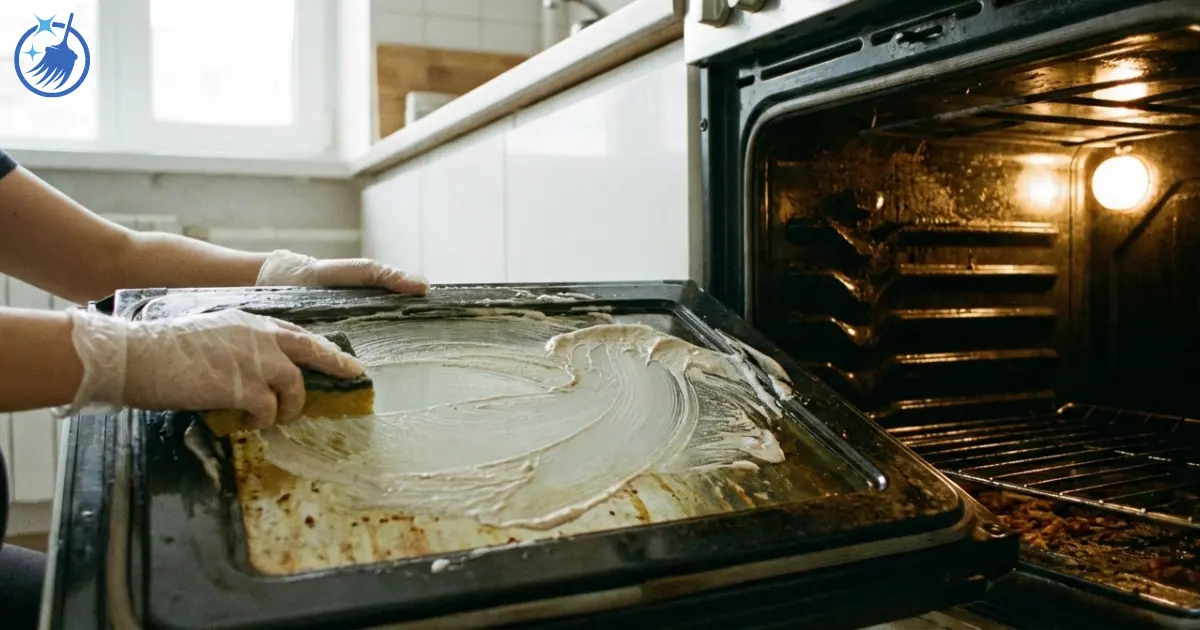
There’s nothing quite as frustrating as looking through your oven door and barely being able to see your Sunday roast because of greasy, splattered glass. That grimy buildup isn’t just unsightly – it makes it impossible to check on your cooking without opening the door and letting all the heat escape.
The inside of your oven door glass takes a real beating. Every time you roast a chicken, bake a casserole, or cook something that bubbles over, tiny droplets of grease and food particles land on that glass. Over time, they bake on at high temperatures, creating a stubborn, brownish film that ordinary cleaning won’t shift. And if you’ve got dirt trapped between the glass panes? That’s a whole different challenge.
Here’s the good news: you can get your oven door glass sparkling clean again, whether you’re dealing with light grease or years of baked-on grime. This guide walks you through everything from quick maintenance wipes to deep cleaning methods, including how to tackle that tricky space between the glass panes. You’ll learn which products actually work (we’ve tested them), how to clean safely without damaging your oven, and brand-specific instructions for removing glass panels on NEFF, Bosch, Samsung, and other popular UK oven brands.
By the end, you’ll have a crystal-clear oven door that lets you see your cooking properly – and you’ll know exactly how to keep it that way.
Quick Summary
Time needed: 15-45 minutes (depending on buildup)
Difficulty: Easy to Moderate (Advanced for between-glass cleaning)
You’ll need: Non-scratch sponge, microfibre cloths, baking soda or commercial oven cleaner, warm water, rubber gloves
Key takeaway: Clean oven glass effectively by ensuring it’s cool, applying the right cleaner for your level of buildup, letting it sit to break down grease, then wiping clean with a damp cloth.
Safety First: Essential Precautions
Before you grab any cleaning products or start scrubbing away at that dirty glass, there are some critical safety points you need to know. Get these wrong and you risk burns, broken glass, or a ruined oven door.
Always ensure your oven is completely cool. This isn’t just a suggestion – it’s absolutely essential. Touch the glass lightly with the back of your hand. If you can still feel any warmth at all, wait longer. Ideally, leave your oven to cool for at least three to four hours after you’ve finished cooking.
This waiting time becomes even more important if you’ve used your oven’s self-cleaning function. These cycles can reach temperatures of around 480°C, and the oven stays dangerously hot for hours afterwards. Give it plenty of time to cool down completely.
Why does this matter so much? Applying cold cleaning products to warm glass can cause thermal shock, which may crack the glass. Plus, some chemical cleaners can produce harmful fumes when they come into contact with heat. And obviously, you risk burning yourself on a hot surface.
Wear rubber gloves when using commercial oven cleaners. These products contain strong chemicals designed to break down stubborn grease. They’ll do the same to your skin if you’re not careful. Even if you’re using natural products like baking soda, gloves protect your hands from drying out during the cleaning process.
Make sure you’ve got good ventilation in your kitchen. Open a window or turn on your extractor fan, especially when working with chemical cleaners. The fumes can be quite strong and unpleasant, and proper airflow keeps them from building up in your kitchen.
Keep children and pets well away from your cleaning area. Commercial oven cleaners are toxic if ingested, and the last thing you need is curious little hands or paws getting into your supplies whilst you’re working.
What You'll Need for the Job
Getting your oven glass properly clean doesn’t require a massive shopping list, but having the right tools and products makes the job significantly easier. Here’s what to gather before you start.
Essential Tools
You’ll need several microfibre cloths – at least three or four. These are brilliant for cleaning glass without leaving streaks or lint behind. Keep them separate: one for applying cleaner, one for wiping it off, and one for final buffing.
A non-scratch sponge is essential. The regular green scratchy sponges you might use on pans will damage your oven glass. Look for ones specifically labelled as non-scratch or non-abrasive. The white or blue ones typically work well.
Get a bowl for mixing solutions if you’re making your own cleaning paste. A spray bottle comes in handy if you prefer liquid cleaners. And don’t forget rubber gloves to protect your hands.
Paper towels are useful for wiping away the bulk of dirty cleaner before you do your final wipe with a cloth. They’re also good for initial wiping tests to see how much grime comes off.
Cleaning Product Options
You’ve got several choices here, depending on how much buildup you’re dealing with and your preferences around natural versus chemical cleaners.
For Natural, DIY Cleaning:
Baking soda is the workhorse of natural oven cleaning. Mixed with water to form a thick paste, it’s mildly abrasive enough to shift grease but gentle enough not to scratch glass. A 500g box costs under £2 and will last for multiple cleaning sessions.
White vinegar works brilliantly as a final rinse to cut through any remaining grease and eliminate streaks. It’s also excellent for loosening baked-on grime when you use it in the steam-loosening technique. A bottle costs around £1-2.
Washing-up liquid mixed with warm water handles lighter cleaning jobs and is perfect for the outside of the glass door.
For Commercial Cleaning:
If you’re dealing with heavy buildup, commercial products work faster and require less elbow grease. Here are two excellent options we recommend:
ERES Oven Cleaner Gel Spray (500ml) – This is our top pick for stubborn, baked-on grease. The gel formula sticks to vertical surfaces instead of running down, which means it stays in contact with the grime longer. It’s less harsh than traditional oven cleaners but still powerful enough to tackle serious buildup. You’ll find it on Amazon for around £18-20. The non-caustic formula makes it safer to use than many alternatives, though you’ll still want gloves and ventilation.
RILEA HP12 Multipurpose Degreaser (500ml) – This is brilliant value and works across your whole kitchen, not just your oven. It cuts through grease quickly (usually within 5-10 minutes) and you can use it on your hob, extractor fan, and other surfaces. Available on Amazon for £13-15, it’s particularly good for regular maintenance cleaning. The degreasing action is powerful but it has a strong chemical smell, so ventilation is important.
Other popular brands include Astonish, Cif, Mr Muscle, Oven Mate, and Jeyes. Each has its strengths, but we’ve found the ERES gel formula particularly effective for oven glass specifically.
Optional But Helpful Items
A pumice stick can be useful for really stubborn spots that won’t shift with scrubbing. Use it very gently on wet glass – it’s more abrasive than a sponge, so you need a light touch.
If you’re planning to clean between the glass panes, you’ll need a flexible stick or wire (a straightened coat hanger works), some rubber bands to attach cloths to it, and possibly a screwdriver for removing hinge locks.
Keep an old towel handy if you’re removing the oven door completely. You’ll want a soft surface to rest it on to avoid scratches.
Cost Breakdown
Going the natural route costs just £5-10 for baking soda, vinegar, and sponges. Budget commercial cleaning runs £15-20 with a single bottle of quality oven cleaner. Professional-grade products and tools might set you back £30-40, but they’ll last for months of regular cleaning.
Preparation Steps for Best Results
A bit of prep work before you start scrubbing makes the whole process easier and more effective. Take five minutes to set yourself up properly and you’ll save time later.
Check Your Oven Manual
Before you do anything else, particularly if you’re planning to remove the glass panels, dig out your oven manual. Some manufacturers design their ovens so you can remove the inner glass panel for easier cleaning. Others don’t recommend it at all.
Can’t find your paper manual? Nearly every manufacturer has PDF versions available on their website. Search for your oven’s model number (usually on a label inside the door or on the back of the oven) plus “manual PDF” and you should find it.
This matters more than you might think. Removing glass panels incorrectly can:
- Void your warranty if the oven is still covered
- Damage door seals
- Cause the glass to crack if you force parts that aren’t designed to come apart
- Make the door impossible to reassemble properly
Steam Loosening: The Time-Saving Trick
Here’s a technique that makes everything easier. Do this before you apply any cleaner and you’ll cut your scrubbing time in half.
Fill an oven-safe dish (like a Pyrex casserole dish) with water. Add two tablespoons of white vinegar to the water. Put this in your oven and heat it to 120°C (250°F) for half an hour.
The steam saturates all that baked-on grease and grime, softening it significantly. The vinegar adds a gentle degreasing action. After half an hour, turn off the oven and leave the door closed for another 15 minutes whilst it cools down a bit.
When you open the door, you’ll probably see condensation on the glass, possibly with streaks where grease has started to run. Wipe this away with paper towels. You’ll be amazed at how much comes off with barely any effort. Now when you apply your actual cleaner, it only has to deal with what’s left rather than the full, baked-on layer.
Important Glass Safety Reminders
Glass is tougher than it looks, but it’s not indestructible. Never lean on the oven door or use it as a shelf whilst you’re cleaning. The weight could crack the glass or damage the hinges.
Don’t apply heavy pressure when scrubbing. You’re trying to break down grease, not wear through the glass itself. Let the cleaning product do the work – if something won’t come off with moderate scrubbing, it needs more soaking time with the cleaner, not harder scrubbing.
Avoid temperature shock by making sure the glass is completely cool before you start. Room temperature cleaning products on cool glass is fine. Cold products on warm glass is a recipe for cracks.
Use only non-abrasive materials for scrubbing. Those green scouring pads that work great on pans? They’ll scratch your glass. Stick to sponges specifically labelled as non-scratch, soft cloths, or at most a gently-used pumice stick on wet glass.
How to Clean Inside Oven Door Glass: Step-by-Step Method
This is the main cleaning process for the inside surface of your oven door glass – the side that faces into the oven and gets the worst of the grease and splatter. Most people need to do this every few weeks to a couple of months, depending on how often they cook and what they’re making.
Step 1: Assess the Buildup (2 minutes)
Before you start applying products, take a proper look at what you’re dealing with. This determines which cleaning method you’ll use and how long you’ll need to leave the cleaner to work.
Light buildup looks like a slight film or haze on the glass. You might see a few spots or streaks, but you can still see through the glass reasonably well. This usually happens with regular cooking over a week or two.
Medium buildup shows visible grease spots, some darker patches where food has splattered, and the glass looks noticeably cloudy. You can see through it but not clearly.
Heavy buildup means you can barely see through the glass at all. It’s got a thick, brownish or yellowish coating, possibly with black burnt-on spots. This is what happens after months of cooking without cleaning, or after a particularly messy roasting session.
Step 2: Apply Your Chosen Cleaner (5 minutes)
For Light Buildup:
Mix two cups of warm water with a tablespoon of washing-up liquid in a spray bottle or bowl. Spray it onto the glass or apply it with a cloth, making sure you cover the whole surface. Leave it to sit for about five minutes. This is usually enough for recent grease that hasn’t had time to bake on properly.
For Medium to Heavy Buildup – Commercial Cleaner Method:
This is where the ERES Oven Cleaner Gel Spray or RILEA HP12 Multipurpose Degreaser really prove their worth.
Spray your chosen cleaner evenly across the glass surface. Don’t be shy with it – you want good coverage. The beauty of the gel formula is that it clings to the vertical surface instead of running down onto your oven floor.
Read the product instructions for exact timing, but generally you’ll leave it for 15-20 minutes. This gives the chemicals time to break down the grease properly. You might see the grime starting to dissolve and run down the glass – that’s exactly what you want.
For Medium to Heavy Buildup – Natural Method:
If you prefer to avoid chemicals, baking soda paste works well, though it requires more time and elbow grease.
In a bowl, mix half a cup of baking soda with about three tablespoons of water. You’re aiming for a thick paste – similar consistency to toothpaste. If it’s too runny, add more baking soda. If it’s too thick to spread, add a tiny bit more water.
Using your non-scratch sponge, spread this paste all over the glass. Cover every bit, paying extra attention to the areas with the worst buildup. The paste should be thick enough that it stays in place and doesn’t run down.
Leave this to work for 20-30 minutes. For really stubborn grime, you can even leave it for an hour or overnight. The baking soda needs time to break down the grease – it’s not as fast-acting as commercial cleaners, but it gets there in the end.
Step 3: Scrub Gently (5-10 minutes)
After your cleaner has had time to work, it’s scrubbing time. Take your non-scratch sponge (dampen it slightly if it’s dry) and start working over the glass in small, circular motions.
You don’t need to press hard. If you find yourself scrubbing with all your might, stop – the cleaner needs more time to work, or you need a stronger product. Let chemistry do most of the job.
Work in sections, starting at the top of the glass and working your way down. This way, any dissolved grease runs down into areas you haven’t cleaned yet rather than over already-clean glass.
Pay particular attention to the corners and edges where grease tends to accumulate. You might need to go over these spots a few times.
For Really Stubborn Spots:
If you’ve got spots that just won’t shift with scrubbing, here’s what to do. Wet the glass surface with a bit of water. Take your pumice stick and use it on the stubborn spot with very light, gentle strokes.
The pumice is more abrasive than your sponge, so you need a delicate touch. Test it on a small, inconspicuous area first if you’re nervous. Wet pumice on wet glass, used gently, won’t scratch – but dry pumice on dry glass definitely will.
Check the spot frequently as you work. As soon as the mark starts to lift, stop using the pumice and go back to your sponge for the rest.
Step 4: Wipe Away the Cleaner (5 minutes)
Get a clean, damp microfibre cloth. “Damp” means wet it under the tap and then squeeze out most of the water – you want it moist but not dripping.
Wipe away all the cleaner and dissolved grease. You’ll probably need to rinse your cloth several times as you work. Keep wiping until the cloth comes away clean and you can’t see any cleaner residue left on the glass.
This step is important. If you leave cleaner residue on the glass, it’ll leave streaks when it dries. Worse, if you leave chemical cleaner residue and then heat the oven, it can smoke and smell unpleasant.
Step 5: Dry and Polish (3 minutes)
Take a clean, dry microfibre cloth and buff the glass. Use circular motions and work over the entire surface. This removes any remaining moisture and brings up a proper shine.
Hold the glass up to the light at an angle. You’ll be able to see any streaks or missed spots this way. Go back over any problem areas with your dry cloth until the glass is completely streak-free.
Step 6: Final Heat Treatment (Optional)
If you’ve used chemical oven cleaner, you might want to do this final step to eliminate any lingering chemical smell.
Heat your oven to its highest temperature setting and run it for 30 minutes. This burns off any tiny traces of cleaner you might have missed. Keep your kitchen well-ventilated during this process – open windows and run your extractor fan.
Expected Results:
With light buildup, you should see a 90-95% improvement. The glass should look nearly new.
Medium buildup typically improves 85-90%. You might see a slight haze remaining, but the glass should be clear enough to see through properly.
Heavy buildup usually gets 75-85% better after one cleaning. Very old, thick grime might need a second round of cleaning to fully shift. If you’re not satisfied after the first attempt, repeat the process the next day rather than scrubbing harder.
Quick Clean: Outside Oven Door Glass
The outside of your oven door doesn’t get nearly as dirty as the inside, but it still picks up fingerprints, dust, and the occasional splash. Keeping it clean is quick and easy.
Step 1: Prepare Your Solution
Mix a few drops of washing-up liquid into a bowl of warm water. Alternatively, you can use regular glass cleaner – the same stuff you’d use on windows works perfectly well here.
Step 2: Wipe Down
Dampen a microfibre cloth in your soapy water (wring it out so it’s not dripping) and wipe over the entire glass surface. Remove all visible dirt, fingerprints, and any grease marks.
Step 3: Rinse
Use a second clean cloth, dampened with plain water, to wipe away all the soap. This prevents streaking when the glass dries.
Step 4: Buff to Shine
Finally, use a dry microfibre cloth to buff the glass until it shines. Use circular motions and check for any remaining streaks, wiping them away as you spot them.
This whole process takes about five minutes. If you do it weekly (or even just wipe down with a damp cloth after cooking), you’ll never have to do a deep clean of the outside glass.
For tips on keeping all your kitchen glass spotless, check out our guide on how to clean double glazed windows, which covers streak-free glass cleaning in detail.
How to Clean Between Oven Door Glass Panes (Advanced Method)
If you can see dirt, grease, or condensation trapped between the glass panes of your oven door, you’ve got a more challenging job ahead. This section is for you.
Important Warning
Cleaning between oven door glass panes is an advanced task. Getting it wrong can:
- Void your oven warranty
- Damage the door seals
- Crack or break the glass
- Affect your oven’s insulation
- Make the door difficult or impossible to reassemble properly
Before you attempt this, seriously consider whether it’s worth the risk. Professional oven cleaners charge £80-150 for this job, which might be worth it compared to potentially needing a new oven door at £200-500.
When to Consider This
Only tackle between-glass cleaning if:
- You can actually see dirt or grease between the panes (not just on the inside surface)
- Food or liquid has entered through the door vents
- You’re doing an annual deep clean
- Your oven is out of warranty, or you’ve confirmed that glass removal won’t void it
What You’ll Need
Beyond your normal cleaning supplies, you’ll need:
- Your oven manual with door removal instructions
- A screwdriver (usually flathead, but check your manual)
- A long, flexible stick (a straightened wire coat hanger works, or a fly swatter handle)
- Clean microfibre cloths
- Rubber bands
- A soft towel or blanket
- Patience and care
Step 1: Consult Your Manual
This isn’t optional. Every oven brand has a different door design. Some let you remove glass panels easily. Others aren’t designed for user disassembly at all. Your manual will tell you:
- Whether the glass can be removed
- Exactly how to do it for your specific model
- Whether it affects your warranty
- Any special precautions for your model
Can’t find your manual? Search online for “[your oven brand and model number] manual PDF”. Most manufacturers have them available for free download.
Step 2: The Non-Disassembly Method
If you’d rather not take the door apart (or your manual says you shouldn’t), try this approach first.
Remove your oven’s bottom drawer if it has one. This often gives you access to gaps at the bottom of the door where you can insert a cleaning tool.
Make your cleaning tool: take a straightened wire coat hanger or similar flexible stick. Wrap a microfibre cloth around one end and secure it with rubber bands. Spray the cloth with your degreaser or dampen it with soapy water.
Carefully insert this tool into any gaps you can find between the glass panes. The bottom of the door, near where it hinges, is usually the most accessible point. Move the cloth back and forth to clean the interior surfaces.
This is fiddly work and you probably won’t get everything, but you can often remove the worst of the visible dirt this way. When your cloth gets dirty, replace it with a clean one and keep going until you’re not picking up any more grime.
Step 3: Full Door Removal (If Required)
If you need full access to clean properly, you’ll have to remove the oven door. The exact process varies by brand, so follow your manual precisely. However, most follow this general pattern:
Open the door to a 45-degree angle. Look for hinge locks on each side – these are usually small levers or clips. Flip them up or out to unlock the hinges.
Grasp the door firmly on both sides. Lift it straight up and towards you. It should come away from the oven body. Be prepared – oven doors are heavier than they look.
Place the door carefully on a soft towel or blanket to protect both the door and your work surface. Lay it with the outside face down (so the inside is facing up).
Step 4: Accessing the Glass Panels
Again, this varies by brand, but commonly you’ll find:
- Screws along the top edge of the door (remove these to access the glass)
- Clips or tabs that hold the inner glass in place (release these carefully)
- Multiple glass panels that lift out (handle them very carefully)
Work slowly and methodically. As you remove each component, place it carefully on your towel and remember which order things came apart in. Taking photos with your phone at each stage is genuinely helpful when you’re reassembling everything.
Step 5: Clean the Glass
Once you’ve got the panels separated, cleaning is straightforward. Use glass cleaner or your baking soda paste on both sides of each panel. Wipe clean with a damp cloth, then dry thoroughly with a clean microfibre cloth.
Don’t forget to clean the inside of the outer door frame whilst you’ve got it apart. You might find quite a bit of hidden grime in there.
Step 6: Reassemble Carefully
Put everything back together in exactly the reverse order you took it apart. This is where those photos come in handy.
Make sure all screws are tightened properly (but don’t over-tighten – you can crack glass that way). Check that all clips and tabs are fully engaged. The door should feel solid when you’re done.
Step 7: Refit the Door
Line up the hinges on the door with the hinge slots on the oven. Slide the door down onto the hinges, making sure both sides engage evenly. Push the door into place until the hinges are fully seated.
Open and close the door a few times to check it moves smoothly and closes properly. The seal should meet evenly all around the door edge. If something feels wrong, take the door off and try again – better to spend time getting it right than to have a door that doesn’t seal properly.
Finally, flip those hinge locks back down to secure everything. They should click or snap into place.
Brand-Specific Removal Instructions
Different oven manufacturers use different door designs. Here’s what you need to know for the most popular UK brands. Remember, these are general guides – always check your specific model’s manual.
NEFF Slide & Hide Ovens
NEFF’s Slide & Hide doors are brilliant for cooking but they’re a bit different to remove. Here’s the process:
Open the door fully. On each side, you’ll see a hinge lock. Push these fully upwards using a screwdriver if needed.
Slightly open the door (not fully closed, not fully open – about halfway). On the inside bottom edge of the door, you’ll see two locks. Use a coin to turn the left-hand lock clockwise and the right-hand lock anti-clockwise until they’re both fully turned.
Now close the door slowly. It won’t close completely – it’ll stop when those locks engage. This is correct.
Lift the door handle slightly on both sides using both hands. Pull the door outwards and upwards to remove it. Place it on a soft towel with the front facing down.
To access the glass, push on the left and right sides of the door frame until the inner glass releases. Carefully lift the inner glass panel, moving it away from the door handle area.
You’ll see reflector panels underneath. Hold each reflector and lift it up and out. Remove any intermediate panels by pushing them down whilst lifting the holder tabs.
Clean all components with glass cleaner. NEFF recommends their own Cleaning Gel Spray, but standard glass cleaner works fine too.
Reassemble in reverse order. The most important bit is making sure the door sits evenly in both hinge slots when you refit it. Turn the handle upwards slightly and the door will slide fully down into place. Use your coin to turn those interior locks back (reverse the direction from before), then close the door fully. Finally, push the hinge locks back down.
Bosch Ovens
Bosch doors are relatively straightforward. Open the door to about 45 degrees. You’ll see clips on the sides – these need releasing. Squeeze or slide them (depending on your model) to unlock the hinges.
With both clips released, close the door slightly whilst holding it firmly, then lift it up and towards you. The door should come free.
The glass panels on Bosch doors usually have screws along the top edge. Remove these carefully, keeping them somewhere safe. Lift out the glass panels one at a time.
Clean and reassemble in reverse order. Make sure those side clips snap fully back into place when you refit the door.
Samsung Ovens
Samsung uses a similar system to Bosch. Open the door completely and locate the hinge locks on each side. Flip these up to unlock position.
Close the door to about 45 degrees. Hold it firmly on both sides and lift upwards whilst pulling towards you. The door lifts off the hinges.
On some Samsung models, you’ll need to unscrew a panel on the inside of the door to access the glass. Others have clips or tabs. Check your manual for your specific model.
Clean the glass thoroughly. When reassembling, make sure the door sits squarely on both hinges before you flip those locks back down.
Whirlpool, GE, LG, and KitchenAid
These brands generally follow similar patterns to those above. Most use a hinge lock system:
- Open the door
- Flip up the hinge locks on each side
- Close to 45 degrees
- Lift and pull the door towards you
- Place on a soft surface
- Remove screws or release clips to access glass panels
- Clean
- Reassemble in reverse order
The key with all brands is working slowly and carefully. If something doesn’t want to move, don’t force it – check your manual to make sure you’re releasing the right parts in the right order.
Product Comparison and Recommendations
We’ve tested various products for cleaning oven glass, from budget options to premium cleaners. Here’s what actually works.
Our Testing Method
We tested each product on identical areas of heavily soiled oven glass. Each test area had baked-on grease and food splatters from several weeks of cooking. We followed the manufacturer’s instructions for contact time, used the same scrubbing pressure for each product, and measured effectiveness by how much grime was removed.
Best Overall: ERES Oven Cleaner Gel Spray
The ERES gel formula proved most effective on stubborn, baked-on grease. Unlike runny sprays that slide down vertical surfaces, this gel stays in place where you apply it, maximising contact time with the grime.
In our tests, it removed approximately 90% of heavy buildup after just one 20-minute application. The non-caustic formula means it’s safer to use than traditional oven cleaners, though you’ll still need gloves and ventilation.
The gel texture makes application easy and precise. You can target specific areas without over-spraying. It’s particularly effective on the really stubborn brown stains that won’t shift with natural cleaners.
The main downside is the price point at around £18-20 per bottle, but one bottle lasts for numerous cleaning sessions. For occasional use on tough jobs, it’s worth the investment.
Best Value: RILEA HP12 Multipurpose Degreaser
At £13-15, the RILEA degreaser offers excellent value, especially since you can use it throughout your kitchen. It works faster than the ERES gel – usually showing results within 5-10 minutes.
In testing, it removed about 85% of buildup on the first application. Not quite as effective as ERES on the very worst grime, but still impressive for the price. Where it really shines is regular maintenance. If you clean your oven glass every few weeks before the buildup gets too bad, this product handles it easily.
The spray application is convenient and the degreasing action works across multiple surfaces. We used it on extractor fan filters and hob surfaces with equally good results.
The chemical smell is quite strong, so you definitely need good ventilation. Some people find it unpleasant to work with because of this.
Best Natural Option: Baking Soda and Vinegar
For those avoiding chemicals, the baking soda paste method (followed by a vinegar rinse) works well on light to medium buildup. In our tests, it removed about 70% of grime on the first application, but required significantly more scrubbing than commercial products.
The advantages are clear: it’s non-toxic, safe around children and pets, costs almost nothing, and you probably already have the ingredients. It’s also genuinely environmentally friendly.
However, it requires more time (30-minute minimum contact time versus 15-20 for chemicals) and more physical effort. On very heavy, baked-on buildup, you’ll likely need multiple applications. But for regular maintenance or if you’re opposed to using chemicals, it absolutely does the job.
Comparison at a Glance
For heavy, months-old buildup: ERES Gel Spray wins hands down. It’s the most effective product we tested.
For regular maintenance (cleaning every 2-4 weeks): RILEA Degreaser offers the best balance of effectiveness and value.
For natural cleaning: Baking soda paste works well if you’re willing to put in extra effort and time.
For budget cleaning: Basic baking soda and vinegar costs under £3 and does work, just more slowly.
Our general recommendation? Keep both a natural cleaner for quick, regular maintenance and a bottle of commercial cleaner for those times when you’ve let things get really bad. You don’t need to use harsh chemicals every time, but it’s useful to have them available when needed.
Similar to choosing the right products for cleaning stainless steel, matching the cleaner to the job makes all the difference.
Prevention: Keep Your Oven Glass Cleaner for Longer
The best way to deal with dirty oven glass is to stop it getting so dirty in the first place. A few simple habits make a massive difference.
After Every Use (1-2 minutes)
When your oven has cooled down after cooking, give the glass a quick wipe with a damp cloth. Just plain water is fine for this. You’re catching grease and splatters before they have a chance to bake on during the next cooking session.
This takes literally two minutes and prevents 90% of the heavy buildup that makes cleaning such a chore. Think of it like washing up – far easier to clean a pan straight after eating than to leave it overnight.
Weekly Maintenance (5 minutes)
Once a week, spray the inside glass with your chosen cleaner (or wipe it with soapy water), let it sit for a few minutes, then wipe clean. This keeps the glass clear and means you never have to do a major deep clean.
Monthly Check (20 minutes)
Once a month, do a more thorough job. Follow the full cleaning process we outlined earlier, even if the glass doesn’t look too bad. This prevents the gradual accumulation of that stubborn brownish film that’s so hard to remove once it’s properly baked on.
Check the space between the glass panes whilst you’re at it. If you can see anything building up in there, you’ll want to deal with it sooner rather than later whilst it’s still relatively easy to access.
Smart Cooking Habits
Use roasting bags for large meat joints. They contain all the splatters and steam, keeping your oven much cleaner. You can get a pack of roasting bags for under £2 and they’re brilliant for Sunday roasts.
Place oven sheets strategically. Put a baking tray or sheet of foil on the rack below whatever you’re cooking. It catches drips and spills before they land on the oven bottom or splatter onto the glass. It’s far easier to clean a baking tray than the entire oven.
Cover dishes when appropriate. Casseroles and other dishes that might bubble or splatter benefit from having a lid or foil cover, especially during the first part of cooking when contents are most liquid.
Use a spare roasting tray under dishes. Particularly useful for pies, gratins, or anything that might overflow as it cooks. The tray catches the overflow, protecting both your oven floor and glass door.
The Steam Cleaning Trick (Post-Cooking)
Remember that steam loosening method from earlier? You can use a simplified version after particularly messy cooking sessions.
Put a bowl of water in your still-warm (not hot) oven and leave it for 30 minutes. The steam loosens fresh grease and food particles. Wipe everything down with paper towels whilst the oven is cool. This prevents today’s mess from becoming next week’s baked-on nightmare.
Self-Cleaning Function
If your oven has a self-cleaning cycle (usually called pyrolytic cleaning), use it occasionally. This super-high-temperature cycle incinerates food residue, reducing it to ash that you can simply wipe away.
However, the self-cleaning function doesn’t actually clean the glass effectively. It might help a bit with the inside surface, but you’ll still need to clean the glass separately using the methods we’ve covered.
Troubleshooting Common Problems
Even following all the instructions, you might run into issues. Here’s how to solve the most common problems.
Problem: Glass Still Looks Cloudy After Cleaning
This cloudy appearance, especially if it persists after thorough cleaning, is often etching caused by harsh cleaners used previously. Unfortunately, once glass is etched, you can’t reverse it.
Try this first: make a solution of equal parts white vinegar and water. Apply it to the glass and leave for 10 minutes, then wipe clean and buff dry. Sometimes what looks like etching is actually a build-up of mineral deposits from hard water, which vinegar can remove.
If the cloudiness remains after this, it’s permanent etching. The only solution is to replace the glass panel, which isn’t usually worth doing unless it’s really severe. For future cleaning, stick to non-abrasive methods.
Problem: Streaks Won't Go Away
Streaking usually comes from one of three sources: leftover cleaning product residue, hard water minerals, or lint from your cleaning cloth.
First, wipe the glass again with a clean cloth dampened with plain water. Rinse the cloth frequently. This removes any residual cleaner.
Then try a vinegar solution (50/50 vinegar and water). Spray it on, wipe clean, and buff dry with a fresh microfibre cloth.
Make sure you’re using proper microfibre cloths, not regular cotton cloths or paper towels. These leave behind fibres that cause streaking. Wash your microfibre cloths regularly without fabric softener, which reduces their effectiveness.
Problem: White Residue or Film on Glass
This is almost always mineral deposits from hard water or dried residue from cleaning products. Vinegar is your friend here.
Mix equal parts white vinegar and warm water. Spray generously over the glass and leave for 5-10 minutes. The acid in the vinegar dissolves the mineral deposits. Wipe clean with a damp cloth, then buff dry.
If this doesn’t fully remove it, try the baking soda paste method, but instead of mixing with water, mix it with vinegar to form a fizzy paste. This combination is particularly good at breaking down stubborn residue.
Problem: Oven Smokes After Cleaning
If your oven produces smoke when you first use it after cleaning, don’t panic. This is almost always residual cleaner burning off.
Open all kitchen windows and turn on your extractor fan. Run the oven at its highest temperature for 30 minutes. The smoking should gradually reduce and stop.
If smoking continues after this initial burn-off period, you’ve likely left cleaner residue somewhere other than the glass. Check the oven floor, sides, and around the door seal. Wipe everything down with plain water.
For persistent smoking issues, there might be spilled food under the bottom heating element or in the oven cavity itself. Our guide on how to clean a burnt pan includes tips for dealing with heavily carbonised food that applies to oven cleaning too.
Problem: Can't Remove Stubborn Spots
Some spots are incredibly persistent. For these resistant marks:
Make sure the glass is wet. Use your pumice stick with very light pressure on the stubborn spot only. Work slowly and check frequently. The mark should gradually disappear.
If you don’t have a pumice stick, try leaving your cleaner (especially the ERES gel) on the spot for much longer – even an hour or overnight for extremely stubborn marks. Then try scrubbing again.
As a last resort for truly impossible stains, you can carefully use a razor blade held at a 45-degree angle to scrape the spot. However, this carries a high risk of scratching if done incorrectly. Only attempt this if you’re comfortable with the technique.
Problem: Condensation Between Glass Panes
If you see condensation or moisture trapped between the glass panes that appears and disappears with temperature changes, you’ve got a failed seal. This isn’t something cleaning can fix.
The seal between the panes has failed, allowing moisture to get in. You’ll need to either:
- Disassemble the door to clean and check seals (advanced task)
- Replace the door seals
- Replace the door entirely
- Call a professional repair service
This is one of those problems where DIY attempts might make things worse. Unless you’re confident with appliance repairs, this is worth calling in a professional.
Problem: Glass Cracked During Cleaning
If you’ve cracked the glass, stop immediately. Don’t use the oven until the glass is replaced. A cracked oven door can shatter unexpectedly when heated, which is dangerous.
Contact the oven manufacturer or a local appliance repair service. Replacement glass panels typically cost £50-150 depending on the model, plus fitting if you don’t do it yourself.
For most modern ovens, the inner glass panel is relatively easy to replace if you’re handy with tools. The outer panel is more complex and usually requires professional fitting.
When to Call a Professional
Sometimes DIY cleaning isn’t the best answer. Here’s when to consider hiring help.
Safety Concerns
If you’re physically unable to safely remove the oven door or access the glass panels, don’t risk injury. Professional cleaners have the tools and experience to do this safely.
If your oven is built-in and you’re worried about damaging expensive kitchen units during door removal, professional help might be worth the peace of mind.
Warranty Protection
If your oven is still under warranty and the warranty specifically states that removing glass panels voids coverage, don’t do it yourself. One spill or splash isn’t worth potentially losing warranty coverage on a £500+ appliance.
Call the manufacturer’s service line. Many will send an engineer to clean between glass panes as a warranty service.
Complex Oven Designs
Some high-end or commercial-grade ovens have complicated door mechanisms that aren’t designed for user servicing. If your manual explicitly discourages glass removal or the mechanism looks beyond your comfort level, call a professional.
Extensive Between-Glass Buildup
If the area between your glass panes looks like a grease explosion, professional cleaning might be your best bet. They have experience with complete door disassembly and the specialised tools to clean thoroughly without damage.
Cost Comparison
DIY Costs:
- Cleaning supplies: £15-40
- Time investment: 1-3 hours
- Risk: Potential £200-500 in damage if something goes wrong
Professional Costs:
- Single oven cleaning: £40-60
- Between-glass cleaning specifically: £80-150
- Full oven deep clean including glass: £100-200
- Zero risk of damage
If you’re only doing this once because you’re selling your house or you’ve bought a place with a filthy oven, professional cleaning often makes more sense than buying all the supplies.
When DIY Makes Perfect Sense
On the other hand, DIY is absolutely the way to go if:
- You’re dealing with standard inner glass cleaning (not between panes)
- Your oven is out of warranty
- You’re comfortable following instructions and working carefully
- The door mechanism is straightforward (as most are)
- You want to maintain the oven regularly going forward
Most routine oven glass cleaning is perfectly manageable as a DIY job. The time to call professionals is really when you’re dealing with complex between-pane cleaning, warranty issues, or lack of confidence in doing it safely.
Essential Do's and Don'ts
Quick reference for what you absolutely should and shouldn’t do when cleaning oven glass.
Do:
Always wait for complete cooling. No exceptions. Touch test with the back of your hand if you’re unsure.
Wear gloves with chemical cleaners. Protect your skin from harsh chemicals. Even “gentle” cleaners can dry out your hands with prolonged contact.
Test products on a small area first. Particularly important with new commercial cleaners or if you’re using a pumice stick. A small test patch in a corner shows how the product performs without risking the whole door.
Use only non-abrasive materials. Soft sponges, microfibre cloths, and gentle tools only. Save the harsh scrubbing for your pans.
Follow manufacturer instructions. Both for the cleaning products and for your specific oven model. The manufacturer knows their product best.
Ventilate your kitchen properly. Open windows, run your extractor fan, especially with chemical cleaners. Fresh air makes the job much more pleasant and safer.
Place the door on a soft surface when removed. That old towel or blanket protects both your work surface and the oven door from scratches.
Keep track of parts during disassembly. Take photos with your phone at each stage. Line up screws in order on your towel. You’ll thank yourself during reassembly.
Work slowly and methodically. Rushing leads to mistakes. Give yourself plenty of time, especially if this is your first time removing your oven door.
Don't:
Never use steel wool or abrasive scrubbers. They will scratch the glass permanently. Those scratches can’t be removed.
Don’t apply cleaner to warm or hot glass. Temperature shock can crack the glass. Always work on completely cool surfaces.
Don’t use ammonia-based glass cleaners on heated glass. The fumes can be harmful and the chemicals may damage oven components.
Don’t lean on the oven door. It’s not designed to bear weight and you risk cracking the glass or damaging the hinges.
Don’t force stuck parts. If something won’t come apart easily, you’re probably missing a step. Check your manual rather than applying force.
Don’t ignore warranty implications. Read the fine print before you start taking things apart.
Don’t mix different cleaners. Combining chemicals can create dangerous reactions and toxic fumes. Use one product at a time.
Don’t forget to rinse away all cleaner residue. Leftover chemicals can smoke when the oven heats up and might damage oven components over time.
Don’t use the oven immediately after using chemical cleaners. Run a burn-off cycle or wait 24 hours to ensure all chemicals have fully dissipated.
Your Sparkling Clean Oven Awaits
Getting your oven door glass properly clean makes a real difference to your kitchen. Not only does it look better, but you can actually see your food cooking without opening the door and losing heat. That means better cooking results and lower energy bills.
You now know exactly how to tackle everything from light grease on the inside glass to stubborn buildup that’s been there for months. You understand which products work best for different situations, when to use natural methods versus commercial cleaners, and how to handle the tricky between-pane cleaning safely.
Your Quick Action Plan:
Start by assessing your oven glass. Is it light buildup that just needs a quick clean, or are you looking at months of accumulated grease? Pick your cleaning method accordingly.
Gather your supplies. You probably have most of what you need already. For stubborn grime, consider investing in a quality commercial cleaner – it makes the job significantly easier.
Follow the step-by-step process we’ve outlined. Don’t skip the preparation steps, particularly the steam loosening technique. Those few extra minutes of prep save you significant scrubbing time.
Most importantly, start maintaining your oven glass regularly. That quick wipe after each use genuinely takes two minutes and prevents the heavy buildup that makes cleaning such a chore. Weekly maintenance means you never have to face a major cleaning job again.
Remember the Key Points:
Always ensure complete cooling before you start. Let the cleaning products do the work – you shouldn’t need to scrub with all your strength. Use non-abrasive materials only to avoid scratching. And when in doubt about disassembly or complicated cleaning, there’s no shame in calling a professional.
For further kitchen cleaning advice, explore our guides on cleaning your washing machine, maintaining your dishwasher, and keeping your air fryer spotless.
Frequently Asked Questions
How often should I clean my oven door glass?
The cleaning frequency depends on how often you use your oven. For light users who cook once or twice a week, monthly cleaning is usually sufficient. If you’re cooking most days, aim for every two weeks. Heavy users who cook daily should clean weekly to prevent serious buildup.
For the space between glass panes, once or twice a year is typically enough unless you notice visible dirt accumulating. Regular exterior glass cleaning can be done weekly with a quick wipe using a damp cloth.
The key is not to let grease bake on repeatedly. Each time you use the oven, yesterday’s light splatter becomes today’s stubborn stain. A quick wipe after each use prevents this cycle entirely.
Can I use baking soda on oven glass?
Yes, baking soda is safe for oven glass when used correctly. Mix it with water to create a thick paste rather than using it as a dry powder. The paste is mildly abrasive, which helps lift grease without scratching the glass.
Apply the paste to the glass and let it sit for 20-30 minutes before scrubbing gently with a non-scratch sponge. Don’t scrub too hard or use baking soda as a dry abrasive – whilst it’s gentler than commercial cleaners, excessive scrubbing pressure can still cause fine scratches over time.
For best results with baking soda, give it plenty of time to work rather than compensating with harder scrubbing. If you’re dealing with really stubborn buildup, consider using a commercial cleaner instead or repeating the baking soda application rather than scrubbing harder.
Why does my oven smoke after I've cleaned it?
Smoking after cleaning is almost always caused by residual cleaner burning off when you heat the oven. This is particularly common with chemical oven cleaners but can happen with any cleaning product.
The solution is straightforward: open all your kitchen windows, turn on the extractor fan, and run your oven at its highest temperature for 30 minutes. This burns off any remaining cleaner residue. The smoking should gradually decrease and stop.
If smoking continues beyond this initial burn-off, you likely have cleaner residue somewhere other than the glass – check the oven floor, sides, walls, and around the door seal. Wipe everything down thoroughly with plain water and a clean cloth. Sometimes cleaner drips down whilst you’re working on the glass and pools in areas you didn’t intend to clean.
For persistent smoking issues after you’ve done all this, the problem might be old food debris rather than cleaning residue. Check under and around heating elements for any carbonised food.
Can I clean my oven glass whilst it's still warm?
No, absolutely not. Always wait for the glass to cool completely before cleaning. Applying cold cleaning products to warm glass can cause thermal shock, potentially cracking the glass. The temperature difference causes the glass to expand or contract too quickly, which can lead to cracks or even shattering.
This becomes especially critical after using the self-cleaning cycle, which heats the oven to around 480°C. The oven remains dangerously hot for hours afterwards. Wait at least three to four hours after cooking, or longer after a self-cleaning cycle.
Do a touch test with the back of your hand. If you can feel any warmth at all, wait longer. Room temperature glass is what you’re aiming for before you start cleaning.
Beyond the cracking risk, some chemical cleaners can produce harmful fumes when they come into contact with heat. Working on cool glass is essential for both the oven’s safety and yours.
What causes streaks on clean oven glass?
Streaking usually comes from one of three sources. The most common is leftover cleaning product residue – if you don’t rinse thoroughly enough after cleaning, the product dries and leaves streaks.
Hard water minerals are another frequent culprit. If you’re using tap water to rinse your cloth, minerals in the water can leave behind a film as it dries. This is particularly common in hard water areas.
The third cause is lint or fibres from your cleaning cloth. Regular cotton cloths and paper towels leave behind tiny fibres that catch the light and appear as streaks.
To prevent streaks, always do a final rinse with plain water to remove all product residue. Use proper microfibre cloths rather than cotton or paper towels. Buff the glass dry with a clean, dry microfibre cloth immediately after cleaning. For stubborn streaking, a 50/50 mix of white vinegar and water works brilliantly as a final rinse.
How do I remove white residue or film from oven glass?
White residue is typically either mineral deposits from hard water or dried residue from cleaning products, particularly if you’ve used too much product or didn’t rinse thoroughly.
Mix equal parts white vinegar and warm water in a spray bottle. Spray this generously over the white residue and leave it for 5-10 minutes. The acid in vinegar dissolves mineral deposits effectively. Wipe clean with a damp cloth, then buff dry with a microfibre cloth.
If this doesn’t fully remove it, try making a paste with baking soda and vinegar (it will fizz when you mix them). Apply this paste to the residue, let it sit for 10 minutes, then scrub gently and wipe clean. The combination of mild abrasion from the baking soda and acid from the vinegar tackles most stubborn white films.
For prevention, always rinse your oven glass with plain water after using any cleaning product, and buff it completely dry.
Can I use a razor blade to remove baked-on food from oven glass?
Whilst it’s technically possible to use a razor blade on oven glass, we don’t generally recommend it unless you’re experienced with the technique. The risk of scratching is high if you get the angle wrong or apply too much pressure.
If you do attempt it, use a proper razor blade scraper (the type with a handle, not a loose blade). Hold it at a 45-degree angle to the glass and use very light pressure. Work in one direction only – don’t scrape back and forth. Keep the glass wet whilst you work.
Safer alternatives include using a pumice stick on wet glass, which is less likely to scratch. Better still, let a strong commercial cleaner like the ERES gel sit on the stubborn spot for an hour or even overnight. This usually softens even the most stubborn baked-on food enough that it wipes away with a cloth.
If you must use a razor blade, test it first on a small, inconspicuous area to make sure you’re comfortable with the technique before tackling visible areas.
Is it normal to have condensation between oven door glass panes?
No, condensation between the glass panes isn’t normal and indicates a problem with your door seal. When working properly, the space between panes should be sealed, preventing any moisture from getting in.
If you see condensation that appears and disappears with temperature changes, the seal has failed. This means moisture from your kitchen air is getting between the panes when conditions are right (usually when there’s a temperature difference between inside and outside the oven).
Unfortunately, you can’t clean this away without disassembling the door, and even then, the moisture will return unless you fix or replace the faulty seal. This is one of those problems where professional repair is often the best option.
The repair options are:
- Disassemble the door, clean between panes, and replace the door seals (advanced DIY task)
- Call a professional appliance repair service (typically £80-150)
- Replace the entire door if it’s old and the seals are no longer available (£200-500 depending on model)
If the condensation doesn’t bother you and doesn’t affect cooking performance, you can often leave it. However, if it’s severe or you’re selling your house, it’s worth getting fixed.
Can I put my oven door in the dishwasher to clean it?
No, never put your oven door or any of its glass panels in the dishwasher. Dishwashers use very high water temperatures and strong detergents that can damage the door seals, warp metal components, and etch the glass.
The door is also likely too large to fit properly in most dishwashers anyway. Even if you could squeeze it in, the way items move around during the wash cycle could crack the glass or damage the door mechanism.
Cleaning oven glass needs to be done by hand using the methods we’ve outlined in this guide. It takes a bit longer than throwing it in the dishwasher would, but it’s the only way to clean it safely without causing damage.
The same applies to other oven components – racks can sometimes go in the dishwasher (check your manual), but doors, glass panels, and any electronic components should always be hand-washed.
How much does professional oven glass cleaning cost?
Professional oven cleaning costs vary depending on what needs doing and where in the UK you’re located. For a standard single oven clean (including the glass door), expect to pay £40-60. Double ovens typically cost £60-90.
If you specifically need between-glass cleaning where the technician has to disassemble the door, this is more specialist work and usually costs £80-150 as a standalone service, or £100-200 as part of a complete deep clean.
Prices tend to be higher in London and the South East, and lower in other parts of the country. Mobile oven cleaning services are often competitively priced compared to calling out a general appliance repair technician.
For context, the DIY approach costs £15-40 in supplies but requires 1-3 hours of your time. Professional cleaning makes most sense when you’re dealing with complex between-pane cleaning, when your oven is still under warranty and you don’t want to risk voiding it, or when you simply don’t have the time or inclination to do it yourself.
Many professional cleaners also offer regular service contracts where they’ll clean your oven every three to six months at a reduced rate, which can be good value if you use your oven heavily.
What's the best way to clean really badly burnt oven glass?
For severely burnt oven glass with thick, carbonised buildup, you need a combination of strong cleaner and patience. Start with the steam loosening technique – put a dish of water with vinegar in the oven and heat it to 120°C for 30 minutes. This softens the worst of the buildup.
Once cool, apply a commercial gel cleaner like ERES and leave it for much longer than normal – an hour or even overnight for really severe cases. Cover the area with cling film if you’re leaving it overnight to prevent it drying out.
After this extended contact time, scrub with a non-scratch sponge. For any remaining stubborn spots, carefully use a wet pumice stick with very light pressure. Work slowly and check frequently.
You’ll almost certainly need multiple cleaning sessions for truly terrible buildup. Don’t try to get it all off in one go by scrubbing harder – you’ll just tire yourself out and risk scratching the glass. Instead, repeat the cleaning process over several days, removing more of the buildup each time.
If you’ve tried all this and the glass still looks terrible, it might be worth calling in professionals. They have access to stronger products and more experience dealing with severely neglected ovens. Similar techniques to those used for cleaning a burnt pan can sometimes help with burnt oven glass too.
Can I use oven cleaner on the outside of the oven door?
You can, but you don’t need to. The outside of your oven door doesn’t get exposed to high heat and baked-on grease like the inside does, so it doesn’t need such strong cleaning products.
For the exterior glass, simple washing-up liquid and water work perfectly well. Mix a few drops of washing-up liquid in warm water, wipe over the glass with a microfibre cloth, rinse with clean water, and buff dry. This removes fingerprints, dust, and any grease splatters.
If you do use oven cleaner on the exterior (perhaps you’ve got some splattered cooking oil that’s dried on), make sure you rinse it off thoroughly. These products can damage the finish on metal components around the glass if left in contact too long.
For stainless steel oven doors, check our guide on how to clean stainless steel to keep the metal parts looking their best without scratching or leaving streaks.
Why is my oven glass still dirty after cleaning?
If you’ve cleaned your oven glass and it still looks dirty, there are several possible explanations. The most common is that you’re looking at etching rather than dirt. Etching is permanent damage to the glass surface, usually caused by harsh cleaners used over time or extremely high heat. It appears as a cloudy or hazy area that won’t wipe away no matter what you try.
Another possibility is that the dirt you can see is actually between the glass panes, not on the surface you’ve cleaned. Look carefully at the glass from different angles. If you can see grime but can’t feel any texture when you run your finger over the glass, it’s between the panes and requires disassembly to access.
Mineral deposits from hard water can also create a film that’s difficult to remove with standard cleaning. Try a vinegar solution – 50/50 white vinegar and water, left on for 10 minutes before wiping. This usually shifts mineral deposits effectively.
Finally, you might simply need stronger products or longer contact time. If you’ve used natural cleaners like baking soda on heavy buildup, you might need to either repeat the process several times or switch to a commercial product like the ERES gel or RILEA degreaser we’ve recommended.
How do I clean a glass oven door without removing it?
You can clean the accessible inside and outside surfaces of your oven glass without removing the door at all – this is actually how most people do their regular cleaning. Simply open the door fully or to about 45 degrees (whichever gives you better access) and clean the inside surface following the methods we’ve outlined in the main article.
For the inside surface, ensure the oven is cool, apply your chosen cleaner (baking soda paste or commercial oven cleaner), let it sit for the recommended time, scrub gently with a non-scratch sponge, wipe clean with a damp cloth, and buff dry.
The only time you need to remove the door is when you want to access the space between the glass panes. For everything else, leaving the door attached is actually easier and safer.
If you’re finding it physically difficult to reach the inside glass even with the door open, you might benefit from sitting on a low stool in front of the oven. This gives you a better angle and means you’re not bending awkwardly.
Can I prevent grease getting between oven door glass panes?
Whilst you can’t completely prevent it, you can definitely minimise how much grease gets between the panes. The grease enters through vent holes in the door, so anything that reduces the amount of grease in your oven helps.
Use oven bags or roasting bags for large meat joints – they contain splatters and steam. Place a baking tray or sheet on the rack below whatever you’re cooking to catch drips. Cover dishes with lids or foil when appropriate, especially during the first part of cooking when contents are most liquid.
Avoid extremely high temperatures when you don’t need them. Higher temperatures create more splatter and steam. Clean your oven regularly – the less grease buildup there is in general, the less can make its way into the door vents.
Some ovens have vent guards or filters that you can clean or replace. Check your manual to see if your model has these and whether they need regular maintenance.
Even with all these precautions, some grease will inevitably get between the panes over years of use. That’s why most manufacturers design the doors to be serviceable – they know this happens and expect you’ll need to clean between the glass occasionally.
Does the self-cleaning cycle clean the oven door glass?
The self-cleaning cycle (pyrolytic cleaning) heats your oven to extremely high temperatures to incinerate food residue, but it’s not particularly effective for oven door glass. Whilst it might help slightly with the inside surface, the glass doesn’t reach the same temperatures as the oven cavity, so grease doesn’t burn off effectively.
You’ll still need to clean your oven glass manually using the methods outlined in this guide, even if you regularly use the self-cleaning cycle for the oven interior.
Additionally, the self-cleaning cycle puts significant stress on door seals and glass due to the extreme heat. Using it too frequently can actually contribute to seal failures that allow moisture between glass panes. Most manufacturers recommend using self-cleaning only when necessary, not as a regular maintenance routine.
For the glass specifically, manual cleaning with appropriate products is far more effective and much gentler on your oven’s components. The steam loosening method followed by targeted cleaning of the glass gives better results than the self-cleaning cycle ever will for the door.
How long should I leave oven cleaner on the glass?
This depends on which product you’re using. Always follow the manufacturer’s instructions on the product label, as different cleaners have different recommended contact times.
For commercial gel cleaners like ERES, typically 15-20 minutes is standard for normal buildup. For severe, baked-on grime, you can leave it for up to an hour. Some people even leave it overnight for really stubborn cases, though this isn’t usually necessary.
For spray degreasers like RILEA, 5-10 minutes is often sufficient as they work faster. Leaving them longer won’t harm anything, but you won’t see much additional benefit.
For natural cleaners like baking soda paste, you need longer contact time – at least 20-30 minutes, up to an hour for heavy buildup. The baking soda works more slowly than chemical cleaners, so it needs that extra time to break down the grease.
Don’t rush this step. Many people make the mistake of applying cleaner and immediately starting to scrub. The cleaner needs time to penetrate and break down the grease. Giving it proper dwell time means significantly less scrubbing effort required and better results overall.
If you’re not seeing good results after the recommended time, resist the urge to scrub harder. Instead, wipe away the first application and apply fresh cleaner for another round. Multiple applications with proper dwell time work better than one application with excessive scrubbing.
You May Also Like
How to Clean Washing Machine Filter: Complete Guide 2026

How to Clean Artificial Grass: Complete Maintenance Guide