How to Clean White Trainers: The Complete UK Guide (2025)

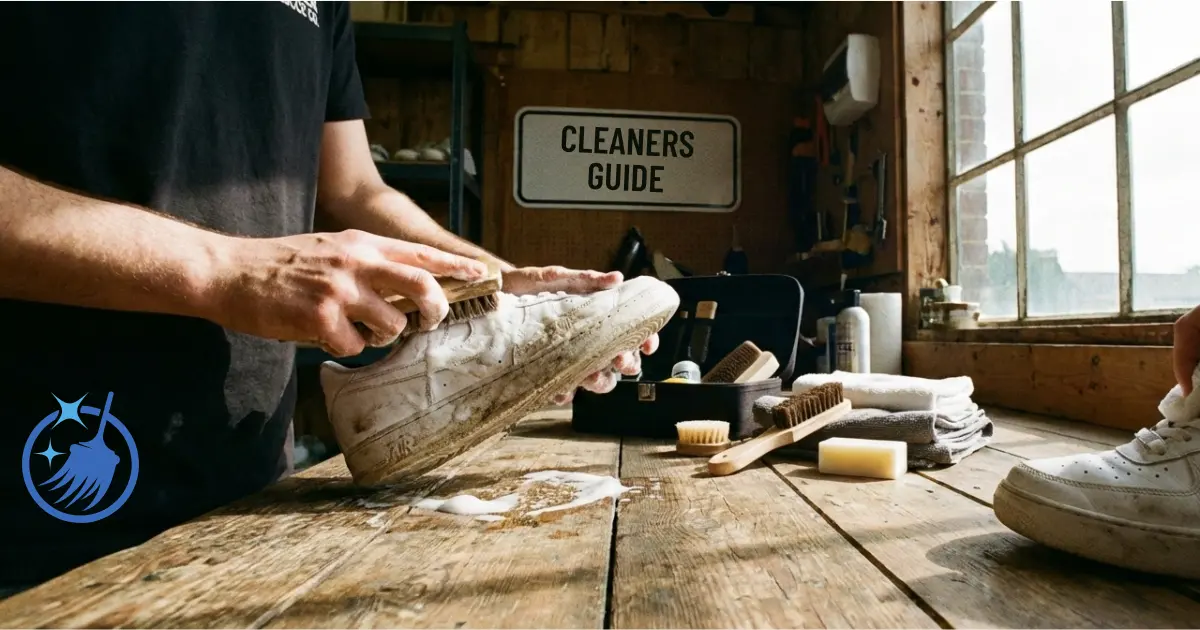
How to clean white trainers is one question I’ve answered hundreds of times in my 18 years as a professional cleaner across the UK. White trainers look fantastic when they’re fresh, but after a few wears, they pick up dirt, scuff marks, and mysterious stains that seem impossible to shift. I’ve cleaned trainers made from every material imaginable, and I can tell you right now that getting them gleaming white again is entirely possible with the right approach.
The trick isn’t buying expensive specialty products. In the next ten minutes, I’ll show you exactly how to clean white trainers using items you probably already have at home, plus the professional techniques I use when clients bring me their “unsalvageable” pairs. Whether your trainers are leather, canvas, mesh, or suede, I’ll walk you through the specific method that actually works.
What you’ll learn:
- Two cleaning methods: a quick 5-minute clean and a thorough deep clean
- How to clean white trainers by material type (leather, canvas, mesh, suede)
- The washing machine method and when it’s safe to use
- How to tackle stubborn stains, yellowing, and scuff marks
- Professional prevention tips that actually keep trainers cleaner for longer
Quick Summary
Time needed: 5 minutes (quick clean) or 30 minutes (deep clean)
Difficulty: Easy
You’ll need: Washing up liquid, bicarbonate of soda, old toothbrush, microfibre cloth
Key takeaway: The right cleaning method depends on your trainer material. Leather needs gentle treatment, canvas can handle more scrubbing, and mesh requires patience.
What You'll Need
The good news? You don’t need a cupboard full of expensive cleaning products. Here’s what actually works:
Essential items:
- Washing up liquid (any brand works)
- Bicarbonate of soda (about £1 from any supermarket)
- White vinegar (50p from Tesco or Asda)
- Old toothbrush or soft-bristle brush
- Microfibre cloths (2-3)
- Warm water
- Kitchen roll or old newspaper
Optional (but helpful):
- Magic Eraser (brilliant for rubber soles)
- The Pink Stuff paste (£1 from B&M or Home Bargains)
- Vanish Oxi Action powder (for stubborn stains)
- Shoe protector spray (I use Crep Protect)
Quick Clean vs Deep Clean: Which Do You Need?
Before you start, work out how dirty your trainers actually are. This determines whether you need five minutes or half an hour.
Quick clean (5 minutes): Use this for trainers worn once or twice that have light surface dirt. You’re essentially doing maintenance to prevent stains from setting in.
Deep clean (30 minutes): This is for trainers that haven’t been cleaned in weeks, have visible stains, or smell a bit off. If you can see dirt in the grooves of the sole, you need a deep clean.
I recommend doing a quick clean after every 2-3 wears and a deep clean monthly. This approach means you’ll never face properly grim trainers that need hours of work.
How to Clean White Trainers: Quick Method
This five-minute method works for all trainer materials when they’re only lightly soiled.
Step 1: Remove laces and give your trainers a bash together outside to knock off any loose dirt.
Step 2: Mix a small bowl of warm water with a squirt of washing up liquid.
Step 3: Dip your microfibre cloth in the soapy water, wring it out so it’s damp (not soaking), and wipe down the entire surface of both trainers.
Step 4: Use an old toothbrush dipped in the soapy water to scrub the soles, getting into any grooves.
Step 5: Wipe everything down with a clean, damp cloth to remove soap residue. Stuff with kitchen roll and leave to air dry.
That’s it. For trainers that aren’t heavily soiled, this quick method keeps them looking fresh without the faff of a full deep clean.
How to Clean White Trainers by Material
Here’s where most guides get it wrong. Not all white trainers are the same, and using the wrong method can damage them. After cleaning hundreds of pairs, I’ve learned exactly what works for each material.
How to Clean White Leather Trainers
Leather is actually one of the easiest materials to clean, but it needs gentle treatment to avoid cracking or discolouration.
Method: Remove laces and insoles first. Mix warm water with a few drops of washing up liquid. Dip a soft cloth into the solution, wring it out well (leather hates excess water), and wipe the entire surface. For stubborn marks, use a very soft toothbrush with gentle circular motions. Wipe away all soap with a clean, damp cloth and dry immediately with a tea towel.
For scuff marks on white leather, a tiny dab of white vinegar on a cotton bud works brilliantly. Test on a hidden area first.
For stubborn stains on leather: Make a paste with bicarbonate of soda and water (2:1 ratio), apply to the stain, leave for 5 minutes, then wipe away with a damp cloth.
How to Clean White Canvas Trainers
Canvas is tougher than leather and can handle more vigorous cleaning. This is the material I get asked about most.
Method: Canvas trainers can go in the washing machine (more on this later), but hand cleaning gives you more control. Remove laces and insoles. Knock off loose dirt. Mix warm water with washing up liquid and use a toothbrush to scrub the canvas in circular motions. Canvas responds well to a bit of elbow grease, so don’t be afraid to scrub.
For the soles, make a paste with bicarbonate of soda and water, apply with an old toothbrush, and scrub thoroughly. The baking soda acts as a gentle abrasive that lifts dirt from the rubber.
Rinse by wiping with a clean, damp cloth multiple times until no soap remains. Stuff with kitchen roll or newspaper and leave to air dry in a well-ventilated spot (not direct sunlight, which can cause yellowing).
How to Clean White Mesh Trainers
Mesh is tricky because it traps dirt between the fibres, but it’s too delicate for aggressive scrubbing.
Method: The key with mesh is patience. Remove laces and insoles. Mix washing up liquid with warm water. Use a soft toothbrush (not one with hard bristles) and gently work the soapy water into the mesh with small circular motions. You’re trying to loosen dirt from the fibres, not scrub them away.
For mesh panels on trainers, I use a cotton bud dipped in soapy water to get into tight areas around the mesh structure. This prevents you from snagging the delicate material.
Rinse by dabbing (not rubbing) with a clean, damp cloth. Mesh takes longer to dry than other materials, so make sure you stuff the trainers well with kitchen roll and leave them somewhere with good airflow.
How to Clean White Suede Trainers
Suede requires completely different treatment. Water and suede are enemies, so forget everything I’ve said about washing up liquid.
Method: You need a suede brush (£3 from shoe shops or Amazon) and a suede rubber (basically a special eraser). Brush the suede gently in one direction to lift the nap and remove surface dirt. For marks, use the suede rubber to gently rub them away.
For stubborn stains on white suede, very lightly dampen a cloth with white vinegar (not water), dab the stain, and brush once dry. This is a last resort because moisture can leave water marks on suede.
How to Clean White Trainers: Deep Clean Method
When your trainers need serious attention, follow this step-by-step deep clean. This works for all materials except suede.
Step 1: Remove Laces and Insoles
Take out the laces and insoles completely. This lets you access every part of the trainer and prevents the insoles from staying damp (which causes unpleasant smells).
Step 2: Dry Brush Loose Dirt
Use a dry brush or old toothbrush to remove any caked-on mud or loose dirt. Do this outside or over a bin. Getting rid of loose dirt now prevents it from turning into mud when you add water.
Step 3: Prepare Your Cleaning Solution
In a bowl, mix warm water with a good squirt of washing up liquid. For heavily soiled trainers, add one tablespoon of bicarbonate of soda to the mix. This creates a gentle cleaning solution that works on most stains.
Step 4: Clean the Upper
Dip your toothbrush in the cleaning solution and scrub the entire upper of the trainer. Work in small sections, using circular motions. Pay extra attention to the toe box and heel, where dirt builds up most.
For leather, use a soft cloth instead of a brush. For canvas and mesh, you can scrub more vigorously. The cleaning solution will start to foam – that’s normal and means it’s working.
Step 5: Tackle the Soles
Make a thick paste with bicarbonate of soda and a small amount of water (roughly 2 parts bicarb to 1 part water). Apply this paste to the soles and rubber sections with an old toothbrush.
Scrub in circular motions, really getting into the grooves and patterns on the sole. The bicarbonate of soda acts as a gentle abrasive that lifts ground-in dirt. For white rubber sections, this paste works absolute wonders.
Step 6: Clean the Tongue and Stitching
The tongue collects sweat and dirt but often gets forgotten. Lift it up and scrub the underside with your toothbrush and cleaning solution. For white stitching, use a cotton bud dipped in the cleaning solution to get into the grooves without oversaturating the surrounding material.
Step 7: Rinse Thoroughly
This step is crucial. Use a clean, damp microfibre cloth to wipe away all the soap residue. You’ll need to rinse the cloth and wipe several times. Any soap left behind will attract dirt and can leave streaks once the trainers dry.
Step 8: Dry Properly
Stuff the trainers with kitchen roll or crumpled newspaper. This absorbs moisture from inside and helps them keep their shape. Change the paper after an hour if it’s soaking wet.
Place the trainers somewhere with good airflow, away from direct heat sources. Don’t put them on a radiator (weakens the glue), in a tumble dryer (can warp them), or in direct sunlight (causes yellowing). A well-ventilated room or near a window works perfectly.
They should be completely dry within 24 hours. If they’re still damp after this, stuff with fresh paper and give them another day.
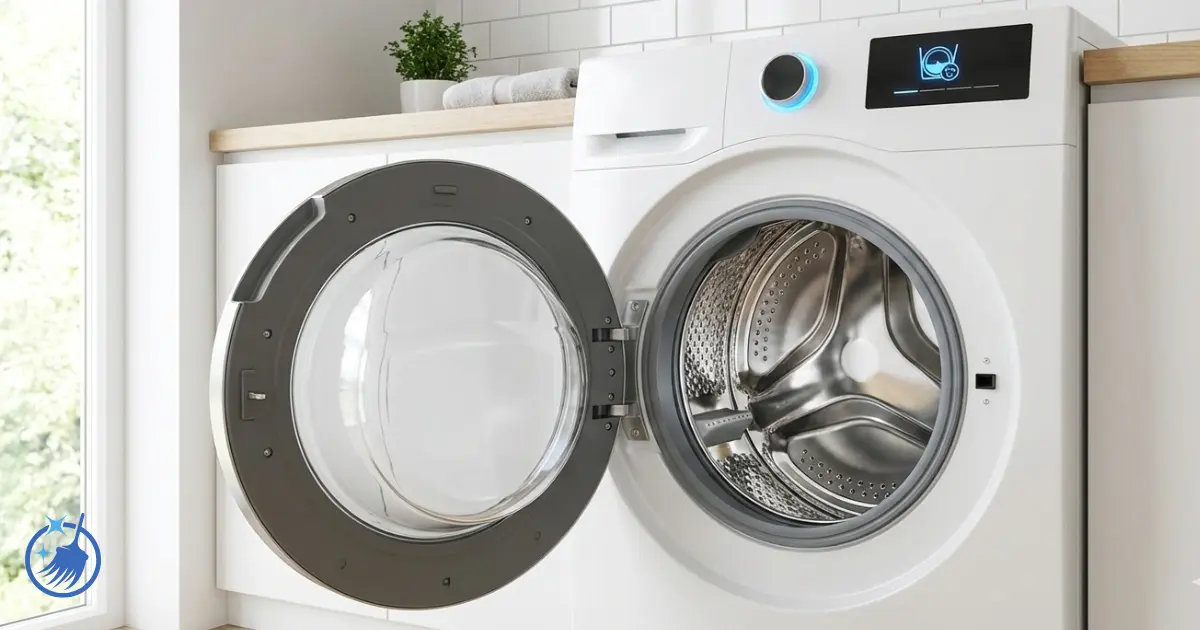
How to Clean White Trainers in a Washing Machine
The washing machine can clean trainers effectively, but only if you do it right. I’ve seen people ruin perfectly good trainers by chucking them in without protection.
Which trainers can go in the washing machine?
- Canvas trainers (Vans, Converse) – Yes
- Fabric/synthetic trainers – Yes
- Mesh trainers – Yes, on gentle cycle
- Leather trainers – No, never
- Suede trainers – Absolutely not
- Trainers with delicate embellishments – No
How to wash white trainers in the machine:
- Remove laces and insoles (wash laces separately in a mesh bag)
- Knock off any loose dirt or mud
- Place trainers in a mesh laundry bag or old pillowcase (protects them and reduces noise)
- Add 2-3 old towels to the wash (cushions the trainers and balances the load)
- Use a gentle or delicate cycle with cold water
- Add half the normal amount of liquid detergent (too much leaves residue)
- Skip the spin cycle if possible, or use the lowest spin setting
After the wash, stuff immediately with kitchen roll and air dry. Never tumble dry trainers.
How to Clean Specific Parts of White Trainers
Sometimes it’s not the whole trainer that needs cleaning – just specific sections. Here’s how to tackle each part.
White rubber soles: Make a paste with bicarbonate of soda and water. Apply with a toothbrush and scrub in circles. For scuff marks, use a Magic Eraser or add a tiny drop of white vinegar to the paste.
White toe caps: These take a beating and often turn grey or yellow. The bicarbonate of soda paste works well, but for stubborn discolouration, leave the paste on for 5-10 minutes before scrubbing.
White stitching: Use a cotton bud dipped in a mixture of washing up liquid and water. Work along each stitch line carefully. For really dirty stitching, an old toothbrush with soft bristles gets into the grooves better.
White mesh panels: Dab (don’t scrub) with a soapy cloth or soft toothbrush. Mesh tears easily if you’re too aggressive, so patience is key.
White laces: Soak in a bowl of warm water with washing up liquid for 20 minutes, then rinse. Alternatively, put them in a mesh bag and run them through the washing machine. Hang to air dry (don’t put wet laces back in trainers).
Tackling Stubborn Stains and Problems
Even with regular cleaning, sometimes trainers develop problems that need specific solutions.
How to Remove Yellowing from White Trainers
Yellowing happens when trainers are exposed to too much sunlight, heat, or when soap residue is left behind. It’s the most common complaint I hear.
Solution: Mix 1 part white vinegar with 2 parts water. Add a tablespoon of bicarbonate of soda (it will fizz). Apply this mixture to the yellowed areas with a cloth or soft brush. Leave for 10 minutes, then scrub gently and rinse thoroughly. For stubborn yellowing, repeat the process or try a paste of bicarbonate of soda and hydrogen peroxide (3% solution, available from chemists).
How to Remove Mud Stains
Never try to clean mud while it’s wet – you’ll just spread it and push it deeper into the material.
Solution: Let the mud dry completely, then brush off as much as possible with a dry brush. Make a solution of washing up liquid and warm water, and scrub the remaining stain with a toothbrush. For canvas, you can be quite vigorous. Rinse thoroughly.
How to Remove Grass Stains
Grass stains are surprisingly stubborn because they contain natural dyes.
Solution: For leather, dab with white vinegar on a cloth. For canvas and fabric, make a paste with washing up liquid and bicarbonate of soda, apply to the stain, and leave for 15 minutes before scrubbing. Vanish Oxi Action powder is also excellent for grass stains on fabric trainers – make a paste with the powder and water, apply, wait 10 minutes, then scrub.
How to Remove Scuff Marks
Black scuff marks on white trainers usually come from other shoes or car pedals.
Solution: A Magic Eraser works brilliantly on rubber areas. For fabric or leather, try a tiny bit of white toothpaste (not gel) on a cloth and rub gently. The mild abrasive in toothpaste can lift scuffs without damaging the material.
Dealing with Persistent Odours
If your trainers smell even after cleaning, the problem is usually in the insoles or deep in the lining.
Solution: Sprinkle bicarbonate of soda inside the trainers and leave overnight (it absorbs odours). Shake out in the morning. Replace insoles if they’re the source of the smell – they’re only a few quid from shoe shops. For really bad smells, place the trainers (without insoles) in a sealed bag with a sock filled with bicarbonate of soda and leave for 48 hours.
Common Mistakes to Avoid
I’ve seen people accidentally damage their trainers through well-meaning but misguided cleaning attempts. Avoid these errors:
1. Using bleach directly on trainers: Bleach weakens fabric fibres, damages glue, and can turn white trainers yellow rather than clean them. If you must use bleach, dilute it heavily (1 part bleach to 5 parts water) and only for stubborn stains on canvas.
2. Soaking trainers in water: Submerging trainers causes the glue to break down and makes them lose shape. Always clean with a damp cloth or brush rather than immersing them.
3. Drying on radiators or in direct sunlight: Heat damages trainers in multiple ways. It weakens glue, can cause materials to crack, and leads to yellowing on white surfaces. Always air dry naturally.
4. Using coloured cleaning products: That blue washing up liquid or gel toothpaste? They can leave stains on white trainers. Stick to clear or white products only.
5. Scrubbing leather too hard: Leather needs gentle treatment. Aggressive scrubbing damages the surface and can cause permanent marks. Use soft cloths and minimal pressure.
6. Putting trainers away damp: This is how you end up with mouldy, smelly trainers. They must be completely bone dry before storage. When in doubt, give them an extra day.
7. Using biological laundry detergent on leather: The enzymes in bio detergents can damage leather. Use non-bio detergent or just washing up liquid.
8. Forgetting to clean the soles: Dirty soles make the whole trainer look grubby, even if the uppers are spotless. Always clean soles and uppers together for the best results.
How Often Should You Clean White Trainers?
The frequency depends on how often you wear them and where you take them. Here’s my recommended schedule:
| Cleaning Task | Frequency | Why |
|---|---|---|
| Quick wipe-down | After every 2-3 wears | Prevents dirt from setting in |
| Spot clean stains | Immediately when noticed | Fresh stains come out much easier |
| Deep clean | Every 3-4 weeks | Removes built-up grime and odours |
| Sole scrub | Every 2 weeks | Soles get dirtiest and affect overall appearance |
| Lace wash | Monthly | Laces yellow quickly and are often forgotten |
| Professional clean | Yearly (optional) | For expensive trainers or stubborn issues |
If you wear your white trainers daily, increase the frequency. If they’re occasional shoes, you can get away with less frequent deep cleans but should still do a quick wipe after each wear.
Best Products for Cleaning White Trainers
You don’t need much, but having the right products makes the job easier. Here’s what I recommend based on budget:
Budget options (under £5 total):
- Washing up liquid (any brand) – 75p
- Bicarbonate of soda (own-brand) – £1
- White vinegar – 50p
- Old toothbrushes you already have
This combination genuinely works for 90% of cleaning jobs. Don’t feel pressure to spend more.
Mid-range additions (£5-£15):
- The Pink Stuff paste (£1 from B&M) – brilliant for rubber soles
- Vanish Oxi Action powder (£4-5) – excellent for stubborn stains
- Magic Eraser pack (£2-3 from Poundland)
- Basic shoe protector spray (£5-7)
Premium options (£15+):
- Crep Protect Ultimate Kit (£15-20) – includes cleaner, brush, and protector
- Jason Markk Premium Shoe Cleaner (£12-15) – concentrated formula
- Reshoevn8r Laundry System (£20-25) – for machine washing
My professional choice: Honestly, for day-to-day cleaning, I stick with washing up liquid and bicarbonate of soda. I only reach for specialty products when I’m dealing with expensive leather trainers or particularly stubborn stains that normal methods haven’t shifted.
Prevention Tips: Keep White Trainers Cleaner for Longer
After cleaning your trainers, these habits will keep them looking good between deep cleans:
1. Apply protector spray: Once trainers are clean and completely dry, spray them with a water and stain repellent. This creates a barrier that repels dirt and liquid. Reapply every month or after each deep clean. I use Crep Protect, but cheaper alternatives from Asda work fine too.
2. Wipe after every wear: Keep a microfibre cloth near your front door. Give your trainers a quick wipe when you take them off. This 30-second habit prevents dirt from setting in.
3. Rotate your trainers: Wearing the same pair every day doesn’t give them time to air out properly and accelerates dirt buildup. If you wear white trainers regularly, invest in a second pair and alternate.
4. Store properly: Don’t chuck white trainers in a pile with other shoes where they’ll get scuffed. Use a shoe rack or keep them in their box. If you won’t wear them for a while, stuff with tissue paper to maintain shape.
5. Check the weather: I know this sounds obvious, but seriously consider whether white trainers are the right choice before heading out. Rainy days and muddy paths are your white trainers’ worst enemies.
6. Use trainer bags in your gym bag: If you carry trainers in a bag with other items, the contents can transfer dirt and marks. A simple fabric bag (or even a plastic carrier) keeps them separate and cleaner.
7. Address stains immediately: The longer a stain sits, the harder it becomes to remove. Got mud on your trainers? Don’t wait until your next scheduled clean. Sort it out that evening.
8. Replace insoles regularly: Insoles absorb sweat and dirt that you can’t see. Swapping them out every 6-12 months keeps the inside of your trainers fresh, which means less odour buildup.
Professional Cleaner's Maintenance Routine
Here’s what I do with my own white trainers:
After every wear: 30-second wipe with a damp cloth
Weekly: Check for any marks and spot clean immediately
Monthly: Full deep clean following the method above
Every 3 months: Wash laces and replace insoles if needed
Twice yearly: Apply fresh protector spray
This routine means my white trainers genuinely stay white, and I never face a mammoth cleaning job.
When to Call It: Knowing When Trainers Are Beyond Saving
I’m all for giving trainers a second chance, but sometimes they’re genuinely past the point of no return. Here are the signs:
- The soles are separating from the uppers (glue failure)
- Fabric has holes or significant tears
- The midsole has compressed completely (no cushioning left)
- Yellowing that won’t shift even after multiple cleaning attempts
- Leather has cracked extensively
- Persistent smell that doesn’t respond to any treatment
If your trainers tick several of these boxes, it’s time to let them go. No amount of cleaning will fix structural damage, and trying to revive completely shot trainers is more effort than they’re worth.
That said, if the structure is sound and they’re just very dirty or stained, I’ve seen trainers that looked hopeless come back to life with the deep cleaning methods in this guide. It’s worth trying before you bin them.
Final Thoughts
Cleaning white trainers isn’t difficult once you know the right approach for your specific material. The biggest mistake most people make is treating all trainers the same way, when leather, canvas, mesh, and suede all need different methods.
I’ve spent nearly two decades cleaning everything from tatty student trainers to £400 designer pairs, and the principles remain the same: identify your material, use the gentlest effective method, never rush the drying process, and prevent problems through regular maintenance. The difference between trainers that stay white for months and ones that look grubby after a week usually comes down to those quick wipe-downs and immediate stain treatment.
Your white trainers can absolutely look box-fresh again. Take your time with the cleaning process, use the right method for your material, and build in those preventative habits that stop dirt from accumulating in the first place.
Frequently Asked Questions
Can you put white trainers in the washing machine?
Yes, but only canvas, fabric, and mesh trainers. Never machine wash leather or suede trainers as the water and agitation damage these materials. Place trainers in a mesh laundry bag with old towels, use a gentle cycle with cold water, and air dry completely afterwards. Remove laces and insoles before washing.
How do you clean white trainers without turning them yellow?
Yellowing happens from sunlight, heat, or soap residue. To prevent it, rinse thoroughly after cleaning to remove all soap, dry trainers away from direct sunlight and heat sources, and store in a cool, dry place. If yellowing has already occurred, treat with a mixture of white vinegar, water, and bicarbonate of soda.
What is the best thing to clean white trainers with?
A mixture of washing up liquid and warm water works for most materials and situations. For stubborn stains, bicarbonate of soda paste is highly effective. These basic products clean just as well as expensive specialty trainers cleaners and cost under £2 total.
How do I clean white leather trainers at home?
Use a soft cloth dampened (not soaked) with warm water and a drop of washing up liquid. Wipe the leather gently, then remove all soap with a clean damp cloth. Dry immediately with a towel. For scuff marks, use a tiny amount of white vinegar on a cotton bud. Never soak leather or use harsh scrubbing.
Does bicarbonate of soda clean white trainers?
Yes, bicarbonate of soda is excellent for cleaning white trainers, especially the soles. Make a paste with water and bicarbonate of soda (2:1 ratio) and scrub with an old toothbrush. It acts as a gentle abrasive that lifts dirt without damaging materials. It also works well for removing odours.
How often should I clean my white trainers?
Do a quick wipe-down after every 2-3 wears to prevent dirt from setting in. Perform a thorough deep clean every 3-4 weeks if you wear them regularly. Spot clean stains immediately when you notice them. The more proactive you are with maintenance, the less time you’ll spend on intensive cleaning.
Can you use toothpaste to clean white trainers?
Yes, white toothpaste (not gel or coloured varieties) can clean white trainers effectively, particularly for small scuffs and marks. Apply a small amount to a cloth or toothbrush, rub gently in circles, then wipe away with a damp cloth. However, bicarbonate of soda paste works just as well and is cheaper.
How do you remove yellow stains from white trainers?
Mix one part white vinegar with two parts water, add a tablespoon of bicarbonate of soda, and apply to yellowed areas. Leave for 10 minutes, scrub gently, and rinse thoroughly. For stubborn yellowing, make a paste with bicarbonate of soda and hydrogen peroxide (3% solution), apply, leave for 15 minutes, then rinse.
How do you clean white mesh trainers?
Remove laces and insoles. Soak trainers in warm soapy water for 10 minutes to loosen dirt. Use a soft toothbrush with gentle circular motions to clean the mesh, taking care not to snag the delicate material. Dab (don’t rub) with a damp cloth to rinse. Stuff with kitchen roll and air dry in a well-ventilated area.
What should I avoid when cleaning white trainers?
Never use bleach directly on trainers, don’t soak them in water, avoid drying on radiators or in direct sunlight, don’t use coloured cleaning products, never scrub leather aggressively, and don’t put trainers away damp. These common mistakes cause yellowing, glue failure, material damage, and mould growth.
How do you clean white trainers that have gone grey?
Grey discolouration usually means embedded dirt. Do a thorough deep clean: remove laces, brush off loose dirt, scrub with washing up liquid and a toothbrush, and pay extra attention to the soles with bicarbonate of soda paste. For canvas trainers, a washing machine cycle often restores brightness. Rinse thoroughly and air dry completely.
Can I use The Pink Stuff on white trainers?
Yes, The Pink Stuff paste works brilliantly on rubber soles and white rubber sections of trainers. Apply a small amount to a damp cloth or toothbrush and scrub the rubber areas. It’s particularly effective for scuff marks and ground-in dirt. Avoid using it on leather or delicate mesh as it’s quite abrasive.
You May Also Like
How to Clean Trainers: Complete Guide for All Materials
How to Clean UGGs: Complete Care Guide for Sheepskin Boots