How to Clean Artificial Grass: Complete Maintenance Guide

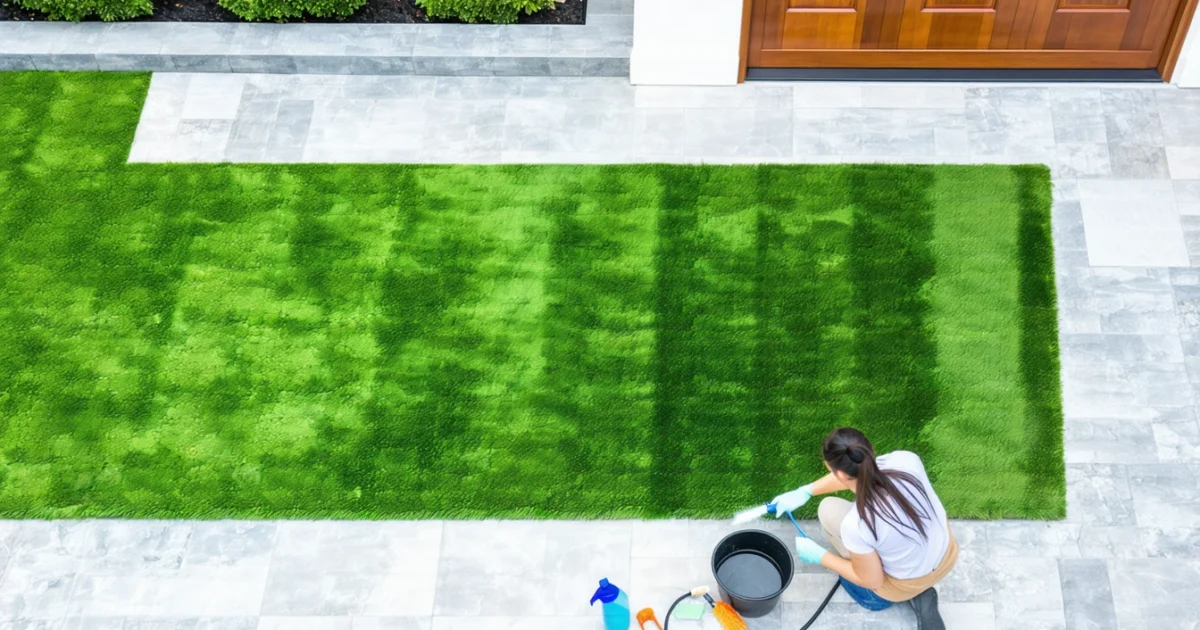
Learning how to clean artificial grass properly extends its lifespan and keeps your outdoor space looking pristine year-round. Regular maintenance involves simple weekly debris removal, monthly rinsing, and occasional deep cleaning with the right tools and techniques. Most homeowners can maintain their synthetic turf using basic household supplies like mild detergent, white vinegar, and a stiff brush.
Effective artificial grass cleaning requires understanding which products are safe for synthetic fibers and which can cause permanent damage. Additionally, proper cleaning techniques help maintain the grass’s natural appearance while preventing common issues like matted fibers, persistent odors, and drainage problems.
Whether you’re dealing with pet waste, food spills, or general dirt accumulation, the right cleaning approach ensures your artificial lawn remains hygienic and visually appealing. Furthermore, seasonal maintenance schedules help address specific challenges like autumn leaf buildup and winter debris.
TL;DR
- Weekly maintenance: Remove debris with leaf blower or rake, rinse monthly with garden hose
- Safe cleaning solutions: Use mild detergent, white vinegar, or baking soda – avoid harsh chemicals and bleach
- Pet waste management: Clean immediately with enzyme cleaners for urine spots and antimicrobial treatments
- Proper tools: Stiff brush, artificial grass rake, and pressure washer on low settings when needed
- Seasonal deep cleaning: Schedule thorough cleaning in spring and autumn for optimal maintenance
Essential Tools and Supplies for Artificial Grass Cleaning
Successful artificial grass maintenance depends on having the right tools and cleaning supplies for different types of debris and stains. Moreover, using appropriate equipment prevents damage to synthetic fibers while ensuring thorough cleaning results. The following essential items form the foundation of any effective artificial grass cleaning kit.
Basic Cleaning Tools
A stiff-bristled brush serves as the primary tool for removing embedded dirt and restoring fiber alignment. Additionally, natural bristle brushes work better than wire brushes, which can damage synthetic grass fibers. Leaf blowers efficiently remove loose debris like leaves, paper, and surface dirt without requiring physical contact with the grass.
Your garden hose provides essential rinsing power for regular maintenance and cleaning solution removal. Furthermore, adjustable spray nozzles allow you to control water pressure and coverage area. A standard garden sprayer attachment works perfectly for applying cleaning solutions evenly across larger areas.
Specialized Equipment
An artificial grass rake features specially designed tines that lift matted fibers without causing damage. These rakes typically have plastic or rubber tines that gently separate grass blades and restore their upright position. Power brushes or mechanical brooms provide deeper cleaning for heavily trafficked areas where manual brushing becomes impractical.
Pressure washers on low settings effectively remove stubborn stains and deep-seated dirt. However, maintaining proper distance and pressure prevents fiber damage while achieving thorough cleaning results. Most artificial grass manufacturers recommend pressure settings below 2000 PSI for safe cleaning.
Safe Cleaning Solutions
Mild detergent mixed with warm water creates an effective general-purpose cleaning solution for most stains and odors. Specifically, dish soap or laundry detergent diluted at a 1:10 ratio provides adequate cleaning power without harsh chemicals. White vinegar naturally neutralizes odors and breaks down organic stains while being completely safe for synthetic grass fibers.
Baking soda absorbs odors and provides gentle abrasive action for stubborn stains. This natural cleaning agent works particularly well for grease spots and pet-related odors. Additionally, baking soda paste made with water effectively tackles dried-on stains without damaging grass fibers.
Avoid These Harmful Products
Pet-Specific Cleaners
Enzyme cleaners specifically target organic waste by breaking down proteins and eliminating odor-causing bacteria. These biological cleaners work particularly well for pet urine spots and food spills. Antimicrobial solutions designed for artificial grass provide ongoing protection against bacteria and fungi growth in pet areas.
Commercial artificial grass cleaners often combine enzyme action with antimicrobial properties for comprehensive pet waste management. Furthermore, these specialized products typically contain safe ingredients that won’t harm pets or children after application and drying.
Safety Equipment and Protective Gear
Rubber gloves protect hands from cleaning chemicals and debris while providing better grip on wet tools. Additionally, safety glasses prevent splashing cleaning solutions from reaching eyes during application and rinsing. Non-slip footwear ensures safe movement on wet artificial grass surfaces during cleaning operations.
Knee pads become essential for detailed spot cleaning and manual brushing tasks. Moreover, having a first aid kit nearby ensures quick response to minor cuts or chemical exposure incidents during cleaning activities.
| Tool Category | Essential Items | Primary Use |
|---|---|---|
| Basic Tools | Stiff brush, leaf blower, garden hose | Daily maintenance and debris removal |
| Specialized Equipment | Artificial grass rake, power brush | Fiber restoration and deep cleaning |
| Cleaning Solutions | Mild detergent, white vinegar, baking soda | Stain removal and odor control |
| Pet Cleaners | Enzyme cleaners, antimicrobial solutions | Pet waste management |
| Safety Gear | Gloves, safety glasses, non-slip shoes | Personal protection during cleaning |
Regular Maintenance Cleaning Routine
Establishing a consistent cleaning schedule keeps artificial grass looking pristine while extending its lifespan significantly. Regular maintenance prevents debris accumulation that can damage fibers and create unsightly appearance issues. Moreover, systematic cleaning routines reduce the need for intensive deep cleaning sessions.
Weekly Debris Removal
Weekly leaf blowing removes surface debris before it settles into the grass fibers. Use a leaf blower on low to medium setting to avoid displacing infill materials. Additionally, manual raking with a plastic rake works effectively for smaller areas or when noise restrictions apply.
Timing debris removal after windy weather or storms prevents organic matter from decomposing within the grass structure. Furthermore, weekly cleaning sessions typically require only 15-20 minutes for average-sized lawns, making this maintenance task highly manageable.
Monthly Hosing and Rinsing
Monthly hosing removes accumulated dust, pollen, and light staining from artificial grass surfaces. Use a standard garden hose with moderate water pressure to avoid damaging the backing material. Start from one end and work systematically across the entire surface for complete coverage.
Rinse thoroughly after applying any cleaning solutions to prevent residue buildup. Additionally, proper drainage ensures water doesn’t pool on the surface, which could lead to mold or mildew development in humid conditions.
Fiber Orientation Maintenance
Cross-directional brushing maintains proper fiber orientation and prevents matting from foot traffic. Use a stiff-bristled brush or specialized artificial grass rake to restore the natural grass appearance. Brush against the grain first, then finish by brushing in the natural direction.
High-traffic areas require more frequent brushing to maintain fiber resilience. Furthermore, proper brushing technique distributes infill materials evenly, ensuring optimal drainage and cushioning properties throughout the surface.
Seasonal Deep Cleaning Schedule
Quarterly deep cleaning addresses embedded dirt and stubborn stains that regular maintenance cannot remove. Spring cleaning focuses on winter debris removal and fiber restoration after dormant months. Summer sessions target UV protection and heat-related maintenance needs.
Autumn deep cleaning prepares artificial grass for winter weather by removing fallen leaves and organic matter. Winter maintenance emphasizes drainage checks and ice prevention measures. Each seasonal cleaning session should include comprehensive inspection and targeted treatment of problem areas.
Inspection and Damage Assessment
Regular inspections identify early signs of wear before they become costly repair issues. Check for loose seams, damaged fibers, and drainage problems during each cleaning session. Additionally, monitor infill levels and redistribute materials as needed to maintain proper cushioning.
Document any damage with photos and measurements for warranty claims or professional repair consultations. Early intervention prevents minor issues from spreading and compromising the entire installation’s integrity.
Maintenance Schedule Tip
| Frequency | Task | Time Required | Key Focus |
|---|---|---|---|
| Weekly | Debris removal | 15-20 minutes | Leaf blowing, light raking |
| Monthly | Hosing and rinsing | 30-45 minutes | Dust removal, drainage check |
| Quarterly | Deep cleaning | 2-3 hours | Fiber restoration, stain treatment |
| Ongoing | Inspection | 5-10 minutes | Damage assessment, wear monitoring |
Removing Common Stains and Spills
Different stains require specific removal techniques to prevent permanent damage to artificial grass fibers. Quick action prevents spills from penetrating deep into the backing material and infill layers. Moreover, proper cleaning methods preserve the synthetic turf’s appearance and extend its lifespan significantly.
Food and Beverage Spill Cleanup
Food spills respond best to immediate removal before they harden or attract insects. Scrape away solid particles using a plastic spatula, then rinse the area with cold water to dilute remaining residue. Subsequently, apply a mixture of warm water and mild detergent to break down oils and sugars.
Beverage stains from coffee, wine, or fruit juices require prompt attention to prevent color absorption. Blot liquid spills with absorbent cloths rather than rubbing, which spreads the stain further. Then, flush the area thoroughly with clean water and apply a gentle cleaning solution if discoloration persists.
Oil and Grease Stain Removal
Oil-based stains penetrate synthetic fibers quickly and require specialized treatment approaches. Absorb fresh oil spills immediately using paper towels or absorbent granules to prevent spreading. Next, apply a degreasing agent specifically designed for artificial surfaces to break down petroleum-based substances.
Stubborn grease marks respond well to white vinegar solutions mixed with warm water in equal proportions. Allow the solution to sit for 10-15 minutes before scrubbing gently with a soft brush. Finally, rinse thoroughly to remove all cleaning residue and prevent fiber damage from prolonged chemical exposure.
Mud and Dirt Cleaning Techniques
Mud removal becomes easier when you allow wet soil to dry completely before attempting cleanup. Dried mud breaks away from synthetic fibers more readily than wet clay, which can smear and penetrate deeper. Therefore, patience during the drying process saves time and effort during removal.
Use a stiff brush to loosen dried mud particles, working against the grain direction to lift debris effectively. Follow this with thorough hosing to wash away loosened soil and restore the grass’s natural appearance. Additionally, check infill levels after mud removal, as heavy soil deposits can displace sand or rubber granules.
Paint and Adhesive Removal Strategies
Water-based paint requires immediate action while still wet for successful removal. Blot excess paint without spreading, then rinse continuously with cold water until the area runs clear. However, latex paints that have dried may need gentle scraping with plastic tools before water treatment.
Adhesive residues from tape or stickers respond to careful heating with warm water applications. Soak the affected area for several minutes to soften the adhesive bond before attempting removal. Furthermore, commercial adhesive removers designed for synthetic materials can dissolve stubborn residues without damaging the grass fibers.
For detailed guidance on removing paint from various surfaces, our comprehensive paint brush cleaning guide offers additional techniques that can be adapted for artificial grass maintenance.
Blood and Organic Matter Cleanup
Blood stains require cold water treatment exclusively, as hot water sets protein-based stains permanently into synthetic fibers. Rinse fresh blood immediately with cold running water, working from the outside of the stain toward the center. Consequently, this prevents the stain from spreading to clean areas.
Organic matter such as vomit or food waste needs careful removal to prevent bacterial growth and odor development. Remove solid particles first, then apply an enzymatic cleaner specifically formulated for artificial grass surfaces. These cleaners break down organic compounds naturally without harsh chemicals that might damage synthetic materials.
Important Safety Note
Persistent odors from organic stains often require baking soda treatment after initial cleaning. Sprinkle baking soda over the affected area and let it absorb odors overnight before brushing away and rinsing. This natural deodorizing method neutralizes smells without introducing harsh chemicals to your artificial lawn surface.
Pet Waste and Odor Management
Pet waste creates the most challenging cleaning scenarios for artificial grass owners. Immediate removal prevents bacterial growth and minimizes odor penetration into synthetic fibers. Additionally, proper treatment techniques ensure your artificial lawn remains hygienic and odor-free for years.
Immediate Solid Waste Removal Procedures
Solid waste removal requires swift action to prevent staining and bacterial contamination. Pick up solid matter immediately using disposable gloves or waste bags. Subsequently, rinse the affected area with cold water to remove residual particles and prevent odor absorption.
Never use hot water for initial rinsing, as heat sets protein-based stains permanently into synthetic grass fibers. Furthermore, avoid scrubbing motions that might damage the artificial turf structure or push waste deeper into the backing material.
Urine Spot Treatment with Enzyme Cleaners
Dog urine treatment demands specialized enzymatic cleaners that break down ammonia compounds naturally. These biological cleaners eliminate odor-causing bacteria rather than masking smells with fragrances. Moreover, enzyme-based solutions work continuously for hours after application, ensuring complete odor neutralization.
- Apply enzyme cleaner directly to urine spots
- Allow 15-20 minutes contact time for bacterial breakdown
- Rinse thoroughly with cold water
- Repeat treatment for persistent odors
Commercial artificial grass cleaners specifically formulated for pet waste offer superior results compared to household products. These specialized solutions contain targeted enzymes that neutralize pet odors without damaging synthetic grass fibers or backing materials.
Deep Cleaning for Persistent Odors
Persistent odor elimination requires deep cleaning techniques that penetrate the grass backing and infill materials. Vinegar solutions offer natural deodorizing properties when mixed with water at a 1:1 ratio. However, test vinegar treatments in inconspicuous areas first to ensure color stability.
Baking soda applications provide excellent odor absorption for stubborn smells that resist liquid treatments. Sprinkle baking soda generously over affected areas and allow overnight contact time. Consequently, brush away the powder and rinse thoroughly to remove residual particles.
Important Safety Note
Antimicrobial Treatment Applications
Antimicrobial treatments prevent bacterial growth and eliminate health risks associated with pet waste contamination. Professional-grade disinfectants designed for artificial grass kill 99.9% of bacteria without causing fiber degradation or color fading.
Apply antimicrobial solutions using garden sprayers for even coverage across large areas. Focus particularly on high-traffic zones where pets frequently eliminate waste. Additionally, these treatments create protective barriers that inhibit future bacterial colonization.
Prevention Strategies for Pet Areas
Prevention strategies significantly reduce cleaning frequency and maintain artificial grass hygiene. Train pets to use designated elimination areas with proper drainage systems. Furthermore, regular maintenance schedules prevent odor buildup and extend your artificial lawn’s lifespan.
- Install drainage systems beneath pet areas
- Schedule weekly antimicrobial treatments
- Rinse pet areas daily with water
- Apply enzyme cleaners monthly as preventive maintenance
- Replace infill materials annually in high-use zones
Regular brushing prevents waste particles from embedding deeply into artificial grass fibers. Use stiff-bristled brushes designed for synthetic turf to maintain proper drainage and prevent bacterial accumulation in infill materials.
Pressure Washing Artificial Grass Safely
Pressure washing artificial grass requires careful consideration of timing, equipment settings, and technique to avoid permanent damage. While high-pressure cleaning effectively removes stubborn debris and deep-seated contaminants, improper application can destroy synthetic fibers and compromise your lawn’s appearance. Understanding when pressure washing is appropriate helps homeowners make informed decisions about their artificial grass maintenance.
When Pressure Washing Is Appropriate
Heavy contamination situations warrant pressure washing artificial grass when standard cleaning methods prove insufficient. These include oil spills, paint splatters, chewing gum removal, and accumulated organic matter from trees or bird droppings. Additionally, artificial grass installations older than five years benefit from annual pressure washing to restore fiber resilience and remove embedded particles.
Pressure washing becomes necessary when infill materials compact excessively or when drainage systems show signs of blockage. Furthermore, commercial artificial grass installations in high-traffic areas require pressure washing every six months to maintain hygiene standards and aesthetic appeal.
Important Warning
Proper Pressure Settings and Nozzle Selection
Pressure settings between 1,500-2,000 PSI provide optimal cleaning power without damaging synthetic fibers. Professional artificial grass manufacturers recommend starting with lower pressures and gradually increasing intensity based on contamination levels. Moreover, water temperature should remain below 60°C to prevent fiber melting and color degradation.
Nozzle selection significantly impacts cleaning effectiveness and safety. 25-degree fan nozzles distribute pressure evenly across artificial grass surfaces while maintaining adequate cleaning force. Conversely, zero-degree nozzles concentrate pressure into narrow streams that can cut through synthetic fibers and damage backing materials.
| Nozzle Type | Spray Angle | Recommended Use | Distance Required |
|---|---|---|---|
| 25-degree fan | Wide coverage | General cleaning | 12-18 inches |
| 40-degree fan | Gentle spread | Delicate areas | 8-12 inches |
| Soap nozzle | Low pressure | Pre-treatment | 6-10 inches |
Technique for Avoiding Fiber Damage
Proper pressure washing technique involves maintaining consistent distance and movement patterns to prevent fiber damage. Hold the nozzle 12-18 inches from the artificial grass surface while moving in overlapping passes. Additionally, spray at acute angles rather than perpendicular to the surface to minimize fiber stress and promote natural drainage.
Movement speed directly affects cleaning results and fiber integrity. Slow, deliberate passes allow adequate contact time for soil removal while preventing concentrated pressure exposure. Furthermore, work systematically across the artificial grass surface to ensure even cleaning coverage without missing contaminated areas.
Fiber direction awareness prevents matting and maintains artificial grass appearance. Always pressure wash against the natural fiber lay to lift debris effectively while promoting proper fiber alignment. Consequently, finish each section by brushing fibers back to their original position using specialized artificial grass rakes.
Pre-treatment and Post-wash Procedures
Pre-treatment procedures maximize pressure washing effectiveness while protecting artificial grass integrity. Begin by removing loose debris using leaf blowers or stiff brushes to prevent particle abrasion during high-pressure cleaning. Subsequently, apply specialized artificial grass detergents to break down organic matter and reduce required pressure levels.
Soaking time between 10-15 minutes allows cleaning solutions to penetrate contaminated areas effectively. This pre-treatment reduces the mechanical force needed during pressure washing and minimizes fiber stress. Moreover, targeted spot treatments on heavily soiled areas prevent the need for aggressive cleaning techniques.
- Remove all furniture and decorative elements from artificial grass
- Clear debris using leaf blowers or manual collection
- Apply pH-neutral detergent solution evenly across surface
- Allow 10-15 minutes contact time for soil breakdown
- Test pressure settings on inconspicuous areas first
Post-wash procedures ensure proper artificial grass recovery and longevity. Rinse thoroughly with clean water to remove detergent residues that can attract dirt and compromise fiber integrity. Additionally, redistribute infill materials using specialized rakes to restore proper drainage and cushioning properties.
Alternative High-Pressure Cleaning Methods
Steam cleaning provides effective high-pressure alternatives for artificial grass maintenance without water waste concerns. Steam temperatures reaching 100°C kill bacteria and break down organic matter while using minimal water volumes. Furthermore, steam cleaning eliminates the need for chemical detergents that can accumulate in artificial grass systems.
Rotary surface cleaners offer controlled pressure distribution for large artificial grass installations. These attachments maintain consistent cleaning distance while providing even pressure coverage across synthetic surfaces. Additionally, rotary cleaners reduce operator fatigue and ensure uniform cleaning results compared to handheld pressure washing techniques.
Professional artificial grass cleaning machines combine vacuum extraction with controlled pressure washing for optimal results. These specialized systems remove loosened debris immediately while preventing recontamination of cleaned areas. Moreover, professional cleaning services utilize equipment specifically calibrated for synthetic turf maintenance requirements.
Pros
- Removes embedded contaminants effectively
- Restores artificial grass appearance
- Eliminates bacterial growth
- Improves drainage performance
Cons
- Risk of fiber damage if misused
- Requires specialized equipment
- Water consumption concerns
- Potential infill displacement
Natural Cleaning Solutions and DIY Methods
Natural cleaning solutions offer effective, eco-friendly alternatives for artificial grass maintenance without harsh chemicals. These homemade preparations clean synthetic turf while protecting fiber integrity and environmental safety. Moreover, DIY cleaning methods provide cost-effective solutions that rival commercial artificial grass cleaners.
White Vinegar Solution Preparation and Application
White vinegar creates powerful cleaning solutions that dissolve organic stains and neutralize odors on artificial grass surfaces. Mix one part white vinegar with four parts warm water to create an effective cleaning concentrate. This acidic solution breaks down pet urine deposits, food stains, and bacterial buildup without damaging synthetic fibers.
Apply vinegar solution using spray bottles for targeted stain treatment or garden sprayers for larger areas. Allow the solution to penetrate for 10-15 minutes before scrubbing with soft-bristled brushes. Subsequently, rinse thoroughly with clean water to prevent vinegar residue from attracting dirt particles.
Vinegar Application Tip
Baking Soda Treatment for Odor Control
Baking soda provides exceptional odor absorption and deodorizing properties for artificial grass maintenance. Sprinkle generous amounts of baking soda directly onto affected areas, particularly where pet odors persist. This alkaline compound neutralizes acidic odor molecules while absorbing moisture that harbors bacterial growth.
Allow baking soda to remain on artificial grass surfaces for 2-4 hours or overnight for stubborn odors. Brush the powder into grass fibers using stiff brushes to maximize contact with odor sources. Finally, rinse away dissolved baking soda with water or vacuum dry powder residues using shop vacuums.
Create baking soda paste by mixing three parts baking soda with one part water for concentrated stain treatment. This thick paste adheres to vertical surfaces and provides extended contact time for deep cleaning. Additionally, baking soda paste works effectively on grease stains and organic matter buildup.
Dish Soap and Water Mixture Guidelines
Mild dish soap creates gentle yet effective cleaning solutions suitable for regular artificial grass maintenance. Mix two tablespoons of liquid dish soap with one gallon of warm water to create a balanced cleaning solution. This concentration provides adequate cleaning power while preventing excessive suds that complicate rinsing procedures.
Choose biodegradable dish soaps without harsh chemicals, dyes, or fragrances that can damage synthetic grass fibers. Dawn, Fairy Liquid, and similar gentle formulations work effectively for artificial grass cleaning applications. Furthermore, these mild detergents break down oils and organic matter without leaving harmful residues.
| Cleaning Task | Soap Concentration | Application Method |
|---|---|---|
| Light cleaning | 1 tbsp per gallon | Spray application |
| General maintenance | 2 tbsp per gallon | Mop or brush |
| Heavy soiling | 3 tbsp per gallon | Scrub and rinse |
Essential Oil Additions for Freshening
Essential oils enhance natural cleaning solutions while providing pleasant fragrances and antimicrobial properties. Add 5-10 drops of essential oil per gallon of cleaning solution to create aromatic artificial grass treatments. Tea tree oil, lavender, and eucalyptus oils offer natural antibacterial benefits alongside fresh scents.
Peppermint oil provides natural pest deterrent properties while freshening artificial grass areas. This essential oil repels ants, spiders, and other insects that may inhabit synthetic turf environments. Similarly, citrus oils like lemon and orange create uplifting fragrances while providing natural degreasing properties.
Dilute essential oils properly to prevent fiber damage or overwhelming fragrances. Mix oils with carrier solutions like vinegar or dish soap before adding to water-based cleaners. Additionally, essential oil combinations create custom fragrances tailored to personal preferences and seasonal variations.
Cost-Effective Homemade Cleaning Recipes
Complete DIY cleaning recipes provide significant cost savings compared to commercial artificial grass cleaners. These homemade solutions typically cost 70-80% less than branded products while delivering comparable cleaning effectiveness. Moreover, natural ingredients offer safer alternatives for households with children and pets.
- All-Purpose Cleaner: 1 cup white vinegar, 1 cup water, 2 tbsp dish soap, 10 drops tea tree oil
- Odor Eliminator: 1/2 cup baking soda, 1 cup warm water, 1 tbsp liquid soap, 5 drops lavender oil
- Stain Remover: 2 cups white vinegar, 1 cup water, 3 tbsp baking soda, 1 tbsp dish soap
- Pet-Safe Formula: 1 cup water, 1/4 cup white vinegar, 1 tbsp gentle dish soap
Store homemade cleaning solutions in labeled spray bottles for convenient application and future use. These preparations remain effective for 2-3 weeks when stored in cool, dark locations. However, mix fresh solutions monthly to maintain optimal cleaning performance and prevent ingredient separation.
Test all homemade cleaning recipes on small, inconspicuous areas before full application. Different artificial grass manufacturers use varying backing materials and fiber treatments that may react differently to cleaning solutions. Similar testing principles apply to other synthetic cleaning projects where material compatibility matters significantly.
Infill Cleaning and Maintenance
Artificial grass infill requires regular maintenance to preserve drainage, cushioning, and aesthetic appeal. Sand infill typically needs cleaning every 6-12 months, while rubber granules demand attention every 3-6 months due to their tendency to trap organic matter. Consequently, proper infill maintenance extends artificial grass lifespan by preventing bacterial growth and maintaining structural integrity.
Identifying When Infill Needs Cleaning
Several indicators signal that infill cleaning becomes necessary for optimal artificial grass performance. Firstly, visible discoloration or dark patches suggest bacterial buildup within the infill material. Additionally, persistent odors emanating from the grass surface indicate decomposing organic matter trapped between infill particles.
Drainage problems represent another critical warning sign requiring immediate attention. When water pools on the surface instead of draining through the backing, compacted infill likely blocks proper water flow. Furthermore, flattened grass blades that fail to spring back after foot traffic suggest insufficient infill support beneath the synthetic fibers.
- Discolored or darkened infill areas
- Persistent unpleasant odors
- Poor drainage and water pooling
- Flattened grass blade appearance
- Visible debris accumulation
- Increased pest activity
Sand and Rubber Infill Cleaning Methods
Sand infill cleaning requires gentle techniques that preserve particle integrity while removing contaminants. Begin by using a stiff brush to agitate the sand, loosening trapped debris and organic matter. Subsequently, apply a diluted vinegar solution (1:4 ratio with water) to neutralize bacteria and eliminate odors naturally.
Power washing provides effective deep cleaning for sand infill systems when performed correctly. Use low pressure settings (1000-1500 PSI) to avoid displacing infill particles while thoroughly rinsing contaminated areas. However, allow 24-48 hours drying time before resuming normal grass usage to prevent moisture-related issues.
Rubber granule cleaning demands different approaches due to material composition and contamination patterns. Initially, rake the surface to redistribute granules and expose buried debris to cleaning solutions. Then, apply enzyme-based cleaners specifically designed for rubber infill to break down organic compounds effectively.
Pressure Washing Precaution
Organic Infill Maintenance Procedures
Organic infill materials such as cork, coconut fibers, or recycled materials require specialized maintenance approaches. These natural substances decompose over time, creating nutrient-rich environments that attract bacteria and insects. Therefore, monthly inspections become essential for identifying early signs of degradation or contamination.
Gentle rinsing with clean water removes surface debris from organic infill without disrupting the material structure. Additionally, antimicrobial treatments using diluted hydrogen peroxide solutions (1:10 ratio) help control bacterial growth while preserving infill integrity. However, avoid harsh chemicals that accelerate organic material breakdown.
Regular aeration prevents compaction in organic infill systems by maintaining proper air circulation. Use a garden fork or specialized aerating tool to create small holes throughout the grass surface. This process enhances drainage while reducing anaerobic conditions that promote harmful bacterial growth.
Infill Replacement Indicators
Complete infill replacement becomes necessary when cleaning procedures fail to restore proper function and appearance. Persistent odors despite thorough cleaning indicate deep contamination requiring fresh infill material. Similarly, significant volume loss exceeding 30% suggests that infill particles have migrated or degraded beyond acceptable levels.
Color changes in sand or rubber infill often signal chemical breakdown or contamination that cleaning cannot reverse. Moreover, when grass blades remain permanently flattened after infill cleaning, insufficient material density requires complete replacement rather than supplemental additions.
| Replacement Indicator | Sand Infill | Rubber Infill | Organic Infill |
|---|---|---|---|
| Persistent Odors | 12-18 months | 8-12 months | 6-9 months |
| Volume Loss >30% | Replace immediately | Replace immediately | Replace immediately |
| Color Changes | Assess contamination | Replace if widespread | Natural aging acceptable |
| Drainage Failure | Deep clean first | Replace if cleaning fails | Replace organic matter |
Professional Infill Cleaning Services
Professional infill cleaning services utilize specialized equipment and techniques unavailable to homeowners. These companies employ truck-mounted vacuum systems that extract contaminated infill while simultaneously deep cleaning remaining particles. Furthermore, professional services can identify underlying drainage issues that contribute to recurring infill problems.
Commercial cleaning operations typically cost £2-4 per square meter depending on infill type and contamination severity. However, professional cleaning extends infill lifespan by 40-60% compared to DIY maintenance alone. Additionally, many services offer annual maintenance contracts that include regular inspections and preventive treatments.
Specialized antimicrobial treatments applied by professionals provide longer-lasting protection against bacterial growth and odor development. These commercial-grade solutions penetrate deeper into infill materials than household cleaners, creating protective barriers that resist future contamination. Professional outdoor cleaning services often extend their expertise to artificial grass maintenance, offering comprehensive solutions for synthetic surface care.
Professional infill cleaning extends material lifespan by 40-60% compared to DIY maintenance alone
Seasonal Deep Cleaning Procedures
Seasonal cleaning schedules maximize artificial grass performance throughout the year. Each season presents unique challenges that require specific maintenance approaches. Therefore, adapting cleaning procedures to seasonal conditions preserves turf appearance and extends material lifespan significantly.
Spring Cleaning After Winter Debris
Spring cleaning removes accumulated winter debris and restores artificial grass vitality after months of limited maintenance. Winter debris includes fallen leaves, twigs, salt residue, and compacted organic matter that can damage synthetic fibers. Additionally, spring cleaning addresses drainage issues caused by frozen ground conditions during winter months.
Begin spring maintenance with thorough debris removal using a leaf blower or stiff brush. Subsequently, power wash the entire surface with medium pressure settings to eliminate salt deposits and embedded dirt particles. Moreover, inspect infill levels after winter settling and redistribute materials evenly across high-traffic areas.
- Remove all visible debris and organic matter
- Power wash with anti-bacterial cleaning solution
- Redistribute settled infill materials
- Check drainage functionality after ground thaw
- Apply antimicrobial treatment for fresh protection
Summer Maintenance for High-Use Periods
Summer cleaning focuses on managing increased usage and heat-related challenges that affect artificial grass performance. High temperatures can cause fiber expansion and accelerate bacterial growth in infill materials. Consequently, summer maintenance requires more frequent cleaning cycles and enhanced antimicrobial treatments.
Weekly brushing prevents matting during peak usage periods when children and pets spend more time outdoors. Furthermore, bi-weekly deep cleaning removes sweat, sunscreen residue, and food particles that accumulate during outdoor activities. Heat also intensifies odor development, making thorough sanitization essential for maintaining pleasant outdoor environments.
Summer Cleaning Tip
Fall Preparation and Leaf Management
Fall cleaning emphasizes leaf removal and preparation for winter conditions that challenge artificial grass maintenance. Fallen leaves create moisture traps that promote mold growth and stain synthetic fibers permanently. Therefore, prompt leaf removal prevents long-term damage and maintains drainage efficiency throughout autumn months.
Implement weekly leaf removal using leaf blowers or plastic rakes that won’t damage artificial grass fibers. Additionally, apply preventive treatments before winter to protect against freeze-thaw cycles that can damage infill materials. Deep cleaning in late fall removes accumulated organic matter before winter dormancy begins.
| Fall Task | Frequency | Purpose |
|---|---|---|
| Leaf removal | Weekly | Prevent staining and drainage blockage |
| Deep cleaning | Monthly | Remove organic accumulation |
| Drainage check | Once | Ensure winter water management |
| Protective treatment | Once | Prepare for freeze-thaw cycles |
Winter Protection and Limited Cleaning
Winter cleaning focuses on protection rather than intensive maintenance due to frozen conditions that limit cleaning effectiveness. Snow and ice create natural protective barriers while preventing access for regular maintenance activities. However, limited cleaning during mild winter periods maintains artificial grass condition until spring renewal begins.
Avoid aggressive cleaning when temperatures drop below freezing as frozen fibers become brittle and susceptible to damage. Instead, focus on debris removal during warmer winter days and postpone deep cleaning until spring thaw occurs. Salt application should be minimal as excessive amounts can damage synthetic materials permanently.
Annual Professional Cleaning Considerations
Annual professional cleaning provides comprehensive maintenance that exceeds DIY capabilities and addresses underlying issues affecting artificial grass performance. Professional services utilize specialized equipment including truck-mounted vacuum systems and commercial-grade cleaning solutions unavailable to homeowners. Moreover, professional assessment identifies potential problems before they require expensive repairs or replacement.
Schedule professional cleaning during spring or fall when weather conditions optimize treatment effectiveness and allow proper drying time. Professional services typically include infill cleaning, fiber restoration, drainage assessment, and antimicrobial treatment application. Annual professional maintenance costs £150-300 but extends artificial grass lifespan by 2-3 years compared to DIY maintenance alone.
Annual professional cleaning extends artificial grass lifespan by 2-3 years compared to DIY maintenance alone
Professional cleaning services often identify drainage issues, infill contamination, and fiber damage that homeowners miss during routine maintenance. These specialists can recommend targeted treatments and repairs that prevent minor issues from becoming major problems. Additionally, many companies offer maintenance contracts that include seasonal inspections and preventive treatments throughout the year.
What to Avoid When Cleaning Artificial Grass
Avoiding harmful cleaning methods protects your artificial grass investment and prevents costly damage to synthetic fibers. Many common household products and cleaning techniques can permanently degrade artificial turf materials, compromising both appearance and longevity. Understanding these damaging practices helps homeowners maintain their artificial grass effectively while preserving manufacturer warranties.
Harsh Chemicals That Damage Fibers
Acetone-based solvents dissolve synthetic grass fibers and backing materials within minutes of contact. Similarly, ammonia solutions break down polyethylene and polypropylene materials commonly used in artificial turf construction. These chemical reactions cause permanent discoloration, fiber brittleness, and structural weakening that cannot be reversed.
Furthermore, petroleum-based products including gasoline, kerosene, and paint thinners penetrate artificial grass backing and create lasting stains. Additionally, acid-based cleaners such as muriatic acid or sulfuric acid solutions corrode synthetic materials and destroy fiber integrity permanently.
Chemical Warning
Excessive Heat and Hot Water Risks
Water temperatures exceeding 60°C (140°F) soften synthetic grass fibers and cause permanent deformation. Hot water cleaning systems can melt polyethylene materials, creating irreversible matting and fiber fusion. Consequently, always use cool or lukewarm water when cleaning artificial turf surfaces.
Steam cleaners pose particular risks as they deliver concentrated heat that exceeds safe temperature thresholds for synthetic materials. Moreover, pressure washers using heated water can damage both fibers and infill materials while voiding manufacturer warranties. Instead, opt for room-temperature water applications that clean effectively without thermal damage.
Sharp Tools That Can Tear Backing
Metal rakes and wire brushes tear artificial grass backing and create permanent holes that compromise drainage and stability. These sharp implements also snag synthetic fibers, causing pulling and unraveling that spreads across larger areas over time. Professional installers specifically warn against using any metal cleaning tools on artificial turf surfaces.
Additionally, steel wool and abrasive pads scratch and fray synthetic fibers while embedding metal particles in the turf structure. Sharp-edged scrapers and putty knives can puncture backing materials, leading to infill migration and surface instability. Therefore, stick to soft-bristled brushes and plastic tools designed specifically for artificial grass maintenance.
Bleach and Chlorine-Based Products
Sodium hypochlorite (household bleach) causes immediate color fading and weakens synthetic fiber bonds in artificial grass. Chlorine-based products break down polymer chains, resulting in brittle fibers that crack and break under normal use. These chemical reactions occur rapidly and create permanent damage that requires section replacement.
Pool chemicals containing chlorine compounds also damage artificial turf when accidentally spilled or tracked from swimming areas. Even diluted bleach solutions can cause spotting and discoloration that becomes more pronounced over time. Instead, use oxygen-based cleaners or enzyme solutions that clean effectively without chemical damage.
Common Household Cleaners to Avoid
- Fabric softeners leave residue that attracts dirt and creates slippery surfaces
- Oil-based soaps penetrate backing materials and cause permanent staining
- Abrasive cleaners containing pumice or silica scratch synthetic fibers
- Alkaline degreasers with pH levels above 8.5 degrade polymer materials
- Solvent-based stain removers dissolve artificial grass adhesives and backing
Many popular cleaning products marketed for outdoor use contain ingredients harmful to synthetic materials. For instance, concrete cleaners often include acids that damage artificial grass fibers and backing systems. Similarly, deck cleaners frequently contain bleaching agents that cause permanent discoloration and material degradation.
Dish soaps containing heavy fragrances or moisturizing agents can leave residues that attract dirt and create maintenance problems. Therefore, always check product labels for synthetic-safe formulations or use specialized artificial grass cleaning solutions designed specifically for synthetic turf applications.
Water temperatures exceeding 60°C (140°F) can permanently deform synthetic grass fibers and void manufacturer warranties
Troubleshooting Common Cleaning Problems
Even with proper maintenance, artificial grass can develop persistent issues that require targeted solutions. Understanding how to identify and resolve these problems ensures your synthetic turf maintains its appearance and functionality over time.
Persistent Odor Elimination Strategies
Pet urine odors represent the most common smell problem in artificial grass installations. These odors develop when urine penetrates the backing material and creates bacterial growth in the infill layer. Regular water rinsing alone cannot eliminate these deep-seated smells.
Create an effective odor-eliminating solution by mixing one part white vinegar with three parts water. This acidic mixture neutralizes ammonia compounds while killing odor-causing bacteria. Apply the solution generously to affected areas and allow it to penetrate for 15 minutes before rinsing thoroughly.
For stubborn odors, enzyme-based cleaners break down organic compounds at the molecular level. These biological solutions continue working for hours after application, completely eliminating odor sources rather than masking them. Additionally, sprinkling baking soda over affected areas overnight absorbs residual moisture and neutralizes remaining smells.
Matted Fiber Restoration Techniques
Heavy foot traffic and furniture placement can cause artificial grass fibers to flatten and lose their natural appearance. Matted areas develop when synthetic blades bend permanently under pressure or become compressed by accumulated debris.
Use a stiff-bristled brush or power broom to restore flattened fibers to their upright position. Brush against the natural grain direction while applying gentle pressure to lift compressed areas. For severely matted sections, a specialized artificial grass rake with metal tines provides more aggressive restoration power.
Heat application can help restore memory to synthetic fibers that have lost their shape. However, never use direct heat sources like hair dryers or heat guns, as temperatures above 60°C damage synthetic materials. Instead, brush matted areas during warm sunny days when natural heat softens the fibers and makes them more pliable.
Drainage Issue Identification and Solutions
Poor drainage creates standing water that leads to mold growth, unpleasant odors, and premature material degradation. Most drainage problems stem from clogged infill materials or blocked drainage holes in the backing system.
Identify drainage issues by observing water pooling patterns after rainfall or irrigation. Standing water that remains for more than 30 minutes indicates compromised drainage capacity. Check for visible debris accumulation around drainage points and test water flow rates in different areas.
- Remove accumulated organic matter from infill using a shop vacuum or leaf blower
- Clear blocked drainage holes with a thin wire or compressed air
- Add fresh infill material to areas where levels have dropped significantly
- Install additional drainage channels in problem areas if necessary
Severe drainage problems may require professional intervention to address underlying installation issues. Improper base preparation or inadequate slope grading can cause systemic drainage failures that DIY methods cannot resolve effectively.
Discoloration and Fading Prevention
UV exposure gradually breaks down synthetic fiber polymers, causing color changes and material weakening. While quality artificial grass includes UV stabilizers, prolonged sun exposure still causes gradual fading over time.
Chemical spills create immediate discoloration that can become permanent if not addressed quickly. Bleach, paint, fertilizers, and automotive fluids all cause staining that penetrates synthetic fibers and backing materials. Rinse chemical spills immediately with large amounts of water to dilute and remove contaminants.
Prevent rust stains by removing metal objects like furniture legs, tools, and decorative items before they oxidize. Iron-based stains penetrate deeply into synthetic materials and require specialized rust removal products designed for artificial surfaces. Regular inspection helps identify potential staining sources before damage occurs.
Color Restoration Limits
When to Call Professional Cleaning Services
Professional intervention becomes necessary when DIY cleaning methods fail to resolve persistent problems or when specialized equipment is required. Commercial cleaning services possess industrial-grade tools and expertise that homeowners cannot replicate.
Consider professional help when dealing with extensive pet odor problems that resist home treatment methods. Commercial enzyme treatments and ozone generators can eliminate deep-seated bacterial contamination that household products cannot reach. Similarly, widespread mold or algae growth requires professional-strength antimicrobial treatments.
Large-scale drainage issues often require professional assessment and repair. Installation defects, base settlement, or damaged drainage systems need expert evaluation to determine appropriate solutions. Professional services can also perform deep cleaning using truck-mounted equipment that provides superior cleaning power compared to residential tools.
Annual professional cleaning maintains warranty coverage for many artificial grass products while extending overall lifespan. These comprehensive services include infill replacement, fiber restoration, and preventive treatments that protect against future problems. Moreover, professional cleaning typically costs £2-4 per square meter, making it an economical investment in long-term turf maintenance.
Frequently Asked Questions
What is the best way to clean fake grass?
The best way to clean artificial grass involves a three-step approach: weekly debris removal using a leaf blower or rake, monthly rinsing with a garden hose, and deep cleaning with mild detergent when needed. Use a stiff-bristled brush to restore fiber alignment and remove embedded dirt. For general cleaning, mix mild dish soap with water at a 1:10 ratio and rinse thoroughly afterward.
Can you use fairy liquid to clean artificial grass?
Yes, you can use Fairy liquid or similar mild dish soaps to clean artificial grass. Dilute the soap with water at a 1:10 ratio to create an effective cleaning solution. Fairy liquid is gentle enough for synthetic fibers while providing adequate cleaning power for most stains and dirt. Always rinse thoroughly after cleaning to prevent soap residue buildup.
What should you not put on artificial grass?
Avoid using harsh chemicals, bleach, or acidic cleaners on artificial grass as they can damage synthetic fibers permanently. Never use wire brushes or metal tools that can tear the grass. Avoid petroleum-based products, strong solvents, and cleaning products containing chlorine. Additionally, don’t use excessive heat or place hot objects directly on the surface.
How to make fake grass look new again?
To restore artificial grass appearance, start with a thorough deep cleaning using mild detergent and water. Use an artificial grass rake to lift matted fibers and restore their upright position. Remove all debris, rinse thoroughly, and brush against the grain to fluff the fibers. For heavily trafficked areas, consider using a power brush or mechanical broom for better results.
How do you clean fake grass from dog urine?
Clean dog urine from artificial grass immediately by rinsing the area with water, then applying an enzyme cleaner specifically designed for pet waste. For persistent odors, create a solution of white vinegar and water (1:1 ratio) or sprinkle baking soda on the area, let it sit for 30 minutes, then rinse thoroughly. Regular antimicrobial treatments help prevent odor buildup.
Can you use a pressure washer on artificial grass?
Yes, you can use a pressure washer on artificial grass, but keep the pressure below 2000 PSI and maintain proper distance to prevent fiber damage. Use a wide-angle spray pattern and work systematically across the surface. Pressure washing is excellent for removing stubborn stains and deep-seated dirt, especially in high-traffic areas.
How often should you clean artificial grass?
Clean artificial grass weekly by removing debris with a leaf blower or rake, and rinse monthly with a garden hose. Perform deep cleaning with detergent solutions as needed, typically every 3-6 months or when stains appear. Seasonal deep cleaning in spring and autumn helps maintain optimal appearance and prevents long-term issues.
What tools do I need to clean artificial grass?
Essential tools include a stiff-bristled brush, artificial grass rake, leaf blower, garden hose with adjustable nozzle, and garden sprayer for cleaning solutions. For deeper cleaning, consider a power brush or pressure washer. Avoid wire brushes or metal tools that can damage synthetic fibers.
How do you clean artificial grass with vinegar?
Mix white vinegar with water in a 1:1 ratio for general cleaning or odor removal. Apply the solution using a garden sprayer, let it sit for 5-10 minutes, then scrub with a stiff brush and rinse thoroughly. Vinegar naturally neutralizes odors and breaks down organic stains while being completely safe for synthetic grass fibers.
Can you use baking soda on artificial grass?
Yes, baking soda is excellent for cleaning artificial grass, especially for odor absorption and grease stains. Sprinkle baking soda directly on problem areas, let it sit for 30 minutes to several hours, then brush and rinse thoroughly. You can also create a paste with water for stubborn stains.
How do you clean artificial grass on a balcony?
Cleaning artificial grass on a balcony requires gentle methods due to space constraints. Use a handheld vacuum or brush for debris removal, spray with mild detergent solution, scrub gently, and rinse with a watering can or low-pressure hose. Ensure proper drainage to prevent water damage to the balcony structure.
What cleaning products are safe for artificial grass?
Safe cleaning products include mild dish soap, white vinegar, baking soda, and enzyme cleaners for pet waste. Use products specifically labeled as safe for synthetic materials. Always dilute cleaning solutions properly and test in an inconspicuous area first. Avoid bleach, harsh chemicals, and petroleum-based products.
How do you remove stains from artificial grass?
Remove stains by first identifying the stain type, then applying the appropriate cleaning solution. For organic stains, use enzyme cleaners or vinegar solution. For grease, apply baking soda paste. For general stains, use mild detergent solution. Always blot rather than rub, work from outside to center, and rinse thoroughly after treatment.
Why does my artificial grass smell and how do I fix it?
Artificial grass odors typically result from pet waste, trapped organic matter, or poor drainage. Fix odors by improving drainage, cleaning with enzyme cleaners for pet areas, applying antimicrobial treatments, and ensuring regular maintenance. Use white vinegar or baking soda for natural odor neutralization, and consider professional deep cleaning for persistent problems.
You May Also Like
How to Clean Air Fryer Heating Element: Complete Guide 2026
How to Clean a Grill: Complete Guide for Gas & Charcoal