How to Clean Paint Brushes: Complete Guide for All Paint Types

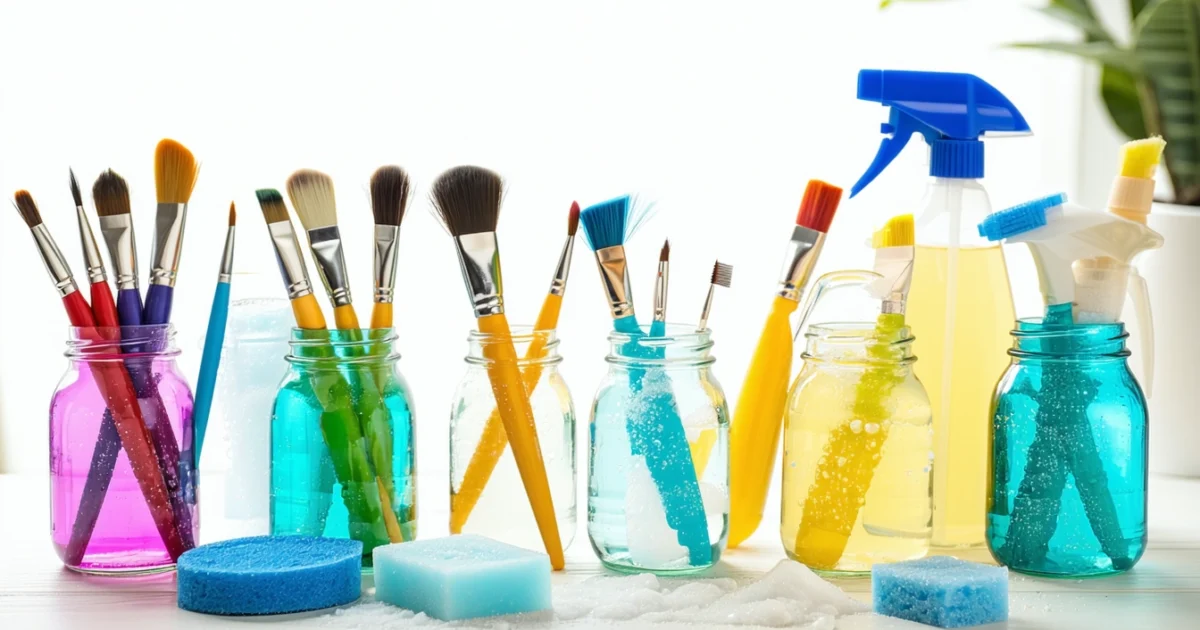
How to clean paint brushes properly depends on the paint type, but most water-based paints require warm water and dish soap, while oil-based paints need white spirit or turpentine. Furthermore, immediate cleaning prevents paint from hardening in the bristles, making restoration much easier. Additionally, using the right cleaning supplies and techniques can extend your brush life significantly.
Professional painters rely on systematic cleaning methods to maintain their tools. Moreover, different paint types require specific solvents and approaches. Consequently, understanding these differences saves both time and money while ensuring optimal brush performance.
Whether you’re dealing with acrylic paint, emulsion, or oil-based enamel, proper cleaning techniques prevent bristle damage and paint buildup. Similarly, knowing when to use specialized cleaning tools helps restore even severely neglected brushes. Therefore, this guide covers everything from basic water-based cleaning to advanced restoration methods.
TL;DR
- Water-based paints: Clean immediately with warm water and dish soap, use fabric softener for stubborn residue
- Oil-based paints: Use white spirit or turpentine with proper ventilation, employ two-container cleaning system
- Dried paint: Soak in appropriate solvent, use white vinegar for water-based paint, consider commercial removers for tough cases
- Professional tips: Clean brushes immediately after use, reshape while damp, store properly to prevent ferrule damage
Essential Supplies for Paint Brush Cleaning
Successful paint brush cleaning depends on having the right supplies for your specific paint type. Moreover, professional painters understand that water-based paints and oil-based paints require completely different cleaning approaches and materials. Therefore, assembling the proper cleaning arsenal before starting your project saves both time and frustration.
Water-Based Paint Cleaning Supplies
Warm water serves as the primary cleaning agent for acrylic and emulsion paints. Additionally, dish soap breaks down paint residue effectively while remaining gentle on natural bristles. Furthermore, fabric softener acts as an excellent brush conditioner that restores flexibility to stiff bristles.
- Warm water (not hot, which can damage ferrules)
- Liquid dish soap or washing-up liquid
- Fabric softener for conditioning and stubborn residue
- White vinegar for removing dried acrylic paint
Professional decorators often add a few drops of fabric softener to their final rinse water. Consequently, this technique keeps bristles supple and prevents them from becoming brittle over time.
Oil-Based Paint Cleaning Supplies
White spirit remains the most common solvent for cleaning oil-based paints from brushes. However, turpentine provides superior cleaning power for stubborn enamel residues. Similarly, paint thinner offers an economical alternative for large-scale cleaning operations.
Safety First
- White spirit (mineral spirits) for general cleaning
- Turpentine for heavy-duty paint removal
- Paint thinner for economical bulk cleaning
- Protective gloves and ventilation equipment
Most professionals employ a two-container system when cleaning oil-based paint brushes. Initially, they use dirty solvent for the first wash, then clean solvent for the final rinse.
Universal Cleaning Tools
Certain cleaning tools work effectively regardless of paint type. Furthermore, these universal supplies streamline your cleaning process and improve results across all painting projects.
- Brush comb or wire brush for removing stubborn paint
- Paper towels or lint-free rags for wiping
- Cleaning containers (glass jars or metal tins)
- Plastic wrap for temporary brush storage
- Rubber gloves for hand protection
A quality brush comb proves invaluable for working solvent through bristles and removing dried paint particles. Additionally, using dedicated cleaning containers prevents cross-contamination between different paint types. Therefore, investing in proper tools pays dividends in brush longevity.
Specialized Cleaning Products
Commercial brush cleaners offer convenience and enhanced cleaning power for challenging situations. Moreover, these products often combine cleaning agents with conditioning ingredients that restore brush flexibility. Subsequently, many professionals rely on these specialized solutions for valuable or heavily-used brushes.
- Brush conditioner for maintaining bristle flexibility
- Commercial brush cleaners (like Krud Kutter or Zinsser)
- Brush restorer for reviving neglected brushes
- Spinner tools for efficient water removal
Professional brush conditioners contain lanolin or similar ingredients that mimic natural oils found in animal hair bristles. Consequently, regular conditioning extends brush life significantly and maintains optimal paint application properties. Similar conditioning principles apply to other brush cleaning tasks throughout your home.
Quality cleaning supplies cost less than replacing brushes frequently
How to Clean Water-Based Paint from Brushes
Water-based paints require immediate attention for successful brush cleaning. Furthermore, the cleaning process differs significantly from oil-based paint removal. Acrylic paint and emulsion paint both fall into this category and respond well to water-based cleaning methods.
Immediate Cleaning with Warm Water
Start cleaning water-based paint immediately after use for best results. Warm water dissolves fresh acrylic and emulsion paint more effectively than cold water. Additionally, gentle agitation helps dislodge paint particles from deep within the bristles.
Hold the brush under running warm water while gently working the bristles with your fingers. Subsequently, squeeze the bristles from ferrule to tip to expel paint-laden water. Repeat this process until the water runs completely clear from the brush.
- Rinse brush under warm running water
- Gently agitate bristles with fingers
- Squeeze bristles from base to tip
- Continue until water runs clear
Dish Soap Method for Stubborn Paint
Stubborn acrylic paint requires additional cleaning power beyond plain water. Dish soap contains surfactants that break down paint residue effectively. Moreover, the gentle formulation protects natural bristles while removing persistent paint particles.
Apply a small amount of dish soap directly to the wet bristles. Work the soap through the brush using circular motions in your palm. Therefore, this mechanical action combined with soap’s cleaning properties removes embedded paint thoroughly.
Professional painters often use this method because dish soap removes paint without damaging expensive brushes. Similarly, cleaning other household brushes benefits from gentle soap-based approaches that preserve bristle integrity.
Fabric Softener Technique for Brush Restoration
Fabric softener restores flexibility to brushes that have become stiff from dried paint. Additionally, this technique conditions natural bristles and prevents future paint adhesion. Mix one part fabric softener with two parts warm water for optimal results.
Soak the cleaned brush in the fabric softener solution for 10-15 minutes. Subsequently, work the solution through the bristles using gentle massage motions. This conditioning process restores the brush’s original flexibility and painting performance.
Professional Tip
Proper Rinsing and Reshaping Techniques
Thorough rinsing removes all cleaning residues that could affect future paint application. Cool water works best for final rinsing because it closes the bristle cuticles and locks in the brush shape. Moreover, proper rinsing prevents soap buildup that attracts dirt and paint.
Reshape the brush while the bristles remain damp for optimal results. Gently squeeze excess water from the bristles using a clean cloth. Then, form the bristles into their original shape using light finger pressure.
Store cleaned brushes horizontally or hanging with bristles pointing downward. Consequently, this positioning prevents water from seeping into the ferrule and loosening the bristles. Proper storage extends brush life significantly and maintains painting performance.
Professional painters achieve 5-10 years of use from quality brushes through proper water-based paint cleaning techniques
Cleaning Oil-Based Paint and Enamel from Brushes
Oil-based paints and enamels require solvent-based cleaning methods because water cannot dissolve these paint formulations. Professional painters rely on white spirit and mineral spirits to effectively remove oil-based residues from brush bristles. Furthermore, these solvents penetrate deep into the bristle structure to dissolve hardened paint particles.
White Spirit Cleaning Method and Safety Precautions
White spirit serves as the most common solvent for cleaning oil-based paint from brushes in the UK. This petroleum-based solvent effectively dissolves oil paint while remaining gentler on natural bristles than turpentine. Additionally, white spirit costs less than alternative solvents and provides excellent cleaning results.
Work in a well-ventilated area when using white spirit because the vapours can cause headaches and respiratory irritation. Open windows and doors to ensure adequate airflow during the cleaning process. Moreover, wear nitrile gloves to prevent skin contact with the solvent.
Safety Warning
Pour white spirit into a glass jar to a depth of 2-3 inches. Subsequently, work the brush against the bottom of the container to release paint from the bristles. The solvent dissolves oil-based paint within 30-60 seconds of contact.
Turpentine vs. Mineral Spirits: Choosing the Right Solvent
Turpentine and mineral spirits both clean oil-based paint effectively, yet each solvent offers distinct advantages. Turpentine provides stronger cleaning power for stubborn paint residues but costs more than mineral spirits. Conversely, mineral spirits work gentler on brush bristles while maintaining excellent cleaning performance.
| Solvent Type | Cleaning Power | Cost | Odour Level | Bristle Safety |
|---|---|---|---|---|
| White Spirit | Good | Low | Moderate | Excellent |
| Turpentine | Excellent | High | Strong | Good |
| Mineral Spirits | Very Good | Medium | Low | Excellent |
Choose turpentine for cleaning brushes with dried or thick oil paint accumulation. This natural solvent penetrates hardened paint layers more effectively than synthetic alternatives. However, use turpentine sparingly because prolonged exposure can damage natural bristles.
Select mineral spirits for regular brush maintenance and light paint residue removal. This refined petroleum product offers consistent cleaning performance without the strong odour of turpentine. Professional decorators prefer mineral spirits for daily brush cleaning routines.
Two-Container Cleaning System for Maximum Efficiency
The two-container system maximises solvent efficiency while ensuring thorough brush cleaning. This professional technique uses one container for initial paint removal and a second for final cleaning. Consequently, this method extends solvent life and improves cleaning results.
- Fill the first container with used solvent or fresh solvent for heavy paint removal
- Work the brush vigorously in the first container to remove bulk paint
- Transfer the brush to the second container with clean solvent
- Gently agitate the brush to remove remaining paint traces
- Wipe the brush clean with a lint-free cloth
Allow paint sediment to settle in the first container between uses. Then, pour the clear solvent into the second container for continued use. This recycling process reduces solvent consumption by 50-70% compared to single-container cleaning.
Professional painters achieve optimal results by maintaining separate containers for different paint types. Use dedicated containers for gloss paint, primer, and undercoat to prevent colour contamination. This organisation system maintains brush performance and paint quality.
Proper Disposal of Contaminated Solvents
Contaminated solvents require proper disposal to protect the environment and comply with UK regulations. Never pour used white spirit or turpentine down drains because these chemicals contaminate water systems. Instead, collect used solvents in sealed containers for appropriate disposal.
Contact your local council’s household waste recycling centre to arrange solvent disposal. Most UK councils accept small quantities of paint solvents free of charge. Additionally, some paint retailers offer take-back schemes for used solvents and paint containers.
Allow paint sediment to settle completely before disposing of solvents. Subsequently, the clear solvent can often be reused for initial brush cleaning. This separation process extends solvent life while reducing disposal frequency and environmental impact.
Store contaminated solvents in original containers with tight-fitting lids until disposal. Label containers clearly with contents and date to ensure safe handling. Keep stored solvents away from heat sources and out of reach of children and pets.
Removing Dried and Hardened Paint from Brushes
Dried paint transforms flexible brush bristles into rigid, unusable tools. However, proper restoration techniques can salvage many brushes that appear beyond repair. The key lies in selecting appropriate methods based on paint type and drying duration.
Soaking Techniques for Different Paint Types
Water-based paints respond best to warm water soaking combined with gentle agitation. Submerge hardened brushes in 40°C water for 30-60 minutes to soften dried acrylic or emulsion paint. Additionally, adding a few drops of washing-up liquid accelerates the softening process.
Oil-based paints require solvent soaking to break down hardened resins and pigments. White spirit remains the most effective option for dried gloss paint and primer. Furthermore, heated white spirit (not exceeding 50°C) penetrates dried paint layers more effectively than cold solvent.
Specialist brush restorers work on multiple paint types simultaneously. These commercial products contain surfactants that penetrate dried paint while conditioning natural bristles. Consequently, they prove particularly valuable for expensive brushes with mixed paint contamination.
White Vinegar Method for Water-Based Dried Paint
White vinegar effectively dissolves dried water-based paints without damaging natural or synthetic bristles. Heat one cup of white vinegar to just below boiling point, then submerge the brush completely. The acidic solution breaks down dried acrylic polymers within 15-20 minutes.
After soaking, work the bristles gently with your fingers to loosen paint particles. Subsequently, rinse thoroughly with warm water and reshape the brush head. This method proves particularly effective for emulsion paint that has dried for several days.
Professional decorators often combine vinegar treatment with mechanical removal techniques. The vinegar softens the paint while brush combs remove loosened particles. Moreover, this combination approach reduces restoration time by approximately 40% compared to soaking alone.
Commercial Paint Removers for Stubborn Cases
Commercial brush cleaners contain powerful solvents designed for heavily contaminated brushes. Products like Polycell Brush Cleaner and Zinsser Universal Brush Cleaner dissolve multiple paint types including dried primer and undercoat.
These concentrated formulas require careful handling due to their aggressive nature. Always work in well-ventilated areas and wear protective gloves when using commercial removers. Additionally, follow manufacturer instructions precisely to avoid brush damage.
Acetone-based removers tackle the most stubborn dried paints but can damage natural bristles. Use these products only on synthetic brushes as a last resort before replacement. Furthermore, limit exposure time to prevent bristle degradation.
Brush Comb and Mechanical Removal Techniques
A brush comb removes loosened paint particles more effectively than finger manipulation alone. Start combing from the ferrule towards the bristle tips using gentle, consistent pressure. This technique prevents bristle damage while maximising paint removal.
Wire brushes provide aggressive mechanical cleaning for heavily contaminated brushes. However, use wire brushes only on synthetic bristles because they destroy natural hair. Gentle scraping motions work better than vigorous brushing for paint removal.
Professional brush restoration often involves multiple mechanical techniques. Combine soaking, combing, and gentle scraping in sequence for optimal results. This systematic approach removes 95% of dried paint from salvageable brushes.
When to Attempt Restoration vs. Replacement
Restoration becomes worthwhile for brushes costing over £15 or those with sentimental value. High-quality natural bristle brushes justify extensive restoration efforts due to their superior performance and replacement cost. Conversely, cheap synthetic brushes often cost less to replace than restore.
Assess brush condition before beginning restoration attempts. Brushes with splayed ferrules, loose bristles, or rust damage rarely restore to usable condition. Additionally, brushes dried for over six months typically require excessive effort for minimal results.
Professional painters replace brushes when restoration time exceeds 30 minutes per brush. This economic threshold balances labour costs against replacement expenses. Furthermore, partially restored brushes often leave streaks and affect paint finish quality, making replacement the practical choice.
Consider brush age and previous use when making restoration decisions. Well-maintained brushes with single-paint contamination restore more successfully than those with multiple paint layers. Similarly, brushes used exclusively for primer typically restore better than those used for mixed paint types.
Professional Paint Brush Cleaning Techniques
Professional painters employ systematic cleaning methods that extend brush life and maintain paint quality. These techniques differ significantly from basic home cleaning approaches, focusing on efficiency and preservation rather than simple paint removal.
Multi-Stage Cleaning Process
Professional brush cleaning follows a three-stage process that removes paint progressively without damaging bristles. First, painters remove excess paint by scraping brushes against the paint tin edge and wiping on newspaper or rags. This initial step eliminates 80% of wet paint before any solvent contact occurs.
Subsequently, the primary cleaning stage uses appropriate solvents based on paint type. White spirit works effectively for oil-based paints, while warm soapy water suffices for water-based emulsions. Professional painters agitate brushes gently in solvent containers, working from ferrule to tip to prevent paint from penetrating deeper into bristles.
Finally, the conditioning stage involves thorough rinsing and reshaping. Painters rinse brushes under running water until the water runs completely clear, then gently squeeze bristles to remove excess moisture. This systematic approach ensures complete paint removal while preserving bristle integrity.
Brush Conditioning and Preservation Methods
Professional brush conditioning extends beyond basic cleaning to active preservation techniques. Fabric softener solutions restore bristle flexibility after harsh solvent exposure, particularly beneficial for natural bristle brushes. Mix one part fabric softener with three parts water for optimal conditioning results.
Moreover, proper brush storage prevents bristle damage and maintains shape integrity. Professional painters wrap clean brushes in brown paper or original packaging, securing the ferrule area while allowing bristles to breathe. This method prevents moisture accumulation that causes rust and bristle deterioration.
Temperature control plays a crucial role in brush preservation. Professional workshops maintain storage temperatures between 10-20°C to prevent bristle brittleness in cold conditions or softening in excessive heat. Additionally, humidity levels below 60% prevent mould growth on natural bristles.
Bulk Cleaning Techniques for Multiple Brushes
Commercial painting operations require efficient bulk cleaning systems that process multiple brushes simultaneously. Brush washing machines automate the cleaning process, using rotating mechanisms and solvent circulation to clean up to 20 brushes per cycle. These machines reduce cleaning time by 75% compared to manual methods.
Alternatively, manual bulk cleaning employs graduated solvent containers arranged in sequence. Painters move brushes through progressively cleaner solvent baths, starting with heavily contaminated solutions and finishing in fresh solvent. This method maximises solvent efficiency while ensuring thorough cleaning.
Professional cleaning stations feature dedicated brush combs and spinner tools for bulk processing. Spinners remove excess solvent and water through centrifugal force, while combs straighten bristles and remove stubborn paint particles. These tools process brushes three times faster than traditional hand methods.
Time-Saving Tips for Daily Painting Workflows
Professional painters implement workflow strategies that minimise cleaning time without compromising brush quality. Brush rotation systems allow continuous work while previously used brushes soak in cleaning solutions. This approach eliminates waiting periods and maintains project momentum.
Furthermore, painters use brush keepers containing appropriate solvents for temporary storage during work breaks. These containers prevent paint from drying on bristles during lunch breaks or overnight pauses, eliminating the need for aggressive cleaning between sessions.
Smart solvent management reduces both costs and cleaning time. Professional painters filter and reuse solvents through settling tanks that separate paint particles from clean solvent. This recycling system reduces solvent consumption by 60% while maintaining cleaning effectiveness. Additionally, dedicated cleaning areas with proper ventilation and drainage streamline the entire process, similar to organised cleaning approaches used for maintaining other cleaning tools.
Professional painters also employ brush conditioning schedules that align with project timelines. Weekly deep cleaning sessions using specialised brush restorers maintain optimal performance, while daily maintenance cleaning prevents paint accumulation. This scheduled approach ensures brushes remain in peak condition throughout extended projects.
Proper Brush Storage and Maintenance
Effective storage techniques extend brush lifespan significantly beyond basic cleaning efforts. Professional painters achieve brush longevity through systematic storage protocols that protect bristles, ferrules, and handles from environmental damage. Moreover, proper maintenance schedules prevent costly brush replacements while ensuring consistent paint application quality.
Correct Drying and Storage Positions
Horizontal drying represents the optimal position for freshly cleaned brushes. This orientation prevents water from seeping into the ferrule, which causes bristle separation and handle damage. Additionally, horizontal positioning maintains natural bristle shape during the drying process.
Professional brush racks feature slotted designs that support brushes horizontally while allowing airflow around all surfaces. These racks prevent bristle contact with surfaces that could cause deformation. Furthermore, elevated storage keeps brushes away from dust and debris that accumulate on work surfaces.
Vertical storage works effectively for completely dry brushes when bristles point upward. This position prevents bristle crushing and maintains proper shape between uses. However, never store damp brushes vertically, as gravity pulls moisture into the ferrule.
Brush Reshaping and Ferrule Protection
Bristle reshaping during the drying process maintains optimal brush performance throughout its lifespan. Gently compress bristles to their original shape while damp, creating the precise edge needed for clean paint lines. This technique prevents splaying that reduces brush control and finish quality.
Ferrule maintenance requires specific attention to prevent the most common brush failure points. Thoroughly dry the metal band that secures bristles to the handle, as trapped moisture causes rust and bristle loosening. Additionally, periodic inspection reveals early signs of ferrule damage before complete brush failure occurs.
Professional painters apply brush conditioners monthly to maintain bristle flexibility and prevent brittleness. These specialised products penetrate natural bristles, restoring oils lost during repeated cleaning cycles. Synthetic bristles benefit from similar conditioning treatments that maintain their engineered properties.
Long-term Storage Solutions for Seasonal Use
Seasonal storage requires comprehensive preparation to ensure brushes remain usable after extended periods. Deep cleaning removes all paint residues that could harden during storage, while thorough conditioning prepares bristles for dormancy. Subsequently, protective wrapping prevents damage from environmental factors.
Climate-controlled environments provide optimal conditions for long-term brush storage. Temperature fluctuations cause handle expansion and contraction that loosens ferrules over time. Similarly, humidity variations affect natural bristles more severely than synthetic alternatives, making environmental control crucial for premium brush preservation.
- Protective sleeves maintain bristle shape during extended storage
- Moth deterrents protect natural bristle brushes from insect damage
- Moisture absorbers prevent humidity-related deterioration
- Regular inspections identify storage issues before permanent damage occurs
Signs That Indicate Brush Replacement Is Needed
Bristle splaying represents the most obvious indicator that brush replacement becomes necessary. When bristles no longer return to their original shape after cleaning and conditioning, the brush loses its ability to create clean paint lines. This deterioration typically occurs gradually, making regular assessment important for maintaining work quality.
Ferrule loosening creates immediate safety and quality concerns that require prompt brush replacement. Loose ferrules allow bristles to separate during use, contaminating paint and creating uneven application. Additionally, metal particles from damaged ferrules can scratch delicate surfaces.
Handle damage affects brush control and user comfort, particularly during extended painting sessions. Cracked or swollen handles indicate moisture penetration that compromises structural integrity. Moreover, rough handle surfaces cause hand fatigue and reduce precision during detailed work.
Replacement Timeline
Paint retention issues signal that bristle integrity has deteriorated beyond effective use. When brushes fail to hold adequate paint loads or release paint unevenly, productivity decreases significantly. These performance problems often coincide with visible bristle damage, confirming replacement necessity.
Common Mistakes and Troubleshooting
Proper brush cleaning techniques prevent costly damage and extend tool lifespan significantly. However, common mistakes during the cleaning process often cause irreversible harm to brushes. Understanding these pitfalls helps painters maintain their tools effectively while avoiding expensive replacements.
Avoiding Hot Water Damage to Natural Bristles
Hot water destroys natural bristles by breaking down the protein structure that gives them flexibility and durability. Natural hog bristles and sable brushes contain keratin, which becomes brittle when exposed to temperatures above 40°C (104°F). This thermal damage causes permanent bristle breakage that cannot be reversed.
Additionally, hot water causes natural bristles to swell excessively, then contract as they dry. This expansion-contraction cycle weakens the bristle roots and leads to premature shedding. Professional painters consistently use lukewarm water to preserve their natural bristle investments.
Temperature Warning
Preventing Paint from Drying in the Ferrule
Ferrule contamination represents one of the most destructive cleaning mistakes that painters make. When paint dries inside the metal ferrule, it creates a rigid mass that prevents proper bristle movement. This dried paint wedge gradually forces bristles apart, causing permanent splaying that ruins brush performance.
Prevention requires immediate cleaning action after each painting session. Paint begins hardening within 15-20 minutes of exposure to air, making prompt cleaning essential. Furthermore, thorough rinsing ensures that no paint residue remains near the ferrule junction where bristles attach.
Professional painters work the brush against their palm during cleaning, flexing bristles to expel hidden paint deposits. This technique reveals contamination that simple rinsing might miss. Moreover, rotating the brush while cleaning ensures complete coverage of all bristle surfaces.
Fixing Splayed or Damaged Brush Tips
Splayed bristles often result from improper storage, excessive pressure during use, or inadequate cleaning techniques. While severe splaying requires brush replacement, minor spreading can sometimes be corrected through careful reconditioning. The success of repair attempts depends on the extent of damage and bristle type.
Natural bristle brushes respond better to reconditioning than synthetic alternatives. Gentle reshaping while damp allows bristles to return to their original configuration if the damage isn’t too severe. However, forcing bristles back into shape often causes breakage that worsens the problem.
- Soak splayed brushes in fabric conditioner for 30 minutes
- Gently reshape bristles using your fingers while wet
- Wrap the brush tip with paper towel to maintain shape while drying
- Store vertically with bristles pointing upward during the drying process
Unfortunately, synthetic bristles rarely recover from severe splaying because their plastic composition lacks the natural flexibility of animal hair. When synthetic brush tips become permanently deformed, replacement becomes the only viable solution.
Dealing with Paint That Won't Come Out Completely
Stubborn paint residue requires escalated cleaning methods that go beyond standard soap and water techniques. Dried acrylic paint proves particularly challenging because it forms polymer chains that bond strongly to bristle surfaces. These situations demand patience and appropriate solvents to avoid brush damage.
White spirit effectively dissolves oil-based paint residues that resist water-based cleaning attempts. However, prolonged exposure to solvents can damage natural bristles, making timing crucial. Limit solvent contact to 10-15 minutes before switching to soap and water for final cleaning.
Fabric conditioner provides a gentler alternative for removing stubborn water-based paints. The conditioning agents help soften dried paint while protecting bristle integrity. Additionally, warm (not hot) water enhances the conditioner’s effectiveness without causing thermal damage.
Pros
- Fabric conditioner protects bristles during cleaning
- White spirit dissolves stubborn oil-based residues
- Warm water enhances cleaning effectiveness
- Multiple cleaning attempts often succeed
Cons
- Some paint damage may be permanent
- Solvents can harm natural bristles with overuse
- Time-consuming process requires patience
- Success depends on paint type and drying time
When standard methods fail, professional brush restorers use specialized products designed for paint removal. These commercial cleaners contain surfactants that penetrate dried paint while protecting bristle structure. However, proper cleaning techniques prevent most stubborn residue problems from developing initially.
Prevention remains more effective than correction when dealing with paint contamination. Regular cleaning schedules, proper storage methods, and immediate attention to spills eliminate most troubleshooting scenarios. Consequently, developing good maintenance habits protects brush investments while ensuring consistent painting results.
Frequently Asked Questions
What is the best thing to clean paint brushes with?
The best cleaning agent depends on your paint type. For water-based paints like acrylic and emulsion, warm water with dish soap works best. For oil-based paints, white spirit or turpentine provides the most effective cleaning. Professional painters often add fabric softener to the final rinse for water-based paints to keep bristles supple.
What do professional painters use to clean their brushes?
Professional painters use a systematic two-container cleaning method for oil-based paints: dirty solvent for the first wash, then clean solvent for the final rinse. They clean brushes immediately after use, employ brush combs to work solvent through bristles, and use fabric softener in the final rinse for water-based paints to maintain brush flexibility.
Does white spirit clean paint brushes effectively?
Yes, white spirit is the most common and effective solvent for cleaning oil-based paints from brushes. It breaks down oil-based paint residue efficiently while being gentler than turpentine. Always use white spirit with proper ventilation and protective gloves, and employ the two-container cleaning system for best results.
Does white vinegar clean paint brushes?
White vinegar is excellent for removing dried acrylic paint from brushes. It works particularly well when brushes have hardened water-based paint that regular soap and water cannot remove. Soak the brush in white vinegar for several hours, then work the bristles with a brush comb before rinsing with warm water and dish soap.
How do you clean acrylic paint brushes properly?
Clean acrylic paint brushes immediately with warm water and liquid dish soap. Rinse thoroughly until water runs clear, then add a few drops of fabric softener to the final rinse to condition the bristles. For dried acrylic paint, soak in white vinegar first, then proceed with the normal cleaning routine.
How do you clean paint brushes that have become stiff?
For stiff brushes with dried paint, the cleaning method depends on the paint type:
- Water-based paint: Soak in white vinegar for several hours, then work bristles with a brush comb
- Oil-based paint: Soak in white spirit or turpentine, use a brush comb to work through bristles
- Severely hardened brushes: Consider commercial paint removers designed for brush restoration
How do you clean emulsion paint from brushes?
Emulsion paint cleans easily with warm water and dish soap since it’s water-based. Rinse immediately after use, work soap through the bristles, and rinse until water runs clear. Add fabric softener to the final rinse to keep bristles flexible and prevent them from becoming brittle.
How do you clean paint brushes with white spirit safely?
When using white spirit, always ensure proper ventilation and wear protective gloves. Use the two-container method: first container with dirty white spirit for initial cleaning, second container with clean white spirit for final rinse. Work the solvent through bristles with a brush comb, then dispose of used solvent according to local regulations.
How do you remove dried paint from brushes and rollers?
For dried paint removal:
- Water-based dried paint: Soak in white vinegar, then use warm water and dish soap
- Oil-based dried paint: Soak in white spirit or turpentine for several hours
- Stubborn cases: Use commercial paint removers or brush restorers
- Rollers: Same principles apply, but may require longer soaking times
Should you clean paint brushes immediately after use?
Yes, immediate cleaning is crucial for maintaining brush quality and extending brush life. Paint hardens quickly in bristles, making removal much more difficult and potentially damaging the brush permanently. Professional painters never leave paint to dry in their brushes, as this prevents proper paint application in future projects.
What cleaning supplies do you need for different paint types?
Essential supplies vary by paint type:
- Water-based paints: Warm water, dish soap, fabric softener, white vinegar
- Oil-based paints: White spirit, turpentine, protective gloves, ventilation equipment
- Universal tools: Brush comb, paper towels, cleaning containers, rubber gloves
How do you properly store cleaned paint brushes?
After cleaning, reshape bristles while damp and store brushes flat or hanging with bristles pointing downward. Never store brushes bristle-side up in containers, as this can damage the ferrule and cause bristles to splay. Wrap in plastic wrap for temporary storage, but ensure brushes are completely dry before long-term storage to prevent mold and mildew.
Can fabric softener really help with paint brush cleaning?
Yes, fabric softener is excellent for conditioning brush bristles after cleaning water-based paints. It restores flexibility to bristles, prevents them from becoming brittle, and helps remove stubborn paint residue. Add a few drops to your final rinse water, or use it as a soaking solution for brushes that have become stiff from dried acrylic paint.
You May Also Like
How to Clean a Rug: Complete DIY Guide for All Rug Types
How to Clean Bike Chain: Complete Guide for 2026