How to Clean a Cutting Board: Complete UK Guide 2026

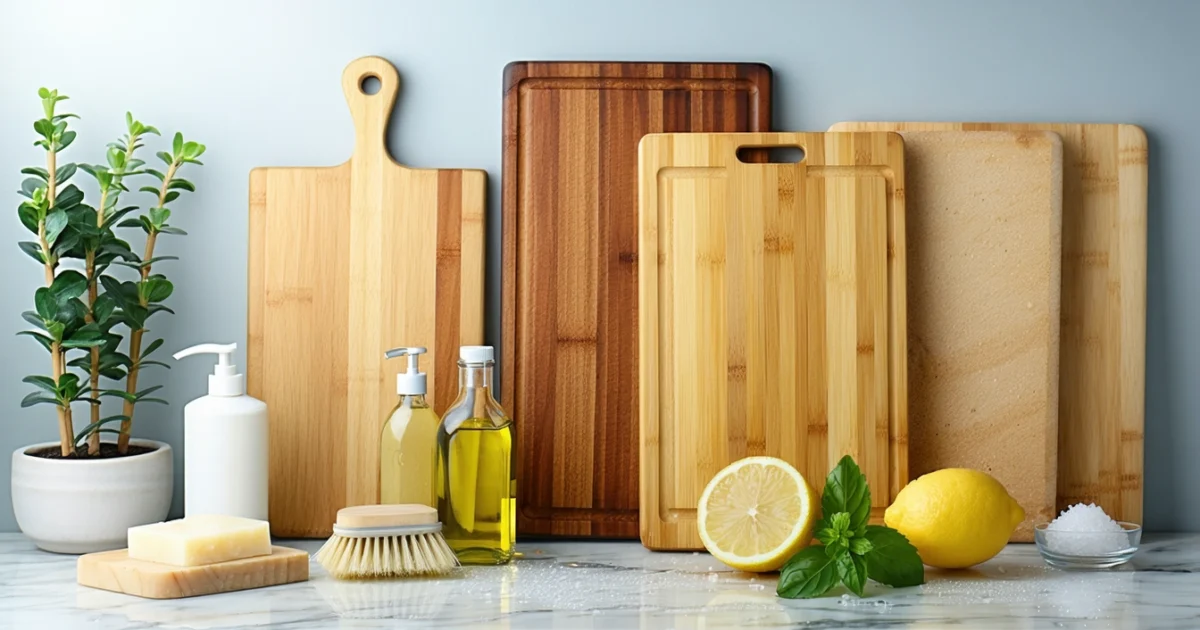
How to clean a cutting board properly involves daily washing with hot soapy water, material-specific care techniques, and regular deep sanitisation to prevent cross-contamination. The cleaning method depends on your board’s material—wood requires gentle treatment to prevent cracking, whilst plastic boards can handle more aggressive cleaning and dishwasher cycles.
Proper cutting board hygiene is essential for food safety in UK kitchens. Different materials like wooden, plastic, bamboo, and glass boards require specific cleaning approaches to maintain their integrity and antimicrobial properties.
Beyond basic washing, effective cutting board maintenance includes deep cleaning after preparing raw meat, removing stubborn stains and odours, and knowing when replacement is necessary. Additionally, implementing a colour-coded system prevents cross-contamination between different food types, similar to professional kitchen standards found in our oven cleaning guide.
TL;DR
- Daily cleaning: Wash with hot soapy water, scrub thoroughly, rinse, and air dry completely
- Material-specific care: Wood needs gentle treatment, plastic handles dishwashers, bamboo requires moisture control
- Deep sanitisation: Use bleach solution (1 tablespoon per gallon) or white vinegar after raw meat preparation
- Stain removal: Apply baking soda paste, hydrogen peroxide, or salt-lemon scrub for stubborn marks
- Food safety: Use separate boards for different food types and replace when showing deep cuts or persistent odours
Daily Cleaning: Basic Washing Technique
Daily cutting board maintenance starts with hot soapy water immediately after each use. Furthermore, this simple approach prevents bacteria buildup and removes food residues before they become embedded in the board’s surface. Hot water dissolves grease effectively, whilst soap breaks down proteins and other organic matter that harbour harmful microorganisms.
Hot Soapy Water Method
Begin by rinsing your cutting board under warm running water to remove loose food particles. Subsequently, apply a generous amount of washing-up liquid directly onto the board’s surface. The water temperature should reach 60°C or higher to ensure effective sanitisation, similar to the temperature requirements outlined in our stainless steel sink cleaning guide.
Create a rich lather by spreading the soap across both sides of the board. Additionally, pay special attention to any grooves, cuts, or textured areas where bacteria commonly accumulate. This thorough soap application ensures complete coverage and maximum cleaning effectiveness.
Proper Scrubbing Technique
Use a stiff-bristled brush or abrasive sponge to scrub the entire surface systematically. However, avoid steel wool on wooden boards as it damages the protective grain structure. Work in circular motions, applying firm pressure to dislodge stubborn food particles and eliminate surface bacteria.
Focus particularly on knife score marks and any visible staining or discolouration. Moreover, these areas require extra attention because they provide hiding spots for harmful pathogens. Scrub each groove individually, ensuring your brush reaches into every crevice where contamination might persist.
- Wooden boards: Use medium-pressure scrubbing with natural bristle brushes
- Plastic boards: Apply firm pressure with abrasive sponges or nylon brushes
- Bamboo boards: Gentle scrubbing prevents splitting and maintains surface integrity
- Glass boards: Use any scrubbing method without risk of surface damage
Thorough Rinsing and Air Drying
Rinse the board completely under hot running water until all soap residue disappears. Then, inspect both sides carefully to ensure no cleaning product remains on the surface. Soap residue affects food flavours and can cause digestive irritation if consumed.
Pat the board dry with a clean kitchen towel, then stand it upright to air dry completely. Consequently, proper air circulation prevents moisture retention that encourages bacterial growth. Wooden boards require complete drying to prevent warping, cracking, and mould development.
Position your cutting board in a well-ventilated area away from direct heat sources. Additionally, ensure both sides receive equal air exposure by occasionally flipping the board during the drying process. Complete drying typically takes 2-4 hours depending on ambient humidity and board thickness.
When Daily Cleaning Suffices vs Deep Cleaning Requirements
Daily washing adequately maintains cutting boards used for vegetables, fruits, and cooked foods. Nevertheless, certain situations demand more intensive cleaning protocols beyond the basic soap-and-water routine. Understanding these distinctions helps maintain optimal food safety standards in your kitchen.
Raw meat preparation always requires deep sanitisation with bleach solution or white vinegar treatment. Similarly, boards showing visible stains, persistent odours, or deep knife cuts need intensive cleaning methods. Cross-contamination risks increase significantly when daily cleaning proves insufficient for these challenging situations.
| Situation | Cleaning Level Required | Reason |
|---|---|---|
| Vegetables and fruits | Daily washing | Low contamination risk |
| Raw poultry or fish | Deep sanitisation | High pathogen risk |
| Visible staining | Intensive treatment | Embedded contamination |
| Strong odours | Deep cleaning | Bacterial colonisation |
| Deep knife cuts | Replacement consideration | Impossible to sanitise completely |
Monitor your cutting board’s condition daily to determine appropriate cleaning intensity. Furthermore, boards used exclusively for bread, cheese, or other low-risk foods maintain safety with standard washing routines. However, any contact with raw proteins necessitates enhanced sanitisation protocols regardless of visual appearance.
Material-Specific Cleaning Methods
Different cutting board materials require tailored cleaning approaches to maintain their integrity whilst ensuring thorough sanitisation. Moreover, understanding these material-specific requirements prevents damage that could compromise food safety and board longevity.
Wooden Cutting Boards: Gentle Care for Longevity
Wooden cutting boards demand gentle cleaning techniques to prevent cracking, warping, and splitting. Additionally, wood’s porous nature requires careful moisture management during the cleaning process. Never soak wooden boards in water, as prolonged exposure causes the wood fibres to expand and contract, leading to structural damage.
Clean wooden boards immediately after use with warm soapy water and a soft sponge or cloth. Subsequently, rinse thoroughly and dry completely with a clean towel before air-drying upright. This drying method prevents moisture accumulation that encourages bacterial growth and wood deterioration.
Monthly conditioning with food-grade mineral oil maintains wood moisture levels and prevents cracking. Furthermore, this treatment creates a protective barrier that reduces liquid absorption and extends the board’s lifespan significantly.
Plastic Cutting Boards: Heat-Resistant Convenience
Plastic cutting boards offer excellent dishwasher compatibility, making them the most convenient option for busy kitchens. However, heat tolerance varies significantly between different plastic types, affecting cleaning method selection.
Most polyethylene boards withstand dishwasher temperatures up to 60°C safely. Conversely, cheaper plastic variants may warp or release harmful chemicals when exposed to high heat. Always check manufacturer specifications before using automatic dishwashing cycles.
Hand washing plastic boards requires hot soapy water and thorough scrubbing to remove knife grooves where bacteria accumulate. Additionally, periodic bleach sanitisation eliminates stubborn pathogens that survive standard washing routines. Mix one tablespoon of bleach per gallon of water for effective sanitisation without material damage.
Bamboo Cutting Boards: Natural Antimicrobial Properties
Bamboo cutting boards possess natural antimicrobial compounds that inhibit bacterial growth, reducing cleaning requirements compared to other materials. Nevertheless, proper moisture control remains essential for maintaining these beneficial properties and preventing board deterioration.
Clean bamboo boards with mild soap and warm water, avoiding harsh detergents that strip natural oils. Similarly, excessive soaking removes the bamboo’s protective compounds and weakens the board’s structural integrity. Rinse quickly and dry immediately after washing to preserve antimicrobial effectiveness.
Apply bamboo oil or food-grade mineral oil monthly to maintain moisture balance and enhance natural antimicrobial properties. This treatment prevents cracking whilst preserving the board’s inherent resistance to bacterial colonisation.
Glass and Composite Boards: Scratch Prevention Strategies
Glass cutting boards resist staining and odour absorption but require careful cleaning to prevent surface scratches that harbour bacteria. Additionally, composite boards combine multiple materials, necessitating gentle cleaning approaches that protect all components.
Use soft cloths or sponges exclusively when cleaning glass surfaces, avoiding abrasive materials that create microscopic scratches. Furthermore, these scratches become permanent bacterial breeding grounds that compromise food safety despite thorough cleaning efforts.
Clean glass boards with warm soapy water or place them in the dishwasher for convenient sanitisation. However, avoid sudden temperature changes that cause thermal shock and potential cracking. Allow boards to reach room temperature before applying hot water or placing in heated dishwashers.
Composite cutting boards require material-specific care depending on their construction. Generally, treat them similarly to their most delicate component – if they contain wood elements, avoid soaking; if they include plastic, check heat tolerance before dishwasher use. This approach ensures all materials remain intact whilst achieving thorough sanitisation.
Deep Cleaning and Sanitisation
Deep cleaning becomes essential after preparing raw meat, fish, or poultry, when bacteria levels peak and standard washing proves insufficient. Furthermore, this intensive sanitisation process eliminates pathogens that survive regular cleaning whilst removing stubborn stains and persistent odours.
Bleach Solution: Professional-Grade Disinfection
Prepare an effective bleach solution by mixing 1 tablespoon of household bleach per gallon of water for optimal sanitisation strength. This concentration kills 99.9% of bacteria, viruses, and fungi whilst remaining safe for food preparation surfaces when properly applied.
Apply the bleach solution using a clean cloth or spray bottle, ensuring complete surface coverage for maximum effectiveness. Subsequently, allow the solution to contact the cutting board for 2-3 minutes before rinsing thoroughly with clean water. Never mix bleach with other cleaning products, as this creates dangerous chemical reactions.
Rinse the board extensively after bleach treatment to remove all chemical residues that could contaminate food. Additionally, air-dry the board completely before storage to prevent moisture retention that encourages bacterial regrowth.
White Vinegar: Natural Disinfectant Alternative
White vinegar provides an effective natural alternative to chemical disinfectants, killing most bacteria through its acidic properties. Moreover, this eco-friendly option eliminates odours whilst being completely safe for food contact surfaces without requiring extensive rinsing.
Use undiluted white vinegar for maximum antimicrobial effectiveness, applying it directly to the cutting board surface. Allow the vinegar to sit for 5-10 minutes before wiping clean with a damp cloth, as this contact time ensures thorough pathogen elimination.
Combine vinegar cleaning with regular maintenance for optimal results, particularly when dealing with persistent odours from garlic, onions, or fish. However, avoid using vinegar on natural stone cutting boards, as the acid can damage their surface integrity over time.
Salt and Lemon Scrub: Stain and Odour Removal
Create a powerful natural scrub by combining coarse salt with fresh lemon juice to tackle stubborn stains and eliminate persistent odours. This abrasive mixture lifts embedded particles whilst the citric acid breaks down organic compounds that cause discolouration and smell.
Sprinkle coarse salt generously across the cutting board surface, then cut a lemon in half and use it as a scrubbing tool. Work the salt and lemon juice into the board using circular motions, paying special attention to stained or odorous areas for thorough treatment.
Leave the salt-lemon mixture on the board for 10-15 minutes to allow the acids to penetrate and break down stubborn residues. Afterwards, scrub once more before rinsing with warm water and drying completely. This natural method proves particularly effective for removing beetroot stains, fish odours, and garlic residue.
When Deep Cleaning Becomes Essential
Schedule deep cleaning immediately after preparing raw meat, poultry, or fish to eliminate dangerous pathogens like Salmonella, E. coli, and Campylobacter. These bacteria multiply rapidly on cutting board surfaces and can cause serious foodborne illnesses if not properly eliminated.
Perform weekly deep cleaning for heavily used cutting boards, even when handling only vegetables and cooked foods. Additionally, deep clean whenever you notice persistent odours, visible stains, or when the board feels rough or sticky despite regular washing.
Consider the cutting board material when determining deep cleaning frequency – wooden boards require more frequent deep cleaning due to their porous nature, whilst plastic boards can withstand more aggressive sanitisation methods. Similarly to oven cleaning, establishing a regular deep cleaning schedule prevents the buildup of harmful bacteria and extends your cutting board’s lifespan.
Removing Stains and Odours
Stubborn stains and persistent odours require targeted treatments beyond regular cleaning methods. Therefore, specific household products can effectively tackle these challenging issues without damaging your cutting board’s surface.
Baking Soda Paste Treatment for Stubborn Stains
Create a powerful stain-removing paste by mixing three parts baking soda with one part water. This alkaline mixture breaks down acidic stains from tomatoes, berries, and beetroot whilst neutralising odour-causing compounds effectively.
Apply the paste generously over stained areas and work it into the surface using circular motions with a soft brush or cloth. Subsequently, allow the paste to sit for 15-20 minutes to penetrate deep stains before scrubbing gently once more.
Rinse thoroughly with warm water and dry completely to prevent moisture retention. Moreover, this treatment proves particularly effective on wooden cutting boards where stains penetrate deeper into the grain structure.
Hydrogen Peroxide for Whitening and Disinfection
Three percent hydrogen peroxide serves as both a powerful whitening agent and disinfectant for cutting board maintenance. This oxidising agent breaks down organic stains whilst eliminating bacteria, viruses, and fungi that regular washing might miss.
Pour hydrogen peroxide directly onto the stained surface and spread evenly using a clean cloth. Allow the solution to foam and bubble for 5-10 minutes as it oxidises stains and kills harmful microorganisms.
Rinse thoroughly with cold water to neutralise the peroxide and prevent any residual taste transfer to food. Additionally, this method works exceptionally well on plastic cutting boards where discolouration from turmeric, curry, or red wine creates unsightly stains.
Activated Charcoal for Persistent Odour Absorption
Activated charcoal provides unmatched odour absorption capabilities for cutting boards plagued by persistent smells from garlic, onions, or fish. Furthermore, this porous carbon material traps odour molecules within its microscopic structure rather than merely masking unpleasant scents.
Crush 2-3 activated charcoal tablets into a fine powder and mix with enough water to form a spreadable paste. Apply this mixture across the entire cutting board surface, focusing particularly on areas where strong-smelling ingredients were prepared.
Leave the charcoal paste on the board overnight to maximise odour absorption, then scrub gently with a brush before rinsing thoroughly. Consequently, this treatment eliminates even the most stubborn odours that other methods cannot remove.
Prevention Tips to Minimise Staining and Odour Retention
Implement preventive measures to reduce staining and odour problems before they become entrenched in your cutting board. Notably, these proactive steps save time and effort whilst maintaining optimal hygiene standards.
- Use separate cutting boards for raw meat, vegetables, and strong-smelling ingredients like garlic and onions
- Clean immediately after each use rather than allowing residues to dry and penetrate the surface
- Apply a thin layer of mineral oil monthly to wooden boards to seal the grain and prevent absorption
- Store cutting boards vertically in well-ventilated areas to promote air circulation and prevent moisture buildup
Replace cutting boards when deep grooves, cracks, or permanent staining compromise their cleanliness and food safety. Similarly to maintaining stainless steel surfaces, regular preventive care proves more effective than reactive deep cleaning treatments.
Consider using cutting board mats or parchment paper when preparing particularly staining ingredients like beetroot or turmeric. These barriers protect the board surface whilst maintaining proper food preparation hygiene standards.
Post-Cleaning Care and Maintenance
Proper post-cleaning care extends your cutting board’s lifespan whilst maintaining optimal hygiene standards. Furthermore, these maintenance practices prevent warping, cracking, and bacterial growth that compromise food safety.
Proper Drying Techniques to Prevent Warping and Cracking
Air-dry cutting boards vertically immediately after cleaning to prevent moisture damage and warping. Specifically, wooden boards absorb water unevenly when laid flat, causing the surface to expand whilst the bottom remains dry.
Position boards upright against a wall or in a drying rack with adequate air circulation around all surfaces. Additionally, avoid placing wet boards near heat sources like radiators or direct sunlight, which cause rapid moisture loss and cracking.
Pat boards completely dry with clean towels before vertical storage to remove excess surface moisture. Consequently, this prevents water from pooling in knife grooves where bacteria can multiply rapidly.
Mineral Oil Conditioning for Wooden Boards
Apply food-grade mineral oil monthly to wooden cutting boards to seal the grain and prevent moisture absorption. Moreover, this conditioning treatment maintains the wood’s natural antibacterial properties whilst preventing cracking and splitting.
Warm the mineral oil slightly before application to improve penetration into the wood fibres. Subsequently, apply oil with a clean cloth using circular motions, ensuring complete coverage of all surfaces including edges.
Allow the oil to penetrate for 15-20 minutes before wiping away excess with a dry cloth. Similarly to maintaining stainless steel surfaces, regular conditioning prevents damage more effectively than reactive repairs.
Reapply conditioning oil immediately if the wood appears dry or begins absorbing water quickly during cleaning. Therefore, well-maintained boards resist staining and odour absorption whilst remaining hygienic for food preparation.
Storage Recommendations to Maintain Cleanliness
Store cutting boards vertically in well-ventilated areas to promote air circulation and prevent moisture buildup. Notably, horizontal storage traps moisture against surfaces, creating ideal conditions for bacterial growth and mould development.
Maintain adequate spacing between multiple boards to ensure proper airflow around each surface. Furthermore, avoid storing boards in enclosed cupboards immediately after cleaning unless completely dry.
Keep different board types separate to prevent cross-contamination between raw meat and vegetable preparation surfaces. Additionally, label or colour-code boards to maintain proper food safety protocols during storage and use.
Clean storage areas regularly to prevent dust and debris accumulation on board surfaces. Consequently, proper storage maintains the cleanliness achieved through thorough washing and sanitising procedures.
Signs Your Cutting Board Needs Replacement
Replace cutting boards when deep knife grooves exceed 3mm depth, as these crevices harbour bacteria that resist standard cleaning methods. Moreover, excessive scoring creates uneven surfaces that compromise food preparation efficiency.
Inspect boards regularly for permanent staining that persists despite thorough cleaning treatments. Specifically, dark stains indicate bacterial penetration into the board material where sanitising solutions cannot reach effectively.
Monitor wooden boards for warping, splitting, or loose joints that create gaps where food particles and bacteria accumulate. Similarly, plastic boards showing extensive scratching or surface roughness require immediate replacement.
Replace boards immediately if they develop persistent odours that remain after deep cleaning treatments. Therefore, boards that cannot be restored to hygienic condition pose significant food safety risks and must be discarded promptly.
Consider replacement when boards become difficult to clean thoroughly or require excessive maintenance efforts. Ultimately, investing in new cutting boards proves more cost-effective than risking foodborne illness from contaminated surfaces.
Food Safety and Cross-Contamination Prevention
Preventing cross-contamination requires separate cutting boards for different food categories to eliminate bacterial transfer between raw meats, fresh vegetables, and ready-to-eat items. Additionally, professional kitchens implement colour-coded systems that assign specific board colours to distinct food types, creating visual barriers against contamination risks.
Professional Colour-Coding Standards
| Board Colour | Food Type | Usage Guidelines |
|---|---|---|
| Red | Raw meat and poultry | Never use for cooked foods |
| Blue | Raw fish and seafood | Separate from all other proteins |
| Yellow | Cooked meats | Only for ready-to-eat proteins |
| Green | Fresh vegetables and salads | Keep separate from raw proteins |
| White | Dairy and bakery items | Reserved for ready-to-eat products |
| Brown | Root vegetables | Separate from leafy greens |
Implement this colour-coding system consistently across all food preparation areas to maintain food safety standards. Furthermore, train all kitchen staff on proper board selection to prevent accidental contamination during busy service periods.
Cleaning Frequency Requirements
Clean cutting boards immediately after each use when switching between different food types to prevent bacterial multiplication. However, boards used for the same food category throughout a preparation session require cleaning only when the task completes.
- Raw meat preparation: Clean and sanitise after every use
- Vegetable chopping: Clean when switching between root and leafy vegetables
- Ready-to-eat foods: Clean before and after use to maintain sterility
- Allergen-containing foods: Immediate cleaning prevents cross-contamination
Monitor cleaning frequency based on preparation intensity and food safety risk levels. Consequently, high-risk foods like raw poultry demand more frequent sanitisation than low-risk items such as bread or pastries.
Temperature Requirements for Sanitisation
Effective sanitisation requires water temperatures between 77-82°C to eliminate pathogenic bacteria and viruses on cutting board surfaces. Moreover, chemical sanitisers work optimally at room temperature (20-25°C) when following manufacturer concentration guidelines.
Hot water at 77°C kills 99.9% of harmful bacteria within 30 seconds of contact
Rinse boards with hot water before applying sanitising solutions to remove food debris and grease that interfere with disinfection processes. Similarly, proper cleaning techniques ensure sanitisers contact all board surfaces effectively.
Allow sanitised boards to air dry completely at room temperature rather than using towels that may reintroduce bacteria. Therefore, proper drying completes the sanitisation cycle and maintains hygienic conditions until the next use.
Cross-Contamination Prevention Strategies
Store different cutting boards in separate locations to prevent accidental mixing during busy preparation periods. Additionally, designate specific storage areas for each colour-coded board type to maintain the separation system’s effectiveness.
Train staff to recognise contamination risks and implement proper board selection protocols consistently. Furthermore, regular training updates ensure all team members understand evolving food safety requirements and contamination prevention methods.
Document cleaning and sanitisation procedures to maintain consistent standards across all shifts and staff members. Ultimately, written protocols create accountability and ensure food safety compliance meets regulatory requirements for commercial food preparation.
Frequently Asked Questions
How often should I deep clean my cutting board?
Deep clean your cutting board after every use with raw meat, poultry, or fish. For general use, perform a thorough deep clean weekly using a bleach solution or white vinegar. This prevents harmful bacteria buildup and maintains food safety standards in your kitchen.
Can I put my wooden cutting board in the dishwasher?
No, never put wooden cutting boards in the dishwasher. The high heat and prolonged moisture exposure causes wood to crack, warp, and split. Always hand wash wooden boards with hot soapy water and air dry completely to maintain their integrity.
What's the best way to remove stubborn stains and odours from cutting boards?
For stubborn stains and odours, try these effective methods:
- Baking soda paste: Mix baking soda with water, scrub gently, then rinse
- Salt and lemon: Sprinkle coarse salt, scrub with half a lemon, then rinse
- Hydrogen peroxide: Apply 3% solution, let sit for 5 minutes, then rinse thoroughly
- White vinegar: Spray undiluted vinegar, let sit for 10 minutes, then wash normally
Should I use separate cutting boards for different foods?
Yes, absolutely. Use separate boards for raw meat, vegetables, and ready-to-eat foods to prevent cross-contamination. Consider a colour-coded system: red for raw meat, green for vegetables, and blue for fish, following professional kitchen standards.
When should I replace my cutting board?
Replace your cutting board when you notice:
- Deep knife grooves that harbour bacteria and resist cleaning
- Persistent odours that don’t disappear after thorough cleaning
- Cracks or splits in wooden boards that trap food particles
- Warping or excessive wear that affects stability during use
- Discolouration that indicates permanent staining or bacterial growth
What water temperature should I use for cleaning cutting boards?
Use hot water at 60°C or higher for effective sanitisation. This temperature dissolves grease efficiently and helps eliminate harmful bacteria. However, avoid boiling water on wooden boards as extreme heat can cause cracking and warping.
Is it safe to use bleach on all cutting board materials?
Bleach is safe for plastic and glass cutting boards when properly diluted (1 tablespoon per gallon of water). However, use bleach sparingly on wooden boards as it can damage the wood fibres over time. For wooden boards, white vinegar is often a gentler yet effective alternative.
How should I store my cutting boards after cleaning?
After thorough cleaning and drying, store cutting boards upright in a well-ventilated area. This allows air circulation around all surfaces and prevents moisture buildup. Avoid storing boards flat in drawers whilst damp, as this creates ideal conditions for bacterial growth and mould development.
You May Also Like
How to Clean Washing Machine Filter: Complete Guide 2026
How to Clean Artificial Grass: Complete Maintenance Guide