How to Clean a Rug: Complete DIY Guide for All Rug Types

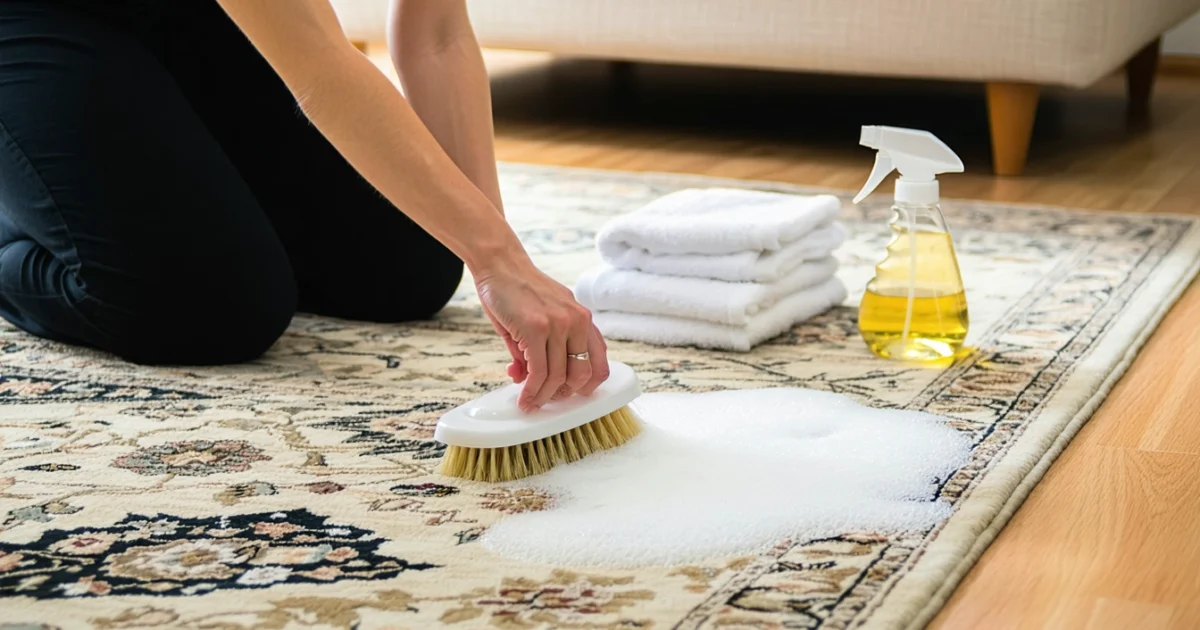
How to clean a rug effectively requires understanding your rug’s material, using the right cleaning methods, and following proper techniques to avoid damage. Whether you’re dealing with wool, synthetic fibers, or natural materials, successful rug cleaning starts with preparation and choosing between hand washing, machine-free deep cleaning, or targeted stain removal approaches.
Most homeowners can achieve professional-quality results using common household items like baking soda, mild dish soap, and white vinegar. However, the key lies in matching your cleaning method to your rug’s specific needs and traffic patterns.
This comprehensive guide covers everything from basic hand washing techniques to advanced stain removal methods. Additionally, you’ll learn proper drying procedures and maintenance schedules that extend your rug’s lifespan while keeping it fresh and clean.
TL;DR
- Always check care labels and test cleaning solutions on hidden areas before full treatment
- Hand washing with mild soap works for most rugs, while baking soda eliminates odors naturally
- Proper air drying prevents mold and maintains rug texture – never use direct heat
- Regular maintenance including weekly vacuuming and immediate stain treatment prevents deep cleaning needs
- Professional help is recommended for valuable rugs, stubborn stains, or delicate materials like silk
Essential Preparation Steps Before Cleaning Your Rug
Proper preparation determines whether your rug cleaning succeeds or causes permanent damage. Furthermore, taking time to assess your rug’s condition and gather the right supplies prevents costly mistakes that could ruin valuable floor coverings.
Check Care Labels and Identify Fabric Types
Every rug contains specific care instructions that manufacturers design to preserve fiber integrity and color vibrancy. Additionally, wool rugs require gentler treatment than synthetic materials, while natural fiber rugs like jute or sisal need specialized cleaning approaches to prevent shrinkage.
Look for care labels sewn into corners or backing materials that indicate washing temperatures, drying methods, and chemical restrictions. Moreover, identifying whether your rug contains synthetic fibers like polypropylene or nylon helps determine which cleaning solutions work best without causing discoloration or texture changes.
Test Cleaning Solutions on Hidden Areas
Testing prevents widespread damage by revealing how your rug’s fibers react to specific cleaning products. Therefore, apply a small amount of your chosen solution to an inconspicuous corner and wait 24 hours to check for color bleeding, fiber weakening, or texture changes.
This crucial step reveals whether baking soda, mild dish soap, or commercial rug cleaners will work safely on your specific material. Consequently, you can adjust cleaning methods or switch products before treating the entire surface area.
Remove Debris and Vacuum Thoroughly
Loose debris creates muddy paste when mixed with cleaning solutions, making stain removal more difficult and potentially grinding dirt deeper into fibers. Subsequently, thorough vacuuming from both sides removes embedded particles that regular surface cleaning cannot reach.
- Vacuum the front surface using overlapping strokes
- Flip the rug and vacuum the backing material
- Use crevice tools for fringed edges and corners
- Remove pet hair with rubber gloves or lint rollers
Pay special attention to high-traffic areas where soil accumulation typically concentrates. Additionally, removing surface debris prevents your vacuum from redistributing dirt during the cleaning process.
Prepare Your Cleaning Space
Creating adequate workspace prevents water damage to surrounding furniture and flooring while ensuring proper air circulation for drying. Similarly, protecting nearby surfaces with plastic sheeting or towels prevents cleaning solutions from spreading to unintended areas.
Choose a location with good ventilation and easy access to water sources for rinsing procedures. Furthermore, ensure you have enough space to lay the rug flat during both cleaning and drying phases, as folding wet rugs can cause permanent creases or mold growth.
Gather Essential Cleaning Supplies
Having the right tools and materials ready streamlines the cleaning process and prevents delays that could allow stains to set deeper. Moreover, using appropriate supplies designed for rug cleaning produces better results than improvising with random household items.
| Supply Category | Essential Items | Purpose |
|---|---|---|
| Cleaning Solutions | Mild dish soap, white vinegar, baking soda | Stain removal and deodorizing |
| Tools | Soft-bristled brush, clean cloths, spray bottles | Application and scrubbing |
| Protection | Rubber gloves, plastic sheeting, towels | Hand protection and surface coverage |
| Drying | Fans, dehumidifier, absorbent towels | Moisture removal and air circulation |
Professional-grade rug shampoo works effectively for deep cleaning, while household alternatives like diluted dish soap provide gentler options for delicate materials. Additionally, having multiple clean cloths prevents cross-contamination between cleaning and rinsing steps.
Important Safety Note
Hand Cleaning Methods for Different Rug Types
Selecting the appropriate hand cleaning method depends on your rug’s material composition, pile height, and current condition. Moreover, different cleaning techniques work more effectively for specific types of stains and odors, making method selection crucial for optimal results.
Basic Hand Washing Technique with Mild Dish Soap
The fundamental hand washing approach uses mild dish soap mixed with lukewarm water to create a gentle cleaning solution. This method works effectively for most synthetic rugs and cotton materials without causing fiber damage or color bleeding.
Mix one tablespoon of dish soap with two cups of water in a spray bottle for easy application. Subsequently, spray the solution onto stained areas and work it in using circular motions with a soft-bristled brush. The soap molecules break down grease and dirt particles while remaining gentle enough for regular use.
Rinse thoroughly with clean water using a damp cloth to remove soap residue completely. Additionally, blot excess moisture with absorbent towels rather than rubbing, which prevents fiber distortion and maintains the rug’s original texture.
Baking Soda Method for Odor Elimination
Baking soda neutralizes odors naturally while providing gentle abrasive action for light cleaning tasks. This alkaline compound absorbs moisture and acidic odor molecules, making it particularly effective for pet accidents and food spills.
Sprinkle generous amounts of baking soda across the entire rug surface and work it into the fibers using a soft brush. Allow the powder to sit for 30 minutes to 2 hours depending on odor severity, then vacuum thoroughly to remove all residue.
Pro Tip
White Vinegar Solution for Natural Disinfection
White vinegar provides natural antimicrobial properties while breaking down mineral deposits and soap residue from previous cleaning attempts. Furthermore, vinegar’s acidic nature helps restore color vibrancy in certain rug types without harsh chemical additives.
Create a cleaning solution using equal parts white vinegar and water for most applications. However, dilute further for delicate materials by using a 1:3 vinegar-to-water ratio to prevent potential acid damage to sensitive fibers.
Apply the solution using a spray bottle and allow it to penetrate for 5-10 minutes before blotting with clean cloths. The vinegar smell dissipates completely during the drying process, leaving your rug fresh and sanitized.
Specialized Approach for Delicate Materials
Wool and silk rugs require specialized cleaning techniques that preserve their natural properties and prevent shrinkage or fiber damage. These materials respond poorly to alkaline solutions and excessive moisture, necessitating gentler approaches.
Use cool water exclusively with wool rugs to prevent felting, while silk requires even more delicate handling with minimal moisture exposure. Test any cleaning solution on an inconspicuous corner first to check for color fastness and fiber reaction.
Blot stains immediately rather than scrubbing, which can damage delicate fibers permanently. Additionally, consider professional cleaning for valuable antique rugs or those with intricate hand-woven patterns that could be compromised by home cleaning methods.
Cleaning High-Pile and Fluffy Rugs
Fluffy rugs with deep pile require modified techniques that clean effectively without matting or crushing the fibers. These rugs trap dirt deeper within their structure, making thorough cleaning more challenging than flat-weave alternatives.
Work cleaning solutions into the pile using an upward brushing motion that lifts fibers rather than pressing them down. Subsequently, use a wide-tooth comb or rake designed for high-pile carpets to restore the original texture during the drying process.
Avoid over-wetting fluffy rugs, as excess moisture can cause the backing to separate or create mold growth within the dense fiber structure. Instead, apply cleaning solutions sparingly and focus on thorough drying with fans and dehumidifiers to maintain the rug’s plush appearance.
Pros
- Gentle on all rug materials
- Cost-effective using household items
- Complete control over cleaning process
- No harsh chemical exposure
Cons
- Time-intensive compared to machine cleaning
- May require multiple treatments for tough stains
- Physical effort required for scrubbing
- Longer drying times
Machine-Free Deep Cleaning Techniques
Deep cleaning rugs without professional equipment requires strategic techniques that penetrate embedded dirt while protecting fiber integrity. Furthermore, these manual methods often produce superior results compared to rental machines when executed properly. Hand cleaning allows precise control over pressure, moisture levels, and cleaning solution application.
Scrub Brush Method for Embedded Dirt
The scrub brush technique effectively removes deeply embedded dirt and grime through controlled mechanical action. Start by selecting a brush with firm bristles that match your rug’s pile height – shorter bristles work better for low-pile rugs, while longer bristles penetrate high-pile surfaces more effectively.
Create a cleaning solution using one tablespoon of dish soap mixed with two cups of warm water. Additionally, work the solution into the rug using circular motions, applying consistent pressure without oversaturating the backing material. Focus on heavily soiled areas by increasing scrubbing intensity gradually until dirt begins lifting from the fibers.
Rinse thoroughly with clean water using a spray bottle to remove soap residue completely. Subsequently, blot excess moisture with clean towels, pressing firmly to extract as much water as possible from the rug’s base layers.
Foam Cleaning with Rug Shampoo
Foam cleaning delivers professional-grade results without requiring extraction equipment or excessive water application. This method works particularly well for synthetic rugs and those with moderate soiling levels that need refreshing rather than deep restoration.
Mix rug shampoo according to manufacturer instructions, then whip the solution vigorously to create thick, stable foam. Apply foam generously across the rug surface, working it into fibers with a soft-bristled brush or clean cloth. The foam encapsulates dirt particles while minimizing moisture penetration into the rug’s backing.
Allow the foam to work for 15-20 minutes before removing it with a vacuum cleaner or by blotting with absorbent towels. This technique prevents over-wetting while ensuring thorough cleaning action reaches embedded soil particles.
Steam Alternative Using Hot Water and Towels
Hot water extraction without machinery mimics professional steam cleaning through careful temperature control and systematic moisture application. Heat helps break down oils and loosens stubborn stains more effectively than cold water methods.
Heat water to 140-160°F (not boiling) and apply it sparingly using a spray bottle with fine mist settings. Immediately follow with clean, absorbent towels pressed firmly against treated areas to extract dissolved dirt and excess moisture. Work in small sections to maintain optimal water temperature and prevent oversaturation.
Repeat the process twice for heavily soiled areas, ensuring complete moisture removal after each application. This method provides excellent cleaning power while maintaining precise control over water usage and temperature exposure.
Dry Cleaning Methods Using Absorbent Compounds
Dry cleaning compounds offer excellent results for delicate rugs that cannot tolerate moisture or for situations requiring immediate use after cleaning. These methods work through absorption and mechanical action rather than chemical dissolution.
Baking soda serves as an effective dry cleaning agent when sprinkled generously across the rug surface and left overnight. The sodium bicarbonate absorbs odors and oils while loosening surface dirt through its mild abrasive properties. Vacuum thoroughly the next morning, making multiple passes to remove all residue.
Commercial dry cleaning powders provide enhanced cleaning power for tougher stains and embedded soil. Sprinkle the compound evenly, work it into fibers with a soft brush, then allow the specified dwell time before vacuuming completely. This approach eliminates drying time while delivering thorough cleaning results.
Achieving Professional Results at Home
Professional-grade outcomes depend on combining multiple techniques strategically rather than relying on single cleaning methods. Start with dry cleaning compounds to remove surface soil, then progress to foam cleaning for deeper penetration, and finish with hot water extraction for final rinse cycles.
Temperature control plays a crucial role in achieving superior results – warm solutions clean more effectively than cold, while proper ventilation accelerates drying and prevents mold development. Moreover, systematic approach ensures even cleaning coverage and prevents streaking or uneven soil removal.
Document your cleaning process and results to refine techniques for future applications. Each rug responds differently to various methods, so maintaining detailed records helps optimize your approach for specific fiber types and soil conditions over time.
Targeted Stain Removal and Spot Cleaning
Immediate response to spills determines the difference between successful stain removal and permanent damage. Fresh spills require gentle blotting with clean, absorbent materials rather than aggressive scrubbing that pushes contaminants deeper into fibers. Furthermore, working from the stain’s outer edges toward the center prevents spreading and creates manageable treatment zones.
The golden rule of stain removal involves treating spills within the first few minutes when possible. Liquid spills absorb quickly into rug fibers, creating chemical bonds that become increasingly difficult to break over time. Therefore, keeping absorbent cloths and basic cleaning supplies readily accessible enables rapid response to accidents.
Common Household Stains and Their Solutions
Food stains present unique challenges based on their composition and acidity levels. Tomato-based sauces require alkaline treatments to neutralize acids, while protein-based spills like milk or eggs respond better to enzyme-based cleaners that break down organic compounds. Additionally, sugary substances create sticky residues that attract dirt if not completely removed.
Beverage stains vary dramatically in their cleaning requirements and urgency levels. Coffee and tea contain tannins that bond permanently with fibers if allowed to set, while wine spills require immediate salt application to absorb liquid before it penetrates deeply. Moreover, carbonated drinks leave sugar residues that become tacky and dirt-attracting if inadequately cleaned.
Pet accidents demand both odor elimination and stain removal through enzymatic action. Biological waste contains proteins and bacteria that require specialized cleaners to neutralize completely. Consequently, standard household cleaners often mask odors temporarily without addressing underlying contamination that encourages repeat incidents.
Mud and dirt stains should never be cleaned while wet, as this creates larger stains and deeper penetration. Allow mud to dry completely, then vacuum loose particles before applying cleaning solutions. Subsequently, work cleaning agents from the stain’s perimeter inward to prevent expansion.
Blotting vs. Scrubbing: Protecting Fiber Integrity
Proper blotting technique involves pressing absorbent materials straight down onto stains without lateral movement. This vertical pressure draws liquids upward into the cleaning cloth while preserving fiber structure and preventing stain spreading. In contrast, scrubbing motions damage delicate fibers and force contaminants deeper into the rug’s foundation.
The press-and-lift method proves most effective for liquid spills and fresh stains. Apply firm downward pressure for several seconds, then lift the cloth straight up to check absorption progress. Rotate to clean sections of the cloth frequently to maintain maximum absorption capacity throughout the cleaning process.
Avoid These Common Mistakes
Natural vs. Commercial Stain Removers
Natural cleaning solutions offer safer alternatives for households with children, pets, or chemical sensitivities. White vinegar neutralizes alkaline stains and removes odors, while baking soda absorbs liquids and lifts embedded dirt through gentle abrasive action. However, natural cleaners require longer contact times and may need multiple applications for stubborn stains.
Commercial stain removers provide concentrated cleaning power and faster results through engineered chemical formulations. Enzyme-based products excel at breaking down organic matter, while oxygen bleaches safely lighten stains without fiber damage. Nevertheless, always test commercial products in inconspicuous areas before full application to prevent color loss or texture changes.
| Stain Type | Natural Solution | Commercial Alternative |
|---|---|---|
| Grease/Oil | Dish soap + warm water | Degreasing spray |
| Protein stains | Cold water + salt | Enzyme cleaner |
| Acidic stains | Baking soda paste | Alkaline pre-treatment |
| Organic matter | White vinegar solution | Oxidizing cleaner |
When Professional Help Becomes Necessary
Certain stains exceed the capabilities of household cleaning methods and require professional intervention. Set-in stains that have been present for weeks or months often require specialized equipment and commercial-grade chemicals unavailable to consumers. Similarly, large stains covering significant rug areas need professional-level extraction equipment for complete removal.
Valuable or antique rugs should always receive professional treatment to preserve their integrity and value. DIY cleaning attempts on expensive pieces risk permanent damage that far exceeds professional cleaning costs. Additionally, insurance policies may require professional cleaning documentation for damage claims involving high-value floor coverings.
Consider professional services when stains reappear after home treatment, indicating incomplete removal that allows residues to attract new soil. Furthermore, persistent odors despite thorough cleaning suggest bacterial or mold growth requiring specialized sanitization treatments beyond typical household capabilities.
Proper Drying and Post-Cleaning Care
Proper drying techniques determine whether your rug cleaning efforts succeed or fail. Air drying remains the safest method for most rug types, preventing heat damage while allowing complete moisture removal. Position your rug flat on a clean surface away from direct sunlight, which can cause fading and fiber deterioration.
Air Drying Techniques to Prevent Mold and Mildew
Effective air drying requires strategic placement and environmental control. Elevate your rug on a mesh drying rack or clean tarp to promote airflow underneath, preventing trapped moisture that breeds mold and mildew. Additionally, flip the rug every few hours to ensure both sides dry evenly.
Indoor drying works best in well-ventilated rooms with low humidity levels. Furthermore, avoid placing wet rugs directly on hardwood floors or carpeting, as trapped moisture can damage these surfaces and create ideal conditions for bacterial growth.
Accelerating Drying Process Safely
Fans and ventilation significantly reduce drying time without risking heat damage. Position oscillating fans around the rug to create consistent airflow, while opening windows and doors improves natural ventilation. However, avoid using hair dryers or heat sources, which can shrink fibers and set remaining stains permanently.
Dehumidifiers prove especially valuable in damp climates or during humid seasons. These devices extract moisture from the air, creating optimal drying conditions while preventing the musty odors associated with slow-drying textiles. Moreover, proper ventilation helps eliminate cleaning solution residues that might attract future soil.
Drying Time Warning
Reshaping and Restoring Rug Texture
Wet cleaning often flattens rug fibers, requiring careful restoration techniques. Reshaping begins while the rug remains slightly damp, when fibers maintain flexibility for manipulation. Gently brush pile rugs with a clean, soft-bristled brush in the direction of the fiber grain.
For shag or high-pile rugs, use your fingers to separate and lift flattened sections. This manual process restores the original texture and prevents permanent matting. Similarly, proper airflow from fans helps lift fibers naturally as moisture evaporates.
Final Vacuuming and Grooming
Once completely dry, thorough vacuuming removes loosened debris and restores pile direction. Final vacuuming should occur from multiple directions, paying special attention to high-traffic areas where fibers may remain compressed. Use appropriate vacuum settings for your rug type to avoid damage.
Grooming tools like rug rakes or specialized brushes further enhance appearance and texture. These implements lift flattened fibers and distribute remaining moisture evenly, creating the uniform appearance characteristic of professional cleaning results.
Signs of Successful Cleaning
Successful rug cleaning produces several observable indicators. Clean rugs exhibit restored original colors without residual staining, while fibers feel soft and resilient rather than stiff or sticky. Additionally, fresh, neutral odors replace previous musty or chemical smells.
- Colors appear vibrant and uniform across the entire surface
- Fibers spring back when pressed and released
- No sticky residues remain from cleaning solutions
- Surface feels clean to the touch without gritty textures
- Odors are neutral or pleasantly fresh
When stains persist or reappear after drying, repeat the cleaning process using stronger solutions or different techniques. However, if multiple cleaning attempts fail to remove stains or restore appearance, professional intervention becomes necessary to prevent permanent damage from over-cleaning.
Properly cleaned rugs should look and feel noticeably refreshed, with restored texture and eliminated odors indicating successful treatment.
Maintenance Schedule and Prevention Tips
Proper maintenance prevents most rug cleaning challenges while extending your rug’s lifespan significantly. Regular care routines cost less than frequent deep cleaning and preserve both appearance and structural integrity. Furthermore, preventive measures reduce allergen accumulation and maintain healthier indoor air quality.
Regular Vacuuming Frequency
High-traffic areas require daily vacuuming to prevent dirt from embedding deep within fibers. Living rooms, hallways, and entryways accumulate debris quickly, making frequent cleaning essential for maintaining appearance. Meanwhile, medium-traffic zones like bedrooms need vacuuming twice weekly to remove dust and allergens effectively.
Low-traffic areas benefit from weekly vacuuming sessions that focus on dust removal rather than deep soil extraction. However, seasonal adjustments become necessary during periods of increased activity or when pets shed more heavily. Additionally, homes with allergy sufferers should increase vacuuming frequency regardless of traffic patterns.
| Traffic Level | Vacuuming Frequency | Focus Areas |
|---|---|---|
| High Traffic | Daily | Entryways, living rooms, hallways |
| Medium Traffic | 2-3 times weekly | Bedrooms, dining rooms |
| Low Traffic | Weekly | Guest rooms, formal areas |
| Pet Areas | Daily + spot cleaning | Pet sleeping areas, feeding zones |
Rotating Rugs for Even Wear
Rug rotation prevents uneven wear patterns that create permanent traffic lanes and fading. Quarterly rotation works best for most rugs, though high-traffic pieces may need monthly repositioning. This practice distributes foot traffic across different areas, maintaining uniform appearance throughout the rug’s surface.
Rotation also helps identify cleaning needs before they become severe problems. Different sections of your rug accumulate various types of soil, making rotation an excellent diagnostic tool. Moreover, this practice reveals hidden damage or wear that might otherwise go unnoticed until repair becomes impossible.
Essential Protective Measures
Quality doormats serve as your first line of defense against tracked-in dirt and moisture. Place mats both inside and outside entrances to capture debris before it reaches your rugs. Similarly, implementing a shoe removal policy dramatically reduces soil accumulation and extends cleaning intervals.
Furniture pads prevent crushing and indentation marks that become permanent over time. These protective devices distribute weight evenly across rug fibers, maintaining texture and preventing irreversible damage. Additionally, pads make furniture moving easier during cleaning sessions.
- Install high-quality doormats at all entrances
- Use furniture pads under heavy pieces
- Maintain consistent indoor humidity levels (30-50%)
- Keep rugs away from direct sunlight to prevent fading
- Address spills immediately to prevent staining
Seasonal Deep Cleaning Schedule
Spring cleaning should include thorough rug treatment after winter’s heavy use and reduced ventilation. This seasonal deep clean removes accumulated allergens, dust mites, and embedded soil that regular vacuuming cannot reach. Furthermore, spring cleaning prepares rugs for increased summer activity and humidity.
Fall preparation involves deep cleaning before homes become sealed for winter months. This timing prevents trapped odors and allergens from circulating throughout closed indoor environments. Consequently, fall cleaning creates healthier indoor air quality during periods of reduced ventilation.
Seasonal Timing Tip
When to Call Professional Services
Professional cleaning becomes necessary when home methods fail to restore appearance or eliminate persistent odors. Valuable rugs, antiques, or pieces with sentimental significance deserve professional care to prevent damage from incorrect cleaning techniques. Additionally, pet accidents that penetrate backing materials require specialized enzyme treatments and equipment.
Annual professional cleaning maintains warranty coverage for many rug manufacturers while ensuring deep soil removal that home equipment cannot achieve. Professional services also provide protective treatments that extend time between cleanings and improve stain resistance.
- Persistent stains after multiple home treatment attempts
- Strong odors that return after cleaning and drying
- Valuable or antique rugs requiring specialized care
- Water damage or flooding affecting rug backing
- Annual maintenance for high-value pieces
Preventive maintenance costs 70% less than reactive cleaning while extending rug life by up to 50%
Frequently Asked Questions
How can I clean my rug at home by myself?
You can effectively clean your rug at home by first checking the care label and testing cleaning solutions on a hidden area. Start by vacuuming thoroughly from both sides, then use mild dish soap mixed with water for hand washing or sprinkle baking soda for odor removal. Always air dry completely and avoid direct heat to prevent damage.
How do you deep clean a dirty rug?
Deep cleaning requires removing all loose debris first, then applying a cleaning solution appropriate for your rug’s material. For heavily soiled rugs, work in sections using gentle scrubbing motions with a soft brush. Rinse thoroughly with clean water and ensure complete drying with proper air circulation to prevent mold growth.
How do I clean a rug by hand without a machine?
Hand cleaning involves mixing mild dish soap with lukewarm water, then using a soft brush or cloth to work the solution into the fibers. Work in small sections, rinse with clean water, and blot excess moisture with towels. This method works well for most rug types and gives you complete control over the cleaning process.
How do I clean a rug with baking soda?
Sprinkle baking soda generously over the entire rug surface and let it sit for at least 30 minutes or overnight for odor removal. Vacuum thoroughly to remove all baking soda residue. For deeper cleaning, create a paste with baking soda and water, apply to stains, let dry, then vacuum away.
Is fairy liquid good for cleaning carpets?
Fairy liquid and other mild dish soaps can be effective for rug cleaning when properly diluted. Use only a small amount mixed with water to avoid excessive suds. However, always test on a hidden area first, as some dish soaps may cause color bleeding or leave residue that attracts more dirt.
How do I clean a fluffy rug by hand?
Fluffy rugs require gentle handling to preserve their texture. Use a soft brush with mild soap solution, working in the direction of the fibers. Avoid aggressive scrubbing that can mat the fibers. After cleaning, use a clean brush to fluff the fibers while damp, then air dry completely.
How can I clean an area rug without moving it?
For rugs that can’t be moved, use spot cleaning techniques with minimal water. Apply cleaning solution with a spray bottle, blot with clean cloths, and use fans for faster drying. Work from the outside of stains toward the center to prevent spreading, and place towels underneath if possible to protect flooring.
Do rugs help with allergies?
Clean rugs can actually trap allergens and prevent them from circulating in the air, but dirty rugs can worsen allergies. Regular vacuuming and deep cleaning remove dust mites, pet dander, and pollen. Choose rugs with tight weaves and wash them frequently if you have severe allergies.
What household items can I use to clean my rug?
Common household items for rug cleaning include:
- Baking soda for odor removal
- White vinegar for stain treatment
- Mild dish soap for general cleaning
- Club soda for fresh spills
- Hydrogen peroxide for organic stains
How often should I deep clean my rug?
Deep clean rugs every 6-12 months depending on traffic and use. High-traffic areas may need cleaning every 3-6 months, while low-use rugs can go longer. Regular weekly vacuuming and immediate stain treatment reduce the need for frequent deep cleaning.
What's the best way to dry a rug after cleaning?
Air drying is safest for most rugs. Lay flat on a clean surface with good air circulation, using fans to speed the process. Flip the rug periodically for even drying. Never use direct heat sources like hair dryers or place in direct sunlight, as this can cause shrinkage or fading.
When should I call a professional rug cleaner?
Professional cleaning is recommended for valuable or antique rugs, delicate materials like silk, persistent odors, large stains, or when home cleaning attempts fail. Also consider professionals for rugs with complex construction, significant water damage, or when you’re unsure about proper cleaning methods.
Can I use rug shampoo on all types of rugs?
Not all rug shampoos work on every material. Check the product label for compatibility with your rug’s fibers. Wool rugs need pH-neutral cleaners, while synthetic rugs can handle stronger formulas. Always test shampoo on a hidden area first and follow manufacturer instructions for dilution ratios.
You May Also Like
How to Clean Bike Chain: Complete Guide for 2026

How to Clean Paint Brushes: Complete Guide for All Paint Types