How to Clean Rust Off Metal: Complete Removal Guide 2026

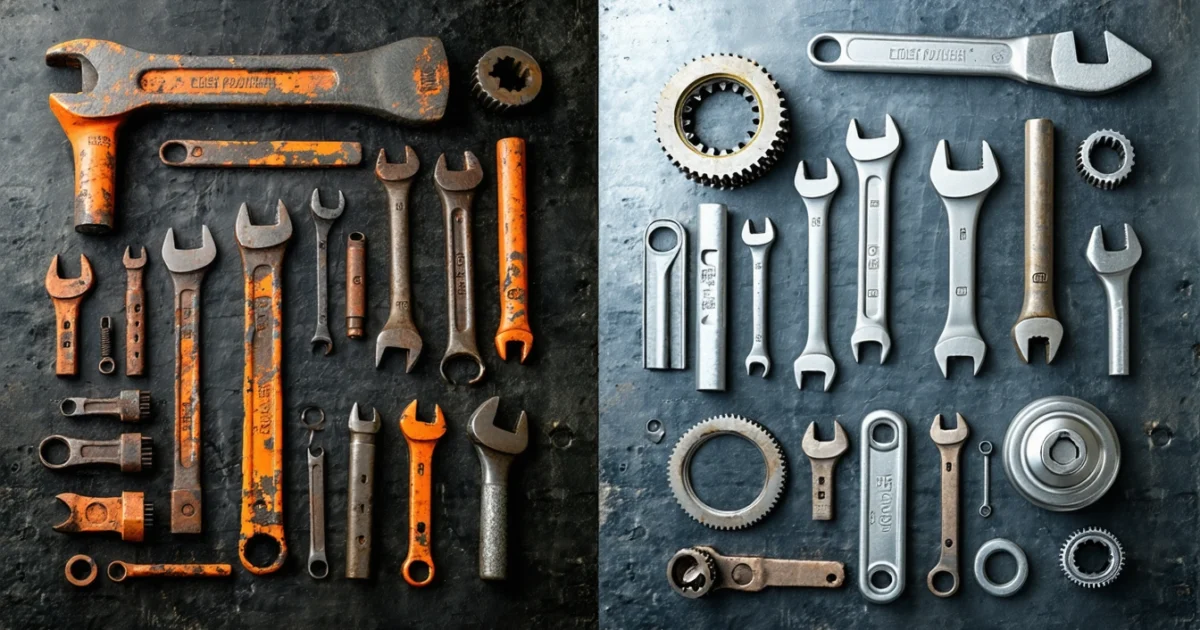
How to clean rust off metal effectively depends on the rust severity and metal type, with methods ranging from simple household items like white vinegar and baking soda to commercial rust removers and mechanical techniques. Most rust removal involves breaking down the iron oxide through chemical reactions or physical abrasion, then applying protective coatings to prevent future corrosion. Understanding the right approach for your specific situation ensures successful rust removal without damaging the underlying metal.
Rust forms when iron and steel react with oxygen and moisture, creating an electrochemical process that produces iron oxide. Therefore, effective cleaning requires neutralizing this oxidation while preserving the metal’s integrity. Different rust types—from light surface rust to deep penetrating corrosion—demand specific treatment approaches.
Whether you’re dealing with garden tools, automotive parts, or household items, the key lies in matching the removal method to the rust severity. Additionally, proper preparation and safety measures ensure both effective cleaning and personal protection. Similar to cleaning other metal items like rusty grill grates, success depends on choosing the right technique for your specific situation.
TL;DR
- Household methods: White vinegar, baking soda paste, and lemon juice work for light rust
- Commercial solutions: Phosphoric acid removers and rust converters handle stubborn corrosion
- Mechanical techniques: Wire brushing, sandpaper, and power tools remove heavy rust buildup
- Safety first: Always wear protective equipment and ensure proper ventilation
- Prevention matters: Apply protective coatings after cleaning to prevent rust return
Understanding Rust Formation and Types
Rust represents a complex chemical process where iron oxide forms through oxidation reactions between iron, oxygen, and moisture. This electrochemical process occurs when water acts as an electrolyte, facilitating electron transfer between iron atoms and oxygen molecules. Consequently, the metal surface develops the characteristic reddish-brown coating that weakens structural integrity over time.
The oxidation process requires three essential components: iron or steel, oxygen, and water. When these elements combine, they create an electrochemical cell where iron atoms lose electrons (oxidation) while oxygen gains them (reduction). Furthermore, this reaction produces iron oxide hydroxide, commonly known as rust, which expands and flakes away from the original metal surface.
Types of Rust Corrosion
Surface rust appears as the earliest stage of corrosion, creating a thin, powdery layer that typically maintains an orange or reddish color. This type affects only the outermost metal layer and responds well to gentle cleaning methods. Additionally, surface rust often develops uniformly across exposed areas where moisture accumulates.
Scale rust penetrates deeper into the metal structure, forming thick, flaky layers that easily chip away when disturbed. This intermediate corrosion stage creates rough, uneven surfaces that trap additional moisture and accelerate further deterioration. Moreover, scale rust requires more aggressive removal techniques than surface oxidation.
Penetrating rust represents the most severe corrosion type, eating completely through metal sections and creating holes or weak spots. This advanced oxidation compromises structural integrity and often necessitates metal replacement rather than cleaning. However, early intervention can prevent surface rust from progressing to this destructive stage.
Rust Progression Warning
Environmental Factors That Accelerate Rust
Humidity levels directly influence rust formation speed, with corrosion rates increasing dramatically above 60% relative humidity. High moisture content provides the water molecules necessary for electrochemical reactions to occur. Similarly, temperature fluctuations create condensation cycles that repeatedly wet and dry metal surfaces.
Salt exposure significantly accelerates the rusting process by increasing water’s electrical conductivity and lowering its freezing point. Coastal environments, road salt applications, and marine conditions create particularly aggressive corrosion environments. Therefore, metals in these settings require more frequent inspection and protective maintenance.
Acidic conditions from pollution, acid rain, or chemical exposure dramatically speed oxidation reactions by providing additional hydrogen ions. These acids lower the pH of surface moisture, creating more reactive environments for iron dissolution. Consequently, industrial areas and polluted regions experience faster rust development than clean environments.
| Factor | Impact Level | Common Sources |
|---|---|---|
| High Humidity (60%+) | High | Coastal areas, basements, bathrooms |
| Salt Exposure | Very High | Ocean spray, road salt, de-icing |
| Acidic Environment | Extreme | Industrial pollution, acid rain |
| Temperature Cycling | Moderate | Outdoor exposure, unheated storage |
Understanding these rust formation mechanisms helps determine appropriate cleaning strategies for different corrosion levels. While surface oxidation responds to mild household remedies, deeper penetration requires stronger chemical treatments or mechanical removal methods. Additionally, recognizing environmental risk factors enables better prevention planning after successful rust removal.
Essential Safety Precautions and Preparation
Safety preparation forms the foundation of successful rust removal projects. Additionally, proper preparation prevents damage to surrounding areas and ensures optimal cleaning results. Therefore, following established safety protocols protects both you and your workspace during the rust removal process.
Personal Protective Equipment Requirements
Chemical-resistant gloves provide essential hand protection when handling rust removers and acidic solutions. Furthermore, nitrile or neoprene gloves resist penetration from common rust removal chemicals like phosphoric acid and oxalic acid. Consequently, these materials offer superior protection compared to standard latex or vinyl gloves.
Eye protection prevents chemical splashes and debris from causing serious injury during rust removal activities. Moreover, safety glasses with side shields block particles generated by scrubbing and wire brushing. Therefore, wraparound safety glasses provide comprehensive eye coverage for mechanical rust removal methods.
Respiratory protection becomes critical when using chemical rust removers or creating airborne particles through sanding. Additionally, dust masks filter fine rust particles, while respirators protect against chemical vapors from commercial rust removal products. Consequently, matching respiratory protection to your specific rust removal method ensures adequate lung protection.
Work Area Preparation and Ventilation
Adequate ventilation prevents dangerous chemical vapor accumulation in enclosed spaces. Furthermore, cross-ventilation with fans or open windows maintains safe air quality when using vinegar, citric acid, or commercial rust removers. Therefore, outdoor work areas provide ideal ventilation for extensive rust removal projects.
Surface protection shields surrounding areas from chemical drips and rust debris during cleaning operations. Additionally, plastic sheeting or drop cloths prevent staining of concrete, wood, or other surfaces beneath your work area. Consequently, proper surface protection saves significant cleanup time and prevents permanent damage.
Ventilation Warning
Testing Cleaning Methods on Inconspicuous Areas
Test patches reveal how different rust removal methods affect your specific metal surface and finish. Moreover, testing in hidden areas prevents visible damage to important or decorative metal items. Therefore, always conduct small-scale tests before applying any rust removal technique to the entire surface.
Chemical compatibility testing determines whether rust removers react negatively with paint, coatings, or metal alloys. Additionally, some chemicals may discolor or etch certain metal surfaces, particularly aluminum or zinc-plated items. Consequently, test results guide your selection of appropriate rust removal methods for each specific application.
Timing evaluation through test patches establishes optimal contact times for chemical rust removers. Furthermore, different rust severity levels require varying exposure periods to achieve complete removal without surface damage. Therefore, test timing helps prevent over-treatment that could harm the underlying metal.
Assessing Rust Severity for Method Selection
Surface rust assessment determines whether gentle household methods or aggressive chemical treatments provide the most effective approach. Additionally, light surface oxidation responds well to mild acids like vinegar or lemon juice, while deep pitting requires stronger solutions. Consequently, matching removal intensity to rust severity prevents unnecessary surface damage.
| Rust Severity | Characteristics | Recommended Methods |
|---|---|---|
| Light Surface Rust | Orange discoloration, no pitting | Vinegar, baking soda, gentle scrubbing |
| Moderate Rust | Flaking, some texture changes | Commercial rust removers, wire brushing |
| Heavy Rust | Deep pitting, structural weakness | Phosphoric acid, mechanical removal |
| Severe Corrosion | Metal thinning, holes present | Professional treatment or replacement |
Metal type identification influences both safety precautions and cleaning method selection for optimal results. Furthermore, stainless steel requires different approaches than carbon steel, while painted metals need gentler treatments to preserve coatings. Therefore, identifying your metal type before beginning ensures appropriate treatment selection and prevents damage to valuable items.
Understanding these preparation fundamentals creates the foundation for safe and effective rust removal. Moreover, proper planning prevents common mistakes that lead to surface damage or safety hazards. Similar preparation principles apply across different metal cleaning applications, emphasizing the universal importance of safety-first approaches.
Household Item Rust Removal Methods
Common household items provide surprisingly effective solutions for removing rust from metal surfaces. Moreover, these accessible alternatives eliminate the need for expensive commercial products while delivering impressive results. Therefore, understanding how everyday items work against rust empowers homeowners to tackle oxidation problems immediately.
White Vinegar Treatment: Soaking and Scrubbing Techniques
White vinegar contains acetic acid that dissolves rust through chemical reaction with iron oxide. Additionally, this mild acid penetrates rust layers without damaging underlying metal surfaces. Consequently, vinegar treatment provides one of the safest household rust removal methods available.
Small items benefit from complete submersion in undiluted white vinegar for 2-24 hours depending on rust severity. Furthermore, heavily rusted pieces require longer soaking times to achieve complete dissolution. Subsequently, gentle scrubbing with a soft brush removes loosened rust particles effectively.
Large objects require spray application or soaked cloth treatment when submersion proves impractical. Nevertheless, maintaining constant vinegar contact ensures consistent rust removal across all surface areas. Therefore, reapplying vinegar every few hours maintains chemical action throughout the treatment process.
Baking Soda Paste Application and Effectiveness
Baking soda paste creates a mildly abrasive treatment that mechanically removes rust while neutralizing acidic conditions. Additionally, sodium bicarbonate’s alkaline properties help break down rust formations through chemical interaction. Consequently, this method works particularly well on light to moderate rust accumulation.
Creating effective paste requires mixing three parts baking soda with one part water until achieving toothpaste-like consistency. Furthermore, this ratio provides optimal abrasiveness without excessive scratching on most metal surfaces. Subsequently, applying paste in circular motions maximizes contact with rust particles.
Treatment duration ranges from 30 minutes to several hours based on rust thickness and metal type. Moreover, allowing paste to dry slightly increases abrasive action during scrubbing phases. Therefore, timing application correctly enhances overall rust removal effectiveness significantly.
Lemon Juice and Salt Combination for Light Rust
Citric acid in lemon juice provides natural rust-dissolving properties while salt adds abrasive action for enhanced cleaning. Additionally, this combination creates a paste-like consistency that adheres well to vertical surfaces. Consequently, lemon-salt treatment excels at removing light surface rust from delicate items.
Optimal mixing ratios combine fresh lemon juice with coarse salt until forming a thick paste consistency. Furthermore, fresh citrus provides higher acid concentration than bottled alternatives for superior rust removal. Subsequently, applying this mixture immediately prevents acid degradation and maintains effectiveness.
Treatment works best on copper, brass, and stainless steel surfaces where gentle action prevents damage to protective coatings. Moreover, the natural acids avoid harsh chemical reactions that might discolor or pit sensitive metals. Therefore, this method suits valuable items requiring careful rust removal approaches.
Aluminum Foil Scrubbing Method for Delicate Surfaces
Aluminum foil scrubbing provides mechanical rust removal without scratching softer metals like chrome or stainless steel. Additionally, aluminum’s galvanic properties create mild electrochemical reactions that help loosen rust bonds. Consequently, this technique offers precise control over abrasive pressure during cleaning.
Crumpling foil into ball shapes creates multiple contact points while maintaining flexibility for curved surfaces. Furthermore, dipping foil balls in water or vinegar enhances lubrication and prevents surface scratching. Subsequently, gentle circular motions gradually remove rust without damaging underlying metal finishes.
This method works exceptionally well on chrome bumpers, stainless steel appliances, and painted metal surfaces where preservation of original finish remains critical. Moreover, aluminum foil costs significantly less than specialized abrasive pads while delivering comparable results. Therefore, this approach suits budget-conscious rust removal projects effectively.
Coca-Cola Rust Removal: Myth vs. Reality and Limitations
Phosphoric acid in Coca-Cola does provide mild rust removal capabilities, though significantly weaker than dedicated cleaning products. Additionally, the pH level of 2.5 creates acidic conditions that can dissolve light rust formations over extended periods. However, sugar content and other additives limit practical effectiveness compared to purpose-made solutions.
Real-world testing shows Coca-Cola removes only surface-level rust discoloration rather than structural rust formations. Furthermore, treatment requires 24-48 hours of contact time to achieve minimal visible results. Subsequently, sticky residue from sugar content creates additional cleaning challenges after rust treatment.
While Coca-Cola can demonstrate rust removal in controlled conditions, practical limitations make it unsuitable for serious cleaning projects. Moreover, cost per volume exceeds dedicated rust removers while delivering inferior results. Therefore, this method serves better as educational demonstration than practical rust removal solution for metal restoration projects.
Pros
- Household items provide immediate availability
- Natural acids offer safer alternatives to harsh chemicals
- Multiple methods allow matching treatment to rust severity
- Cost-effective solutions reduce cleaning expenses
Cons
- Longer treatment times compared to commercial products
- Limited effectiveness on heavy rust formations
- Some methods require multiple applications
- Results vary significantly based on metal type
Commercial Rust Removers and Chemical Solutions
Commercial rust removal products deliver faster and more thorough results than household remedies for serious rust problems. Furthermore, these specialized formulations target specific rust types while offering controlled application methods. Professional-grade solutions contain concentrated acids and chelating agents that dissolve rust formations effectively without extensive scrubbing.
Phosphoric Acid-Based Rust Removers and Application
Phosphoric acid rust removers convert iron oxide into water-soluble iron phosphate compounds that wash away easily. Additionally, these products create a thin phosphate coating that provides temporary corrosion protection on treated surfaces. Most commercial formulations contain 10-85% phosphoric acid concentration depending on intended application strength.
Application requires protective equipment including gloves, eye protection, and adequate ventilation due to acid vapors. Moreover, surface preparation involves removing loose rust and debris before applying the remover with brush or spray application. Contact time ranges from 15 minutes to several hours depending on rust severity and product concentration.
Neutralization with baking soda solution stops the acid reaction after rust removal completion. Subsequently, thorough water rinsing removes dissolved rust particles and residual acid from treated surfaces. This method works exceptionally well on automotive parts, tools, and structural steel components.
Oxalic Acid (Wood Bleach) for Stubborn Rust Stains
Oxalic acid solutions excel at removing deep rust stains and discoloration that resist other treatment methods. Furthermore, this crystalline compound dissolves in water to create powerful rust-chelating solutions. Hardware stores sell oxalic acid as wood bleach in powder form for easy mixing and application.
Mixing ratios typically range from 1-3 tablespoons per cup of water depending on stain intensity and metal sensitivity. Additionally, warm water accelerates dissolution and increases cleaning effectiveness compared to cold applications. Safety precautions include skin protection and eye safety due to the corrosive nature of concentrated solutions.
Application involves brushing or soaking affected areas for 30 minutes to 2 hours while monitoring progress regularly. Subsequently, scrubbing with non-abrasive brushes helps remove loosened rust particles without scratching underlying metal. This approach proves particularly effective on rusty grill grates and outdoor metal furniture.
Rust Converter Products That Transform Rust Into Protective Coating
Rust converter products chemically transform existing rust into a stable, protective black coating rather than removing it completely. Moreover, these formulations contain tannic acid and organic polymers that react with iron oxide to form magnetite compounds. This approach eliminates the need for complete rust removal while providing long-term corrosion protection.
Application requires minimal surface preparation since converters work directly on existing rust formations. Additionally, brush or roller application creates uniform coverage over large areas efficiently. Curing time ranges from 24-48 hours depending on temperature and humidity conditions.
Converted surfaces accept primer and paint applications directly without additional preparation steps. Furthermore, the black coating provides excellent adhesion for topcoat finishes while maintaining corrosion resistance. This method suits structural steel, automotive frames, and outdoor equipment where complete rust removal proves impractical.
Naval Jelly and Gel-Based Removers for Vertical Surfaces
Naval jelly formulations contain concentrated phosphoric acid in gel consistency that adheres to vertical and overhead surfaces effectively. Additionally, the thick consistency prevents dripping and extends contact time for thorough rust dissolution. These products work exceptionally well on pipes, railings, and structural components.
Gel-based removers maintain active contact for 15-30 minutes without reapplication on vertical surfaces. Moreover, the controlled application reduces waste while concentrating cleaning power on affected areas. Brush application allows precise targeting of rust spots without affecting surrounding clean metal.
Removal involves scraping or scrubbing loosened rust while the gel remains active on the surface. Subsequently, neutralization and rinsing follow standard procedures for acid-based rust removers. This approach proves particularly valuable for automotive restoration and marine equipment maintenance.
Electrolytic Rust Removal for Valuable Metal Items
Electrolytic rust removal uses electrical current to reverse the oxidation process that creates rust formations. Furthermore, this method removes rust without mechanical abrasion or harsh chemicals that might damage delicate surfaces. The process requires a DC power source, electrolyte solution, and sacrificial anode material.
Setup involves submerging the rusty item as the cathode in sodium carbonate solution with a steel anode. Additionally, 12-24 volt DC current flows between electrodes to reduce iron oxide back to metallic iron. Treatment time varies from several hours to overnight depending on rust severity and item size.
This method preserves original surface textures and fine details that mechanical cleaning might destroy. Moreover, electrolytic treatment works effectively on antique tools, vintage hardware, and collectible metal items where preservation of original character remains critical. Professional restoration services often employ this technique for valuable historical artifacts.
Safety Reminder
Mechanical Rust Removal Techniques
Mechanical rust removal methods physically scrape, sand, or abrade rust from metal surfaces using manual tools or powered equipment. These techniques work effectively across various rust severity levels and provide immediate visual results. However, proper tool selection prevents surface damage while ensuring complete rust elimination.
Wire Brushing: Manual and Powered Options
Wire brushes remove rust through direct mechanical contact between metal bristles and corroded surfaces. Manual wire brushes feature different bristle materials including carbon steel, stainless steel, and brass for varying hardness levels. Carbon steel bristles tackle heavy rust effectively, while brass bristles suit delicate surfaces that require gentler treatment.
Powered wire brushes attach to electric drills, angle grinders, or dedicated rotary tools for faster rust removal. Additionally, these motorized options reduce physical effort while maintaining consistent pressure across treated surfaces. Cup brushes work well for flat surfaces, whereas end brushes access tight corners and intricate details.
Sandpaper Grits for Different Rust Severity Levels
Sandpaper selection depends directly on rust depth and metal thickness beneath corroded areas. Coarse grits between 60-120 remove heavy rust formations and deep pitting effectively. Medium grits from 150-220 handle moderate surface rust while preserving underlying metal integrity.
| Grit Range | Rust Severity | Application |
|---|---|---|
| 60-80 | Heavy rust, deep pitting | Initial removal, thick corrosion |
| 100-120 | Moderate to heavy rust | General rust removal |
| 150-220 | Light to moderate rust | Surface preparation, fine work |
| 320-400 | Surface oxidation | Final smoothing, paint prep |
Fine grits above 320 smooth surfaces after rust removal and prepare metal for protective coatings. Furthermore, wet sanding with fine grits prevents metal dust accumulation while achieving mirror-like finishes on stainless steel components.
Steel Wool Grades and Appropriate Applications
Steel wool grades range from coarse Grade 4 to ultra-fine Grade 0000, with each serving specific rust removal purposes. Grade 3 and 4 steel wool removes heavy rust buildup from cast iron cookware and garden tools effectively. Meanwhile, Grade 1 and 2 handle moderate rust on automotive parts and household metal items.
Fine grades 00 and 000 polish metal surfaces after rust removal while eliminating minor oxidation spots. Ultra-fine Grade 0000 creates satin finishes on stainless steel and removes water spots without scratching. Always work steel wool in consistent directions to avoid creating random scratch patterns across treated surfaces.
Power Tools: Angle Grinders, Rotary Tools, and Sanders
Angle grinders equipped with wire wheels or flap discs remove rust from large metal objects quickly and efficiently. These powerful tools handle heavy rust on grill grates and structural steel components where manual methods prove inadequate. However, operator skill prevents gouging or overheating that damages base metal.
Rotary tools with various attachments access confined spaces and detailed metalwork that larger equipment cannot reach. Additionally, variable speed controls allow precise material removal without excessive heat generation. Orbital sanders provide consistent surface preparation across flat panels while minimizing swirl marks.
Safety Considerations
Sandblasting for Large Metal Objects and Heavy Rust
Sandblasting propels abrasive media at high velocity to strip rust, paint, and corrosion from metal surfaces completely. This method handles large metal objects including vehicles, machinery, and structural components where other techniques prove impractical. Professional sandblasting services typically use aluminum oxide, glass beads, or steel shot depending on desired surface finish.
Media selection affects both cleaning efficiency and final surface texture significantly. Coarse media removes heavy rust rapidly but creates rough surface profiles, while fine media produces smooth finishes suitable for painting. Moreover, pressure settings require careful adjustment to prevent metal erosion or warping on thin materials.
Portable sandblasting equipment allows on-site rust removal for large structures and equipment that cannot move to dedicated facilities. Nevertheless, environmental considerations including dust control and media containment require proper planning and protective measures during outdoor operations.
Specialized Removal Methods by Metal Type
Different metals require tailored rust removal approaches to preserve their unique properties and finishes. Furthermore, each metal type responds differently to chemical treatments, abrasives, and cleaning techniques. Understanding these material-specific requirements prevents damage while achieving optimal rust removal results.
Stainless Steel Rust Removal Without Damaging Finish
Stainless steel develops surface rust when protective chromium oxide layers become compromised through contamination or scratches. Gentle cleaning methods preserve the material’s corrosion-resistant properties while removing unsightly rust spots effectively. White vinegar provides excellent results without harsh chemicals that damage stainless steel finishes.
Apply vinegar directly to rust spots and allow 15-20 minutes contact time before gentle scrubbing with soft cloths. Additionally, baking soda paste creates mild abrasive action that removes stubborn rust without scratching polished surfaces. Commercial stainless steel cleaners contain specialized formulations that dissolve rust while maintaining surface integrity.
Avoid chlorine-based cleaners and steel wool that permanently damage stainless steel’s protective coating. Instead, use plastic scrapers and microfiber cloths for mechanical rust removal. Proper cleaning maintains the metal’s natural luster and prevents future corrosion development.
Cast Iron Restoration and Seasoning Preservation
Cast iron cookware requires careful rust removal techniques that preserve existing seasoning layers whenever possible. Light surface rust responds well to coarse salt scrubs combined with vegetable oil that maintains the pan’s non-stick properties. This method removes rust while adding protective oil layers to the metal surface.
Heavy rust formation necessitates complete seasoning removal and restoration processes. Electrolysis tanks provide gentle rust removal that preserves the underlying iron without aggressive chemical action. Alternatively, oven cleaner strips both rust and seasoning completely, requiring full re-seasoning after treatment.
Professional restoration services handle severely rusted cast iron pieces using specialized techniques including sandblasting and chemical stripping. However, DIY restoration often achieves excellent results through patient application of gentler methods. Proper grill grate maintenance demonstrates similar principles for outdoor cast iron care.
Aluminum Oxidation Treatment
Aluminum oxidation differs significantly from iron rust, forming protective aluminum oxide layers rather than destructive corrosion. Nevertheless, heavy oxidation creates unsightly white powdery deposits that require specialized removal techniques. Citric acid solutions effectively dissolve aluminum oxide without damaging the underlying metal structure.
Mix two tablespoons citric acid per liter of warm water to create effective cleaning solutions for aluminum surfaces. Moreover, cream of tartar provides gentle abrasive action that removes oxidation while polishing aluminum to original brightness. Commercial aluminum cleaners contain specialized acids formulated specifically for this metal type.
Avoid using steel brushes or harsh abrasives that scratch aluminum’s soft surface permanently. Instead, employ nylon brushes and aluminum foil balls for mechanical cleaning action. Proper technique restores aluminum’s natural shine without creating surface damage that accelerates future oxidation.
Painted Metal Surfaces: Rust Removal Without Paint Damage
Painted metal surfaces present unique challenges requiring rust removal methods that preserve surrounding paint finishes. Rust converters chemically transform rust into stable compounds without mechanical scraping that damages paint edges. These products penetrate rust layers while leaving adjacent painted areas completely unaffected.
Gel-based rust removers provide controlled application that prevents chemical spread onto painted surfaces. Furthermore, precision brushes and cotton swabs allow targeted rust treatment in confined areas between paint sections. Masking tape protects surrounding paint during chemical rust removal processes.
Light sanding with 220-grit sandpaper removes surface rust while feathering paint edges for seamless touch-up applications. However, aggressive sanding creates paint damage that requires extensive refinishing work. Careful technique preserves original paint while eliminating rust formation completely.
Chrome and Plated Surfaces: Gentle Cleaning Approaches
Chrome plating and other metal finishes require extremely gentle rust removal techniques that preserve thin decorative layers. Aluminum foil dipped in water creates mild abrasive action that removes rust without scratching chrome surfaces. This technique works particularly well on automotive trim and household fixtures.
Naval jelly and phosphoric acid products dissolve rust chemically without mechanical action that damages plated finishes. Additionally, chrome polish contains mild abrasives specifically formulated for these delicate surfaces. Professional restoration services handle severely damaged chrome through re-plating processes.
Test cleaning methods on inconspicuous areas before treating visible chrome surfaces extensively. Moreover, immediate neutralization with water prevents acid damage to underlying metal substrates. Proper care maintains chrome’s mirror finish while eliminating rust formation that compromises appearance and protection.
Large Object and Outdoor Metal Treatment
Large outdoor metal structures and equipment present unique challenges when removing rust due to their size, weight, and immovable nature. Furthermore, these objects often experience continuous weather exposure that accelerates corrosion formation. Effective treatment strategies must accommodate limited access, environmental factors, and the need for in-place rust removal techniques.
Garden Tools and Outdoor Furniture Restoration
Garden tools accumulate rust from soil moisture, fertilizers, and seasonal storage conditions. Soaking heavily rusted tools in white vinegar for 24-48 hours dissolves corrosion without damaging metal surfaces. Additionally, aluminum foil wrapped around wooden handles creates effective scrubbing action that removes stubborn rust deposits.
Outdoor furniture restoration requires systematic approaches based on construction materials and rust severity. Steel patio sets benefit from naval jelly application that penetrates intricate designs and joint areas. Meanwhile, wrought iron pieces respond well to wire brush treatment followed by rust-converting primer application.
Protective coatings prevent future rust formation on restored garden equipment and furniture. Marine-grade paint systems provide superior weather resistance compared to standard outdoor paints. Moreover, regular cleaning and immediate touch-up application maintain protective barriers against moisture infiltration.
Vehicle Parts and Automotive Rust Removal
Automotive rust treatment varies significantly between accessible exterior components and hard-to-reach structural elements. Phosphoric acid solutions convert rust into protective phosphate coatings while neutralizing further corrosion activity. This chemical conversion process works particularly well on exhaust systems and undercarriage components.
Brake components require specialized rust removal techniques that preserve critical safety tolerances. Fine steel wool removes surface rust from brake rotors without creating scoring that compromises braking performance. However, severely corroded brake parts necessitate professional replacement rather than restoration attempts.
Body panel rust treatment depends on perforation depth and location accessibility. Surface rust responds to electrolytic rust removal using battery chargers and washing soda solutions. Conversely, structural rust requires cutting and welding repairs that exceed DIY capabilities for most vehicle owners.
Fence and Gate Treatment Strategies
Chain-link fences present unique rust removal challenges due to wire mesh construction and galvanized coating deterioration. Pressure washing with rust-removing detergents reaches all wire intersections while avoiding manual scrubbing of extensive surface areas. Subsequently, spray-applied rust converters penetrate mesh openings for comprehensive treatment coverage.
Wrought iron gates require careful rust removal that preserves decorative details and structural integrity. Rotary tools with wire brush attachments clean intricate scrollwork and tight corners effectively. Additionally, similar techniques work for outdoor grilling equipment that experiences comparable rust formation patterns.
Post and rail fencing benefits from sectional treatment approaches that prevent overwhelming project scope. Treating one section completely before moving to adjacent areas maintains motivation while ensuring thorough rust elimination. Furthermore, this systematic method allows proper drying time between treatment and protective coating application.
Industrial Equipment and Machinery Cleaning
Large industrial machinery requires specialized rust removal techniques that accommodate operational constraints and safety requirements. Dry ice blasting removes rust without water introduction that could damage electrical components or create additional corrosion. This method works particularly well on manufacturing equipment that cannot tolerate moisture exposure.
Chemical rust removal on industrial equipment demands careful product selection based on metal composition and environmental regulations. Citric acid solutions provide effective rust dissolution while meeting environmental safety standards for industrial applications. Moreover, these biodegradable formulations reduce disposal complications compared to stronger acid treatments.
Equipment downtime considerations influence rust removal scheduling and technique selection. Fast-acting gel formulations reduce treatment time while providing superior surface contact on vertical and overhead surfaces. Additionally, simultaneous treatment of multiple components maximizes efficiency during planned maintenance windows.
In-Place Treatment for Immovable Metal Structures
Structural steel beams, bridge components, and building frameworks require rust treatment without disassembly or relocation. Brush-applied rust converters transform existing corrosion into stable protective layers while penetrating hard-to-reach areas. These products eliminate the need for complete rust removal on massive structural elements.
Scaffolding and access equipment enable comprehensive treatment of elevated structural components. Professional-grade spray equipment applies rust treatments uniformly across large surface areas while maintaining consistent coverage thickness. However, wind conditions and overspray concerns require careful application timing and protective measures.
Long-term maintenance programs prevent extensive rust formation on immovable structures through regular inspection and touch-up applications. Sacrificial anode systems provide electrochemical protection for buried or submerged structural elements. These passive protection methods reduce ongoing maintenance requirements while extending structural service life significantly.
Safety Reminder
Post-Cleaning Treatment and Rust Prevention
Successful rust removal requires comprehensive post-treatment procedures to ensure long-lasting results. Moreover, proper neutralization and protective coating application prevents rust recurrence while maintaining metal integrity. These critical finishing steps determine whether your rust removal efforts provide temporary relief or permanent protection.
Neutralizing Acid Residues After Chemical Treatment
Acid neutralization eliminates harmful chemical residues that continue corroding metal surfaces after rust removal. Phosphoric acid, hydrochloric acid, and other chemical rust removers leave invisible residues that accelerate future corrosion if not properly neutralized. Furthermore, these residues interfere with primer adhesion and protective coating performance.
Baking soda solutions effectively neutralize most acid residues through simple chemical reactions. Mix one tablespoon of baking soda per cup of water to create an alkaline neutralizing solution. Apply this mixture generously across all treated surfaces, allowing it to foam and bubble as it neutralizes remaining acids.
Commercial neutralizing agents provide more comprehensive acid elimination for professional applications. These specialized products contain buffering compounds that maintain optimal pH levels while removing all chemical residues. Additionally, they include indicators that change color when neutralization is complete, ensuring thorough treatment coverage.
Thorough Cleaning and Drying Procedures
Complete surface preparation requires multiple cleaning stages to remove all contaminants before protective coating application. Degreasing agents eliminate oil, grease, and fingerprint residues that prevent proper coating adhesion. Subsequently, clean water rinses remove cleaning product residues and dissolved contaminants from the metal surface.
Compressed air drying accelerates moisture removal from complex geometries and hard-to-reach areas. Water trapped in crevices, joints, and threaded connections creates ideal conditions for renewed rust formation. Therefore, thorough drying prevents flash rusting that occurs within hours of cleaning completion.
Surface inspection reveals any remaining rust spots or contamination requiring additional treatment. White metal finish indicates complete rust removal and optimal surface preparation for protective coatings. However, slight discoloration or pitting may remain without compromising coating performance if properly cleaned and dried.
Primer Application for Long-Term Protection
Rust-inhibiting primers create the foundation for durable metal protection systems. These specialized coatings bond directly to clean metal while providing corrosion resistance and topcoat adhesion. Zinc-rich primers offer galvanic protection by sacrificing themselves to protect the underlying metal substrate.
Epoxy primers deliver superior adhesion and chemical resistance for demanding environments. Their cross-linked molecular structure creates an impermeable barrier against moisture and oxygen penetration. Additionally, epoxy formulations cure at room temperature while maintaining flexibility to accommodate thermal expansion and contraction.
Application timing proves critical for primer effectiveness and adhesion performance. Flash rust formation begins within 30 minutes on clean steel surfaces exposed to humid conditions. Consequently, primer application must occur immediately after surface preparation to prevent contamination and ensure optimal bonding.
Protective Coatings: Paint, Oil, and Wax Options
Topcoat selection depends on environmental exposure conditions and aesthetic requirements. Alkyd enamel paints provide excellent durability for outdoor applications while offering superior color retention and gloss stability. These oil-based formulations penetrate primer layers while creating tough, flexible protective films.
Penetrating oils offer temporary protection for tools and machinery requiring frequent maintenance access. Boiled linseed oil penetrates metal pores while polymerizing into a semi-permanent protective layer. However, oil treatments require regular reapplication to maintain effectiveness against moisture and oxygen exposure.
Paste waxes deliver removable protection for decorative metalwork and antique restoration projects. Carnauba wax formulations provide water repellency while allowing easy removal for future treatment or refinishing. Nevertheless, wax coatings offer limited durability compared to paint systems and require frequent maintenance.
Pros
- Paint systems offer 5-10 year protection
- Oil treatments allow easy reapplication
- Wax coatings preserve original metal appearance
- Multiple coating layers increase durability
Cons
- Paint requires surface preparation
- Oil treatments need frequent renewal
- Wax offers limited weather protection
- Coating failures expose entire surface
Environmental Controls to Prevent Future Rust Formation
Humidity control represents the most effective long-term rust prevention strategy for indoor metal storage and equipment. Maintaining relative humidity below 50 percent virtually eliminates atmospheric corrosion on clean metal surfaces. Dehumidifiers, desiccant systems, and proper ventilation achieve these conditions in enclosed spaces.
Vapor phase inhibitors provide invisible protection for stored metal items and equipment. These chemical compounds vaporize slowly while depositing protective molecular layers on all exposed metal surfaces. Grill maintenance benefits significantly from VPI papers placed in storage covers during off-seasons.
Drainage improvements eliminate standing water that accelerates corrosion on outdoor metal structures. Galvanic corrosion occurs when different metals contact each other in the presence of moisture, creating electrochemical reactions. Consequently, proper design and installation prevent these conditions through material selection and isolation techniques.
Regular inspection schedules identify early rust formation before extensive damage occurs. Preventive maintenance costs significantly less than reactive repairs while extending metal service life dramatically. Touch-up painting, joint sealing, and drainage clearing prevent minor issues from becoming major restoration projects.
Proper post-treatment procedures increase rust removal effectiveness by 300% compared to cleaning alone
Troubleshooting Common Rust Removal Problems
Even experienced cleaners encounter challenging rust removal scenarios that resist standard treatment methods. Understanding why these problems occur helps you develop effective solutions while avoiding costly mistakes. Most troubleshooting issues stem from incomplete preparation, inappropriate product selection, or underlying metal conditions that require specialized approaches.
When Rust Returns Quickly After Cleaning
Flash rusting occurs when moisture contacts freshly cleaned metal surfaces before protective treatments cure properly. This phenomenon happens most frequently during humid weather or when cleaning products contain water-based formulations. Additionally, inadequate surface preparation leaves microscopic rust particles that act as nucleation sites for renewed corrosion.
Temperature fluctuations accelerate flash rusting by creating condensation on metal surfaces. Consequently, timing your rust removal projects during stable, dry weather conditions prevents rapid re-rusting. Furthermore, applying rust converters or protective coatings immediately after cleaning blocks oxygen and moisture access to vulnerable metal.
Critical Timing
Dealing with Pitted Metal Surfaces
Pitting corrosion creates deep cavities in metal that trap cleaning solutions and debris, making complete rust removal extremely difficult. These microscopic pockets harbor corrosive agents that continue attacking the metal even after surface cleaning. Moreover, standard brushing and chemical treatments cannot reach the bottom of deep pits effectively.
Ultrasonic cleaning provides the most effective solution for pitted surfaces by using high-frequency vibrations to dislodge trapped contaminants. Alternatively, extended soaking periods with penetrating rust dissolvers allow chemicals to reach deep into pit structures. However, severely pitted metal may require professional restoration or replacement depending on structural integrity requirements.
- Mechanical solutions: Rotary brushes with fine bristles reach into shallow pits
- Chemical approaches: Phosphoric acid converters neutralize trapped rust particles
- Professional methods: Electrolytic cleaning removes rust from complex geometries
Removing Rust Stains from Surrounding Materials
Rust stains migrate from corroded metal onto adjacent concrete, fabric, and painted surfaces through water runoff and oxidation byproducts. These iron oxide deposits bond chemically with porous materials, requiring different removal strategies than direct metal cleaning. Standard rust removers often damage or discolor surrounding materials while proving ineffective against embedded stains.
Oxalic acid solutions effectively dissolve rust stains from concrete and masonry without causing structural damage. Meanwhile, citric acid formulations safely remove rust discoloration from fabrics and upholstery materials. Testing cleaning solutions on inconspicuous areas prevents permanent damage to valuable surfaces while ensuring compatibility.
Handling Rust That Won't Respond to Standard Methods
Stubborn rust formations typically indicate advanced oxidation, alloy complications, or protective coating interference. Stainless steel develops unique corrosion patterns that resist conventional rust removers due to chromium oxide layers. Similarly, galvanized coatings create complex chemical environments that neutralize standard cleaning acids.
Heat application increases chemical reaction rates while expanding metal pores for better penetration. Consequently, warming rust removal solutions to 40-50°C dramatically improves effectiveness on resistant corrosion. However, excessive temperatures damage surrounding materials and create safety hazards requiring proper ventilation and protective equipment.
Pros
- Heated solutions penetrate deeper into rust layers
- Chemical reactions proceed faster at elevated temperatures
- Stubborn corrosion yields to enhanced treatment methods
Cons
- Safety risks from heated chemicals require protective equipment
- Some materials suffer damage from temperature exposure
- Ventilation requirements increase with heated applications
Electrolytic rust removal provides the ultimate solution for impossible cases by using electrical current to reverse the oxidation process. This method works particularly well on valuable antiques, precision tools, and complex mechanical components where mechanical cleaning risks damage. Professional electrolytic services handle items too large or valuable for home treatment.
Determining When Professional Restoration is Needed
Structural rust damage requires professional assessment when corrosion penetrates more than 25% of the original metal thickness. Load-bearing components, safety equipment, and precision machinery demand expert evaluation to ensure continued safe operation. Furthermore, valuable antiques and collectibles benefit from conservation-grade treatments that preserve historical integrity.
Cost-benefit analysis helps determine restoration viability compared to replacement options. Professional rust removal services typically charge £50-200 per hour depending on complexity and equipment requirements. However, specialized treatments often cost less than purchasing new components while maintaining original specifications and quality.
| Condition | DIY Suitable | Professional Required |
|---|---|---|
| Surface rust only | ✓ | |
| Pitting under 2mm deep | ✓ | |
| Structural components | ✓ | |
| Valuable antiques | ✓ | |
| Safety equipment | ✓ |
Professional restoration services offer specialized equipment including vapor blasting systems, industrial electrolytic tanks, and controlled atmosphere treatments. These methods achieve results impossible with consumer-grade products while ensuring proper disposal of hazardous waste materials. Additionally, professional treatments often include warranties and quality guarantees that protect your investment.
Frequently Asked Questions
What quickly removes rust from metal?
The fastest rust removal methods depend on rust severity. For light surface rust, white vinegar or phosphoric acid-based commercial removers work within 30 minutes to 2 hours. For heavy rust, naval jelly or muriatic acid solutions provide rapid results but require extreme caution. Mechanical methods like wire brushing or power tools offer immediate results for stubborn corrosion.
Does WD-40 remove rust off metal?
WD-40 helps with light surface rust and acts as a penetrating oil to loosen rust particles, but it’s not a dedicated rust remover. It works best for prevention and loosening stuck parts rather than dissolving heavy corrosion. For actual rust removal, combine WD-40 with scrubbing or use dedicated rust removal products.
Does vinegar really remove rust?
Yes, white vinegar effectively removes rust through its acetic acid content, which dissolves iron oxide. Soak rusty items for 2-24 hours depending on rust severity. This method works best on light to moderate rust and is safe for most metals. For faster results, heat the vinegar or combine it with baking soda for enhanced cleaning power.
What dissolves rust without scrubbing?
Several chemical solutions dissolve rust without mechanical scrubbing:
- Phosphoric acid converts rust to a protective coating
- Oxalic acid (wood bleach) dissolves iron oxide effectively
- Citric acid provides gentle, food-safe rust removal
- Commercial rust converters chemically transform rust into protective primer
How do you remove rust from stainless steel?
Stainless steel requires gentle methods to avoid scratching the protective chromium layer. Use baking soda paste, white vinegar, or specialized stainless steel cleaners. Avoid chlorine bleach and steel wool which can damage the surface. For stubborn spots, try cream of tartar mixed with lemon juice or commercial stainless steel rust removers.
How do you remove rust from large metal objects?
Large metal objects require scalable approaches:
- Spray-on rust removers for even coverage
- Power tools like angle grinders with wire wheels
- Sandblasting for complete surface preparation
- Electrolysis for valuable items requiring gentle treatment
- Naval jelly applied in sections for heavy corrosion
How do you remove rust from metal without scratching?
Use chemical methods instead of abrasive techniques. Phosphoric acid, citric acid, or white vinegar dissolve rust without surface damage. For gentle mechanical action, try aluminum foil dipped in water or fine steel wool (0000 grade). Rust converters transform corrosion into protective coatings without scrubbing.
Can you use baking soda to remove rust from metal?
Yes, baking soda creates an effective rust removal paste when mixed with water. The alkaline properties help neutralize acidic rust while providing mild abrasive action. Make a thick paste, apply to rusty areas, let sit for 1-2 hours, then scrub gently. This method works best on light to moderate surface rust.
How do you remove rust from painted metal?
Painted metal requires careful treatment to preserve the coating. Use rust converters that work through paint, or carefully apply gel-based rust removers only to affected areas. For spot treatment, try fine sandpaper followed by touch-up paint. Avoid soaking methods that might damage surrounding paint.
Does Coca-Cola really remove rust?
Coca-Cola contains phosphoric acid which can help with very light rust, but it’s much less effective than dedicated rust removers. The acid concentration is too low for serious corrosion. While it might work for minor surface oxidation, proper rust removal products or household acids like white vinegar provide better results.
What safety precautions should you take when removing rust?
Always prioritize safety during rust removal:
- Wear protective gloves and safety glasses
- Ensure adequate ventilation when using chemical removers
- Use respiratory protection during sanding or grinding
- Read product labels and follow manufacturer instructions
- Keep neutralizing agents nearby for acid spills
- Work in well-lit areas to see progress clearly
How do you prevent rust from returning after cleaning?
Prevention is crucial for long-term success:
- Apply protective coatings like primer and paint
- Use rust inhibitors or conversion coatings
- Keep metal dry and well-ventilated
- Apply wax or oil-based protectants regularly
- Store items properly away from moisture
- Perform regular maintenance and inspections
Can aluminum foil remove rust from metal?
Aluminum foil can help remove rust when dipped in water and used as a gentle abrasive. The aluminum is softer than steel but harder than rust, making it effective for light corrosion without scratching the underlying metal. This method works particularly well on chrome surfaces and stainless steel where you want to avoid damage.
You May Also Like
How to Clean Silver Necklace: Complete Guide 2026
How to Clean Tarnished Silver: Complete Guide for 2026