Drum Clean Significado: What It Means & How to Use It

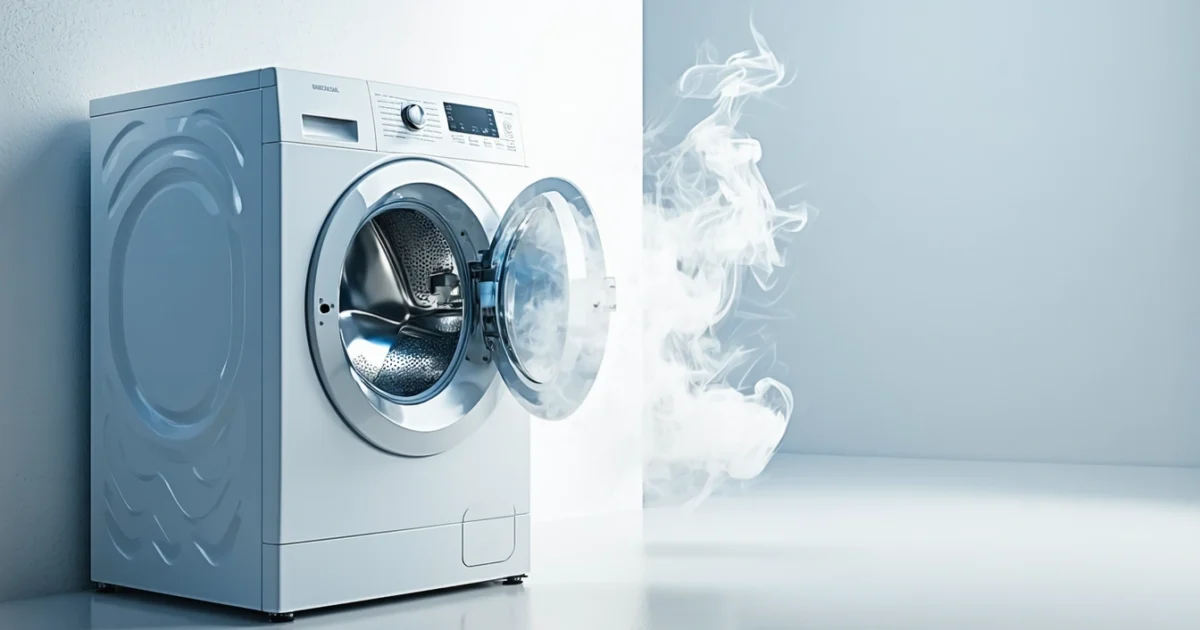
Drum clean significado translates to “drum clean meaning” in English, referring to the self-cleaning cycle found on modern washing machines. This feature removes detergent residue, limescale, and bacteria from your washing machine’s drum and internal components. Most UK households encounter this term on appliance displays or in multilingual manuals, particularly on Samsung, LG, and Bosch models.
The drum clean function runs a high-temperature cycle without clothes to sanitise your machine’s interior. Additionally, this maintenance programme prevents unpleasant odours and extends your appliance’s lifespan. Understanding when and how to use this feature ensures optimal washing performance and hygiene.
Many people confuse drum clean with a regular maintenance wash, but they serve different purposes. Furthermore, the frequency and method vary between manufacturers, making it essential to understand your specific model’s requirements.
TL;DR
- Drum clean significado means “drum clean meaning” – it’s a self-cleaning cycle for washing machines
- The function removes detergent buildup, limescale, and bacteria using high temperatures
- Run drum clean monthly or when your machine displays warning messages
- Different brands label this feature differently (Self Clean, Tub Clean, Drum Clean+)
What Does 'Drum Clean' Mean? Understanding the Term
The phrase “drum clean significado” combines English and Spanish/Portuguese terminology, where “significado” translates to “meaning” or “significance.” Consequently, users searching for this term seek to understand what drum cleaning means in their washing machine context. This multilingual query reflects the global nature of modern appliances and their diverse user bases.
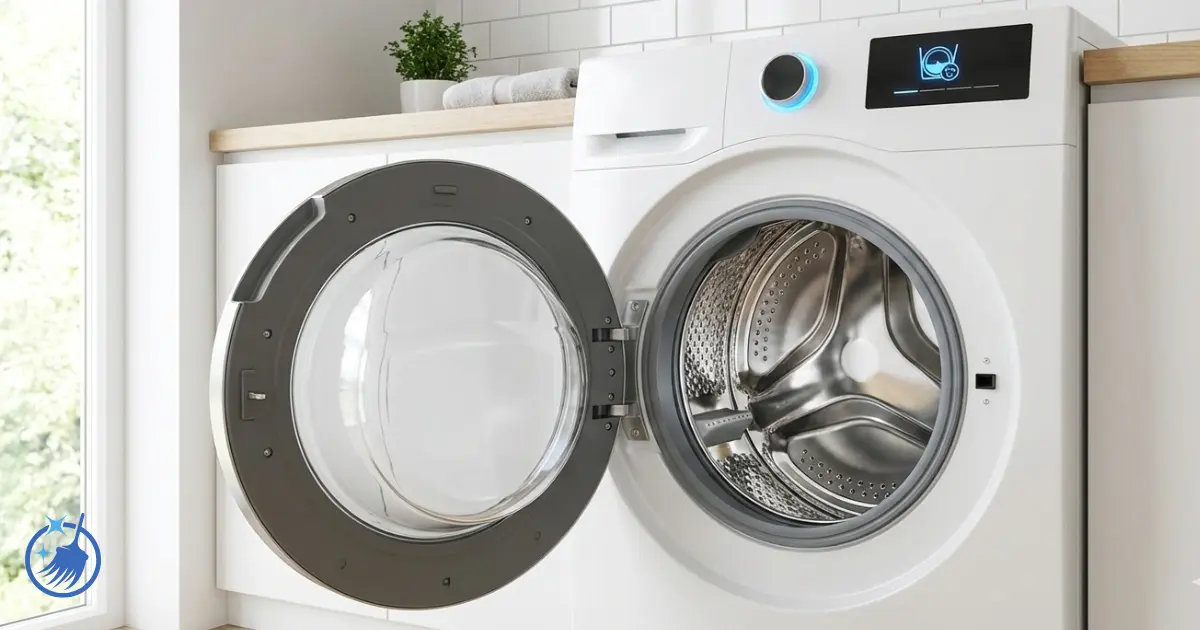
In washing machine terminology, drum clean refers to a specialised cleaning cycle that sanitises the machine’s interior components. Moreover, this automated process targets the drum, door seals, and internal pathways where detergent residue accumulates. The cleaning function operates at high temperatures to eliminate bacteria, mould, and limescale deposits effectively.
Manufacturers include this term on appliance displays because regular washing cycles cannot adequately clean the machine itself. Furthermore, modern detergents and fabric softeners leave residues that build up over time, creating ideal conditions for bacterial growth. The drum clean cycle addresses these hygiene concerns through intensive heat treatment and extended wash duration.
Different brands use varying terminology for this essential maintenance function, reflecting regional preferences and marketing strategies. Additionally, these variations can confuse consumers when comparing models or seeking support. Understanding these differences helps users identify the correct feature on their specific appliance.
| Brand | Term Used | Display Language Options |
|---|---|---|
| Samsung | Self Clean, Drum Clean | English, Spanish, Portuguese |
| LG | Tub Clean, Limpieza Tambor | English, Spanish, French |
| Bosch | Drum Clean+, Reinigung | English, German, Italian |
| Whirlpool | Clean Washer, Limpeza | English, Portuguese, Spanish |
| Hotpoint | Self Clean, Nettoyage | English, French, Spanish |
The appearance of multilingual terminology on appliance displays reflects manufacturers’ efforts to serve diverse markets efficiently. Therefore, a single model might display “Drum Clean” in English markets while showing “Limpieza Tambor” in Spanish-speaking regions. This localisation ensures users understand essential maintenance functions regardless of their primary language.
Understanding what drum clean means on your washing machine becomes crucial for proper appliance maintenance. Similarly, recognising these linguistic variations helps users navigate their machine’s features confidently. The cleaning process remains consistent across brands, despite terminology differences.
Regional manuals often include multiple language options to accommodate international households and expatriate communities. Consequently, British users might encounter Spanish or Portuguese terms if their appliance originated from European manufacturing facilities. This multilingual approach ensures comprehensive user support across diverse demographics.
The Drum Clean Function Explained
The drum clean cycle serves as a dedicated maintenance programme designed to eliminate bacteria, mould, and detergent residue from your washing machine’s interior. Moreover, this self-cleaning function operates at higher temperatures than regular wash cycles to sanitise the drum thoroughly. Understanding the drum clean meaning helps users maintain optimal washing machine performance whilst preventing unpleasant odours.
During a drum clean programme, the machine fills with hot water and rotates the drum without any clothes inside. Subsequently, the cleaning cycle uses temperatures between 70°C and 90°C to dissolve soap scum and kill harmful microorganisms. The extended cycle duration typically lasts 90 to 120 minutes, allowing sufficient time for deep sanitisation.
Technically, the self-cleaning function works by combining high-temperature water with vigorous drum movement to create optimal cleaning conditions. Furthermore, many modern machines inject steam during this process to enhance the cleaning effectiveness. The system automatically adjusts water levels and rotation speeds to maximise the cleaning action throughout the entire drum surface.
The cleaning process begins with an initial rinse to remove loose debris from previous washes. Then, the machine heats water to maximum temperature whilst adding cleaning agents if specified. The drum rotates in alternating directions to ensure complete coverage of all interior surfaces, including the rubber door seal and detergent dispenser connections.
Key differences distinguish drum clean cycles from regular washing programmes in several important ways. Primarily, drum cleaning operates without laundry items and uses significantly higher water temperatures. Additionally, the cycle duration extends considerably longer than standard wash programmes to ensure thorough sanitisation.
| Feature | Drum Clean Cycle | Regular Wash Cycle |
|---|---|---|
| Temperature | 70-90°C | 30-60°C |
| Duration | 90-120 minutes | 30-90 minutes |
| Load Capacity | Empty drum only | Full clothing load |
| Water Usage | Maximum fill level | Load-adjusted level |
| Spin Speed | Variable/reduced | High speed final spin |
Regular wash cycles prioritise fabric care and stain removal through controlled temperatures and gentle agitation. Conversely, drum cleaning focuses exclusively on machine maintenance through intensive heat treatment and prolonged exposure times. This distinction ensures that cleaning effectiveness doesn’t compromise your garments during normal washing operations.
The washing machine maintenance wash represents a crucial aspect of appliance care that extends beyond simple drum cleaning. Therefore, understanding when and how to use these specialised cycles prevents costly repairs whilst maintaining washing efficiency. Regular implementation of drum clean programmes significantly reduces the likelihood of mechanical failures and hygiene issues.
Professional appliance technicians recommend running drum clean cycles monthly to maintain optimal machine performance. Consequently, this preventive maintenance approach costs significantly less than emergency repairs or premature appliance replacement. The cleaning function essentially acts as insurance against bacterial growth and mechanical deterioration within your washing machine system.
When and Why to Use Drum Clean
Understanding the proper timing for drum cleaning cycles ensures optimal washing machine performance whilst preventing costly repairs. Most manufacturers recommend running a drum clean cycle monthly, particularly for households using their washing machine daily. However, usage patterns significantly influence cleaning frequency requirements.
Heavy users should implement drum cleaning every 2-3 weeks to maintain hygiene standards. Meanwhile, light users can extend intervals to 6-8 weeks without compromising machine health. Additionally, water hardness levels affect cleaning frequency, as hard water accelerates mineral buildup within the drum mechanism.
Signs Your Washing Machine Needs Drum Cleaning
Several warning signs indicate immediate drum cleaning requirements. Firstly, musty odours emanating from the machine suggest bacterial growth within the drum cavity. Furthermore, clothes emerging with unpleasant smells despite using quality detergents signal internal contamination issues.
- Visible residue around the door seal or detergent drawer
- Black spots or mould growth on rubber components
- Reduced cleaning effectiveness despite normal detergent usage
- Excessive foam during wash cycles
- Strange noises during operation indicating debris buildup
Additionally, soap scum accumulation creates a breeding ground for bacteria and reduces washing efficiency. Consequently, addressing these symptoms promptly prevents more serious hygiene and mechanical problems. The washing machine maintenance wash becomes essential when these indicators appear.
Benefits of Regular Drum Maintenance
Regular drum cleaning delivers substantial benefits beyond basic hygiene maintenance. Primarily, bacterial elimination prevents cross-contamination between wash loads, ensuring consistently clean laundry results. Moreover, removing detergent residue improves washing performance by allowing proper product distribution throughout the cycle.
Furthermore, preventive maintenance extends appliance lifespan by reducing mechanical wear caused by debris accumulation. Clean drums operate more efficiently, subsequently lowering energy consumption and utility costs. The cleaning process also maintains optimal water circulation patterns within the machine.
Regular drum cleaning can extend washing machine lifespan by up to 40% compared to neglected appliances
Additionally, odour prevention ensures fresh-smelling laundry without requiring fabric softeners or additional products. This natural approach reduces chemical exposure whilst maintaining excellent cleaning results. Professional appliance technicians consistently report fewer service calls for machines receiving regular drum maintenance.
Consequences of Neglecting Drum Hygiene
Neglecting drum hygiene creates serious problems affecting both machine performance and household health. Initially, bacterial growth develops within damp drum environments, producing persistent odours that transfer to clean clothing. Subsequently, mould colonies establish themselves in rubber seals and detergent compartments.
Moreover, accumulated debris causes mechanical strain on internal components, leading to premature bearing failure and pump damage. These repairs typically cost £150-£400 compared to the minimal expense of regular cleaning cycles. Additionally, blocked drainage systems result from soap scum buildup, causing water retention and flooding risks.
Furthermore, reduced washing efficiency means clothes require multiple wash cycles to achieve cleanliness, increasing water and energy consumption significantly. Cross-contamination between loads becomes inevitable as bacteria multiply within the uncleaned drum environment. Professional cleaning services may become necessary for severely neglected machines, costing considerably more than preventive maintenance.
Finally, warranty coverage often excludes damage caused by inadequate maintenance, leaving owners responsible for expensive repairs or replacement costs. Therefore, implementing regular drum cleaning schedules protects both your investment and family’s health through proper appliance hygiene management.
How to Use the Drum Clean Feature
Using your washing machine’s drum clean feature requires following specific steps to ensure optimal cleaning results. Most UK washing machines include this dedicated maintenance cycle, designed to eliminate bacteria, mould, and detergent residue from internal components.
Step-by-Step Activation Guide
First, ensure your washing machine drum contains no clothing or other items before starting the cleaning cycle. Next, locate the drum clean or tub clean button on your control panel, which typically appears alongside other programme options.
- Remove all items from the drum completely
- Close the washing machine door securely
- Press the drum clean button or select the cleaning programme
- Add cleaning agent to the detergent dispenser if required
- Press start to begin the cleaning cycle
Additionally, some machines require you to hold the drum clean button for several seconds to activate the programme. Furthermore, certain models automatically select appropriate water temperature and cycle duration when you choose this cleaning option.
What to Add During the Cleaning Cycle
Most drum clean cycles work effectively with no additional products, using only hot water to sanitise internal surfaces. However, some manufacturers recommend adding specific cleaning agents to enhance the cleaning process and eliminate stubborn residues.
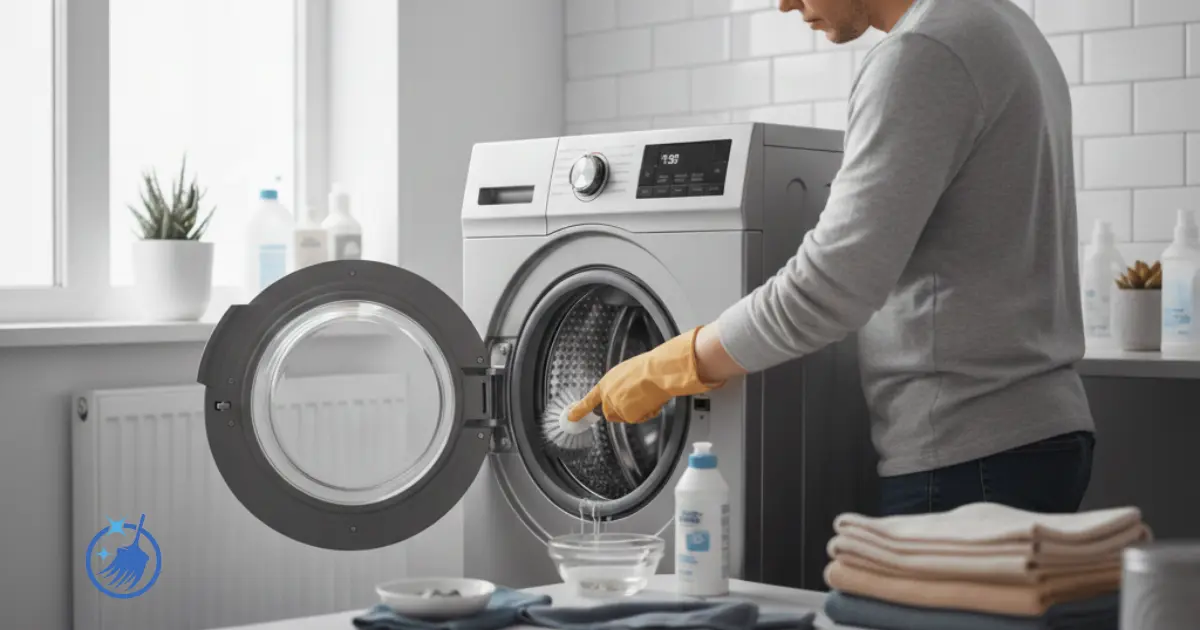
Commercial washing machine cleaners provide concentrated formulas designed specifically for drum maintenance. Alternatively, 200ml of white vinegar serves as an effective natural cleaning agent, dissolving limescale and soap scum buildup. Moreover, 100g of bicarbonate of soda helps neutralise odours and remove stubborn stains from drum surfaces.
Never use regular laundry detergent during drum clean cycles, as this creates excessive suds and defeats the cleaning purpose. Similarly, avoid bleach-based products unless specifically recommended by your machine’s manufacturer, as these chemicals may damage rubber seals and internal components.
Duration and Temperature Settings
Drum clean cycles typically run for 90 to 120 minutes, significantly longer than standard washing programmes. This extended duration ensures thorough sanitisation of all internal surfaces, including hard-to-reach areas where bacteria commonly accumulate.
| Machine Type | Temperature | Duration | Water Level |
|---|---|---|---|
| Front-loading | 90°C | 90-120 minutes | High |
| Top-loading | 60-90°C | 75-90 minutes | Maximum |
| Washer-dryer combo | 90°C | 120-150 minutes | High |
High temperatures of 90°C effectively kill bacteria, mould spores, and other microorganisms that thrive in damp environments. Consequently, these elevated temperatures also dissolve accumulated detergent residues and fabric softener buildup more efficiently than cooler water.
Some energy-efficient models offer eco drum clean options running at lower temperatures around 60°C for reduced energy consumption. However, these cooler cycles may require more frequent use to achieve the same sanitisation levels as high-temperature programmes.
Post-Cycle Maintenance Tips
After completing the drum clean cycle, several maintenance steps ensure optimal results and prevent immediate recontamination. Initially, leave the washing machine door open for 2-3 hours to allow complete air circulation and moisture evaporation from internal surfaces.
Wipe down the rubber door seal using a clean, damp cloth to remove any loosened debris or cleaning residue. Pay particular attention to the bottom fold of the seal where water and dirt commonly accumulate. Subsequently, clean the detergent dispenser drawer thoroughly, removing any remaining cleaning agent or dissolved buildup.
Check the drum interior for any visible residue or debris that the cleaning cycle may have loosened but not completely removed. Run a quick rinse cycle if you notice any remaining cleaning agent residue to prevent potential skin irritation during subsequent washing loads.
Finally, record the cleaning date to maintain a regular washing machine maintenance schedule. Most manufacturers recommend performing drum clean cycles monthly for optimal hygiene and machine performance, though heavily used machines may require more frequent cleaning.
Drum Clean Across Different Washing Machine Brands
Different washing machine manufacturers use varying terminology for their drum cleaning functions, though the underlying process remains fundamentally similar. Understanding these brand-specific differences helps you locate and utilise the correct cleaning programme on your particular model.
Samsung and LG Drum Clean Labels
Samsung washing machines typically feature a dedicated “Drum Clean” or “Self Clean” button on the control panel. Their models display this function prominently, often with a distinctive icon showing a drum with cleaning bubbles. Meanwhile, LG machines commonly label this feature as “Tub Clean” or “Drum Clean”, depending on the specific model series.
Both manufacturers integrate automatic reminders that alert users when cleaning becomes necessary. Samsung models flash “4C” or display “Clean Drum” messages after approximately 40 wash cycles, whilst LG machines show “tCL” or “Tub Clean” notifications at similar intervals.
European Brand Variations
Bosch washing machines utilise the term “Drum Clean” or “Machine Care” programme, accessible through their rotary programme selector or digital display. German engineering emphasises efficiency, so Bosch drum clean cycles typically run shorter than other brands whilst maintaining effectiveness.
Siemens models feature similar terminology to Bosch, using “Machine Care” or “Drum Clean” labels. Additionally, Miele washing machines employ “Machine Care” programmes with multiple intensity levels, allowing users to select appropriate cleaning strength based on usage frequency.
| Brand | Common Labels | Alternative Names |
|---|---|---|
| Samsung | Drum Clean, Self Clean | Eco Drum Clean |
| LG | Tub Clean, Drum Clean | Machine Clean |
| Bosch | Drum Clean, Machine Care | Hygiene Programme |
| Hotpoint | Auto Clean, Drum Clean | Service Wash |
| Indesit | Auto Clean | Machine Maintenance |
Finding Your Model's Drum Clean Function
Locating the drum clean option requires checking several potential locations on your washing machine. First, examine the main programme selector dial for dedicated cleaning symbols or text labels. Many modern machines feature separate buttons specifically for maintenance functions.
Digital display models often hide drum clean options within menu systems. Navigate through settings or maintenance menus using the control panel buttons. Furthermore, some machines integrate drum clean functions within their mobile applications, allowing remote activation and monitoring.
Consult your user manual if the function remains elusive, as manufacturers sometimes place drum clean options in unexpected locations. Regular maintenance washing ensures optimal machine performance regardless of the specific terminology used.
Alternative Function Names
Manufacturers employ numerous alternative names for drum cleaning programmes, creating confusion for users switching between brands. “Service Wash” represents one common alternative, particularly among British appliance manufacturers like Hotpoint and Indesit.
“Machine Clean” or “Appliance Care” programmes serve identical purposes to drum clean cycles. Some brands use “Hygiene Programme” or “Sanitise” labels, emphasising the antimicrobial benefits rather than the cleaning mechanism itself.
Older washing machine models may lack dedicated drum clean programmes entirely. In these cases, manufacturers recommend running empty hot wash cycles at maximum temperature settings to achieve similar cleaning results. However, modern drum clean programmes offer superior efficiency and targeted cleaning compared to standard hot washes.
Frequently Asked Questions
What does "drum clean significado" mean on my washing machine?
“Drum clean significado” translates to “drum clean meaning” in English. It refers to the self-cleaning cycle found on modern washing machines that removes detergent residue, limescale, and bacteria from your machine’s drum and internal components using high temperatures.
How often should I run the drum clean cycle?
You should run the drum clean cycle monthly or whenever your washing machine displays a warning message. Regular use prevents detergent buildup, eliminates bacteria, and maintains optimal washing performance whilst extending your appliance’s lifespan.
What's the difference between drum clean and a regular maintenance wash?
Drum clean is a specialised high-temperature cycle designed specifically to sanitise your machine’s interior components. A regular maintenance wash uses normal temperatures and may include clothes. The drum clean function operates at higher temperatures for longer durations to eliminate bacteria, mould, and limescale more effectively.
Do different washing machine brands use different names for drum clean?
Yes, manufacturers use various terms for this feature:
- Samsung: Self Clean or Drum Clean
- LG: Tub Clean or Limpieza Tambor
- Bosch: Drum Clean+ or Reinigung
- Whirlpool: Clean Washer or Limpeza
- Hotpoint: Self Clean or Nettoyage
Can I put clothes in the washing machine during a drum clean cycle?
No, never put clothes in the washing machine during a drum clean cycle. This function runs at very high temperatures specifically to sanitise the machine’s interior. Adding clothes could damage them and prevent the cleaning cycle from working effectively.
Why does my washing machine display multilingual terms like "drum clean significado"?
Modern washing machines often display multilingual terminology to serve diverse markets efficiently. Manufacturers include multiple language options to accommodate international households and expatriate communities, ensuring users understand essential maintenance functions regardless of their primary language.
What happens if I don't use the drum clean function regularly?
Without regular drum cleaning, your washing machine may develop:
- Unpleasant odours from bacterial growth
- Detergent and fabric softener buildup
- Limescale deposits affecting performance
- Reduced washing efficiency
- Shortened appliance lifespan
- Potential hygiene issues with your laundry
Do I need to add any cleaning products during the drum clean cycle?
Most washing machines run the drum clean cycle using water and high temperatures alone. However, some manufacturers recommend using specific cleaning tablets or powder designed for washing machine maintenance. Check your appliance manual for specific recommendations, as requirements vary between brands and models.
You May Also Like
How to Clean Washing Machine Filter: Complete Guide 2026

How to Clean Artificial Grass: Complete Maintenance Guide