How to Clean a Shower Curtain: Complete UK Guide 2026

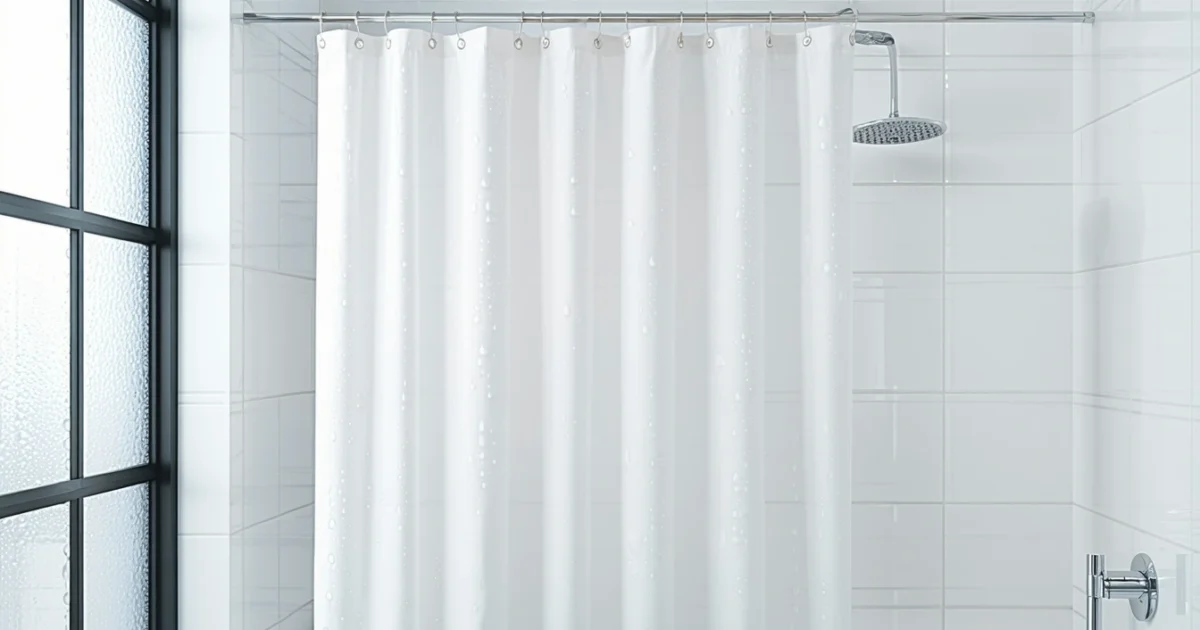
How to clean a shower curtain effectively depends on your curtain material and the level of dirt or mould present. Most shower curtains can be machine washed at 30-40°C with regular detergent, whilst stubborn mould requires targeted treatment with vinegar or baking soda. However, fabric curtains need gentler care compared to plastic or vinyl options.
Regular cleaning prevents mould and mildew buildup that thrives in damp bathroom environments. Furthermore, proper maintenance extends your curtain’s lifespan and keeps your bathroom hygienic. Whether you choose machine washing, hand washing, or in-situ cleaning, the right technique ensures spotless results without damage.
This comprehensive guide covers everything from identifying your curtain material to tackling black mould safely. Additionally, you’ll discover prevention strategies that complement your deep bathroom cleaning routine for optimal results.
TL;DR
- Machine wash most shower curtains at 30-40°C with towels to prevent creasing
- Use vinegar and baking soda for mould treatment, bleach only for white curtains
- Hand wash delicate fabric curtains in the bathtub with gentle soaking methods
- Clean weekly with spray solutions and deep clean monthly to prevent buildup
- Improve ventilation and position curtains properly after showers for prevention
Understanding Your Shower Curtain Material
Identifying your shower curtain material determines the cleaning method you’ll use. Most curtains fall into two main categories: fabric curtains (cotton, polyester, linen) and plastic or vinyl curtains (PVC, PEVA, EVA). Consequently, each material type requires different care approaches to avoid damage during cleaning.
Fabric curtains typically feature a softer texture and often include decorative patterns or colours. Meanwhile, plastic and vinyl curtains feel smooth and waterproof to the touch. Additionally, many households use both a waterproof liner and a decorative outer curtain for enhanced protection and style.
Reading Care Labels and Manufacturer Instructions
Care labels provide essential information about washing temperatures, drying methods, and cleaning restrictions. Therefore, always check the label before cleaning your shower curtain. Most labels indicate whether machine washing is safe and specify maximum water temperatures.
Furthermore, manufacturer instructions often include specific warnings about bleach use or dry cleaning requirements. Some vinyl curtains cannot withstand high temperatures, whilst certain fabric curtains require gentle cycles only. Ignoring these guidelines can cause shrinkage, discolouration, or material degradation.
Material-Specific Cleaning Considerations
Plastic and vinyl curtains tolerate stronger cleaning solutions and higher temperatures than fabric alternatives. These materials resist mould and mildew naturally, making them easier to maintain. However, they can crack or become brittle if exposed to excessive heat or harsh chemicals.
Fabric shower curtains require gentler treatment to preserve their texture and colour. Cotton curtains can usually handle machine washing at 30-40°C, whilst delicate fabrics like linen need hand washing. Moreover, fabric curtains dry more slowly than plastic ones, requiring proper ventilation to prevent mould growth.
Polyester curtains offer a middle ground between durability and aesthetics. Similarly, they resist wrinkles better than cotton and dry faster than natural fibres. Nevertheless, they can retain odours more readily than vinyl alternatives.
Liner vs Decorative Curtain Differences
Shower curtain liners serve as the primary water barrier and face direct contact with soap scum and moisture. Typically made from vinyl or PEVA, liners require more frequent cleaning than decorative curtains. Most liners can be machine washed or wiped clean with disinfectant solutions.
Decorative outer curtains focus on aesthetics rather than water protection. These curtains often feature fabric construction with attractive patterns or colours. Consequently, they need less frequent cleaning but require more careful handling to maintain their appearance.
When cleaning both components, wash them separately to prevent damage. Additionally, liners benefit from weekly maintenance cleaning, whilst decorative curtains typically need monthly attention. This approach, similar to your deep bathroom cleaning routine, ensures optimal hygiene and longevity for both elements.
Machine Washing Method
Machine washing provides the most thorough cleaning method for shower curtains, particularly when dealing with stubborn soap scum and mould buildup. However, proper preparation and technique ensure optimal results whilst preventing damage to your curtain materials.
Pre-treatment for Stains and Mould Spots
Begin by examining your shower curtain for visible stains, mould spots, and soap scum accumulation. Furthermore, create a pre-treatment solution using equal parts white vinegar and warm water in a spray bottle. This mixture effectively breaks down mineral deposits and kills mould spores before the main wash cycle.
Spray the solution generously onto affected areas, paying particular attention to the bottom hem where mould typically develops. Additionally, allow the pre-treatment to work for 15-20 minutes before proceeding to the washing machine. For stubborn stains, gently scrub with an old toothbrush to loosen debris.
Optimal Water Temperature Settings
Set your washing machine to 30-40°C for most shower curtain materials, as this temperature effectively removes grime without causing damage. Vinyl curtains tolerate slightly higher temperatures, whilst fabric curtains require cooler settings to prevent shrinkage and colour fading.
Hot water exceeding 40°C can warp vinyl curtains and damage fabric fibres. Conversely, cold water fails to activate detergents effectively and won’t eliminate soap scum buildup. Therefore, the moderate temperature range provides the perfect balance between cleaning power and material preservation.
Suitable Detergents and Additives
Use your regular laundry detergent combined with half a cup of white vinegar added to the fabric softener compartment. The vinegar acts as a natural disinfectant and helps dissolve mineral deposits from hard water. Moreover, it eliminates musty odours that commonly develop in bathroom environments.
For enhanced cleaning power, add two tablespoons of baking soda directly to the drum before loading your curtain. This alkaline compound neutralises acidic soap residues and provides gentle abrasive action against stubborn stains. Nevertheless, avoid using bleach on coloured curtains as it causes permanent discolouration.
Washing Cycle Selection and Spin Speed
Select a gentle or delicate cycle to prevent tearing and excessive agitation damage. Standard cycles create too much mechanical stress on shower curtain materials, particularly vinyl which can crack under intense movement. Additionally, choose a low spin speed of 600-800 RPM to minimise creasing and material stress.
The gentle cycle provides adequate cleaning action whilst protecting grommets and reinforced edges from damage. Similarly, the reduced agitation prevents fabric curtains from stretching and maintains their original shape throughout the washing process.
Adding Towels to Prevent Creasing
Include two or three old towels in the wash load to create cushioning and prevent excessive creasing. The towels provide gentle agitation that helps clean the curtain whilst protecting it from harsh mechanical action. Furthermore, they absorb excess water during the spin cycle, reducing drying time.
Choose towels of similar colours to prevent dye transfer, particularly when washing light-coloured curtains. Additionally, ensure the towels are clean to avoid transferring dirt or lint onto your freshly washed shower curtain.
Drying Guidelines and Tumble Dry Considerations
Remove the shower curtain immediately after the wash cycle completes to prevent wrinkles from setting. For air drying, rehang the curtain on its rod whilst still damp, allowing gravity to naturally smooth out creases. This method works particularly well for vinyl and PEVA curtains.
If using a tumble dryer, select the lowest heat setting or air-dry mode to prevent melting and shrinkage. Add a few clean tennis balls to help maintain the curtain’s shape and prevent clumping. However, remove the curtain whilst slightly damp and hang immediately to complete the drying process naturally.
Never use high heat settings, as they can permanently damage shower curtain materials and cause vinyl to become brittle. Instead, combine brief tumble drying with air finishing for optimal results, similar to techniques used in comprehensive bathroom cleaning routines.
Hand Washing Technique
Hand washing provides superior control over the cleaning process, particularly for delicate fabric curtains or heavily soiled items requiring targeted treatment. Moreover, this method prevents potential damage from washing machine agitation whilst allowing you to focus on specific problem areas.
When to Choose Hand Washing Over Machine Washing
Select hand washing for fabric shower curtains with decorative elements, delicate materials, or severe mildew buildup that requires intensive scrubbing. Additionally, curtains showing signs of wear or those made from vintage materials benefit from the gentler hand-washing approach. Heavy vinyl curtains with stubborn soap scum also respond better to manual cleaning techniques.
Furthermore, hand washing becomes essential when your curtain exceeds your washing machine’s capacity or when you need immediate results without waiting for a full wash cycle. This method also suits households without access to appropriate washing machine settings for delicate items.
Bathtub Soaking Method with Cleaning Solutions
Fill your bathtub with warm water and add your chosen cleaning solution before submerging the curtain completely. For general cleaning, combine one cup of white vinegar with half a cup of baking soda in the water, creating a natural deodorising and antimicrobial solution.
Alternatively, use two tablespoons of liquid laundry detergent mixed with warm water for routine maintenance cleaning. For mildew removal, create a solution using one part bleach to ten parts water, ensuring adequate ventilation during the soaking process. Allow the curtain to soak for 15-30 minutes depending on soil level.
Gently agitate the water periodically to ensure the cleaning solution penetrates all areas of the curtain material. This soaking process loosens embedded dirt and prepares stubborn stains for easier removal during scrubbing.
Scrubbing Techniques for Stubborn Stains
Use a soft-bristled brush or clean cloth to work on stained areas, applying gentle circular motions to avoid damaging the curtain material. Focus particularly on the bottom hem where soap scum and mildew typically accumulate most heavily.
For mildew stains, create a paste using baking soda and water, then scrub directly onto affected areas before allowing it to sit for 10 minutes. Subsequently, use an old toothbrush to work the paste into fabric weaves or vinyl textures, ensuring thorough penetration of the cleaning agent.
Apply extra pressure to soap scum buildup, but avoid aggressive scrubbing that might tear delicate materials. Instead, use repeated gentle motions combined with appropriate cleaning solutions to break down stubborn deposits effectively, similar to techniques used when learning how to deep clean your bathroom.
Rinsing Thoroughly to Remove All Residue
Drain the soaking water completely and rinse the curtain under cool running water until all cleaning solution disappears. Pay particular attention to folds and pleats where soap residue commonly hides, as leftover cleaning products can attract dirt and cause rapid re-soiling.
Continue rinsing until the water runs completely clear and no bubbles or foam appear when you squeeze sections of the curtain. Thorough rinsing prevents chemical buildup that can cause skin irritation or leave unsightly white residue marks on the curtain surface.
For final rinse effectiveness, fill the tub with fresh water and swish the curtain through it several times before draining again. This ensures complete removal of all cleaning agents and loose debris.
Proper Hanging and Air-Drying Methods
Shake the curtain gently to remove excess water before hanging, then immediately rehang it on the shower rod whilst still damp. This allows gravity to naturally smooth wrinkles and helps the curtain maintain its proper shape during drying.
Ensure adequate ventilation in the bathroom by opening windows or running the extractor fan to prevent moisture buildup that could encourage new mildew growth. Additionally, spread the curtain fully across the rod rather than bunching it to one side, promoting even air circulation.
For faster drying, hang the curtain outdoors on a clothesline if weather permits, avoiding direct sunlight which can fade colours or make vinyl brittle. Alternatively, hang it in a well-ventilated indoor area until completely dry before returning it to the bathroom, ensuring optimal results for your shower curtain cleaning efforts.
Tackling Mould and Mildew
Mould and mildew represent the most challenging contaminants when learning how to clean a shower curtain effectively. These fungal growths thrive in humid bathroom environments, creating both aesthetic and health concerns that require immediate attention.
Identifying Black Mould vs Soap Scum
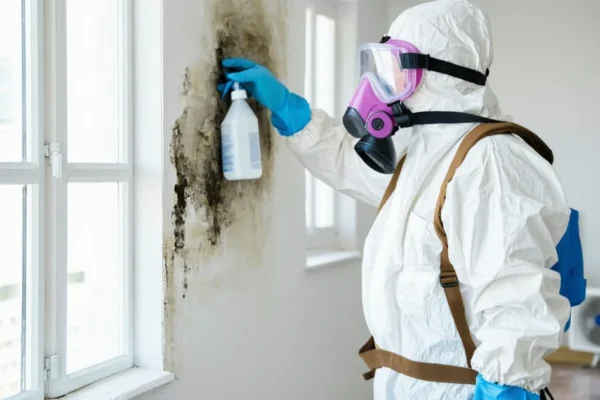
Black mould appears as dark, fuzzy patches that penetrate curtain material and emit a musty odour. Conversely, soap scum creates a waxy, greyish film that sits on the surface and feels slippery when touched.
Test suspicious areas by dabbing with a cotton swab dipped in bleach solution. Mould will lighten immediately, whilst soap scum remains unchanged and requires mechanical removal through scrubbing action.
Vinegar and Baking Soda Treatment
White vinegar provides natural antifungal properties that effectively eliminate mould spores without harsh chemicals. Create a treatment solution by mixing equal parts vinegar and warm water in a spray bottle.
Spray affected areas generously, then sprinkle baking soda directly onto mouldy sections. The alkaline reaction creates fizzing action that lifts embedded spores whilst neutralising odours naturally.
Allow the mixture to work for 30 minutes before scrubbing with a soft brush. This natural combination proves particularly effective on fabric curtains where gentler treatment prevents material damage.
Bleach Solutions for White Curtains (Safety Precautions)
Household bleach offers the most powerful mould-killing action for white shower curtains, but requires careful handling to prevent accidents. Mix one part bleach with ten parts water to create an effective yet safe cleaning solution.
- Wear rubber gloves and ensure adequate ventilation
- Never mix bleach with other cleaning products
- Test on an inconspicuous area first
- Apply only to white or clear curtains to prevent discolouration
Apply the bleach solution using a spray bottle, focusing on heavily affected areas. However, avoid prolonged contact as bleach can weaken curtain materials and cause premature deterioration.
Commercial Mould Removers and Their Application
Commercial mould removers contain specialised fungicides designed specifically for bathroom applications. Popular UK brands include HG Mould Spray and Cillit Bang Black Mould Remover, which offer targeted treatment for stubborn infestations.
Follow manufacturer instructions precisely, as these products contain concentrated active ingredients. Most commercial removers require 10-15 minutes contact time before wiping clean with a damp cloth.
Furthermore, ensure proper ventilation during application, as commercial products often produce strong fumes that can irritate respiratory systems. Always read safety data sheets before use.
Preventing Future Mould Growth
Prevention proves more effective than treatment when managing mould issues long-term. Maintain bathroom humidity below 50% using extractor fans or dehumidifiers to create an inhospitable environment for fungal growth.
Spread shower curtains fully after each use rather than bunching them to one side. This practice promotes air circulation and prevents moisture accumulation in curtain folds where mould typically develops.
Additionally, incorporate weekly cleaning routines that include wiping curtain surfaces with diluted vinegar solution. Regular maintenance prevents minor mould spots from developing into major infestations requiring intensive treatment.
Consider upgrading bathroom ventilation systems if mould problems persist despite regular cleaning efforts. Proper ventilation addresses the root cause rather than merely treating symptoms, similar to comprehensive approaches used in deep bathroom cleaning procedures.
In-Situ Cleaning Without Removal
Cleaning shower curtains while they remain hanging offers convenient maintenance that fits seamlessly into daily routines. This approach prevents the hassle of removal whilst maintaining curtain hygiene through consistent care practices.
Daily Maintenance Spray Solutions
Daily spray treatments provide the most effective prevention against mould and soap scum accumulation. Mix equal parts white vinegar and water in a spray bottle, adding two drops of washing-up liquid for enhanced cleaning power.
Apply this solution after each shower session, focusing on bottom hem areas where moisture typically collects. The acidic properties of vinegar neutralise soap residue whilst preventing bacterial growth that causes unpleasant odours.
Commercial daily cleaners like Method Daily Shower Spray or Ecover Bathroom Cleaner offer ready-made alternatives for busy households. These products contain surfactants that break down soap films without requiring scrubbing action.
Spot Cleaning Techniques While Curtain Hangs
Target specific stains immediately using microfibre cloths dampened with cleaning solution. Work from top to bottom, allowing gravity to assist the cleaning process rather than spreading contaminants upward.
For stubborn soap scum patches, create a paste using bicarbonate of soda and water. Apply this mixture directly to affected areas, allowing five minutes contact time before wiping clean with a damp cloth.
Additionally, address mould spots using cotton buds dipped in undiluted white vinegar. This precise application method prevents oversaturation whilst delivering concentrated treatment to problem areas.
Steam Cleaning Methods
Handheld steam cleaners provide chemical-free sanitisation that penetrates fabric fibres effectively. Direct steam at 45-degree angles to prevent water accumulation whilst ensuring thorough coverage of curtain surfaces.
Steam treatment reaches temperatures of 100°C, eliminating bacteria and mould spores without harsh chemicals. This method proves particularly beneficial for households with sensitive skin conditions or chemical allergies.
However, test steam cleaning on inconspicuous areas first, as excessive heat can damage certain curtain materials. Vinyl curtains typically withstand steam treatment better than delicate fabric varieties.
Wiping Down After Each Shower Routine
Establish a post-shower wiping routine using squeegees or microfibre cloths to remove excess moisture. This simple practice prevents water droplets from creating breeding grounds for mould and bacteria.
Focus attention on curtain bottom edges and fold areas where water typically pools. These zones require immediate drying to prevent moisture-related deterioration that necessitates premature curtain replacement.
Furthermore, spread curtains fully across the shower area after use rather than bunching them to one side. This positioning promotes air circulation and accelerates drying times, similar to ventilation principles used in comprehensive bathroom cleaning procedures.
Consistent daily maintenance reduces the need for intensive deep cleaning sessions whilst extending curtain lifespan significantly. These preventive measures prove more cost-effective than frequent curtain replacements due to neglect.
Cleaning Frequency and Maintenance Schedule
Establishing a structured cleaning schedule prevents mould buildup whilst maintaining curtain hygiene throughout the year. Regular maintenance proves more effective than sporadic deep cleaning sessions, particularly in Britain’s humid climate conditions.
Weekly Maintenance Tasks
Weekly cleaning involves spot cleaning visible stains and wiping down curtain surfaces with antibacterial solutions. Additionally, inspect curtain rings and hooks for soap scum accumulation that can transfer onto freshly cleaned curtains.
Check bottom hems for water pooling and mineral deposits that indicate drainage issues. These areas require immediate attention to prevent permanent staining and fabric deterioration.
Monthly Deep Cleaning Schedule
Monthly deep cleaning sessions should include complete curtain removal and thorough washing using appropriate methods for your curtain material. This frequency prevents heavy buildup whilst maintaining manageable cleaning sessions.
During monthly maintenance, also clean shower drains and surrounding areas to address moisture sources that contribute to curtain contamination. Furthermore, inspect curtain tracks and rods for accumulated debris that affects curtain movement.
| Cleaning Task | Weekly | Monthly | Seasonally |
|---|---|---|---|
| Spot cleaning stains | ✓ | ✓ | ✓ |
| Complete washing | ✓ | ✓ | |
| Hardware inspection | ✓ | ✓ | ✓ |
| Deep sanitisation | ✓ |
Warning Signs Requiring Immediate Cleaning
Black spots or discoloured patches indicate mould growth that requires immediate treatment before spreading to surrounding bathroom surfaces. These signs typically appear within 48-72 hours of excessive moisture exposure.
Musty odours emanating from curtains signal bacterial growth that standard weekly cleaning cannot address. Moreover, sticky or slimy textures on curtain surfaces indicate soap scum buildup requiring intensive cleaning methods.
- Pink or orange staining from bacterial growth
- Hard water mineral deposits creating white chalky residues
- Fabric stiffening from soap accumulation
- Curtain rings sticking or moving difficultly
Seasonal Maintenance Considerations
Winter months require increased cleaning frequency due to reduced ventilation and higher humidity levels in UK homes. Heating systems create condensation that accelerates mould growth on shower curtains.
Spring cleaning should include comprehensive curtain replacement assessments and deep sanitisation treatments. Similarly, summer months offer optimal drying conditions for thorough cleaning sessions that might prove challenging during colder periods.
Autumn preparation involves treating curtains with antimicrobial solutions before winter’s challenging conditions begin. This proactive approach prevents seasonal mould problems that typically emerge during Britain’s dampest months.
Extending Curtain Lifespan Through Proper Care
Proper maintenance techniques can extend shower curtain lifespan from 6 months to 2-3 years, depending on material quality and usage patterns. Regular cleaning prevents premature deterioration whilst maintaining hygienic bathroom conditions.
Rotate curtain positions monthly to ensure even wear patterns and prevent permanent creasing in fold areas. Additionally, avoid harsh scrubbing motions that can damage curtain materials and create tears where bacteria accumulate.
Quality curtain liners provide additional protection for decorative outer curtains whilst simplifying maintenance routines. These protective barriers require more frequent cleaning but cost significantly less to replace than premium shower curtains.
Finally, maintain consistent bathroom cleaning schedules to address environmental factors that contribute to curtain contamination. Prevention remains more cost-effective than frequent curtain replacement due to neglected maintenance routines.
Prevention and Long-term Care
Effective prevention strategies reduce shower curtain cleaning frequency whilst maintaining optimal bathroom hygiene. Moreover, proper ventilation systems eliminate 90% of moisture-related problems that cause curtain deterioration and bacterial growth.
Improving Bathroom Ventilation
Install humidity-controlled extractor fans that automatically activate when moisture levels exceed 60%. These systems prevent condensation buildup that creates ideal conditions for mould and mildew development on curtain surfaces.
Furthermore, ensure extractor fans operate for 20-30 minutes after each shower to remove residual humidity completely. Inadequate ventilation duration allows moisture to settle on curtain materials, promoting bacterial colonisation within hours.
Natural ventilation through window opening provides additional moisture control during favourable weather conditions. Cross-ventilation techniques accelerate drying processes whilst reducing energy consumption compared to mechanical extraction alone.
Post-Shower Curtain Positioning
Extend curtains fully after each shower use to maximise air circulation and prevent fold-related moisture retention. Bunched curtains trap humidity in concentrated areas, creating perfect breeding grounds for harmful microorganisms.
Additionally, position curtains away from shower walls to ensure adequate airflow around all surfaces. This spacing technique prevents water droplets from pooling against curtain materials where bacterial growth typically begins.
Shake curtains gently to remove excess water droplets before positioning for optimal drying. This simple preventive action reduces cleaning frequency whilst extending curtain lifespan through reduced moisture exposure.
Regular Inspection for Early Problem Detection
Conduct weekly visual inspections to identify early signs of discolouration, soap scum buildup, or mould development. Early detection allows for targeted cleaning interventions before problems become severe enough to require curtain replacement.
- Check curtain hems for water damage and bacterial growth
- Examine fold areas where moisture typically accumulates
- Inspect curtain rings and attachment points for corrosion
- Assess overall curtain flexibility and material integrity
Document inspection findings to track deterioration patterns and optimise cleaning schedules accordingly. This systematic approach prevents unexpected curtain failures whilst maintaining consistent bathroom hygiene standards.
Complement curtain inspections with broader bathroom cleaning assessments to address environmental factors that contribute to curtain contamination. Comprehensive maintenance prevents isolated cleaning efforts from becoming ineffective due to surrounding hygiene issues.
When to Replace vs Continue Cleaning Efforts
Replace shower curtains when cleaning efforts fail to remove persistent stains or eliminate musty odours completely. Continued use of compromised curtains poses health risks whilst wasting cleaning resources on ineffective treatments.
| Condition | Action Required | Timeframe |
|---|---|---|
| Surface staining only | Continue cleaning | Monthly deep clean |
| Persistent odours | Replace immediately | Within 48 hours |
| Material deterioration | Replace curtain | Before next use |
| Mould penetration | Replace and sanitise area | Same day |
Economic analysis shows that replacement becomes cost-effective when cleaning frequency exceeds twice weekly for standard maintenance. Excessive cleaning efforts indicate underlying problems that require curtain replacement rather than continued treatment attempts.
Finally, consider upgrading to antimicrobial curtain materials when replacing severely compromised curtains. These advanced materials resist bacterial growth whilst reducing long-term maintenance requirements and cleaning chemical consumption.
Frequently Asked Questions
How often should I clean my shower curtain?
You should clean your shower curtain weekly with a spray solution and perform a deep clean monthly to prevent mould and mildew buildup. Regular maintenance prevents stubborn stains and extends your curtain’s lifespan significantly.
Can I put my shower curtain in the washing machine?
Most shower curtains can be machine washed at 30-40°C with regular detergent. Add towels to the wash to prevent creasing and provide cushioning. However, always check the care label first, as some delicate fabric curtains require hand washing.
What's the best way to remove black mould from shower curtains?
For stubborn black mould, use a targeted treatment with white vinegar or baking soda paste. Apply the solution directly to affected areas, let it sit for 15-30 minutes, then scrub gently before washing. Only use bleach on white curtains to avoid discolouration.
Should I clean the liner and decorative curtain differently?
Yes, liners and decorative curtains require different care. Shower curtain liners face direct water contact and need more frequent cleaning, whilst decorative outer curtains focus on aesthetics and can be cleaned less often. Liners are typically vinyl or PEVA and more durable.
Can I use bleach on all types of shower curtains?
No, only use bleach on white shower curtains. Bleach can cause discolouration and damage to coloured or patterned curtains. For coloured curtains, stick to vinegar, baking soda, or gentle detergents for safe and effective cleaning.
How do I prevent mould and mildew on my shower curtain?
Prevention involves improving bathroom ventilation and positioning curtains properly after showers. Spread the curtain fully to allow air circulation, use exhaust fans during and after showers, and ensure your bathroom has adequate airflow to reduce moisture buildup.
What temperature should I use when washing shower curtains?
Most shower curtains should be washed at 30-40°C for optimal cleaning without damage. Higher temperatures can cause vinyl curtains to crack or fabric curtains to shrink. Always check the care label for specific temperature recommendations for your curtain material.
How should I dry my shower curtain after washing?
Hang your shower curtain back on the rod immediately after washing to air dry and prevent wrinkles. Ensure proper ventilation in the bathroom and spread the curtain fully. Avoid tumble drying, as heat can damage both fabric and vinyl materials.
You May Also Like
How to Clean Shower Tiles: Complete Guide for 2026
How to Clean Shower Mold: Complete Removal Guide 2026