Best Homemade Aluminum Cleaner: Natural DIY Recipes That Work

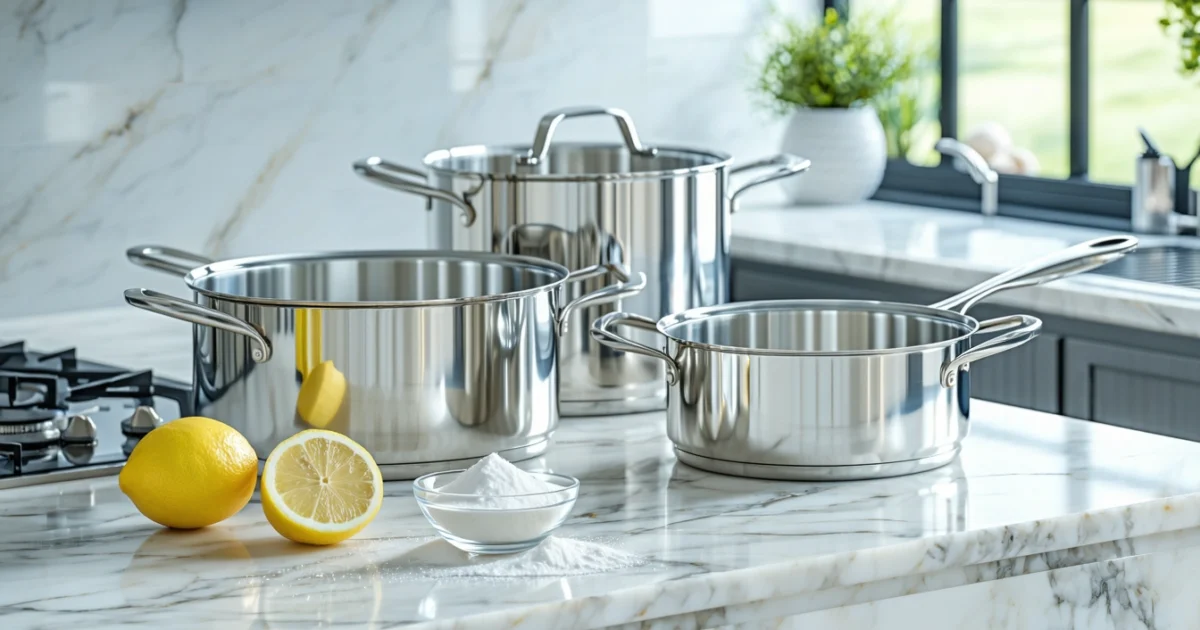
What is the best homemade aluminum cleaner? The most effective DIY solution combines baking soda and water to create a gentle paste that removes oxidation and stains without damaging aluminum surfaces. This simple mixture works brilliantly on everything from cookware to garden furniture found in UK homes.
Commercial aluminum cleaners often contain harsh chemicals that can be expensive and unnecessary. Meanwhile, homemade solutions use common household ingredients that are both safer and more cost-effective. Additionally, natural cleaners like white vinegar and lemon juice offer excellent alternatives for different cleaning needs.
Aluminum’s unique properties make it prone to oxidation and water spots, especially on items like window frames and automotive wheels. However, the right homemade cleaner can restore that brilliant shine while protecting the metal’s surface. Furthermore, proper application techniques ensure long-lasting results without causing damage.
TL;DR
- Baking soda paste (baking soda + water) is the best homemade aluminum cleaner for most applications
- White vinegar works excellently for light cleaning and maintenance of aluminum surfaces
- Lemon juice and salt combination tackles stubborn stains and heavy oxidation effectively
- Always test on inconspicuous areas first and avoid harsh abrasives that damage aluminum
Understanding Aluminum and Why It Needs Special Cleaning
Aluminum possesses unique characteristics that make it particularly vulnerable to oxidation and surface staining. This lightweight metal reacts readily with oxygen in the air, forming a thin layer of aluminum oxide that appears as dullness or white chalky residue. Moreover, aluminum’s soft nature means it scratches easily when cleaned with abrasive materials or harsh chemicals.
The metal’s porous surface structure allows contaminants to penetrate deeper than with other materials. Consequently, water spots, fingerprints, and environmental pollutants become more noticeable on aluminum surfaces. Furthermore, aluminum conducts heat efficiently, which can accelerate the oxidation process when exposed to temperature fluctuations.
UK households contain numerous aluminum items that require regular maintenance and cleaning. Kitchen cookware represents the most common category, including pots, pans, baking sheets, and serving dishes. Additionally, many homes feature aluminum window frames, door handles, and conservatory structures that face constant exposure to British weather conditions.
Garden furniture made from aluminum has become increasingly popular in UK outdoor spaces. These items include dining sets, loungers, and decorative planters that withstand moisture but develop oxidation over time. Similarly, aluminum guttering, downpipes, and exterior trim work require periodic cleaning to maintain their appearance and functionality.
Commercial aluminum cleaners often contain phosphoric acid, hydrochloric acid, or other aggressive chemicals that can damage surfaces with repeated use. These products may strip away the protective oxide layer, leaving aluminum more vulnerable to future corrosion. Additionally, commercial cleaners typically cost significantly more than homemade alternatives while providing similar or inferior results.
Many store-bought cleaners create harsh fumes that require adequate ventilation during application. Furthermore, these products often contain unnecessary additives like artificial fragrances and colorants that provide no cleaning benefit. The packaging also contributes to environmental waste compared to simple household ingredients.
Homemade cleaning solutions offer several compelling advantages for aluminum surface maintenance. These natural alternatives cost a fraction of commercial products while delivering excellent cleaning performance. DIY cleaners also eliminate exposure to toxic chemicals, making them safer for family use and environmental protection.
Natural ingredients like baking soda, white vinegar, and lemon juice work gently yet effectively on aluminum oxidation. These substances break down mineral deposits and organic stains without causing surface damage or discoloration. Moreover, homemade solutions can be customized for specific cleaning challenges, from light maintenance to heavy-duty restoration projects.
The versatility of homemade cleaners extends beyond aluminum care to other household cleaning tasks. This multi-purpose functionality maximizes value while reducing the number of different products needed for home maintenance. Additionally, natural cleaning solutions biodegrade safely, supporting sustainable household practices that benefit the environment.
The Best Homemade Aluminum Cleaner Recipe
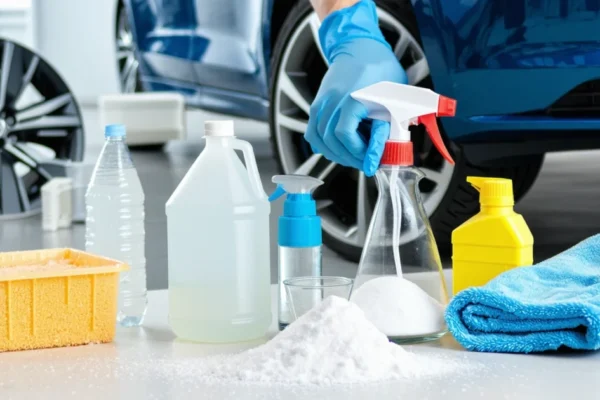
The most effective homemade aluminum cleaner combines baking soda with water to create a gentle yet powerful cleaning paste. This simple recipe requires only two ingredients that most households already possess. The alkaline properties of sodium bicarbonate neutralize acidic oxidation while providing mild abrasive action for stubborn deposits.
Primary Recipe and Ingredients
Mix three tablespoons of baking soda with one tablespoon of water to form the base cleaning paste. This ratio creates optimal consistency for aluminum surface application without excessive moisture. Additionally, the mixture maintains proper adhesion while allowing sufficient working time for effective cleaning action.
Start with dry baking soda in a clean mixing bowl before gradually adding water. The gradual addition prevents overly wet consistency that reduces cleaning effectiveness. Furthermore, this controlled mixing process ensures uniform paste texture throughout the entire batch.
Step-by-Step Mixing Instructions
- Measure three level tablespoons of baking soda into a clean ceramic or glass bowl
- Add one tablespoon of lukewarm water slowly while stirring continuously
- Mix thoroughly until the paste reaches thick toothpaste consistency
- Allow the mixture to rest for two minutes before application
- Adjust consistency by adding small amounts of water or baking soda as needed
The proper consistency resembles thick cream cheese that spreads easily without dripping. Test the mixture by applying a small amount to your finger – it should hold its shape while remaining pliable. Moreover, correctly mixed paste adheres to vertical aluminum surfaces without sliding off during cleaning.
Application Method for Optimal Results
Apply the baking soda paste using a soft-bristled brush or clean cloth in circular motions. Work the mixture into oxidized areas with gentle pressure to avoid scratching the aluminum surface. Subsequently, allow the paste to remain on heavily soiled areas for five to ten minutes before scrubbing.
Rinse thoroughly with clean water after scrubbing to remove all paste residue. The aluminum surface should appear brighter and cleaner immediately after treatment. Finally, dry the cleaned area completely with a soft towel to prevent water spotting and maintain the restored appearance.
For stubborn oxidation, repeat the application process rather than increasing scrubbing pressure. This gentle approach protects the aluminum finish while achieving superior cleaning results. Creating your own cleaning solutions allows customization for specific aluminum cleaning challenges.
Scientific Basis for This Combination
Baking soda works effectively on aluminum because its alkaline pH of 9 neutralizes acidic corrosion products. The sodium bicarbonate molecules break down aluminum oxide deposits through chemical dissolution rather than harsh abrasion. This chemical action restores the metal’s natural luster without damaging the underlying surface.
The mild abrasive properties of baking soda crystals provide mechanical cleaning action for embedded dirt and grime. These microscopic particles remove surface contaminants while remaining soft enough to prevent aluminum scratching. Additionally, the water component activates the cleaning compounds and facilitates easy application across aluminum surfaces.
This combination proves superior to acidic cleaners that can cause aluminum pitting and discoloration. The gentle alkaline environment promotes safe cleaning without compromising the metal’s structural integrity. Furthermore, the non-toxic nature of this recipe ensures safe use around food preparation areas and sensitive environments.
Alternative Natural Aluminum Cleaning Solutions
Natural aluminum cleaners offer multiple approaches for different cleaning challenges. Each solution targets specific types of aluminum contamination using readily available household ingredients. Understanding when to use each alternative ensures optimal cleaning results while protecting your aluminum surfaces.
White Vinegar Solution for Light Cleaning
White vinegar creates an effective mild cleaning solution for regular aluminum maintenance. Mix equal parts white vinegar and water in a spray bottle for convenient application. The acetic acid in vinegar dissolves light oxidation and water spots without aggressive scrubbing.
This solution works particularly well on aluminum cookware and outdoor furniture. Apply the mixture, let it sit for 5-10 minutes, then wipe clean with a soft cloth. However, avoid prolonged contact as excessive acid exposure can cause aluminum pitting over time.
Lemon Juice and Salt for Stubborn Stains
Combining fresh lemon juice with coarse salt creates a powerful paste for stubborn aluminum stains. The citric acid breaks down oxidation while salt provides gentle abrasive action. Mix the juice of one lemon with 2 tablespoons of coarse sea salt to form a thick paste.
Apply this mixture directly to stained areas and let it work for 15 minutes. The natural acids penetrate deep into aluminum pores, lifting embedded discoloration. Scrub gently with a soft brush, then rinse thoroughly with clean water. This method proves especially effective on aluminum pans with burnt-on food residue.
Cream of Tartar for Heavy Oxidation
Cream of tartar (potassium bitartrate) excels at removing heavy aluminum oxidation and severe discoloration. Create a paste using 3 tablespoons cream of tartar mixed with enough water to form a spreadable consistency. This acidic compound specifically targets aluminum oxide buildup.
The paste requires longer contact time for maximum effectiveness. Apply generously to oxidized areas and allow 30-45 minutes for chemical action to occur. Subsequently, scrub with a non-abrasive sponge and rinse completely. This solution restores heavily tarnished aluminum to near-original brightness.
Choosing the Right Solution
Selecting the appropriate cleaning method depends on aluminum condition and contamination level. Light maintenance requires only vinegar solution for quick weekly cleaning. Meanwhile, moderate staining responds well to lemon and salt treatment applied monthly.
For heavy oxidation or severely discolored aluminum, cream of tartar provides the strongest natural cleaning action. Use this method sparingly, perhaps twice yearly, as frequent acid exposure can gradually thin aluminum surfaces. Additionally, always test any solution on an inconspicuous area first to ensure compatibility.
Consider creating your own comprehensive cleaning arsenal by learning how to make your own wheel cleaner for automotive aluminum components. This knowledge expands your natural cleaning capabilities across different aluminum applications throughout your home and vehicle.
Safe Application Techniques and Best Practices
Proper application techniques determine the success and safety of homemade aluminum cleaners. Using the correct tools prevents surface damage whilst maximising cleaning effectiveness. Additionally, following established procedures protects both the aluminum surface and the person performing the cleaning.
Essential Cleaning Tools
Soft microfibre cloths provide the safest cleaning surface for aluminum items. These cloths lift dirt and grime without creating microscopic scratches that dull the metal’s finish. Furthermore, microfibre materials absorb cleaning solutions effectively, reducing the amount of product needed.
Non-abrasive sponges work excellently for textured aluminum surfaces that require gentle scrubbing action. Choose sponges specifically labelled as non-scratch or designed for delicate surfaces. Avoid steel wool, scouring pads, or rough brushes that create permanent surface damage.
Soft-bristled brushes reach into crevices and detailed areas where cloths cannot penetrate effectively. Old toothbrushes serve this purpose perfectly for intricate aluminum components. However, ensure bristles remain soft and pliable to prevent scratching during detailed cleaning work.
Pre-Cleaning Testing Protocol
Testing homemade cleaners on inconspicuous areas prevents visible damage to important aluminum surfaces. Select a hidden spot such as the underside of cookware or the back edge of decorative items. Apply a small amount of cleaning solution and observe the reaction for 10-15 minutes.
Look for signs of discoloration, pitting, or unusual reactions during the test period. If the aluminum shows no adverse effects, proceed with confidence to clean the entire surface. Conversely, discontinue use immediately if any negative changes occur and rinse the test area thoroughly.
Circular Motion Application Method
Circular motion techniques distribute cleaning solutions evenly whilst preventing streak formation on aluminum surfaces. Start with small, overlapping circles using light pressure to avoid surface damage. This method ensures complete coverage without missing spots or creating uneven cleaning patterns.
Work systematically across the aluminum surface, maintaining consistent pressure throughout the cleaning process. Circular motions also help break down stubborn deposits more effectively than linear scrubbing. Moreover, this technique reduces the risk of creating directional scratches that become visible under certain lighting conditions.
Proper Rinsing and Drying Procedures
Thorough rinsing removes all cleaning residue that could cause spotting or continued chemical action on aluminum surfaces. Use clean, cool water to flush away dissolved contaminants and cleaning solution remnants. Pay particular attention to joints, seams, and textured areas where residue commonly accumulates.
Immediate drying prevents water spots and mineral deposits from forming on freshly cleaned aluminum. Use clean, dry microfibre cloths to absorb moisture completely from all surfaces. Work quickly to prevent air-drying, which often leaves unsightly water marks that require additional cleaning to remove.
For large aluminum items, consider using a chamois or squeegee to speed the drying process. These tools remove water efficiently whilst maintaining the streak-free finish achieved through proper cleaning techniques.
Safety Precautions for Different Aluminum Items
Cookware cleaning requires food-safe practices to prevent contamination of future meals. Rinse aluminum pots and pans multiple times after cleaning to ensure no acidic residue remains. Subsequently, allow complete air-drying before storage to prevent moisture-related corrosion in storage areas.
Automotive aluminum components need protection from cleaning solution runoff that could damage surrounding materials. Cover painted surfaces, rubber seals, and plastic trim before applying homemade cleaners. Additionally, work in shaded areas to prevent rapid solution evaporation that concentrates acids on aluminum surfaces.
Decorative aluminum items often feature protective coatings that require gentle handling during cleaning. Use minimal pressure and shorter contact times to preserve these finishes. Furthermore, avoid cleaning solutions with high acidity levels that could strip protective layers from anodized or painted aluminum surfaces.
Always wear rubber gloves when handling acidic cleaning solutions to protect skin from irritation. Ensure adequate ventilation in cleaning areas, especially when using vinegar-based solutions that produce strong vapours. Finally, keep cleaning solutions away from children and pets during use and storage.
Cleaning Different Types of Aluminum Items
Different aluminum items require tailored cleaning approaches to achieve optimal results whilst preserving their specific characteristics. Understanding these variations helps determine the best homemade aluminum cleaner for each application.
Aluminum Cookware and Kitchen Utensils
Cookware demands food-safe cleaning methods that remove stains without leaving harmful residues. Mix two tablespoons of cream of tartar with one litre of water to create an effective yet gentle solution for pots and pans. This mixture dissolves mineral deposits whilst maintaining the aluminum’s cooking properties.
Kitchen utensils respond well to baking soda paste applied with soft cloths or sponges. Avoid abrasive scrubbers that scratch surfaces and create food-trapping crevices. Additionally, rinse thoroughly after cleaning to prevent any alkaline taste transfer to future meals.
Outdoor Aluminum Furniture and Garden Equipment
Garden furniture faces weathering challenges that require stronger cleaning solutions than indoor items. Combine white vinegar with warm water in equal parts to tackle oxidation and environmental buildup effectively. This acidic mixture breaks down stubborn grime whilst remaining environmentally safe for garden use.
Patio chairs and tables benefit from lemon juice applications that brighten dulled surfaces naturally. Apply fresh lemon juice directly to stained areas, then scrub gently with soft brushes before rinsing thoroughly. Moreover, this citric acid treatment helps prevent future corrosion by neutralizing alkaline deposits.
Aluminum Window Frames and Architectural Elements
Window frames require careful cleaning to maintain their structural integrity and appearance. Create a mild solution using one part white vinegar to three parts water for regular maintenance cleaning. This diluted mixture removes dirt without damaging protective coatings or weatherstripping.
Architectural aluminum responds to soap-based cleaners that lift grime without causing surface etching. Use liquid dish soap mixed with warm water for general cleaning, then apply specialized treatments only to heavily stained sections. Furthermore, work systematically from top to bottom to prevent dirty water from re-contaminating cleaned areas.
Aluminum Wheels and Automotive Parts
Automotive aluminum faces unique challenges from brake dust, road salt, and fuel residues that require targeted cleaning approaches. Standard homemade cleaners often prove insufficient for these stubborn contaminants. However, specialized techniques can enhance their effectiveness significantly.
Wheel cleaning benefits from custom DIY formulations that address specific automotive contaminants effectively. Apply cleaning solutions when wheels are cool to prevent rapid evaporation that concentrates acids. Subsequently, use soft-bristled brushes to agitate solutions without scratching delicate wheel finishes.
Adjusting Techniques for Each Application
Contact time varies significantly between aluminum types and their cleaning requirements. Cookware needs immediate rinsing after cleaning to prevent taste contamination, whilst outdoor furniture can tolerate longer solution contact for enhanced cleaning power. Similarly, automotive parts require thorough rinsing to prevent cleaning residue from attracting additional dirt.
Concentration adjustments optimize cleaning effectiveness for specific applications. Delicate items like decorative pieces require diluted solutions, whereas heavily soiled outdoor equipment benefits from stronger concentrations. Additionally, temperature considerations affect cleaning efficiency – warm solutions work faster but may damage heat-sensitive coatings.
Tool selection impacts cleaning outcomes across different aluminum items. Soft cloths suit polished surfaces, whilst textured brushes handle rough or heavily oxidized areas effectively. Moreover, specialized tools like detailing brushes reach intricate areas on automotive parts that standard cleaning cloths cannot access properly.
What to Avoid When Cleaning Aluminum
Understanding which cleaning methods damage aluminum prevents costly mistakes and preserves your items’ appearance and functionality. Consequently, avoiding harmful substances protects aluminum’s natural protective oxide layer from permanent damage.
Harsh Chemicals That Damage Aluminum
Bleach causes severe corrosion when it contacts aluminum surfaces, creating irreversible pitting and discoloration. Furthermore, ammonia-based cleaners react chemically with aluminum to produce toxic gases whilst simultaneously weakening the metal’s structure. These reactions occur rapidly and cannot be reversed once damage begins.
Hydrochloric acid and muriatic acid dissolve aluminum aggressively, leaving behind rough, etched surfaces that attract dirt more readily. Additionally, phosphoric acid cleaners marketed for rust removal prove equally destructive to aluminum components. Professional automotive cleaners often warn against using these acids on aluminum wheels and trim pieces.
Abrasive Materials to Completely Avoid
Steel wool scratches aluminum surfaces permanently, creating microscopic grooves that trap dirt and accelerate oxidation. Similarly, scouring pads and abrasive sponges remove aluminum’s protective finish, exposing raw metal to environmental damage. These scratches become more visible over time as they collect grime and oxidation.
Wire brushes and metal scrapers gouge aluminum surfaces beyond repair, particularly on soft aluminum alloys used in cookware and decorative items. Moreover, sandpaper and pumice stones remove material rather than cleaning it, permanently altering the item’s dimensions and appearance.
Common Cleaning Mistakes That Cause Permanent Damage
Mixing different cleaning products creates unpredictable chemical reactions that damage aluminum unpredictably. For instance, combining vinegar with hydrogen peroxide produces peracetic acid, which etches aluminum surfaces aggressively. Therefore, always use single cleaning solutions rather than experimental combinations.
Allowing cleaning solutions to dry on aluminum surfaces concentrates their chemical activity, increasing damage potential significantly. Additionally, cleaning hot aluminum items immediately after use causes thermal shock that can warp thin aluminum pieces permanently. Professional cleaners recommend waiting until surfaces reach room temperature before beginning cleaning procedures.
Using dishwasher detergent on aluminum cookware causes severe pitting because these detergents contain high alkaline levels designed for glass and ceramic items. Furthermore, leaving aluminum items in automatic dishwashers exposes them to prolonged alkaline conditions that dissolve the protective oxide layer systematically.
Pressure washing aluminum siding or outdoor furniture forces water behind protective coatings, causing hidden corrosion that appears months later as bubbling paint or white oxidation patches. Instead, gentle hand washing with appropriate solutions maintains aluminum’s integrity whilst achieving excellent cleaning results. Consider exploring safe DIY wheel cleaner recipes that protect aluminum whilst removing stubborn contaminants effectively.
Maintaining Clean Aluminum and Prevention Tips
Establishing a regular cleaning schedule prevents heavy buildup that requires aggressive cleaning methods. Weekly maintenance cleaning removes surface dirt and grime before they bond permanently to aluminum surfaces. Moreover, consistent cleaning schedules preserve the protective oxide layer whilst maintaining aluminum’s natural lustre effectively.
Preventive maintenance proves more cost-effective than restoration procedures. Light cleaning every 7-10 days prevents oxidation from establishing deep roots in aluminum’s porous surface structure. Furthermore, regular cleaning identifies potential problems early, allowing intervention before permanent damage occurs.
Protective Measures Against Oxidation
Applying protective coatings creates barriers between aluminum surfaces and environmental contaminants. Car wax provides excellent protection for aluminum wheels, outdoor furniture, and architectural elements exposed to weather conditions. Additionally, specialized aluminum sealers offer long-term protection against moisture penetration and chemical exposure.
Controlling environmental factors reduces oxidation rates significantly. Installing dehumidifiers in storage areas maintains optimal humidity levels below 50%, preventing moisture-induced corrosion. Similarly, ensuring proper ventilation around aluminum items prevents stagnant air conditions that accelerate oxidation processes.
Regular inspection identifies early oxidation signs before they spread extensively. White powdery deposits indicate aluminum oxide formation requiring immediate attention. Consequently, addressing oxidation promptly prevents structural damage and maintains aluminum’s functional properties effectively.
Proper Storage Techniques
Storing aluminum items correctly prevents contamination and oxidation during periods of non-use. Climate-controlled environments maintain stable temperature and humidity levels that minimize corrosion risks. Additionally, avoiding direct ground contact prevents moisture absorption and chemical contamination from concrete or soil.
- Wrap aluminum cookware in acid-free tissue paper
- Store items in breathable fabric covers rather than plastic bags
- Maintain storage temperature between 15-25°C
- Ensure adequate air circulation around stored items
- Use silica gel packets to control moisture levels
Separating aluminum from dissimilar metals prevents galvanic corrosion during storage. Galvanic reactions occur when aluminum contacts copper, steel, or brass in moist conditions, causing rapid deterioration. Therefore, using non-metallic separators maintains aluminum’s integrity during extended storage periods.
Professional Cleaning and Restoration
Professional intervention becomes necessary when oxidation penetrates deeply into aluminum’s structure. Heavy pitting, structural corrosion, or extensive discoloration indicates damage beyond homemade cleaning capabilities. Professional services utilize specialized equipment and chemical treatments unavailable to consumers.
Valuable aluminum items warrant professional restoration to preserve their worth and functionality. Antique cookware, architectural elements, or precision components require expert assessment before attempting cleaning procedures. Professional cleaners understand aluminum alloy variations and select appropriate treatment methods accordingly.
Emergency situations demand immediate professional attention to prevent further damage. Chemical contamination, fire damage, or flood exposure creates complex cleaning challenges requiring specialized knowledge and equipment. Professional restoration services can often salvage severely damaged aluminum items through advanced cleaning and refinishing techniques.
Professional aluminum restoration costs typically range from £50-200 per item, depending on size and damage severity
Frequently Asked Questions
What is the best homemade aluminum cleaner for UK households?
The most effective DIY solution is a baking soda paste made by mixing baking soda with water. This gentle mixture removes oxidation and stains without damaging aluminum surfaces, making it perfect for cookware, garden furniture, and window frames commonly found in UK homes.
Can I use white vinegar to clean aluminum surfaces?
Yes, white vinegar works excellently for light cleaning and maintenance of aluminum surfaces. It’s particularly effective for removing water spots and fingerprints. However, avoid leaving vinegar on aluminum for extended periods as the acidity can cause etching on sensitive surfaces.
How do I tackle stubborn stains and heavy oxidation on aluminum?
For stubborn stains and heavy oxidation, try a lemon juice and salt combination. The citric acid in lemon juice breaks down oxidation whilst the salt provides gentle abrasive action. Apply the mixture, let it sit for 10-15 minutes, then scrub gently with a soft cloth.
Why does aluminum develop white chalky residue?
The white chalky residue on aluminum is aluminum oxide, which forms when the metal reacts with oxygen in the air. This natural oxidation process is accelerated by moisture and temperature fluctuations, making it particularly common on outdoor aluminum items in the UK’s variable climate.
Are homemade aluminum cleaners safer than commercial products?
Yes, homemade cleaners are generally much safer than commercial alternatives. They eliminate exposure to harsh chemicals like phosphoric acid and hydrochloric acid, create no toxic fumes, and are safer for family use. They’re also more cost-effective and environmentally friendly.
Should I test homemade cleaners before using them on aluminum?
Always test on an inconspicuous area first. Even gentle homemade cleaners can react differently with various aluminum alloys or finishes. Test a small hidden area, wait 24 hours, and check for any discoloration or damage before proceeding with the full cleaning.
What should I avoid when cleaning aluminum surfaces?
Avoid harsh abrasives, steel wool, or scouring pads that can scratch aluminum’s soft surface. Don’t use bleach or ammonia-based cleaners, and never mix different cleaning products. Also avoid leaving acidic cleaners (like vinegar or lemon juice) on aluminum for extended periods.
How often should I clean aluminum items in my UK home?
Clean aluminum cookware after each use, whilst outdoor items like garden furniture and window frames benefit from monthly cleaning during active seasons. In the UK’s damp climate, more frequent cleaning may be needed for items exposed to rain and humidity to prevent oxidation buildup.
You May Also Like
Can I Use Vinegar to Clean Drums? Safe Methods & Warnings
Does WD-40 Clean Aluminum Wheels? Complete Guide 2026