How to Clean Tarnished Silver: Complete Guide for 2026

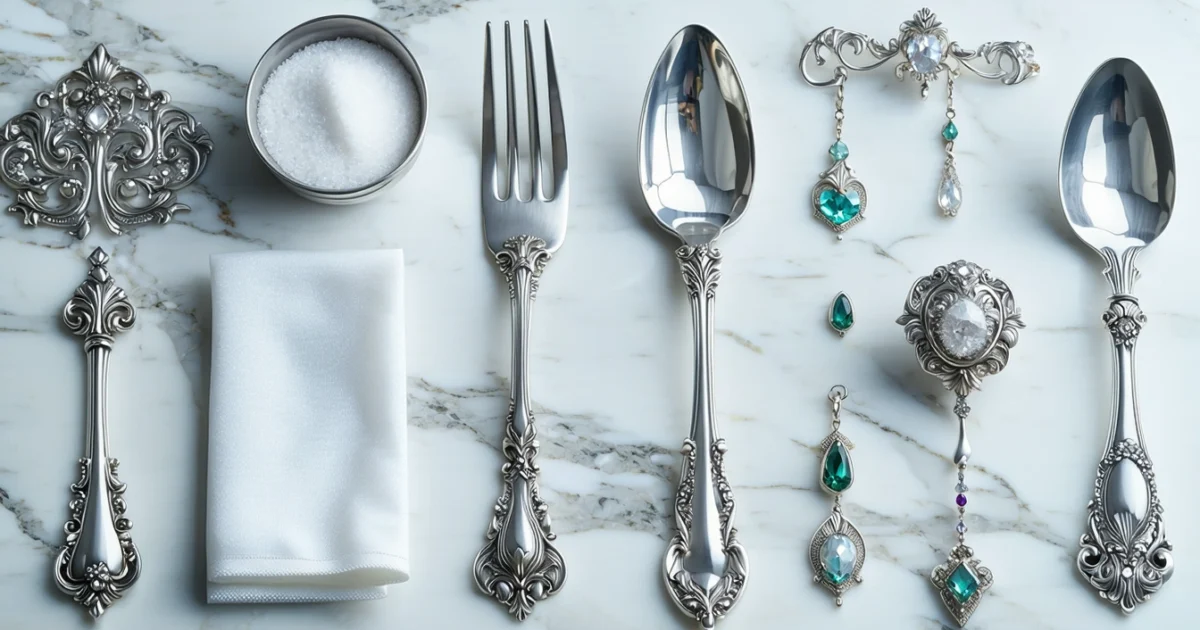
How to clean tarnished silver effectively requires understanding the right methods for your specific items and tarnish severity. Whether you’re dealing with sterling silver jewelry, silver-plated flatware, or decorative pieces, several proven techniques can restore your silver’s brilliant shine. From the popular aluminum foil and baking soda method to gentle commercial silver polishes, each approach works through different mechanisms to remove the silver sulfide that causes tarnishing.
The key to successful silver cleaning lies in matching the method to your item’s condition and value. Lightly tarnished pieces respond well to household solutions like baking soda paste or even non-gel toothpaste, while heavily blackened silver may require electrochemical cleaning or professional restoration. Additionally, proper technique prevents scratching and preserves your silver’s finish, similar to caring for other precious metals like those covered in our gold jewelry cleaning guide.
Understanding these methods empowers you to safely restore your silver treasures at home. Moreover, implementing proper prevention strategies keeps your silver looking brilliant longer, reducing the frequency of deep cleaning sessions.
TL;DR
- Multiple effective methods exist for cleaning tarnished silver, from aluminum foil electrochemical cleaning to gentle baking soda paste
- Match the cleaning method to your silver’s condition – light tarnish needs gentle approaches, while heavy blackening requires stronger techniques
- Proper technique and safety prevent damage – always test methods on inconspicuous areas and use soft cloths to avoid scratching
- Prevention strategies like proper storage and anti-tarnish products significantly reduce future tarnishing
Understanding Silver Tarnish: What Causes It and Why It Happens
Silver tarnish represents a natural chemical reaction that transforms your gleaming silver into a dull, darkened surface. Specifically, silver sulfide formation occurs when silver atoms react with sulfur compounds in the environment, creating a thin layer of black or grey discoloration. This process fundamentally differs from rust on iron, as tarnish actually protects the underlying silver from further corrosion.
The science behind tarnishing involves sulfur-containing compounds in the air bonding with silver atoms on the surface. Hydrogen sulfide gas, present in trace amounts in most environments, drives this reaction forward. Consequently, even minimal exposure to sulfur compounds triggers the formation of silver sulfide, which appears as the characteristic dark patina we call tarnish.
Environmental Factors That Accelerate Tarnishing
Humidity levels significantly impact how quickly silver tarnishes, with moisture acting as a catalyst for chemical reactions. High humidity environments accelerate the tarnishing process because water molecules facilitate the movement of sulfur compounds to the silver surface. Furthermore, relative humidity above 50% creates ideal conditions for rapid tarnish formation.
Air pollution introduces numerous sulfur compounds that attack silver surfaces aggressively. Urban environments typically contain higher concentrations of sulfur dioxide from vehicle emissions and industrial processes. Additionally, household items like rubber bands, wool, and certain cleaning products release sulfur compounds that contribute to accelerated tarnishing.
- Cooking gases from gas stoves release sulfur compounds
- Perfumes and cosmetics contain sulfur-based preservatives
- Paper and cardboard emit sulfur compounds during decomposition
- Wool and latex naturally contain sulfur that affects nearby silver
Sterling Silver vs. Silver-Plated Tarnishing Differences
Sterling silver contains 92.5% pure silver alloyed with other metals, typically copper, which affects its tarnishing behavior. The copper content actually makes sterling silver more prone to tarnishing than pure silver, as copper also reacts with sulfur compounds. However, sterling silver tarnish penetrates only the surface layer and can be completely removed through proper cleaning.
Silver-plated items feature a thin layer of silver over a base metal, creating unique tarnishing challenges. The silver plating thickness determines how long the item maintains its appearance and how it responds to cleaning. Moreover, aggressive cleaning methods can remove the silver layer entirely, exposing the base metal underneath.
Silver-Plated Cleaning Caution
Why Some Silver Pieces Tarnish Faster
Several factors determine the tarnishing rate of individual silver pieces, starting with their composition and finish. Pieces with higher silver content generally tarnish more slowly than those with significant copper content. Additionally, the surface finish affects exposure to air and sulfur compounds, with polished surfaces showing tarnish more readily than textured ones.
Storage conditions create dramatic differences in tarnishing rates between similar pieces. Silver stored in airtight containers with anti-tarnish strips remains bright for years, while pieces left in open air tarnish within weeks. Furthermore, contact with other metals through galvanic corrosion accelerates the tarnishing process significantly.
Usage patterns also influence tarnishing speed, as frequently worn jewelry benefits from the natural oils in skin that provide some protection. Conversely, pieces stored in basements or attics face higher humidity and temperature fluctuations that promote rapid tarnish formation. Understanding these factors helps explain why some silver items require frequent cleaning while others maintain their shine with minimal maintenance, much like the care considerations for cleaning gold jewelry where different alloys respond differently to environmental conditions.
Essential Supplies and Safety Precautions for Silver Cleaning
Successful silver cleaning requires specific tools and materials that protect both the metal and the person performing the restoration. Gathering the right supplies beforehand ensures efficient cleaning while preventing damage to valuable pieces. Furthermore, understanding safety protocols protects against chemical exposure and potential health hazards.
Basic Tools and Materials for Silver Restoration
Essential cleaning tools include soft microfiber cloths that won’t scratch delicate silver surfaces during polishing. Avoid paper towels or rough fabrics that create microscopic scratches on the metal. Additionally, soft-bristled toothbrushes reach intricate details and crevices where tarnish accumulates heavily.
Protective equipment forms the foundation of safe silver cleaning practices. Nitrile or rubber gloves prevent skin contact with chemical cleaners and protect hands from prolonged moisture exposure. Moreover, these gloves prevent natural skin oils from transferring to freshly cleaned silver surfaces.
- Microfiber cloths (lint-free and non-abrasive)
- Soft-bristled brushes (old toothbrushes work well)
- Cotton swabs for detailed work
- Protective gloves (nitrile recommended)
- Shallow plastic bowls for soaking solutions
- Clean water for rinsing
Chemical Safety and Handling Protocols
Commercial silver cleaners contain acids and sulfur compounds that require careful handling to prevent skin irritation and respiratory problems. These chemicals work effectively but release fumes that accumulate in enclosed spaces. Therefore, proper ventilation becomes critical during any cleaning session involving commercial products.
Natural cleaning agents like baking soda and aluminum foil pose fewer health risks but still require precautions. The electrolytic reaction between aluminum and silver produces hydrogen sulfide gas, which smells like rotten eggs and irritates respiratory systems. Consequently, even gentle cleaning methods benefit from adequate air circulation.
Chemical Safety Warning
Workspace Preparation and Ventilation Requirements
Proper workspace preparation prevents accidents and ensures effective cleaning results. Choose a well-lit area where you can clearly see tarnish patterns and cleaning progress. Additionally, work surfaces should be covered with towels or plastic sheeting to protect furniture from chemical spills.
Adequate ventilation removes chemical fumes and prevents their accumulation in living spaces. Open windows and doors create cross-ventilation that disperses vapors effectively. Furthermore, working near an exhaust fan or outdoors provides optimal air circulation for chemical cleaning methods.
Temperature control affects both cleaning efficiency and safety during silver restoration. Room temperature environments allow cleaners to work at optimal effectiveness without accelerating chemical reactions. Extreme temperatures can cause rapid evaporation of cleaning solutions or unexpected chemical behavior.
Testing Cleaning Methods on Hidden Areas
Testing cleaning methods on inconspicuous areas prevents irreversible damage to valuable silver pieces. Choose hidden spots like the back of jewelry clasps or the bottom of decorative items for initial trials. This approach reveals how the silver responds to specific cleaning agents before treating visible surfaces.
Start with the gentlest cleaning method during test applications to gauge the silver’s condition and cleaning needs. Apply a small amount of cleaner to the test area and observe the reaction for several minutes. Moreover, this testing process helps determine appropriate contact time for the cleaning solution.
Document the results of each test method to build a cleaning strategy for the entire piece. Note which areas respond well to gentle cleaning and which require stronger interventions. Additionally, this systematic approach prevents over-cleaning and helps preserve the silver’s natural patina where appropriate, similar to the careful testing required when cleaning gold jewelry to avoid damage to different alloy compositions.
Professional conservators recommend waiting 24 hours after testing before proceeding with full cleaning to observe any delayed reactions. Some chemical interactions develop slowly and become apparent only after extended exposure. Therefore, patience during the testing phase prevents costly mistakes on irreplaceable silver items.
The Aluminum Foil and Baking Soda Method (Electrochemical Cleaning)
The aluminum foil and baking soda method harnesses electrochemical reactions to remove tarnish from silver without harsh scrubbing. This technique creates a galvanic cell that transfers sulfur compounds from the silver surface to the aluminum foil. Furthermore, the process reverses the tarnishing reaction naturally and safely.
Step-by-Step Instructions for the Aluminum Foil Technique
- Line a glass or plastic bowl with aluminum foil, ensuring the shiny side faces upward
- Place tarnished silver items directly on the foil surface without overlapping pieces
- Sprinkle one tablespoon of baking soda per cup of water over the silver items
- Pour hot water (not boiling) slowly into the bowl until items are completely submerged
- Allow the electrochemical reaction to proceed for 5-15 minutes depending on tarnish severity
- Remove items carefully with plastic tongs to avoid burns
- Rinse thoroughly with cool water and dry immediately with soft cloth
The reaction begins immediately as bubbles form around the silver surface. Additionally, you may notice a slight sulfur odor during the process, which indicates the tarnish removal is working effectively. Never use metal utensils to remove items as this can scratch the silver surface.
Science Behind the Electrochemical Reaction
Electrochemical cleaning works through electron transfer between aluminum and silver sulfide compounds. The aluminum acts as a sacrificial anode, donating electrons to reduce the silver sulfide back to pure silver. Meanwhile, the baking soda creates an alkaline environment that facilitates ion movement in the solution.
The chemical equation demonstrates how silver sulfide (Ag2S) converts back to metallic silver through this galvanic process. Aluminum loses electrons more readily than silver, making it the ideal material for this cleaning method. Consequently, the tarnish transfers to the aluminum foil, which becomes discolored during the process.
The electrochemical method removes tarnish 10 times faster than traditional polishing
Best Practices for Water Temperature and Timing
Water temperature significantly affects the reaction speed and effectiveness of electrochemical cleaning. Hot water between 160-180°F (70-80°C) provides optimal results without damaging delicate silver items. However, boiling water can cause thermal shock and potentially crack gemstones or loosen settings.
Timing varies based on tarnish severity and silver composition. Light tarnish typically requires 3-5 minutes of contact time, while heavily blackened pieces may need up to 15 minutes. Moreover, sterling silver responds faster than silver-plated items due to its higher silver content.
| Tarnish Level | Contact Time | Water Temperature |
|---|---|---|
| Light discoloration | 3-5 minutes | 160°F (70°C) |
| Moderate tarnish | 8-10 minutes | 170°F (75°C) |
| Heavy blackening | 12-15 minutes | 180°F (80°C) |
When This Method Works Best and Potential Limitations
The aluminum foil method excels at cleaning solid silver items like flatware, jewelry, and decorative pieces without gemstones. This technique works particularly well on pieces with intricate details where traditional polishing cannot reach effectively. Additionally, the method removes tarnish from crevices and engravings that manual cleaning often misses.
Pros
- Removes tarnish from hard-to-reach areas
- No physical scrubbing required
- Safe for most solid silver items
- Cost-effective using household materials
Cons
- Not suitable for silver-plated items
- Can damage certain gemstones
- May remove intentional patina
- Requires careful temperature control
Certain limitations restrict the use of electrochemical cleaning on specific silver items. Silver-plated pieces risk losing their thin silver coating during the process, exposing the base metal underneath. Furthermore, porous gemstones like pearls, turquoise, or opals can absorb the alkaline solution and suffer permanent damage.
Antique silver pieces with deliberate oxidation or patina require careful consideration before using this method. The electrochemical process removes all sulfide compounds, including those that create desirable aging effects. Therefore, consult a professional conservator before cleaning valuable antique silver items that may lose historical or aesthetic value through complete tarnish removal.
Baking Soda Paste Method for Gentle Tarnish Removal
Baking soda paste provides a gentle abrasive cleaning method that removes tarnish without damaging silver surfaces. This household alkaline compound neutralizes sulfur compounds while creating mild friction to lift discoloration. Unlike harsh chemical cleaners, sodium bicarbonate maintains the silver’s natural lustre while effectively removing oxidation.
Creating the Proper Baking Soda Paste Consistency
The ideal paste combines three parts baking soda with one part water to create a thick, spreadable consistency. Start with two tablespoons of baking soda in a small bowl, then gradually add water while stirring continuously. The mixture should resemble thick toothpaste without being runny or crumbly.
Test the paste consistency by applying a small amount to your finger. Properly mixed paste adheres to vertical surfaces without dripping while maintaining enough moisture for easy application. Additionally, the paste should spread smoothly without leaving dry patches that could scratch the silver surface.
Application Technique for Different Silver Items
Apply the paste using clean fingertips or a soft cloth, working in small sections to maintain control. For flat silver pieces like cutlery, spread the paste evenly across the entire surface using circular motions. Curved items such as bowls require careful attention to ensure complete coverage without missing recessed areas.
Intricate silver jewelry demands a different approach using a soft-bristled toothbrush to reach detailed areas. Gently work the paste into engravings and crevices where tarnish typically accumulates. However, avoid excessive pressure that could damage delicate settings or thin silver plating.
- Flatware: Apply with cloth using straight strokes along the grain
- Jewelry: Use soft toothbrush for detailed areas and settings
- Hollow items: Work paste into openings with cotton swabs
- Decorative pieces: Focus on raised areas where tarnish concentrates
Gentle Scrubbing Methods to Avoid Scratching
Gentle circular motions prevent scratching while effectively removing tarnish from silver surfaces. Apply minimal pressure when scrubbing, allowing the baking soda’s natural abrasive properties to do the work. Never use steel wool or abrasive sponges that can permanently damage the silver’s finish.
For stubborn tarnish spots, increase contact time rather than scrubbing pressure. Allow the paste to sit for two to three minutes before gently working the area with a soft cloth. This approach dissolves oxidation more effectively than aggressive scrubbing while preserving the silver’s surface integrity.
Scratching Prevention
Rinsing and Drying Procedures
Thorough rinsing removes all baking soda residue that could leave white streaks on the silver surface. Use lukewarm running water to wash away the paste, ensuring complete removal from detailed areas and crevices. Cold water may not dissolve residue effectively, while hot water can cause thermal shock on delicate pieces.
Immediate drying prevents water spots and new tarnish formation on clean silver surfaces. Pat the item dry with a soft, lint-free cloth rather than rubbing, which could create micro-scratches. For intricate pieces, use compressed air or a hairdryer on cool setting to remove moisture from hard-to-reach areas.
Complete the process by buffing the silver with a clean microfiber cloth to restore its natural shine. This final polishing step removes any remaining residue while bringing out the metal’s reflective properties. Store cleaned silver items in anti-tarnish cloth or sealed containers to prevent future oxidation.
Commercial Silver Polish: When and How to Use It
Commercial silver polishes offer professional-grade cleaning power for heavily tarnished pieces that resist home remedies. These specialized formulations contain chemical agents that dissolve oxidation more effectively than household alternatives while providing protective coatings to prevent future tarnishing.
Types of Commercial Silver Cleaners Available
Liquid silver polishes penetrate intricate details and crevices more effectively than cream formulations. These flowing cleaners work particularly well on ornate pieces, chains, and filigree work where paste products cannot reach. However, liquid polishes require more careful application to prevent dripping onto surrounding surfaces.
Cream and paste polishes provide controlled application with superior abrasive action for stubborn tarnish removal. These thicker formulations stay where you place them, making them ideal for large flat surfaces like trays and serving pieces. Additionally, cream polishes often contain protective waxes that create barriers against future oxidation.
Foam cleaners combine the penetrating power of liquids with the controlled application of creams. These products expand to fill detailed areas while remaining manageable during application. Furthermore, foam formulations typically rinse away more completely than traditional pastes.
Impregnated cloths offer convenience for quick touch-ups and regular maintenance cleaning. These pre-treated fabrics contain measured amounts of polish that activate when rubbed against silver surfaces. Nevertheless, impregnated cloths work best on lightly tarnished items rather than heavily oxidized pieces.
Application Instructions for Liquid and Cream Polishes
Begin by testing the polish on an inconspicuous area to ensure compatibility with your silver type. Apply a small amount to verify that the product doesn’t cause discoloration or damage to the metal’s finish. This precautionary step prevents costly mistakes on valuable pieces.
- Prepare the workspace with adequate ventilation and protective coverings for surrounding surfaces
- Apply polish sparingly using a soft cloth or applicator pad in thin, even layers
- Work in small sections of 2-3 inches to prevent the polish from drying before removal
- Allow contact time according to manufacturer specifications, typically 30 seconds to 2 minutes
- Remove residue with a clean, dry cloth using circular motions
- Buff to shine with a separate microfiber cloth for final polishing
Never allow commercial polish to dry completely on silver surfaces, as this can cause staining or etching. Work quickly but methodically, completing each section before moving to the next. Moreover, avoid using excessive pressure during application, letting the chemical action do the work.
Choosing the Right Product for Your Silver Type
Sterling silver items require gentle formulations that won’t damage the copper alloy content. Look for polishes specifically labeled for sterling silver, which typically contain milder acids and protective agents. These products maintain the metal’s integrity while effectively removing tarnish.
Silver-plated pieces need extra-gentle cleaners to prevent damage to the thin silver coating. Choose products marked as safe for plated items, which use less aggressive chemical formulations. Excessive polishing can wear through plating, exposing the base metal underneath.
Antique silver pieces benefit from conservation-grade cleaners that preserve patina and historical value. These specialized products remove tarnish while maintaining the piece’s aged character. Consult with antique specialists before using commercial cleaners on valuable historical items.
Gemstone-set silver jewelry requires cleaners that won’t damage precious stones or their settings. Avoid polishes containing ammonia or harsh acids that can cloud pearls, opals, or other sensitive gems. Instead, choose jewelry-specific formulations designed for mixed-material pieces.
Professional-Grade vs. Household Silver Cleaners
Professional-grade cleaners contain higher concentrations of active ingredients for faster, more thorough tarnish removal. These products often include specialized additives like corrosion inhibitors and anti-tarnish agents that provide longer-lasting protection. However, professional formulations require more careful handling due to their potency.
Household silver cleaners offer safer formulations with milder chemical concentrations suitable for regular use. These products balance effectiveness with user safety, making them appropriate for frequent cleaning sessions. While they may require more time and effort, household cleaners pose fewer risks to users and silver items.
| Feature | Professional Grade | Household Grade |
|---|---|---|
| Cleaning Speed | 2-5 minutes | 5-15 minutes |
| Tarnish Removal | Heavy to severe | Light to moderate |
| Protection Duration | 6-12 months | 2-6 months |
| Safety Precautions | Gloves, ventilation required | Basic precautions sufficient |
| Cost per Use | £0.50-£2.00 | £0.10-£0.50 |
Consider your cleaning frequency and silver collection size when choosing between professional and household cleaners. Professional products work best for occasional deep cleaning of heavily tarnished pieces, while household cleaners suit regular maintenance routines. For valuable silver collections, many experts recommend using professional cleaning techniques similar to those used for precious metals.
Always read product labels carefully and follow manufacturer instructions precisely. Store commercial silver cleaners in cool, dry locations away from children and pets. Proper storage extends product life while maintaining cleaning effectiveness for future use.
Alternative Household Methods: Toothpaste, Dish Soap, and More
Common household items provide effective alternatives to commercial silver cleaners when used correctly. These everyday products offer convenient solutions for light to moderate tarnish removal without requiring special purchases. However, proper technique and understanding of each method’s limitations ensure safe cleaning results.
Using Non-Gel Toothpaste Safely on Silver
Non-gel toothpaste contains mild abrasives that gently remove tarnish from silver surfaces. The fluoride and calcium carbonate in traditional white toothpaste work as polishing agents without causing significant scratching. Never use gel toothpastes or whitening formulas, as these contain harsh chemicals that damage silver finishes.
Apply a small amount of plain white toothpaste to a soft cloth or cotton swab. Gently rub the tarnished areas using circular motions, applying minimal pressure to avoid scratching. The mild abrasives lift tarnish while the paste’s consistency provides controlled application.
Rinse thoroughly with lukewarm water after cleaning, ensuring all toothpaste residue disappears completely. Pat dry immediately with a lint-free cloth to prevent water spots. This method works best on lightly tarnished pieces and requires patience for heavily oxidized silver.
Dish Soap Method for Light Tarnish
Fairy liquid and other gentle dish soaps effectively clean light tarnish while removing oils and fingerprints from silver surfaces. The surfactants in dish soap break down organic residues that contribute to tarnishing processes. This method provides the gentlest cleaning approach for delicate silver items.
Mix one teaspoon of mild dish soap with one cup of warm water in a clean bowl. Submerge silver items for 5-10 minutes to allow the solution to penetrate surface tarnish. For intricate pieces with detailed patterns, use a soft-bristled toothbrush to reach crevices.
Rinse each piece thoroughly under running water, checking for soap residue in decorative areas. Dry immediately with a soft cloth, working in straight lines rather than circular motions. This technique works particularly well for jewelry cleaning routines and regular maintenance schedules.
Lemon Juice and Salt Technique
The combination of lemon juice and salt creates a natural acidic paste that dissolves tarnish through chemical reaction. Citric acid in fresh lemon juice breaks down silver sulfide compounds while salt provides gentle abrasive action. This method requires careful timing to prevent over-cleaning.
Create a paste using equal parts fresh lemon juice and fine table salt. Apply the mixture to tarnished areas using a soft cloth, working quickly to prevent prolonged acid contact. Limit exposure time to 2-3 minutes maximum to avoid potential damage to silver surfaces.
Rinse immediately with cool water and neutralize any remaining acid with a baking soda solution. The acid-base reaction ensures complete removal of acidic residues that could cause future corrosion. Dry thoroughly and polish with a clean cloth for optimal shine restoration.
Acid Exposure Warning
White Vinegar Applications and Precautions
White vinegar offers another acidic cleaning option for stubborn tarnish removal. The acetic acid concentration in household vinegar ranges from 4-6%, providing sufficient strength for tarnish dissolution without excessive harshness. However, vinegar requires more careful handling than other household methods.
Dilute white vinegar with equal parts water for safe silver cleaning applications. Soak heavily tarnished pieces for 15-30 minutes depending on tarnish severity. Monitor the cleaning process closely, removing items immediately when tarnish begins lifting.
Neutralize the acidic solution by rinsing with baking soda water before final cleaning with plain water. This two-step rinsing process prevents acid residue from continuing the cleaning action after removal. Avoid using vinegar on silver-plated items, as the acid can penetrate thin plating layers.
Test vinegar solutions on inconspicuous areas first, particularly with antique or valuable pieces. Some silver alloys react differently to acidic treatments, potentially causing discoloration or surface damage. Professional evaluation may be necessary for historically significant silver items requiring restoration.
Cleaning Specific Silver Items: Jewelry, Flatware, and Decorative Pieces
Different silver items require tailored cleaning approaches based on their construction, value, and intended use. Silver jewelry demands gentler treatment than flatware, while antique pieces need specialized care to preserve their historical integrity. Understanding these distinctions ensures effective tarnish removal without causing damage.
Special Considerations for Silver Necklaces and Delicate Jewelry
Silver necklaces present unique cleaning challenges due to their intricate chains and delicate construction. Chain links trap tarnish and cleaning solutions, requiring thorough rinsing to prevent residue buildup. Use a soft-bristled toothbrush to gently work cleaning paste into chain crevices, following the natural direction of the links.
Delicate jewelry pieces benefit from the aluminum foil method over harsh chemical cleaners. The electrochemical process removes tarnish without mechanical scrubbing that could damage thin silver layers or intricate details. Sterling silver jewelry responds particularly well to this gentle approach, maintaining its lustrous finish without stress.
Avoid ultrasonic cleaners for hollow jewelry pieces or items with soldered joints. The vibrations can loosen connections or cause structural damage to delicate components. Instead, soak pieces in warm soapy water for 10-15 minutes before gentle brushing with a soft cloth.
Cleaning Silver Flatware and Serving Pieces
Silver flatware requires systematic cleaning to address both decorative patterns and functional surfaces. Food residues combine with tarnish to create stubborn stains that demand thorough removal. Start by washing pieces in warm soapy water to remove organic matter before applying tarnish removal methods.
Large serving pieces benefit from the baking soda paste method due to their substantial construction. Apply paste generally across surfaces, paying special attention to crevices in decorative patterns. Silver serving trays and platters can withstand more vigorous cleaning than delicate jewelry pieces.
- Clean flatware in batches to maintain consistent results
- Use separate cleaning cloths for different pieces to prevent cross-contamination
- Dry immediately after cleaning to prevent water spots
- Store cleaned flatware in anti-tarnish cloth or containers
Professional silver polish works effectively on heavily used flatware that experiences regular tarnishing. The protective coating left by quality polishes helps prevent future tarnish formation, extending time between cleaning sessions.
Handling Antique and Valuable Silver Items
Antique silver pieces require conservative cleaning approaches to preserve their historical value and patina. Over-cleaning can remove desirable aging characteristics that contribute to authenticity and worth. Consult professional appraisers before attempting restoration of museum-quality pieces.
Test any cleaning method on inconspicuous areas first, particularly with pieces featuring maker’s marks or hallmarks. These identifying stamps can suffer damage from aggressive cleaning, significantly reducing the item’s collectible value. Victorian silver often features intricate engraving that requires careful attention during cleaning.
Antique Silver Warning
Document the condition of valuable pieces before cleaning through detailed photographs. This record proves useful for insurance purposes and helps track any changes in the item’s condition over time. Professional conservation services offer specialized treatments for museum-quality silver artifacts.
Dealing with Gemstones and Mixed-Metal Pieces
Silver jewelry with gemstones requires careful consideration of stone hardness and chemical sensitivity. Soft stones like pearls, opals, and turquoise can suffer damage from acidic cleaning solutions or abrasive polishing compounds. Use only mild soap solutions for these delicate combinations.
Mixed-metal pieces present additional challenges as different metals respond differently to cleaning agents. Gold-plated accents on silver items can discolor when exposed to silver cleaning chemicals. Clean these pieces with neutral pH solutions and avoid prolonged soaking periods.
| Gemstone Type | Safe Cleaning Method | Avoid |
|---|---|---|
| Diamonds | All silver cleaning methods | None |
| Pearls | Mild soap and water only | All acidic solutions |
| Opals | Damp cloth cleaning | Soaking, chemicals |
| Amber | Gentle soap solution | Alcohol-based cleaners |
Remove gemstone jewelry before applying silver cleaning solutions to other items in the same area. Chemical vapors can affect sensitive stones even without direct contact. Gold jewelry cleaning requires different approaches that complement silver care routines.
Professional jewelers offer specialized cleaning services for complex pieces combining multiple materials. Their expertise ensures proper treatment of each component while maintaining the piece’s structural integrity and appearance.
Restoring Heavily Tarnished and Blackened Silver
Severely tarnished silver requires systematic assessment before attempting restoration. Blackened silver pieces often display multiple layers of sulfide buildup that standard cleaning methods cannot penetrate. Professional conservators examine the base metal composition, structural integrity, and historical significance before recommending treatment approaches.
Deep tarnish assessment begins with identifying the silver content and construction method. Sterling silver items respond differently than silver-plated pieces to aggressive cleaning techniques. Furthermore, antique silver may contain lead solder joints that require specialized handling to prevent damage during restoration processes.
Multi-Step Restoration Process
Heavily tarnished silver restoration follows a graduated approach starting with the gentlest methods. Initial cleaning removes surface dirt and loose tarnish using warm soapy water and soft brushes. Subsequently, mild abrasive polishes address embedded sulfide layers without compromising the underlying silver surface.
- Document the piece’s condition with photographs before beginning restoration
- Remove loose dirt and debris with soft brushes and warm water
- Apply commercial silver cleaner to small test areas first
- Work in sections using circular motions with microfiber cloths
- Rinse thoroughly between cleaning stages to prevent chemical buildup
- Polish with fine-grade silver polish for final restoration
Professional restoration services employ electrolytic cleaning methods for severely blackened pieces. These techniques use controlled electrical currents to reverse the tarnishing process at the molecular level. However, electrolytic cleaning requires specialized equipment and expertise to prevent irreversible damage to delicate silver items.
Chemical stripping agents offer another restoration option for heavily tarnished pieces. Thiourea-based cleaners dissolve thick tarnish layers but require careful application and neutralization. Professional conservators monitor pH levels and exposure times to prevent over-cleaning that removes silver along with tarnish.
When Professional Restoration Becomes Necessary
Professional restoration services become essential when home cleaning methods prove ineffective or potentially harmful. Antique silver pieces with historical significance require conservation-grade treatment that preserves patina and original craftsmanship details. Additionally, items with structural damage need expert assessment before cleaning attempts.
Museum-quality silver artifacts demand specialized conservation techniques that balance cleaning effectiveness with preservation requirements. Professional conservators use microscopic analysis to identify tarnish composition and select appropriate treatment methods. Their expertise ensures that restoration enhances rather than diminishes the piece’s historical and monetary value.
Warning Signs for Professional Help
Insurance considerations also influence the decision to seek professional restoration. Valuable silver collections may require documented conservation treatments to maintain coverage eligibility. Professional restoration services provide detailed treatment records that support insurance claims and authenticity verification processes.
Setting Realistic Expectations
Realistic expectations for badly damaged silver depend on the extent of tarnish penetration and base metal condition. Surface tarnish removal typically achieves excellent results, while deep pitting or corrosion may leave permanent marks even after professional treatment. Understanding these limitations prevents disappointment and guides restoration investment decisions.
Silver-plated items present particular challenges as aggressive cleaning can remove the thin silver layer entirely. Replating services offer restoration options for these pieces, though costs may exceed the item’s value. Consequently, assessment of restoration economics helps determine whether professional treatment justifies the expense.
| Damage Level | Expected Outcome | Treatment Recommendation |
|---|---|---|
| Light tarnish | Complete restoration | Home cleaning methods |
| Heavy blackening | 90-95% improvement | Professional cleaning |
| Pitting/corrosion | Improved but visible marks | Conservation assessment |
| Structural damage | Stabilization only | Museum conservation |
Time investment for heavily tarnished silver restoration can span several days or weeks depending on the chosen method. Professional services often require extended treatment periods to achieve optimal results without rushing the process. Patience during restoration ensures the best possible outcome for valuable silver pieces.
Some heavily damaged silver pieces may benefit more from preservation in their current state rather than aggressive restoration attempts. Gold jewelry cleaning techniques offer alternative approaches for mixed-metal pieces that complement silver restoration methods. Professional consultation helps determine whether restoration enhances or diminishes a piece’s overall value and significance.
Post-Cleaning Care: Polishing and Finishing Techniques
Proper polishing transforms cleaned silver from dull to brilliant, requiring specific techniques and materials. Microfiber cloths provide the ideal polishing surface as their fine fibres capture residue without scratching delicate silver surfaces. Furthermore, dedicated silver polishing cloths contain mild abrasives that enhance shine whilst removing microscopic tarnish particles.
Quality polishing cloths feature different zones for cleaning and buffing activities. The cleaning section typically contains rouge compounds that remove light tarnish, whilst the buffing area provides lint-free finishing. Additionally, these cloths maintain their effectiveness through multiple uses, making them cost-effective polishing solutions.
Proper Polishing Cloth Selection and Technique
Cotton flannel cloths excel for initial polishing stages, particularly after chemical cleaning treatments. These natural fibres absorb moisture effectively whilst providing gentle abrasion for tarnish removal. Moreover, cotton cloths allow precise control over polishing pressure, preventing accidental surface damage.
Polishing technique requires circular motions that distribute pressure evenly across silver surfaces. Start with light pressure and gradually increase force based on tarnish resistance. Subsequently, switch to straight-line buffing motions for final finishing, working along the silver’s natural grain where visible.
- Chamois leather – Premium polishing for high-value pieces
- Microfiber cloths – Everyday polishing and maintenance
- Silver-specific cloths – Treated fabrics with polishing compounds
- Cotton flannel – Initial polishing after cleaning treatments
Achieving the Desired Level of Shine
Silver shine levels range from satin finishes to mirror-like brilliance, depending on polishing intensity and technique. Light polishing preserves original surface textures whilst removing tarnish, maintaining the piece’s intended appearance. Conversely, aggressive polishing creates high-gloss finishes that may alter decorative surface patterns.
Progressive polishing achieves optimal results through multiple stages of increasing fineness. Begin with coarser polishing compounds for tarnish removal, then progress to finer abrasives for shine development. Finally, use ultra-fine polishing compounds or plain cloths for mirror-like finishes.
Shine Control Tip
Buffing Methods for Different Silver Finishes
Brushed silver finishes require directional buffing that follows existing grain patterns to maintain their distinctive appearance. Cross-grain polishing destroys these intentional surface textures, creating unwanted shine variations. Therefore, identify grain direction before beginning buffing procedures.
Antiqued silver pieces benefit from selective polishing that enhances raised areas whilst preserving darkened recesses. Use pointed cotton swabs for detailed work around engravings and decorative elements. Additionally, avoid aggressive polishing that removes intentional patina effects.
| Finish Type | Buffing Direction | Pressure Level | Final Polish |
|---|---|---|---|
| Mirror finish | Circular then straight | Medium to light | Ultra-fine compound |
| Brushed/satin | With the grain | Light only | Dry cloth buffing |
| Antiqued | Selective areas | Very light | Minimal polishing |
| Hammered | Follow texture | Light | Texture-preserving |
Hammered silver surfaces require texture-following buffing that enhances individual facets without flattening the distinctive surface pattern. Work systematically across each hammered section, allowing the cloth to conform to surface variations. Similarly, gold jewelry cleaning techniques offer complementary approaches for mixed-metal pieces requiring coordinated finishing.
Final Inspection and Touch-up Procedures
Systematic inspection reveals areas requiring additional attention after initial polishing completion. Natural daylight provides optimal illumination for detecting remaining tarnish spots, water marks, or polishing streaks. Alternatively, bright LED lighting offers consistent illumination for detailed examination.
Touch-up procedures address specific problem areas without re-polishing entire pieces. Cotton swabs dipped in polishing compound target small tarnish spots precisely. Meanwhile, clean microfiber cloths remove polishing residue and create uniform surface appearance.
- Examine piece under bright light from multiple angles
- Identify remaining tarnish spots or polishing streaks
- Apply targeted touch-up treatments to problem areas
- Perform final buffing with clean, dry cloth
- Verify uniform shine and finish quality
Final buffing removes all polishing compound residue whilst creating protective surface conditioning. Dry cloth buffing generates slight static charge that repels dust particles temporarily. Consequently, properly finished silver maintains its restored appearance longer between cleaning sessions.
Quality control standards ensure consistent results across different silver pieces and cleaning sessions. Document successful techniques for future reference, particularly for valuable or sentimental pieces requiring regular maintenance. Moreover, proper finishing techniques extend the time between necessary cleaning cycles, preserving silver condition long-term.
Prevention Strategies: Keeping Silver Tarnish-Free
Prevention proves far more effective than reactive cleaning when maintaining silver’s lustrous appearance. Proper storage methods eliminate 95% of tarnish formation by controlling exposure to sulfur compounds and moisture. Furthermore, preventive measures preserve silver’s original finish whilst reducing the frequency of intensive cleaning sessions.
Proper Storage Methods and Anti-Tarnish Products
Anti-tarnish storage solutions create protective barriers against atmospheric contaminants that cause silver oxidation. Specially treated storage cloths contain silver nitrate compounds that neutralize sulfur gases before they contact silver surfaces. Additionally, these cloths maintain their protective properties for up to two years with proper care.
Airtight containers provide excellent protection when combined with silica gel packets or activated charcoal strips. These moisture-absorbing materials maintain humidity levels below 50%, significantly slowing tarnish formation. Moreover, vacuum-sealed storage bags offer maximum protection for valuable pieces during long-term storage periods.
- Anti-tarnish strips – Place in storage containers for continuous protection
- Flannel pouches – Individual wrapping prevents piece-to-piece scratching
- Acid-free tissue paper – Wraps delicate items without chemical reactions
- Cedar-lined drawers – Natural wood oils repel insects whilst absorbing moisture
Environmental Controls for Silver Preservation
Temperature stability prevents condensation formation that accelerates tarnish development on silver surfaces. Ideal storage temperatures range between 60-70°F (15-21°C) with minimal fluctuation throughout seasonal changes. Consequently, climate-controlled environments extend silver’s pristine condition significantly compared to variable storage conditions.
Air circulation systems filter sulfur compounds whilst maintaining consistent humidity levels for optimal silver preservation. HEPA filtration removes microscopic particles that contribute to surface contamination over time. Similarly, avoiding storage near heating vents or direct sunlight prevents thermal stress that can affect silver’s structural integrity.
Avoid These Storage Locations
Regular Maintenance Schedules
Scheduled maintenance prevents heavy tarnish accumulation that requires aggressive cleaning methods potentially damaging silver surfaces. Monthly inspections identify early tarnish formation when gentle cleaning methods remain effective. Therefore, consistent maintenance schedules preserve silver’s original finish whilst minimizing cleaning frequency.
| Frequency | Maintenance Task | Purpose |
|---|---|---|
| Weekly | Dust removal with soft cloth | Prevents particle accumulation |
| Monthly | Visual inspection for tarnish spots | Early detection enables gentle treatment |
| Quarterly | Light polishing of frequently used pieces | Maintains surface protection |
| Annually | Professional assessment of valuable items | Identifies structural concerns |
Documentation systems track maintenance history and identify patterns in tarnish formation across different pieces. Digital photos record silver’s condition over time, helping establish optimal cleaning intervals. Similar documentation proves valuable for other precious metals requiring specialized care protocols.
Protective Coatings and When to Use Them
Clear protective lacquers create invisible barriers that prevent atmospheric exposure whilst maintaining silver’s natural appearance. Professional-grade coatings last up to five years under normal conditions, significantly reducing maintenance requirements. However, these coatings require careful application by experienced professionals to avoid visible residue or uneven coverage.
Renaissance wax provides temporary protection for display pieces that require periodic handling or cleaning. This microcrystalline wax formula resists fingerprints whilst allowing easy removal when deep cleaning becomes necessary. Furthermore, wax applications prove ideal for antique pieces where permanent coatings might affect historical value.
Pros
- Eliminates tarnish formation for years
- Reduces cleaning frequency significantly
- Invisible protection maintains appearance
- Professional application ensures even coverage
Cons
- Requires professional removal for deep cleaning
- Initial application cost
- Not suitable for frequently handled pieces
- May affect antique value assessment
Timing considerations determine when protective coatings provide maximum benefit versus potential drawbacks. Newly cleaned silver accepts coatings most effectively, creating optimal adhesion and coverage uniformity. Additionally, pieces displayed in high-sulfur environments benefit most from protective coating applications, whilst frequently used items may require alternative protection methods.
Common Mistakes to Avoid When Cleaning Silver
Silver cleaning mistakes can cause permanent damage that reduces both aesthetic appeal and monetary value. Understanding these common errors helps preserve your silver’s beauty whilst avoiding costly restoration needs. Moreover, proper cleaning techniques prevent the scratches, discoloration, and structural damage that result from incorrect methods.
Abrasive Materials and Techniques That Damage Silver
Steel wool and scouring pads create microscopic scratches that permanently mar silver’s reflective surface. These abrasive materials remove silver along with tarnish, gradually wearing away the metal’s thickness over time. Additionally, rough cleaning motions amplify damage by creating deeper gouges that catch dirt and accelerate future tarnishing.
Toothpaste contains abrasive particles designed for tooth enamel, not delicate metals like silver. Whitening toothpastes prove particularly harmful due to their increased abrasive content and bleaching agents. Furthermore, toothpaste residue creates a film that attracts moisture and accelerates tarnish formation in cleaned areas.
Hard-bristled brushes scratch silver’s surface whilst pushing tarnish into decorative crevices rather than removing it effectively. Circular scrubbing motions create swirl marks that become visible under proper lighting conditions. Instead, gentle linear movements with soft cloths preserve surface integrity whilst achieving thorough cleaning results.
Critical Warning
Chemical Combinations That Can Harm Silver
Bleach and ammonia combinations create toxic gases whilst causing severe chemical burns on silver surfaces. These harsh chemicals dissolve silver’s protective oxide layer, leaving the metal vulnerable to rapid deterioration. Moreover, chlorine-based cleaners cause pitting and permanent discoloration that professional restoration cannot fully reverse.
Mixing different commercial silver cleaners creates unpredictable chemical reactions that may damage both silver and surrounding materials. Each cleaner contains specific active ingredients designed to work independently, not in combination with other formulations. Consequently, chemical interactions can produce corrosive compounds that etch silver permanently.
Acidic cleaners like lemon juice require careful dilution and immediate neutralization to prevent acid etching. Concentrated citric acid dissolves silver slowly but steadily, creating irreversible surface damage over extended contact periods. Similarly, vinegar solutions exceeding 5% acidity can cause pitting and discoloration on sensitive silver alloys.
- Never combine hydrogen peroxide with acidic cleaners
- Avoid using multiple cleaning products simultaneously
- Test chemical compatibility on hidden areas first
- Neutralize acidic cleaners with baking soda solutions
Over-Cleaning and Its Negative Effects
Excessive cleaning frequency removes silver’s natural patina that develops protective properties over time. This protective layer helps resist future tarnishing whilst maintaining the metal’s structural integrity. Therefore, cleaning silver more than necessary accelerates wear and reduces its lifespan significantly.
Daily polishing creates cumulative microscopic damage that becomes visible as overall dulling and loss of reflective quality. Each cleaning session removes minute amounts of silver, gradually reducing the piece’s thickness and value. Furthermore, frequent handling during cleaning increases exposure to skin oils and environmental contaminants.
Antique silver pieces require particularly careful cleaning schedules to preserve their historical value and original craftsmanship details. Over-cleaning can remove maker’s marks, hallmarks, and fine decorative elements that contribute to authenticity and worth. Professional appraisers often reduce valuations for pieces showing excessive cleaning damage.
Improper Drying and Storage After Cleaning
Air-drying silver allows water spots and mineral deposits to form permanent stains on cleaned surfaces. Tap water contains dissolved minerals that concentrate as water evaporates, leaving behind calcium and magnesium deposits. These spots require additional cleaning efforts that increase handling and potential damage risks.
Storing damp silver in enclosed spaces creates ideal conditions for accelerated tarnishing and potential mold growth. Moisture trapped against silver surfaces reacts with atmospheric sulfur compounds to form tarnish more rapidly than normal. Additionally, humid storage environments promote corrosion in silver alloys containing copper or other reactive metals.
Paper towels and tissues contain wood fibers and chemicals that can scratch silver whilst leaving residue behind. These materials often contain bleaching agents that react with silver over time, causing discoloration and surface damage. Instead, microfiber cloths designed for precious metals provide safe drying without scratching or chemical contamination.
Plastic storage bags trap moisture and create condensation that accelerates tarnish formation significantly. Non-breathable materials prevent air circulation whilst concentrating humidity around silver pieces. Proper storage requires breathable fabric pouches or acid-free tissue paper that absorbs excess moisture whilst allowing air movement.
Temperature fluctuations during storage cause expansion and contraction that can stress silver’s structure over time. Sudden temperature changes create condensation that provides moisture for tarnish formation. Maintaining stable storage temperatures between 60-70°F minimizes these effects whilst preserving silver’s condition long-term. Similar temperature control proves essential when cleaning gold jewellery and other precious metals requiring specialized care.
Frequently Asked Questions
How do you clean badly tarnished silver?
For heavily tarnished silver, use the aluminum foil and baking soda method. Line a bowl with aluminum foil, add hot water and baking soda, then submerge your silver item. This electrochemical process removes even severe black tarnish within minutes. For extremely stubborn tarnish, you may need commercial silver polish or professional restoration services.
What is the fastest way to clean tarnished silver?
The aluminum foil electrochemical method is the fastest technique for cleaning tarnished silver. Simply line a bowl with foil, add hot water and baking soda, then place your silver items in the solution. Most tarnish disappears within 2-5 minutes, making this the quickest home remedy available.
How to clean tarnished silver with baking soda?
Create a baking soda paste by mixing three parts baking soda with one part water. Apply the paste to tarnished areas using a soft cloth, gently rub in circular motions, then rinse with warm water and dry thoroughly. This method works well for light to moderate tarnish on sterling silver jewelry and flatware.
Can you use toothpaste to clean silver?
Yes, non-gel toothpaste can clean lightly tarnished silver effectively. Apply a small amount to a soft cloth and gently rub the silver surface, then rinse thoroughly and dry. However, avoid whitening toothpastes as they contain abrasives that may scratch delicate silver surfaces.
Does fairy liquid clean silver?
Fairy liquid (dish soap) can help clean silver but won’t remove tarnish. It’s excellent for removing dirt, oils, and grime from silver items before applying tarnish removal methods. Use warm soapy water as a preliminary cleaning step, then follow with appropriate tarnish removal techniques.
Can you revive tarnished sterling silver?
Yes, tarnished sterling silver can almost always be revived. Since tarnish is surface-level silver sulfide formation, proper cleaning methods can restore the original shine. Even heavily blackened sterling silver responds well to electrochemical cleaning or commercial silver polishes.
How to clean tarnished silver necklace safely?
For silver necklaces, use gentle methods to avoid damaging delicate chains or settings. Start with a baking soda paste applied with a soft toothbrush, working carefully around clasps and decorative elements. Rinse thoroughly and dry completely. For valuable pieces, consider professional cleaning to prevent damage.
What causes silver to tarnish so quickly?
Silver tarnishes when it reacts with sulfur compounds in the environment. High humidity, air pollution, and household items like rubber bands, wool, and certain cosmetics accelerate the process. Sterling silver tarnishes faster than pure silver due to its copper content, which also reacts with environmental sulfur.
How do you prevent silver from tarnishing?
Prevent silver tarnishing through proper storage and environmental control:
- Store silver in anti-tarnish cloths or bags
- Keep humidity levels below 50%
- Use silica gel packets in storage containers
- Avoid contact with rubber, wool, and sulfur-containing materials
- Clean silver regularly to prevent heavy tarnish buildup
Is it safe to clean silver with aluminum foil?
Yes, the aluminum foil method is safe when done correctly. This electrochemical process removes tarnish without abrasion, making it gentler than polishing. However, avoid using this method on silver-plated items, antiques, or pieces with gemstones, as it may cause damage to delicate components.
What's the difference between cleaning sterling silver and silver-plated items?
Sterling silver can handle more aggressive cleaning methods since it’s solid silver throughout. Silver-plated items require gentler approaches to avoid removing the thin silver layer. Use mild soap and soft cloths for plated items, reserving stronger methods like baking soda paste for solid sterling silver pieces.
How often should you clean silver to prevent heavy tarnishing?
Clean silver items every 2-3 months if regularly used, or every 6 months for stored pieces. Regular gentle cleaning prevents heavy tarnish buildup that requires aggressive removal methods. Frequently worn jewelry may need weekly cleaning with a silver polishing cloth to maintain its shine.
Can commercial silver polish damage silver items?
Quality commercial silver polishes are generally safe when used correctly. However, overuse or aggressive application can cause micro-scratches. Always test polish on an inconspicuous area first, use soft cloths, and follow manufacturer instructions. Avoid polishes containing harsh abrasives for delicate or antique pieces.
You May Also Like
How to Clean Gold Jewellery: Complete Home Cleaning Guide
How to Clean Earrings: Complete Guide for All Metal Types