How to Clean Carpet: Complete UK Guide for 2026

How to clean carpet effectively requires the right preparation, technique, and tools to remove dirt, stains, and odours whilst preserving your carpet’s appearance and longevity. Whether you’re dealing with everyday maintenance or tackling stubborn stains, proper carpet cleaning involves understanding your carpet type, choosing appropriate cleaning methods, and following systematic approaches for optimal results.
From manual scrubbing techniques using household items to machine-based methods like steam cleaning, different carpets require specific care approaches. Moreover, synthetic fibres respond differently to cleaning solutions compared to delicate wool carpets, making it essential to match your cleaning strategy to your carpet’s material and construction.
This comprehensive guide covers everything from essential preparation steps and stain removal techniques to proper drying methods and maintenance schedules. Additionally, you’ll learn when to tackle cleaning yourself versus calling professional services, ensuring your carpets remain fresh, hygienic, and looking their best year-round.
TL;DR
- Preparation is key: Remove furniture, vacuum thoroughly, and test cleaning products before starting
- Choose the right method: Manual techniques work for spot cleaning, whilst machines handle deep cleaning and large areas
- Match technique to carpet type: Wool needs gentle pH-neutral cleaners, synthetic fibres can handle stronger solutions
- Proper drying prevents damage: Ensure adequate ventilation and avoid walking on damp carpets
- Regular maintenance extends carpet life: Daily vacuuming and seasonal deep cleaning prevent permanent staining
Essential Preparation Before Cleaning Your Carpet
Proper preparation determines the success of your carpet cleaning efforts. Furthermore, thorough preparation prevents damage whilst ensuring maximum cleaning effectiveness across different carpet types and materials.
Clear and Remove All Furniture
Remove all furniture from the carpeted area completely before beginning any cleaning process. Additionally, this step allows unrestricted access to every carpet section, preventing missed spots that can harbour dirt and bacteria.
Heavy furniture pieces require careful lifting to avoid carpet indentations becoming permanent. Moreover, furniture legs can leave rust stains or colour transfer if they remain on damp carpet during the cleaning process.
Place furniture on plastic sheeting or aluminium foil if you cannot move items to another room entirely. Consequently, this protective barrier prevents moisture damage to wooden legs whilst keeping your cleaning area completely accessible.
Vacuum Thoroughly to Remove Loose Debris
Thorough vacuuming removes surface dirt, pet hair, and debris that would otherwise turn into mud during wet cleaning. Subsequently, this preliminary step prevents dirt from spreading across clean carpet areas during the washing process.
Use slow, overlapping strokes in multiple directions to lift embedded particles effectively. Additionally, pay special attention to high-traffic areas where dirt accumulates most heavily, requiring extra passes for complete removal.
Empty your vacuum bag or canister before starting to maintain optimal suction power throughout the process. Similarly, clean your vacuum filter if it appears clogged, ensuring maximum debris collection efficiency.
Pre-treat Stains and High-Traffic Areas
Identify and mark all visible stains before applying any cleaning solution to the entire carpet. Moreover, different stain types require specific treatment approaches for effective removal without carpet damage.
- Protein stains (blood, sweat) need cold water and enzyme cleaners
- Grease stains require degreasing agents or dish soap solutions
- Tannin stains (wine, coffee) respond best to acidic cleaning solutions
- Dye stains need immediate treatment with colour-safe bleaching agents
Apply pre-treatment solutions 15-30 minutes before general cleaning begins. Consequently, this dwell time allows the cleaning agents to break down stain molecules for easier removal during the main cleaning process.
Test Cleaning Products on Hidden Areas
Test every cleaning product on an inconspicuous area such as behind furniture or in a corner before applying it to visible carpet sections. Furthermore, this crucial step prevents colour bleeding, fibre damage, or adverse chemical reactions.
Apply a small amount of your chosen cleaning solution and wait 24 hours to observe any negative effects. Additionally, check for colour changes, texture alterations, or shrinkage that could indicate product incompatibility with your carpet fibres.
Natural wool carpets particularly require careful testing since they react sensitively to alkaline cleaners. Meanwhile, synthetic carpets generally tolerate stronger cleaning solutions but can still experience colour fastness issues with certain products.
Gather Essential Equipment and Supplies
Assemble all necessary cleaning equipment and supplies before beginning the carpet cleaning process. Subsequently, having everything readily available prevents interruptions that could compromise cleaning effectiveness or allow stains to set permanently.
| Equipment Category | Essential Items | Purpose |
|---|---|---|
| Cleaning Tools | Carpet cleaner, scrub brushes, microfibre cloths | Apply solutions and agitate fibres |
| Cleaning Solutions | Carpet shampoo, stain removers, pH-neutral cleaners | Break down dirt and neutralise odours |
| Protective Gear | Rubber gloves, knee pads, ventilation mask | Protect skin and respiratory system |
| Drying Equipment | Fans, dehumidifier, absorbent towels | Accelerate drying and prevent mould growth |
Ensure adequate ventilation by opening windows and positioning fans strategically throughout the room. Moreover, proper airflow accelerates drying times whilst preventing moisture-related problems like mould growth or carpet backing deterioration.
Keep clean water and dirty water containers separate if using extraction methods. Similarly, maintain a systematic approach to prevent cross-contamination that could spread dirt back onto freshly cleaned carpet sections.
Manual Carpet Cleaning Methods
Manual carpet cleaning methods provide precise control over the cleaning process whilst allowing you to target specific problem areas effectively. Furthermore, these techniques work particularly well for spot cleaning and maintaining carpets between professional cleanings.
Hand Scrubbing Technique with Carpet Shampoo
The hand scrubbing method delivers thorough cleaning results through controlled application of carpet shampoo and systematic brushing. Initially, dilute your chosen carpet shampoo according to manufacturer instructions, typically using a ratio of 1:10 with warm water.
Apply the diluted solution sparingly to avoid over-wetting the carpet backing. Subsequently, use a stiff-bristled brush to work the shampoo into carpet fibres using circular motions, ensuring you scrub gently to prevent fibre damage.
Work systematically across small sections, approximately 2×2 feet at a time, to maintain consistent cleaning standards. Additionally, this sectional approach prevents the cleaning solution from drying before you complete the scrubbing process.
Targeted Spot Cleaning for Stain Removal
Spot cleaning addresses individual stains without requiring full carpet cleaning, making it an efficient maintenance technique. Moreover, prompt spot treatment prevents stains from setting permanently into carpet fibres.
Begin by blotting fresh spills immediately with clean, absorbent cloths to remove excess liquid. Never rub or scrub fresh spills, as this action pushes the stain deeper into carpet fibres and spreads the contamination.
Apply your chosen cleaning solution directly to the stained area, working from the outside edges toward the centre. This technique prevents the stain from spreading outward and creating a larger affected area.
Household Items for Carpet Cleaning
Common household items create effective carpet cleaning solutions whilst offering cost-efficient alternatives to commercial products. Baking soda serves as an excellent odour neutraliser and mild abrasive for lifting embedded dirt.
Sprinkle baking soda liberally over the carpet surface and allow it to sit for 15-30 minutes before vacuuming thoroughly. Meanwhile, this process absorbs odours and loosens dirt particles for easier removal.
White vinegar provides natural cleaning power and helps neutralise alkaline stains effectively. Create a cleaning solution using one part white vinegar to three parts warm water for general carpet cleaning applications.
Combine dish soap, white vinegar, and warm water to create a powerful stain-fighting mixture. Specifically, mix 1 tablespoon dish soap, 1 tablespoon white vinegar, and 2 cups warm water for an effective all-purpose carpet cleaner.
Proper Dilution Ratios for Cleaning Solutions
Correct dilution ratios ensure cleaning effectiveness whilst preventing carpet damage from overly concentrated solutions. Additionally, proper dilution maximises product coverage and reduces cleaning costs significantly.
| Cleaning Solution | Dilution Ratio | Application |
|---|---|---|
| Carpet Shampoo | 1:10 with warm water | General cleaning |
| White Vinegar | 1:3 with warm water | Stain removal |
| Dish Soap Solution | 1 tbsp per 2 cups water | Grease stains |
| Ammonia Solution | 1:20 with cold water | Protein stains |
Always test diluted solutions on an inconspicuous carpet area before applying to visible sections. Furthermore, this precaution prevents unexpected colour changes or fibre damage that could require professional restoration.
Use cold water for protein-based stains like blood or sweat, as hot water can set these stains permanently. Conversely, warm water works effectively for most other stain types and helps activate cleaning agents.
Working from Outside Edges Inward
The outside-to-inside technique prevents stain spreading and ensures complete stain removal without creating unsightly rings. This method applies to both wet stains and dried marks that require reactivation.
Start cleaning approximately 2 inches beyond the visible stain boundary, gradually working toward the centre using small, overlapping motions. Consequently, this approach captures any stain residue that extends beyond the obvious discoloration.
Use blotting motions rather than scrubbing when working on stains, as excessive agitation can damage carpet fibres and spread contamination. Similarly, replace cleaning cloths frequently to avoid redistributing dirt and stains across clean carpet areas.
Rinse treated areas with clean water after applying cleaning solutions, then blot thoroughly with dry towels to remove residual cleaning products. Like other household cleaning tasks, proper rinsing prevents residue buildup that attracts future dirt accumulation.
Machine-Based Carpet Cleaning Techniques
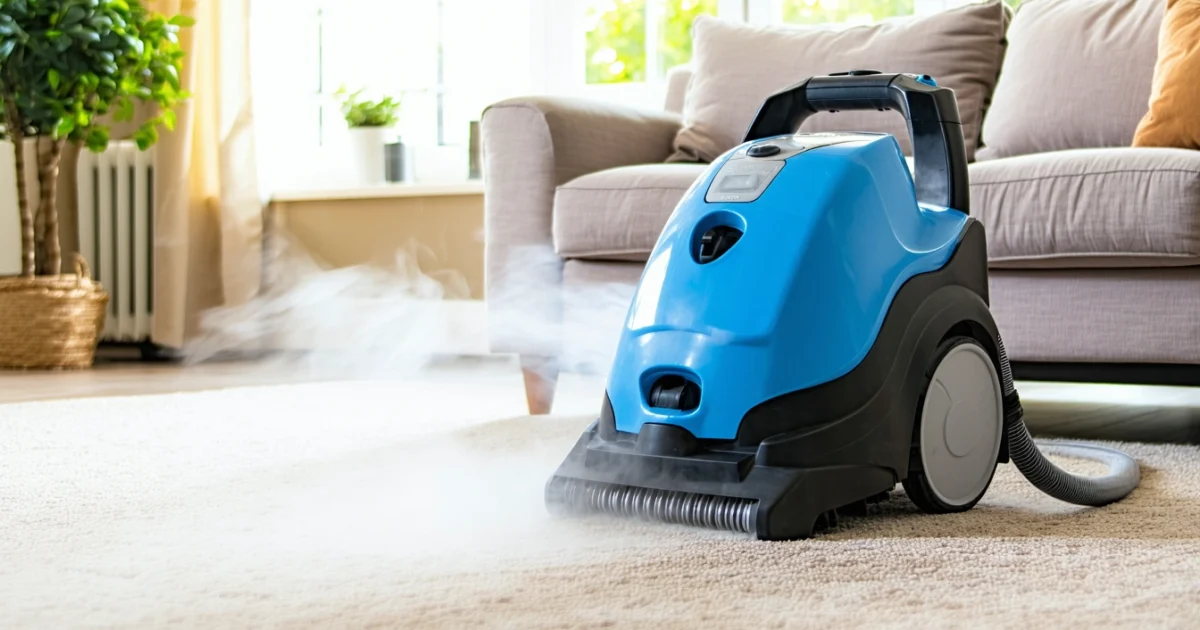
Professional-grade carpet cleaning machines deliver superior results compared to manual cleaning methods, effectively extracting embedded dirt and allergens from deep within carpet fibres. These powerful systems combine heated water, cleaning solutions, and strong suction to restore carpets to near-original condition.
Steam Cleaning: The Hot Water Extraction Method
Steam cleaning represents the most effective carpet cleaning technique available, using heated water at temperatures between 150-200°F to break down stubborn stains and sanitise carpet fibres. This hot water extraction process injects cleaning solution deep into carpet pile, then immediately extracts the dirty water along with dissolved soil and contaminants.
The steam cleaning process kills 99.9% of bacteria and dust mites, making it particularly beneficial for households with allergies or respiratory sensitivities. Additionally, this method removes soap residues left by previous cleaning attempts, preventing rapid re-soiling that occurs with inferior cleaning techniques.
Professional steam cleaners generate sufficient heat and pressure to tackle even the most challenging stains, including pet accidents, wine spills, and ground-in dirt. However, carpets require 6-12 hours drying time after steam cleaning, so plan accordingly to avoid foot traffic on damp surfaces.
Carpet Cleaning Machine Options: Rental Versus Purchase
Rental carpet cleaners from major UK retailers typically cost £25-40 per day, making them cost-effective for occasional use or single-room cleaning projects. These machines offer professional-grade cleaning power without the storage requirements or maintenance responsibilities of ownership.
| Consideration | Rental | Purchase |
|---|---|---|
| Initial Cost | £25-40/day | £150-800 |
| Storage Space | None required | Cupboard/garage space |
| Maintenance | Included | Owner responsibility |
| Availability | Booking required | Always available |
Purchase becomes economical when cleaning carpets more than twice yearly or for households with multiple carpeted rooms requiring regular maintenance. Moreover, owning a machine allows immediate response to spills and accidents before stains set permanently.
Consider your carpet cleaning frequency, storage capacity, and budget when deciding between rental and purchase options. Furthermore, factor in the convenience of having equipment readily available versus the upfront investment and ongoing maintenance requirements.
Dry Cleaning Methods Using Powder-Based Products
Dry carpet cleaning utilises absorbent powder compounds that attract and encapsulate soil particles without requiring water or extended drying times. This method proves particularly useful for delicate carpets, high-traffic areas requiring immediate use, or situations where moisture could cause damage.
The dry cleaning process involves sprinkling specialised powder evenly across carpet surfaces, then working the product into fibres using a stiff brush or machine agitation. Subsequently, powerful vacuuming removes the powder along with absorbed dirt, leaving carpets clean and immediately usable.
Commercial dry cleaning powders contain biodegradable surfactants and absorbent materials that effectively lift light to moderate soiling without leaving residues. However, this method cannot address deep-seated stains or heavy contamination that requires liquid extraction techniques.
Carpet Shampooing with Electric Cleaners
Electric carpet shampooers create rich foam that loosens embedded dirt while rotating brushes agitate carpet fibres to release trapped particles. These machines work particularly well on synthetic carpets with moderate soiling, offering a middle ground between manual cleaning and professional extraction methods.
The shampooing process requires mixing carpet shampoo with water according to manufacturer specifications, typically 1 part shampoo to 10 parts water for most products. Then, the machine applies foam whilst simultaneously brushing the carpet surface to work cleaning agents deep into the pile structure.
Allow shampooed carpets to dry completely before vacuuming away dried foam residue, which encapsulates loosened dirt for easy removal. Nevertheless, thorough rinsing becomes essential to prevent soap buildup that attracts future soiling and creates sticky carpet surfaces.
Proper Technique for Even Coverage and Extraction
Effective machine cleaning requires systematic coverage patterns that ensure uniform treatment across entire carpet areas without missing sections or over-wetting specific zones. Start cleaning from the furthest corner and work toward room exits to avoid walking on freshly cleaned surfaces.
Move machines at steady, consistent speeds approximately one foot per second during both solution application and extraction phases. Consequently, this timing allows adequate contact time for cleaning agents whilst preventing over-saturation that extends drying times unnecessarily.
- Overlap cleaning passes by 2-3 inches to eliminate streaking
- Make two passes over heavily soiled areas with extraction between passes
- Maintain consistent machine speed throughout the cleaning process
- Empty recovery tanks when half full to maintain optimal suction power
Pre-vacuum carpets thoroughly before machine cleaning to remove loose debris that could interfere with cleaning solution effectiveness. Similarly, post-cleaning vacuuming removes any remaining particles and helps restore carpet pile direction for optimal appearance, much like other detailed cleaning tasks such as cleaning grout requires systematic attention to detail.
Tackling Different Types of Carpet Stains
Different carpet stains require specific treatment approaches because their chemical composition determines which cleaning agents work effectively. Furthermore, understanding stain categories helps you select appropriate removal techniques that prevent permanent damage to carpet fibres whilst achieving complete elimination.
Food and Beverage Spills: Immediate Response Techniques
Time-sensitive action determines success rates for food and beverage stain removal, as immediate treatment prevents liquid penetration into carpet backing materials. Blot spills immediately using clean, absorbent cloths working from stain edges toward centres to prevent spreading contamination across larger carpet areas.
Coffee, tea, and wine spills respond best to cold water treatment followed by mild detergent solutions that break down tannins and acidic compounds. Mix one tablespoon of washing-up liquid with two cups of cold water, then apply sparingly using spray bottles to avoid over-wetting carpet padding underneath.
- Chocolate and grease-based foods require warm water treatment to dissolve fats
- Acidic spills like fruit juices need alkaline solutions such as baking soda paste
- Protein-based stains from milk or eggs respond to enzyme-based cleaners
- Sugary beverages require thorough rinsing to prevent sticky residue formation
Pet Stains and Odour Elimination Methods
Pet accidents create complex cleaning challenges because urine contains uric acid crystals that bond permanently with carpet fibres unless neutralised completely. Additionally, bacterial decomposition produces ammonia compounds that attract pets back to previously soiled locations for repeat incidents.
Enzymatic cleaners break down organic compounds at molecular levels, eliminating both visible stains and odour-causing bacteria that conventional cleaners cannot address effectively. Apply enzyme solutions generously to affected areas, allowing 10-15 minutes contact time before blotting excess moisture away.
White vinegar solutions neutralise alkaline urine deposits whilst killing odour-producing bacteria through acidic action. Mix equal parts white vinegar and water, spray affected areas thoroughly, then cover with baking soda powder that absorbs remaining moisture and neutralises residual odours overnight.
Grease and Oil-Based Stain Removal
Oil-based stains require solvent-based treatment because water-based cleaners cannot dissolve hydrophobic substances that repel aqueous solutions naturally. Consequently, grease removal involves breaking molecular bonds between oil particles and carpet fibres through chemical dissolution processes.
Cornstarch or talcum powder absorbs fresh grease spills effectively when applied immediately and left for 15-20 minutes before vacuuming. Subsequently, treat remaining residue with washing-up liquid that contains degreasing agents specifically formulated to emulsify oil particles for easier removal.
Dry-cleaning solvents work effectively on set grease stains, but require careful ventilation and testing on inconspicuous carpet areas first. Apply solvents sparingly using cotton swabs, working from stain edges inward to prevent spreading contamination across clean carpet sections, similar to precision required when cleaning grout between tiles.
Mud and Dirt: Proper Cleaning Sequence
Mud stains require complete drying before removal attempts because wet mud spreads deeper into carpet pile and backing materials when disturbed. Allow mud deposits to dry completely, then vacuum thoroughly to remove loose soil particles without grinding them further into carpet fibres.
Remaining mud residue dissolves easily in warm water solutions containing mild detergent that breaks surface tension and lifts soil particles from carpet fibres. Work cleaning solutions through carpet pile using soft-bristled brushes, then extract dirty water immediately to prevent resoiling during drying phases.
| Soil Type | Treatment Method | Drying Time |
|---|---|---|
| Fresh mud | Allow complete drying first | 2-4 hours |
| Clay-based soil | Warm water with detergent | 4-6 hours |
| Sandy dirt | Vacuum then damp cleaning | 2-3 hours |
Set-in Stains: Advanced Removal Techniques
Persistent stains require intensive treatment combining multiple cleaning agents and extended contact times to break down chemical bonds that have formed between staining substances and carpet fibres over time. Moreover, set-in stains often penetrate carpet backing materials, requiring deep extraction methods for complete removal.
Steam treatment softens hardened stain particles whilst opening carpet fibres for deeper cleaning agent penetration. Hold steam cleaners 6-8 inches above stained areas for 30-second intervals, then immediately apply appropriate cleaning solutions whilst fibres remain warm and receptive to treatment.
Hydrogen peroxide solutions bleach organic stains safely on light-coloured carpets, but require careful testing on hidden areas first to prevent colour damage. Mix 3% hydrogen peroxide with equal parts water, apply to stubborn stains, then cover with damp cloths for 30 minutes before rinsing thoroughly with clean water.
Professional carpet cleaners report 85% success rates for set-in stain removal when combining steam treatment with enzyme-based cleaners
Ammonia solutions work effectively on protein-based set-in stains but require excellent ventilation and protective equipment during application. Mix one tablespoon of household ammonia with half a cup of warm water, apply sparingly to affected areas, then rinse immediately to prevent carpet fibre damage from prolonged alkaline exposure.
Carpet-Specific Cleaning Approaches
Different carpet materials require tailored cleaning approaches because fibre composition determines chemical tolerance, moisture absorption rates, and mechanical durability during the cleaning process. Therefore, identifying your carpet type prevents damage whilst maximising cleaning effectiveness through appropriate product selection and technique application.
Wool Carpets: Gentle pH-Balanced Care
Wool fibres contain natural proteins that break down when exposed to alkaline cleaning solutions above pH 8.5, causing permanent damage to carpet structure and appearance. Consequently, wool carpet cleaning requires neutral pH cleaners specifically formulated for protein-based natural fibres to maintain fibre integrity.
Cold water extraction works best for wool carpets because excessive heat shrinks natural fibres and distorts carpet pile height permanently. Additionally, wool carpets absorb moisture more readily than synthetic materials, requiring extended drying times and improved ventilation to prevent mould growth in carpet backing materials.
Professional wool carpet cleaners recommend lanolin-based conditioners after deep cleaning to restore natural oils that cleaning processes remove from wool fibres. Furthermore, these treatments enhance soil resistance whilst maintaining the soft texture that makes wool carpets desirable for high-end installations.
Synthetic Fibre Cleaning: Durability and Versatility
Nylon, polyester, and polypropylene carpets tolerate stronger cleaning solutions and higher temperatures than natural fibres, allowing more aggressive stain removal techniques without structural damage. Moreover, synthetic fibres resist moisture absorption, enabling faster drying times and reduced risk of mould development.
Hot water extraction removes embedded dirt particles effectively from synthetic carpet fibres because higher temperatures dissolve grease-based soiling more efficiently. Similarly, alkaline cleaning solutions work well on synthetic materials, breaking down protein stains and organic matter without causing fibre degradation.
Synthetic carpets benefit from regular application of anti-static treatments that reduce dirt attraction whilst improving overall appearance retention between professional cleanings. However, avoid over-wetting synthetic carpets because excessive moisture can separate carpet backing adhesives, causing delamination issues.
Berber and Loop Pile: Preventing Snag Damage
Loop pile carpets require careful cleaning techniques to prevent snagging that pulls individual loops and creates permanent damage to carpet appearance. Therefore, use cleaning brushes with soft bristles and avoid aggressive scrubbing motions that catch loop fibres during stain removal processes.
Berber carpet cleaning demands low-moisture methods because excessive water penetrates between loops and remains trapped in carpet backing materials for extended periods. Consequently, encapsulation cleaning or dry compound methods work better than steam cleaning for routine Berber carpet maintenance.
Vacuum Berber carpets using suction-only settings without rotating brushes that catch and pull loops during regular maintenance. Instead, use crevice tools to remove debris from between loops whilst protecting carpet structure from mechanical damage.
High-Pile vs Low-Pile: Cleaning Depth Considerations
High-pile carpets trap dirt particles deeper within fibre layers, requiring more aggressive extraction methods and longer cleaning solution dwell times for effective soil removal. Furthermore, dense pile construction restricts airflow during drying, necessitating powerful extraction equipment and extended ventilation periods.
| Carpet Type | Cleaning Method | Drying Time | Special Considerations |
|---|---|---|---|
| High-pile | Deep extraction | 12-24 hours | Multiple passes required |
| Low-pile | Surface cleaning | 4-8 hours | Quick maintenance possible |
Low-pile carpets respond well to surface cleaning methods because dirt accumulation occurs primarily in upper fibre layers rather than deep within pile construction. Additionally, low-pile carpets dry faster due to improved air circulation and reduced moisture retention in compressed fibre structures.
Antique and Delicate Carpets: Specialised Preservation
Antique carpets require professional assessment before cleaning because aged fibres become brittle and vulnerable to damage from standard cleaning methods. Therefore, conservation specialists use minimal moisture techniques and pH-neutral solutions specifically designed for historic textile preservation.
Hand-knotted Persian and Oriental rugs demand gentle cleaning approaches that preserve natural dyes and prevent colour bleeding between different fibre sections. Consequently, test cleaning solutions on inconspicuous areas before treating visible carpet sections to ensure colour stability throughout the cleaning process.
Professional carpet restoration specialists report that 80% of antique carpet damage results from inappropriate cleaning methods rather than age-related deterioration
Delicate carpet cleaning requires specialised equipment that controls moisture levels precisely whilst providing gentle mechanical action for soil removal. Moreover, controlled drying environments prevent rapid moisture loss that causes fibre shrinkage and structural distortion in valuable carpet investments.
Proper Drying and Post-Cleaning Care
Effective drying prevents mould growth and ensures carpets maintain their structural integrity after cleaning. Consequently, proper ventilation becomes the foundation of successful carpet restoration, whilst inadequate drying creates conditions for bacterial proliferation and unpleasant odours.
Ensuring Adequate Ventilation and Air Circulation
Cross-ventilation accelerates moisture evaporation by creating airflow patterns that carry humid air away from carpet surfaces. Therefore, open windows on opposite sides of rooms to establish air currents that facilitate rapid drying processes.
Natural airflow works most effectively when combined with temperature control because warm air holds more moisture than cold air. Additionally, maintaining room temperatures between 18-21°C optimises evaporation rates whilst preventing condensation formation on cooler surfaces throughout the drying period.
Professional carpet cleaners recommend positioning furniture away from freshly cleaned areas to prevent air circulation blockages. Furthermore, removing temporary obstacles allows unrestricted airflow across entire carpet surfaces, ensuring uniform drying throughout all treated sections.
Using Fans and Dehumidifiers to Speed Drying
Oscillating fans create continuous air movement that reduces drying times by up to 50% compared to natural ventilation alone. However, position fans strategically to avoid creating excessive air pressure that drives moisture deeper into carpet padding materials.
Dehumidifiers extract moisture from surrounding air, maintaining optimal humidity levels below 60% relative humidity for effective carpet drying. Moreover, dehumidification prevents moisture reabsorption into carpet fibres once initial surface drying occurs.
- Centrifugal fans: Best for large rooms requiring powerful air circulation
- Axial fans: Ideal for targeted drying in specific carpet areas
- Refrigerant dehumidifiers: Most effective in temperatures above 15°C
- Desiccant dehumidifiers: Perform better in cooler UK conditions
Commercial air movers provide superior performance for extensive carpet cleaning projects because they generate higher airflow volumes than domestic fans. Nevertheless, household equipment proves adequate for routine carpet maintenance when positioned correctly and operated continuously during drying periods.
Preventing Mould and Mildew During Drying Process
Mould spores germinate within 24-48 hours in damp conditions, making rapid carpet drying essential for preventing fungal growth. Therefore, monitor moisture levels using hygrometers to ensure humidity remains below critical thresholds throughout the drying process.
Antimicrobial treatments applied during cleaning provide temporary protection against microbial growth, but effective drying remains the primary defence against mould establishment. Additionally, areas with poor ventilation require extra attention because stagnant air creates ideal conditions for fungal proliferation.
Carpets that remain damp for more than 72 hours face a 90% probability of mould contamination
Warning signs of inadequate drying include musty odours, visible discolouration, and increased allergen levels in treated areas. Furthermore, immediate action becomes necessary if these symptoms appear because established mould colonies require professional remediation rather than simple cleaning procedures.
When and How to Walk on Freshly Cleaned Carpets
Carpet fibres remain vulnerable to compression and soiling whilst damp, requiring restricted access until complete drying occurs. Consequently, wait at least 6-8 hours before light foot traffic and 24 hours before normal use patterns resume on cleaned carpet areas.
Walking on damp carpets compresses wet fibres against backing materials, creating permanent indentations that affect carpet appearance and longevity. Moreover, footwear transfers dirt and oils onto clean carpet surfaces, negating cleaning benefits and potentially causing staining on vulnerable wet fibres.
Essential precautions for early carpet access include wearing clean, dry footwear and avoiding heavy furniture placement until complete drying occurs. Additionally, place protective coverings over high-traffic pathways if access becomes absolutely necessary during drying periods.
Professional cleaning services often provide shoe covers and protective walkways for clients who require access to cleaned areas before complete drying. Similarly, homeowners can use clean towels or plastic sheeting to create temporary pathways that protect carpet investments during vulnerable drying phases.
Applying Carpet Protectors and Deodorisers
Carpet protectors create invisible barriers that repel liquids and prevent soil attachment to individual carpet fibres. Therefore, apply protective treatments whilst carpets remain slightly damp because moisture helps protector solutions penetrate fibre structures more effectively than dry application methods.
Fluorochemical protectors provide superior stain resistance by creating hydrophobic and oleophobic surface treatments that cause spills to bead rather than absorb. However, ensure adequate ventilation during application because protective chemicals require proper air circulation for safe curing processes.
Deodorising treatments neutralise residual odours and provide ongoing freshness through encapsulation technology that traps odour molecules. Additionally, enzyme-based deodorisers continue working after application by breaking down organic compounds that cause persistent carpet odours.
Application timing proves critical because protectors and deodorisers require specific moisture levels for optimal performance. Furthermore, follow manufacturer instructions precisely because incorrect application concentrations reduce effectiveness and may cause carpet discolouration or texture changes.
Professional-grade carpet treatments last longer than consumer products because they contain higher active ingredient concentrations and advanced delivery systems. Nevertheless, proper application technique matters more than product selection for achieving lasting protection and odour control results in residential carpet cleaning projects.
Maintenance Schedule and Prevention Tips
Establishing a structured carpet maintenance schedule prevents deep-seated soil accumulation and extends carpet lifespan significantly. Moreover, consistent cleaning routines cost less than emergency professional interventions because preventive care addresses problems before they become permanent damage.
Daily Carpet Care Routines
Daily vacuuming removes surface debris before it embeds into carpet fibres through foot traffic compression. Additionally, prompt spill treatment prevents liquid absorption that leads to permanent staining and bacterial growth within carpet padding materials.
- Vacuum high-traffic areas every morning before family activities begin
- Address spills immediately using blotting techniques rather than rubbing motions
- Remove shoes at entrances to prevent outdoor contaminants from spreading
- Use carpet runners in hallways and doorways for additional protection
Surface maintenance requires only five minutes daily but prevents hours of deep cleaning later. Furthermore, consistent daily care maintains carpet appearance between professional cleaning appointments scheduled every 12-18 months.
Weekly and Monthly Deep Maintenance
Weekly thorough vacuuming addresses areas missed during daily cleaning whilst monthly deep cleaning tackles embedded soil that daily maintenance cannot reach. Consequently, this schedule prevents permanent soil bonding that requires expensive professional extraction methods.
| Frequency | Task | Focus Areas |
|---|---|---|
| Weekly | Complete vacuuming with attachments | Under furniture, corners, baseboards |
| Weekly | Spot cleaning treatment | Visible stains and high-traffic zones |
| Monthly | Deep vacuum with carpet rake | Entire carpeted area including closets |
| Monthly | Professional-grade spot treatment | Persistent stains and odour sources |
Weekly maintenance includes moving lightweight furniture to clean underneath because soil accumulates in hidden areas where regular vacuuming cannot reach. Similarly, monthly deep cleaning incorporates carpet raking that lifts compressed fibres and improves vacuum suction effectiveness.
Seasonal Deep Cleaning Recommendations
Spring cleaning removes winter salt residue and allergens accumulated during closed-window months whilst autumn preparation addresses summer humidity damage and prepares carpets for heating season challenges. Therefore, seasonal deep cleaning aligns with natural household maintenance cycles.
Professional steam cleaning works best during mild weather periods because carpets dry faster when humidity levels remain moderate. Additionally, seasonal cleaning allows carpet protection reapplication that maintains stain resistance throughout high-use periods.
- Spring: Remove salt stains, allergen extraction, protection reapplication
- Summer: Humidity control, mould prevention, light maintenance cleaning
- Autumn: Deep soil extraction, preparation for heating season
- Winter: Spot cleaning focus, humidity monitoring, entrance mat maintenance
High-Traffic Area Protection Strategies
Entrance mats capture up to 80% of tracked-in soil when properly sized and maintained regularly. Furthermore, strategic furniture placement redirects foot traffic patterns away from vulnerable carpet areas whilst area rugs provide sacrificial protection over expensive carpeting.
Traffic pattern analysis reveals wear concentration points that require additional protection through runner placement or furniture rearrangement. Consequently, proactive protection costs significantly less than carpet replacement in prematurely worn areas.
Professional carpet cleaners recommend protection strategies that extend carpet life by 40-60% compared to unprotected installations.
Protective treatments applied to high-traffic zones create invisible barriers that prevent soil bonding and simplify routine cleaning. Moreover, regular reapplication maintains protection effectiveness because foot traffic gradually wears away protective coatings over time.
When to Call Professional Carpet Cleaners
Professional intervention becomes necessary when home cleaning methods fail to restore carpet appearance or when specialised equipment provides superior results. Additionally, certain situations require professional expertise to prevent permanent damage or health hazards.
- Persistent odours that return after home treatment attempts
- Large spills involving wine, coffee, or other staining substances
- Water damage from floods, leaks, or appliance malfunctions
- Visible soil lines that vacuuming cannot remove
- Carpet texture changes indicating embedded contamination
- Allergy symptoms that worsen despite regular cleaning
Professional cleaning frequency depends on household factors including pet ownership, children, and traffic levels. However, most carpets benefit from professional cleaning every 12-18 months to maintain warranty requirements and optimal appearance standards.
Emergency professional services address water damage within 24-48 hours to prevent mould growth and carpet pad deterioration. Similarly, professional cleaning techniques remove contaminants that home equipment cannot extract effectively.
Signs That Indicate Carpet Replacement Rather Than Cleaning
Carpet replacement becomes more economical than continued cleaning when structural damage affects carpet backing, padding, or fibre integrity. Furthermore, health concerns override cost considerations when carpets harbour persistent contaminants that cleaning cannot eliminate.
Age-related deterioration typically occurs after 10-15 years in residential settings, though high-quality carpets may last longer with proper maintenance. Nevertheless, visible wear patterns, permanent staining, and odour retention indicate replacement necessity regardless of carpet age.
- Structural damage: Backing separation, pad deterioration, seam failures
- Permanent staining: Bleach damage, pet urine saturation, rust stains
- Health hazards: Mould growth, allergen accumulation, bacterial contamination
- Wear patterns: Traffic lane baldness, fibre crushing, texture loss
- Odour issues: Persistent smells despite professional treatment
Professional assessment helps determine whether cleaning investment makes financial sense compared to replacement costs. Additionally, carpet condition affects home value and indoor air quality, making replacement decisions important for long-term property maintenance.
Replacement timing should consider seasonal installation advantages and coordinate with other home improvement projects for maximum efficiency. Moreover, proper disposal of old carpeting requires attention to environmental regulations and recycling opportunities available in your local area.
Frequently Asked Questions
How often should I deep clean my carpets?
For most households, deep cleaning every 6-12 months is sufficient. However, high-traffic areas or homes with pets and children may require cleaning every 3-6 months. Regular vacuuming 2-3 times per week helps extend the time between deep cleans.
Can I use washing-up liquid to clean my carpet?
Yes, but use sparingly. Mix 1 teaspoon of washing-up liquid with 1 cup of warm water for spot cleaning. However, avoid using too much as it creates excessive suds that are difficult to rinse out and can attract more dirt over time.
How long does carpet take to dry after cleaning?
Drying time varies from 4-24 hours depending on several factors:
- Carpet thickness and material
- Room ventilation and humidity levels
- Cleaning method used (steam cleaning takes longer)
- Amount of water applied during cleaning
Improve drying by opening windows, using fans, and running dehumidifiers.
What's the difference between steam cleaning and dry cleaning carpets?
Steam cleaning uses hot water extraction to deep clean and sanitise, ideal for heavily soiled carpets but requires longer drying time. Dry cleaning uses minimal moisture with cleaning compounds, allowing immediate use but may not remove deep-seated dirt as effectively.
Should I hire professionals or clean carpets myself?
Consider professional cleaning for:
- Expensive or delicate carpets (wool, silk)
- Severe staining or odour problems
- Large areas requiring deep cleaning
- Warranty requirements
DIY cleaning works well for routine maintenance, spot cleaning, and budget-conscious homeowners with synthetic carpets.
Can I walk on carpet immediately after cleaning?
Avoid walking on damp carpet as it can cause re-soiling, matting, and potential mould growth. If you must walk across, wear clean white socks or shoe covers. Wait until the carpet is completely dry before resuming normal foot traffic.
What household items can I use for emergency stain removal?
Common household items for immediate stain treatment:
- White vinegar and water for general stains and odours
- Baking soda for absorbing spills and neutralising smells
- Club soda for fresh liquid spills
- Hydrogen peroxide for blood stains (test first)
- Ice cubes for hardening gum or wax for removal
Why does my carpet smell after cleaning?
Post-cleaning odours typically result from:
- Inadequate drying leading to mould or mildew
- Soap residue from over-application of cleaning products
- Wicking where deep stains rise to the surface during drying
- Underlying pad contamination requiring professional attention
Ensure proper ventilation and consider re-cleaning with plain water to remove residue.
You May Also Like
How to Clean Shower Tiles: Complete Guide for 2026
How to Clean Shower Mold: Complete Removal Guide 2026