How to Clean Dryer Vent: Complete UK Guide for 2026

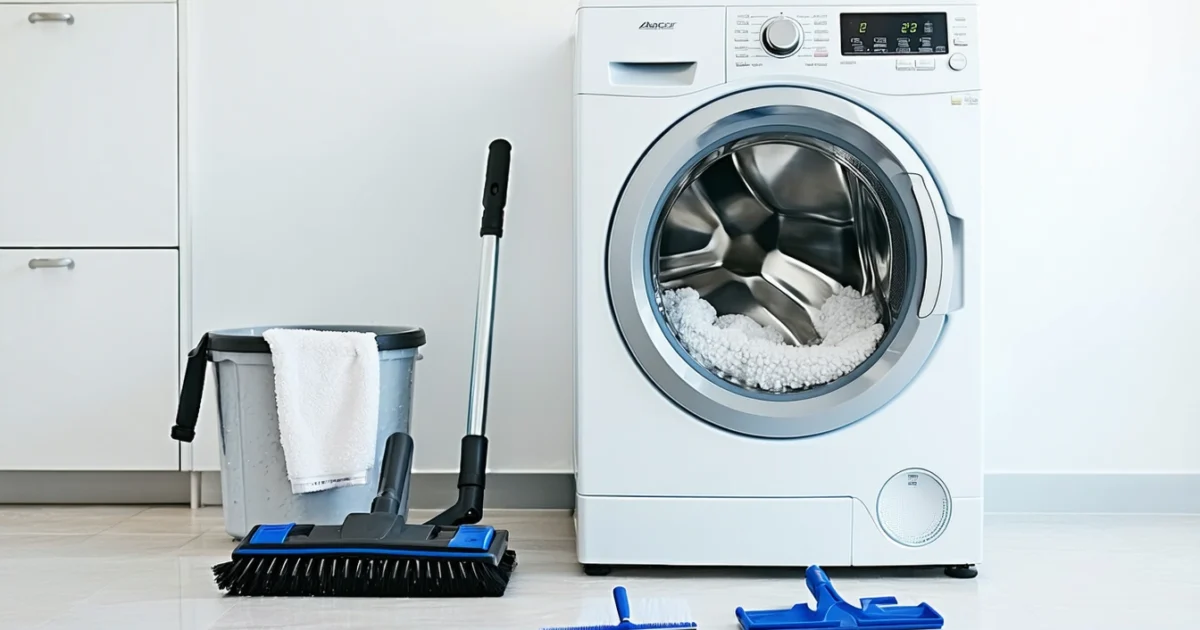
How to clean dryer vent properly involves disconnecting your dryer, using specialised cleaning tools, and thoroughly removing lint buildup from both internal ductwork and external vents. Regular dryer vent cleaning prevents dangerous house fires, reduces energy bills, and extends your appliance’s lifespan significantly.
A blocked dryer vent creates serious safety hazards and efficiency problems. Moreover, lint accumulation causes thousands of house fires annually in the UK, making proper maintenance essential for every household.
This comprehensive guide covers everything from recognising warning signs to step-by-step cleaning procedures. Additionally, you’ll learn when to tackle the job yourself versus calling professional services, plus cost-effective maintenance schedules that keep your dryer running safely and efficiently.
TL;DR
- Safety first: Clean your dryer vent every 6-12 months to prevent house fires and reduce energy costs
- Warning signs: Longer drying times, excessive heat, burning smells, and visible lint around external vents indicate urgent cleaning needed
- DIY process: Disconnect dryer, use cleaning kit with flexible brush, vacuum thoroughly, and check external vent for obstructions
- Professional help: Call experts for complex ductwork, rigid metal systems, or if you lack confidence in safe DIY cleaning
- Cost savings: DIY kits cost £15-40 versus £80-150 for professional services, with significant energy bill reductions
Why Clean Your Dryer Vent: Safety and Efficiency Benefits
Dryer vent cleaning delivers critical safety benefits alongside substantial cost savings. Furthermore, regular maintenance prevents dangerous lint accumulation that threatens your home‘s security and your family’s wellbeing.
Fire Prevention: The Primary Safety Concern
Lint accumulation creates extreme fire hazards because this fibrous material ignites easily at temperatures as low as 250°C. Additionally, UK fire services report that blocked dryer vents cause over 2,500 house fires annually, resulting in millions of pounds in property damage.
The combustible nature of lint makes prevention absolutely essential. Moreover, when hot air cannot escape properly, temperatures inside your dryer ductwork rise dangerously, creating perfect conditions for spontaneous ignition.
Blocked dryer vents cause over 2,500 house fires annually in the UK
Energy Efficiency and Cost Reduction
Clean dryer vents dramatically improve energy efficiency by allowing proper airflow throughout your drying system. Consequently, your appliance uses up to 30% less electricity when vents remain unobstructed, reducing monthly utility bills significantly.
Blocked ventilation forces your dryer to work harder and longer to achieve the same results. Therefore, cleaning your vent system can save £50-100 annually on electricity costs for average UK households.
Improved Performance and Faster Drying
Proper ventilation enables optimal dryer performance by maintaining consistent airflow and temperature regulation. Subsequently, your clothes dry 25-40% faster when lint buildup doesn’t restrict air circulation through the exhaust system.
Enhanced performance means fewer drying cycles and reduced wear on your clothing fabrics. Additionally, faster drying times free up your schedule whilst protecting delicate garments from excessive heat exposure.
Moisture Control and Mould Prevention
Blocked vents trap moisture inside your laundry area, creating ideal conditions for mould growth and mildew development. Furthermore, excess humidity damages surrounding walls, flooring, and stored items through persistent dampness.
Effective ventilation removes moisture-laden air completely, preventing condensation problems that plague poorly maintained systems. Similarly, proper drainage protects your home’s structural integrity whilst maintaining healthy indoor air quality.
Extended Appliance Lifespan
Regular vent maintenance extends your dryer’s operational life by 3-5 years on average through reduced mechanical stress and overheating prevention. Moreover, clean systems prevent costly component failures that result from excessive heat buildup and restricted airflow.
Preventive cleaning costs significantly less than major repairs or premature replacement. Therefore, investing in routine maintenance protects your appliance investment whilst ensuring reliable performance for years to come. Similar maintenance principles apply to other household appliances, as demonstrated in our guide on cleaning dishwasher filters.
Warning Signs Your Dryer Vent Needs Cleaning
Recognising the warning signs of a blocked dryer vent helps prevent dangerous situations and costly repairs. Moreover, these indicators signal when your ventilation system requires immediate attention to maintain safe operation.
Extended Drying Times
Clothes taking longer than usual to dry completely represents the most common symptom of vent blockage. Typically, normal drying cycles complete within 30-45 minutes, but restricted airflow extends this time significantly.
When lint accumulates in your exhaust system, hot air cannot escape efficiently, forcing your dryer to work harder. Consequently, what once dried in one cycle now requires two or three attempts to achieve complete moisture removal.
Excessive Heat Production
Excessive heat buildup in laundry room during operation indicates serious ventilation problems that demand immediate attention. Furthermore, this overheating creates uncomfortable conditions and potential safety hazards throughout your home.
Blocked vents trap heated air inside your appliance and surrounding area, causing temperatures to rise dangerously. Additionally, this heat buildup stresses your dryer’s components and increases energy consumption substantially.
Burning Odours
A burning smell when dryer is running signals potentially dangerous lint accumulation near heating elements. Similarly, this odour warns of overheating conditions that could lead to fire hazards if left unaddressed.
Lint particles ignite easily when exposed to high temperatures, creating acrid smells that permeate your laundry area. Therefore, any burning odour requires immediate investigation and professional cleaning to prevent serious accidents.
External Vent Blockage
Lint visible around external vent opening provides clear evidence of system blockage and poor airflow performance. Moreover, this external accumulation indicates that debris cannot exit your ventilation system properly.
Check your outdoor vent regularly for lint buildup, bird nests, or other obstructions that restrict air movement. Consequently, visible debris signals the need for comprehensive cleaning throughout the entire vent length.
Safety Shutdowns
Dryer shutting off mid-cycle due to overheating activates built-in safety mechanisms designed to prevent fire hazards and component damage. Additionally, these automatic shutdowns protect your appliance from catastrophic failure caused by excessive temperatures.
Modern dryers include thermal fuses that interrupt operation when internal temperatures exceed safe limits. However, frequent shutdowns indicate serious ventilation problems requiring immediate professional attention, similar to issues addressed in our oven cleaning guide.
Moisture Problems
Condensation on laundry room windows during drying reveals inadequate moisture removal through your ventilation system. Furthermore, this humidity buildup creates ideal conditions for mould growth and structural damage.
Properly functioning vents exhaust moisture-laden air completely outside your home, preventing condensation issues. Conversely, blocked systems trap humid air indoors, causing windows to fog and walls to develop moisture problems.
Dryer vent fires cause approximately 2,900 home fires annually, with failure to clean being the leading factor in 34% of cases.
Regular inspection for these warning signs prevents dangerous situations and maintains optimal dryer performance. Therefore, address any combination of these symptoms immediately through professional cleaning or proper maintenance procedures recommended by fire safety experts.
Essential Tools and Equipment for DIY Dryer Vent Cleaning
Successful dryer vent cleaning requires specific tools and equipment designed for thorough lint removal and safe maintenance procedures. Moreover, having the right equipment ensures complete cleaning throughout your entire ventilation system without damaging delicate components.
Professional-Grade Cleaning Kit
A dryer vent cleaning kit forms the foundation of effective DIY maintenance, featuring flexible brushes and extendable rods specifically engineered for vent systems. These kits typically include rotating brushes that attach to flexible rods, allowing thorough scrubbing of accumulated lint deposits throughout curved and straight ductwork sections.
Quality cleaning kits provide multiple brush sizes to accommodate different vent diameters commonly found in UK homes. Additionally, the flexible rod system extends up to 12 feet, ensuring complete access to exterior vent outlets from indoor dryer connections.
Vacuum Equipment and Attachments
A powerful vacuum cleaner with hose attachment removes loosened lint debris effectively during and after brush cleaning procedures. Furthermore, shop vacuums or high-suction household models provide superior debris extraction compared to standard vacuum cleaners.
Specialised crevice tools and extension wands enhance vacuum effectiveness in tight spaces and deep ductwork areas. Similarly, these attachments reach areas where brushes cannot effectively extract all loosened material, ensuring comprehensive debris removal.
Hand Tools and Hardware
A complete screwdriver set enables safe disconnection of vent clamps and ductwork connections without damaging metal components. Specifically, both flathead and Phillips head screwdrivers accommodate various clamp types used in dryer installations across different manufacturers.
Keep replacement vent clamps available for installations where existing hardware shows corrosion, damage, or inadequate sealing capability. Additionally, new clamps ensure secure connections that prevent air leaks and maintain optimal airflow efficiency, similar to maintenance procedures outlined in our oven cleaning guide.
Inspection and Safety Equipment
A torch or mobile phone light provides essential illumination for thorough vent inspection, revealing lint accumulation, damage, or blockages invisible under normal lighting conditions. Moreover, proper lighting enables accurate assessment of cleaning effectiveness and identifies areas requiring additional attention.
Personal protective equipment including dust masks and safety gloves protects against lint inhalation and sharp metal edges encountered during cleaning procedures. Consequently, N95-rated masks filter fine particles effectively, whilst heavy-duty gloves prevent cuts from damaged ductwork or clamp edges.
Professional-grade cleaning kits cost £25-£50 but prevent potential fire damage worth thousands of pounds
Quality tool investment ensures safe, effective cleaning procedures that maintain optimal dryer performance and prevent dangerous lint accumulation. Therefore, assembling complete equipment sets before beginning maintenance work streamlines the cleaning process and delivers professional-level results through proper preparation and execution.
Step-by-Step Dryer Vent Cleaning Process
Proper dryer vent cleaning requires systematic execution to ensure safety and effectiveness. Furthermore, following established procedures prevents damage whilst maximising cleaning results and maintaining optimal airflow throughout the ventilation system.
Safety Preparation and Power Isolation
Begin by unplugging the dryer from the electrical supply to eliminate electrocution risks during cleaning procedures. Additionally, electric dryers require complete power disconnection before accessing internal components or moving the appliance away from wall connections.
Gas dryers demand additional safety measures including turning off the gas supply at the shut-off valve located behind the appliance. Subsequently, gas isolation prevents dangerous leaks during disconnection procedures and ensures safe working conditions throughout the cleaning process.
Appliance Disconnection and Access
Disconnect the dryer from the wall by carefully pulling the appliance forward to access rear connections without damaging flooring or walls. However, enlist assistance when moving heavy units to prevent injury and maintain control during repositioning procedures.
Create adequate working space by moving the dryer at least three feet from the wall connection point. Consequently, sufficient clearance enables comfortable access to vent hoses, electrical connections, and cleaning equipment without workspace restrictions.
Lint Screen and Filter Maintenance
Remove the lint screen completely from its housing and inspect for accumulated debris that restricts airflow efficiency. Moreover, thorough lint screen cleaning prevents particles from entering the ductwork during subsequent cleaning procedures.
Clean the lint filter using warm soapy water and a soft brush to remove stubborn residue and fabric softener buildup. Additionally, rinse thoroughly and allow complete drying before reinstallation to prevent moisture-related issues, similar to maintenance procedures described in our dishwasher filter cleaning guide.
Vent Hose Disconnection Process
Disconnect the vent hose from both the dryer outlet and wall connection point using appropriate tools to loosen clamps without damaging components. Furthermore, careful disconnection preserves hose integrity and connection hardware for reassembly procedures.
Inspect disconnected hoses for damage, crushing, or excessive lint accumulation that indicates replacement necessity. Subsequently, damaged hoses compromise airflow efficiency and create fire hazards requiring immediate replacement before system reassembly.
Interior Ductwork Cleaning Procedures
Insert the flexible brush kit into the ductwork from both ends, rotating whilst pushing to dislodge accumulated lint and debris from interior surfaces. Additionally, systematic brushing ensures comprehensive cleaning coverage throughout the entire vent system length.
Follow brushing procedures with powerful vacuum extraction to remove loosened lint and prevent debris redistribution within the ductwork system. Moreover, thorough vacuuming eliminates particles that brushing alone cannot extract from vent interior surfaces.
Clean accessible ductwork sections using compressed air to blow remaining particles toward the external vent opening. Consequently, air pressure removes stubborn debris whilst creating clear airflow pathways throughout the ventilation system.
External Vent Cover Maintenance
Remove the external vent cover to access the termination point and inspect for lint accumulation, damage, or pest infiltration. Furthermore, external cleaning ensures optimal airflow discharge and prevents backpressure that reduces dryer efficiency.
Check for obstructions including bird nests, leaves, or debris that block airflow and create dangerous conditions. Additionally, clear obstructions prevent moisture retention and lint accumulation that compromise system performance and safety.
Ductwork Inspection and Assessment
Examine ductwork for damage, corrosion, or excessive wear that indicates replacement requirements before system reassembly. Moreover, damaged ducts compromise airflow efficiency and create safety hazards requiring professional repair or replacement.
Assess connection points for proper alignment and sealing capability to ensure airtight joints throughout the ventilation system. Subsequently, misaligned connections create air leaks that reduce efficiency and allow lint accumulation in unwanted areas.
System Reassembly and Testing
Reconnect all components in reverse order, ensuring secure clamp installation and proper hose alignment at connection points. Additionally, systematic reassembly prevents air leaks and maintains optimal system performance through proper component integration.
Test system integrity by running the dryer briefly whilst checking for proper airflow discharge at the external vent opening. Finally, successful testing confirms effective cleaning completion and safe system operation before returning to normal usage patterns.
Cleaning the External Vent and Outdoor Components
Locating your external vent cover marks the crucial final step in comprehensive dryer vent maintenance. Typically, external vents mount on exterior walls directly behind your dryer unit, though some installations route through rooflines or side walls depending on your home’s configuration.
Walk around your property’s perimeter to identify the vent opening that corresponds to your dryer’s location. Most external vents feature distinctive louvred covers or flap mechanisms that open during dryer operation and close when the unit stops running.
Removing Accumulated Lint and Debris
External vent openings accumulate lint buildup that creates dangerous fire hazards and reduces airflow efficiency significantly. Furthermore, debris accumulation blocks proper ventilation and forces your dryer to work harder, increasing energy consumption and wear.
Use a vacuum cleaner with hose attachment to remove loose lint and debris from the vent opening and surrounding areas. Additionally, employ a dryer vent brush to dislodge stubborn accumulations that vacuum suction cannot remove effectively.
Carefully extract any bird nests, leaves, or foreign objects that obstruct the vent opening completely. Moreover, these obstructions create complete airflow blockages that force moisture and heat back into your home’s interior spaces.
Checking Vent Flap Operation
Proper vent flap operation ensures optimal airflow discharge whilst preventing pest infiltration and weather intrusion when your dryer isn’t running. Consequently, malfunctioning flaps compromise system efficiency and create security vulnerabilities for unwanted intrusions.
Test the flap mechanism by gently pushing it open and releasing to verify smooth operation and complete closure. Similarly, damaged or stuck flaps require immediate replacement to maintain proper ventilation and prevent backdraft conditions.
Clean flap hinges and pivot points using a soft brush to remove accumulated grime that impedes smooth operation. Additionally, apply light machine oil to metal hinges if they operate stiffly or produce squeaking sounds during movement.
Clearing Vegetation and Obstructions
Vegetation growth around external vents creates serious airflow restrictions and increases fire risk through dried plant material accumulation. Therefore, maintaining clear zones around vent openings ensures proper discharge and reduces combustible material proximity.
Trim bushes, hedges, and climbing plants that encroach within three feet of the vent opening to maintain adequate clearance zones. Similarly, remove fallen leaves, grass clippings, and organic debris that accumulate around the vent area regularly.
Install landscape barriers or decorative stones around the vent area to discourage vegetation growth and facilitate easier maintenance access. Furthermore, these barriers create defined maintenance zones that simplify regular cleaning and inspection procedures.
Ensuring Adequate Airflow Clearance
Proper airflow clearance requires unobstructed space extending at least 12 inches from the vent opening in all directions for optimal discharge performance. Additionally, inadequate clearance creates backpressure that reduces dryer efficiency and increases operating temperatures dangerously.
Remove storage items, garden equipment, or decorative elements that restrict airflow patterns around the external vent location. Moreover, these obstructions create turbulence that reduces discharge efficiency and allows lint accumulation in unwanted areas.
Consider relocating outdoor furniture, planters, or structures that compromise the clearance zone permanently to maintain optimal ventilation performance. Subsequently, proper clearance maintenance prevents costly repairs and extends your dryer’s operational lifespan significantly.
Regular external vent maintenance complements indoor cleaning procedures covered in our comprehensive appliance cleaning guides, ensuring complete system efficiency and safety throughout your home’s ventilation systems.
When to Call Professional Dryer Vent Cleaning Services
Whilst DIY dryer vent cleaning handles most routine maintenance tasks effectively, certain situations demand professional expertise and specialised equipment. Moreover, recognising these scenarios prevents costly damage and ensures optimal safety for your home’s ventilation system.
Complex Ductwork Configurations
Multi-storey installations require professional intervention when ductwork routes through walls, floors, or ceiling cavities across multiple levels. Additionally, these complex configurations create numerous bends and joints that accumulate lint in hard-to-reach locations beyond standard cleaning tools’ capabilities.
Professional technicians possess specialised camera equipment that inspects internal ductwork conditions thoroughly, identifying blockages or damage invisible during standard cleaning procedures. Furthermore, their expertise ensures complete lint removal from intricate routing systems that challenge conventional cleaning methods.
Rigid Metal Ducting Systems
Rigid metal ducts demand professional-grade equipment including rotary brush systems and high-powered vacuum units designed specifically for metallic installations. Subsequently, these systems require careful handling to prevent damage whilst ensuring thorough cleaning throughout the entire ductwork length.
Professional services utilise compressed air systems that dislodge stubborn lint accumulations from metal duct joints and seams effectively. Moreover, their equipment reaches sections that standard household tools cannot access safely or efficiently.
Suspected Internal Damage
Contact professionals immediately when you suspect internal ductwork damage including disconnected joints, crushed sections, or deteriorated flexible ducting materials. Additionally, these issues require expert assessment and repair to prevent fire hazards and maintain proper ventilation performance.
Professional technicians identify structural problems that compromise system integrity, including loose connections, damaged seals, or improper installation issues requiring correction. Furthermore, they possess the expertise to recommend appropriate repairs or replacements based on current safety standards.
Persistent Performance Issues
Schedule professional cleaning when performance problems persist despite thorough DIY cleaning efforts, including extended drying times, excessive heat buildup, or unusual operating noises. Moreover, these symptoms often indicate deeper system issues requiring professional diagnosis and resolution.
Professional assessment identifies underlying causes of performance degradation that standard cleaning cannot address, such as improper duct sizing, excessive length, or inadequate external termination. Subsequently, their recommendations ensure long-term system efficiency and safety compliance.
Safety and Capability Considerations
Engage professional services when you lack physical capability or confidence to perform cleaning procedures safely, particularly for installations requiring ladder access or confined space entry. Additionally, professional technicians possess proper safety equipment and training for challenging cleaning scenarios.
Consider professional assistance for elderly homeowners or individuals with mobility limitations who cannot safely access external vents or manoeuvre cleaning equipment effectively. Furthermore, professional services eliminate physical risks whilst ensuring thorough system maintenance.
Annual Professional Maintenance
Annual professional inspections complement regular DIY maintenance by providing comprehensive system assessments that identify potential issues before they become serious problems. Moreover, professional maintenance ensures compliance with manufacturer warranties and insurance requirements.
Professional services document system condition and provide maintenance records that support warranty claims and demonstrate proper care to insurance providers. Additionally, their expertise ensures your dryer vent system operates at peak efficiency whilst maintaining optimal safety standards throughout its service life.
Professional dryer vent cleaning complements comprehensive home maintenance routines, similar to the detailed approaches covered in our guides for oven cleaning and other essential appliance care procedures.
Maintenance Schedule and Prevention Tips
Effective dryer vent maintenance requires consistent scheduling and proactive prevention strategies to maintain optimal performance whilst preventing dangerous lint accumulation. Moreover, establishing regular maintenance routines significantly reduces fire risks and extends your dryer’s operational lifespan.
Daily and Weekly Maintenance Tasks
Clean the lint screen after every single load without exception to prevent lint particles from travelling through your vent system. Furthermore, this simple habit dramatically reduces lint buildup throughout the entire ventilation pathway whilst improving drying efficiency.
Use shorter drying cycles to reduce lint production and prevent overheating that creates additional fabric particles. Additionally, shorter cycles place less stress on your dryer’s components whilst consuming less energy for each load.
Avoid overloading your dryer to maintain proper airflow circulation throughout the drum and vent system. Consequently, proper loading ensures clothes tumble freely whilst allowing heated air to circulate effectively through the ventilation pathway.
Monthly Inspection Routine
Check your external vent monthly for visible lint buildup around the exterior opening and flap mechanism. Similarly, inspect the vent hood for damage or obstruction that might restrict airflow or allow pest entry.
Monthly inspections help identify developing problems before they compromise system performance or create safety hazards. Therefore, consistent monitoring prevents minor issues from escalating into expensive repairs or dangerous conditions.
Comprehensive Cleaning Schedule
Perform full vent cleaning every 6-12 months depending on your household’s laundry frequency and dryer usage patterns. However, families with heavy laundry loads or pet hair should clean their vents more frequently to prevent excessive accumulation.
- Light usage (1-3 loads weekly): Clean every 12 months
- Moderate usage (4-7 loads weekly): Clean every 8-10 months
- Heavy usage (8+ loads weekly): Clean every 6 months
- Pet owners: Clean every 4-6 months regardless of usage
Professional cleaning complements your regular maintenance routine, similar to how comprehensive oven cleaning requires both regular upkeep and periodic deep cleaning for optimal performance.
Annual Professional Services
Schedule annual professional inspection for peace of mind and comprehensive system assessment beyond DIY maintenance capabilities. Additionally, professional technicians identify potential issues that untrained eyes might miss during routine cleaning.
Professional services provide detailed system documentation and maintenance records that support warranty claims whilst demonstrating proper care to insurance providers. Furthermore, their expertise ensures your dryer vent system operates safely and efficiently throughout its service life.
Regular maintenance prevents 90% of dryer-related fires whilst extending appliance lifespan by up to 40%
Prevention Strategies for Long-Term Success
Implement preventive measures that reduce lint production and system stress whilst maintaining optimal drying performance. Prevention costs significantly less than repairs and eliminates safety risks associated with neglected maintenance.
Use dryer balls or clean tennis balls to improve air circulation and reduce drying time whilst minimising lint creation. Moreover, these simple additions help clothes tumble more effectively whilst preventing fabric particles from accumulating in your vent system.
Maintain consistent maintenance schedules just as you would for other essential home systems, including dishwasher filter cleaning and regular appliance care routines that prevent costly repairs and safety hazards.
Cost Considerations: DIY vs Professional Cleaning
Understanding the financial implications of dryer vent cleaning helps homeowners make informed decisions about maintenance approaches. Moreover, cost analysis reveals that both DIY and professional options offer distinct advantages depending on your specific circumstances and technical confidence.
DIY Cleaning Investment
A comprehensive DIY cleaning kit costs £15-40 for a one-time purchase that serves multiple cleaning sessions over several years. Furthermore, this initial investment includes essential tools like flexible brushes, vacuum attachments, and lint removal equipment that provide ongoing value.
However, DIY cleaning requires a time investment of 2-4 hours for thorough completion, depending on your vent system’s complexity and accessibility. Additionally, consider your comfort level with ladder work and technical troubleshooting when evaluating the true cost of self-service maintenance.
Professional Service Pricing
Professional cleaning services range £80-150 across the UK, with pricing variations based on system complexity, accessibility, and regional market rates. Consequently, professional services provide expertise, insurance coverage, and comprehensive system inspection that justifies the higher upfront cost.
Professional technicians complete cleaning tasks efficiently whilst identifying potential issues that untrained homeowners might overlook during DIY maintenance. Therefore, their specialised knowledge prevents costly repairs and ensures optimal system performance beyond basic lint removal.
System Complexity Factors
Your specific vent configuration significantly influences the cost-effectiveness of DIY versus professional cleaning approaches. Complex installations with multiple bends, extended runs, or difficult access points favour professional intervention for safety and thoroughness.
Simple, straight-run vents with easy exterior access make DIY cleaning more viable and cost-effective for confident homeowners. Nevertheless, even straightforward systems benefit from occasional professional assessment to ensure comprehensive maintenance standards.
Long-Term Financial Benefits
Regular cleaning investment generates substantial energy bill savings that justify maintenance costs whilst improving appliance efficiency and longevity. Clean vents reduce drying time by up to 30%, translating to measurable utility cost reductions over time.
Preventive maintenance costs significantly less than emergency repairs or appliance replacement caused by neglected vent systems. Similarly, proper maintenance prevents fire damage that could result in thousands of pounds in property restoration costs, making regular cleaning a wise financial decision regardless of the chosen approach.
Consider combining DIY maintenance with periodic professional services for optimal cost-effectiveness, much like maintaining other home systems through regular appliance filter cleaning routines that prevent expensive repairs.
Frequently Asked Questions
How often should I clean my dryer vent?
You should clean your dryer vent every 6-12 months for optimal safety and efficiency. However, if you use your dryer frequently or have a large household, consider cleaning it every 6 months. Signs like longer drying times or excessive heat indicate more frequent cleaning may be needed.
What are the warning signs that my dryer vent needs cleaning?
Key warning signs include:
- Clothes taking longer than usual to dry
- Dryer becoming excessively hot during operation
- Burning smell when the dryer is running
- Visible lint around the external vent opening
- Lint accumulating inside the dryer door seal
- High humidity in the laundry room
Can I clean my dryer vent myself or should I hire a professional?
You can clean most dryer vents yourself using a DIY cleaning kit costing £15-40. However, consider professional services (£80-150) if you have complex ductwork, rigid metal systems, or lack confidence in safe DIY cleaning. Professional cleaning is also recommended for vents longer than 8 feet or with multiple bends.
How much money can I save by cleaning my dryer vent regularly?
Regular dryer vent cleaning can save you £50-100 annually on electricity bills for average UK households. Clean vents allow your dryer to use up to 30% less electricity and dry clothes 25-40% faster, reducing both energy consumption and wear on your appliance.
What tools do I need to clean my dryer vent?
Essential tools for DIY dryer vent cleaning include:
- Flexible dryer vent cleaning brush kit
- Vacuum cleaner with hose attachment
- Screwdriver for disconnecting vent clamps
- Flashlight or torch for inspection
- Dust mask for protection
- Drop cloths to protect surrounding areas
How dangerous is a blocked dryer vent?
Extremely dangerous – blocked dryer vents cause over 2,500 house fires annually in the UK. Lint ignites easily at temperatures as low as 250°C, and blocked vents create perfect conditions for spontaneous ignition. This makes regular cleaning essential for preventing potentially devastating house fires.
What happens if I don't clean my dryer vent?
Neglecting dryer vent cleaning leads to:
- Fire risk from lint accumulation
- Higher energy bills due to reduced efficiency
- Longer drying times and poor performance
- Moisture problems and potential mould growth
- Shortened appliance lifespan
- Damage to clothing from excessive heat
How long does it take to clean a dryer vent?
DIY dryer vent cleaning typically takes 1-3 hours depending on your vent system’s complexity and length. Simple, straight vents may take just 1 hour, whilst longer or more complex ductwork with multiple bends can take up to 3 hours to clean thoroughly.
You May Also Like
How to Clean Washing Machine Filter: Complete Guide 2026

How to Clean Artificial Grass: Complete Maintenance Guide