How to Clean Tombstones with Shaving Cream: Safe Guide

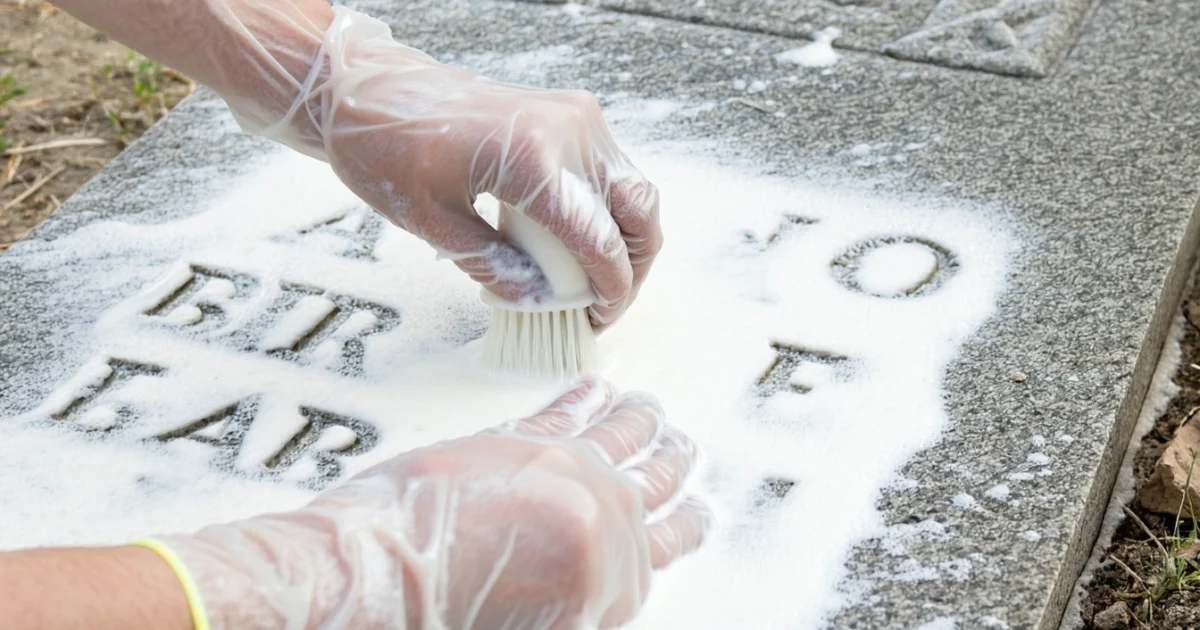
Cleaning tombstones with shaving cream is a surprisingly effective and gentle method that professional conservators recommend for removing dirt, grime, and biological stains from memorial stones. This unconventional cleaning technique works because shaving cream contains mild surfactants and maintains a neutral pH balance that won’t damage natural stone materials like marble, limestone, or granite. Moreover, the creamy consistency allows for extended contact time, enabling the cleaning agents to break down stubborn stains without requiring harsh scrubbing that could cause irreversible damage.
Unlike commercial stone cleaners that often contain acidic compounds, shaving cream provides a safe alternative that respects the integrity of historic memorials. However, it’s crucial to understand proper permissions and legal requirements before attempting any tombstone cleaning in the UK. Additionally, this method works best on specific stone types and requires proper technique to achieve optimal results without causing harm.
TL;DR
- Shaving cream’s gentle pH and surfactants safely clean tombstones without damaging natural stone materials
- Works best on marble and limestone headstones, with good results on granite surfaces
- Apply for 15-30 minutes, gently scrub with soft brushes, then rinse thoroughly with clean water
- Always obtain cemetery permission and avoid cleaning painted surfaces or bronze plaques
Why Shaving Cream Works for Tombstone Cleaning
The effectiveness of shaving cream for tombstone cleaning stems from its carefully balanced chemical composition designed for gentle contact with sensitive surfaces. Traditional shaving creams contain mild surfactants such as sodium lauryl sulfate and cocamidopropyl betaine, which create the foaming action that lifts dirt and organic matter from stone surfaces. These surfactants work by reducing surface tension between water and contaminants, allowing grime to separate from the stone without requiring aggressive mechanical action.
Furthermore, quality shaving creams maintain a neutral pH between 6.5 and 7.5, making them safe for natural stone materials that can suffer acid damage. This pH balance prevents the chemical etching that occurs when acidic cleaners contact calcium carbonate-based stones like marble and limestone. Additionally, the creamy consistency provides extended dwell time, allowing the cleaning agents to penetrate and dissolve stubborn biological stains such as lichen, algae, and moss.
Chemical Properties That Protect Stone
The surfactant system in shaving cream operates through a process called emulsification, where oil-based dirt becomes suspended in water for easy removal. Unlike harsh detergents that can strip protective patinas from aged stone, shaving cream surfactants work gently to encapsulate contaminants. Moreover, many formulations include glycerin and lanolin, which condition the stone surface and help prevent rapid re-soiling.
These conditioning agents also provide a protective barrier that helps repel water and prevent freeze-thaw damage in outdoor environments. Consequently, regular cleaning with shaving cream can actually extend the lifespan of memorial stones by maintaining their structural integrity.
Comparison to Commercial Stone Cleaners
Commercial stone cleaners often contain hydrochloric acid or phosphoric acid compounds that can cause permanent etching and discoloration on sensitive stones. These harsh chemicals work quickly but create irreversible damage that appears as dull, chalky patches on polished surfaces. In contrast, shaving cream achieves similar cleaning results through mechanical action and gentle chemical dissolution.
| Cleaner Type | pH Level | Stone Safety | Damage Risk |
|---|---|---|---|
| Shaving Cream | 6.5-7.5 | High | Minimal |
| Acidic Stone Cleaners | 1-3 | Low | Permanent etching |
| Bleach Solutions | 11-13 | Medium | Discoloration |
| Pressure Washing | N/A | Low | Surface erosion |
Professional conservators recommend shaving cream because it removes biological growth and atmospheric soiling without compromising the stone’s original finish. This approach aligns with conservation principles that prioritise minimal intervention and reversible treatments. Before beginning any cleaning project, however, it’s essential to understand legal requirements for gravestone cleaning in the UK to ensure compliance with cemetery regulations.
The gentle nature of shaving cream also makes it suitable for regular maintenance cleaning rather than just emergency restoration. This preventive approach helps maintain the memorial’s appearance while avoiding the need for more aggressive treatments that could cause cumulative damage over time.
Suitable Stone Types and Materials
Different tombstone materials respond differently to shaving cream cleaning, with some stones showing excellent results while others may suffer damage. Understanding your memorial’s composition ensures effective cleaning without causing irreversible harm to these precious family monuments.
Best Results on Marble and Limestone Headstones
Marble headstones respond exceptionally well to shaving cream because the stone’s calcium carbonate composition naturally resists the cream’s gentle surfactants. The porous nature of marble allows the cleaning agents to penetrate deeply into stained areas while the cream’s moisture prevents rapid drying that could leave residue.
Limestone memorials show similarly impressive results due to their sedimentary structure and moderate porosity. These stones benefit from shaving cream’s ability to dissolve organic matter without the aggressive action that harder cleaning methods require. Victorian-era limestone headstones particularly respond well because their weathered surfaces allow better product penetration.
Both materials share calcium-based mineralogy that makes them compatible with shaving cream’s pH-balanced formula. Furthermore, these softer stones often develop biological growth that shaving cream effectively removes through gentle chemical action rather than abrasive scrubbing.
Effectiveness on Granite and Other Hard Stones
Granite tombstones present more challenging cleaning conditions because their dense crystalline structure resists penetration by most cleaning agents. However, shaving cream still provides moderate effectiveness on granite surfaces, particularly for removing surface-level dirt and atmospheric pollution.
The cleaning process on granite requires longer contact time and may need multiple applications to achieve visible results. Polished granite surfaces respond better than rough-hewn finishes because the smooth texture allows more even cream distribution and easier residue removal.
Sandstone and slate memorials fall between soft and hard stone categories in terms of cleaning effectiveness. These materials often show good results with shaving cream, though their layered structure requires careful application to avoid forcing cleaning agents between stone layers.
Materials to Avoid
Painted surfaces on tombstones should never be cleaned with shaving cream because the surfactants can dissolve paint binders and cause permanent discoloration. Many Victorian memorials feature painted lettering or decorative elements that require specialist conservation techniques rather than general cleaning methods.
Bronze plaques and metal elements react poorly to shaving cream’s chemical composition, potentially developing corrosion or patina damage. The cream’s moisture content can accelerate oxidation processes on metal surfaces, leading to permanent staining or structural weakening.
Additionally, avoid using shaving cream on composite materials or modern polymer-based memorials, as these synthetic surfaces may experience chemical degradation or surface clouding from the cleaning agents.
How to Identify Your Tombstone Material
Visual inspection provides the first clues about stone composition, though definitive identification requires careful examination of multiple characteristics. Marble typically displays visible crystal structure and often shows natural veining patterns in white, grey, or coloured variations.
Limestone appears more uniform in colour and texture, often showing a matte finish with possible fossil inclusions or sedimentary layers. These stones frequently display weathering patterns that create slightly roughened surfaces over time.
The scratch test offers another identification method: marble and limestone show scratches when scraped with a coin, while granite remains unmarked due to its superior hardness. However, perform this test discretely on hidden areas to avoid visible damage.
Before proceeding with any cleaning project, consider consulting legal requirements for gravestone cleaning to ensure compliance with cemetery regulations and family permissions. Professional stonemasons or cemetery staff can also provide material identification assistance when visual inspection proves inconclusive.
Temperature testing provides additional identification clues: stone materials feel cool to touch even on warm days, while composite materials may feel warmer or different in texture compared to natural stone surfaces.
Step-by-Step Cleaning Process
Successful tombstone cleaning with shaving cream requires systematic preparation and methodical execution. Furthermore, proper documentation protects both the memorial and the person performing the restoration work.
Pre-Cleaning Assessment and Photography
Begin by photographing the tombstone from multiple angles before any cleaning commences. These images serve as baseline documentation and provide evidence of the memorial’s condition prior to restoration efforts.
Examine the stone surface for cracks, chips, or loose sections that require special attention during cleaning. Additionally, identify areas of heavy staining, biological growth, or previous repair work that may respond differently to shaving cream treatment.
Test the shaving cream on a small, inconspicuous area first to ensure compatibility with the stone material. Moreover, this preliminary test reveals how the surface responds to the cleaning agent before full application begins.
Applying Shaving Cream Evenly
Apply a generous layer of shaving cream across the entire tombstone surface using gentle spreading motions. The cream should cover all areas uniformly, creating a consistent white coating that adheres well to the stone texture.
Work systematically from top to bottom to prevent dripping onto already-treated areas. Consequently, this approach ensures even coverage and prevents the cream from running off before it can penetrate surface contaminants.
Pay particular attention to carved lettering and decorative elements where dirt accumulates most heavily. Use a soft brush or cloth to work the cream into these recessed areas without applying excessive pressure that might damage delicate stonework.
Optimal Contact Time
Allow the shaving cream to remain on the tombstone surface for 15 to 30 minutes depending on the severity of staining and environmental conditions. This contact period enables the cream’s active ingredients to penetrate and loosen accumulated dirt, biological growth, and atmospheric pollutants.
Monitor the cream during this waiting period to ensure it doesn’t dry completely, which reduces its cleaning effectiveness. If necessary, lightly mist the surface with water to maintain moisture levels without diluting the cleaning action.
Heavily soiled areas may benefit from extended contact time up to 45 minutes, while lightly stained surfaces often show excellent results with shorter applications. Weather conditions also influence optimal timing, with cooler temperatures allowing longer contact periods.
Gentle Scrubbing Technique
Use soft-bristled brushes or cloths to gently agitate the shaving cream and loosened contaminants. Natural bristle brushes work exceptionally well for this purpose, as they provide effective cleaning action without scratching stone surfaces.
Employ circular motions with light pressure, allowing the brush to do the work rather than forcing removal of stubborn stains. Subsequently, this technique prevents surface damage while maximising the cleaning cream’s effectiveness.
Focus extra attention on carved inscriptions and decorative details where debris tends to accumulate most persistently. However, exercise particular caution around fragile or weathered stone areas that might chip or crack under pressure.
Thorough Rinsing Process
Rinse the tombstone completely with clean, lukewarm water to remove all traces of shaving cream and loosened contaminants. Use a gentle spray setting or pour water slowly to avoid forcing debris into stone pores or cracks.
Continue rinsing until the water runs completely clear and no foam or residue remains visible on the stone surface. Incomplete rinsing can leave cleaning residues that attract new dirt or potentially damage the stone over time.
Pay special attention to carved areas and crevices where cleaning products might accumulate. Therefore, use additional water pressure or directed rinsing to ensure complete removal from these detailed sections.
Drying and Final Inspection
Allow the tombstone to air dry naturally or gently pat dry with clean, lint-free cloths to prevent water spotting. Natural drying often produces the best results, as it allows any remaining moisture to evaporate without leaving mineral deposits.
Conduct a thorough final inspection to assess the cleaning results and identify any areas requiring additional treatment. Compare the cleaned surface with your initial photographs to document the improvement and ensure legal compliance with gravestone cleaning regulations.
Look for any signs of damage that may have occurred during cleaning, such as new chips, scratches, or discolouration. Additionally, verify that all carved text remains clearly legible and that decorative elements have been properly preserved throughout the restoration process.
Essential Tools and Materials
Successful tombstone cleaning with shaving cream requires careful selection of appropriate materials and equipment. Furthermore, proper preparation ensures both effective cleaning results and protection of the memorial stone throughout the restoration process.
Recommended Shaving Cream Types
Choose plain, unscented shaving cream without additives that could potentially damage stone surfaces. Avoid menthol-based varieties, as these cooling agents can react unpredictably with certain stone types and cause discolouration or surface damage.
Similarly, steer clear of coloured shaving creams, particularly those containing dyes or artificial colourants. These pigments can penetrate porous stone surfaces and create permanent staining that proves impossible to remove through conventional cleaning methods.
Basic foam shaving cream typically provides the best results for gravestone cleaning applications. Additionally, cream-based formulations offer superior adherence to vertical surfaces compared to gel alternatives, allowing for more effective dirt dissolution and easier application.
Cleaning Tools and Equipment
Soft-bristled brushes serve as essential tools for gently agitating shaving cream and loosening embedded dirt without scratching delicate stone surfaces. Natural bristle brushes work particularly well, as they provide effective cleaning action while remaining gentle on carved details and weathered areas.
Microfibre cleaning cloths offer superior dirt absorption and leave no lint residue on cleaned surfaces. Moreover, these cloths can be thoroughly washed and reused multiple times, making them both economical and environmentally responsible choices for memorial maintenance.
Spray bottles enable precise water application for initial wetting and final rinsing stages. Adjustable nozzles allow you to control water pressure and spray patterns, ensuring gentle treatment of fragile stone areas while providing adequate coverage for larger surfaces.
Protective Equipment
Wear waterproof gloves to protect your hands from prolonged exposure to cleaning products and potential stone debris. Nitrile gloves provide excellent dexterity while offering chemical resistance and preventing skin irritation during extended cleaning sessions.
Knee pads become invaluable when cleaning low-level memorials or detailed base sections that require close examination. Consequently, proper knee protection prevents discomfort and allows for thorough, methodical cleaning without rushing through important restoration steps.
Consider wearing old clothing or protective coveralls, as shaving cream and stone debris can create stains on fabric. Additionally, closed-toe shoes with good grip prevent slips on wet surfaces and protect feet from sharp stone fragments.
Documentation Equipment
Photography equipment plays a crucial role in documenting the cleaning process and demonstrating respect for memorial preservation. Before beginning any cleaning work, ensure you understand the legal requirements for gravestone cleaning in the UK to avoid potential complications.
Digital cameras or smartphones with good macro capabilities capture detailed before-and-after images that serve multiple purposes. These photographs provide legal documentation of your careful restoration work and help identify any pre-existing damage or areas requiring professional attention.
Take multiple angles and lighting conditions to create comprehensive visual records of the memorial’s condition. Subsequently, these images become valuable references for future maintenance and demonstrate your commitment to responsible gravestone care practices.
Safety Considerations and Best Practices
Successful tombstone cleaning with shaving cream requires careful attention to safety protocols and preservation principles. Furthermore, proper preparation protects both the memorial and surrounding cemetery environment while ensuring respectful restoration practices.
Cemetery Permission and Visiting Hour Guidelines
Cemetery authorities require written permission before undertaking any gravestone cleaning activities in most UK locations. Understanding gravestone cleaning legalities prevents potential legal complications and demonstrates respect for cemetery regulations.
Contact cemetery management at least 48 hours before your planned cleaning session to obtain proper authorisation. Additionally, many cemeteries restrict cleaning activities to specific hours, typically between 9 AM and 4 PM on weekdays to minimise disruption to visitors and funeral services.
Historic churchyards and protected cemeteries often impose stricter regulations requiring consultation with heritage specialists. Consequently, these locations may prohibit amateur cleaning entirely, directing families toward professional conservation services instead.
Weather Conditions for Optimal Cleaning
Weather conditions significantly impact shaving cream effectiveness and stone safety during cleaning operations. Mild, overcast days provide ideal circumstances, preventing rapid product evaporation while maintaining comfortable working temperatures.
Avoid cleaning during temperatures below 5°C or above 25°C, as extreme conditions affect shaving cream performance and increase stone stress risks. Moreover, direct sunlight causes premature product drying, reducing cleaning effectiveness and potentially leaving residue streaks.
Rain and high humidity create slippery surfaces and dilute cleaning products, compromising both safety and results. Therefore, monitor weather forecasts carefully and postpone cleaning sessions during adverse conditions to ensure optimal outcomes.
Protecting Surrounding Plants and Grass
Cemetery landscaping requires protection from cleaning runoff and accidental chemical exposure during restoration activities. Shaving cream contains surfactants that can damage sensitive plant life if allowed to concentrate in soil areas.
Place plastic sheeting or tarps around the memorial base to collect runoff water and prevent ground contamination. Subsequently, this protective barrier allows for proper disposal of cleaning waste while preserving surrounding vegetation and grass areas.
Rinse all cleaning residue away from planted areas using controlled water application techniques. Additionally, avoid using excessive water volumes that create standing pools or saturate nearby flower beds and memorial plantings.
Avoiding Damage to Fragile or Historic Stones
Stone composition and age determine appropriate cleaning methods, with some materials requiring specialised conservation approaches. Limestone, sandstone, and marble respond well to gentle shaving cream treatment, while harder granites tolerate more vigorous cleaning techniques.
Test cleaning products on inconspicuous areas before proceeding with full memorial treatment to identify potential adverse reactions. Furthermore, examine stone surfaces for cracks, loose sections, or deteriorating mortar that could worsen during cleaning activities.
Victorian-era memorials often feature delicate carved details that require extra caution during cleaning operations. Therefore, use soft brushes and minimal pressure when working around intricate lettering, decorative elements, and sculptural features to prevent irreversible damage.
When to Consult Professional Conservators
Professional conservation services become necessary when memorials exhibit significant structural damage, historic importance, or unusual material composition. Listed monuments and Grade II structures require specialist assessment before any cleaning intervention takes place.
Contact qualified stone conservators when encountering deep staining, biological growth penetration, or surface deterioration that extends beyond superficial soiling. Additionally, memorials displaying active structural movement, loose components, or previous poor restoration attempts need professional evaluation.
The Building Conservation Directory provides access to certified professionals specialising in memorial restoration and heritage stone conservation throughout the UK. Consequently, these specialists possess the expertise and equipment necessary for complex restoration projects requiring advanced techniques beyond basic cleaning methods.
Limitations and Alternative Methods
While shaving cream provides an effective solution for many tombstone cleaning challenges, certain conditions render this gentle method insufficient. Heavy biological growth, deep-set staining, and severe weathering damage require more intensive treatment approaches that exceed the cleaning power of foam-based products.
When Shaving Cream Falls Short
Deep lichen penetration creates root systems that extend below stone surfaces, making surface cleaning ineffective against established colonies. Similarly, iron staining from metal fixtures penetrates porous stone materials, requiring specialised rust removal treatments rather than gentle foam cleaning.
Additionally, biological black crusts form protective layers that resist standard cleaning methods. These formations develop over decades, creating hardened surfaces that require mechanical removal techniques beyond the scope of shaving cream applications.
Structural damage including spalling, delamination, and surface erosion necessitates restoration rather than cleaning. Furthermore, memorials affected by salt crystallisation or freeze-thaw cycles need consolidation treatments before any cleaning intervention takes place.
Professional Cleaning Services
Professional memorial cleaning services offer specialised equipment including controlled steam systems, ultrasonic cleaning devices, and precision pressure washing units. These tools enable targeted treatment of stubborn deposits while minimising stone damage risks.
Moreover, certified conservators possess expertise in stone identification, appropriate cleaning chemistry, and damage assessment protocols. They understand the complex interactions between cleaning agents and different stone types, ensuring optimal results without compromising memorial integrity.
Professional services also provide documentation of cleaning procedures, before-and-after photography, and maintenance recommendations. This comprehensive approach ensures legal compliance with heritage regulations and establishes proper care protocols for future maintenance.
Long-Term Maintenance Strategies
Effective memorial preservation extends beyond periodic cleaning to encompass preventive maintenance and environmental management. Regular inspection schedules identify developing problems before they require intensive intervention, reducing long-term restoration costs.
Drainage improvement around memorial bases prevents water accumulation that accelerates biological growth and chemical weathering. Installing proper guttering, adjusting soil grades, and clearing vegetation maintains optimal moisture conditions around stone monuments.
Furthermore, protective treatments including breathable sealers and biocide applications provide ongoing protection against biological colonisation. These preventive measures reduce cleaning frequency requirements while maintaining memorial appearance and structural integrity over extended periods.
Establishing maintenance schedules with annual inspections and bi-annual gentle cleaning sessions prevents accumulation of harmful deposits. This proactive approach preserves memorial condition while minimising the need for intensive restoration interventions that risk damaging historic stone surfaces.
Frequently Asked Questions
Is it legal to clean tombstones in UK cemeteries?
You must always obtain permission from the cemetery authority or church before cleaning any tombstone in the UK. Many cemeteries have specific policies about memorial maintenance, and some historic graves may be protected monuments requiring special consent. Contact the cemetery office or parish council first to avoid potential legal issues.
What type of shaving cream should I use for tombstone cleaning?
Use basic, unscented shaving cream without added moisturisers, colours, or fragrances. Avoid gel formulations and opt for traditional cream varieties with a neutral pH. Brands like Palmolive or Gillette basic formulations work well, but always check the ingredients list to ensure no harsh chemicals are included.
Which types of tombstones should NOT be cleaned with shaving cream?
Avoid using shaving cream on:
- Bronze or metal plaques – requires specialist metal cleaners
- Painted surfaces – may remove or damage paint
- Severely weathered stone – could cause further deterioration
- Slate memorials – may leave residue in natural fissures
- Composite or artificial materials – unknown chemical reactions possible
How often can I safely clean a tombstone with shaving cream?
Clean tombstones no more than once per year to prevent over-cleaning damage. Even gentle methods like shaving cream can gradually wear away stone surfaces if used too frequently. For routine maintenance, simply brush away loose debris and leaves between annual cleanings.
What tools do I need for cleaning tombstones with shaving cream?
Essential tools include:
- Soft-bristled brushes (old toothbrushes work well)
- Clean water in spray bottles or buckets
- Soft cloths or sponges for application
- Plastic scrapers for stubborn deposits
- Protective gloves to protect your hands
How long should I leave shaving cream on the tombstone?
Apply shaving cream and leave it for 15-30 minutes depending on the level of soiling. This dwell time allows the surfactants to break down dirt and biological stains. Don’t let it dry completely, as this makes removal more difficult and may leave residue.
Can shaving cream damage historic or antique tombstones?
While shaving cream is gentler than commercial cleaners, historic tombstones require extra caution. Very old stones may have fragile surfaces or protective patinas that shouldn’t be disturbed. For memorials over 100 years old or those with obvious deterioration, consult a professional stone conservator before attempting any cleaning.
What should I do if the inscription becomes harder to read after cleaning?
If letters appear less visible after cleaning, you may have removed beneficial patina or natural weathering that provided contrast. Never use chalk, paint, or rubbing compounds to enhance inscriptions, as these can cause permanent damage. Instead, try photographing the stone in different lighting conditions to improve readability.
You May Also Like
How to Clean a Rug: Complete DIY Guide for All Rug Types
How to Clean Bike Chain: Complete Guide for 2026