Can I Use Vinegar to Clean Drums? Safe Methods & Warnings

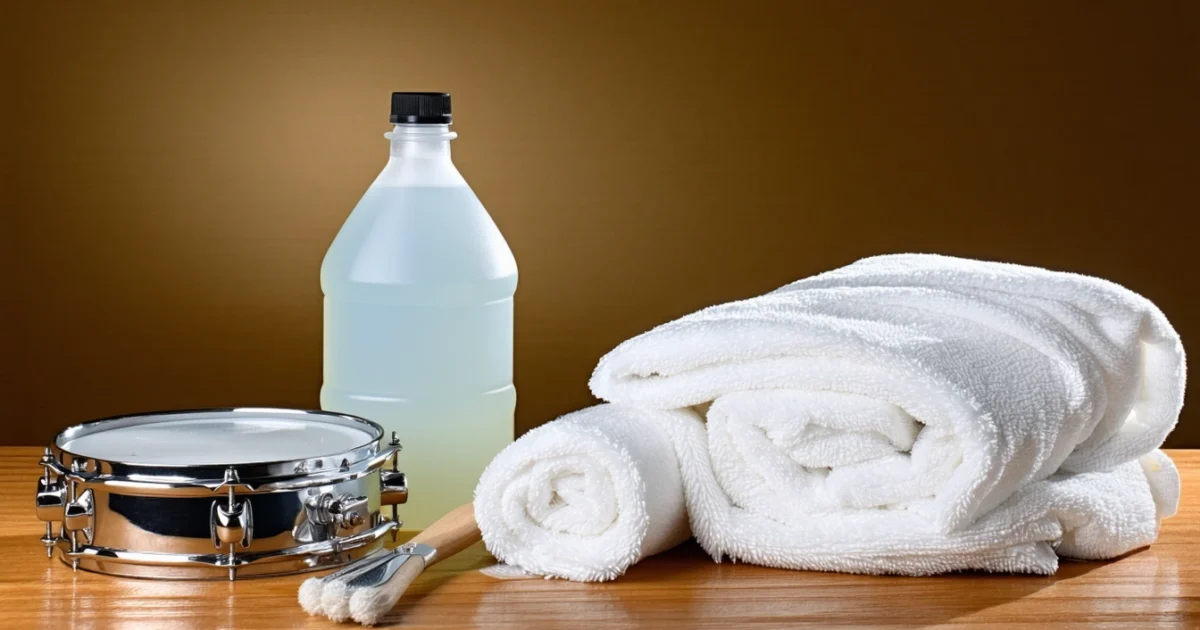
Can I use vinegar to drum clean? Yes, you can safely use vinegar to clean certain drum components, but it requires careful consideration of your drum’s materials and finishes. White vinegar’s acetic acid content makes it effective for removing oxidation from metal hardware like lugs, tension rods, and cymbals. However, vinegar can damage lacquered shells, drum wraps, and natural wood finishes.
Many drummers turn to vinegar as a natural cleaning alternative because it’s affordable, readily available, and environmentally friendly. Additionally, it effectively tackles tarnish and light corrosion on chrome and nickel-plated surfaces without harsh chemicals.
Before using vinegar on any drum component, you must understand which parts are safe to clean and which could suffer permanent damage. Furthermore, proper dilution ratios and application techniques are essential for protecting your instrument while achieving optimal cleaning results.
TL;DR
- Vinegar is safe for metal hardware, cymbals, and chrome surfaces but can damage lacquered shells and drum wraps
- Always dilute vinegar with water (1:1 ratio) and test on inconspicuous areas first
- Avoid vinegar on natural wood finishes, vintage drums, and electronic components to prevent permanent damage
Can You Use Vinegar to Clean Drums? The Complete Answer
Yes, vinegar can clean drums effectively, but success depends entirely on understanding which drum materials tolerate acidic solutions. White vinegar contains approximately 5% acetic acid, making it powerful enough to dissolve mineral deposits, oxidation, and light corrosion on metal surfaces. However, this same acidity can permanently damage certain drum finishes and materials.
Vinegar works through a chemical process where acetic acid molecules break down mineral buildup and metal oxides. Consequently, chrome hardware, nickel-plated lugs, and brass cymbals respond well to vinegar cleaning. The acid neutralises alkaline deposits while dissolving tarnish that dulls metallic surfaces.
Many drummers choose vinegar as their preferred cleaning agent because it offers several compelling advantages. Firstly, vinegar costs significantly less than commercial drum cleaners while delivering comparable results on appropriate surfaces. Moreover, it contains no harsh synthetic chemicals that might off-gas or irritate skin during cleaning sessions.
Environmental consciousness drives many musicians toward natural cleaning alternatives like vinegar. Unlike petroleum-based solvents, vinegar biodegrades completely and poses minimal risk to waterways when disposed of properly. Additionally, most households already stock white vinegar, making it immediately accessible for urgent cleaning needs.
However, critical safety considerations must guide your vinegar usage decisions. Never apply undiluted vinegar directly to any drum surface without testing first, as concentrated acid can etch finishes permanently. Furthermore, certain drum materials react poorly to acidic solutions regardless of dilution strength.
Lacquered drum shells represent the highest risk category for vinegar damage. The acid can dissolve lacquer coatings, creating cloudy patches or complete finish removal that requires professional restoration. Similarly, drum wraps and synthetic finishes may discolour or peel when exposed to acetic acid solutions.
Natural wood finishes also require extreme caution with vinegar applications. Acid penetrates wood grain and can raise fibres, creating rough textures that affect both appearance and playability. Vintage drums deserve particular protection, as their original finishes often cannot be replicated if damaged.
Electronic drum components must never contact vinegar solutions. The acid can corrode circuit boards and damage sensors that detect stick strikes. Even small amounts of moisture near electronic connections can cause permanent malfunction requiring expensive repairs.
Which Drum Components Are Safe to Clean with Vinegar
Understanding which drum components tolerate vinegar cleaning ensures you protect valuable equipment whilst achieving effective results. Metal hardware represents the safest category for vinegar applications, as most metallic surfaces resist acid damage when properly diluted. However, specific material compositions determine cleaning success and safety levels.
Metal Hardware Components
Lugs, tension rods, and hoops typically feature chrome, nickel, or stainless steel construction that withstands mild acidic solutions effectively. These components accumulate fingerprints, dust, and oxidation that vinegar removes without causing structural damage. Moreover, the threaded surfaces of tension rods benefit from vinegar’s ability to dissolve mineral deposits that impede smooth adjustment.
Drum stands and mounting hardware also respond well to vinegar cleaning solutions. Stainless steel components particularly benefit from acetic acid’s oxidation-fighting properties, which restore original lustre whilst removing water spots. Additionally, vinegar dissolves the chalky residue that forms on metal surfaces in hard water areas across the UK.
Cymbal Cleaning Applications
Cymbals represent excellent candidates for vinegar cleaning, especially when oxidation dulls their natural brilliance. Bronze and brass cymbals develop patina over time that vinegar effectively removes without aggressive scrubbing. Furthermore, the acid neutralises alkaline residues from soap-based cleaners that can leave streaky films.
Professional drummers often prefer vinegar for cymbal maintenance because it restores shine without altering the metal’s tonal properties. Natural cleaning solutions like vinegar preserve the acoustic characteristics that expensive cymbals are designed to produce. Consequently, regular vinegar treatments maintain both visual appeal and sound quality.
Chrome and Nickel-Plated Surfaces
Chrome-plated hardware tolerates vinegar cleaning exceptionally well, as the chromium layer resists acid corrosion whilst allowing effective cleaning action. Diluted vinegar solutions remove tarnish and water spots that accumulate on chrome surfaces during regular use. Similarly, nickel-plated components benefit from vinegar’s gentle yet effective cleaning properties.
These plated surfaces require careful attention to dilution ratios, however. Never exceed a 1:1 vinegar-to-water ratio on plated hardware, as concentrated acid can penetrate through microscopic coating defects. Instead, start with weaker solutions and increase strength gradually if needed for stubborn deposits.
Always test vinegar solutions on hidden hardware areas before treating visible surfaces
Stainless steel mounting brackets and memory locks respond particularly well to vinegar treatments. The acid removes oxidation whilst the steel’s chromium content prevents corrosion damage. Therefore, these components can withstand slightly stronger vinegar concentrations than plated alternatives whilst achieving superior cleaning results.
Drum Parts You Should Never Clean with Vinegar
Whilst vinegar excels at cleaning certain drum components, several critical parts require alternative cleaning methods to prevent irreversible damage. Understanding which surfaces vinegar can harm protects your investment and maintains your drum kit’s structural integrity. Moreover, recognising vulnerable materials prevents costly repairs and preserves your instrument’s resale value.
Lacquered and Painted Drum Shells
Lacquered finishes suffer immediate damage when exposed to vinegar’s acidic properties, as the acid dissolves protective coatings and creates permanent cloudiness. Similarly, painted surfaces experience discolouration and peeling when vinegar penetrates through microscopic finish defects. Consequently, these decorative surfaces require pH-neutral cleaners specifically designed for delicate finishes.
High-gloss lacquers prove particularly vulnerable because vinegar etches the surface at a molecular level, creating irreversible dulling effects. Furthermore, vintage lacquer finishes contain different chemical compositions that react unpredictably with acidic solutions. Therefore, stick to manufacturer-recommended cleaning products for all lacquered surfaces.
Drum Wraps and Vinyl Coverings
Vinyl drum wraps contain adhesive layers that weaken significantly when exposed to vinegar solutions, potentially causing wrap separation and bubbling. Additionally, certain wrap materials experience colour fading and texture changes after acid contact. These cosmetic damages cannot be reversed without complete wrap replacement.
Sparkle finishes and metallic wraps show particular sensitivity to vinegar cleaning, as the acid attacks the reflective particles embedded within the vinyl matrix. Instead, use mild soap solutions or specialised wrap cleaners that preserve both adhesion and appearance whilst removing surface contamination effectively.
Natural Wood Finishes
Unfinished wood surfaces absorb vinegar readily, causing grain raising and permanent staining that penetrates deep into the timber structure. Natural wood finishes like oil or wax coatings offer minimal protection against acid penetration, allowing vinegar to reach the wood fibres beneath. Consequently, these surfaces require dry cleaning methods or specially formulated wood cleaners.
Exotic wood species such as bubinga and zebrawood contain natural oils that react chemically with vinegar, producing discolouration patterns that cannot be sanded away. Therefore, maintaining natural wood drums requires understanding each timber species’ specific cleaning requirements and chemical sensitivities.
Vintage Drums with Delicate Finishes
Vintage drum finishes from the 1950s through 1970s often contain nitrocellulose lacquers that become increasingly fragile with age, making them extremely vulnerable to acid damage. These historical finishes crack and craze when exposed to modern cleaning chemicals, including vinegar solutions. Additionally, vintage wrap adhesives deteriorate over time, becoming even more susceptible to acid weakening.
Collectors and restoration specialists recommend avoiding all acidic cleaners on vintage instruments, as original finishes contribute significantly to historical value and authenticity. Instead, use conservation-grade cleaning methods that preserve the instrument’s period-correct appearance whilst removing accumulated dirt and grime safely.
Electronic Drum Components
Electronic drum pads contain sensitive trigger sensors and circuitry that suffer permanent damage when exposed to liquid cleaners, including vinegar solutions. These components require dry cleaning methods or minimal moisture application to prevent electrical failures. Moreover, rubber playing surfaces on electronic pads can degrade when treated with acidic solutions.
Module connections and cable terminations corrode rapidly when vinegar residue creates conductive pathways between electrical contacts. Therefore, electronic cleaning techniques focus on removing dust and debris without introducing moisture or chemicals that compromise electronic functionality.
Never use vinegar on lacquered shells, drum wraps, natural wood, vintage finishes, or electronic components
How to Properly Clean Drums with Vinegar
Proper vinegar application requires careful preparation and technique to ensure drum safety whilst achieving effective cleaning results. The cleaning process involves specific dilution ratios, appropriate tools, and systematic application methods that protect drum surfaces from acid damage.
Correct Vinegar Dilution Ratios
White vinegar solutions work most effectively when diluted to reduce acidity levels that could damage drum finishes. Furthermore, a 1:1 ratio of white vinegar to distilled water creates the standard cleaning strength for most drum surfaces. However, delicate finishes require weaker solutions of 1:2 or 1:3 ratios to prevent acid etching.
Never use undiluted vinegar directly on drum surfaces, as concentrated acetic acid causes immediate damage to most finishes. Additionally, distilled water prevents mineral deposits that tap water introduces during the cleaning process.
Essential Cleaning Tools and Materials
Microfibre cloths provide the safest cleaning surface for drum shells, as their fine fibres lift dirt without scratching finishes. Meanwhile, soft-bristled brushes remove stubborn grime from hardware crevices and lug casings without causing metal scratches. Cotton swabs reach tight spaces around tension rods and badge areas where larger tools cannot access effectively.
- Microfibre cloths (lint-free)
- Soft-bristled toothbrush or detailing brush
- Cotton swabs for precision cleaning
- Spray bottle for controlled application
- Clean towels for drying
- Distilled water for rinsing
Avoid abrasive materials such as steel wool, scouring pads, or rough cloths that scratch drum surfaces permanently. Similarly, paper towels leave lint residue and can scratch delicate finishes during cleaning.
Step-by-Step Cleaning Process
Begin the cleaning process by removing all hardware components that can detach safely, including drumheads, hoops, and tension rods. Consequently, this separation prevents vinegar from contacting sensitive areas whilst allowing thorough shell cleaning.
- Test the vinegar solution on an inconspicuous area first
- Spray the diluted solution onto the microfibre cloth, not directly onto the drum
- Wipe in circular motions, working from top to bottom
- Clean hardware separately with cotton swabs dipped in solution
- Rinse immediately with distilled water on a clean cloth
- Dry thoroughly with lint-free towels
- Allow complete air drying before reassembly
Testing and Safety Precautions
Test patches reveal how drum finishes react to vinegar solutions before full application begins. Choose hidden areas such as the interior shell or beneath mounting hardware for initial testing. Wait 24 hours after test application to observe any delayed reactions such as discoloration or finish softening.
If testing reveals any adverse reactions, discontinue vinegar use immediately and switch to manufacturer-approved cleaning products. Moreover, some finishes show delayed damage that only becomes apparent after several hours of exposure.
Thorough Rinsing and Drying Techniques
Complete rinsing removes all vinegar residue that continues causing damage long after cleaning ends. Use distilled water on clean microfibre cloths to wipe away cleaning solution thoroughly. Subsequently, proper drying prevents water spots and mineral deposits that compromise drum appearance.
Air drying works most effectively when drums remain disassembled in a well-ventilated area away from direct sunlight. Heat sources such as radiators or hair dryers can warp drum shells or damage finishes through rapid temperature changes. Therefore, patience during the drying process protects your investment whilst ensuring complete moisture removal.
Complete the process by inspecting all surfaces for residue or water spots before reassembling hardware components. This final check ensures your drums maintain their appearance and functionality after vinegar cleaning.
Vinegar vs Commercial Drum Cleaners: Pros and Cons
Understanding the differences between vinegar and commercial drum cleaners helps drummers make informed cleaning decisions. Each approach offers distinct advantages whilst presenting specific limitations that affect cleaning outcomes.
Cost Comparison and Accessibility
White vinegar costs approximately £0.50 per litre in UK supermarkets, making it the most economical cleaning option available. Commercial drum cleaners typically range from £8 to £25 per bottle, representing a significant cost difference for regular maintenance. Additionally, vinegar remains accessible in every grocery store, whilst specialised drum cleaners require trips to music shops or online ordering.
However, commercial cleaners often provide concentrated formulas that last longer than vinegar solutions. Therefore, cost-per-use calculations may narrow the price gap when considering cleaning frequency and dilution ratios.
Effectiveness on Different Dirt Types
Vinegar excels at dissolving mineral deposits, water spots, and light oxidation through its acetic acid content. The acidic properties break down calcium buildup and soap residue effectively on drum shells and hardware. Furthermore, vinegar neutralises alkaline residues that accumulate from sweat and environmental exposure.
Commercial cleaners target specific contamination types through specialised formulations. Dedicated metal polishes remove heavy oxidation more effectively than vinegar alone, whilst degreasing agents eliminate stubborn fingerprints and oil-based residues. Consequently, commercial products often deliver superior results on heavily soiled drums.
Safety Profile: Natural vs Chemical Cleaners
Vinegar presents minimal health risks when used properly, producing only mild vapours that dissipate quickly. The natural composition eliminates concerns about toxic fume exposure or skin sensitisation common with harsh chemicals. Moreover, accidental ingestion poses no serious health threats, making vinegar safer around children and pets.
Commercial cleaners often contain volatile organic compounds (VOCs) and synthetic solvents that require adequate ventilation during use. Some formulations may cause respiratory irritation or skin reactions in sensitive individuals. Therefore, protective equipment such as gloves and masks becomes necessary when using commercial products.
Limitations of Vinegar for Heavy-Duty Cleaning
Vinegar struggles with heavy corrosion, deep scratches, and stubborn stains that require aggressive cleaning action. The mild acidity proves insufficient for removing years of accumulated grime or restoring severely tarnished hardware. Additionally, vinegar cannot address structural damage or deep oxidation that penetrates metal surfaces.
Time requirements increase significantly when using vinegar for challenging cleaning tasks. Multiple applications and extended soaking periods become necessary for achieving results that commercial cleaners accomplish in single treatments. This extended process may not suit drummers needing quick turnaround times.
When Commercial Cleaners Are the Better Choice
Professional restoration projects benefit from commercial cleaners designed for specific materials and contamination types. Vintage drums with valuable finishes require specialised products that preserve original characteristics whilst removing decades of accumulation. Similarly, aluminum components may need dedicated metal polishes for optimal results.
Commercial cleaners prove essential when time constraints demand rapid cleaning cycles. Professional drummers preparing for performances or recording sessions cannot afford extended cleaning periods that vinegar requires. Furthermore, commercial products often include protective agents that prevent future contamination, extending intervals between cleaning sessions.
Ultimately, the choice between vinegar and commercial cleaners depends on cleaning requirements, budget constraints, and safety preferences. Many drummers successfully combine both approaches, using vinegar for routine maintenance whilst reserving commercial products for intensive restoration work.
Alternative Natural Cleaning Methods for Drums
Natural cleaning alternatives provide effective solutions for drum maintenance without harsh chemicals. These methods utilise common household items to achieve professional results whilst protecting delicate surfaces and finishes.
Mild Soap and Water Solutions
Gentle soap solutions form the foundation of safe drum cleaning practices. Mix one teaspoon of mild dish soap with 500ml of warm water to create an effective cleaning solution. This mixture removes dirt, oils, and surface grime without damaging drum finishes or hardware.
Apply the soapy solution using a damp cloth, working in circular motions across drum surfaces. Additionally, this method proves particularly effective for cleaning drum heads and removing fingerprints from cymbals. Always rinse thoroughly with clean water to prevent soap residue buildup.
Lemon Juice for Light Oxidation
Fresh lemon juice contains natural acids that dissolve light oxidation on metal components. The citric acid in lemons breaks down surface corrosion whilst being gentler than commercial rust removers. Furthermore, lemon juice leaves a fresh scent and natural shine on treated surfaces.
Apply lemon juice directly to oxidised areas using a soft cloth or cotton pad. Allow the acid to work for 5-10 minutes before wiping clean with a damp cloth. This method works exceptionally well on chrome hardware and brass fittings.
Baking Soda Paste for Stubborn Stains
Baking soda paste tackles stubborn stains and built-up grime through gentle abrasive action. Mix three parts baking soda with one part water to create a thick paste consistency. This alkaline solution neutralises acids and lifts embedded dirt from textured surfaces.
Apply the paste to stained areas and allow it to sit for 15-20 minutes. Subsequently, scrub gently with a soft brush or cloth before rinsing thoroughly. Baking soda proves particularly effective on drum shells with matte finishes where commercial cleaners might cause damage.
Olive Oil for Wood Conditioning
Extra virgin olive oil nourishes and protects natural wood drum shells from drying and cracking. The oil penetrates wood fibres to restore moisture whilst creating a protective barrier against humidity changes. Moreover, olive oil enhances the natural grain patterns in wooden drums.
Apply a small amount of olive oil to a clean cloth and work it into the wood grain using circular motions. Allow the oil to absorb for 30 minutes before buffing with a dry cloth. This conditioning treatment should be performed every 3-6 months depending on environmental conditions.
Microfibre Cloths for Daily Maintenance
High-quality microfibre cloths remove dust, fingerprints, and light surface contamination without scratching delicate finishes. The microscopic fibres trap particles effectively whilst requiring no additional cleaning products. Consequently, microfibre cleaning reduces the need for frequent deep cleaning sessions.
Use dry microfibre cloths for dusting and slightly damp cloths for fingerprint removal. Clean microfibre cloths regularly in warm water without fabric softener to maintain their cleaning effectiveness. Proper microfibre care techniques ensure optimal performance and longevity of these essential cleaning tools.
Natural cleaning methods require patience and consistency but offer safe alternatives to chemical cleaners. These techniques protect both the drummer’s health and the instrument’s integrity whilst maintaining professional appearance standards.
Professional Drum Maintenance Tips
Professional drum maintenance extends far beyond occasional cleaning sessions. Regular maintenance schedules prevent costly repairs whilst preserving instrument value and performance quality. Furthermore, systematic care approaches reduce the frequency of intensive cleaning requirements.
Establishing Regular Cleaning Schedules
Weekly dusting prevents heavy buildup that requires aggressive cleaning methods. Light maintenance sessions remove surface contamination before it penetrates drum finishes or corrodes metal components. Additionally, consistent cleaning schedules identify potential issues before they become serious problems.
Professional drummers typically follow a three-tier maintenance system. Daily care includes wiping down shells and hardware after each playing session. Weekly maintenance involves thorough dusting and head inspection. Monthly deep cleaning addresses areas that accumulate stubborn residue over time.
- Daily: Wipe shells and hardware with dry microfibre cloth
- Weekly: Dust thoroughly and inspect drum heads for wear
- Monthly: Deep clean shells, polish hardware, condition wood
- Quarterly: Professional inspection and head replacement if needed
Proper Storage Techniques
Strategic storage significantly minimises cleaning requirements whilst protecting drums from environmental damage. Climate-controlled environments prevent humidity fluctuations that cause wood expansion and metal corrosion. Consequently, proper storage reduces maintenance frequency and preserves drum integrity.
Temperature stability between 18-22°C with relative humidity around 45-55% creates optimal storage conditions. Extreme temperature changes cause wood cracking and finish deterioration. Moreover, excessive humidity accelerates metal corrosion and promotes mould growth on drum heads.
Protective covers shield drums from dust accumulation during storage periods. Breathable fabric covers allow air circulation whilst blocking contaminants. However, plastic covers trap moisture and should be avoided for long-term storage applications.
Professional Restoration Services
Professional restoration becomes necessary when damage exceeds standard maintenance capabilities. Deep scratches, finish deterioration, or structural issues require specialist expertise and professional-grade equipment. Additionally, vintage drums often need restoration to maintain their historical value and playability.
Seek professional services when drum shells show structural cracks or bearing edge damage. These issues affect sound quality and can worsen without proper repair techniques. Furthermore, professional restoration preserves manufacturer warranties and maintains resale value.
Restoration specialists possess specialised tools and refinishing materials unavailable to general consumers. They understand manufacturer specifications and historical construction methods. Professional drum cleaning techniques often involve ultrasonic cleaning and precision refinishing processes.
Maintaining Drum Value Through Care
Consistent maintenance directly correlates with instrument value retention. Well-maintained drums command higher resale prices and perform better throughout their lifespan. Moreover, proper care prevents depreciation caused by neglect and environmental damage.
Documentation of maintenance activities creates valuable service records for potential buyers. Maintenance logs demonstrate responsible ownership and systematic care approaches. These records particularly benefit vintage or high-end drum collections where provenance affects market value.
Original finishes and hardware retain maximum value when properly preserved. Refinishing or replacement components typically reduce collectible value significantly. Therefore, preventive maintenance protects original characteristics whilst ensuring continued playability and aesthetic appeal.
Professional maintenance increases drum lifespan by up to 300% compared to neglected instruments
Investment in quality maintenance tools and products pays dividends through extended instrument life and preserved performance characteristics. Professional-grade care approaches protect both monetary investment and musical capabilities of drum collections.
Frequently Asked Questions
Can I use vinegar to clean all parts of my drum kit?
No, vinegar is only safe for certain drum components. You can use it on metal hardware like lugs, tension rods, and chrome surfaces, as well as cymbals. However, avoid using vinegar on lacquered shells, drum wraps, natural wood finishes, vintage drums, and electronic components as it can cause permanent damage.
What's the proper dilution ratio for cleaning drums with vinegar?
Always dilute white vinegar with water using a 1:1 ratio (equal parts vinegar and water). Never apply undiluted vinegar directly to drum surfaces, as concentrated acid can etch finishes permanently. Test the diluted solution on an inconspicuous area first before proceeding with full cleaning.
Why do drummers choose vinegar over commercial drum cleaners?
Drummers prefer vinegar because it’s affordable, readily available, and environmentally friendly. It costs significantly less than commercial cleaners while delivering comparable results on appropriate surfaces. Additionally, vinegar contains no harsh synthetic chemicals and biodegrades completely, making it safer for both users and the environment.
How does vinegar actually clean drum hardware?
Vinegar contains approximately 5% acetic acid, which breaks down mineral deposits, oxidation, and light corrosion on metal surfaces. The acid molecules neutralise alkaline deposits while dissolving tarnish that dulls metallic surfaces like chrome hardware, nickel-plated lugs, and brass cymbals.
What damage can vinegar cause to drum finishes?
Vinegar can cause several types of permanent damage to drum finishes:
- Lacquered shells: Acid dissolves lacquer coatings, creating cloudy patches or complete finish removal
- Drum wraps: May discolour or peel when exposed to acetic acid
- Natural wood: Acid penetrates grain and raises fibres, creating rough textures
- Electronic components: Can corrode circuit boards and damage sensors
Is vinegar safe for cleaning cymbals?
Yes, vinegar is generally safe and effective for cleaning brass cymbals. The acetic acid helps remove tarnish and oxidation that can dull cymbal surfaces. However, always use the proper 1:1 dilution ratio and test on a small area first. Avoid vinegar on cymbals with special coatings or finishes that might be damaged by acid.
Should I use vinegar on vintage or antique drums?
No, avoid using vinegar on vintage drums. Older instruments often have original finishes that cannot be replicated if damaged. The acid in vinegar can permanently alter these irreplaceable finishes, significantly reducing the drum’s value and historical authenticity. Use specialised vintage instrument cleaners instead.
What should I do before using vinegar on any drum component?
Before using vinegar, follow these essential steps:
- Identify the material: Determine if the component is safe for acid cleaning
- Dilute properly: Mix vinegar with water in a 1:1 ratio
- Test first: Apply to an inconspicuous area and wait to check for adverse reactions
- Have alternatives ready: Keep commercial cleaners available for sensitive surfaces
You May Also Like
Best Homemade Aluminum Cleaner: Natural DIY Recipes That Work
Does WD-40 Clean Aluminum Wheels? Complete Guide 2026