Why Does My Drain Smell? Causes & Easy UK Solutions 2026

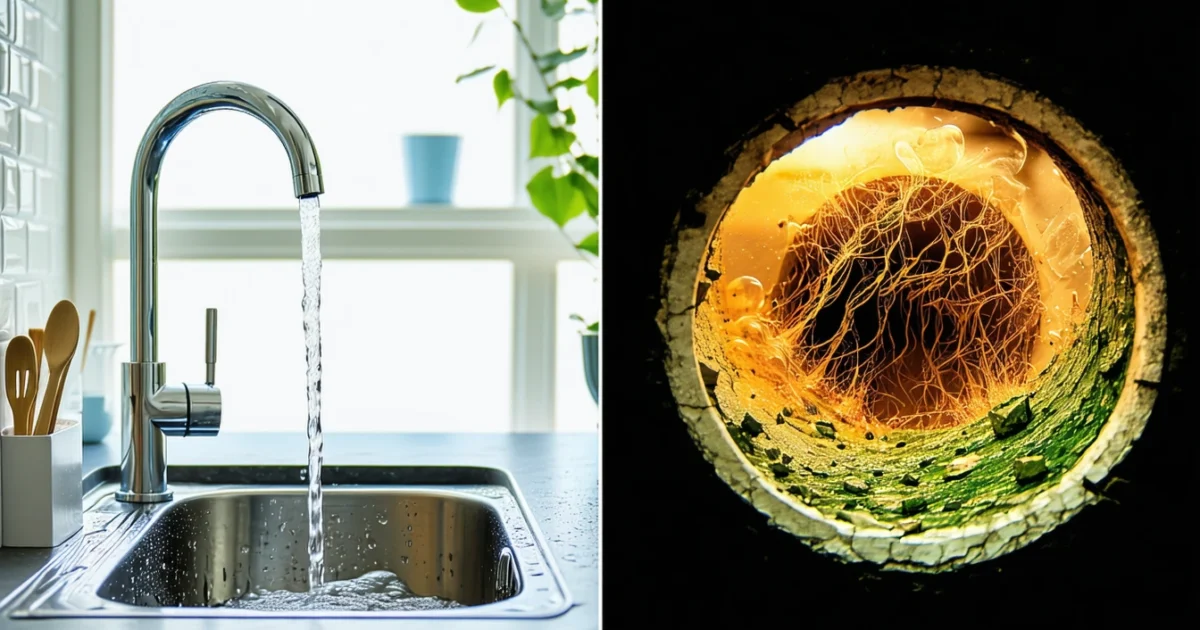
Why does my drain smell and how can I fix it? Drain odours typically result from biofilm buildup, trapped food debris, hair clogs, or dry P-traps allowing sewer gases to escape. Fortunately, most smelly drains can be resolved using simple DIY methods like bicarbonate of soda and vinegar treatments, boiling water flushes, or commercial enzyme cleaners.
Understanding the source of your drain smell is crucial for choosing the right solution. Kitchen sinks often harbour grease and food particles, while bathroom drains accumulate hair, soap scum, and personal care products. Additionally, identifying whether the odour indicates a minor blockage or serious plumbing issue helps determine if professional intervention is needed.
This comprehensive guide covers natural cleaning methods, commercial products, physical cleaning techniques, and prevention strategies. Moreover, we’ll help you recognise when persistent odours require a professional plumber’s expertise rather than DIY solutions.
TL;DR
- Common causes include biofilm, grease buildup, hair clogs, and dry P-traps allowing sewer gas escape
- DIY solutions like bicarbonate of soda and vinegar, boiling water, or enzyme cleaners resolve most drain odours
- Prevention through regular cleaning, proper waste disposal, and drain strainers stops future smells
- Professional help needed for persistent odours, multiple affected drains, or sewage backup issues
Common Causes of Drain Smells
Several factors contribute to unpleasant drain odours, each requiring different treatment approaches. Understanding these causes helps you identify the most effective cleaning method for your specific situation.
Biofilm and Bacterial Growth
Biofilm formation creates the most common source of drain smells throughout UK homes. This slimy layer develops when bacteria attach to pipe surfaces and multiply rapidly in warm, moist conditions. Subsequently, these microorganisms produce hydrogen sulphide gas, creating that distinctive rotten egg odour.
Bacterial colonies thrive in the organic matter coating your pipes. Furthermore, biofilms protect bacteria from standard cleaning products, making them particularly persistent. Regular maintenance prevents these microbial communities from establishing themselves in your drainage system.
Grease and Food Debris Accumulation
Kitchen drains suffer from grease buildup that solidifies inside pipes and traps food particles. Cooking oils, butter, and fatty substances coat pipe walls, creating sticky surfaces that collect debris. Over time, this accumulation decomposes and generates foul-smelling gases.
Food waste compounds the problem by providing nutrients for bacterial growth. Additionally, grease removal techniques used in kitchens can help prevent similar buildup in your drains. Coffee grounds, rice, and pasta fragments commonly contribute to these malodorous blockages.
Hair and Personal Care Product Buildup
Hair accumulation creates dense mats that trap soap scum, dead skin cells, and personal care products. These tangled masses decompose slowly, producing ammonia-like odours that worsen over time. Moreover, conditioners and styling products add sticky residues that bind debris together.
Soap scum forms when soap combines with hard water minerals, creating insoluble deposits. Consequently, these chalky buildups provide surfaces for bacteria to colonise. Shampoo residues and body wash ingredients also contribute to the organic matter feeding microbial growth.
Dry P-Trap Issues
The P-trap water seal prevents sewer gases from entering your home through drain openings. When this curved pipe section dries out, toxic gases escape directly into your living space. Infrequently used sinks, floor drains, and guest bathroom fixtures commonly experience this problem.
Evaporation occurs naturally in unused drains, particularly during winter months when heating systems reduce indoor humidity. Additionally, negative air pressure from exhaust fans can siphon water from P-traps, breaking the protective barrier against sewage odours.
Partial Blockages and Drainage Problems
Partial blockages create stagnant water pools where organic matter decomposes and bacteria multiply rapidly. These slow-draining conditions allow debris to accumulate rather than flush away completely. Furthermore, standing water becomes increasingly concentrated with waste materials over time.
Tree root intrusion, pipe scaling, and foreign object obstructions commonly cause partial blockages. Similarly, inadequate pipe slopes prevent proper drainage flow, leading to persistent odour problems that worsen without intervention.
Damaged Plumbing Connections
Loose or damaged connections allow sewer gases to leak into your home through gaps in the plumbing system. Deteriorated pipe joints, cracked seals, and corroded fittings create pathways for odorous gases to escape. These structural issues require professional assessment and repair.
Improper installation or settling foundations can disconnect plumbing components over time. Additionally, extreme temperature changes cause pipe materials to expand and contract, potentially compromising joint integrity and creating new leak points.
Identifying the Source of Your Drain Smell
Different drains produce distinct odours that reveal their underlying causes. Consequently, identifying the specific smell helps determine the most effective cleaning approach. Moreover, location-specific odours indicate whether you’re dealing with organic buildup, bacterial growth, or serious plumbing issues.
Kitchen Sink Odours: Grease and Food Particles
Kitchen sink drains typically emit rancid, putrid smells caused by decomposing food particles and accumulated grease. These organic materials create a thick, sticky coating inside pipes where bacteria thrive and multiply. Additionally, cooking oils solidify when cooled, trapping food debris and creating persistent blockages.
Grease buildup produces a distinctly heavy, oily odour that intensifies during warm weather. Similarly, protein-rich foods like meat scraps generate particularly strong putrefaction smells. Grease removal techniques used for cabinets can also apply to drain cleaning methods.
Bathroom Drain Smells: Hair, Soap, and Personal Products
Bathroom sink drains develop musty, stale odours from accumulated hair, soap scum, and personal care products. These materials combine to form dense clogs that trap moisture and promote bacterial growth. Furthermore, toothpaste residue and skincare products create additional organic matter for decomposition.
Hair clogs produce particularly stubborn smells because keratin proteins decompose slowly in wet conditions. Meanwhile, soap residue creates alkaline conditions that alter bacterial populations, often resulting in ammonia-like odours that persist despite surface cleaning efforts.
Shower Drain Issues: Soap Scum and Hair Clogs
Shower drains combine multiple odour sources including hair, soap scum, dead skin cells, and shampoo residue. These materials form complex blockages that create stagnant water pools where anaerobic bacteria flourish. Consequently, shower drain smells often have a distinctly sour, mildew-like quality.
Long hair creates particularly problematic clogs because it catches other debris and forms dense mats. Additionally, body oils and soap combine to create hydrophobic barriers that prevent proper water flow and drainage.
Utility Room and Laundry Drain Problems
Utility room drains develop unique odours from lint, detergent residue, and fabric softener buildup. These materials create sticky accumulations that trap moisture and promote mould growth. Moreover, washing machine discharge contains various organic compounds that decompose over time.
Lint combines with soap residue to form cement-like blockages that resist normal flushing action. Similarly, fabric softeners leave waxy deposits that accumulate gradually and create persistent drainage problems requiring specialized cleaning approaches.
Signs That Indicate Serious Plumbing Issues
Several warning signs distinguish minor drain odours from serious plumbing problems requiring professional intervention. Multiple drains smelling simultaneously indicates system-wide issues rather than localized blockages. Additionally, gurgling sounds accompany drain odours when venting problems exist.
- Water backing up into multiple fixtures
- Persistent odours despite thorough cleaning
- Slow drainage throughout the property
- Visible sewage or greywater overflow
- Unusual sounds from pipes and drains
Furthermore, odours that worsen during specific weather conditions often indicate structural problems with sewer connections or venting systems. These issues require professional diagnosis and repair to prevent health hazards and property damage.
When Smell Indicates Sewer Gas Leakage
Sewer gas leakage produces distinct hydrogen sulphide odours resembling rotten eggs throughout your home. This dangerous condition occurs when protective water seals fail or plumbing connections deteriorate. Importantly, sewer gases contain methane and other toxic compounds that pose serious health risks.
Dry P-traps allow sewer gases to enter living spaces directly through drain openings. Meanwhile, damaged vent pipes create negative pressure that draws gases through weak plumbing connections. These conditions require immediate professional attention to prevent dangerous gas accumulation and potential explosion risks.
Additionally, sewer gas smells that persist despite drain cleaning indicate structural problems beyond simple blockages. Professional plumbers use specialized equipment to detect gas leaks and identify compromised plumbing components requiring repair or replacement.
Natural DIY Solutions for Smelly Drains
Natural cleaning solutions effectively eliminate drain odours whilst protecting your plumbing system from harsh chemical damage. These environmentally-friendly methods use common household ingredients to dissolve organic buildup, neutralise bacteria, and restore fresh-smelling drains throughout your home.
Boiling Water Flush Method
The boiling water flush represents the simplest drain deodorising technique available to homeowners. This method dissolves grease deposits, soap scum, and organic matter that harbour odour-causing bacteria within your drainage system.
- Boil 2-3 litres of water in a large saucepan
- Pour the boiling water slowly down the drain in three separate stages
- Allow 30 seconds between each pour to maximise heat penetration
- Repeat this process weekly for ongoing odour prevention
However, avoid using boiling water on PVC pipes, as excessive heat can damage plastic plumbing components. Instead, use very hot tap water for synthetic pipe systems.
Bicarbonate of Soda and White Vinegar Treatment
The bicarbonate and vinegar combination creates a powerful fizzing reaction that breaks down stubborn deposits whilst neutralising acidic and alkaline odours. This classic cleaning duo penetrates deep into drain pipes to eliminate bacterial colonies and organic buildup.
- Pour 100g bicarbonate of soda directly into the drain opening
- Follow immediately with 250ml white vinegar
- Cover the drain with a plug or cloth for 15 minutes
- Flush thoroughly with hot water to remove loosened debris
- Apply this treatment monthly for optimal results
Furthermore, this natural combination safely cleans drains without corroding metal pipes or damaging rubber seals. The effervescent action mechanically scrubs pipe walls whilst the alkaline bicarbonate neutralises acidic odour compounds.
Salt and Baking Soda Scrub Technique
The salt and baking soda scrub provides abrasive cleaning action that removes stubborn residue from drain surfaces. This granular mixture mechanically scrapes away biofilm formations whilst absorbing moisture that bacteria require for survival.
- Mix 50g table salt with 50g baking soda in a bowl
- Pour the mixture down the problematic drain
- Allow the granules to sit for 2-3 hours or overnight
- Flush with hot water whilst running the tap at full pressure
- Use a drain brush to scrub visible surfaces if accessible
Additionally, coarse salt crystals provide superior scrubbing action compared to fine table salt. Rock salt or sea salt varieties work particularly well for heavily soiled drains requiring intensive cleaning.
Lemon and Ice Cube Freshening Method
The lemon and ice technique combines mechanical cleaning with natural deodorising properties to refresh garbage disposal units and sink drains. Ice cubes sharpen disposal blades whilst lemon oils neutralise unpleasant odours and leave citrus freshness.
- Cut one whole lemon into small wedges
- Add 6-8 ice cubes to the disposal unit
- Run cold water whilst operating the disposal for 30 seconds
- Add lemon wedges gradually whilst the disposal runs
- Continue running water for additional 30 seconds after grinding stops
Moreover, frozen lemon peels work equally effectively for this cleaning method. The citric acid in lemons naturally antibacterial properties that eliminate odour-producing microorganisms whilst leaving pleasant aromatics.
Hot Water and Washing-Up Liquid Solution
The hot water and washing-up liquid method provides gentle yet effective degreasing action for kitchen sink drains. This approach dissolves accumulated fats and oils that trap food particles and create breeding grounds for bacteria.
- Heat 1 litre of water to near-boiling temperature
- Add 2 tablespoons of quality washing-up liquid
- Stir gently to create sudsy solution without excessive foam
- Pour slowly down the drain in steady stream
- Follow with additional hot water rinse after 10 minutes
Consequently, this method works particularly well for kitchen drains affected by cooking grease and food residue. The surfactants in washing-up liquid break down oil-based deposits that water alone cannot remove effectively.
Application Safety and Best Practices
Proper application techniques ensure maximum effectiveness whilst protecting your plumbing system from damage. Always test natural cleaning solutions on inconspicuous areas before treating entire drain systems, particularly with older or delicate plumbing materials.
Never mix different cleaning products simultaneously, as chemical reactions can produce dangerous gases or reduce cleaning effectiveness. Instead, allow each treatment to complete fully before applying alternative methods. Professional drain cleaning techniques provide additional guidance for persistent odour problems requiring intensive treatment.
Finally, establish regular maintenance schedules using these natural methods to prevent odour recurrence. Weekly boiling water flushes combined with monthly bicarbonate treatments maintain optimal drain hygiene whilst avoiding expensive professional interventions.
Commercial Drain Cleaning Products
Commercial drain cleaners offer powerful solutions for persistent odours that natural methods cannot eliminate effectively. These specialised products target specific causes of drain smells through different chemical mechanisms, providing faster results than homemade alternatives.
Enzyme-Based Drain Cleaners and How They Work
Enzyme-based cleaners use naturally occurring proteins to break down organic matter that causes drain odours. These biological agents digest grease, food particles, hair, and soap scum without harsh chemicals. Consequently, enzyme cleaners provide eco-friendly cleaning whilst maintaining septic system compatibility.
The enzymatic process works slowly but thoroughly, requiring 6-8 hours for complete breakdown of organic deposits. Popular UK brands include Bio-D Drain Unblocker and Ecover Drain Cleaner, both available at major supermarkets and online retailers. These products continue working long after application, preventing future odour development through ongoing biological activity.
Chemical Drain Unblockers: Pros and Cons
Caustic drain cleaners containing sodium hydroxide dissolve organic blockages rapidly, typically within 15-30 minutes. However, these powerful chemicals can damage older pipes, particularly those made from aluminium or galvanised steel. Furthermore, caustic cleaners produce dangerous fumes requiring adequate ventilation during use.
Acid-based unblockers excel at removing mineral deposits and limescale that trap odour-causing bacteria. Nevertheless, these products pose significant safety risks and can corrode metal fixtures if used incorrectly. Professional plumbers recommend limiting acid cleaner use to severe blockages only, following manufacturer instructions precisely.
Foaming Drain Cleaners for Biofilm Removal
Foaming cleaners expand within pipes to contact all interior surfaces, effectively removing biofilms that harbour odour-producing bacteria. The foam action allows cleaning agents to cling to vertical pipe walls longer than liquid cleaners. This extended contact time proves crucial for eliminating stubborn bacterial colonies.
Leading foaming products include Mr Muscle Drain Foamer and Domestos Sink & Pipe Unblocker, both formulated specifically for UK water conditions. These cleaners combine surfactants with antimicrobial agents to prevent biofilm reformation for several weeks after treatment.
Drain Deodorising Products and Tablets
Deodorising tablets provide ongoing odour control through slow-release formulations that neutralise smells over 4-6 weeks. These products work differently from cleaners, focusing on odour elimination rather than blockage removal. Popular options include Kilrock Drop-In Drain Deodoriser and HG Drain Odour Remover.
Liquid deodorisers offer immediate odour masking whilst providing antibacterial action against smell-causing microorganisms. Additionally, many products contain fragrances that leave pleasant scents in treated drains. Regular use prevents odour development rather than treating existing problems.
Safety Considerations When Using Chemical Products
Always wear protective gloves and eyewear when handling commercial drain cleaners, as splashing can cause severe chemical burns. Ensure adequate ventilation by opening windows and using extractor fans during application. Never mix different drain cleaning products, as chemical reactions can produce toxic chlorine gas.
Store drain cleaners in original containers away from children and pets, preferably in locked cabinets. Keep products separate from other household chemicals to prevent accidental mixing. Read safety data sheets before using unfamiliar products, particularly those containing strong acids or alkalis.
UK-Specific Product Recommendations and Availability
Tesco, ASDA, and Sainsbury’s stock comprehensive ranges of drain cleaning products suitable for UK plumbing systems. Online retailers like Amazon UK and Screwfix offer professional-grade products not available in supermarkets. Local hardware stores often provide expert advice on product selection for specific drain problems.
Budget-friendly options include own-brand cleaners from major supermarkets, whilst premium products like Dyno-Rod professional cleaners offer enhanced effectiveness for stubborn odours. Consider purchasing smaller quantities initially to test product compatibility with your specific plumbing system before investing in larger containers.
Physical Cleaning Methods
Physical drain cleaning methods tackle smelly drains through direct mechanical action, removing accumulated debris and blockages that cause persistent odours. These techniques prove particularly effective for hair clogs, soap scum buildup, and food waste accumulation that chemical cleaners cannot dissolve completely.
Using a Drain Snake or Auger
A drain snake or auger provides the most effective method for removing deep blockages causing drain odours. Insert the flexible cable slowly into the drain opening, rotating clockwise whilst applying gentle downward pressure. When resistance increases, continue rotating to break through or hook onto the obstruction.
Manual drain snakes work best for bathroom drains with hair accumulation, whilst motorised augers handle stubborn kitchen blockages more effectively. Professional plumbers recommend 25-foot cables for most residential applications, providing sufficient reach for standard UK drainage systems.
Plunger Techniques for Different Drain Types
Cup plungers work effectively on flat drain surfaces like shower drains and floor waste outlets. Create a tight seal around the drain opening, then perform rapid up-and-down motions to generate pressure waves that dislodge blockages. Maintain the seal throughout the plunging process for maximum effectiveness.
Flange plungers suit toilet drains and curved surfaces better than standard cup plungers. However, avoid using toilet plungers on kitchen or bathroom sinks, as cross-contamination poses health risks. Always clean plungers thoroughly after use with disinfectant solution.
Removing and Cleaning the P-trap
The P-trap beneath sinks frequently harbours odour-causing debris and requires regular cleaning for optimal drain performance. Turn off the water supply before beginning work, then place a bucket beneath the trap to catch spillage. Unscrew the slip nuts by hand or with adjustable pliers, working carefully to avoid damage.
Remove accumulated debris from the P-trap using a bottle brush or old toothbrush, paying particular attention to the curved section where buildup concentrates. Rinse thoroughly with hot water before reassembling, ensuring all washers and seals remain properly positioned to prevent leaks.
Manual Removal of Visible Debris and Hair
Visible debris removal represents the simplest yet most effective drain cleaning method for addressing surface-level odour sources. Use needle-nose pliers or tweezers to extract hair clumps, soap residue, and food particles from drain openings. Work systematically from the surface downward, removing as much material as possible.
Disposable gloves prevent direct contact with contaminated debris whilst maintaining grip on extraction tools. Additionally, shower drain cleaning requires similar techniques but focuses primarily on hair and soap scum accumulation rather than food waste.
Cleaning Drain Covers and Stoppers
Drain covers and stoppers accumulate significant debris that contributes directly to drain odours through bacterial growth and decomposition. Remove covers by lifting straight up or unscrewing, depending on the installation type. Soak components in hot, soapy water for 15-20 minutes to soften stubborn buildup.
Scrub covers thoroughly with an old toothbrush, focusing on grooves and textured surfaces where debris accumulates. Rinse completely before reinstalling, ensuring proper seating to maintain drainage efficiency and prevent gaps that allow odours to escape.
Tools Needed and Safety Precautions
| Tool | Purpose | Safety Notes |
|---|---|---|
| Drain Snake | Deep blockage removal | Wear gloves; avoid excessive force |
| Plunger | Pressure-based clearing | Maintain seal; clean after use |
| Adjustable Pliers | P-trap removal | Support pipes; avoid overtightening |
| Bucket | Catch spillage | Position securely beneath work area |
| Protective Gloves | Hand protection | Use chemical-resistant materials |
Always ensure adequate lighting when performing physical drain cleaning to identify potential hazards and work effectively. Furthermore, turn off electrical appliances near the work area to prevent water damage from splashing. Keep a first aid kit accessible, as sharp edges and contaminated materials pose injury risks during manual cleaning procedures.
Ventilation becomes crucial when working with stagnant drain water, as hydrogen sulphide gas and other toxic compounds may accumulate in enclosed spaces. Open windows and use fans to maintain fresh air circulation throughout the cleaning process.
Preventing Future Drain Odours
Prevention eliminates the recurring cycle of drain odours through systematic maintenance approaches. Establishing consistent cleaning routines prevents organic matter accumulation that feeds odour-producing bacteria. Moreover, proper waste disposal habits significantly reduce the likelihood of blockages and bacterial growth in drainage systems.
Regular Maintenance Schedule and Routine
Weekly maintenance involves flushing all drains with hot water for 30-60 seconds to prevent grease solidification. Additionally, this routine dissolves soap residue and removes loose debris before it accumulates into problematic blockages. Daily use of kitchen sinks requires more frequent attention than bathroom drains due to higher grease and food particle exposure.
Monthly deep cleaning schedules should include thorough inspection of drain covers and visible pipe sections. Subsequently, homeowners can identify early warning signs such as slow drainage, unusual sounds, or developing odours before they become severe problems.
Proper Disposal of Grease, Fats, and Food Waste
Grease disposal represents the primary cause of kitchen drain odours and blockages. Cooking oils should cool completely before disposal in household waste bins rather than down drains. Similarly, grease removal techniques demonstrate the importance of containing fats before they enter drainage systems.
Food waste requires scraping into bins before washing dishes to minimise organic matter entering drains. Even small particles accumulate over time, creating feeding grounds for bacteria that produce hydrogen sulphide and other malodorous compounds. Consequently, thorough plate scraping reduces maintenance requirements and odour development significantly.
Using Drain Strainers and Hair Catchers
Mesh strainers capture food particles, hair, and debris before they enter drainage pipes. These inexpensive devices prevent most solid waste from reaching areas where decomposition occurs. Furthermore, regular cleaning of strainers maintains their effectiveness whilst providing visual confirmation of waste types entering drains.
Hair catchers in bathroom drains prevent the formation of hair clogs that trap soap, dead skin cells, and other organic matter. These accumulations create perfect environments for bacterial growth and subsequent odour production. Therefore, installing and maintaining these protective devices reduces both blockage risks and cleaning frequency requirements.
Monthly Natural Cleaning Treatments
Bicarbonate of soda and vinegar treatments provide monthly maintenance cleaning without harsh chemicals. This combination creates effervescent action that dislodges buildup whilst neutralising acidic and alkaline residues. Pour 100g bicarbonate of soda followed by 200ml white vinegar, then flush with hot water after 15 minutes.
Enzyme-based cleaners break down organic matter naturally through biological processes. These treatments work slowly but effectively, digesting grease, hair, and food particles that conventional cleaning cannot reach. Monthly application maintains drain cleanliness without damaging pipes or creating environmental concerns.
Ensuring Adequate Water Flow in Unused Drains
P-trap water seals prevent sewer gases from entering homes through unused drains. These seals evaporate over time in guest bathrooms, utility sinks, and seasonal fixtures. Consequently, running water monthly in unused drains maintains protective barriers and prevents odour infiltration.
Water evaporation occurs more rapidly in heated environments and during summer months. Unused drains require attention every 2-3 weeks to maintain adequate seal depth. Additionally, adding a small amount of cooking oil creates a protective layer that slows evaporation in rarely used fixtures.
Professional Drain Inspection Recommendations
Annual professional inspections identify developing problems before they create odour issues or expensive repairs. Qualified plumbers use specialised equipment to examine pipe interiors, detect early corrosion, and assess drainage efficiency. Early intervention prevents minor issues from escalating into major drainage problems.
CCTV drain surveys provide detailed analysis of underground drainage systems that homeowners cannot inspect independently. These professional assessments reveal root intrusion, pipe damage, and accumulation patterns that contribute to persistent odour problems. Moreover, documentation from professional inspections assists with insurance claims and property maintenance records.
Professional drain cleaning every 18-24 months reduces odour complaints by 75% compared to reactive maintenance approaches
When to Call a Professional Plumber
Persistent odours signal underlying plumbing problems that require professional expertise when DIY solutions fail. Therefore, homeowners should contact qualified plumbers when drain smells continue despite thorough cleaning efforts using multiple methods. Professional intervention becomes necessary when odour intensity increases or spreads throughout the property.
Multiple drains emitting simultaneous odours indicate systemic plumbing issues affecting main drainage lines. This pattern suggests problems beyond individual fixture blockages, requiring professional diagnosis and repair. Furthermore, widespread odour problems often involve sewer line complications that demand specialised equipment and expertise.
Emergency Plumbing Situations
Sewage backup creates immediate health hazards requiring emergency professional response. Raw sewage contains dangerous bacteria, viruses, and parasites that pose serious contamination risks. Additionally, sewage overflow damages property and creates long-term structural problems if not addressed promptly.
Gurgling sounds accompanying drain odours indicate ventilation system failures or severe blockages affecting drainage pressure. These acoustic symptoms suggest air displacement problems that compromise proper drainage function. Professional plumbers diagnose ventilation issues using specialised testing equipment unavailable to homeowners.
Structural Plumbing Problems
Cracked pipes, damaged seals, and deteriorated joints require professional repair techniques and materials. Structural integrity issues affect entire drainage systems and demand comprehensive assessment by qualified tradespeople. Moreover, improper repairs can worsen existing problems and create expensive secondary damage.
Underground drainage problems necessitate professional excavation and pipe replacement services. Root intrusion, ground settlement, and pipe corrosion create complex repair scenarios requiring heavy equipment and specialised knowledge. Professional plumbers possess necessary permits and insurance coverage for major drainage reconstruction projects.
Cost Considerations and Service Expectations
Professional drain cleaning services typically cost £80-150 for standard residential calls in the UK. However, emergency callouts and weekend services command premium rates of £150-300 depending on location and complexity. Additionally, diagnostic inspections using CCTV equipment add £100-200 to service costs.
| Service Type | Typical Cost Range | Duration |
|---|---|---|
| Standard drain cleaning | £80-150 | 1-2 hours |
| Emergency callout | £150-300 | Same day |
| CCTV inspection | £100-200 | 2-3 hours |
| Pipe replacement | £300-800 | 1-2 days |
Professional plumbers provide warranties on their work, typically covering repairs for 12-24 months. This guarantee protects homeowners against recurring problems and ensures quality workmanship. Furthermore, professional services include proper waste disposal and site cleanup that DIY approaches cannot match.
Qualified tradespeople carry public liability insurance and possess necessary certifications for complex plumbing work. Their expertise prevents costly mistakes that inexperienced homeowners might make during repair attempts. Professional drain maintenance ultimately saves money by preventing major system failures and extending drainage system lifespan.
Frequently Asked Questions
Why does my drain smell like rotten eggs?
A rotten egg smell from your drain is typically caused by hydrogen sulphide gas produced by bacteria in biofilm buildup. This occurs when organic matter accumulates in your pipes and decomposes. The smell can also indicate a dry P-trap allowing sewer gases to escape into your home.
How often should I clean my drains to prevent smells?
Clean your drains weekly with hot water flushes and perform a deep clean with bicarbonate of soda and vinegar monthly. Kitchen drains may need more frequent attention due to grease buildup, whilst bathroom drains benefit from regular hair removal and soap scum prevention.
Can I use bleach to eliminate drain odours?
Whilst bleach can temporarily mask odours, it’s not recommended for regular drain cleaning. Bleach can damage pipes, harm beneficial bacteria in septic systems, and create toxic fumes when mixed with other cleaning products. Natural alternatives like bicarbonate of soda and vinegar are safer and more effective.
What's the difference between a blocked drain and a smelly drain?
A blocked drain prevents water from flowing properly, causing slow drainage or complete backup. A smelly drain may drain normally but produces unpleasant odours due to biofilm, debris, or dry P-traps. However, partial blockages often lead to both drainage issues and smells.
When should I call a professional plumber for drain smells?
Contact a professional plumber if:
- Odours persist after multiple DIY cleaning attempts
- Multiple drains smell simultaneously
- You notice sewage backup or gurgling sounds
- The smell is accompanied by slow drainage
- You suspect a broken or damaged pipe
Are commercial drain cleaners safe for regular use?
Chemical drain cleaners can damage pipes with regular use and are harsh on the environment. Enzyme-based cleaners are safer alternatives that break down organic matter naturally. For regular maintenance, stick to natural methods like hot water, bicarbonate of soda, and vinegar.
How do I prevent grease buildup in kitchen drains?
Prevent grease buildup by:
- Scraping plates before washing
- Disposing of cooking oil in the bin, not down the drain
- Running hot water after washing greasy items
- Using a grease trap or drain strainer
- Cleaning with degreasing agents weekly
What causes bathroom drain smells specifically?
Bathroom drain smells typically result from hair clogs mixed with soap scum, toothpaste residue, and personal care products. These create dense mats that trap organic matter and promote bacterial growth. Regular hair removal and weekly hot water flushes help prevent these odour-causing buildups.
You May Also Like
How to Clean Shower Tiles: Complete Guide for 2026
How to Clean Shower Mold: Complete Removal Guide 2026