Smell is the cheapest diagnostic tool you have. A drain that stinks of old cabbage is telling you something different from one that smells of damp, of sewage, or of nothing in particular until the washing machine spins. Sorting out which one you have saves you from pouring bleach into a trap that simply dried out.
Most drain smells come from a film of bacteria and trapped waste, a trap that has lost its water seal, or a partial blockage that holds waste still long enough to rot. All three are fixable at home. A smaller number point to something wrong with the pipework, the vent or the drain outside, and those need a professional. This guide works from symptoms to causes, then through fixes from the easiest to the hardest, and ends with a clear line on when to stop.
Disclosure: Cleaners Guide is a participant in the Amazon Associates programme, so if you buy through links on this page we may earn a small commission at no extra cost to you. It never changes our recommendations, we suggest products because they work and we point out cheaper options where they do the same job. Prices and availability change, so always check the current price before buying.
Start with the smell: what it usually means
Use this table as a first pass. It is a guide to the likeliest cause, not a certainty, and several causes can overlap.
| Smell | Likely cause | What to try first |
|---|---|---|
| Rotten eggs, mostly after the drain has sat | Bacteria feeding on waste in the trap and pipe walls | Clean the plughole and stopper, then bicarb, vinegar and a hot flush |
| Musty, damp or sewer-like in a rarely used basin, bath or floor drain | A dry trap, so the water seal has evaporated | Run water for a minute to refill the trap |
| Rancid, greasy or heavy, strongest in the kitchen | Fat and food residue lining the waste pipe | Washing-up liquid, hot water, soda crystals, then the trap |
| Sour, stale or mildewy in a basin or shower | Hair, soap scum and skin cells forming a mat | Remove the hair, clean the cover, then bicarb and vinegar |
| Sewage smell outside, or from a gully | A blocked or damaged drain, or a dirty gully | Clean the gully grid. Call a plumber or the water company if it persists |
| Smell comes back within days of every clean | A trap that loses its seal, a leaking joint or a vent fault | Check the trap and joints. See the professional section |
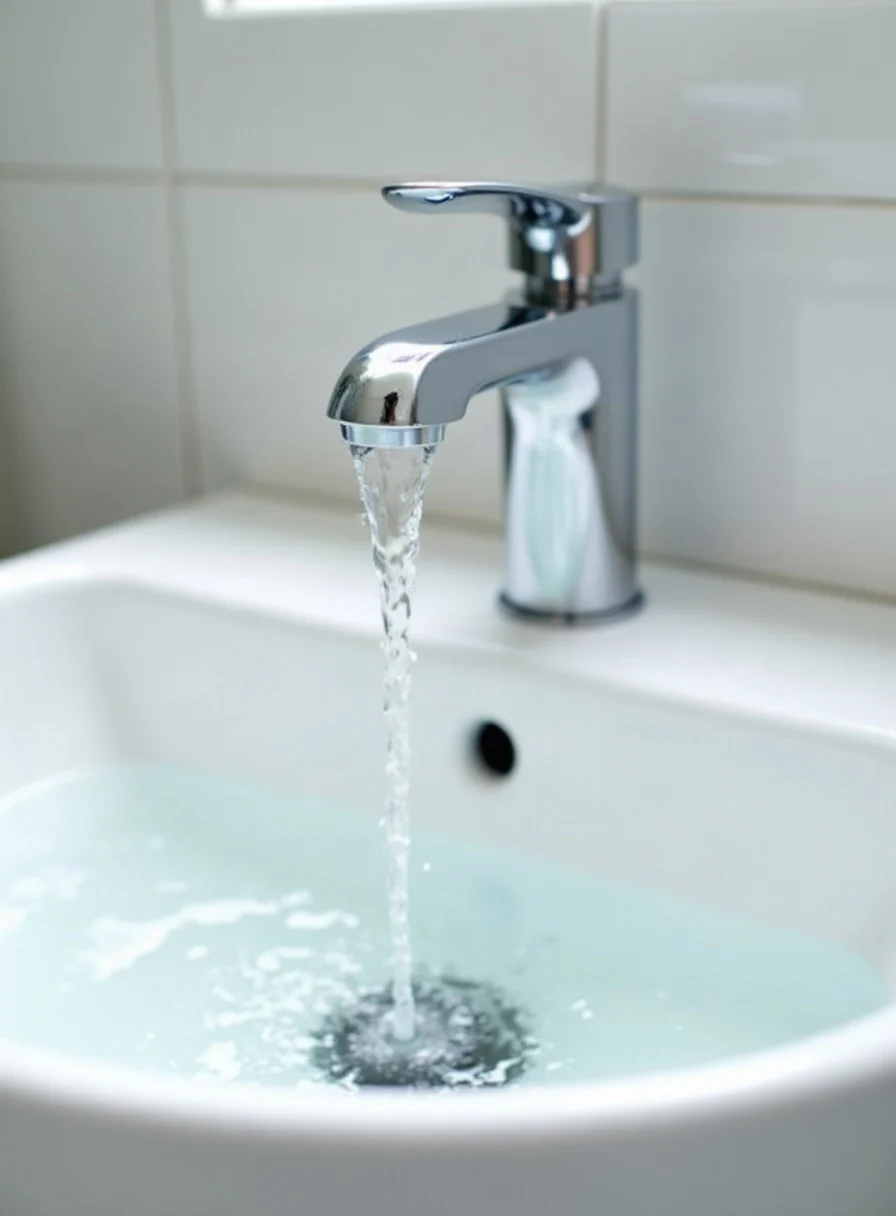
Where drain smells actually come from
Biofilm: the slimy layer you cannot see
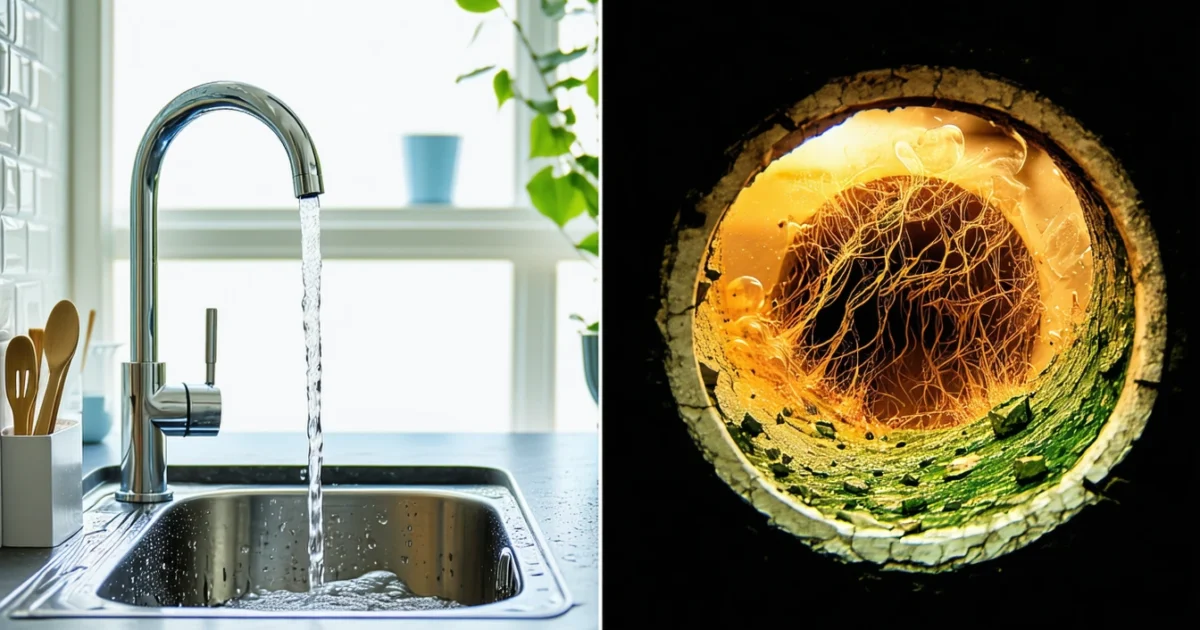
Biofilm is a thin, slimy layer of bacteria that sticks to the inside of the pipe and the trap. It thrives in warm, damp, nutrient-rich places, and a drain has all three. As the bacteria feed on soap, fat and skin cells, they release sulphur compounds that smell like rotten eggs. Because the film shields the bacteria, a quick squirt of ordinary cleaning products may freshen the top of the drain without removing the film itself. Regular scrubbing, flushing and the occasional enzyme treatment break the cycle.
Fat and food debris
Cooking oil, butter and fatty scraps cool and set inside pipes, coating the walls and catching whatever follows. Rice, pasta and coffee grounds add bulk and food for bacteria. The smell is heavy and greasy, and gets stronger in warm weather. Cabinets and drains share the same enemy, and the grease advice in our guide to removing grease from kitchen cabinets applies to the pipe as well: dissolve it with a detergent, then rinse it away rather than let it set.
Hair, soap scum and personal care products
Hair forms dense mats that trap soap scum, dead skin and conditioner. Soap reacts with hard-water minerals to make a chalky scum, which gives bacteria a rough surface to cling to. As these deposits break down they produce sour, stale, sometimes ammonia-like smells that return quickly after surface cleaning.
A trap that has dried out
Every sink, bath, shower and floor waste has a trap, a bend that holds a plug of water. That water is the barrier that keeps drain air in the drain. In a basin you rarely use, an unused spare bathroom or a utility floor drain, the water slowly evaporates, especially in a warm house, and drain air comes straight up. A trap can also lose water if the pipe is poorly vented and a rush of water elsewhere pulls the seal out, which is called siphonage.
Partial blockages
Water that drains slowly lingers, and waste that lingers rots. A partial blockage can also be a sign of scale, a collapsing pipe or roots in an outside drain. You may notice gurgling, a slow drain, or a smell that appears after the water has emptied.
Loose, cracked or badly fitted connections
Worn washers, cracked pipes, a poorly seated slip joint or a failed seal where a toilet meets its waste pipe can let drain air leak into the room. In UK homes, a failed air admittance valve, the small vent fitting some properties use instead of a vent pipe through the roof, can also cause smells and gurgling. These faults need inspection, and the next sections show you how to tell them from a dirty drain.
Which drain is it? Symptoms by room
Kitchen sink
Rancid, greasy, sometimes fishy smells point to decomposing food and fat. Meat scraps give a particularly strong putrid smell. Check the strainer basket, the underside of the plug and the trap first, because that is where food collects. Wipe the underside of the strainer and see our guide on how to clean a sink drain for the full routine.
Bathroom basin
A stale, musty or faintly sweet smell usually means hair and toothpaste on the stopper and in the overflow. Toothpaste leaves a hard film, while hair breaks down slowly in damp conditions and keeps smelling for as long as it is there. Lift the stopper and look, because the cause is often visible. Don’t forget the overflow slot near the rim, which connects to the same drain and is rarely cleaned.
Shower and bath
Hair, soap scum, shampoo residue and skin oil build up into a sour, mildewy mat. Standing water in the trap lets bacteria thrive. Long hair is the main culprit. Our shower drain cleaning guide covers the hair catcher, the cover and the trap step by step.
Utility room and washing machine
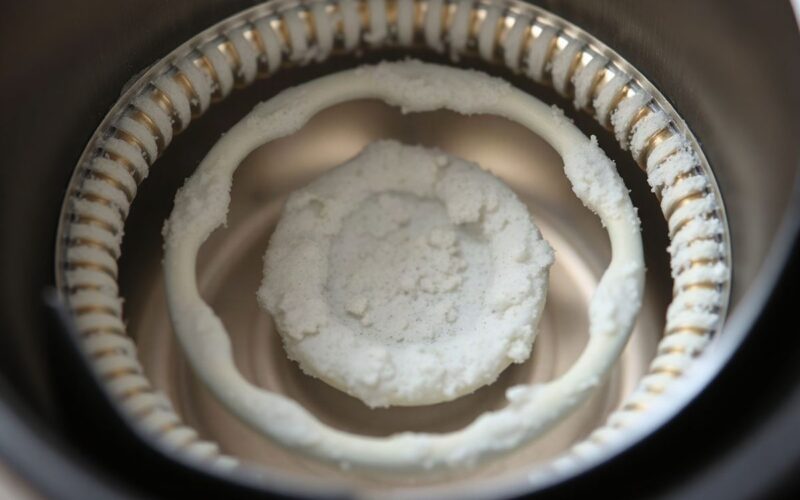
Lint, detergent and fabric softener leave a waxy, cement-like deposit in the standpipe and trap. A smell from the standpipe or from the machine itself often means the filter is dirty. See our page on cleaning the washing machine filter, and remember that dishwashers, washing machines and other appliances with a waste hose can all be the source.
Toilet
A smell around the base of a toilet can come from a loose or failed waste connection or a leaking seal. A toilet that bubbles or smells after you use a sink can mean a partial blockage in the shared pipe. If the toilet is slow to flush as well, start with how to unblock a toilet.
Signs that point beyond a dirty drain
- More than one drain smells, which suggests a shared pipe, the main drain or a vent problem.
- Water backs up in a bath, basin or toilet when another fixture is used.
- Gurgling or bubbling from drains, especially the toilet.
- Slow drainage everywhere in the house.
- Sewage or grey water visible in a gully, shower tray or manhole.
- A smell that varies with the weather, such as worse in wind or after heavy rain, which can point to vent or outside drain faults.
Sewer gas is mostly a nuisance at the levels you meet in a home. It contains hydrogen sulphide, which smells strongly of rotten eggs, and strong or lasting exposure can cause headaches and irritation. If a smell is strong, if people feel unwell, or if you cannot find the source, ventilate the room, stop using the affected fixtures and get a plumber. If there is any chance the smell is natural gas, follow the gas advice at the top of the page.
Fixes, from easiest to hardest
Work down this list and stop when the smell goes. Wear gloves, avoid mixing products, and keep the room ventilated.
Step 1: refill the trap
If the smell is from a basin, bath, shower or floor drain you rarely use, simply run the tap for a minute. Pour water into floor drains and, for a long absence, top up before you leave. If the smell comes back within a day or two, the seal is being lost somewhere, which is a venting or leak problem rather than a cleaning one.
Step 2: a hot water flush
Pour a kettle (2 to 3 litres) down slowly in three stages, with about 30 seconds between each. This melts light grease and soap and washes loose residue downstream. Use it weekly for upkeep. Plastic waste pipes and traps can soften under repeated boiling water, so for plastic pipework, or if you are unsure, use very hot tap water or let freshly boiled water stand for a minute or two first. Never pour boiling water into a cold ceramic basin without warming it with tap water first.
Step 3: washing-up liquid for grease
For kitchen drains, add two tablespoons of washing-up liquid to a litre of very hot (not boiling) water, stir lightly, and pour it slowly down the drain. Leave it for ten minutes and then flush with more hot water. The detergent breaks up the fat that plain water leaves behind. A weekly routine after greasy meals prevents the smell from building up.
Step 4: bicarbonate of soda and vinegar
Pour 100g of bicarbonate of soda straight into the drain, then add about 250ml of white vinegar. Cover the plughole with a plug or cloth for 15 minutes so the fizz works downwards, then flush with plenty of hot water. The reaction scrubs gently and neutralises sour smells, but it will not dissolve a solid mat of hair, as we explain in our page on whether baking soda and vinegar really clean. Use it monthly. Do not follow it with a chemical drain cleaner while it is still in the pipe.
Step 5: a salt and bicarb scrub overnight
Mix 50g of coarse salt with 50g of bicarbonate of soda, pour it into the drain, and leave it for two to three hours or overnight. Flush with hot water, and use a drain brush on any visible surfaces. Coarse salt scrubs better than fine table salt. It is a maintenance treatment for stubborn odours, not a blockage clearer.
Step 6: clean the cover, stopper and overflow
Lift out the plug, grid or stopper and soak it in hot soapy water for 15 to 20 minutes. Scrub grooves with an old toothbrush, rinse, and refit it so it sits properly with no gap. Clean the basin overflow with a bottle brush. This single step cures a surprising number of smells.
Step 7: remove and clean the trap
Put a bucket under the trap and lay a towel round it. Unscrew the slip nuts by hand, or with adjustable pliers wrapped in a cloth if they are stuck, and tip out the contents. Scrub the inside with a bottle brush, rinse with hot water, and check the washers for cracks. Refit with the washers seated square and the nuts hand-tight plus a little extra, then run the tap and check every joint for leaks. Do not over-tighten plastic fittings.
Step 8: snake or plunge
If the drain is slow as well as smelly, there is a physical blockage. Feed a drain snake in slowly while turning clockwise until you feel resistance, then work it gently to hook or break the blockage and withdraw it slowly, cleaning it as it comes out. Hand-cranked snakes suit basins and showers. A cup plunger works on flat surfaces such as shower drains and basins with the overflow blocked, while a flanged plunger is for toilets and should not be used on sinks, for hygiene reasons. Clean any plunger afterwards with disinfectant. Do not plunge or snake while a chemical cleaner is sitting in the pipe.
Step 9: an enzyme cleaner for the film
Enzyme or bio cleaners use living cultures and enzymes to digest organic matter. They are gentle on pipes and septic tanks, but they work slowly, over several hours, so apply them in the evening and leave them overnight without running water. Used monthly they help keep biofilm from reforming. They do not shift a solid plug or a hard mineral scale.
Step 10: a chemical unblocker, as a last resort
Caustic unblockers (sodium hydroxide) dissolve organic blockages and can act within the time on the label, but they can damage some pipes and traps, give off fumes and burn skin. Acid-based products are stronger still and are best left to professionals. Read the label for the pipe types it is rated for, wear gloves and eye protection, ventilate, never mix products, and never plunge afterwards. Our list of cleaning products you should never mix shows why. If it does not work, tell the plumber what you used. Foaming cleaners cling to the pipe walls for longer than liquids and can help with biofilm, and slow-release deodorising tablets or liquids only mask odours or slow regrowth. They do not replace cleaning.
| Tool | Purpose | Safety note |
|---|---|---|
| Drain snake | Removing deep hair and debris | Wear gloves. Turn gently and do not force it |
| Plunger | Pressure-based clearing | Keep a good seal and clean it afterwards |
| Adjustable pliers | Undoing stubborn slip nuts | Support the pipe. Do not over-tighten |
| Bucket and towel | Catching water and debris | Position it securely under the trap |
| Gloves and eye protection | Protection from bacteria and splashes | Use chemical-resistant gloves with cleaners |
Good lighting helps you see what you are doing, and keep a torch in the kit. Keep electrical items away from splashes, and ventilate if you are working with stagnant drain water. Wear gloves and wash your hands afterwards.
What is worth buying, and what to look for
None of these is essential for a first attempt, because the household methods above cost pennies. If you decide to buy something, here are the four types that make sense, with what to check on the label.
- Soda crystals (search soda crystals). Washing soda is a strong alkali that helps dissolve kitchen grease. Look for a plain, unperfumed pack and dissolve it in hot water before pouring. Wear gloves, never mix it with other products, and keep it off aluminium.
- Enzyme drain cleaner (search enzyme cleaners). Best for upkeep and recurring smells in sinks and showers. Look for a product that states it is suitable for your pipes and, if relevant, septic tanks. Use it at night and expect results over days, not minutes.
- Drain unblocker (search drain unblockers or a general drain unblocker). For a stubborn clog when physical methods have failed. Check the pipe types it is rated for, the contact time, and whether it is labelled for sinks, showers or toilets. Treat it as a last resort.
- Drain snake (search drain snakes). The most useful purchase for a smell caused by hair or a clog. A hand-cranked model with a comfortable handle is plenty for basins and showers. Rinse and dry it after use.
Hardware shops and supermarkets stock a wide range of drain products, and own-brand options are usually fine for routine jobs. Buy one product at a time, test it on one drain, and see whether it solves your problem before stocking up. We are not recommending any particular brand, because the right choice depends on your pipe material and the cause of the smell.
Stopping the smell coming back
A simple routine
- Weekly: run hot water through each drain for 30 to 60 seconds, and pour a kettle of hot water down the kitchen sink.
- Monthly: do the bicarb and vinegar treatment, or an enzyme dose if you use one, and clean strainers and stoppers.
- Every two to three weeks: run water in rarely used basins, baths and floor drains to keep the trap full.
- Every few months: check under sinks for leaks, damp or loose joints.
Keep fat and food out
Let cooking oil cool, pour it into a container, and put it in the general waste, not down the sink. Scrape plates into the bin before washing up. Even small amounts build up over time and feed the bacteria that produce hydrogen sulphide.
Catch hair and scraps
A mesh strainer in the kitchen and a hair catcher in the shower and basin cost very little and capture most of what causes smells. Empty them after use, because a full catcher smells in its own right.
Unused drains need water too
A spare bathroom, utility room or seasonal fixture should get a flush of water every couple of weeks, more often in warm weather or when the heating is on. If you are going away for a long time, check with a plumber about trap seal options for fixtures you cannot flush.
Get the system looked at occasionally
Older properties, or homes that have had repeated blockages, may benefit from a periodic inspection, and a CCTV survey can show root intrusion, damage or build-up in underground drains. A written record is also useful for insurance and for buying or selling. How often depends on the property, so ask the plumber rather than assuming a fixed interval. The Cleaners Guide home page lists the rest of our guides.
When it is not a DIY job
Call a plumber when the smell survives several different cleans, when it is in more than one drain, or when it comes with slow drainage, gurgling or backups. These point to a shared pipe, a vent fault or the main drain.
Stop and call someone if
- Sewage or grey water is coming up in a shower, bath, gully or manhole.
- Several fixtures are slow or gurgling at once.
- The smell is strong, or comes with headaches or other symptoms.
- You can see a cracked pipe, a failed seal or damp around a toilet base.
- The smell worsens in particular weather, suggesting a vent or outside drain problem.
- A chemical product has not worked and you are unsure what to do next.
Who to call, and what to expect
A plumber can inspect the system, find the source with a camera, and clear blockages with rods or high-pressure water. Look for someone registered with a recognised trade scheme, ask what the job will involve before they start, and get a written quote. Prices vary a great deal by region, time of day and the work needed, so we do not quote figures here. Ask about a guarantee on the work.
If the problem is in a drain outside your property boundary or in a shared pipe, responsibility may lie with the water company or your neighbours, so check before you pay for work. In rented homes, report it to the landlord rather than arranging repairs yourself.
Seven questions about smelly drains
Why does my drain smell like rotten eggs?
The smell is usually hydrogen sulphide, produced by bacteria breaking down waste in biofilm, in the trap or on the pipe walls. A dry trap can let the same smell come up from the drain. Clean the plughole and stopper, run bicarb and vinegar, flush with hot water, and refill any unused traps. If you smell it near gas pipework, treat it as a gas leak.
Is bleach a good way to get rid of a drain smell?
Not usually. Bleach can mask smells for a short while, but it does not dissolve grease or hair and can be harsh on some pipes. It also reacts with other products, such as acidic cleaners and ammonia, to release dangerous gases. Mechanical cleaning, a hot flush and an enzyme or bicarbonate treatment are safer and tackle the cause.
Why does my drain smell worse at night or after rain?
Warm, still air in a closed bathroom or kitchen makes smells easier to notice, and many houses are quietest at night. After heavy rain, outside gullies and shared drains can fill and push air back through vents or dry traps. If the smell tracks the weather, check the gully grid and trap, and ask a plumber to look at the venting.
Can a smelly drain make you ill?
A smell from a dirty basin trap is mostly unpleasant rather than dangerous. Strong or lingering sewer smells can cause headaches or irritation, and raw sewage carries bacteria and viruses, so stay away from it and wash your hands. If people feel unwell, the smell is intense, or you suspect gas, ventilate and seek help.
Why does my shower drain still smell after cleaning?
Hair and soap scum often sit below the cover where you cannot see them. Lift the grate, pull out the hair, scrub the underside, and treat the trap with bicarb, vinegar and a hot flush. If it still smells, check for a dry trap in a rarely used shower, or a damaged seal or connection under the tray.
Why does my washing machine drain smell?
Lint, detergent and fabric softener leave a sticky film in the filter, hose and standpipe. Clean the filter, run a hot wash with a washing machine cleaner, and leave the door open to dry. A standpipe that smells even when the machine is idle may need its trap cleaning or refilling.
How often should I clean my drains to stop smells?
A weekly hot flush and a monthly bicarb and vinegar or enzyme treatment suit most households. Kitchens need more attention because of grease, and bathrooms benefit from regular hair removal. Unused drains simply need water running through them every couple of weeks.