How to Clean a Sink Drain: Complete Step-by-Step Guide

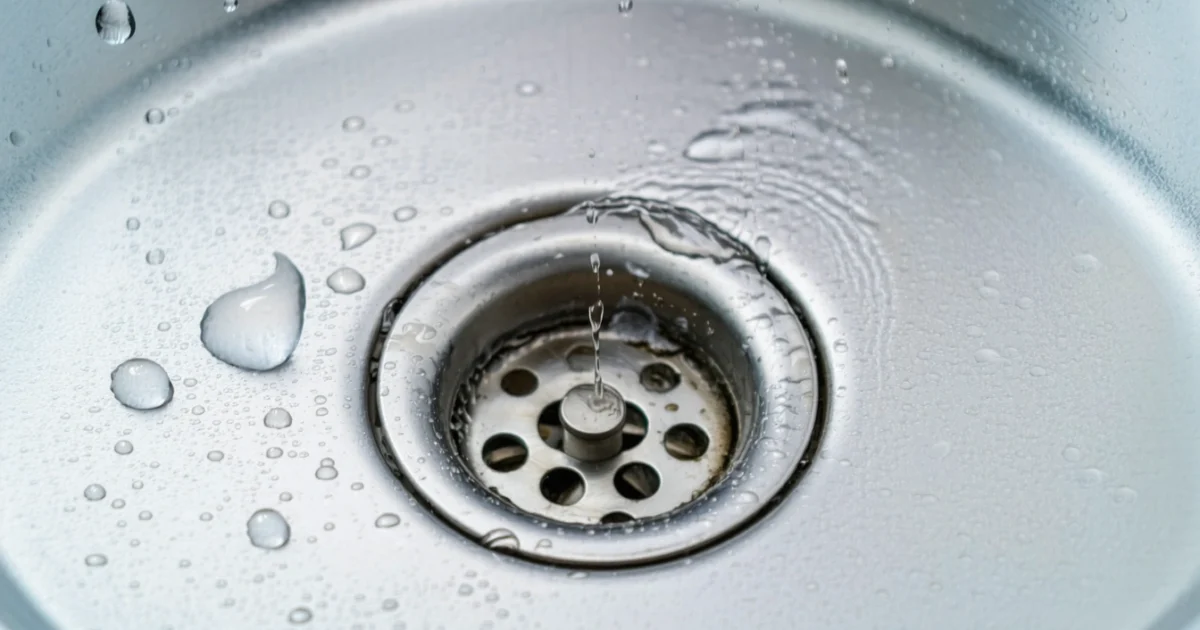
How to clean a sink drain effectively involves using natural methods like baking soda and vinegar, mechanical tools, or chemical cleaners depending on the severity of buildup. Regular drain maintenance prevents clogs, eliminates odors, and keeps water flowing freely through your kitchen and bathroom sinks. Most drain cleaning tasks can be accomplished with common household items, though persistent blockages may require professional attention.
Understanding your drain system is crucial before starting any cleaning process. Kitchen drains typically deal with grease and food particles, while bathroom drains accumulate hair, soap scum, and toothpaste residue. Additionally, both types feature a P-trap that can harbor bacteria and create unpleasant smells if not properly maintained.
Natural cleaning methods using baking soda, white vinegar, and hot water prove effective for most routine maintenance. However, stubborn clogs may require drain snakes, plungers, or careful use of chemical cleaners. Persistent drain odors often indicate deeper issues that need thorough cleaning or professional intervention.
TL;DR
- Natural methods work best: Use baking soda, vinegar, and hot water for regular maintenance and light clogs
- Different drains need different approaches: Kitchen drains require grease removal while bathroom drains need hair and soap scum treatment
- Prevention is key: Regular cleaning, drain screens, and avoiding problematic materials prevents major blockages and expensive repairs
Understanding Your Sink Drain System
Every sink drain system consists of several interconnected components that work together to remove wastewater while preventing sewer gases from entering your home. Understanding these parts helps you identify where problems occur and choose the most effective cleaning approach for your specific situation.
Basic Anatomy of Sink Drains
The drain strainer sits at the surface level, catching large debris before it enters your plumbing system. Below this, the drain stopper mechanism controls water flow and often accumulates hair, soap residue, and other materials that create blockages.
Beneath your sink, the P-trap forms the most critical component of your drain system. This curved pipe section holds water permanently, creating a barrier that prevents sewer gases from rising through the drain. Unfortunately, the P-trap’s design also makes it a prime location for debris accumulation and bacterial growth.
Additionally, the tailpiece connects your drain to the P-trap, while the drain arm extends horizontally into your wall’s waste line. These connections often develop leaks or clogs that require specific cleaning approaches.
Kitchen vs Bathroom Sink Drain Differences
Kitchen sink drains face unique challenges compared to bathroom drains. Kitchen drains primarily deal with grease, food particles, and cooking oils that solidify as they cool. These substances create thick, sticky blockages that require different cleaning methods than other drain problems.
Conversely, bathroom sink drains accumulate hair, soap scum, toothpaste residue, and skincare products. Hair combines with soap to form dense mats that trap other debris, while soap scum creates slippery films that reduce water flow efficiency.
Furthermore, kitchen drains often feature garbage disposal units that add complexity to the cleaning process. Meanwhile, bathroom drains typically have pop-up stoppers with more intricate mechanisms that require careful handling during cleaning procedures.
Common Causes of Drain Problems
Grease accumulation represents the primary cause of kitchen drain blockages. When cooking oils cool, they solidify and coat pipe walls, gradually reducing water flow. Over time, this grease layer traps food particles and creates increasingly severe blockages.
In bathroom drains, hair buildup creates the most frequent problems. Long hair wraps around drain components, while short hair combines with soap to form dense clogs. These hair masses expand when wet, completely blocking water flow in severe cases.
Soap scum formation affects both kitchen and bathroom drains differently. Kitchen soap scum mixes with food grease, while bathroom soap scum combines with hair and skincare products. Both types create slippery surfaces that trap additional debris and reduce drainage efficiency.
Moreover, mineral deposits from hard water gradually build up in drain pipes, narrowing the opening and creating rough surfaces that catch debris more easily. These deposits require specific cleaning agents to dissolve effectively.
Warning Signs Your Drain Needs Cleaning
Slow drainage serves as the earliest indicator of developing blockages. Water that takes longer than usual to disappear suggests partial obstructions that will worsen without intervention. This symptom often appears weeks before complete blockages occur.
Persistent unpleasant odors indicate bacterial growth in your drain system. These smells typically originate from the P-trap, where trapped debris decomposes and creates hydrogen sulfide gases. Drain odor problems require immediate attention to prevent health issues and further complications.
Additionally, gurgling sounds during drainage suggest air displacement caused by partial blockages. These noises indicate that water cannot flow freely through your pipes, forcing air bubbles to escape through the drain opening.
Finally, water backup represents the most severe warning sign, indicating complete or near-complete blockages. When water pools in your sink basin instead of draining, immediate action prevents potential overflow and water damage to surrounding areas.
Professional Help Needed
Essential Tools and Materials for Sink Drain Cleaning
Successful drain cleaning requires the right combination of tools and materials. Furthermore, understanding when to use natural versus chemical solutions ensures both effectiveness and safety for your plumbing system.
Basic Household Items for Natural Cleaning
Baking soda serves as the foundation for most natural drain cleaning solutions. This alkaline compound breaks down grease and neutralizes acidic odors effectively. Additionally, its abrasive texture helps scrub away stubborn buildup from pipe walls.
White vinegar provides the acidic component needed to dissolve mineral deposits and soap scum. When combined with baking soda, vinegar creates a fizzing reaction that loosens debris and pushes it through your drainage system. However, this combination works best for maintenance rather than severe blockages.
Dish soap cuts through grease and oil buildup that commonly accumulates in kitchen sink drains. Its surfactant properties help break down fatty deposits that trap food particles and create stubborn clogs. Moreover, dish soap lubricates the drain, allowing debris to flow more easily.
Hot water activates cleaning agents and melts grease deposits that solidify in cool pipes. Water heated to 160-180°F dissolves soap scum and flushes loosened debris through your plumbing system. Nevertheless, avoid boiling water in PVC pipes, which can warp under extreme temperatures.
Specialized Cleaning Tools
A drain snake (also called a drain auger) reaches deep into pipes to break up solid blockages. These flexible cables extend 25-50 feet into your drainage system, allowing you to physically remove hair clumps and debris that chemicals cannot dissolve. Professional plumbers recommend hand-crank models over electric versions for home use.
Cup plungers create pressure changes that dislodge minor blockages near the drain opening. The suction and pressure action breaks up soft clogs and pushes debris through the P-trap. However, plungers work best on bathroom sinks where you can create a proper seal around the drain.
Pipe brushes scrub away buildup from drain walls and stopper mechanisms. These long-handled brushes reach into curved sections where debris typically accumulates. Furthermore, their stiff bristles remove soap scum and mineral deposits that other tools cannot reach effectively.
Safety Equipment Requirements
Rubber gloves protect your hands from bacteria, chemicals, and sharp debris during drain cleaning. Extended contact with drain water exposes you to harmful microorganisms that cause skin infections. Additionally, gloves provide better grip when handling wet tools and materials.
Eye protection prevents splashing chemicals and debris from causing eye injuries. Safety glasses become essential when using drain snakes or plungers, which can cause sudden splashing. Moreover, chemical cleaners release vapors that irritate eyes and respiratory systems.
Proper ventilation ensures adequate airflow when using any cleaning products. Open windows and run exhaust fans to prevent vapor buildup in enclosed spaces. This precaution becomes critical when combining different cleaning agents or using commercial drain cleaners.
Natural vs. Chemical Cleaner Selection
Natural cleaners work best for regular maintenance and minor blockages caused by soap scum or light grease buildup. The baking soda and vinegar combination effectively maintains drain flow and eliminates odors without damaging pipes. These solutions cost less and pose minimal environmental risks.
Chemical drain cleaners become necessary for severe blockages that resist natural methods. Commercial products containing sodium hydroxide or sulfuric acid dissolve hair clumps and heavy grease deposits quickly. However, these chemicals can damage older pipes and create toxic fumes requiring proper ventilation.
Consider your pipe material when choosing cleaning methods. PVC pipes tolerate most natural cleaners but may weaken under repeated chemical exposure. Cast iron pipes resist chemical damage but corrode faster when exposed to acidic natural cleaners over time.
Professional plumbers recommend starting with natural methods before escalating to chemical solutions. This approach minimizes pipe damage while addressing most common drainage issues. If natural methods fail after 2-3 attempts, chemical cleaners or professional intervention may be necessary to resolve stubborn blockages.
Additionally, never mix different types of cleaners, as this creates dangerous chemical reactions. Wait at least 24 hours between using natural and chemical products to prevent potentially hazardous interactions in your drainage system.
Step-by-Step Guide: Natural Drain Cleaning Methods
Natural drain cleaning methods provide safe and effective solutions for maintaining sink drains without harsh chemicals. These techniques use common household items to dissolve buildup, eliminate odors, and restore proper drainage flow. Moreover, natural methods protect your pipes from corrosive damage while being environmentally friendly.
Hot Water Flush Technique for Light Buildup
The hot water flush method serves as the simplest approach for addressing light soap scum and minor debris accumulation. This technique works particularly well for bathroom sink drains that collect toothpaste residue and shaving cream.
- Boil 2-3 litres of water in a large pot or kettle
- Remove any visible debris from the drain opening using tweezers or your fingers
- Pour the boiling water down the drain in 2-3 steady streams, allowing 10 seconds between each pour
- Run cold tap water for 30 seconds to flush away loosened particles
- Repeat the process if drainage remains slow after the first attempt
Hot water dissolves soap residue and melts light grease deposits that accumulate along pipe walls. Furthermore, the thermal shock helps dislodge particles that restrict water flow through the drainage system.
Baking Soda and Vinegar Method: Detailed Process and Timing
The baking soda and vinegar combination creates a natural foaming action that breaks down organic buildup and neutralizes drain odors. This chemical reaction produces carbon dioxide bubbles that help scrub pipe walls and dislodge stubborn debris.
- Pour ½ cup of baking soda directly into the drain opening
- Follow immediately with 1 cup of white vinegar poured slowly to maximize contact
- Cover the drain with a wet cloth or stopper to contain the foaming reaction
- Allow the mixture to work for 15-30 minutes depending on buildup severity
- Flush with hot water for 2-3 minutes to remove loosened debris
- Test drainage flow and repeat if necessary after 24 hours
Professional plumbers recommend this method for regular maintenance because the alkaline baking soda neutralizes acidic buildup while vinegar dissolves mineral deposits. However, avoid using this technique on natural stone sinks as vinegar can etch marble or granite surfaces.
The baking soda and vinegar reaction reaches peak effectiveness within the first 5 minutes, making proper timing crucial for optimal results
Dish Soap and Hot Water Treatment for Grease
Kitchen sink drains accumulate grease and food particles that require specialized treatment to prevent stubborn blockages. Dish soap contains surfactants that break down oil-based deposits effectively when combined with hot water.
- Squirt 3-4 tablespoons of liquid dish soap directly into the drain
- Boil 1 litre of water and let it cool for 2-3 minutes to prevent pipe damage
- Pour the hot water slowly down the drain in a steady stream
- Allow the solution to sit for 20-30 minutes to penetrate grease deposits
- Flush with additional hot water while running the garbage disposal if present
- Rinse with cold water for 1 minute to solidify any remaining grease for easier removal
This method works particularly well after cooking meals that involve oils, butter, or fatty foods. Additionally, the soap creates a slippery surface that helps future debris flow through the system more easily. For best results, use this treatment weekly in busy kitchen sinks.
Salt and Baking Soda Scrub for Stubborn Residue
The salt and baking soda combination provides abrasive action that mechanically removes tough buildup while creating an alkaline environment that breaks down organic matter. This method works exceptionally well for drains with persistent odor issues.
- Mix ½ cup coarse salt with ½ cup baking soda in a bowl
- Pour the mixture down the drain, ensuring it reaches the pipe walls
- Add 6 cups of boiling water immediately to activate the cleaning action
- Let the solution work overnight for 8-12 hours without using the sink
- Flush with hot tap water for 5 minutes the following morning
- Run cold water for 2 minutes to remove any remaining salt crystals
Salt acts as a natural scouring agent that removes mineral deposits and soap scum without scratching pipe surfaces. Meanwhile, baking soda neutralizes acidic odors and creates an inhospitable environment for bacteria growth. This combination proves especially effective for eliminating persistent drain smells that resist other natural methods.
Pro Tip
These natural cleaning methods require patience and consistent application for optimal results. Therefore, establish a regular maintenance schedule using these techniques to prevent serious blockages that might require professional intervention or harsh chemical treatments.
How to Clean Kitchen Sink Drains
Kitchen sink drains require specialized cleaning approaches due to grease accumulation, food particles, and unique plumbing configurations. Unlike bathroom drains, kitchen drains face constant exposure to cooking oils, soap residue, and organic matter that create stubborn blockages and persistent odors.
Dealing with Garbage Disposal Units During Cleaning
Garbage disposals complicate drain cleaning procedures but respond well to targeted maintenance techniques. Always disconnect power at the circuit breaker before performing any cleaning tasks involving the disposal unit itself.
Start by removing visible debris from the disposal chamber using tongs or pliers—never use your hands. Drop ice cubes into the disposal and run it for 30 seconds to sharpen the blades and dislodge stuck particles. Follow this with citrus peels to freshen the unit naturally.
For deep cleaning, create a disposal-safe mixture using ½ cup baking soda and ¼ cup salt. Pour this combination into the disposal, add cold water, and run the unit for 10 seconds. Subsequently, flush with hot water for 2 minutes to remove loosened debris from the drain pipes below.
Safety First
Removing Grease and Food Particle Buildup
Grease buildup creates the most challenging cleaning scenarios in kitchen drains because fats solidify and trap other debris. Hot water alone cannot dissolve established grease deposits effectively.
Begin grease removal by pouring 6 cups of boiling water down the drain to soften surface-level deposits. Immediately follow with a mixture of 1 cup white vinegar and ½ cup baking soda. This combination creates a foaming action that breaks down grease molecules and lifts trapped food particles.
Allow the mixture to work for 15 minutes before flushing with another round of boiling water. For persistent grease problems, repeat this process twice weekly until the drain flows freely. Additionally, consider using deep kitchen cleaning techniques to address grease sources throughout your cooking area.
- Weekly maintenance: Pour boiling water down drains after washing greasy dishes
- Monthly treatment: Use the vinegar-baking soda method for preventive cleaning
- Quarterly deep clean: Remove and scrub the P-trap to eliminate accumulated grease
Cleaning Around and Under the Sink Strainer
The sink strainer area collects the heaviest concentration of debris and requires thorough attention during cleaning sessions. Food particles, soap scum, and mineral deposits accumulate around the strainer rim and underneath the removable basket.
Remove the strainer basket completely and soak it in hot, soapy water for 10 minutes. Meanwhile, use an old toothbrush to scrub around the strainer housing, focusing on the rubber gasket and metal threads where buildup commonly occurs.
Clean the exposed drain opening using a flashlight to identify problem areas. Apply a paste made from baking soda and water to stubborn deposits, let it sit for 5 minutes, then scrub with a bottle brush or pipe cleaner. Rinse thoroughly with hot water to remove all cleaning residue.
Inspect the strainer basket for damage or excessive wear that might allow larger particles to pass through. Replace damaged strainers immediately to prevent future drain problems and maintain proper filtration of food debris.
Special Considerations for Double-Basin Sinks
Double-basin sinks present unique challenges because both drains typically connect to a shared P-trap, allowing clogs in one side to affect water flow in the other basin.
Clean both basins simultaneously to prevent cross-contamination of debris. Block one drain with a wet cloth or stopper while treating the other side—this creates better pressure for dislodging blockages and prevents cleaning solutions from flowing between basins.
Pay special attention to the connecting pipe between basins, which often accumulates debris that standard cleaning methods miss. Use a drain snake or auger to clear this connection point if water backs up from one basin to the other during normal use.
| Basin Type | Cleaning Frequency | Special Requirements |
|---|---|---|
| Primary (with disposal) | Weekly | Ice cube treatment, citrus freshening |
| Secondary (prep sink) | Bi-weekly | Focus on vegetable debris, starch buildup |
| Connecting pipes | Monthly | Snake cleaning, pressure flushing |
Test both drains after cleaning by running water simultaneously in both basins. Proper drainage occurs when water flows smoothly from each side without backing up or creating gurgling sounds. If problems persist, the issue likely exists in the shared plumbing components that require professional attention.
How to Clean Bathroom Sink Drains
Bathroom sink drains accumulate unique debris that requires specific cleaning approaches. Hair, soap scum, toothpaste residue, and cosmetic products create stubborn blockages that differ significantly from kitchen sink problems. Understanding these materials helps you choose the most effective cleaning methods for your bathroom drain maintenance.
Removing Hair and Soap Scum Effectively
Hair removal forms the foundation of effective bathroom drain cleaning because hair strands trap other debris and create expanding blockages. Start by removing the drain stopper or strainer to access visible hair accumulation. Use needle-nose pliers or tweezers to pull out hair clumps, working systematically from the surface downward.
For hair deeper in the drain, create a simple hook tool using a wire coat hanger straightened and bent into a small hook shape. Insert the hook carefully and twist gently to catch hair bundles without pushing debris further down the pipe.
Soap scum dissolving requires alkaline solutions that break down fatty acids in soap residue. Mix equal parts baking soda and salt, then pour this mixture down the drain followed by hot water. The abrasive action combined with alkaline properties effectively removes soap buildup that coats drain walls.
Commercial enzyme cleaners specifically target organic matter like hair and soap scum. These biological cleaners work slowly but thoroughly, breaking down protein structures in hair while dissolving soap films without harsh chemicals that might damage pipes.
Cleaning Pop-Up Drain Stoppers Without Removal
Pop-up stoppers collect debris on their undersides and around their connection points, creating cleaning challenges when removal seems difficult. However, effective cleaning methods work around these mechanisms without requiring disassembly.
Push the stopper to its fully open position to maximize access to the drain opening. Use an old toothbrush dipped in warm soapy water to scrub around the stopper edges and visible connection points where debris typically accumulates.
Create a cleaning paste using baking soda and dish soap for stubborn residue around stopper mechanisms. Apply this paste with a small brush, allowing it to sit for 10 minutes before scrubbing and rinsing thoroughly with hot water.
For deeper cleaning without removal, pour a mixture of hot water and white vinegar down the drain while manipulating the stopper up and down several times. This action helps dislodge debris caught in the mechanism while the acidic solution dissolves mineral deposits.
Addressing Toothpaste and Cosmetic Residue
Toothpaste residue creates particularly stubborn blockages because it contains thickening agents and fluoride compounds that harden when mixed with water and other bathroom debris. These substances require specific dissolution techniques that target their chemical composition.
Start with hot water flushing to soften hardened toothpaste deposits. Follow immediately with a mixture of warm water and liquid dish soap, which breaks down the binding agents in toothpaste formulations. Pour this solution slowly down the drain and allow it to work for 15 minutes.
Cosmetic residue removal depends on the product types involved, as makeup, lotions, and hair products contain different base ingredients. Oil-based cosmetics respond well to degreasing dish soap, while water-based products dissolve more easily with alkaline solutions.
Create a comprehensive cosmetic cleaner by combining equal parts white vinegar and warm water with a few drops of liquid dish soap. This solution addresses both oil-based and water-based cosmetic residues while providing mild acidity to dissolve mineral deposits that often accompany cosmetic buildup.
Dealing with Mineral Deposits from Hard Water
Hard water creates calcium and magnesium deposits that coat drain pipes and reduce water flow over time. These mineral buildups require acidic solutions to dissolve effectively, but the approach must balance effectiveness with pipe safety.
White vinegar provides the safest acidic treatment for mineral deposits in bathroom drains. Heat two cups of white vinegar to just below boiling point, then pour it slowly down the drain. The heated acid works more effectively than cold vinegar while remaining safe for most pipe materials.
For severe mineral buildup, create a more aggressive treatment using citric acid powder available at grocery stores. Dissolve two tablespoons of citric acid in one cup of hot water, then pour this solution down the drain followed by hot water after 30 minutes.
Prevent future mineral deposits by performing weekly hot water flushes and monthly vinegar treatments. Regular maintenance prevents heavy buildup that requires stronger chemical interventions or professional cleaning services.
If mineral deposits persist despite regular cleaning, consider that the problem might extend beyond the visible drain area. Persistent drain issues often indicate deeper plumbing problems that require professional assessment and treatment.
Weekly Maintenance Schedule
Removing and Cleaning Sink Drain Stoppers
Sink drain stoppers accumulate soap scum, hair, and debris that create unpleasant odours and reduce drainage efficiency. Therefore, regular stopper removal and cleaning prevents these issues while maintaining optimal water flow. Different stopper types require specific removal techniques to avoid damage during the cleaning process.
How to Safely Remove Different Types of Stoppers
Pop-up stoppers connect to a horizontal rod beneath the sink through a pivot mechanism. First, locate the pivot rod under the sink and unscrew the retaining nut by hand. Next, pull the pivot rod out partially to release the stopper connection, then lift the stopper straight up from the drain opening.
Lift-and-turn stoppers feature a knob that twists to open and close the drain. Turn the stopper counterclockwise while lifting gently until it disengages from the drain body. Some models require pressing down slightly before turning to release the threading mechanism.
Push-pull stoppers operate through a simple up-and-down motion without threading. Grasp the stopper firmly and pull straight up with steady pressure. If resistance occurs, twist slightly left and right while pulling to break any soap buildup seal.
Toe-touch stoppers activate by pressing with your foot and may require special removal techniques. Look for a small screw at the top center of the stopper cap. Unscrew this fastener counterclockwise, then lift the entire stopper assembly from the drain.
Cleaning Techniques for Various Stopper Materials
Chrome and stainless steel stoppers respond well to mild abrasive cleaning without scratching. Create a paste using baking soda and water, then scrub with an old toothbrush to remove soap residue and mineral deposits. Rinse thoroughly and dry with a soft cloth to prevent water spots.
Brass and bronze stoppers require gentler treatment to preserve their finish and prevent tarnishing. Mix equal parts white vinegar and warm water in a bowl, then soak the stopper for 15 minutes. Scrub gently with a soft brush, focusing on crevices where debris accumulates most heavily.
Plastic stoppers tolerate stronger cleaning solutions without damage concerns. Soak in hot water with dish soap for 30 minutes to soften stubborn buildup. Additionally, use an old toothbrush with baking soda paste to scrub textured surfaces where bacteria and mould often develop.
For all stopper materials, pay special attention to the underside where hair and soap create the most persistent buildup. This area often harbours bacteria that contribute to drain odours, making thorough cleaning essential for odour elimination.
Inspecting and Cleaning the Drain Assembly
With the stopper removed, examine the drain body for accumulated debris and mineral deposits. Use a torch to illuminate the drain opening and identify areas requiring focused cleaning attention. Hair clumps often wrap around the drain crossbars and require manual removal with tweezers or needle-nose pliers.
Clean the drain body using a bottle brush or old toothbrush to reach curved surfaces effectively. Apply baking soda directly to stubborn spots, then scrub with circular motions to break down soap scum and organic matter. The abrasive action removes buildup while the alkaline properties neutralise acidic odours.
Inspect the pivot rod hole in pop-up drain assemblies for blockages that impede stopper operation. Furthermore, clean this opening with a cotton swab dipped in rubbing alcohol to remove grease and debris. Proper pivot rod movement ensures smooth stopper function after reassembly.
Check the drain flange threads for damage or excessive buildup that might prevent proper stopper seating. Clean these threads with an old toothbrush and degreasing dish soap to ensure the stopper creates an effective seal when reinstalled.
Proper Reinstallation Procedures
Before reinstalling any stopper, ensure all components are completely dry to prevent immediate soap scum formation. Apply a thin layer of plumber’s silicone grease to threaded connections and pivot points to maintain smooth operation and prevent corrosion.
For pop-up stoppers, insert the stopper into the drain opening first, ensuring proper alignment with the pivot rod hole. Reconnect the pivot rod through the stopper connection point, then hand-tighten the retaining nut. Test the stopper operation by moving the lift rod to verify smooth opening and closing action.
Threaded stoppers require careful alignment to prevent cross-threading damage. Start threading by hand, turning clockwise until resistance indicates full engagement. Never force threaded connections, as this can damage both the stopper and drain body threads permanently.
Test the reinstalled stopper by filling the sink with water to check for leaks around the drain seal. A properly installed stopper should hold water without any visible leakage around the drain flange. If leaks occur, remove the stopper and check for debris on the sealing surfaces.
Regular stopper maintenance prevents the heavy buildup that makes removal difficult and cleaning time-consuming. Understanding drain odour causes helps identify when stopper cleaning becomes necessary before problems worsen significantly.
Eliminating Sink Drain Odors
Sink drain odors typically originate from bacterial growth, decomposing food particles, or dried P-trap seals that allow sewer gases to escape. The drain’s moist environment provides ideal conditions for bacteria to multiply and produce hydrogen sulfide gas, creating that distinctive rotten egg smell. Additionally, soap scum and grease accumulation trap organic matter that decomposes over time.
Kitchen sink drains often smell worse than bathroom drains because food waste creates more substantial bacterial colonies. Furthermore, garbage disposal units can harbor bacteria in their grinding chambers, contributing to persistent odors that cleaning the visible drain cannot eliminate. Understanding the odor source helps determine the most effective treatment approach.
Natural Deodorizing Solutions
Lemon juice provides natural antibacterial properties while leaving a fresh citrus scent that neutralizes drain odors effectively. Cut a fresh lemon in half and squeeze the juice directly into the drain, then drop the lemon halves down the disposal if present. The citric acid breaks down soap scum while the natural oils coat drain surfaces with a pleasant fragrance.
Essential oils offer concentrated deodorizing power when mixed with carrier solutions for drain treatment. Mix 10 drops of tea tree oil with one cup of hot water, then pour slowly down the drain to kill bacteria and eliminate odors. Alternatively, peppermint or eucalyptus oils provide antimicrobial benefits while creating long-lasting freshness.
The classic baking soda and vinegar combination creates a fizzing reaction that loosens debris while neutralizing acidic and basic odor compounds. Pour half a cup of baking soda down the drain, followed by one cup of white vinegar. Cover the drain with a stopper for 15 minutes to contain the reaction, then flush with hot water to remove loosened material.
Professional Tip
Deep Cleaning the P-Trap
Persistent drain odors often require P-trap removal and cleaning to eliminate accumulated debris that surface treatments cannot reach. The P-trap’s curved design traps water to prevent sewer gases from entering your home, but this same curve collects hair, soap residue, and organic matter that creates stubborn odors.
Before removing the P-trap, place a bucket underneath to catch trapped water and debris. Loosen the slip nuts on both ends of the curved section using channel lock pliers, turning counterclockwise to remove. Empty the trap contents into the bucket, then scrub the interior with an old toothbrush and degreasing dish soap to remove all buildup.
Inspect the P-trap for cracks or worn gaskets that might allow sewer gases to escape even when properly sealed with water. Replace damaged components before reinstalling to ensure effective odor prevention. Additionally, check that the trap maintains proper water levels after reinstallation by running water and observing the seal.
Preventing Future Odor Problems
Regular maintenance prevents odor-causing buildup before it becomes problematic and requires intensive cleaning efforts. Weekly hot water flushes help dissolve soap residue and flush away loose debris that could decompose and create odors. Pour a kettle of boiling water down the drain slowly to avoid thermal shock to pipes.
Installing a drain strainer catches hair and food particles before they enter the drain system and decompose. Clean strainers after each use to prevent trapped material from creating odors at the sink surface. Moreover, avoid pouring grease down drains, as it solidifies and traps other debris while providing food for bacteria.
Monthly enzyme treatments break down organic matter naturally without harsh chemicals that can damage pipes or beneficial bacteria. Understanding drain odor causes helps identify problems early before they require extensive cleaning procedures. These biological cleaners work continuously to digest waste and maintain clean, odor-free drains.
Ensure P-traps maintain adequate water seals by running water in infrequently used sinks weekly. Evaporated trap water allows sewer gases to enter your home directly, creating immediate odor problems that seem to appear without warning. This simple prevention step costs nothing but saves significant cleaning time and unpleasant odors.
When to Use Mechanical Cleaning Methods
Mechanical cleaning methods become necessary when chemical solutions fail to resolve persistent drainage issues or stubborn blockages. These physical techniques work by directly removing clogs, scraping away buildup, and physically dislodging debris that chemical cleaners cannot dissolve. Additionally, mechanical methods prove essential for accessing visible blockages in exposed pipe sections where manual removal offers the most efficient solution.
Consider mechanical approaches when water drains slowly despite multiple chemical treatments, indicating solid obstructions rather than organic buildup. Furthermore, use these methods for hair clogs, soap scum accumulation, and foreign objects that require physical extraction rather than chemical dissolution.
Using a Drain Snake for Stubborn Clogs
Drain snakes effectively remove deep blockages that plungers cannot reach, particularly hair clogs and debris lodged several feet down the drain pipe. Insert the snake slowly while rotating the handle clockwise to help the auger grab onto obstructions. When you feel resistance, continue rotating and gently push forward to break through or hook the blockage.
Retrieve the snake slowly while maintaining rotation to pull trapped material back up the drain. Clean the auger thoroughly between attempts to prevent redistributing debris throughout the pipe system. Most bathroom sink drain clogs occur within the first two feet of the drain opening, making manual drain snakes highly effective for these applications.
Electric drain snakes provide additional power for severely impacted clogs but require careful handling to avoid pipe damage. Always start with manual snakes before considering powered options, as excessive force can damage older pipes or push clogs deeper into the system.
Proper Plunging Techniques for Sink Drains
Sink plungers differ from toilet plungers and feature flat cups designed to create proper seals around sink drain openings. Block the overflow opening with a wet cloth before plunging to ensure maximum pressure reaches the clog rather than escaping through secondary openings.
Fill the sink with enough water to cover the plunger cup completely, creating an effective hydraulic seal. Push down firmly and pull up sharply to create alternating pressure that dislodges blockages through hydraulic force. Repeat this motion 15-20 times before checking drainage improvement.
- Position plunger directly over drain opening
- Ensure complete seal around drain perimeter
- Use firm, rhythmic motions rather than violent jabbing
- Maintain water level throughout plunging process
Effective plunging requires patience and consistent technique rather than aggressive force. Multiple gentle sessions often prove more successful than single intense attempts that can damage pipes or push clogs deeper into the drainage system.
Pipe Brush Cleaning for Accessible Areas
Pipe brushes excel at scrubbing away soap scum, mineral deposits, and bacterial biofilms from accessible drain sections and P-trap interiors. Choose brushes with stiff bristles that match your pipe diameter for maximum cleaning effectiveness without causing scratches or damage.
Remove P-traps when possible to allow thorough brush cleaning of curved sections where debris typically accumulates. Scrub all interior surfaces systematically, paying special attention to joints and bends where buildup concentrates most heavily. Rinse thoroughly with hot water to remove loosened material and cleaning residue.
Flexible pipe brushes navigate bends and curves more effectively than rigid tools, making them ideal for kitchen sink drain cleaning where food particles and grease create stubborn deposits. However, avoid excessive force that could damage pipe threads or joints during cleaning procedures.
Safety Precautions for Mechanical Methods
Wear rubber gloves and safety glasses when using mechanical cleaning tools to protect against splashing contaminated water and sharp debris. Ensure adequate ventilation in the work area, as disturbing drain contents can release unpleasant odors and potentially harmful gases.
Never mix mechanical methods with chemical drain cleaners, as agitation can cause dangerous splashing of caustic solutions. Wait at least 24 hours after using chemical cleaners before attempting mechanical cleaning to ensure complete neutralization and safe working conditions.
Important Safety Note
Inspect tools before use to ensure handles are secure and cutting edges remain sharp and properly attached. Damaged tools can break during use, creating safety hazards and potentially causing pipe damage that requires professional repair. Moreover, maintain firm grip on all tools to prevent accidental dropping into drain openings where retrieval becomes difficult.
Understanding when mechanical methods provide the most effective solution helps avoid unnecessary chemical treatments and prevents damage from inappropriate tool selection. These techniques offer reliable solutions for physical blockages while complementing chemical cleaning methods for comprehensive kitchen maintenance routines.
Chemical Drain Cleaners: Usage and Safety
Chemical drain cleaners provide powerful solutions for stubborn blockages that resist mechanical methods. However, these products require careful handling and proper understanding to ensure safe application while protecting both users and plumbing systems.
Types of Chemical Cleaners and Their Applications
Alkaline cleaners contain sodium hydroxide or potassium hydroxide, making them highly effective against grease and organic matter. These products work by generating heat through chemical reactions, dissolving fatty deposits that commonly accumulate in kitchen sink drains. Additionally, alkaline formulations break down protein-based blockages like hair and food particles.
Acidic cleaners utilize sulfuric acid or hydrochloric acid to dissolve mineral deposits and soap scum buildup. These solutions excel at removing limescale and calcium deposits that frequently obstruct bathroom sink drains. Furthermore, acidic formulations effectively neutralize alkaline residues from previous cleaning attempts.
Enzymatic cleaners employ biological agents to break down organic waste through natural decomposition processes. These products work slowly but safely, making them ideal for regular maintenance rather than emergency blockage removal. Moreover, enzymatic solutions remain environmentally friendly while preventing future accumulation of organic debris.
| Cleaner Type | Best For | Action Time | Safety Level |
|---|---|---|---|
| Alkaline | Grease, organic matter | 15-30 minutes | High caution |
| Acidic | Mineral deposits, soap scum | 30-60 minutes | Extreme caution |
| Enzymatic | Regular maintenance | 2-8 hours | Low risk |
Safety Precautions and Proper Ventilation
Always wear protective equipment including rubber gloves, safety glasses, and long sleeves when handling chemical drain cleaners. These products can cause severe chemical burns upon skin contact and produce dangerous fumes that irritate respiratory systems. Therefore, proper protection prevents accidental exposure during application and cleanup procedures.
Ventilation requirements become critical when using chemical cleaners, as many products release toxic gases during chemical reactions. Open windows and doors to create cross-ventilation, while running exhaust fans to remove dangerous vapors from enclosed spaces. Never use chemical cleaners in poorly ventilated areas where gas accumulation poses serious health risks.
Critical Safety Warning
Read manufacturer instructions completely before application, as different products require specific dilution ratios and contact times. Store chemical cleaners in original containers away from children and pets, ensuring caps remain tightly sealed to prevent accidental spills. Additionally, keep emergency contact numbers readily available in case of accidental ingestion or severe exposure incidents.
When Chemical Cleaners Are Necessary vs. Natural Methods
Chemical cleaners become necessary when severe blockages resist natural cleaning methods like baking soda and vinegar combinations. Professional-strength formulations dissolve hardened grease deposits and mineral accumulations that natural alternatives cannot effectively penetrate. However, attempt gentler methods first to avoid unnecessary chemical exposure and environmental impact.
Natural methods work effectively for routine maintenance and minor blockages, offering safer alternatives for regular drain care. Baking soda and vinegar create fizzing action that loosens light debris, while hot water flushes away dissolved materials. Consequently, these approaches prevent serious blockages from developing while maintaining drain functionality without harsh chemicals.
Consider chemical intervention when persistent drain odors indicate deep-seated bacterial growth or organic decomposition that natural cleaners cannot eliminate. Chemical formulations penetrate biofilm layers and neutralize odor-causing bacteria more effectively than household remedies. Nevertheless, reserve chemical treatments for situations where natural methods prove insufficient after multiple attempts.
- Use natural methods for: Regular maintenance, light blockages, preventive care
- Use chemical cleaners for: Severe blockages, persistent odors, mineral deposit removal
- Professional help needed for: Complete blockages, recurring problems, pipe damage concerns
Environmental Considerations and Disposal
Environmental impact from chemical drain cleaners extends beyond immediate use, as these products enter wastewater systems and potentially affect aquatic ecosystems. Alkaline and acidic formulations can disrupt pH balance in treatment facilities, while persistent chemicals may accumulate in environmental systems. Therefore, minimize chemical cleaner usage through preventive maintenance and natural alternatives whenever possible.
Proper disposal requires following local hazardous waste guidelines, as pouring unused chemicals down drains creates additional environmental burdens. Many municipalities offer special collection days for household hazardous waste, including chemical drain cleaners. Furthermore, contact local waste management authorities for specific disposal instructions that comply with regional environmental regulations.
Choose biodegradable formulations when chemical intervention becomes necessary, as these products break down more readily in treatment systems. Enzymatic cleaners offer the most environmentally responsible option, utilizing natural biological processes that integrate safely with existing wastewater treatment procedures. Additionally, these alternatives reduce long-term environmental accumulation while maintaining effective cleaning performance.
Reduce environmental impact by using chemical cleaners sparingly and only when absolutely necessary for serious blockages. Implement regular maintenance schedules using natural methods to prevent severe accumulations that require chemical intervention. Moreover, consider professional drain cleaning services that utilize specialized equipment and environmentally responsible disposal methods for collected waste materials.
Preventive Maintenance for Clean Sink Drains
Prevention stops drain blockages before they develop into serious problems requiring intensive cleaning or professional intervention. Daily maintenance habits create the foundation for consistently flowing drains, while weekly routines address accumulating debris that escapes immediate notice. Moreover, understanding what materials damage drainage systems helps homeowners avoid costly repairs and environmental concerns.
Daily Habits to Prevent Drain Buildup
Running hot water for thirty seconds after each sink use flushes away soap residue, food particles, and oils that accumulate throughout daily activities. This simple practice dissolves grease deposits before they solidify within pipe walls, preventing the formation of sticky surfaces that trap additional debris. Additionally, hot water maintains optimal flow conditions by keeping existing buildup in suspension rather than allowing it to adhere permanently.
Wiping dishes and cookware thoroughly before washing removes excess food particles that contribute to drain congestion. Furthermore, scraping plates into compost bins or waste containers eliminates organic matter that decomposes within drainage systems, creating unpleasant odors and bacterial growth. Cold water rinsing after hot water use helps solidify any remaining grease, making it easier to capture with drain screens.
Installing a daily cleaning routine that includes checking visible drain areas for hair, food debris, and soap scum prevents these materials from traveling deeper into plumbing systems. Regular removal of surface accumulations takes seconds but saves hours of intensive cleaning later. Therefore, incorporate drain inspection into existing daily cleaning habits for maximum effectiveness.
Weekly and Monthly Maintenance Routines
Weekly maintenance involves flushing drains with boiling water to dissolve accumulated oils and soap deposits that daily hot water cannot completely remove. Pour the water slowly in two to three stages, allowing each portion to work through the system before adding more. This technique maximizes heat contact time with pipe walls while avoiding thermal shock that might damage older plumbing fixtures.
Monthly deep cleaning using baking soda and vinegar addresses mineral deposits and organic buildup that accumulates despite regular maintenance. Pour half a cup of baking soda down the drain, followed by one cup of white vinegar, then cover the drain opening for fifteen minutes. Subsequently, flush with hot water to remove loosened debris and neutralize any remaining chemical reaction products.
- Remove and clean drain stoppers weekly using warm soapy water
- Inspect P-traps monthly for unusual accumulations or leaks
- Check drain screens for damage or excessive buildup
- Test water flow rates to identify developing restrictions
- Clean overflow openings in bathroom sinks monthly
Professional inspection every twelve to eighteen months identifies developing issues before they become expensive problems requiring emergency intervention. Plumbers use specialized equipment to assess pipe conditions, remove deep blockages, and recommend preventive measures specific to your plumbing configuration. Additionally, professional maintenance extends system lifespan while maintaining optimal performance standards.
What Not to Put Down Sink Drains
Grease, oils, and fats create the most persistent drain problems by solidifying within pipes and trapping other debris to form dense blockages. These substances appear liquid when hot but cool rapidly in drainage systems, coating pipe walls with sticky residues that accumulate over time. Instead, collect cooking oils in containers for proper disposal through waste management programs or reuse in appropriate applications.
Coffee grounds, despite their small size, combine with oils to create cement-like masses that resist standard cleaning methods. Similarly, food particles including rice, pasta, and vegetable peels expand when exposed to water, creating blockages that worsen with time. Eggshells and nut shells provide rough surfaces that catch additional debris while remaining largely intact within drainage systems.
Hair represents the primary cause of bathroom sink blockages, particularly when combined with soap residue that acts as a binding agent. Dental floss, cotton swabs, and small personal care items create immediate obstructions while resisting natural decomposition processes. Therefore, dispose of these materials in appropriate waste containers rather than using sinks as convenient disposal methods.
Chemical products including paint, solvents, and cleaning agents damage pipe materials while creating environmental hazards within wastewater systems. Medications flushed down drains contaminate water supplies and harm aquatic ecosystems, as treatment facilities cannot remove all pharmaceutical compounds. Consequently, utilize proper disposal methods for these materials through designated collection programs or pharmacy take-back initiatives.
Installing Drain Screens and Strainers
Mesh drain screens provide the most effective barrier against debris entering drainage systems, capturing hair, food particles, and small objects before they create blockages. Choose screens with hole sizes appropriate for your specific needs – finer mesh for bathroom sinks prone to hair accumulation, slightly larger openings for kitchen sinks handling food preparation debris. However, balance filtration effectiveness with water flow rates to avoid creating artificial restrictions.
Installation requires measuring drain opening diameter accurately to ensure proper fit without gaps that allow debris bypass. Most screens feature flexible edges that conform to slightly irregular openings, while others include mounting mechanisms that secure the screen position during use. Furthermore, select materials resistant to corrosion and chemical damage from cleaning products commonly used in sink maintenance.
Screen Maintenance Tip
Removable strainers offer convenient cleaning access while providing superior debris capture compared to fixed screens. These devices lift out easily for emptying and cleaning, encouraging regular maintenance that keeps drainage systems functioning optimally. Additionally, removable designs allow thorough cleaning of both the strainer and drain opening during weekly maintenance routines.
Professional installation may be necessary for permanent strainer systems that integrate with existing plumbing fixtures. These solutions provide long-term protection while maintaining aesthetic appeal, particularly in high-end kitchen and bathroom applications. Moreover, professional installation ensures proper sealing and compatibility with existing drainage components, preventing leaks or performance issues that compromise system effectiveness.
Troubleshooting Common Sink Drain Problems
Even with regular maintenance, sink drains encounter various problems that require specific troubleshooting approaches. Understanding these common issues helps homeowners identify problems early and apply appropriate solutions before minor inconveniences become major plumbing emergencies.
Slow Draining Issues and Solutions
Slow drainage typically indicates partial blockages from accumulated debris, soap scum, or mineral deposits. Water pools in the sink basin longer than normal, creating inconvenience during daily use. Additionally, slow draining often precedes complete blockages if left untreated.
Begin troubleshooting by removing visible debris from the drain opening and strainer. Hot water flushes can dissolve minor soap buildup, while the baking soda and vinegar method addresses organic matter accumulation. Furthermore, enzyme-based drain cleaners break down protein-based clogs naturally without harsh chemicals.
Persistent slow drainage may indicate deeper blockages requiring mechanical removal. Snake tools reach further into the drain system to dislodge stubborn clogs, while plungers create pressure differentials that force blockages through the system. Moreover, removing and cleaning the P-trap often resolves slow drainage caused by accumulated debris in this curved pipe section.
Complete Blockages and Emergency Measures
Complete blockages prevent water drainage entirely, creating immediate problems that require prompt action. Standing water in the sink basin poses hygiene concerns and prevents normal sink use for cooking, cleaning, or personal care activities.
Emergency Action Required
Start emergency measures by removing standing water using cups or containers to access the drain opening. Manual removal of visible blockages often resolves complete stoppages caused by large debris pieces or accumulated hair masses. Subsequently, plunging techniques create hydraulic pressure that forces stubborn blockages through the drainage system.
Drain snakes provide mechanical solutions when plunging fails to restore drainage. These flexible tools navigate pipe bends to reach and dislodge deep blockages that other methods cannot address. However, excessive force during snaking can damage older pipes, requiring careful technique and appropriate tool selection.
Recurring Problems and Underlying Causes
Recurring drain problems indicate underlying issues that temporary fixes cannot resolve permanently. These persistent problems often stem from structural defects, improper installation, or inadequate maintenance practices that allow problems to redevelop quickly.
- Pipe slope issues prevent proper drainage flow, causing debris accumulation
- Corroded pipes create rough interior surfaces that trap debris more easily
- Tree root intrusion in outdoor drainage lines restricts water flow
- Inadequate venting creates drainage problems through improper air pressure
Identifying underlying causes requires systematic investigation of drainage patterns and problem frequency. Blockages that recur in the same location suggest structural issues, while problems affecting multiple drains indicate main line restrictions. Additionally, seasonal variations in drainage problems often point to external factors like tree root growth or temperature-related pipe expansion.
Preventive maintenance becomes crucial for addressing recurring problems effectively. Regular cleaning schedules prevent debris accumulation, while proper disposal practices reduce the likelihood of problematic materials entering the drainage system. Persistent drain odours often accompany recurring blockages, indicating bacterial growth in stagnant water or debris accumulation.
When to Call a Professional Plumber
Professional plumbing intervention becomes necessary when DIY methods fail to resolve drainage problems or when structural issues require specialized expertise. Recognizing these situations prevents property damage and ensures proper problem resolution.
Contact professional plumbers when multiple drains experience simultaneous problems, indicating main sewer line blockages beyond homeowner capabilities. Similarly, recurring problems despite proper maintenance suggest underlying structural issues requiring professional diagnosis and repair. Moreover, unusual sounds, sewage odours, or water backing up into other fixtures signal serious problems needing immediate professional attention.
Professional plumbers resolve 95% of drainage problems that homeowner methods cannot address, preventing costly property damage from improper DIY attempts.
Emergency situations requiring immediate professional response include sewage backups, burst pipes, or complete system failures affecting multiple fixtures. These scenarios pose health hazards and property damage risks that exceed homeowner repair capabilities. Furthermore, older properties with original plumbing systems benefit from professional inspection to identify potential problems before they cause significant damage.
Professional services provide specialized equipment and expertise for complex drainage problems. Video inspection cameras identify blockage locations and pipe conditions, while hydro-jetting removes stubborn accumulations that manual methods cannot address. Additionally, professionals ensure repairs comply with local plumbing codes and provide warranties for completed work.
Frequently Asked Questions
What is the best thing to clean a sink drain with?
The best cleaning method depends on your specific situation. For regular maintenance, baking soda and white vinegar work exceptionally well and are safe for all pipe types. Pour 1/2 cup baking soda down the drain, followed by 1 cup white vinegar, let it sit for 15 minutes, then flush with hot water. For stubborn clogs, a drain snake or plunger may be necessary.
How do you clean a smelly sink drain?
Smelly drains typically indicate bacterial buildup in the P-trap. Start with the baking soda and vinegar method, then flush with very hot water. For persistent odors, pour 1/2 cup baking soda down the drain, add 1 cup boiling water, wait 15 minutes, then flush again. You can also use ice cubes and coarse salt to scrub away buildup if you have a garbage disposal.
What is the best way to clean a kitchen sink drain?
Kitchen drains require grease-cutting approaches. Start by pouring very hot water down the drain to soften grease buildup. Then use the baking soda and vinegar method, followed by more hot water. For heavy grease accumulation, use dish soap mixed with hot water before the baking soda treatment. Always run the garbage disposal (if present) during the final hot water flush.
What do plumbers say about baking soda and vinegar?
Most plumbers approve of baking soda and vinegar for regular maintenance and light clogs. This natural method is safe for all pipe materials and won’t cause corrosion like harsh chemicals. However, plumbers note that this method works best for prevention rather than severe blockages. For major clogs, professional tools like drain snakes or hydro-jetting are more effective.
How do you clean a bathroom sink drain naturally?
Bathroom drains respond well to natural cleaning methods. Remove the drain stopper first and clean it separately with warm soapy water. For the drain itself, use the baking soda and vinegar method, but let it sit for 30 minutes to break down soap scum and hair buildup. Follow with hot water and consider using a small brush or old toothbrush to scrub visible buildup around the drain opening.
How often should I clean my sink drains?
For optimal performance, clean your sink drains weekly for kitchen sinks and bi-weekly for bathroom sinks. Kitchen drains need more frequent attention due to grease and food particle accumulation. Use the baking soda and vinegar method for routine maintenance, and perform a deeper cleaning monthly by removing and cleaning the drain stopper thoroughly.
How do you clean a sink drain stopper?
Remove the stopper according to your specific mechanism type. Most pop-up stoppers lift out directly or require unscrewing. Clean with warm soapy water and an old toothbrush to remove hair, soap scum, and debris. For stubborn buildup, soak in a mixture of equal parts white vinegar and water for 15 minutes before scrubbing. Rinse thoroughly and reinstall properly.
Can I use bleach to clean my sink drain?
While bleach can disinfect drains, it’s not recommended as a primary cleaning method. Bleach doesn’t dissolve grease or hair effectively and can damage certain pipe materials over time. Additionally, never mix bleach with other cleaning products, especially vinegar or ammonia-based cleaners, as this creates dangerous gases. Stick to natural methods or enzyme-based cleaners for regular maintenance.
What should I avoid putting down my sink drain?
- Grease and cooking oils – solidify and create blockages
- Coffee grounds – accumulate and form dense clogs
- Hair – wraps around components and traps debris
- Soap scum buildup – reduces water flow efficiency
- Food particles – especially starchy foods that expand
- Chemical drain cleaners – can damage pipes and harm the environment
When should I call a professional plumber?
Contact a professional plumber when multiple drains are backing up simultaneously, water backs up into other fixtures, or you notice sewage odors throughout your home. Additionally, if natural cleaning methods and basic tools don’t resolve the blockage after several attempts, or if you’re uncomfortable working with plumbing components, professional intervention is recommended. Persistent gurgling sounds may also indicate deeper system issues requiring expert diagnosis.
How can I prevent future drain clogs?
Prevention is the most effective approach to drain maintenance. Install drain screens or strainers to catch debris before it enters your plumbing system. Avoid pouring grease down kitchen drains, and wipe greasy dishes with paper towels before washing. In bathrooms, remove hair from the drain regularly and use minimal soap to reduce scum buildup. Perform weekly maintenance cleaning with natural methods to prevent accumulation.
Are enzyme drain cleaners effective?
Enzyme drain cleaners can be very effective for organic buildup like hair, soap scum, and food particles. These biological cleaners use natural enzymes to break down organic matter without damaging pipes or harming the environment. However, they work slowly and are best used for maintenance rather than emergency clogs. Apply enzyme cleaners overnight for best results, and use them monthly as part of your regular drain care routine.
What's the difference between a drain snake and a plunger for sink drains?
A drain snake (or auger) is best for breaking up and removing solid blockages like hair clumps or debris stuck in the P-trap. It physically breaks apart clogs and can reach deeper into your plumbing system. A plunger works by creating pressure changes to dislodge clogs and is more effective for blockages caused by liquid buildup or loose debris. For sink drains, use a small cup plunger rather than a toilet plunger for better results.
You May Also Like
How to Clean Shower Tiles: Complete Guide for 2026
How to Clean Shower Mold: Complete Removal Guide 2026