You pull the plug and nothing much happens. The water drops a centimetre, stalls, and then sits there with a grey skin of suds and a few tea leaves turning slowly on top. A day or two later the sink smells faintly of something you would rather not name, and the gurgle when it finally does go down sounds like a complaint.
That is the usual way a sink drain announces itself. It is almost never a sudden failure. It is weeks of grease, hair, soap scum and food scraps narrowing a pipe until one more rinse tips it over. The good news is that most of it can be cleared with a kettle, a box of bicarbonate of soda and a bit of patience, and the rest usually answers to a cheap drain snake or plunger. This guide walks through the gentle fixes first, then the tools, then the point at which you should stop and ring someone.
Disclosure: Cleaners Guide is a participant in the Amazon Associates programme, so if you buy through links on this page we may earn a small commission at no extra cost to you. It never changes our recommendations, we suggest products because they work and we point out cheaper options where they do the same job. Prices and availability change, so always check the current price before buying.
What is going on under the plughole
Every sink drain is a short chain of parts that carry used water away while keeping sewer air out of the room. Knowing the chain tells you where a blockage is likely to sit, which in turn tells you which fix is worth trying. If you want the wider picture of how the whole room gets cleaned, our home page links to the other kitchen and bathroom guides.
The parts, from the top down
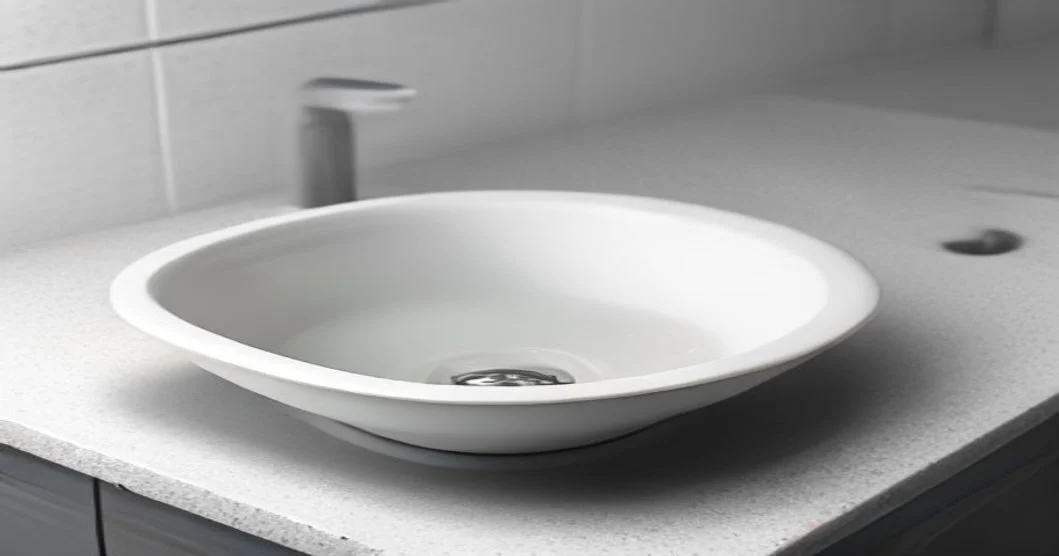
The strainer or plug hole sits at the surface and catches the biggest debris. Below it, in a bathroom basin, you usually find a pop-up stopper that opens and closes the drain and collects hair and soap on its underside. In a kitchen sink the strainer basket often does the same job for food scraps.
Under the sink, the tailpiece drops straight down from the plughole and joins the trap. In most UK homes the trap is either a P-trap or a bottle trap, a curved or bottle-shaped section that always holds a small plug of water. That water is the seal that stops drain smells coming back up into the room. It is also the spot where heavy material settles, which is why so many blockages and smells start there. From the trap, the waste pipe runs on into the wall or floor and joins the main drainage.
Two UK details are worth knowing. First, many modern basins use a bottle trap, which unscrews in two parts and is quick to empty, while older or kitchen sinks tend to have a U-shaped or P-shaped trap held by two slip nuts. Second, a washing machine or dishwasher is often plumbed into a spigot on the kitchen trap or into a standpipe. That means a blocked trap can show up as a washing machine that drains slowly, or as water bubbling up in the sink during a spin cycle. If that happens, clear the sink trap first, and then see our guide to a washing machine that is not draining if the machine itself still struggles.
Kitchen and bathroom drains clog for different reasons
A kitchen sink mostly fights grease, cooking oil and food scraps. Fat looks liquid when it is hot but sets as it cools inside the pipe, coating the walls and catching anything that follows. Starchy leftovers such as rice and pasta swell with water and add to the mass, and coffee grounds pack into a dense sludge.
A bathroom basin is more about hair, soap scum, toothpaste and skincare products. Hair binds with soap to form a felt-like mat, and toothpaste dries into a hard film. The mat then catches everything else. Basins also have the more fiddly pop-up mechanism, so the first blockage is often right under the stopper rather than deep in the pipe.
Hard water adds a third layer. In hard-water areas, mineral scale slowly narrows the pipe and roughens the inside, so debris catches more easily. Our guide to cleaning a shower drain covers the same hair-and-scale combination in the bathroom.
Early warnings worth acting on
- Slow drainage. Water that takes longer than it used to is the earliest and most useful sign. A partial blockage usually shows up weeks before a complete one.
- Smells. A sour or rotten-egg smell points to waste decomposing in the trap or on the pipe walls. If it keeps coming back, read why a drain smells and how to fix it.
- Gurgling. Air is being pulled past a partial blockage as the water leaves, so the pipe is not flowing freely.
- Water pooling. The sink fills instead of draining. This is the stage to deal with straight away, before it overflows onto the worktop or vanity.
Where the blockage probably is
Because one trap usually serves one sink, the pattern of symptoms narrows things down quickly. This table is a rough guide, not a diagnosis.
| What you notice | Likely location | Start with |
|---|---|---|
| Water drains slowly, only in this sink | Stopper, strainer, tailpiece or trap | Clear the plughole, hot flush, then clean the trap |
| Slow, and there is a sour smell | Film of grease and soap in the trap and waste pipe | Washing-up liquid, hot water, bicarb and vinegar, then the trap |
| Gurgling from this sink when another tap or the washing machine runs | Shared waste pipe, or a partial blockage downstream | Snake the shared run; see the plumber section if it continues |
| Water backs up from one bowl into the other | Shared trap or the connecting pipe | Clear the trap, then snake the junction |
| Several sinks, the bath and the toilet are all slow | Main drain or shared branch | Stop DIY and get the drain checked |
| Sink empties but a smell returns within days | Dry trap, dirty stopper underside or a loose joint | Run the tap, clean the stopper, check the trap seal |
The split between a local fault and a shared fault is the most useful thing to work out early. A local fault is yours to fix with the tools in this guide. A shared one rarely is.
Kit first, then the method
You do not need much. Most clears use items from the kitchen cupboard, plus a bucket, a torch and rubber gloves.
What to gather
Bicarbonate of soda (baking soda) is mildly alkaline and slightly abrasive, so it helps shift greasy film and neutralise sour smells. White vinegar is a mild acid that loosens scale and soap residue and fizzes when it meets bicarb. Our piece on whether baking soda and vinegar really clean explains why the fizz is more about gentle loosening than heavy lifting, which is exactly why it suits maintenance and light slow-drain jobs. Washing-up liquid cuts grease and makes the pipe walls slippery. Hot water melts fat and carries loosened material away.
For greasy kitchen pipes, soda crystals (washing soda) are a traditional alternative to bicarb. They are more strongly alkaline, so wear gloves, never mix them with other products, dissolve them in hot water first and keep them off aluminium. They suit a stubborn grease build-up better than bicarb does.
A word on temperature. Kettle-hot water is fine for the metal and ceramic parts of most sinks, but many modern traps and waste pipes are plastic. Pour in stages rather than one long stream, avoid doing it repeatedly in quick succession, and let freshly boiled water stand for a minute or two if your trap is plastic or the pipework looks old. Never pour boiling water into a cold ceramic or porcelain basin without a few seconds of tap water first, as a sudden temperature jump can crack it.
Protect yourself
Wear rubber gloves, because drain contents carry bacteria. Wear eye protection if you will be plunging or using a snake, because dirty water can splash back. Open a window if you are using any product with a smell. And do not mix products: bleach and acidic cleaners, or bleach and ammonia, release harmful gases. Our list of cleaning products you should never mix is worth a read before you reach for the second bottle. The general cleaning products section has more on what each type is for.
Check your pipe material before you choose a treatment
Most modern UK waste pipes are plastic, such as polypropylene or PVC-type material, and they tolerate bicarb, vinegar and washing-up liquid without trouble. They can soften or distort with repeated very hot water, which is why the staged pouring above matters. Older homes may have lead, copper or cast iron further along the run, and metal pipes dislike repeated strong acid or strong alkali. If you are not sure what you have, stick with the gentle methods and the mechanical tools, and leave strong products alone. If your home has old pipework and a recurring problem, it is worth having a plumber look rather than escalating the chemistry.
Test the result properly
Do not judge success by a single flush of the tap. Put the plug in, run about a third of a basin, pull the plug and watch. A healthy drain empties steadily with a single smooth sound at the end. A slow drain leaves a swirl of scum round the plughole, and a partly blocked one gurgles or bubbles. Repeat the test an hour later, once everything has settled, because debris you loosened can drift down and lodge again.
The method, in order
This is the sequence for a slow or smelly sink. Stop as soon as the water runs freely.
- Clear what you can see. Lift out the stopper or strainer basket and pull out hair and gunge with tweezers, pliers or gloved fingers. A torch helps. This alone clears many bathroom basins.
- Bail out standing water if the sink is full, so that treatments reach the pipe rather than being diluted.
- Pour a kettle of hot water down in two or three stages, a few seconds apart. For a greasy kitchen sink, squirt in a good measure of washing-up liquid first and let it sit for a couple of minutes.
- Add half a cup of bicarbonate of soda straight into the plughole, then pour in a cup of white vinegar slowly. Plug the hole or cover it with a damp cloth so the fizz works downwards.
- Wait 15 to 30 minutes. Leave it longer for heavier build-up, but not for hours with the vinegar sitting on a stone or enamel sink.
- Flush with hot water for a couple of minutes, then run the cold tap for a short while to rinse.
- Test it. Fill the basin about a third full and pull the plug. It should empty steadily with no gurgle. If it is still slow, repeat once after a few hours.
- Still slow after two or three goes? Move on to the mechanical options further down. Plunge or snake, rather than keep pouring.
A plunger is the sensible next step, and a small cup plunger made for sinks is quite different from a toilet plunger. It has a flat cup that seals on the flat basin floor. Block the overflow hole with a damp cloth, keep enough water in the basin to cover the cup, and push and pull firmly 15 to 20 times before checking.
What bicarb and vinegar can and cannot do
It helps to be realistic. Bicarbonate of soda is a mild alkali and vinegar is a mild acid, so when they meet they fizz and partly neutralise each other, leaving mostly salty water. The bubbling does give a little mechanical agitation and the alkali helps loosen greasy film, but the mixture is not strong enough to dissolve a plug of hair or a solid lump of set fat. That is why it works as upkeep and for a slow drain with a light film, and why it is worth moving on to a tool if two or three attempts change nothing. If you prefer a gentler sequence for older pipes, pour the bicarb in first, then a little hot water, and add the vinegar last.
Three variations for specific problems
Grease. Squirt about three tablespoons of washing-up liquid into the drain, follow with hot water poured slowly, and leave it for 20 to 30 minutes before flushing again. Finish with a short blast of cold water. This works well after oily meals and is a good weekly habit in a busy kitchen.
Persistent smells. Mix half a cup of coarse salt with half a cup of bicarbonate of soda, pour it down, follow with a kettle of hot water and leave it overnight without using the sink, then flush with hot water the next morning. The salt gives a little scouring action and the bicarb neutralises sour odours. It is a maintenance treatment, not a blockage clearer.
Light soap scum and toothpaste. Hot water alone does well here. Pour a kettle in stages, remove any visible debris first, and run the cold tap afterwards.
Using vinegar on natural stone sinks such as marble or granite is a mistake, because the acid can etch the surface. Use a stone-safe cleaner there and avoid vinegar around the basin.
Kitchen sink: grease, strainers and double bowls
Kitchen drains work harder than any other drain in the house, and grease is the main reason. Hot water alone rarely shifts established fat, because it just carries the melted layer further down the pipe where it sets again.
Shifting grease and food build-up
Pour a kettle of hot water down to soften the surface fat, then follow with a cup of white vinegar and half a cup of bicarbonate of soda. Leave it for about 15 minutes, then flush with another kettle of hot water. For a stubborn case, repeat twice in a week. A simple routine keeps it from getting that far:
- After greasy washing-up: run hot water for a minute or so.
- Monthly: use the bicarb and vinegar treatment.
- Every few months: take off the trap and clean it out (instructions in the smell section below).
If grease is a problem throughout the kitchen, not just the pipe, the kitchen deep-clean guide covers the rest of the room. Stainless sinks have their own care needs, covered in how to clean a stainless steel sink.
The strainer and the area around it
The strainer rim collects the heaviest build-up. Lift out the basket and soak it in hot soapy water for about ten minutes. While it soaks, scrub the housing with an old toothbrush, paying attention to the rubber seal and metal threads where grime hides. Shine a torch into the exposed drain opening to see what is left. A paste of bicarbonate of soda and water, left for five minutes and scrubbed with a bottle brush, shifts stubborn deposits. Rinse well with hot water.
Check the basket too. If the mesh is bent, split or loose, replace it, because a damaged strainer lets food pass straight into the pipe.
Waste disposal units
Waste disposal units are less common in UK kitchens, but if you have one, treat it with respect. Switch it off at the wall or isolator and unplug it before doing anything that involves the unit itself, and never put your hand inside. Use tongs to lift out visible debris. Running a few ice cubes through it, then citrus peel, is a common way to knock off residue and freshen the chamber, though it does not sharpen anything. For a deeper clean, a spoonful of bicarbonate of soda with cold water and a short run, followed by hot water, is enough. Check the manufacturer’s instructions first and do not put fibrous or starchy waste through it.
Double-bowl sinks
Two bowls usually share one trap, so a clog beyond the join will back up through either side. Treat both drains in the same session, and block the one you are not treating with a stopper or damp cloth so that pressure goes down the right pipe. The short connecting pipe between the bowls is easy to miss. If water from one bowl backs up into the other, use a snake to clear that connection.
| Part of a double sink | How often | What to do |
|---|---|---|
| Main bowl (and disposal if fitted) | Weekly | Hot water flush; ice and citrus if you have a disposal |
| Second bowl or prep bowl | Every two weeks | Clear vegetable debris and starch from the strainer |
| Connecting pipework and shared trap | Monthly | Snake or flush with hot water; clean the trap occasionally |
Afterwards, run water into both bowls at once. It should leave smoothly from each side with no backing up or gurgling. If it does not, the blockage is probably in the shared pipework further along.
Bathroom basin: hair, stoppers and toothpaste
Hair is the most common cause of a slow bathroom basin, and the stopper is where most of it collects. Start there before you pour anything.
Pulling out hair and soap scum
Remove the stopper or strainer, then use needle-nose pliers or tweezers to pull out visible hair, working from the top down. For deeper hair, bend a length of wire into a small hook, or use a cheap plastic hair-catching strip, and twist gently to catch clumps without pushing them further down. Then mix equal parts bicarbonate of soda and salt, pour it in, and follow with hot water. Enzyme or bio drain cleaners are a slower, gentler option that digests hair and soap film over several hours, which suits maintenance more than emergencies.
Cleaning a pop-up stopper in place
If you cannot or do not want to take the stopper out, push it fully open, scrub around the edges with an old toothbrush dipped in warm soapy water, and make a paste of bicarbonate of soda and washing-up liquid for stubborn residue. Leave it for ten minutes, scrub again and rinse with hot water. Working the stopper up and down while you pour hot vinegar and water around it shakes out debris caught in the mechanism.
Toothpaste, cosmetics and hard water
Toothpaste contains thickeners and abrasives that dry into a hard film when mixed with soap and hair. Soften it with hot water, then pour on warm water with a squirt of washing-up liquid and give it fifteen minutes. Oily makeup and hair products respond to washing-up liquid, while water-based products rinse away more easily. A mix of equal parts white vinegar and warm water with a few drops of washing-up liquid copes with both.
For hard-water scale, warm two cups of white vinegar until hot but not boiling, pour it down slowly and leave it for 30 minutes. If scale is heavy, citric acid powder is a stronger option: dissolve two tablespoons in a cup of hot water, pour it down and flush after about 30 minutes. Do not mix citric acid with any other cleaner. Regular hot water flushes and a monthly vinegar treatment keep scale from building up again.
Taking the stopper out for a proper clean
Removal differs by design, so identify yours first.
- Pop-up stoppers connect to a rod beneath the basin by a pivot. Find the pivot nut under the sink, unscrew it by hand, pull the rod out a little to free the stopper, then lift the stopper straight up.
- Lift-and-turn stoppers usually unscrew anticlockwise. Some need a slight press before turning.
- Push-pull stoppers pull straight up. If stuck, twist a little left and right to break the seal of soap.
- Toe-touch stoppers often have a small screw under the cap. Undo it and lift out the assembly.
Cleaning depends on the finish. Chrome and stainless steel take a bicarb and water paste with an old toothbrush, then a rinse and a dry with a soft cloth to avoid water marks. Brass and bronze need gentler care: soak in equal parts white vinegar and warm water for about 15 minutes at most, then scrub softly and rinse well. Plastic copes with a 30-minute soak in hot soapy water and a toothbrush for the textured parts. Always scrub the underside, where hair and soap pack in, as it is the source of many odours.
With the stopper out, look into the drain body with a torch. Lift hair off the crossbars with tweezers, scrub curved surfaces with a bottle brush, and clean the pivot-rod hole with a cotton bud. Check the drain threads for damage. Dry everything before you refit, because reassembling wet parts invites soap scum straight away.
A thin smear of plumber’s silicone grease on the threads and pivot points keeps them moving smoothly. Refit pop-up stoppers by seating the stopper first, then pushing the pivot rod through and hand-tightening the nut. Start threaded stoppers by hand and never force them, since cross-threading can ruin the thread. Finally fill the basin and check for leaks round the seal.
A quick routine for a slow bathroom basin
- Lift out the stopper and pull off visible hair and soap.
- Scrub the plughole and stopper with an old toothbrush and warm soapy water.
- Pour a kettle of hot water in two stages.
- Add bicarb and vinegar if it still looks sluggish, wait 15 to 30 minutes, then flush.
- If water still pools, snake or hook out the hair lower down, and clean the trap beneath.
- Refit, then run the tap and check the joints.
This sequence takes about twenty minutes and clears most basins. If you only do the first two steps, you will already have removed the main cause of the slow flow.
Smells that keep coming back
Drain smells mostly come from bacteria feeding on trapped food, soap and grease, which release sulphur compounds that smell of rotten eggs. A trap that has dried out is the other usual culprit, because the water seal is gone and drain air comes straight up. Kitchens tend to smell worse than bathrooms because food waste feeds more bacteria. For a diagnostic walk-through, see our dedicated page on drain smells.
Freshening the drain
Squeeze the juice of a lemon into the drain for a mild citrus lift and some descaling. Bicarb and vinegar again do a reasonable job: half a cup of bicarb, a cup of vinegar, a stopper over the hole for 15 minutes, then a hot flush. Essential oils are sometimes suggested, but there is little reliable evidence they clean pipes, and they can leave a residue, so they are not a substitute for removing the cause.
Cleaning the trap
If the smell is persistent, the trap itself is probably holding the problem. Put a bucket under it first. Loosen the slip nuts on each end by hand or with pliers, turning anticlockwise, and tip out the contents. Scrub the inside with a bottle brush and washing-up liquid, check the rubber washers for cracks, and refit, hand-tightening the nuts snugly. Run the tap to check the joints do not weep. Do not overtighten plastic nuts.
Taking the trap off, step by step
- Clear the cupboard under the sink and put a bucket or washing-up bowl under the trap, with an old towel round it. Expect some dirty water.
- Make sure the basin is empty before you start, and do not run the tap while the trap is off.
- Unscrew the slip nuts by hand where you can. Use water-pump pliers only if a nut is stuck, and wrap the nut in a cloth to protect the finish.
- Lower the trap into the bucket and tip out the contents. Wear gloves, as this is the dirtiest part of the job.
- Clean the inside with a bottle brush and hot water with washing-up liquid. Rinse thoroughly.
- Look at the rubber or plastic washers and replace any that are cracked, flattened or rough.
- Refit the trap, make sure the washers sit square, and tighten the nuts firmly by hand, with just a little extra from pliers if needed. Over-tightening can crack plastic.
- Run the tap for a minute and check every joint with a dry piece of kitchen paper. A weep means the joint needs re-seating.
If you find a corroded metal trap, a split pipe or a joint that will not seal, that is a repair job. A replacement trap is a simple and inexpensive part, but if you are unsure, a plumber can fit one quickly.
The overflow channel is part of the smell too
Bathroom basins have a small overflow slot near the top of the bowl that connects to the same drain. It collects soap and moisture and is rarely cleaned. Push a bottle brush or a pipe cleaner into the slot, scrub, then flush a little hot soapy water through it. If a basin smells even though the plughole is clean, the overflow is often the reason.
Stopping the smell returning
- Pour a kettle of hot water down weekly, slowly, to keep soap and fat moving.
- Fit a fine drain strainer and empty it after each use.
- Keep fat out of the sink. Wipe greasy pans with kitchen paper first.
- Use an enzyme drain treatment monthly if you like a biological option. It works slowly and is for upkeep.
- Run water in rarely used sinks, such as a guest cloakroom basin, once a week. The trap water evaporates over time, and a dry trap lets drain air in.
When the gentle method did not work
If two or three rounds of hot water, bicarb and vinegar have not helped, the blockage is probably solid rather than greasy film, and you need something that physically moves it.
| Method | Effort | Best for | Main risk |
|---|---|---|---|
| Hot water flush | Very low | Light film, weekly upkeep | Hot water on plastic traps and cold ceramic |
| Bicarb and vinegar | Low | Mild slow drains and smells | Modest effect, vinegar on stone |
| Soda crystals | Low | Kitchen grease | Strong alkali, gloves needed, not for aluminium |
| Plunger | Medium | Blockage close to the plughole | Splashing, loosening old joints |
| Drain snake | Medium | Hair and deeper plugs | Scratching or damaging old pipe if forced |
| Trap removal | Medium, messy | Smells, trapped debris, lost rings | Leaks if refitted badly |
| Chemical unblocker | Low effort, high risk | Last resort for a stubborn clog | Burns, fumes, pipe damage |
Drain snake or auger
A drain snake is a flexible coiled cable with a hooked or corkscrew head. Feed it in slowly, turning the handle clockwise so the tip grips the blockage, then push gently to break through or hook the clog. Pull it back slowly while still turning, and clean the cable between passes. Most bathroom sink blockages sit within the first stretch of pipe, so a hand-cranked model is usually plenty. Powered snakes exist but are better left to people who know how to control them, since too much force can damage old pipes or push a clog deeper. Wear gloves and eye protection.
A plastic barbed drain cleaning strip (the thin, flexible kind with small teeth on both sides) is a cheaper tool for hair in a basin, but it will not shift a solid plug in a trap, and it can snap if you force it.
Plunging a sink properly
Sink plungers have a flat cup, not the bell-shaped flange of a toilet plunger. Block the overflow opening with a wet cloth, fill the basin with enough water to cover the cup, set it over the drain and push down firmly, then pull up sharply. Work in a steady rhythm of 15 to 20 strokes before checking the water.
- Position the plunger directly over the drain.
- Make sure the seal is complete all the way round.
- Use firm, rhythmic strokes and avoid violent jabbing.
- Keep the water level up throughout.
Several gentle sessions work better than one aggressive one, which can stress joints. A plunger is the better tool for a blockage close to the plughole, and the snake for something deeper.
Bottle brush or pipe brush
A long, flexible brush scrubs soap scum and scale from the trap and the accessible parts of the waste pipe. Choose one that fits the pipe diameter, take the trap off where you can, and scrub the bends and joints where residue collects. Do not scrub hard against thread or joint surfaces.
Chemical drain cleaners: use sparingly and read the label
Chemical cleaners are a last resort for a stubborn blockage that physical methods cannot reach, and they come with real risks. Alkaline cleaners (sodium or potassium hydroxide, often called caustic) dissolve grease, hair and organic matter, and generate heat as they work. Acidic cleaners dissolve scale and soap scum, but are stronger and are generally aimed at professionals. Enzymatic or bio cleaners work slowly and are suited to upkeep, not emergencies.
| Cleaner type | Best for | Typical wait | Risk level |
|---|---|---|---|
| Alkaline (caustic) | Grease, hair, organic matter | Check the label, often 15 to 30 minutes | High, burns and fumes |
| Acidic | Scale and soap scum | Check the label | Very high, specialist use |
| Enzymatic | Routine upkeep and mild smells | Several hours or overnight | Low |
If you decide to use one, a drain unblocker aimed at sinks and clearly labelled for your type of pipe is the sensible choice. Wear gloves, long sleeves and eye protection, ventilate the room, follow the contact time on the label, and never mix it with another product. Store it in its original container, out of reach of children and pets. Take care with older or plastic pipework, which some products can damage, and check the label for the pipe types it is rated for.
Never use a plunger or snake while a chemical cleaner is sitting in the pipe, because splashing caustic liquid is dangerous. Flush it away as the label directs before using any tool. If a chemical product has not worked, tell any plumber you call exactly what you used. Do not follow it with a second, different product.
On the environmental side, drain chemicals end up in the wastewater system, so use as little as possible and never pour leftover product down the drain. Take unused product to your local household waste recycling centre, as your council advises, rather than pouring it away. Enzymatic products are the gentler option when you need a product at all.
| Problem | What to try first | Watch out for |
|---|---|---|
| Routine freshen | Bicarb then vinegar, flush with hot water | Not on very old or damaged pipes |
| Grease clog | Very hot water and soda crystals | Boiling water can harm some plastic traps |
| Hair clog | A drain snake or a plastic hair tool | Wear gloves and avoid pushing it deeper |
| Bad smell | Bicarb and vinegar, clean the stopper | Check the trap if the smell returns |
Keeping the drain clear
Prevention is dull but it works. A drain that gets a few seconds of attention each day rarely needs a rescue.
Daily and weekly habits
Run hot water for around thirty seconds after using the sink, especially after greasy washing-up. It flushes soap, fat and food residue before they set. Scrape plates into the food waste bin or compost first, and wipe greasy pans with kitchen paper. Look at the plughole when you rinse it and lift out hair or scraps before they travel on. Once a week, pour a kettle of hot water in stages to dissolve oils and soap that daily rinsing misses.
Monthly routine
Once a month, use the bicarb and vinegar treatment: half a cup of bicarb, a cup of vinegar, fifteen minutes, then a hot flush. A quick check list helps:
- Clean the stoppers weekly in warm soapy water.
- Look under the sink monthly for leaks or damp around the trap.
- Check strainers for damage and replace worn ones.
- Watch how fast the sink empties, so you notice any slowing.
- Clean the overflow opening on bathroom basins monthly.
If the plumbing is old or has a history of trouble, a periodic inspection by a registered plumber is a reasonable precaution. How often depends on the system, so ask the plumber rather than assuming a fixed interval.
What should never go down
Fats, oils and grease are the worst offenders. Let them cool, pour them into a sealed container and put them in the general waste. Coffee grounds are small but bind with oil to form dense sludge. Rice, pasta and vegetable peelings swell in water. Eggshells and nutshells add rough edges that catch other debris. In the bathroom, hair, dental floss, cotton buds and wipes all cause blockages and belong in the bin. Wipes labelled flushable should not go down the sink either. Paint, solvents and strong chemicals damage pipes and the wider system, and unused medicines should go back to a pharmacy rather than down the drain.
Why fat is such a problem beyond your own pipes
Fat poured down a kitchen sink does not just risk your own trap. It travels into the shared sewer, where it can cool, bind with wipes and other solids, and form large blockages that water companies spend a great deal clearing. Bins and food-waste caddies are the safe place for it. A practical routine is to keep a jar or old tin by the cooker, tip cooled fat and oil into it, and bin it when it is full. For a pan with just a smear of grease, wipe it with kitchen paper before washing.
Hard-water areas need a little extra
If you live in a hard-water area, you will see limescale on taps and kettle elements, and the same scale forms inside waste pipes and around the plug hole. A monthly hot vinegar treatment and a wipe of the stopper help to keep it in check. A kettle descale is not the same job as a drain clean, but both are routine upkeep in a hard-water home, and our guide to cleaning a kettle covers the first.
If you share the home with long hair
Long hair is the quickest route to a bathroom blockage. Brush hair before washing it in the basin, because loose hairs come out in the first rinse. Fit a hair catcher and empty it into the bin after each use. Thirty seconds of attention to the plughole each day is much less effort than a snaking session every few months. Do the same with beards and shaving stubble, which settle in the trap in the same way.
Rented homes
If you rent, routine upkeep such as hot water flushes and bicarb treatments is your job, but a blocked trap that will not clear, a leak, or a problem with the main drain is generally a repair to report to your landlord. Take photos and report promptly, because a minor drain issue can turn into water damage in the cupboard below.
Strainers and screens
A mesh screen is the cheapest blockage prevention there is. Choose a finer mesh for bathroom basins where hair is the issue, and a slightly coarser one for kitchens so water does not back up with vegetable scraps. Measure the plughole before you buy so there are no gaps, and pick a corrosion-resistant material. Removable baskets are easiest to keep clean because they lift out for emptying. Permanent strainer systems may need a plumber to fit. Our general others section lists more everyday cleaning gear.
Recurring problems and when to ring a plumber
A one-off slow drain is routine. The same drain slowing again within weeks is a clue that something is wrong beyond the plughole.
Slow, blocked or repeatedly returning
For a slow sink, clear the visible debris, then try a hot flush and the bicarb and vinegar method, then a plunger or snake, and take the trap off as a last DIY step. For a fully blocked sink, bail out the water first, remove any visible blockage by hand, plunge, and then snake. If it fails, stop there instead of escalating to strong chemicals.
Recurring blockages in the same drain suggest a local fault, such as poor fall in the pipe, a rough or corroded section, or a bend that traps debris. Problems in several drains at once point at the shared waste or main drain. Blockages that come and go with the seasons can come from roots entering an outside drain. Poor ventilation of the waste system can also cause gurgling and slow flow.
- Pipe fall: a section with too little slope lets debris settle.
- Corrosion or damage: rough or cracked pipe walls trap debris.
- Tree roots: roots in outdoor drains restrict flow, usually showing up as slow drains throughout the house.
- Poor venting: gurgling and slow flow can come from air-pressure problems in the waste system.
A fully blocked sink: the emergency order of play
- Stop using the sink and stop the water. If the bowl is full, bail it out into a bucket so you do not overflow onto the worktop.
- Pull out anything you can see or feel in the plughole, with gloves on.
- Plunge, with the overflow blocked and enough water to cover the cup.
- If the water still does not move, take the trap off over a bucket. A solid plug is often sitting right there.
- Snake the waste pipe beyond the trap, gently, and flush with hot water afterwards.
- If it is still blocked, or water is also coming up elsewhere, stop and call a plumber.
Looking after the tools
Rinse the plunger and snake in hot soapy water after use, then dry them, and disinfect the handle if it touched contaminated water. Keep a pair of dedicated rubber gloves for drain work, and store tools out of the food areas. Keep a small bucket, torch and spare washers under the sink so that you can respond promptly the next time the drain slows.
Time to stop and call someone
Call a plumber if more than one fixture is draining slowly, if water backs up into another fitting when you run the tap, if there is a sewage smell through the house, or if you hear gurgling from the toilet when you use the sink. Call too if natural methods and a basic tool have failed after several tries, if you are uncomfortable working under the sink, or if you can see leaks, cracked pipe or damp. Sewage coming up anywhere is a health hazard, so stop using water and get help straight away.
A plumber can use a drain camera to find the blockage, and high-pressure water jetting to clear stubborn build-up. Check that they are registered with a recognised scheme. If the blocked pipe runs outside your boundary or is shared with neighbours, the water company may be responsible, so check before paying. Older properties with original pipework benefit from an inspection if blockages keep returning.
Four quick questions
- What is the best way to clean a sink drain? For routine upkeep, half a cup of bicarbonate of soda, a cup of white vinegar, fifteen minutes, then a hot flush. For grease, add washing-up liquid and hot water first. For a solid blockage, use a plunger or drain snake before considering chemicals.
- How do I clean a smelly sink drain? Clear the stopper or strainer, run the bicarb and vinegar treatment, flush with hot water, then check the trap. If the smell returns, remove and clean the trap and make sure it still holds water.
- How often should I clean my sink drains? A hot water flush weekly and a bicarb and vinegar treatment monthly suit most households. Kitchen sinks tend to need more attention than bathroom basins, and stoppers are worth cleaning weekly.
- Is bleach a good drain cleaner? Not as a cleaning method. Bleach does not dissolve grease or hair, and it must never be mixed with vinegar, ammonia or other cleaners, because that produces dangerous gases. Stick to the methods above, or enzyme cleaners for upkeep.