How to Clean Microfiber Couch: Complete Care Guide 2026

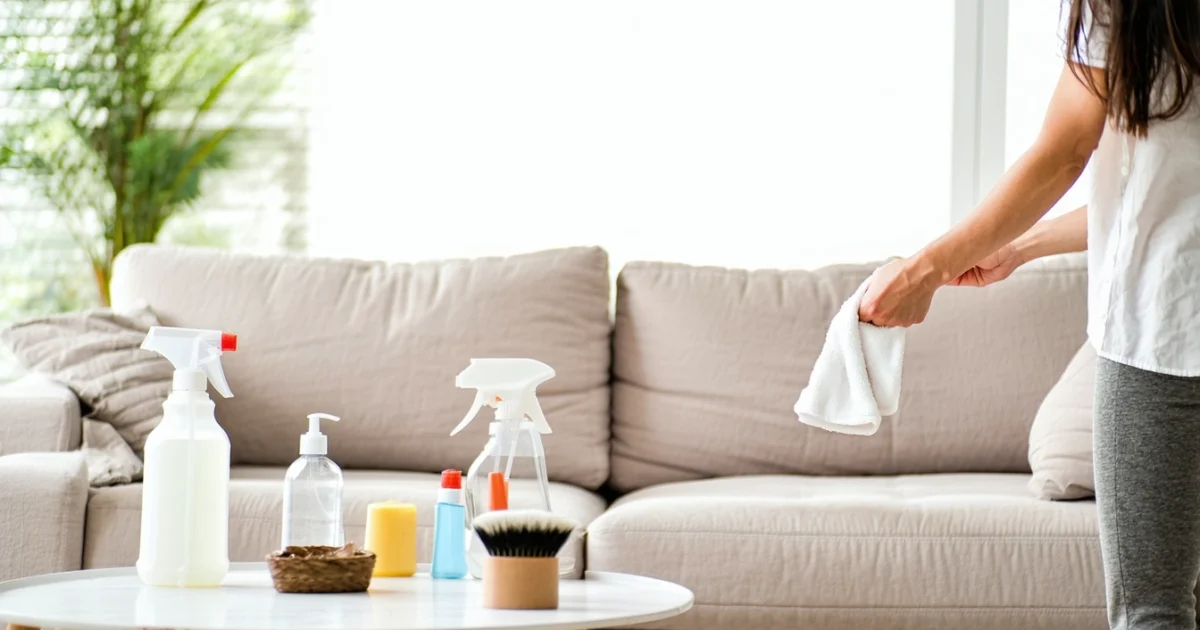
How to clean microfiber couch depends entirely on your furniture‘s cleaning code, which determines whether you can use water-based solutions, solvents, or require professional cleaning only. Most microfiber couches feature cleaning codes W (water-safe), S (solvent only), WS (both methods), or X (professional only) printed on tags or labels. Understanding these codes prevents damage and ensures effective cleaning results.
Regular maintenance involves weekly vacuuming with upholstery attachments, immediate stain treatment, and gentle brushing to restore texture. Additionally, proper cleaning techniques include working in small sections, avoiding over-wetting, and allowing complete air drying. For deeper cleaning needs around your home, consider exploring our comprehensive kitchen deep cleaning guide.
Common cleaning solutions include mild dish soap for water-safe fabrics, rubbing alcohol for solvent cleaning, and natural alternatives like baking soda and white vinegar. However, success depends on matching your cleaning method to your couch’s specific requirements and fabric type.
TL;DR
- Check your microfiber couch’s cleaning code first: W (water), S (solvent), WS (both), or X (professional only)
- Use appropriate cleaning solutions: mild soap for W-codes, rubbing alcohol for S-codes, natural alternatives like baking soda and vinegar
- Always vacuum first, work in small sections, blot (never rub) stains, and brush fabric while damp to restore texture
- Allow complete air drying and maintain with weekly vacuuming to prevent deep staining and fabric damage
Understanding Microfiber Couch Cleaning Codes
Before attempting any cleaning method on your microfiber couch, you must locate and identify the manufacturer’s cleaning code. These standardized codes appear on removable tags, typically attached to the underside of cushions or sewn into seams along the couch frame. Furthermore, some manufacturers print cleaning codes directly onto fabric labels or include them in care instruction booklets.
The cleaning code system uses four distinct letters that determine which cleaning methods your specific microfiber fabric can safely tolerate. Each code corresponds to different cleaning solutions and techniques, making proper identification crucial for preventing permanent damage to your furniture investment.
W-Code: Water-Based Cleaning Methods
W-code microfiber couches accept water-based cleaning solutions without risk of fabric damage or shrinkage. These water-safe fabrics respond well to mild dish soap mixed with warm water, creating effective cleaning solutions for most stains and general maintenance. Additionally, you can safely use steam cleaners, upholstery shampoos, and other water-based commercial cleaners on W-coded furniture.
Water-based cleaning allows for thorough deep cleaning sessions using damp cloths, spray bottles, or even gentle machine washing for removable cushion covers. However, always ensure complete drying to prevent mold, mildew, or water stains from developing within the microfiber structure.
S-Code: Solvent-Based Cleaning Only
S-code microfiber requires solvent-based cleaning products exclusively, meaning water can cause irreversible damage including shrinkage, water spots, or fabric distortion. These couches need dry cleaning solvents, rubbing alcohol, or specialized solvent-based upholstery cleaners for safe maintenance and stain removal.
Solvent cleaning involves applying alcohol-based solutions with clean cloths, allowing the solvent to dissolve oils and stains without introducing moisture. Never use water, steam, or water-based products on S-coded furniture, as even small amounts can permanently alter the fabric’s appearance and texture.
WS-Code: Dual Cleaning Options
WS-code microfiber offers the most flexibility, accepting both water-based and solvent-based cleaning methods depending on the specific stain or cleaning situation. This versatility allows you to choose the most effective cleaning approach based on the type of soil or stain you’re addressing.
For general cleaning and water-soluble stains, use mild soap and water solutions on WS-coded couches. Conversely, tackle oil-based stains, grease, or stubborn marks with rubbing alcohol or dry cleaning solvents for optimal results.
X-Code: Professional Cleaning Required
X-code microfiber couches demand professional cleaning services exclusively, prohibiting all DIY cleaning attempts with water, solvents, or commercial products. These delicate fabrics require specialized equipment, professional-grade cleaning solutions, and expert techniques to maintain their integrity and appearance.
Professional upholstery cleaners possess the knowledge, tools, and experience necessary to safely clean X-coded furniture without causing damage. Attempting DIY cleaning on X-coded couches typically voids warranties and can result in permanent fabric damage requiring costly reupholstering or replacement.
Critical Warning
Some microfiber manufacturers also include additional care symbols alongside cleaning codes, such as temperature restrictions, drying instructions, or specific product recommendations. Therefore, always read complete care labels thoroughly before beginning any cleaning process to ensure optimal results and fabric preservation.
Essential Supplies and Tools for Microfiber Couch Cleaning
Gathering the right cleaning supplies before you begin ensures effective microfiber couch maintenance without causing fabric damage. Moreover, having all necessary tools within reach streamlines the cleaning process and prevents interruptions that could allow stains to set deeper into the fabric fibers.
Vacuum Equipment and Brushes
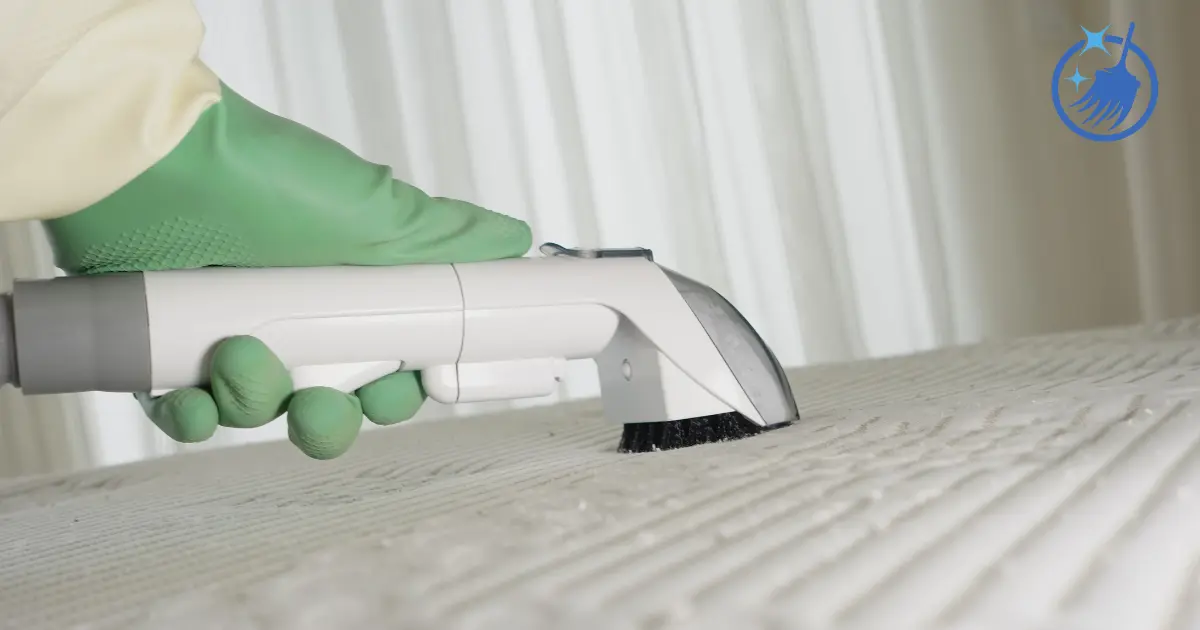
A vacuum cleaner with upholstery attachment serves as your primary tool for removing loose dirt, debris, and pet hair from microfiber surfaces. The upholstery attachment’s gentle suction prevents fabric stretching while effectively extracting embedded particles that regular cleaning cannot reach.
Additionally, keep a soft-bristled brush or clean microfiber cloth nearby for agitating stubborn stains and restoring the fabric’s natural texture. These tools help lift dirt without damaging delicate microfiber strands, maintaining the couch’s appearance and longevity.
Cleaning Cloths and Application Tools
Clean white cloths or paper towels prevent color transfer during the cleaning process, ensuring your microfiber couch maintains its original appearance. Furthermore, white materials allow you to monitor soil removal progress by showing dirt and stains as they transfer from the fabric.
Spray bottles provide controlled application of cleaning solutions, preventing over-saturation that could damage water-sensitive microfiber types. Two separate bottles work best—one for cleaning solutions and another for clean water rinsing when needed.
Safe Cleaning Agents for Microfiber
- Mild dish soap tackles general soil and food stains without harsh chemicals
- White vinegar neutralizes odors and removes water-based stains naturally
- Rubbing alcohol dissolves oil-based stains and sanitizes fabric surfaces
- Baking soda absorbs odors and lifts embedded dirt when used as a paste
These household cleaning agents provide versatile stain removal capabilities while remaining gentle on microfiber construction. However, always test any cleaning solution on an inconspicuous area first to ensure compatibility with your specific couch fabric.
Important Safety Note
Professional upholstery cleaners recommend keeping these supplies organized in a cleaning caddy for quick access during maintenance sessions. This preparation method ensures you can address spills immediately, preventing permanent staining and extending your microfiber couch’s lifespan significantly.
Step-by-Step Regular Cleaning Process
Regular maintenance cleaning keeps your microfiber couch looking fresh while preventing deep-seated stains from developing. Additionally, this systematic approach ensures you address all surfaces thoroughly without missing hidden dirt accumulation areas.
Remove and Vacuum All Surfaces
Start by removing all cushions, pillows, and removable covers from your microfiber couch to access every cleaning surface. Moreover, this step allows you to vacuum underneath cushions where crumbs and debris typically accumulate.
Use your vacuum’s upholstery attachment to clean all fabric surfaces systematically, working from top to bottom. Furthermore, pay special attention to crevices between cushions and armrests where pet hair and lint often hide.
Brush Fabric to Restore Texture
Gently brush the microfiber surface using a clean, dry brush or lint-free cloth in circular motions. This brushing action lifts embedded dirt particles while restoring the fabric’s original texture and appearance.
Work systematically across each section, ensuring you maintain consistent pressure to avoid damaging delicate microfiber strands. Consequently, this preparation step makes subsequent cleaning solutions more effective at penetrating soil layers.
Inspect and Treat Stains
Examine your couch carefully for stains, spots, and discolored areas that require targeted treatment before general cleaning. Different stain types respond better to specific cleaning agents, so identification proves crucial for successful removal.
- Water-based stains: Use white vinegar solution for coffee, juice, or food spills
- Oil-based stains: Apply rubbing alcohol for grease, makeup, or ink marks
- Protein stains: Treat blood or sweat stains with cold water first
- Odor issues: Sprinkle baking soda and let sit for 15 minutes before vacuuming
Apply Cleaning Solution by Code
Check your couch’s cleaning code label to determine the appropriate cleaning method and solution concentration. This code system prevents damage from incompatible cleaning agents that could permanently stain or shrink microfiber materials.
| Cleaning Code | Safe Solutions | Application Method |
|---|---|---|
| W | Water-based cleaners, mild soap solution | Light misting with spray bottle |
| S | Solvent-based cleaners, rubbing alcohol | Apply with clean cloth, no water |
| WS | Both water and solvent cleaners | Test both methods on hidden area |
| X | Vacuum only, no liquid cleaners | Professional cleaning recommended |
Work in Small Sections
Divide your microfiber couch into manageable sections of approximately two feet square to maintain control over moisture levels. This sectional approach prevents over-wetting that could cause water rings or fabric shrinkage.
Apply cleaning solution sparingly using a spray bottle, then immediately blot with a clean white cloth using gentle pressure. Never saturate the fabric, as excess moisture can penetrate cushion filling and create mold growth conditions.
Moisture Control Warning
Complete Air Drying Process
Allow your microfiber couch to air dry completely before replacing cushions or using the furniture normally. Proper drying prevents mildew formation while ensuring cleaning solutions don’t leave residue that attracts future soil.
Position fans near the couch to accelerate drying time, especially in humid conditions or during winter months when indoor air circulation decreases. Complete drying typically takes 4-6 hours depending on humidity levels and fabric thickness.
Once fully dry, brush the microfiber surface again with a clean, dry brush to restore its soft texture and eliminate any stiffness from cleaning residue. This final step ensures your couch feels comfortable and maintains its original appearance for extended periods.
Water-Based Cleaning Methods (W and WS Codes)
Microfiber couches marked with W or WS codes respond excellently to water-based cleaning solutions. These fabric types allow moisture penetration without damage, making them ideal candidates for gentle soap-and-water treatments that effectively remove everyday dirt and stains.
Create your cleaning solution by mixing one teaspoon of mild dish detergent with one cup of warm water in a spray bottle. Furthermore, this gentle mixture provides sufficient cleaning power without harsh chemicals that could damage delicate microfiber strands or leave residue that attracts future soil.
Application and Blotting Technique
Spray the cleaning solution lightly onto stained areas, maintaining a distance of six inches from the fabric surface. Additionally, this controlled application prevents over-saturation that could cause water rings or penetrate cushion filling.
Never rub or scrub the microfiber surface during cleaning. Instead, blot gently with a clean white cloth using downward pressure to absorb both the cleaning solution and loosened dirt. This blotting motion preserves the fabric’s texture while effectively lifting contaminants from individual fibers.
Work systematically from the outside edges of stains toward the center to prevent spreading. Moreover, replace your blotting cloth frequently as it becomes soiled to avoid redistributing dirt across clean areas.
Rinsing and Final Steps
Rinse treated areas using the same blotting technique with clean water applied via spray bottle. This rinsing step removes soap residue that could otherwise attract dirt and create a sticky feeling on your couch surface.
While the fabric remains slightly damp, brush it gently with a clean, dry brush in circular motions. Consequently, this brushing prevents fiber matting and maintains the characteristic soft texture that makes microfiber furniture so appealing.
Moisture Control Warning
Allow treated sections to air dry completely before using the furniture. Proper drying typically takes 2-4 hours depending on humidity levels and room ventilation, ensuring your microfiber couch maintains its original appearance and comfort.
Solvent-Based Cleaning Methods (S and WS Codes)
Microfiber couches with S or WS cleaning codes require solvent-based cleaning methods that differ significantly from water-based approaches. These codes indicate the fabric can safely handle alcohol-based solvents without damaging the synthetic fibers or causing shrinkage.
Rubbing alcohol (70% isopropyl) serves as the primary cleaning solvent for these microfiber types. This concentration provides effective cleaning power while evaporating quickly to prevent water damage or ring formation on your couch surface.
Application Technique for Solvent Cleaning
Apply the rubbing alcohol using either a spray bottle or clean cloth depending on the stain size and location. For isolated spots, dampen a white cloth with alcohol and blot the affected area. Meanwhile, larger stains benefit from light misting with a spray bottle held six inches from the fabric.
Always work from the outside edges of stains toward the center to prevent spreading contamination across clean fabric areas. This directional approach contains the stain while allowing the solvent to break down embedded dirt and oils effectively.
Never saturate the fabric with alcohol solution. Instead, apply small amounts and allow each application to work before adding more solvent to the treatment area.
Evaporation and Texture Restoration
Allow the alcohol to evaporate completely before proceeding with additional cleaning steps. Isopropyl alcohol typically evaporates within 5-10 minutes, leaving behind loosened dirt particles that can be easily removed.
Once evaporation occurs, brush the fabric gently using a clean, dry brush or soft-bristled toothbrush. This brushing motion restores the microfiber’s characteristic texture while removing loosened debris from individual fiber strands.
Brush in circular motions across the treated area, then follow with straight strokes in the fabric’s natural grain direction. Consequently, this two-step brushing process ensures optimal texture recovery and prevents fiber matting.
Safety Reminder
For stubborn stains, repeat the solvent application and brushing process up to three times. However, allow complete drying between applications to prevent over-treatment that could damage the microfiber structure or cause discoloration.
Natural Cleaning Solutions and DIY Methods
Natural cleaning solutions offer eco-friendly alternatives for maintaining microfiber couches without harsh chemicals. These household ingredients provide effective cleaning power while preserving the fabric’s delicate structure and extending its lifespan.
Baking Soda for Odor Absorption and Light Cleaning
Baking soda serves as a natural deodorizer and gentle abrasive for microfiber upholstery. Sprinkle a thin layer across the entire couch surface, focusing on areas with noticeable odors or light staining.
Allow the baking soda to sit for 15-20 minutes to absorb embedded odors and moisture from the fabric fibers. During this time, the sodium bicarbonate neutralizes acidic compounds that cause unpleasant smells while lifting surface dirt particles.
Vacuum the baking soda thoroughly using an upholstery attachment, ensuring complete removal from crevices and seams. This natural treatment eliminates pet odors, food smells, and general mustiness without leaving chemical residues.
White Vinegar Solution for Water-Safe Fabrics
White vinegar creates an effective cleaning solution when diluted with equal parts distilled water. This acidic mixture breaks down soap residues, removes mineral deposits, and eliminates bacteria that cause fabric deterioration.
Test the vinegar solution on an inconspicuous area first to ensure fabric compatibility. Apply the mixture using a clean microfiber cloth, working in gentle circular motions across stained or soiled areas.
The acetic acid in vinegar dissolves water-based stains while neutralizing alkaline residues from previous cleaning attempts. However, avoid using vinegar on couches marked “dry clean only” as moisture can damage certain microfiber treatments.
Combination Cleaning with Vinegar and Baking Soda
Combining vinegar and baking soda creates a powerful foaming action that lifts embedded dirt and neutralizes stubborn odors. First, sprinkle baking soda over the affected area and allow it to absorb odors for 10 minutes.
Next, spray the vinegar solution lightly over the baking soda, creating a gentle fizzing reaction. This chemical interaction produces carbon dioxide bubbles that help dislodge dirt particles from deep within the microfiber structure.
Allow the foam to work for 5-8 minutes before blotting with a clean, dry cloth. Finally, vacuum any remaining residue once the area has dried completely to restore the fabric’s original texture.
Essential Oils for Natural Fragrance After Cleaning
Essential oils provide natural fragrance enhancement while offering antimicrobial properties that help maintain fabric freshness. Add 3-5 drops of lavender, tea tree, or eucalyptus oil to your vinegar cleaning solution.
These concentrated plant extracts not only mask cleaning odors but also provide long-lasting freshness that synthetic air fresheners cannot match. Tea tree oil specifically offers antifungal properties that prevent mold and mildew growth in humid environments.
Alternatively, create a fabric refresher spray by mixing 10 drops of essential oil with one cup of distilled water in a spray bottle. Mist lightly over clean, dry fabric to maintain pleasant scents between deep cleaning sessions.
Cornstarch for Grease Stain Absorption
Cornstarch excels at absorbing fresh grease stains and oily residues from microfiber upholstery. Apply a generous amount immediately after spills occur, covering the entire stained area with a thick layer.
The starch granules absorb liquid oils and fats through capillary action, preventing them from penetrating deeper into the fabric structure. Allow the cornstarch to sit for 30-60 minutes depending on stain severity and oil quantity.
Brush away the cornstarch gently using a soft-bristled brush, then vacuum any remaining powder. For older grease stains, combine cornstarch treatment with gentle cleaning techniques to achieve optimal results without damaging the microfiber weave.
Natural Solution Safety
Targeted Stain Removal Techniques
Different stains require specific removal approaches to prevent permanent damage to microfiber upholstery. Understanding the chemical composition of various stains helps determine the most effective cleaning method while preserving fabric integrity.
Food and Beverage Stains
Immediate blotting prevents liquid stains from penetrating deep into microfiber weave structures. Press a clean, absorbent cloth against fresh spills without rubbing or scrubbing motions that spread the stain.
For coffee, tea, or juice stains, mix one tablespoon white vinegar with two cups warm water in a spray bottle. Spray the solution lightly onto the affected area, then blot with a microfiber cloth until the stain lifts completely.
Wine stains respond well to club soda treatment applied immediately after spills occur. The carbonation helps lift tannins from fabric fibers while the neutral pH prevents color setting.
Grease and Oil Stains
Cornstarch absorption provides the first line of defense against greasy residues from food or body oils. Sprinkle a generous layer over fresh stains and allow 30 minutes for complete absorption.
After removing cornstarch, apply rubbing alcohol to a clean cloth and dab the remaining stain gently. The alcohol dissolves oil-based residues without oversaturating the microfiber backing material.
For stubborn grease marks, combine dish soap with warm water to create a mild cleaning solution. Apply sparingly with a soft brush, working from stain edges toward the center to prevent spreading.
Pet Stains and Odors
Enzyme cleaners break down organic compounds in pet urine, eliminating both visible stains and lingering odors at the molecular level. These biological cleaners prove more effective than traditional soap-based products.
Apply enzyme cleaner generously to affected areas, ensuring complete saturation of both surface fibers and underlying padding. Allow the product to work for the manufacturer’s recommended contact time, typically 10-15 minutes.
Blot thoroughly with clean towels after treatment, then allow natural air drying to prevent moisture retention that encourages bacterial growth. Deep cleaning techniques may require professional equipment for severe pet damage.
Ink and Marker Stains
Rubbing alcohol dissolves most ink formulations effectively without damaging microfiber structure. Test alcohol compatibility on an inconspicuous area before treating visible stains.
Dab ink stains with alcohol-soaked cotton swabs, working from outside edges toward the center. Replace swabs frequently to prevent redepositing dissolved ink onto clean fabric areas.
For permanent marker stains, hairspray containing alcohol can provide additional solvency power. Spray lightly, allow 30 seconds contact time, then blot with clean cloths until no more ink transfers.
Blood Stains
Cold water treatment prevents blood proteins from coagulating and setting permanently in fabric fibers. Never use hot water on blood stains, as heat causes protein bonding that makes removal nearly impossible.
Rinse fresh blood stains immediately with cold running water, allowing the flow to carry away loose blood cells. For dried stains, create a paste using hydrogen peroxide and cold water.
Apply the hydrogen peroxide paste to dried blood stains and observe the foaming action that indicates protein breakdown. Blot away foam and dissolved blood with clean cloths, repeating until no more reaction occurs.
Important Safety Note
Steam Cleaning Considerations and Alternatives
Steam cleaning effectiveness depends entirely on your microfiber couch’s care code, which determines safe cleaning methods. W-coded fabrics accept water-based cleaning, while WS-coded materials tolerate both water and solvent treatments. However, S-coded couches require solvent-only cleaning, making steam inappropriate and potentially damaging.
When Steam Cleaning is Appropriate
Steam cleaning works safely on W and WS care codes only, where water-based methods won’t cause fabric damage or shrinkage. These codes indicate the manufacturer has tested water resistance and structural integrity under moisture exposure. Additionally, steam penetrates deep into microfiber weave, sanitizing bacteria and eliminating embedded odors that surface cleaning cannot reach.
Check your couch’s care label before proceeding with steam treatment. Most manufacturers attach tags to cushion undersides or frame areas, displaying clear code letters for cleaning guidance.
Proper Steam Cleaner Settings
Microfiber requires low-pressure steam settings to prevent fiber damage and excessive moisture penetration. Set steam temperature between 200-220°F, which provides effective cleaning without compromising fabric structure. Higher temperatures can melt synthetic fibers or cause permanent texture changes.
Use wide-angle steam nozzles rather than concentrated jets, distributing heat evenly across fabric surfaces. Move the steamer continuously in overlapping passes, never allowing prolonged contact that saturates underlying foam padding. Allow 24-48 hours drying time after steam treatment to prevent mold growth in cushion cores.
Steam Cleaning Warning
Alternative Deep Cleaning Methods for S-Code Fabrics
Solvent-based cleaners provide the only safe deep cleaning option for S-coded microfiber furniture. Rubbing alcohol serves as an effective, readily available solvent that dissolves oils and grime without introducing water into fabric fibers. Apply alcohol with clean cloths, working in small sections to prevent over-saturation.
Commercial dry cleaning solvents offer professional-grade results for heavily soiled S-code couches. Products containing perchloroethylene or hydrocarbon solvents penetrate deep into fabric weave while evaporating quickly to prevent moisture damage. Always test solvents on hidden areas before treating visible surfaces.
Dry foam cleaning presents another water-free alternative, using specialized equipment that generates cleaning foam without liquid water. This method lifts dirt and oils while maintaining fabric integrity, though it requires professional equipment for optimal results.
Professional Cleaning Services for X-Code Furniture
X-coded microfiber couches require professional-only cleaning, as home methods risk permanent damage or voided warranties. These fabrics undergo specialized manufacturing processes that make them sensitive to both water and common solvents. Professional cleaners possess equipment and expertise necessary for safe X-code maintenance.
Certified upholstery cleaning services use specialized extraction methods and industry-approved cleaning agents designed specifically for delicate microfiber formulations. They also provide fabric protection treatments that extend couch lifespan and resist future staining. Professional cleaning typically costs £80-150 depending on couch size and soil level.
Schedule professional cleaning annually for X-coded furniture, or more frequently in high-traffic households. This preventive approach maintains fabric appearance while avoiding costly replacement due to cleaning damage.
Risks of Improper Steam Cleaning
Excessive moisture from steam cleaning can penetrate cushion foam, creating ideal conditions for mold and mildew growth that produces health hazards and unpleasant odors. Once mold establishes in foam cores, removal becomes nearly impossible without complete cushion replacement.
High-temperature steam can melt synthetic microfiber, creating permanent texture changes that appear as shiny or flattened areas. These heat-damaged sections cannot be restored and typically require professional reupholstering or furniture replacement.
Water exposure on S or X-coded fabrics often causes permanent water stains that appear as dark rings or discolored patches. These stains result from fabric dyes bleeding or water-soluble treatments being removed, creating irreversible damage that diminishes furniture value and appearance.
Pros
- Sanitizes bacteria and eliminates odors
- Deep cleaning reaches embedded dirt
- Safe for W and WS care codes
- No chemical residue when done properly
Cons
- Risk of mold in cushion foam
- Potential fabric damage from heat
- Long drying times required
- Ineffective on grease-based stains
Drying and Post-Cleaning Care
Proper drying techniques prevent mold and mildew growth while preserving your microfiber couch’s texture and appearance. The drying process requires patience, as rushing this critical stage can undo all your careful cleaning work.
Air Drying Fundamentals
Natural air circulation provides the safest drying method for microfiber furniture. Position your couch in a well-ventilated area away from direct sunlight, which can fade fabric colors and create uneven drying patterns. Open windows and doors to create cross-ventilation that accelerates moisture evaporation without applying heat.
Turn cushions every 2-3 hours during the drying process to ensure even moisture removal from all surfaces. This rotation prevents water from pooling in foam cores, where it creates ideal conditions for bacterial growth and unpleasant odors.
Accelerating the Drying Process
Fans and dehumidifiers significantly reduce drying time while maintaining safe conditions for microfiber fabrics. Position oscillating fans 3-4 feet from the couch to create gentle airflow that doesn’t disturb the fabric surface. However, avoid pointing fans directly at wet areas, as concentrated airflow can create water spots.
Dehumidifiers extract moisture from the surrounding air, creating optimal conditions for fabric drying. Set humidity levels between 30-50% to prevent over-drying while ensuring complete moisture removal. This combination of air movement and humidity control typically reduces drying time from 24-48 hours to 8-12 hours.
Temperature Warning
Restoring Fabric Texture
Brushing microfiber while slightly damp restores the fabric’s characteristic soft texture and prevents matting. Use a clean, dry brush with soft bristles, working in circular motions across the entire surface. This technique lifts flattened fibers and maintains the fabric’s plush appearance.
Begin brushing when the fabric feels barely damp to the touch but no longer wet. The optimal moisture level allows fibers to move freely while maintaining enough structure to hold their restored position. Timing is crucial – brushing too early spreads moisture, while waiting too long makes fiber restoration more difficult.
- Work in 12-inch sections using gentle, overlapping strokes
- Brush against the grain first, then with the grain to smooth texture
- Pay extra attention to high-wear areas like armrests and seat edges
- Use a clean microfiber cloth to remove any loose fibers after brushing
Cushion Care and Reshaping
Fluffing and reshaping cushions immediately after cleaning prevents permanent indentations and maintains structural integrity. Knead foam cushions gently to redistribute filling and restore their original shape. For down-filled cushions, shake vigorously to separate compressed feathers.
Check cushion cores for moisture penetration by pressing firmly into the center. Any dampness requires additional drying time to prevent mold growth within the foam. Completely dry cushions feel firm and spring back immediately when compressed.
Replacement vs. Cleaning Decisions
Several factors determine whether to replace cushion covers rather than continue cleaning attempts. Permanent staining, fabric tears, or persistent odors after professional cleaning indicate replacement necessity. Additionally, covers showing significant wear, fading, or texture loss benefit more from replacement than repeated cleaning cycles.
| Condition | Clean | Replace |
|---|---|---|
| Light surface stains | ✓ | |
| Deep-set odors | ✓ | |
| Fabric tears or holes | ✓ | |
| Color fading (>30%) | ✓ | |
| Texture matting | ✓ | |
| Multiple cleaning failures | ✓ |
Cost considerations also influence replacement decisions. When cleaning costs approach 40-50% of replacement value, new covers often provide better long-term value. Professional cleaning services can assess cover condition and provide honest recommendations about cleaning viability versus replacement benefits.
Preventive Maintenance and Long-Term Care
Establishing a consistent maintenance routine extends your microfiber couch lifespan significantly while reducing deep cleaning frequency. Regular preventive care prevents dirt accumulation, maintains fabric texture, and preserves the couch’s appearance for years. Moreover, systematic maintenance costs far less than professional cleaning services or premature replacement.
Weekly Vacuuming Schedule
Weekly vacuuming removes surface debris before it embeds into microfiber weave. Use your vacuum’s upholstery attachment with gentle suction settings to avoid damaging delicate fibers. Focus particularly on high-traffic areas like armrests and seat cushions where body oils and dirt concentrate most heavily.
Vacuum in multiple directions to lift trapped particles effectively. First, vacuum horizontally across cushions, then vertically to capture debris from different angles. Additionally, don’t forget crevices between cushions where crumbs and small objects commonly accumulate.
- Remove loose cushions for thorough cleaning underneath
- Use crevice tool for tight spaces and seams
- Vacuum both sides of removable cushions weekly
- Check for loose change, toys, or debris before vacuuming
Cushion Rotation and Flipping
Rotating and flipping cushions every two weeks prevents uneven wear patterns and maintains consistent comfort levels. This practice distributes body weight impact across different cushion areas, preventing permanent indentations in frequently used spots. Consequently, your couch maintains its shape and support characteristics longer.
Create a rotation schedule by marking cushion positions with removable labels. Switch left and right cushions, then flip them top-to-bottom during the next rotation. Furthermore, this system ensures all cushion surfaces receive equal use and wear.
Protective Measures
Furniture protectors and covers shield microfiber from daily wear, spills, and pet damage. Waterproof protectors create barriers against liquid penetration while allowing air circulation to prevent moisture buildup. Choose breathable materials that won’t trap heat or create uncomfortable seating surfaces.
Position your couch away from direct sunlight to prevent color fading and fiber degradation. UV rays break down microfiber over time, causing permanent discoloration and texture changes. Similarly, maintain consistent room humidity between 30-50% to prevent fiber brittleness or excessive moisture retention.
Pro Tip
Immediate Spill Response
Treating spills within 30 seconds prevents permanent staining and reduces cleaning difficulty significantly. Blot liquid spills immediately with clean, dry cloths rather than rubbing, which pushes moisture deeper into fibers. Work from spill edges toward the center to prevent spreading.
Keep emergency cleaning supplies nearby for quick response. Stock microfiber cloths, distilled water, and gentle cleaning solutions in easily accessible locations. Additionally, having these materials ready enables immediate action when accidents occur.
- Blot excess liquid immediately with dry cloth
- Apply small amount of cleaning solution if needed
- Blot again with clean, damp cloth
- Use fan or hair dryer on cool setting for faster drying
- Brush area gently once completely dry
Professional Cleaning Schedule
Professional cleaning every 12-18 months maintains optimal microfiber condition and removes deep-seated contaminants that home cleaning cannot address. Professional services use specialized equipment and cleaning solutions designed specifically for microfiber materials. However, heavily used couches or homes with pets may require professional attention every 8-12 months.
Research professional cleaners who specifically mention microfiber expertise in their services. Not all upholstery cleaners understand microfiber’s unique requirements, and improper professional cleaning can damage fibers permanently. Therefore, verify their experience with microfiber before scheduling services.
| Usage Level | Professional Cleaning Frequency | Signs Cleaning Needed |
|---|---|---|
| Light use (guest room) | 18-24 months | Visible soil, odors |
| Moderate use (family room) | 12-18 months | Texture changes, staining |
| Heavy use (daily seating) | 8-12 months | Matting, persistent odors |
| Pet households | 6-12 months | Pet odors, hair buildup |
Between professional cleanings, maintain detailed records of spot treatments and home cleaning efforts. This information helps professionals assess your couch’s condition and recommend appropriate cleaning methods. Furthermore, consistent home maintenance reduces professional cleaning costs and extends service intervals.
Common Mistakes to Avoid
Avoiding common cleaning mistakes preserves your microfiber couch’s appearance and extends its lifespan significantly. Moreover, understanding these pitfalls prevents costly damage that often requires professional restoration or complete replacement.
Over-Wetting the Fabric
Over-wetting ranks as the most destructive mistake when cleaning microfiber upholstery. Excessive moisture penetrates deep into cushion foam, creating breeding grounds for mold and mildew. Additionally, saturated microfiber loses its texture permanently and develops unsightly water rings that resist removal.
Professional cleaning technicians use minimal moisture techniques specifically because microfiber absorbs water rapidly. Consequently, home cleaners should apply cleaning solutions sparingly and work in small sections. Furthermore, always test moisture levels on hidden areas before treating visible surfaces.
Using Harsh Chemicals or Bleach
Bleach-based products and harsh chemicals destroy microfiber’s synthetic structure irreversibly. These substances break down polyester and nylon fibers, causing permanent discoloration and texture loss. Similarly, ammonia-based cleaners create chemical reactions that weaken fiber bonds.
Instead, gentle cleaning solutions maintain microfiber integrity while removing stains effectively. Mild dish soap mixed with water provides sufficient cleaning power for most situations. Therefore, avoid products containing chlorine, ammonia, or strong acids when maintaining your couch.
Scrubbing Instead of Blotting
Scrubbing motions push stains deeper into microfiber weave while damaging surface texture. Aggressive rubbing creates permanent matting that cannot be restored through brushing or professional cleaning. Additionally, circular scrubbing spreads stains across larger areas, making removal more difficult.
Blotting techniques lift stains from fabric surfaces without causing structural damage. Press cleaning cloths straight down onto stains, then lift directly upward. Repeat this process until no more stain transfers to the cloth, then proceed with gentle cleaning solutions.
Ignoring Manufacturer Cleaning Codes
Manufacturer cleaning codes provide essential guidance for safe microfiber maintenance. These codes indicate whether water-based cleaning, solvent-based cleaning, or professional-only methods work best for your specific couch. Ignoring these recommendations voids warranties and risks permanent damage.
- W Code: Water-based cleaning solutions only
- S Code: Solvent-based cleaners required
- WS Code: Either water or solvent cleaners acceptable
- X Code: Professional cleaning or vacuuming only
Check your couch’s care label before attempting any cleaning method. This small step prevents costly mistakes and ensures optimal results from your cleaning efforts.
Skipping the Brushing Step
Post-cleaning brushing restores microfiber’s characteristic soft texture and prevents permanent matting. Many homeowners skip this crucial step, leaving their couches with flattened, rough surfaces that feel unpleasant to touch. Consequently, the couch appears worn and aged prematurely.
Use soft-bristled brushes or clean suede brushes to gently lift microfiber nap after cleaning. Brush in consistent directions using light pressure to avoid damaging fibers. This simple step maintains your couch’s luxurious feel and professional appearance between deep cleanings.
Critical Reminder
When to Call Professional Cleaners
While most microfiber couch cleaning tasks succeed with DIY methods, certain situations demand professional expertise. Recognizing these scenarios saves time, prevents damage, and ensures optimal results for your valuable furniture investment.
X-Code Furniture Requiring Specialized Treatment
X-code microfiber furniture requires professional cleaning or vacuuming only. These couches feature delicate fibers that water and solvents permanently damage. Attempting DIY cleaning on X-code furniture voids warranties and creates irreversible staining or texture changes.
Professional cleaners use specialized dry-cleaning techniques and commercial-grade equipment designed for sensitive microfiber varieties. Therefore, always check your couch’s care label before attempting any cleaning method beyond gentle vacuuming.
Extensive Staining Beyond DIY Methods
Large stains covering multiple cushions or deep-set stains that resist home treatment require professional intervention. Set-in stains from red wine, ink, or pet accidents often penetrate deep into microfiber cores where household cleaners cannot reach effectively.
Professional cleaning services utilize industrial-strength extractors and specialized solvents that remove embedded contaminants. Additionally, they possess the expertise to treat different stain types without causing fiber damage or color bleeding.
Valuable or Antique Microfiber Furniture
High-value furniture pieces warrant professional care to preserve their condition and resale value. Antique or designer microfiber couches often feature unique fiber blends or treatments that standard cleaning methods can damage.
Professional cleaners assess fabric composition and select appropriate cleaning methods for each specific piece. Furthermore, they provide documentation of proper care that maintains warranty coverage and insurance claims validity.
Persistent Odors Resisting Home Treatment
Stubborn odors from smoke, pet urine, or mildew require professional deodorization techniques. Home remedies like baking soda and vinegar often mask odors temporarily without eliminating their sources completely.
Professional services use ozone treatments, enzyme cleaners, and thermal fogging to neutralize odor-causing bacteria and molecules. These advanced techniques penetrate furniture cores and eliminate odors permanently rather than simply covering them.
Annual Deep Cleaning Maintenance
Annual professional cleaning extends microfiber couch lifespan and maintains optimal appearance. Even with regular home maintenance, deep-seated dirt and oils accumulate over time, dulling fabric appearance and creating hygiene concerns.
Professional deep cleaning removes accumulated contaminants that regular vacuuming and spot cleaning cannot address. This preventive maintenance preserves fabric texture, prevents premature wear, and maintains your couch’s fresh appearance for years longer than DIY methods alone.
Cost-Effective Professional Cleaning
Can I put microfiber couch cushion covers in the washing machine?
n
Only W-code or WS-code removable cushion covers can be machine washed. Use cold water, gentle cycle, and mild detergent without fabric softener. Never machine wash S-code covers, as water will damage the fabric. Always check care labels and test cleaning codes before attempting machine washing. Air dry completely to prevent shrinkage.
nn
Why does my microfiber couch look flat after cleaning?
n
Microfiber can appear flat or matted after cleaning because the fibers compress when wet. Restore the texture by gently brushing the fabric with a soft-bristled brush while it’s still slightly damp. Brush in circular motions to lift and separate the fibers. This technique helps maintain the couch’s original appearance and soft texture.
How often should I clean my microfiber couch?
n
Maintain your microfiber couch with weekly vacuuming using upholstery attachments to prevent dirt buildup. Perform deeper cleaning every 3-6 months or as needed for stains and odors. Address spills immediately to prevent permanent staining. Regular maintenance with proper techniques extends your couch’s lifespan and keeps it looking fresh.
nn
Can I put microfiber couch cushion covers in the washing machine?
n
Only W-code or WS-code removable cushion covers can be machine washed. Use cold water, gentle cycle, and mild detergent without fabric softener. Never machine wash S-code covers, as water will damage the fabric. Always check care labels and test cleaning codes before attempting machine washing. Air dry completely to prevent shrinkage.
nn
Why does my microfiber couch look flat after cleaning?
n
Microfiber can appear flat or matted after cleaning because the fibers compress when wet. Restore the texture by gently brushing the fabric with a soft-bristled brush while it’s still slightly damp. Brush in circular motions to lift and separate the fibers. This technique helps maintain the couch’s original appearance and soft texture.
How to clean microfiber couch pet smell and odors?
n
For pet odors, start with thorough vacuuming to remove hair and debris. Sprinkle baking soda over the entire surface, let sit for 30 minutes, then vacuum. For W-code couches, use a vinegar-water solution (1:1 ratio) to neutralize odors. For persistent smells, consider enzyme-based cleaners designed for pet odors, ensuring they match your couch’s cleaning code.
nn
How often should I clean my microfiber couch?
n
Maintain your microfiber couch with weekly vacuuming using upholstery attachments to prevent dirt buildup. Perform deeper cleaning every 3-6 months or as needed for stains and odors. Address spills immediately to prevent permanent staining. Regular maintenance with proper techniques extends your couch’s lifespan and keeps it looking fresh.
nn
Can I put microfiber couch cushion covers in the washing machine?
n
Only W-code or WS-code removable cushion covers can be machine washed. Use cold water, gentle cycle, and mild detergent without fabric softener. Never machine wash S-code covers, as water will damage the fabric. Always check care labels and test cleaning codes before attempting machine washing. Air dry completely to prevent shrinkage.
nn
Why does my microfiber couch look flat after cleaning?
n
Microfiber can appear flat or matted after cleaning because the fibers compress when wet. Restore the texture by gently brushing the fabric with a soft-bristled brush while it’s still slightly damp. Brush in circular motions to lift and separate the fibers. This technique helps maintain the couch’s original appearance and soft texture.
How to clean microfiber couches by hand effectively?
n
Hand cleaning allows precise control and prevents damage. Follow these steps:
n
- Vacuum thoroughly with upholstery attachments
- Apply appropriate cleaning solution based on your code
- Work in small 2×2 foot sections
- Blot stains, never rub or scrub aggressively
- Use a soft brush to restore texture while fabric is damp
- Allow complete air drying before use
nn
How to clean microfiber couch pet smell and odors?
n
For pet odors, start with thorough vacuuming to remove hair and debris. Sprinkle baking soda over the entire surface, let sit for 30 minutes, then vacuum. For W-code couches, use a vinegar-water solution (1:1 ratio) to neutralize odors. For persistent smells, consider enzyme-based cleaners designed for pet odors, ensuring they match your couch’s cleaning code.
nn
How often should I clean my microfiber couch?
n
Maintain your microfiber couch with weekly vacuuming using upholstery attachments to prevent dirt buildup. Perform deeper cleaning every 3-6 months or as needed for stains and odors. Address spills immediately to prevent permanent staining. Regular maintenance with proper techniques extends your couch’s lifespan and keeps it looking fresh.
nn
Can I put microfiber couch cushion covers in the washing machine?
n
Only W-code or WS-code removable cushion covers can be machine washed. Use cold water, gentle cycle, and mild detergent without fabric softener. Never machine wash S-code covers, as water will damage the fabric. Always check care labels and test cleaning codes before attempting machine washing. Air dry completely to prevent shrinkage.
nn
Why does my microfiber couch look flat after cleaning?
n
Microfiber can appear flat or matted after cleaning because the fibers compress when wet. Restore the texture by gently brushing the fabric with a soft-bristled brush while it’s still slightly damp. Brush in circular motions to lift and separate the fibers. This technique helps maintain the couch’s original appearance and soft texture.
What is the best cleaner for microfiber couches?
n
The best cleaner depends on your couch’s cleaning code. For W-codes: mild dish soap mixed with warm water or specialized upholstery shampoos. For S-codes: 70% rubbing alcohol or dry cleaning solvents. WS-codes can use either option. Natural alternatives include baking soda for deodorizing and white vinegar solutions for W-code couches.
nn
How to clean microfiber couches by hand effectively?
n
Hand cleaning allows precise control and prevents damage. Follow these steps:
n
- Vacuum thoroughly with upholstery attachments
- Apply appropriate cleaning solution based on your code
- Work in small 2×2 foot sections
- Blot stains, never rub or scrub aggressively
- Use a soft brush to restore texture while fabric is damp
- Allow complete air drying before use
nn
How to clean microfiber couch pet smell and odors?
n
For pet odors, start with thorough vacuuming to remove hair and debris. Sprinkle baking soda over the entire surface, let sit for 30 minutes, then vacuum. For W-code couches, use a vinegar-water solution (1:1 ratio) to neutralize odors. For persistent smells, consider enzyme-based cleaners designed for pet odors, ensuring they match your couch’s cleaning code.
nn
How often should I clean my microfiber couch?
n
Maintain your microfiber couch with weekly vacuuming using upholstery attachments to prevent dirt buildup. Perform deeper cleaning every 3-6 months or as needed for stains and odors. Address spills immediately to prevent permanent staining. Regular maintenance with proper techniques extends your couch’s lifespan and keeps it looking fresh.
nn
Can I put microfiber couch cushion covers in the washing machine?
n
Only W-code or WS-code removable cushion covers can be machine washed. Use cold water, gentle cycle, and mild detergent without fabric softener. Never machine wash S-code covers, as water will damage the fabric. Always check care labels and test cleaning codes before attempting machine washing. Air dry completely to prevent shrinkage.
nn
Why does my microfiber couch look flat after cleaning?
n
Microfiber can appear flat or matted after cleaning because the fibers compress when wet. Restore the texture by gently brushing the fabric with a soft-bristled brush while it’s still slightly damp. Brush in circular motions to lift and separate the fibers. This technique helps maintain the couch’s original appearance and soft texture.
How to clean microfiber couch without a machine?
n
Hand cleaning microfiber couches is highly effective. Start by vacuuming with upholstery attachments, then use appropriate cleaning solutions with clean cloths or sponges. Work in small sections, blot stains gently, and use a soft brush to restore fabric texture while damp. This method gives you better control and prevents over-wetting.
nn
What is the best cleaner for microfiber couches?
n
The best cleaner depends on your couch’s cleaning code. For W-codes: mild dish soap mixed with warm water or specialized upholstery shampoos. For S-codes: 70% rubbing alcohol or dry cleaning solvents. WS-codes can use either option. Natural alternatives include baking soda for deodorizing and white vinegar solutions for W-code couches.
nn
How to clean microfiber couches by hand effectively?
n
Hand cleaning allows precise control and prevents damage. Follow these steps:
n
- Vacuum thoroughly with upholstery attachments
- Apply appropriate cleaning solution based on your code
- Work in small 2×2 foot sections
- Blot stains, never rub or scrub aggressively
- Use a soft brush to restore texture while fabric is damp
- Allow complete air drying before use
nn
How to clean microfiber couch pet smell and odors?
n
For pet odors, start with thorough vacuuming to remove hair and debris. Sprinkle baking soda over the entire surface, let sit for 30 minutes, then vacuum. For W-code couches, use a vinegar-water solution (1:1 ratio) to neutralize odors. For persistent smells, consider enzyme-based cleaners designed for pet odors, ensuring they match your couch’s cleaning code.
nn
How often should I clean my microfiber couch?
n
Maintain your microfiber couch with weekly vacuuming using upholstery attachments to prevent dirt buildup. Perform deeper cleaning every 3-6 months or as needed for stains and odors. Address spills immediately to prevent permanent staining. Regular maintenance with proper techniques extends your couch’s lifespan and keeps it looking fresh.
nn
Can I put microfiber couch cushion covers in the washing machine?
n
Only W-code or WS-code removable cushion covers can be machine washed. Use cold water, gentle cycle, and mild detergent without fabric softener. Never machine wash S-code covers, as water will damage the fabric. Always check care labels and test cleaning codes before attempting machine washing. Air dry completely to prevent shrinkage.
nn
Why does my microfiber couch look flat after cleaning?
n
Microfiber can appear flat or matted after cleaning because the fibers compress when wet. Restore the texture by gently brushing the fabric with a soft-bristled brush while it’s still slightly damp. Brush in circular motions to lift and separate the fibers. This technique helps maintain the couch’s original appearance and soft texture.
How to clean microfiber couch with vinegar?
n
White vinegar works well for W-code microfiber couches as a natural cleaning solution. Mix equal parts white vinegar and water in a spray bottle, apply lightly to stained areas, and blot with clean cloths. The vinegar helps break down stains and neutralize odors. Always test in an inconspicuous area first and ensure complete drying.
nn
How to clean microfiber couch without a machine?
n
Hand cleaning microfiber couches is highly effective. Start by vacuuming with upholstery attachments, then use appropriate cleaning solutions with clean cloths or sponges. Work in small sections, blot stains gently, and use a soft brush to restore fabric texture while damp. This method gives you better control and prevents over-wetting.
nn
What is the best cleaner for microfiber couches?
n
The best cleaner depends on your couch’s cleaning code. For W-codes: mild dish soap mixed with warm water or specialized upholstery shampoos. For S-codes: 70% rubbing alcohol or dry cleaning solvents. WS-codes can use either option. Natural alternatives include baking soda for deodorizing and white vinegar solutions for W-code couches.
nn
How to clean microfiber couches by hand effectively?
n
Hand cleaning allows precise control and prevents damage. Follow these steps:
n
- Vacuum thoroughly with upholstery attachments
- Apply appropriate cleaning solution based on your code
- Work in small 2×2 foot sections
- Blot stains, never rub or scrub aggressively
- Use a soft brush to restore texture while fabric is damp
- Allow complete air drying before use
nn
How to clean microfiber couch pet smell and odors?
n
For pet odors, start with thorough vacuuming to remove hair and debris. Sprinkle baking soda over the entire surface, let sit for 30 minutes, then vacuum. For W-code couches, use a vinegar-water solution (1:1 ratio) to neutralize odors. For persistent smells, consider enzyme-based cleaners designed for pet odors, ensuring they match your couch’s cleaning code.
nn
How often should I clean my microfiber couch?
n
Maintain your microfiber couch with weekly vacuuming using upholstery attachments to prevent dirt buildup. Perform deeper cleaning every 3-6 months or as needed for stains and odors. Address spills immediately to prevent permanent staining. Regular maintenance with proper techniques extends your couch’s lifespan and keeps it looking fresh.
nn
Can I put microfiber couch cushion covers in the washing machine?
n
Only W-code or WS-code removable cushion covers can be machine washed. Use cold water, gentle cycle, and mild detergent without fabric softener. Never machine wash S-code covers, as water will damage the fabric. Always check care labels and test cleaning codes before attempting machine washing. Air dry completely to prevent shrinkage.
nn
Why does my microfiber couch look flat after cleaning?
n
Microfiber can appear flat or matted after cleaning because the fibers compress when wet. Restore the texture by gently brushing the fabric with a soft-bristled brush while it’s still slightly damp. Brush in circular motions to lift and separate the fibers. This technique helps maintain the couch’s original appearance and soft texture.
How to clean microfiber couch with baking soda?
n
Baking soda works as a natural deodorizer and mild abrasive for microfiber couches. Sprinkle baking soda over the fabric, let it sit for 15-20 minutes, then vacuum thoroughly. For deeper cleaning on W-code couches, create a paste with baking soda and water, apply gently, then remove with a damp cloth and brush while drying.
nn
How to clean microfiber couch with vinegar?
n
White vinegar works well for W-code microfiber couches as a natural cleaning solution. Mix equal parts white vinegar and water in a spray bottle, apply lightly to stained areas, and blot with clean cloths. The vinegar helps break down stains and neutralize odors. Always test in an inconspicuous area first and ensure complete drying.
nn
How to clean microfiber couch without a machine?
n
Hand cleaning microfiber couches is highly effective. Start by vacuuming with upholstery attachments, then use appropriate cleaning solutions with clean cloths or sponges. Work in small sections, blot stains gently, and use a soft brush to restore fabric texture while damp. This method gives you better control and prevents over-wetting.
nn
What is the best cleaner for microfiber couches?
n
The best cleaner depends on your couch’s cleaning code. For W-codes: mild dish soap mixed with warm water or specialized upholstery shampoos. For S-codes: 70% rubbing alcohol or dry cleaning solvents. WS-codes can use either option. Natural alternatives include baking soda for deodorizing and white vinegar solutions for W-code couches.
nn
How to clean microfiber couches by hand effectively?
n
Hand cleaning allows precise control and prevents damage. Follow these steps:
n
- Vacuum thoroughly with upholstery attachments
- Apply appropriate cleaning solution based on your code
- Work in small 2×2 foot sections
- Blot stains, never rub or scrub aggressively
- Use a soft brush to restore texture while fabric is damp
- Allow complete air drying before use
nn
How to clean microfiber couch pet smell and odors?
n
For pet odors, start with thorough vacuuming to remove hair and debris. Sprinkle baking soda over the entire surface, let sit for 30 minutes, then vacuum. For W-code couches, use a vinegar-water solution (1:1 ratio) to neutralize odors. For persistent smells, consider enzyme-based cleaners designed for pet odors, ensuring they match your couch’s cleaning code.
nn
How often should I clean my microfiber couch?
n
Maintain your microfiber couch with weekly vacuuming using upholstery attachments to prevent dirt buildup. Perform deeper cleaning every 3-6 months or as needed for stains and odors. Address spills immediately to prevent permanent staining. Regular maintenance with proper techniques extends your couch’s lifespan and keeps it looking fresh.
nn
Can I put microfiber couch cushion covers in the washing machine?
n
Only W-code or WS-code removable cushion covers can be machine washed. Use cold water, gentle cycle, and mild detergent without fabric softener. Never machine wash S-code covers, as water will damage the fabric. Always check care labels and test cleaning codes before attempting machine washing. Air dry completely to prevent shrinkage.
nn
Why does my microfiber couch look flat after cleaning?
n
Microfiber can appear flat or matted after cleaning because the fibers compress when wet. Restore the texture by gently brushing the fabric with a soft-bristled brush while it’s still slightly damp. Brush in circular motions to lift and separate the fibers. This technique helps maintain the couch’s original appearance and soft texture.
How to clean microfiber couch stains effectively?
n
For stain removal, act quickly and blot, never rub the stain. Use appropriate cleaning solutions based on your couch’s code: mild soap solution for W-codes, rubbing alcohol for S-codes. Work from the outside of the stain toward the center, use clean cloths, and brush the fabric gently while damp to restore texture.
nn
How to clean microfiber couch with baking soda?
n
Baking soda works as a natural deodorizer and mild abrasive for microfiber couches. Sprinkle baking soda over the fabric, let it sit for 15-20 minutes, then vacuum thoroughly. For deeper cleaning on W-code couches, create a paste with baking soda and water, apply gently, then remove with a damp cloth and brush while drying.
nn
How to clean microfiber couch with vinegar?
n
White vinegar works well for W-code microfiber couches as a natural cleaning solution. Mix equal parts white vinegar and water in a spray bottle, apply lightly to stained areas, and blot with clean cloths. The vinegar helps break down stains and neutralize odors. Always test in an inconspicuous area first and ensure complete drying.
nn
How to clean microfiber couch without a machine?
n
Hand cleaning microfiber couches is highly effective. Start by vacuuming with upholstery attachments, then use appropriate cleaning solutions with clean cloths or sponges. Work in small sections, blot stains gently, and use a soft brush to restore fabric texture while damp. This method gives you better control and prevents over-wetting.
nn
What is the best cleaner for microfiber couches?
n
The best cleaner depends on your couch’s cleaning code. For W-codes: mild dish soap mixed with warm water or specialized upholstery shampoos. For S-codes: 70% rubbing alcohol or dry cleaning solvents. WS-codes can use either option. Natural alternatives include baking soda for deodorizing and white vinegar solutions for W-code couches.
nn
How to clean microfiber couches by hand effectively?
n
Hand cleaning allows precise control and prevents damage. Follow these steps:
n
- Vacuum thoroughly with upholstery attachments
- Apply appropriate cleaning solution based on your code
- Work in small 2×2 foot sections
- Blot stains, never rub or scrub aggressively
- Use a soft brush to restore texture while fabric is damp
- Allow complete air drying before use
nn
How to clean microfiber couch pet smell and odors?
n
For pet odors, start with thorough vacuuming to remove hair and debris. Sprinkle baking soda over the entire surface, let sit for 30 minutes, then vacuum. For W-code couches, use a vinegar-water solution (1:1 ratio) to neutralize odors. For persistent smells, consider enzyme-based cleaners designed for pet odors, ensuring they match your couch’s cleaning code.
nn
How often should I clean my microfiber couch?
n
Maintain your microfiber couch with weekly vacuuming using upholstery attachments to prevent dirt buildup. Perform deeper cleaning every 3-6 months or as needed for stains and odors. Address spills immediately to prevent permanent staining. Regular maintenance with proper techniques extends your couch’s lifespan and keeps it looking fresh.
nn
Can I put microfiber couch cushion covers in the washing machine?
n
Only W-code or WS-code removable cushion covers can be machine washed. Use cold water, gentle cycle, and mild detergent without fabric softener. Never machine wash S-code covers, as water will damage the fabric. Always check care labels and test cleaning codes before attempting machine washing. Air dry completely to prevent shrinkage.
nn
Why does my microfiber couch look flat after cleaning?
n
Microfiber can appear flat or matted after cleaning because the fibers compress when wet. Restore the texture by gently brushing the fabric with a soft-bristled brush while it’s still slightly damp. Brush in circular motions to lift and separate the fibers. This technique helps maintain the couch’s original appearance and soft texture.
How do I find my microfiber couch's cleaning code?
n
Look for cleaning codes on removable tags attached to the underside of cushions or sewn into seams along the couch frame. Some manufacturers print codes directly onto fabric labels or include them in care instruction booklets. The codes are W (water-safe), S (solvent only), WS (both methods), or X (professional only).
nn
How to clean microfiber couch stains effectively?
n
For stain removal, act quickly and blot, never rub the stain. Use appropriate cleaning solutions based on your couch’s code: mild soap solution for W-codes, rubbing alcohol for S-codes. Work from the outside of the stain toward the center, use clean cloths, and brush the fabric gently while damp to restore texture.
nn
How to clean microfiber couch with baking soda?
n
Baking soda works as a natural deodorizer and mild abrasive for microfiber couches. Sprinkle baking soda over the fabric, let it sit for 15-20 minutes, then vacuum thoroughly. For deeper cleaning on W-code couches, create a paste with baking soda and water, apply gently, then remove with a damp cloth and brush while drying.
nn
How to clean microfiber couch with vinegar?
n
White vinegar works well for W-code microfiber couches as a natural cleaning solution. Mix equal parts white vinegar and water in a spray bottle, apply lightly to stained areas, and blot with clean cloths. The vinegar helps break down stains and neutralize odors. Always test in an inconspicuous area first and ensure complete drying.
nn
How to clean microfiber couch without a machine?
n
Hand cleaning microfiber couches is highly effective. Start by vacuuming with upholstery attachments, then use appropriate cleaning solutions with clean cloths or sponges. Work in small sections, blot stains gently, and use a soft brush to restore fabric texture while damp. This method gives you better control and prevents over-wetting.
nn
What is the best cleaner for microfiber couches?
n
The best cleaner depends on your couch’s cleaning code. For W-codes: mild dish soap mixed with warm water or specialized upholstery shampoos. For S-codes: 70% rubbing alcohol or dry cleaning solvents. WS-codes can use either option. Natural alternatives include baking soda for deodorizing and white vinegar solutions for W-code couches.
nn
How to clean microfiber couches by hand effectively?
n
Hand cleaning allows precise control and prevents damage. Follow these steps:
n
- Vacuum thoroughly with upholstery attachments
- Apply appropriate cleaning solution based on your code
- Work in small 2×2 foot sections
- Blot stains, never rub or scrub aggressively
- Use a soft brush to restore texture while fabric is damp
- Allow complete air drying before use
nn
How to clean microfiber couch pet smell and odors?
n
For pet odors, start with thorough vacuuming to remove hair and debris. Sprinkle baking soda over the entire surface, let sit for 30 minutes, then vacuum. For W-code couches, use a vinegar-water solution (1:1 ratio) to neutralize odors. For persistent smells, consider enzyme-based cleaners designed for pet odors, ensuring they match your couch’s cleaning code.
nn
How often should I clean my microfiber couch?
n
Maintain your microfiber couch with weekly vacuuming using upholstery attachments to prevent dirt buildup. Perform deeper cleaning every 3-6 months or as needed for stains and odors. Address spills immediately to prevent permanent staining. Regular maintenance with proper techniques extends your couch’s lifespan and keeps it looking fresh.
nn
Can I put microfiber couch cushion covers in the washing machine?
n
Only W-code or WS-code removable cushion covers can be machine washed. Use cold water, gentle cycle, and mild detergent without fabric softener. Never machine wash S-code covers, as water will damage the fabric. Always check care labels and test cleaning codes before attempting machine washing. Air dry completely to prevent shrinkage.
nn
Why does my microfiber couch look flat after cleaning?
n
Microfiber can appear flat or matted after cleaning because the fibers compress when wet. Restore the texture by gently brushing the fabric with a soft-bristled brush while it’s still slightly damp. Brush in circular motions to lift and separate the fibers. This technique helps maintain the couch’s original appearance and soft texture.
What happens if a microfiber couch gets wet?
n
If a W-code or WS-code couch gets wet, ensure it dries completely to prevent mold and mildew. For S-code couches, water exposure can cause permanent damage including shrinkage, water stains, and fabric distortion. If an S-code couch gets wet accidentally, blot immediately and consider professional restoration services.
nn
How do I find my microfiber couch's cleaning code?
n
Look for cleaning codes on removable tags attached to the underside of cushions or sewn into seams along the couch frame. Some manufacturers print codes directly onto fabric labels or include them in care instruction booklets. The codes are W (water-safe), S (solvent only), WS (both methods), or X (professional only).
nn
How to clean microfiber couch stains effectively?
n
For stain removal, act quickly and blot, never rub the stain. Use appropriate cleaning solutions based on your couch’s code: mild soap solution for W-codes, rubbing alcohol for S-codes. Work from the outside of the stain toward the center, use clean cloths, and brush the fabric gently while damp to restore texture.
nn
How to clean microfiber couch with baking soda?
n
Baking soda works as a natural deodorizer and mild abrasive for microfiber couches. Sprinkle baking soda over the fabric, let it sit for 15-20 minutes, then vacuum thoroughly. For deeper cleaning on W-code couches, create a paste with baking soda and water, apply gently, then remove with a damp cloth and brush while drying.
nn
How to clean microfiber couch with vinegar?
n
White vinegar works well for W-code microfiber couches as a natural cleaning solution. Mix equal parts white vinegar and water in a spray bottle, apply lightly to stained areas, and blot with clean cloths. The vinegar helps break down stains and neutralize odors. Always test in an inconspicuous area first and ensure complete drying.
nn
How to clean microfiber couch without a machine?
n
Hand cleaning microfiber couches is highly effective. Start by vacuuming with upholstery attachments, then use appropriate cleaning solutions with clean cloths or sponges. Work in small sections, blot stains gently, and use a soft brush to restore fabric texture while damp. This method gives you better control and prevents over-wetting.
nn
What is the best cleaner for microfiber couches?
n
The best cleaner depends on your couch’s cleaning code. For W-codes: mild dish soap mixed with warm water or specialized upholstery shampoos. For S-codes: 70% rubbing alcohol or dry cleaning solvents. WS-codes can use either option. Natural alternatives include baking soda for deodorizing and white vinegar solutions for W-code couches.
nn
How to clean microfiber couches by hand effectively?
n
Hand cleaning allows precise control and prevents damage. Follow these steps:
n
- Vacuum thoroughly with upholstery attachments
- Apply appropriate cleaning solution based on your code
- Work in small 2×2 foot sections
- Blot stains, never rub or scrub aggressively
- Use a soft brush to restore texture while fabric is damp
- Allow complete air drying before use
nn
How to clean microfiber couch pet smell and odors?
n
For pet odors, start with thorough vacuuming to remove hair and debris. Sprinkle baking soda over the entire surface, let sit for 30 minutes, then vacuum. For W-code couches, use a vinegar-water solution (1:1 ratio) to neutralize odors. For persistent smells, consider enzyme-based cleaners designed for pet odors, ensuring they match your couch’s cleaning code.
nn
How often should I clean my microfiber couch?
n
Maintain your microfiber couch with weekly vacuuming using upholstery attachments to prevent dirt buildup. Perform deeper cleaning every 3-6 months or as needed for stains and odors. Address spills immediately to prevent permanent staining. Regular maintenance with proper techniques extends your couch’s lifespan and keeps it looking fresh.
nn
Can I put microfiber couch cushion covers in the washing machine?
n
Only W-code or WS-code removable cushion covers can be machine washed. Use cold water, gentle cycle, and mild detergent without fabric softener. Never machine wash S-code covers, as water will damage the fabric. Always check care labels and test cleaning codes before attempting machine washing. Air dry completely to prevent shrinkage.
nn
Why does my microfiber couch look flat after cleaning?
n
Microfiber can appear flat or matted after cleaning because the fibers compress when wet. Restore the texture by gently brushing the fabric with a soft-bristled brush while it’s still slightly damp. Brush in circular motions to lift and separate the fibers. This technique helps maintain the couch’s original appearance and soft texture.
Can you use a steamer on a microfiber couch?
n
You can only use a steamer on W-code or WS-code microfiber couches that are safe for water-based cleaning. Never use steam on S-code couches, as the moisture can permanently damage the fabric. Always check your cleaning code first and ensure proper ventilation for complete drying after steam cleaning.
nn
What happens if a microfiber couch gets wet?
n
If a W-code or WS-code couch gets wet, ensure it dries completely to prevent mold and mildew. For S-code couches, water exposure can cause permanent damage including shrinkage, water stains, and fabric distortion. If an S-code couch gets wet accidentally, blot immediately and consider professional restoration services.
nn
How do I find my microfiber couch's cleaning code?
n
Look for cleaning codes on removable tags attached to the underside of cushions or sewn into seams along the couch frame. Some manufacturers print codes directly onto fabric labels or include them in care instruction booklets. The codes are W (water-safe), S (solvent only), WS (both methods), or X (professional only).
nn
How to clean microfiber couch stains effectively?
n
For stain removal, act quickly and blot, never rub the stain. Use appropriate cleaning solutions based on your couch’s code: mild soap solution for W-codes, rubbing alcohol for S-codes. Work from the outside of the stain toward the center, use clean cloths, and brush the fabric gently while damp to restore texture.
nn
How to clean microfiber couch with baking soda?
n
Baking soda works as a natural deodorizer and mild abrasive for microfiber couches. Sprinkle baking soda over the fabric, let it sit for 15-20 minutes, then vacuum thoroughly. For deeper cleaning on W-code couches, create a paste with baking soda and water, apply gently, then remove with a damp cloth and brush while drying.
nn
How to clean microfiber couch with vinegar?
n
White vinegar works well for W-code microfiber couches as a natural cleaning solution. Mix equal parts white vinegar and water in a spray bottle, apply lightly to stained areas, and blot with clean cloths. The vinegar helps break down stains and neutralize odors. Always test in an inconspicuous area first and ensure complete drying.
nn
How to clean microfiber couch without a machine?
n
Hand cleaning microfiber couches is highly effective. Start by vacuuming with upholstery attachments, then use appropriate cleaning solutions with clean cloths or sponges. Work in small sections, blot stains gently, and use a soft brush to restore fabric texture while damp. This method gives you better control and prevents over-wetting.
nn
What is the best cleaner for microfiber couches?
n
The best cleaner depends on your couch’s cleaning code. For W-codes: mild dish soap mixed with warm water or specialized upholstery shampoos. For S-codes: 70% rubbing alcohol or dry cleaning solvents. WS-codes can use either option. Natural alternatives include baking soda for deodorizing and white vinegar solutions for W-code couches.
nn
How to clean microfiber couches by hand effectively?
n
Hand cleaning allows precise control and prevents damage. Follow these steps:
n
- Vacuum thoroughly with upholstery attachments
- Apply appropriate cleaning solution based on your code
- Work in small 2×2 foot sections
- Blot stains, never rub or scrub aggressively
- Use a soft brush to restore texture while fabric is damp
- Allow complete air drying before use
nn
How to clean microfiber couch pet smell and odors?
n
For pet odors, start with thorough vacuuming to remove hair and debris. Sprinkle baking soda over the entire surface, let sit for 30 minutes, then vacuum. For W-code couches, use a vinegar-water solution (1:1 ratio) to neutralize odors. For persistent smells, consider enzyme-based cleaners designed for pet odors, ensuring they match your couch’s cleaning code.
nn
How often should I clean my microfiber couch?
n
Maintain your microfiber couch with weekly vacuuming using upholstery attachments to prevent dirt buildup. Perform deeper cleaning every 3-6 months or as needed for stains and odors. Address spills immediately to prevent permanent staining. Regular maintenance with proper techniques extends your couch’s lifespan and keeps it looking fresh.
nn
Can I put microfiber couch cushion covers in the washing machine?
n
Only W-code or WS-code removable cushion covers can be machine washed. Use cold water, gentle cycle, and mild detergent without fabric softener. Never machine wash S-code covers, as water will damage the fabric. Always check care labels and test cleaning codes before attempting machine washing. Air dry completely to prevent shrinkage.
nn
Why does my microfiber couch look flat after cleaning?
n
Microfiber can appear flat or matted after cleaning because the fibers compress when wet. Restore the texture by gently brushing the fabric with a soft-bristled brush while it’s still slightly damp. Brush in circular motions to lift and separate the fibers. This technique helps maintain the couch’s original appearance and soft texture.
What not to clean with microfiber?
n
Never use water-based products on S-code microfiber couches, as water can cause shrinkage, water spots, and fabric distortion. Avoid harsh chemicals like bleach, fabric softeners, or abrasive cleaners on any microfiber. Don’t use excessive heat or aggressive scrubbing, which can damage the delicate fibers and alter the fabric’s texture.
nn
Can you use a steamer on a microfiber couch?
n
You can only use a steamer on W-code or WS-code microfiber couches that are safe for water-based cleaning. Never use steam on S-code couches, as the moisture can permanently damage the fabric. Always check your cleaning code first and ensure proper ventilation for complete drying after steam cleaning.
nn
What happens if a microfiber couch gets wet?
n
If a W-code or WS-code couch gets wet, ensure it dries completely to prevent mold and mildew. For S-code couches, water exposure can cause permanent damage including shrinkage, water stains, and fabric distortion. If an S-code couch gets wet accidentally, blot immediately and consider professional restoration services.
nn
How do I find my microfiber couch's cleaning code?
n
Look for cleaning codes on removable tags attached to the underside of cushions or sewn into seams along the couch frame. Some manufacturers print codes directly onto fabric labels or include them in care instruction booklets. The codes are W (water-safe), S (solvent only), WS (both methods), or X (professional only).
nn
How to clean microfiber couch stains effectively?
n
For stain removal, act quickly and blot, never rub the stain. Use appropriate cleaning solutions based on your couch’s code: mild soap solution for W-codes, rubbing alcohol for S-codes. Work from the outside of the stain toward the center, use clean cloths, and brush the fabric gently while damp to restore texture.
nn
How to clean microfiber couch with baking soda?
n
Baking soda works as a natural deodorizer and mild abrasive for microfiber couches. Sprinkle baking soda over the fabric, let it sit for 15-20 minutes, then vacuum thoroughly. For deeper cleaning on W-code couches, create a paste with baking soda and water, apply gently, then remove with a damp cloth and brush while drying.
nn
How to clean microfiber couch with vinegar?
n
White vinegar works well for W-code microfiber couches as a natural cleaning solution. Mix equal parts white vinegar and water in a spray bottle, apply lightly to stained areas, and blot with clean cloths. The vinegar helps break down stains and neutralize odors. Always test in an inconspicuous area first and ensure complete drying.
nn
How to clean microfiber couch without a machine?
n
Hand cleaning microfiber couches is highly effective. Start by vacuuming with upholstery attachments, then use appropriate cleaning solutions with clean cloths or sponges. Work in small sections, blot stains gently, and use a soft brush to restore fabric texture while damp. This method gives you better control and prevents over-wetting.
nn
What is the best cleaner for microfiber couches?
n
The best cleaner depends on your couch’s cleaning code. For W-codes: mild dish soap mixed with warm water or specialized upholstery shampoos. For S-codes: 70% rubbing alcohol or dry cleaning solvents. WS-codes can use either option. Natural alternatives include baking soda for deodorizing and white vinegar solutions for W-code couches.
nn
How to clean microfiber couches by hand effectively?
n
Hand cleaning allows precise control and prevents damage. Follow these steps:
n
- Vacuum thoroughly with upholstery attachments
- Apply appropriate cleaning solution based on your code
- Work in small 2×2 foot sections
- Blot stains, never rub or scrub aggressively
- Use a soft brush to restore texture while fabric is damp
- Allow complete air drying before use
nn
How to clean microfiber couch pet smell and odors?
n
For pet odors, start with thorough vacuuming to remove hair and debris. Sprinkle baking soda over the entire surface, let sit for 30 minutes, then vacuum. For W-code couches, use a vinegar-water solution (1:1 ratio) to neutralize odors. For persistent smells, consider enzyme-based cleaners designed for pet odors, ensuring they match your couch’s cleaning code.
nn
How often should I clean my microfiber couch?
n
Maintain your microfiber couch with weekly vacuuming using upholstery attachments to prevent dirt buildup. Perform deeper cleaning every 3-6 months or as needed for stains and odors. Address spills immediately to prevent permanent staining. Regular maintenance with proper techniques extends your couch’s lifespan and keeps it looking fresh.
nn
Can I put microfiber couch cushion covers in the washing machine?
n
Only W-code or WS-code removable cushion covers can be machine washed. Use cold water, gentle cycle, and mild detergent without fabric softener. Never machine wash S-code covers, as water will damage the fabric. Always check care labels and test cleaning codes before attempting machine washing. Air dry completely to prevent shrinkage.
nn
Why does my microfiber couch look flat after cleaning?
n
Microfiber can appear flat or matted after cleaning because the fibers compress when wet. Restore the texture by gently brushing the fabric with a soft-bristled brush while it’s still slightly damp. Brush in circular motions to lift and separate the fibers. This technique helps maintain the couch’s original appearance and soft texture.
What can I use to clean a microfiber couch?
n
The cleaning products you can use depend entirely on your couch’s cleaning code. For W-code couches, use mild dish soap mixed with warm water, steam cleaners, or upholstery shampoos. For S-code couches, use rubbing alcohol, dry cleaning solvents, or specialized solvent-based cleaners. WS-code couches accept both water and solvent-based products, while X-code couches require professional cleaning only.
nn
What not to clean with microfiber?
n
Never use water-based products on S-code microfiber couches, as water can cause shrinkage, water spots, and fabric distortion. Avoid harsh chemicals like bleach, fabric softeners, or abrasive cleaners on any microfiber. Don’t use excessive heat or aggressive scrubbing, which can damage the delicate fibers and alter the fabric’s texture.
nn
Can you use a steamer on a microfiber couch?
n
You can only use a steamer on W-code or WS-code microfiber couches that are safe for water-based cleaning. Never use steam on S-code couches, as the moisture can permanently damage the fabric. Always check your cleaning code first and ensure proper ventilation for complete drying after steam cleaning.
nn
What happens if a microfiber couch gets wet?
n
If a W-code or WS-code couch gets wet, ensure it dries completely to prevent mold and mildew. For S-code couches, water exposure can cause permanent damage including shrinkage, water stains, and fabric distortion. If an S-code couch gets wet accidentally, blot immediately and consider professional restoration services.
nn
How do I find my microfiber couch's cleaning code?
n
Look for cleaning codes on removable tags attached to the underside of cushions or sewn into seams along the couch frame. Some manufacturers print codes directly onto fabric labels or include them in care instruction booklets. The codes are W (water-safe), S (solvent only), WS (both methods), or X (professional only).
nn
How to clean microfiber couch stains effectively?
n
For stain removal, act quickly and blot, never rub the stain. Use appropriate cleaning solutions based on your couch’s code: mild soap solution for W-codes, rubbing alcohol for S-codes. Work from the outside of the stain toward the center, use clean cloths, and brush the fabric gently while damp to restore texture.
nn
How to clean microfiber couch with baking soda?
n
Baking soda works as a natural deodorizer and mild abrasive for microfiber couches. Sprinkle baking soda over the fabric, let it sit for 15-20 minutes, then vacuum thoroughly. For deeper cleaning on W-code couches, create a paste with baking soda and water, apply gently, then remove with a damp cloth and brush while drying.
nn
How to clean microfiber couch with vinegar?
n
White vinegar works well for W-code microfiber couches as a natural cleaning solution. Mix equal parts white vinegar and water in a spray bottle, apply lightly to stained areas, and blot with clean cloths. The vinegar helps break down stains and neutralize odors. Always test in an inconspicuous area first and ensure complete drying.
nn
How to clean microfiber couch without a machine?
n
Hand cleaning microfiber couches is highly effective. Start by vacuuming with upholstery attachments, then use appropriate cleaning solutions with clean cloths or sponges. Work in small sections, blot stains gently, and use a soft brush to restore fabric texture while damp. This method gives you better control and prevents over-wetting.
nn
What is the best cleaner for microfiber couches?
n
The best cleaner depends on your couch’s cleaning code. For W-codes: mild dish soap mixed with warm water or specialized upholstery shampoos. For S-codes: 70% rubbing alcohol or dry cleaning solvents. WS-codes can use either option. Natural alternatives include baking soda for deodorizing and white vinegar solutions for W-code couches.
nn
How to clean microfiber couches by hand effectively?
n
Hand cleaning allows precise control and prevents damage. Follow these steps:
n
- Vacuum thoroughly with upholstery attachments
- Apply appropriate cleaning solution based on your code
- Work in small 2×2 foot sections
- Blot stains, never rub or scrub aggressively
- Use a soft brush to restore texture while fabric is damp
- Allow complete air drying before use
nn
How to clean microfiber couch pet smell and odors?
n
For pet odors, start with thorough vacuuming to remove hair and debris. Sprinkle baking soda over the entire surface, let sit for 30 minutes, then vacuum. For W-code couches, use a vinegar-water solution (1:1 ratio) to neutralize odors. For persistent smells, consider enzyme-based cleaners designed for pet odors, ensuring they match your couch’s cleaning code.
nn
How often should I clean my microfiber couch?
n
Maintain your microfiber couch with weekly vacuuming using upholstery attachments to prevent dirt buildup. Perform deeper cleaning every 3-6 months or as needed for stains and odors. Address spills immediately to prevent permanent staining. Regular maintenance with proper techniques extends your couch’s lifespan and keeps it looking fresh.
nn
Can I put microfiber couch cushion covers in the washing machine?
n
Only W-code or WS-code removable cushion covers can be machine washed. Use cold water, gentle cycle, and mild detergent without fabric softener. Never machine wash S-code covers, as water will damage the fabric. Always check care labels and test cleaning codes before attempting machine washing. Air dry completely to prevent shrinkage.
nn
Why does my microfiber couch look flat after cleaning?
n
Microfiber can appear flat or matted after cleaning because the fibers compress when wet. Restore the texture by gently brushing the fabric with a soft-bristled brush while it’s still slightly damp. Brush in circular motions to lift and separate the fibers. This technique helps maintain the couch’s original appearance and soft texture.
Frequently Asked Questions
nn
What can I use to clean a microfiber couch?
n
The cleaning products you can use depend entirely on your couch’s cleaning code. For W-code couches, use mild dish soap mixed with warm water, steam cleaners, or upholstery shampoos. For S-code couches, use rubbing alcohol, dry cleaning solvents, or specialized solvent-based cleaners. WS-code couches accept both water and solvent-based products, while X-code couches require professional cleaning only.
nn
What not to clean with microfiber?
n
Never use water-based products on S-code microfiber couches, as water can cause shrinkage, water spots, and fabric distortion. Avoid harsh chemicals like bleach, fabric softeners, or abrasive cleaners on any microfiber. Don’t use excessive heat or aggressive scrubbing, which can damage the delicate fibers and alter the fabric’s texture.
nn
Can you use a steamer on a microfiber couch?
n
You can only use a steamer on W-code or WS-code microfiber couches that are safe for water-based cleaning. Never use steam on S-code couches, as the moisture can permanently damage the fabric. Always check your cleaning code first and ensure proper ventilation for complete drying after steam cleaning.
nn
What happens if a microfiber couch gets wet?
n
If a W-code or WS-code couch gets wet, ensure it dries completely to prevent mold and mildew. For S-code couches, water exposure can cause permanent damage including shrinkage, water stains, and fabric distortion. If an S-code couch gets wet accidentally, blot immediately and consider professional restoration services.
nn
How do I find my microfiber couch's cleaning code?
n
Look for cleaning codes on removable tags attached to the underside of cushions or sewn into seams along the couch frame. Some manufacturers print codes directly onto fabric labels or include them in care instruction booklets. The codes are W (water-safe), S (solvent only), WS (both methods), or X (professional only).
nn
How to clean microfiber couch stains effectively?
n
For stain removal, act quickly and blot, never rub the stain. Use appropriate cleaning solutions based on your couch’s code: mild soap solution for W-codes, rubbing alcohol for S-codes. Work from the outside of the stain toward the center, use clean cloths, and brush the fabric gently while damp to restore texture.
nn
How to clean microfiber couch with baking soda?
n
Baking soda works as a natural deodorizer and mild abrasive for microfiber couches. Sprinkle baking soda over the fabric, let it sit for 15-20 minutes, then vacuum thoroughly. For deeper cleaning on W-code couches, create a paste with baking soda and water, apply gently, then remove with a damp cloth and brush while drying.
nn
How to clean microfiber couch with vinegar?
n
White vinegar works well for W-code microfiber couches as a natural cleaning solution. Mix equal parts white vinegar and water in a spray bottle, apply lightly to stained areas, and blot with clean cloths. The vinegar helps break down stains and neutralize odors. Always test in an inconspicuous area first and ensure complete drying.
nn
How to clean microfiber couch without a machine?
n
Hand cleaning microfiber couches is highly effective. Start by vacuuming with upholstery attachments, then use appropriate cleaning solutions with clean cloths or sponges. Work in small sections, blot stains gently, and use a soft brush to restore fabric texture while damp. This method gives you better control and prevents over-wetting.
nn
What is the best cleaner for microfiber couches?
n
The best cleaner depends on your couch’s cleaning code. For W-codes: mild dish soap mixed with warm water or specialized upholstery shampoos. For S-codes: 70% rubbing alcohol or dry cleaning solvents. WS-codes can use either option. Natural alternatives include baking soda for deodorizing and white vinegar solutions for W-code couches.
nn
How to clean microfiber couches by hand effectively?
n
Hand cleaning allows precise control and prevents damage. Follow these steps:
n
- Vacuum thoroughly with upholstery attachments
- Apply appropriate cleaning solution based on your code
- Work in small 2×2 foot sections
- Blot stains, never rub or scrub aggressively
- Use a soft brush to restore texture while fabric is damp
- Allow complete air drying before use
nn
How to clean microfiber couch pet smell and odors?
n
For pet odors, start with thorough vacuuming to remove hair and debris. Sprinkle baking soda over the entire surface, let sit for 30 minutes, then vacuum. For W-code couches, use a vinegar-water solution (1:1 ratio) to neutralize odors. For persistent smells, consider enzyme-based cleaners designed for pet odors, ensuring they match your couch’s cleaning code.
nn
How often should I clean my microfiber couch?
n
Maintain your microfiber couch with weekly vacuuming using upholstery attachments to prevent dirt buildup. Perform deeper cleaning every 3-6 months or as needed for stains and odors. Address spills immediately to prevent permanent staining. Regular maintenance with proper techniques extends your couch’s lifespan and keeps it looking fresh.
nn
Can I put microfiber couch cushion covers in the washing machine?
n
Only W-code or WS-code removable cushion covers can be machine washed. Use cold water, gentle cycle, and mild detergent without fabric softener. Never machine wash S-code covers, as water will damage the fabric. Always check care labels and test cleaning codes before attempting machine washing. Air dry completely to prevent shrinkage.
nn
Why does my microfiber couch look flat after cleaning?
n
Microfiber can appear flat or matted after cleaning because the fibers compress when wet. Restore the texture by gently brushing the fabric with a soft-bristled brush while it’s still slightly damp. Brush in circular motions to lift and separate the fibers. This technique helps maintain the couch’s original appearance and soft texture.
You May Also Like
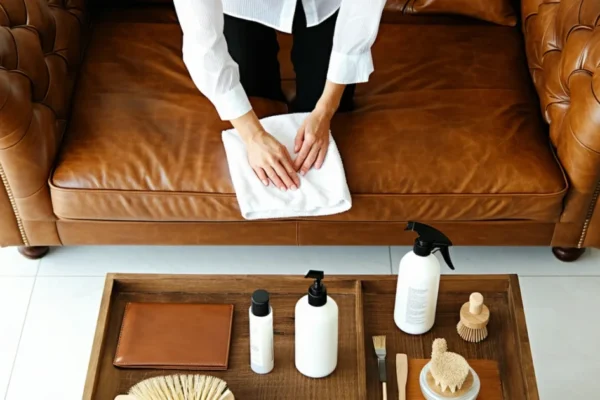
How to Clean Leather Couch: Complete Care Guide 2026
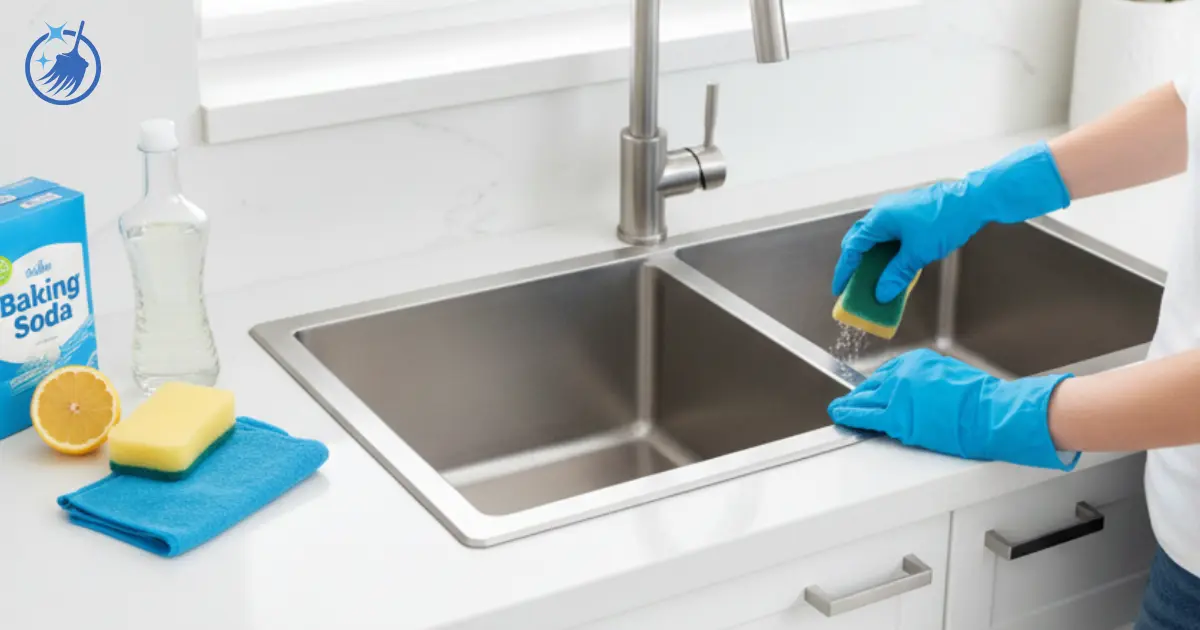
How to Clean a Stainless Steel Sink Without Scratching It