How to Clean Stainless Steel Pans: Complete 2026 Guide

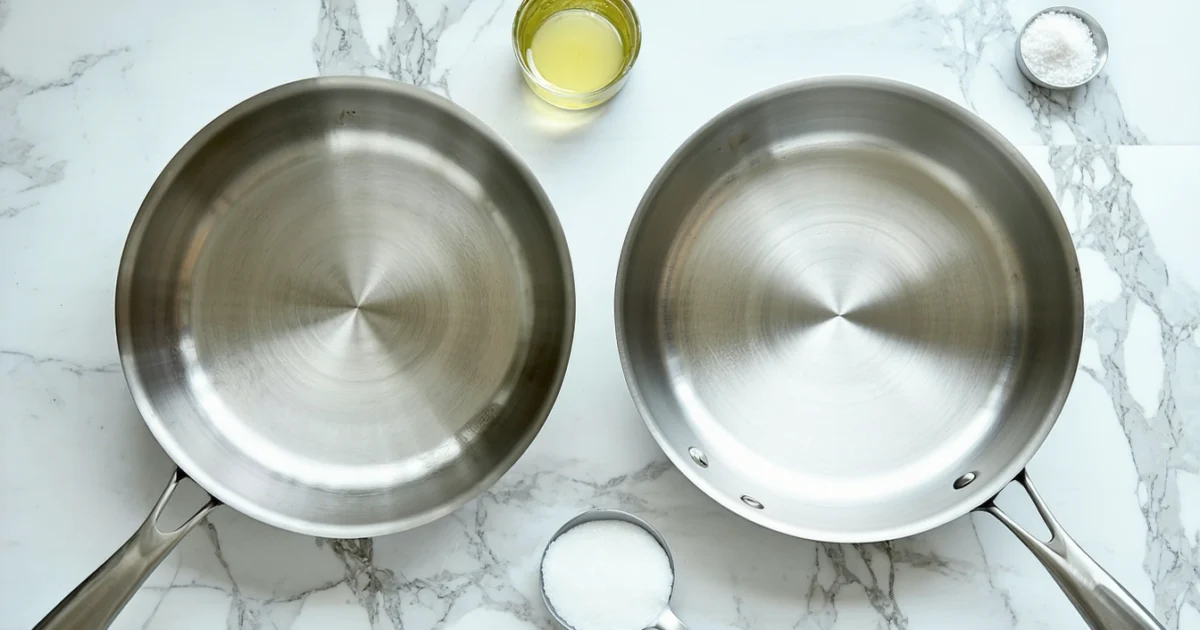
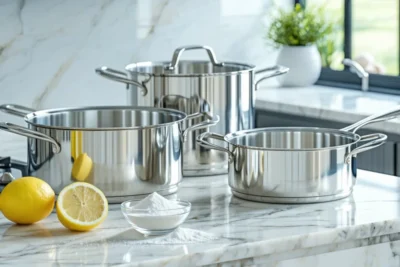
How to clean stainless steel pans effectively requires understanding the specific cleaning methods that work best for this durable cookware material. Stainless steel pans develop various types of stains including water spots, heat marks, and burnt food residue that need targeted cleaning approaches. However, with the right techniques using common household items like baking soda, white vinegar, and proper washing methods, you can restore your pans to their original shine.
The key to successful stainless steel pan cleaning lies in matching the cleaning method to the type of stain or discoloration. Moreover, understanding what causes brown staining, rainbow discoloration, and black marks helps prevent future damage. Whether you’re dealing with everyday cooking residue or severely burnt pans, natural cleaning methods often prove more effective than harsh chemicals.
This comprehensive guide covers everything from daily maintenance to deep cleaning techniques that will keep your stainless steel cookware looking pristine. Additionally, we’ll explore both natural and commercial cleaning solutions, plus essential prevention strategies to minimize future staining.
TL;DR
- Daily cleaning with warm soapy water and immediate drying prevents most staining issues
- Baking soda paste and white vinegar solutions effectively remove stubborn stains naturally
- Avoid bleach, steel wool, and harsh abrasives that can permanently damage stainless steel surfaces
- Prevention through proper preheating and cooking techniques reduces staining and burnt food buildup
Understanding Stainless Steel Pan Cleaning Basics
Stainless steel pans require specific cleaning approaches because their surface composition differs significantly from other cookware materials. Unlike non-stick or cast iron pans, stainless steel develops a protective chromium oxide layer that prevents corrosion but also creates unique cleaning challenges. Therefore, understanding this material’s properties helps you choose the most effective cleaning methods.
The chromium content in stainless steel creates its signature shine and durability. However, this same composition makes the surface prone to specific types of discoloration when exposed to heat, minerals, and food acids. Consequently, standard dish soap alone often proves insufficient for maintaining the pristine appearance of stainless steel cookware.
Common Types of Stains and Discoloration
Water spots represent the most frequent staining issue on stainless steel pans. These white, chalky marks appear when mineral-rich water evaporates on the surface, leaving behind calcium and magnesium deposits. Additionally, hard water areas experience more severe spotting problems than regions with soft water supplies.
Heat marks manifest as blue, purple, or golden discoloration across the pan’s bottom and sides. These rainbow-like stains occur when stainless steel reaches temperatures above 500°F (260°C) during cooking. Furthermore, overheating causes the chromium oxide layer to thicken, creating these distinctive color changes.
Food residue stains develop from burnt proteins, sugars, and fats that bond with the pan’s surface during high-heat cooking. These stubborn marks appear as brown or black patches that resist removal with regular washing. Moreover, acidic foods like tomatoes can create pitted areas if left in contact with stainless steel for extended periods.
Understanding Stainless Steel Discoloration Causes
Brown staining typically results from protein-based foods burning onto the pan’s surface during cooking. When proteins reach their burning point, they create carbonized residue that appears as brown or dark amber patches. Similarly, sugar-based foods caramelize and create similar discoloration patterns when overheated.
Black marks indicate more severe burning where organic compounds have completely carbonized. These stains often occur when pans are left on high heat without adequate oil or when food burns completely. Additionally, using metal utensils on hot stainless steel can create black scratches and marks.
Rainbow staining appears as iridescent patches in blues, purples, and golds across the pan’s surface. This phenomenon occurs when the protective chromium layer oxidizes under extreme heat exposure. Notably, these stains are purely cosmetic and don’t affect the pan’s cooking performance or food safety.
Professional Tip
Essential Cleaning Tools and Materials
Effective stainless steel pan cleaning requires specific tools that won’t damage the surface while providing adequate cleaning power. The right materials make the difference between successful stain removal and permanent surface damage.
- Baking soda – Creates mildly abrasive paste for stubborn stains
- White vinegar – Dissolves mineral deposits and water spots
- Dish soap – Removes grease and daily cooking residue
- Microfiber cloths – Prevent scratching while cleaning effectively
- Soft-bristled brush – Scrubs without damaging the surface
- Wooden or plastic scrapers – Remove burnt food without scratching
Avoid harsh abrasives like steel wool, scouring pads, or chlorine bleach that can permanently damage stainless steel surfaces. These materials scratch the protective chromium layer and create permanent marks. Instead, choose gentler alternatives that preserve the pan’s finish while providing effective cleaning power.
For specialized cleaning needs, consider adding cream of tartar for extra-stubborn stains or lemon juice for natural acidic cleaning power. These natural ingredients work synergistically with baking soda and vinegar to tackle various staining issues. Furthermore, stainless steel cleaning principles apply across different items, making these skills transferable to other household cleaning tasks.
Daily Cleaning and Maintenance
Daily maintenance prevents stubborn stains and preserves your stainless steel pans’ appearance for years. Proper cleaning techniques remove cooking residue while protecting the pan’s surface from damage. Most importantly, immediate attention after cooking stops minor issues from becoming major cleaning challenges.
Proper Washing Technique
Start washing your stainless steel pan while it’s still warm but not hot. Fill the sink with warm water and add a few drops of mild dish soap. This temperature combination loosens food particles without shocking the metal surface.
Use a soft sponge or microfiber cloth to gently scrub the entire surface. Work in circular motions, paying special attention to areas where food tends to stick. The soap’s surfactants break down grease molecules while warm water dissolves water-soluble residues effectively.
Rinse thoroughly with clean warm water to remove all soap residue. Soap film left on stainless steel creates cloudy spots and attracts dirt particles. Additionally, complete rinsing prevents soap buildup that can interfere with future cooking performance.
Immediate Post-Cooking Care
Clean your pan within 30 minutes of cooking whenever possible. Hot food particles bond more strongly to metal surfaces as they cool and dry. This timing prevents protein coagulation and fat solidification that make cleaning significantly more difficult.
For pans with stuck-on food, add warm water immediately after removing food. Let the pan soak for 5-10 minutes while you eat or prepare other dishes. This soaking time softens residue without requiring aggressive scrubbing that could damage the surface.
Never plunge a hot stainless steel pan into cold water. This thermal shock can warp the pan’s bottom and create permanent damage. Instead, allow the pan to cool naturally for a few minutes before adding water.
Correct Drying Methods
Dry your stainless steel pan immediately after washing to prevent water spots and mineral deposits. Use a clean, dry microfiber cloth or soft cotton towel to remove all moisture. Water left on the surface evaporates and leaves behind dissolved minerals that create cloudy marks.
Wipe in the direction of the steel’s grain when visible, typically in straight lines rather than circles. This technique maintains the pan’s brushed appearance and prevents micro-scratches. For extra shine, buff the surface with a dry portion of your cloth after initial drying.
Air drying alone isn’t sufficient for stainless steel maintenance. Even filtered water contains minerals that leave spots as water evaporates. Therefore, hand drying remains the most effective method for maintaining your pan’s appearance.
Choosing the Right Cleaning Tools
Use soft sponges for daily cleaning and reserve scrub pads for stubborn, stuck-on food only. The non-abrasive side of standard kitchen sponges provides adequate cleaning power for most cooking residue. This approach preserves the pan’s finish while removing daily cooking deposits effectively.
When scrub pads become necessary, choose plastic or nylon varieties over steel wool or metal scrubbers. These materials remove burnt food without scratching the stainless steel surface. Apply gentle pressure and work systematically across problem areas.
For extremely stubborn residue, try a paste of baking soda and water before reaching for abrasive pads. This natural cleaning agent provides extra cleaning power without surface damage. Let the paste sit for 15 minutes before scrubbing gently with a soft sponge.
Pro Tip
Natural Cleaning Methods
Natural cleaning agents provide powerful solutions for restoring stainless steel pans without harsh chemicals. These household ingredients work effectively against various types of stains and discoloration while maintaining the pan’s integrity. Moreover, natural methods cost significantly less than commercial cleaners and pose no health risks in food preparation areas.
Baking Soda Paste Method
Baking soda creates an alkaline environment that breaks down burnt food particles and stubborn grease deposits. This gentle abrasive removes discoloration without scratching the stainless steel surface. Additionally, baking soda neutralizes acidic residues that can cause pitting over time.
- Mix 3 tablespoons baking soda with enough water to form a thick paste
- Spread the paste evenly across stained areas using a soft cloth
- Allow the mixture to sit for 15-20 minutes on stubborn burnt residue
- Scrub gently in circular motions with a non-abrasive sponge
- Rinse thoroughly with warm water and dry immediately
For heavily burnt pans, heat the baking soda paste directly in the pan with a small amount of water. This technique loosens carbonized food particles more effectively than cold applications. Furthermore, the heating process activates the baking soda’s cleaning properties.
White Vinegar Solution
White vinegar dissolves mineral deposits and water spots through its natural acidity. This household acid breaks down calcium and magnesium buildup that creates cloudy appearances on stainless steel surfaces. Consequently, vinegar restores the pan’s original shine and prevents future mineral accumulation.
- Create a solution of equal parts white vinegar and water
- Pour the mixture into the pan and bring to a gentle simmer
- Let the solution work for 10 minutes on water spots and mineral deposits
- Pour out the solution and wipe the pan with a soft cloth
- Rinse with clean water and dry thoroughly to prevent new water spots
Never use vinegar on hot stainless steel surfaces, as rapid temperature changes can cause warping. Instead, allow the pan to cool completely before applying vinegar solutions. This precaution protects both the pan’s structure and your safety during cleaning.
Lemon Juice Technique
Lemon juice provides natural citric acid that brightens stainless steel while eliminating cooking odors. This natural deodorizer works particularly well against fish, garlic, and onion smells that linger in pans. Additionally, lemon’s fresh scent leaves your cookware smelling clean and pleasant.
- Cut a fresh lemon in half and squeeze juice directly onto stained areas
- Sprinkle a small amount of coarse salt over the lemon juice
- Rub the lemon half across the surface, using the salt as a gentle abrasive
- Let the mixture sit for 5-10 minutes to break down stains
- Scrub lightly with a soft sponge and rinse with warm water
This method works exceptionally well for removing rainbow discoloration caused by overheating. The citric acid neutralizes the oxidation that creates these colorful patterns on stainless steel surfaces. However, always test this technique on an inconspicuous area first to ensure compatibility with your specific pan.
Cream of Tartar Paste
Cream of tartar tackles the most challenging discoloration and burnt-on residue that other natural methods cannot remove. This potassium bitartrate compound creates a mildly acidic paste that breaks down stubborn stains without damaging the steel. Furthermore, cream of tartar works safely on all grades of stainless steel cookware.
- Mix 2 tablespoons cream of tartar with enough lemon juice to form a paste
- Apply the mixture to heavily discolored or burnt areas
- Allow the paste to work for 30 minutes on tough stains
- Scrub gently with a plastic scrub pad in circular motions
- Rinse thoroughly and dry immediately to prevent water spots
This powerful combination works when other natural methods fail to remove severe discoloration. The cream of tartar paste penetrates deep into surface irregularities where burnt food particles hide. Therefore, this technique serves as your final natural cleaning option before considering commercial products.
Pro Tip
Natural cleaning methods prove that effective stainless steel maintenance doesn’t require expensive commercial products. These techniques work with ingredients already available in most kitchens, making pan maintenance both economical and environmentally friendly. For additional stainless steel cleaning guidance, explore our complete stainless steel water bottle cleaning guide which covers similar natural cleaning principles.
Cleaning Burnt and Severely Stained Pans
Severely burnt stainless steel pans require specialized cleaning techniques that go beyond regular maintenance. These stubborn stains and burnt-on food particles demand patience and the right combination of methods. However, even the most damaged-looking pans can return to their original shine with proper treatment.
Boiling Water Method for Loosening Burnt Food
The boiling water technique serves as your first line of defense against burnt food residue. This method works by rehydrating and softening carbonized particles that have bonded to the pan surface. Additionally, the heat expansion helps break the seal between burnt food and stainless steel.
- Fill the burnt pan with enough water to cover all affected areas
- Place the pan on the stovetop and bring water to a rolling boil
- Allow the water to boil vigorously for 10-15 minutes
- Remove from heat and let cool for 5 minutes
- Use a wooden spoon to gently scrape loosened burnt bits
- Drain the water and proceed with additional cleaning if needed
This initial step significantly reduces the effort required for subsequent cleaning methods. The boiling process breaks down protein bonds in burnt food, making removal much easier. Furthermore, this technique prevents scratching that might occur from aggressive scrubbing of hardened residue.
Baking Soda and Vinegar Combination Technique
The baking soda and vinegar combination creates a powerful cleaning reaction that tackles both burnt food and discoloration simultaneously. This chemical reaction produces carbon dioxide bubbles that lift stubborn residue from pan surfaces. Moreover, the alkaline-acid combination neutralizes odors trapped in burnt-on food particles.
Safety Note
Start by sprinkling 3-4 tablespoons of baking soda evenly across the burnt areas. Next, pour enough white vinegar to create a fizzing reaction that covers all affected surfaces. Allow this mixture to work for 15-20 minutes while the chemical reaction breaks down burnt residue.
After the fizzing subsides, use a soft-bristled brush to scrub gently in circular motions. The combination will have loosened most burnt particles, requiring minimal pressure for removal. Finally, rinse thoroughly with hot water and dry immediately to prevent water spots from forming.
Soaking Strategies for Heavily Burnt Pans
Extended soaking proves essential for pans with severe carbonization that resist initial cleaning attempts. Different soaking solutions target specific types of burnt-on residue more effectively than others. Therefore, selecting the right soaking strategy depends on the severity and type of burning present.
| Soaking Solution | Best For | Duration | Water Temperature |
|---|---|---|---|
| Dish soap concentrate | Grease-based burns | 2-4 hours | Hot |
| Baking soda paste | Protein burns | Overnight | Warm |
| Vinegar solution | Mineral deposits | 1-2 hours | Room temperature |
| Cream of tartar mix | Severe discoloration | 4-6 hours | Warm |
Create a concentrated soaking solution by mixing your chosen cleaner with minimal water to form a thick paste or strong solution. This concentrated approach ensures maximum contact between cleaning agents and burnt residue. Subsequently, cover the pan to prevent evaporation during extended soaking periods.
When and How to Use Gentle Abrasives Safely
Gentle abrasives become necessary when chemical cleaning methods fail to remove stubborn burnt residue completely. However, proper abrasive selection prevents permanent scratching while still providing effective cleaning power. Understanding which abrasives work safely on stainless steel protects your cookware investment.
- Plastic scrub pads – Safe for all stainless steel grades
- Soft-bristled brushes – Ideal for textured pan bottoms
- Wooden scrapers – Perfect for stubborn spots without scratching
- Fine steel wool (#0000) – Use only as last resort on heavily damaged pans
Always scrub with the grain of the stainless steel finish, not against it. This technique minimizes visible scratching and maintains the pan’s original appearance. Additionally, apply gentle pressure initially and increase gradually only if needed for stubborn areas.
Avoid circular scrubbing motions that create visible swirl marks on the pan surface. Instead, use straight, overlapping strokes that follow the steel’s natural grain pattern. This approach removes burnt residue while preserving the cookware’s aesthetic appeal.
Restoring Severely Discolored Stainless Steel
Severe discoloration often appears as rainbow-colored heat stains or dark brown oxidation marks that resist standard cleaning methods. These stains result from overheating that changes the steel’s surface chemistry. Fortunately, specialized restoration techniques can reverse most discoloration damage.
Commercial stainless steel cleaners containing oxalic acid prove most effective for severe discoloration. These products specifically target heat-induced stains that natural methods cannot remove. However, always test these stronger cleaners on an inconspicuous area first to ensure compatibility.
Pros
- Removes severe heat stains effectively
- Works on rainbow discoloration
- Professional-grade results
Cons
- Requires careful handling
- More expensive than natural methods
- May need multiple applications
For DIY restoration, create a paste using cream of tartar and hydrogen peroxide in equal parts. This combination provides stronger cleaning action than standard natural methods while remaining relatively safe for home use. Apply the paste generously to discolored areas and let it work for 30-45 minutes before scrubbing gently.
Professional restoration services offer another option for valuable or heavily damaged cookware. These services use specialized equipment and industrial-grade cleaners that restore pans to near-original condition. Consider this option for expensive cookware sets where replacement costs exceed restoration expenses.
Prevention remains the best strategy for avoiding severe discoloration in the future. Monitor cooking temperatures carefully and avoid leaving empty pans on hot burners. These simple precautions prevent the heat damage that causes difficult-to-remove staining.
Commercial Cleaners and Specialized Products
Commercial stainless steel cleaners deliver superior performance when natural methods fall short. These specialized formulations tackle stubborn stains, heat discoloration, and burnt-on residues that resist standard cleaning approaches. Moreover, professional-grade products save time and effort while providing consistent results across different stainless steel cookware brands.
Best Commercial Stainless Steel Cleaners for 2026
Bar Keepers Friend remains the gold standard for stainless steel pan cleaning. This oxalic acid-based cleaner removes heat stains, water spots, and burnt residues effectively. Additionally, it works faster than natural alternatives while being gentler than harsh abrasives.
Weiman Stainless Steel Cleaner combines cleaning power with protective properties. This product removes fingerprints and water marks while leaving a protective coating that resists future staining. Furthermore, its streak-free formula ensures professional-looking results.
Bon Ami offers a chlorine-free alternative that safely cleans without scratching. This powdered cleaner contains feldspar and limestone that gently polish while removing stains. Consequently, it suits daily maintenance cleaning without damaging the steel’s finish.
| Product | Active Ingredient | Best For | Price Range |
|---|---|---|---|
| Bar Keepers Friend | Oxalic Acid | Heat stains, burnt residue | £3-5 |
| Weiman Cleaner | Citric Acid | Daily maintenance | £8-12 |
| Bon Ami | Feldspar | Gentle cleaning | £4-6 |
When to Choose Commercial Products Over Natural Methods
Commercial cleaners become necessary when natural methods prove insufficient for specific cleaning challenges. Heat discoloration requires oxalic acid compounds that natural cleaners cannot provide. Similarly, burnt-on food residues often need stronger chemical action to break down completely.
Time constraints also favor commercial products over natural alternatives. Professional kitchens and busy households benefit from cleaners that work in minutes rather than hours. Additionally, commercial formulations provide consistent results regardless of water hardness or environmental factors.
Valuable cookware justifies the investment in specialized cleaners. High-quality stainless steel items maintain their appearance and performance longer with proper commercial cleaning products. Therefore, the cost of specialized cleaners becomes negligible compared to replacement expenses.
Bar Keepers Friend and Oxalic Acid Cleaners
Oxalic acid serves as the active ingredient in many professional stainless steel cleaners. This naturally occurring compound effectively dissolves mineral deposits, heat stains, and oxidation without damaging the underlying metal. However, proper application technique ensures optimal results.
Apply Bar Keepers Friend as a paste mixed with minimal water for maximum effectiveness. The thick consistency allows longer contact time with stains while preventing the cleaner from running off vertical surfaces. Subsequently, gentle scrubbing with a soft cloth activates the cleaning action.
Rinse thoroughly after cleaning to remove all oxalic acid residues. Incomplete rinsing can leave white spots or cause surface etching over time. Therefore, multiple rinses with clean water ensure complete removal of cleaning compounds.
Important Safety Note
Stainless Steel Polish for Finishing Touches
Stainless steel polish provides the final step in achieving professional cleaning results. These products remove minor scratches, enhance shine, and create protective barriers against future staining. Moreover, quality polishes extend the time between deep cleaning sessions.
Microfiber application cloths work best with stainless steel polishes. These specialized fabrics distribute polish evenly while avoiding lint or scratches. Additionally, they pick up excess product that might otherwise leave streaks or residue.
Apply polish in the direction of the steel’s grain for optimal results. This technique enhances the natural brushed appearance while ensuring even coverage. Furthermore, working with the grain prevents cross-scratching that creates visible marks.
Safety Considerations When Using Chemical Cleaners
Proper ventilation becomes essential when using commercial stainless steel cleaners. These products release fumes that can irritate respiratory systems in enclosed spaces. Therefore, open windows and use exhaust fans during cleaning sessions.
Protective equipment prevents skin and eye contact with cleaning chemicals. Wear rubber gloves, safety glasses, and long sleeves when handling commercial cleaners. Additionally, keep cleaning products away from children and pets during use.
Read product labels carefully before use to understand specific safety requirements. Some cleaners require dilution while others work best at full strength. Moreover, certain products cannot be used on specific stainless steel grades or finishes.
- Store cleaners in original containers with intact labels
- Never mix different cleaning products together
- Test new products on inconspicuous areas first
- Keep emergency contact numbers readily available
- Dispose of empty containers according to local regulations
Emergency procedures should be established before using strong chemical cleaners. Know the location of eyewash stations or clean water sources for immediate flushing. Additionally, understand first aid procedures for chemical contact incidents.
What to Avoid When Cleaning Stainless Steel Pans
Understanding what not to use prevents permanent damage to your stainless steel cookware. Many common household cleaners and tools create irreversible harm that compromises both appearance and performance. Therefore, avoiding these problematic substances protects your investment while maintaining optimal cooking results.
Harmful Cleaners That Damage Stainless Steel
Bleach and chlorine-based cleaners cause pitting and corrosion in stainless steel surfaces. These chemicals break down the protective chromium oxide layer that prevents rust formation. Consequently, even brief exposure creates permanent damage that appears as small holes or dark spots.
Ammonia-based products similarly attack the steel’s protective coating. Furthermore, these cleaners leave behind residues that affect food flavours during cooking. Instead, stick to pH-neutral cleaners specifically designed for stainless steel applications.
Chemical Warning
Acidic cleaners containing hydrochloric acid or muriatic acid etch permanent marks into stainless steel. These industrial-strength products remove the surface finish entirely. Additionally, oven cleaners often contain caustic chemicals that discolour and weaken the metal structure.
Abrasive Tools and Materials to Avoid
Steel wool and wire brushes scratch stainless steel beyond repair. These abrasive tools create deep grooves that trap food particles and bacteria. Moreover, the scratches provide nucleation sites for corrosion to begin.
Scouring powders containing silica or pumice similarly damage the surface finish. Even gentle rubbing with these products removes the protective layer permanently. Therefore, choose non-abrasive cleaning methods that preserve the original appearance.
- Avoid steel wool pads of any grade
- Never use wire brushes or metal scrapers
- Skip abrasive sponges with rough backing
- Eliminate scouring powders from your routine
- Replace worn cleaning cloths that develop rough textures
Coarse salt used as an abrasive creates microscopic scratches that accumulate over time. While some cleaning methods recommend salt scrubs, this practice gradually degrades the surface quality. Instead, use gentle cleaning techniques that maintain the original finish.
Temperature Mistakes That Cause Damage
Thermal shock occurs when hot pans contact cold water suddenly. This rapid temperature change warps the metal and creates permanent distortion. Additionally, thermal shock can cause the bottom to separate from the sides in multi-layer construction.
Placing frozen foods directly into preheated stainless steel pans similarly causes thermal stress. The extreme temperature differential creates hot spots that lead to uneven cooking and potential warping. Therefore, allow foods to reach room temperature before cooking when possible.
Dishwasher heat settings above 60°C (140°F) can discolour stainless steel over time. High-temperature wash cycles combined with harsh detergents accelerate surface degradation. Consequently, use moderate temperature settings or hand wash valuable cookware pieces.
Common Mistakes That Worsen Staining
Allowing salt water or acidic foods to sit in pans overnight creates stubborn stains. These substances penetrate the surface and form chemical bonds that resist normal cleaning. Furthermore, delayed cleaning allows stains to set permanently into the metal structure.
Overheating empty pans causes rainbow discolouration that cannot be reversed. This heat tinting occurs when temperatures exceed the steel’s tolerance limits. Additionally, overheating weakens the metal and reduces its lifespan significantly.
Using excessive force during cleaning spreads stains rather than removing them. Aggressive scrubbing pushes particles deeper into microscopic surface irregularities. Instead, apply gentle pressure with appropriate cleaning solutions for better results.
Prevention costs less than replacement – avoid these common mistakes to extend your cookware’s lifespan by decades.
Cross-contamination from dirty cleaning tools transfers grease and food particles between items. Using the same cloth for multiple surfaces spreads stains and bacteria throughout your kitchen. Therefore, maintain separate cleaning materials for different cookware types and replace them regularly.
Prevention and Long-term Care
Preventing stains requires proper cooking techniques from the start. Preheating stainless steel pans for 2-3 minutes before adding oil creates an even temperature distribution. This technique prevents food from sticking and reduces the likelihood of burnt residue formation.
Oil application timing determines cooking success and pan condition. Add oil when the pan reaches proper temperature – water droplets should dance across the surface. Moreover, using oils with high smoke points like avocado or grapeseed oil prevents carbonisation that causes stubborn stains.
Proper Cooking Techniques to Minimise Staining
Medium heat settings work best for most stainless steel cooking applications. High temperatures above 260°C cause proteins to bond permanently with the pan surface. Therefore, patience during cooking prevents expensive cleaning challenges later.
Salt addition timing affects pan longevity significantly. Adding salt to cold pans or directly onto dry surfaces creates pitting and corrosion. Instead, dissolve salt in liquids before adding to heated cookware for optimal results.
Acidic ingredients require careful handling to prevent discolouration. Tomatoes, wine, and citrus juices should simmer rather than boil vigorously. Additionally, removing acidic foods promptly after cooking prevents chemical reactions that cause permanent staining.
Storage Tips to Maintain Pan Condition
Proper storage prevents scratches and maintains surface integrity between uses. Pan protectors or cloth dividers separate stacked cookware and prevent metal-on-metal contact. Furthermore, storing pans in dry environments prevents moisture-related corrosion issues.
Complete drying before storage eliminates water spot formation. Residual moisture creates mineral deposits that appear as white spots or cloudy films. Consequently, towel-dry thoroughly and air-dry for several minutes before putting pans away.
Hanging storage systems provide excellent ventilation and prevent stacking damage. Wall-mounted racks or ceiling hooks allow air circulation around each pan. Similarly, this storage method makes daily cooking more convenient and efficient.
Regular Maintenance Schedule for Optimal Performance
Daily maintenance involves immediate cleaning after each use with warm soapy water. This routine prevents food residue from hardening and becoming difficult to remove. However, allow pans to cool naturally before washing to prevent thermal shock damage.
- Weekly deep cleaning with baking soda paste removes accumulated stains
- Monthly vinegar treatment eliminates water spots and mineral deposits
- Quarterly inspection identifies wear patterns and potential issues
- Annual professional assessment for high-value cookware sets
Seasoning stainless steel pans monthly improves their non-stick properties naturally. Apply a thin layer of high-heat oil and warm the pan until the oil shimmers. Then, wipe excess oil with paper towels and allow the pan to cool completely.
Regular maintenance extends cookware lifespan by preventing minor issues from becoming major problems. Consistent care routines maintain optimal cooking performance and preserve your investment for decades. Additionally, well-maintained pans require less aggressive cleaning methods over time.
When Professional Restoration Might Be Necessary
Professional restoration becomes necessary when home cleaning methods fail to restore pan functionality. Deep scratches, permanent discolouration, or warped bottoms indicate the need for expert intervention. Furthermore, valuable or sentimental cookware pieces deserve professional attention to maintain their worth.
Commercial kitchen equipment restoration services use specialised tools and compounds unavailable to consumers. These professionals can remove heat tinting, repair minor scratches, and restore original surface finishes. Moreover, they provide warranties on their restoration work for peace of mind.
Cost-benefit analysis determines whether restoration makes financial sense. Professional services typically cost £15-40 per pan depending on size and damage severity. However, replacing high-quality stainless steel cookware costs significantly more than professional restoration in most cases.
Preventive care eliminates most restoration needs through consistent maintenance practices. Deep cleaning your kitchen regularly includes proper cookware care as part of comprehensive maintenance. Therefore, investing time in prevention saves money on professional services later.
Professional Restoration Indicators
Frequently Asked Questions
How do I get the brown off my stainless steel pan?
Brown stains on stainless steel pans typically result from burnt proteins or caramelized sugars. Create a paste using 3 tablespoons of baking soda mixed with water, spread it over the brown areas, and let it sit for 15-20 minutes. Then scrub gently with a non-abrasive sponge and rinse thoroughly. For stubborn brown stains, heat the pan with the baking soda paste for 2-3 minutes before scrubbing.
What is best to clean a stainless steel pan?
The best cleaning approach depends on the type of stain. For daily cleaning, use warm soapy water and dry immediately to prevent water spots. For deeper cleaning, white vinegar and baking soda are the most effective natural solutions. Commercial stainless steel cleaners work well for severe staining, but avoid bleach and harsh abrasives that can damage the surface.
How do you clean stainless steel that has turned black?
Black discoloration indicates severe carbonization from overheating. Fill the pan with water and add 2 tablespoons of white vinegar, then bring to a boil for 5-10 minutes. Let it cool, then scrub with baking soda paste. For extremely stubborn black marks, try the deglazing method: heat the empty pan until warm, add cold water to create steam, then scrub immediately while the pan is still warm.
How do you clean a burnt stainless steel pan?
For burnt pans, start by filling with hot water and letting it soak for 30 minutes to loosen debris. Then create a cleaning solution with equal parts water and white vinegar, bring it to a boil in the pan, and let it simmer for 10 minutes. After cooling, scrub with baking soda paste using circular motions. Repeat the process if necessary for heavily burnt areas.
How do you remove water spots from stainless steel pans?
Water spots are caused by mineral deposits from hard water. Remove them by wiping the pan with undiluted white vinegar using a soft cloth, then rinse with distilled water and dry immediately with a microfiber towel. To prevent future water spots, always dry your pans completely after washing and consider using distilled water for final rinsing in hard water areas.
Can you use baking soda and vinegar together on stainless steel?
Yes, but use them separately for maximum effectiveness. When combined, baking soda and vinegar neutralize each other, reducing their cleaning power. Instead, apply baking soda paste first, let it work for 15 minutes, then rinse and follow with vinegar for a final polish. This sequential approach provides better results than mixing them together.
What should you never use on stainless steel pans?
- Bleach or chlorine-based cleaners – can cause pitting and permanent damage
- Steel wool or abrasive scrubbers – scratch the surface and remove the protective layer
- Oven cleaner – too harsh and can discolor the steel
- Salt on wet surfaces – can cause corrosion if left sitting
- Ammonia-based products – can damage the chromium oxide layer
Why do stainless steel pans get rainbow discoloration?
Rainbow discoloration (blue, purple, or golden hues) occurs when stainless steel is heated above 500°F (260°C). This overheating causes the chromium oxide layer to thicken, creating interference patterns that appear as colorful stains. While these marks don’t affect the pan’s performance, they can be removed using white vinegar or specialized stainless steel cleaners.
How often should you deep clean stainless steel pans?
Deep clean your stainless steel pans every 2-4 weeks depending on usage frequency. Daily users should deep clean weekly, while occasional cooks can extend to monthly cleaning. Signs that indicate deep cleaning is needed include persistent water spots, heat discoloration, or food residue that regular washing doesn’t remove.
Can you put stainless steel pans in the dishwasher?
Most stainless steel pans are dishwasher safe, but hand washing is recommended for longevity. Dishwashers can cause water spots due to mineral deposits in the drying cycle, and harsh detergents may dull the finish over time. If using a dishwasher, remove pans before the heated dry cycle and hand dry immediately to prevent spotting.
How do you prevent staining in stainless steel pans?
- Preheat gradually – avoid shocking cold pans with high heat
- Use medium heat for most cooking tasks to prevent overheating
- Add oil after preheating to create a protective barrier
- Clean immediately after cooking while the pan is still warm
- Dry completely after washing to prevent water spots
- Store in a dry location with adequate ventilation
What's the best natural cleaner for stainless steel pans?
White vinegar is the most effective natural cleaner for stainless steel pans. Its acetic acid content dissolves mineral deposits, removes water spots, and restores shine without damaging the surface. For stubborn stains, combine vinegar cleaning with baking soda paste for a powerful, non-toxic cleaning solution that rivals commercial products.
How do you restore shine to dull stainless steel pans?
Restore shine by cleaning with white vinegar, then polishing with a small amount of olive oil on a microfiber cloth. Work in circular motions following the grain of the steel, then buff with a clean, dry cloth. For extra shine, some people use club soda as a final rinse before drying, as the carbonation helps remove any remaining residue.
You May Also Like
How to Clean Stainless Steel Water Bottles: Complete Guide
How to Clean a Kettle: Complete Guide for 2026