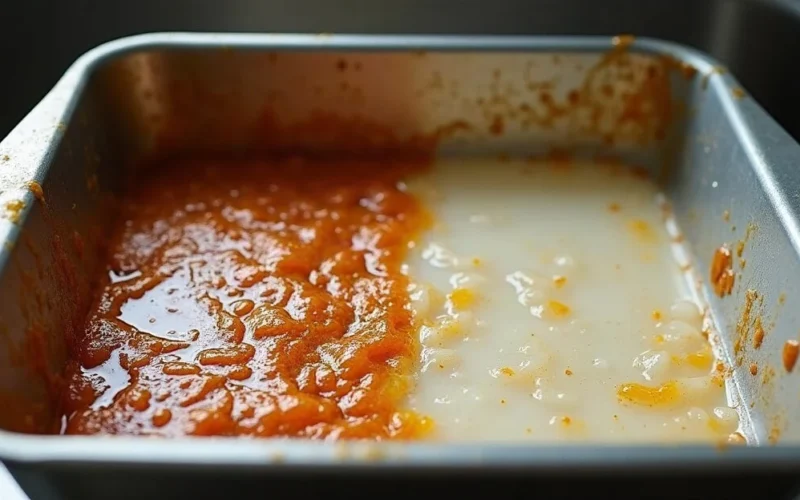
You lift the lid on last night’s pan and the bottom is a patchwork. A brown, tacky film where the onions caught. A ring of rainbow blue and gold from when the pan sat on a high ring too long. A scatter of chalky white spots from the final rinse. It looks ruined, and it is almost certainly not. Stainless steel is tough, and nearly every mark on it is a film on top of the metal, not damage to it.
This guide starts with the routine that fixes most pans, then helps you read what each mark is, then moves on to the stronger options for burnt-on carbon and heat tint, and finally the habits that stop it happening again.
Disclosure: Cleaners Guide is a participant in the Amazon Associates programme, so if you buy through links on this page we may earn a small commission at no extra cost to you. It never changes our recommendations, we suggest products because they work and we point out cheaper options where they do the same job. Prices and availability change, so always check the current price before buying.
The basic clean that rescues most pans
Do this first, even if the pan looks bad. Most of the time, it is all you need.
- Let the pan cool for a few minutes. Do not run cold water into a very hot pan. Rapid temperature change can warp the base, and stainless pans with a thick base are prone to it.
- Add warm water and a squirt of washing-up liquid while the pan is still warm, and leave it to soak for 15 to 30 minutes. Soaking softens most stuck-on food without any scrubbing.
- Wipe with a soft sponge or the soft side of a scourer. Use plenty of washing-up liquid and work along the direction of the grain if you can see one.
- Scrape, do not scratch, stubborn bits. A wooden or silicone spatula, a plastic scraper or a nylon scourer lifts softened food without marking the steel.
- Rinse well in hot water. Leftover soap leaves a cloudy film on the surface.
- Dry straight away with a clean tea towel or microfibre cloth. This is the step that prevents most white spots, because it stops the minerals in tap water drying onto the steel.
- Check it in daylight. Anything left is a stain you can now match to the right fix.
The whole routine takes about five minutes of actual work, spread over a soak. Most people over-scrub and under-soak, so if you are tempted to push harder, let the water do the work for a bit longer instead. Time and warm water loosen starch, egg and sugar far more gently than a scourer ever will, and they leave the surface of the steel unmarked, which in turn makes the pan easier to clean next time.
A bicarbonate of soda paste is the next small step if washing leaves a film: stir a few tablespoons with enough water to make a thick paste, rub it on with a damp soft sponge, leave it for 15 minutes and rinse. It is a mild abrasive and gentle on stainless steel. It is cheap and works on light brown marks and stubborn grease.
Reading the marks: what each one is
The right fix depends on what you are looking at, and some marks need an acid and others need an abrasive. The table sorts the common ones.
| What you see | What it is | What works |
|---|---|---|
| Brown, tacky or sticky film | Fats and sugars that have polymerised under heat | Soak, then warm water and washing-up liquid, then bicarbonate paste |
| Black, hard patches | Burnt-on food that has carbonised | Simmer in water with washing-up liquid, then an oxalic acid cleaner or paste |
| Rainbow, blue or gold tint | Heat tint: a thickened oxide layer on the steel from overheating | Mild acid such as white vinegar or lemon, or an oxalic acid cleaner. Purely cosmetic |
| White chalky spots or cloudy film | Limescale from hard water, or soap residue | White vinegar, then dry thoroughly |
| Tiny white pits or dots on the bottom | Pitting, often from salt that did not dissolve before the water heated | Cannot be reversed, but can be prevented |
| Orange or brown specks | Surface rust from another iron item left on the steel, or from damage | Oxalic acid cleaner, then dry |
| Dull, scratched look | Fine scratches from abrasives | Polish along the grain. Deep scratches are permanent |
| Smell that lingers | Absorbed food oils | Simmer water with vinegar or lemon slices, then wash |
Rainbow tint worries many people, but it is the same stainless steel with a slightly thicker, coloured oxide layer on top. It does not affect food safety or how the pan cooks, and it is simple to remove with a mild acid. Pitting is the one real, permanent kind of damage on this list, and it usually shows as small dots in the base rather than a smear. If your pan has them, the pan is still safe to cook with, though the surface will not be as smooth.
Does the type of pan matter?
Most of the advice here applies to any stainless steel cookware, but construction changes a few details. Many modern pans are clad, meaning they have a layer of aluminium or copper between stainless steel layers, to spread the heat. The cooking surface is stainless, so the same cleaners work, but the edge where the layers meet can trap water and cleaner, so rinse and dry around the rim. A single-layer thin pan heats unevenly, so it burns more easily and tints more readily. Stainless steel is also graded: the numbers you see, such as 18/10, refer to the chromium and nickel content, with higher numbers generally giving better resistance to staining. A magnetic base is needed for induction hobs. None of this changes how you clean, but it explains why one pan seems to mark more than another.
Cleaning after specific foods
| Food | What goes wrong | What to do |
|---|---|---|
| Rice, porridge, oats | A starchy layer that glues to the base | Fill with warm water straight away, soak for 20 to 30 minutes, then wipe. Starch softens with water, not scrubbing |
| Eggs | Protein film that bonds to hot steel | Soak in warm water; a nylon scourer lifts the film. Cooking on a moderate heat with enough fat helps in future |
| Milk, custard, white sauce | Scorched milk proteins on the base | Soak, then simmer with water and washing-up liquid, scrape gently with wood |
| Tomato sauce, wine, citrus | Acid residue that dulls the surface and leaves tint | Decant after cooking, wash soon, rinse thoroughly |
| Fish, garlic, onions | Lingering smells and oily film | Wash with hot soapy water, then simmer water with a few lemon slices or white vinegar |
| Caramel and sugar | Hard glassy layer | Fill with water and simmer until the caramel dissolves, then wash. Do not chip it off |
| Meat fond and burnt fats | Brown and black layers | Deglaze while hot; soak; use bicarbonate paste for what remains |
If that did not work: stronger fixes
Simmer the burnt-on food loose
For a pan with a hard black or brown layer, fill it with enough water to cover the marks, add a good squirt of washing-up liquid and bring it to a simmer for 10 to 15 minutes. Turn off the heat and leave it for a few minutes to cool slightly, then scrape with a wooden spoon. The food rehydrates and lifts. For a more thorough job, add a tablespoon or two of bicarbonate of soda to the water. It will foam, so add it slowly. Then wash as usual. Our guide to cleaning a burnt pan covers more cases of this type.
Bicarbonate of soda, used properly
Make a thick paste, spread it over the stained area, leave it for 15 to 30 minutes, then rub gently with a soft sponge. For heavier marks, leave a thick layer overnight, covered by a damp cloth. A little warmth helps: warm the paste in the pan on low heat with a splash of water, then let it cool before you scrub. Do not combine this with vinegar in the same step. The fizz looks impressive, but the two neutralise each other, and you are left mostly with salty water. Use the paste first, rinse, and then use vinegar for a separate step if you need it, a point we explain in does baking soda and vinegar really clean.
White vinegar for spots and tint
Mix equal parts white vinegar and water in the pan and bring it to a gentle simmer for a few minutes, or wipe undiluted vinegar over the outside with a cloth. Rinse and dry straight away. Vinegar dissolves limescale and lifts mild heat tint. Do not leave it sitting for hours, ventilate if the smell bothers you, and keep it away from any non-stick or coated surfaces, or from stone worktops. Rinse the pan before you cook in it.
Lemon and cream of tartar
Lemon juice does a similar job on rainbow tint and helps with smells. For tougher marks, a paste of cream of tartar and a little lemon juice or water is a mild acid paste that many cooks use to polish steel. Spread it on, leave for up to 30 minutes, rub with a soft sponge, rinse and dry. Cream of tartar is cheap and sold as a baking ingredient. It is not essential, and a good oxalic acid cleaner does the same job faster. Avoid rubbing coarse salt over the steel, which scratches.
An oxalic acid cleaner for heat tint, rust and stubborn carbon
Powder or liquid cleaners based on oxalic acid, such as Bar Keeper’s Friend, are the standard shop-bought answer for heat stains, rust marks and burnt-on residue on stainless steel. Wet the pan, sprinkle a little powder or squeeze out the cleaner, make a loose paste with a damp cloth and rub along the grain. Leave it for a minute or two, but not to dry, and rinse thoroughly, then dry. Read the label: wear gloves, ventilate, keep it away from children and do not use it on non-stick, enamelled or aluminium surfaces, such as the outside of some pans. Do not mix it with bleach or any other cleaner. Rinse well, because oxalic acid is toxic if swallowed and can leave white marks if left on. You can compare Bar Keeper’s Friend cleanser and other forms of the same type of cleaner.
Which home option for which job
| Home option | Good for | Limits |
|---|---|---|
| Washing-up liquid and warm water | Everyday grease and food, the first step for everything | Does little on baked-on carbon or heat tint |
| Bicarbonate of soda paste | Light brown film, grease, gentle abrasion | Not an acid, so no use on limescale or tint |
| White vinegar | Limescale, white spots, light tint | Should be rinsed well; not for non-stick surfaces |
| Lemon juice | Light tint and smells | Weak on heavy marks; can leave sticky residue if not rinsed |
| Cream of tartar paste | Polishing and tint | Slower than an oxalic acid cleaner |
| Coarse salt scrubs | Not recommended | Scratches the surface and can contribute to pitting |
Cleaning tools you probably already own
A wooden spoon or a silicone spatula is the best scraper for softened food, since neither scratches stainless steel. A plastic bowl scraper or an old loyalty card works on flat bases. A dish brush with firm nylon bristles gets into corners where the base meets the side wall, and an old toothbrush handles rivets and rims. Keep a separate cloth for drying pans so it stays lint-free and free of grease, and wash it often.
The worst-case sequence, in order
When a pan is badly burnt, do not jump straight to the strongest product. Go through these stages and stop when it is clean, because each step is slightly harder on you and the pan.
- Soak in hot water and washing-up liquid for an hour or overnight.
- Simmer in water with washing-up liquid for 10 to 15 minutes, then scrape gently.
- Simmer again with a couple of tablespoons of bicarbonate of soda, then scrape and wash.
- Apply a bicarbonate paste to what remains, leave it for 30 minutes and scrub with a nylon pad.
- Switch to an oxalic acid cleaner for the heat stain and the last of the carbon, working along the grain.
- Wash, rinse and dry, and polish along the grain with a dry cloth.
Repeat a stage once before you move on. A pan that took a week to ruin is unlikely to be rescued in five minutes, but it usually can be rescued. Resist the temptation to attack carbon with a knife or a metal spatula, which leaves deep scratches that hold the next layer of burnt food.
Lids, handles, rivets and the outside
Pans collect grease on handles, lid rims and around rivets, where food and oil settle into tiny gaps and brown over time. Clean these with a soft brush or a cotton bud dipped in hot soapy water, then rinse and dry. A soft toothbrush reaches inside rivet heads. Glass lids should be washed with hot soapy water and dried to avoid streaks. Handles with a hollow section should not be left soaking, because water can get inside. The outside of the pan can be polished with the same oxalic acid paste or a stainless steel polish. If a handle is wobbly or a rivet is loose, stop using the pan until it is fixed, because hot food in a loose pan is a safety risk.
Hard water and the final rinse
In hard water areas, spots are almost guaranteed unless you dry the pan. A final rinse with filtered or kettle-boiled and cooled water can reduce the minerals left behind, but a quick dry with a cloth does more. Run a vinegar simmer once a month if you notice cloudiness building. Dishwasher rinse aid helps in a machine if you use one. Our pieces on hot versus cold water explain how temperature affects cleaning results generally.
Scourers and scrapers: what is safe
A non-scratch or nylon scourer, a soft brush and a plastic or wooden scraper are safe for stainless steel. Always rub with the grain, in straight lines, not circles. Stainless steel wool and wire pads scratch the surface and can leave tiny steel particles that rust, so most pan makers advise against them. Check the care leaflet, because a few makers specify what is safe for their finish. Our general stainless steel guide, how to clean stainless steel, covers other stainless items, and how to clean a stainless steel sink covers sinks.
When a pan is beyond saving
Deep scratches, a warped base that wobbles on the hob, pitting across the whole surface or a base that has separated from the sides are signs the pan is past its best. Surface stains, tints and spots are not. A pan that rocks cooks unevenly and wastes heat, and a base that has delaminated can trap water and lift. At that point replacement is sensible.
What to keep away from your pans
- Bleach and chlorine cleaners. Chloride can pit stainless steel and cause lasting spots. Check any cleaner you use for chlorine on the label.
- Oven cleaner. Strong alkalis can dull and stain the surface, and are not meant for pans.
- Steel wool, wire brushes and scouring powder with grit. They scratch, and the scratches hold stains.
- Soaking in salty water for hours. Salt left in contact with the steel can cause pitting over time. Rinse and wash quickly after salty or acidic food.
- Thermal shock. Do not run cold water into a very hot pan or place a hot pan on a cold, wet surface.
- Leaving food in the pan. Acidic foods like tomato sauce, wine or lemon, and salty stock, are best moved to a bowl after cooking.
- Long dishwasher cycles with harsh detergent. Many stainless pans are dishwasher safe, but strong detergent and heat can cloud the finish. Follow the maker’s instructions.
Can stainless steel rust?
It resists rust well, but it is not rust-proof. The thin chromium oxide layer that protects the steel can be broken by chloride (from salt or bleach), by scratches, or by an iron item such as a steel wool fragment, a cast iron pan or a metal tool left damp on the surface. Orange specks usually come from the other item rather than the pan itself. They clean off with an oxalic acid cleaner and a soft cloth, after which the steel reforms its protective layer when exposed to air. Do not leave pans wet or stacked while damp, and keep scouring pads dry between uses.
After a boil-over
Milk, pasta water and sauces that boil over leave a baked film on the outside of the pan and the hob. Wipe up while it is warm, but not hot, and soak the pan base in hot soapy water for a while. Leaving it lets the sugars and starch burn onto the metal at the next use, and those brown rings are tougher to shift than the original spill.
Pans are usually not used in isolation. If you also look after wooden spoons, chopping boards and other tools, the utensils category and the others category are worth browsing.
Cooking habits that stop the marks forming
Preheat, then oil, then food
Food sticks to stainless steel when the pan is too cold or too hot when it goes in. Warm the dry pan on a medium heat for a couple of minutes, add oil and let it heat until it moves easily across the base, then add food. Many cooks use a water droplet test: a drop that forms a bead and skates across the pan shows it is hot enough. Food also releases itself from steel when it has browned properly, so give it a minute before turning.
Medium heat is enough
Stainless steel conducts heat evenly and holds it well, so you rarely need maximum heat. High heat is the usual cause of rainbow tint and burnt-on oil. Use a lower setting than you would with thin aluminium pans, and never leave an empty pan on a lit hob.
Salt and acid
Add salt to water once it is boiling, or stir it in until it dissolves, rather than sprinkling it onto cold water in the base of the pan. Undissolved grains sitting on the steel are what cause tiny pits. Acidic sauces are fine to cook in stainless steel, but do not leave them in the pan overnight.
Deglaze instead of scrubbing
Browned bits stuck to the base after searing are flavour, and also the easiest stain to remove before it sets. Pour in a splash of stock, wine or water while the pan is still hot and scrape with a wooden spoon, then use the liquid in your sauce. What is left is easy to wash.
Induction hobs and pan bases
If you cook on an induction or ceramic hob, the base of the pan matters as much as the inside. A rough or dirty base can scratch glass, and burnt-on residue underneath cooks into brown rings that are hard to shift. Wipe the base after each use, give it the same bicarbonate treatment when needed, and check that it is dry and free of grit before it goes on the hob. Lift pans rather than sliding them across the surface.
Washing, drying and storing
Wash within an hour or so, dry with a cloth and store dry. Put a pan protector or a tea towel between stacked pans so bases and rims do not scratch each other. Wash a new pan before first use to remove manufacturing oils, and keep to a routine. For many cooks, an occasional deeper clean once a month or when marks appear is plenty. If your whole kitchen needs a once over, our kitchen deep clean guide walks through it room by room.
| How often | What to do |
|---|---|
| After every use | Soak if needed, wash, rinse, dry |
| When you see a film or spots | Bicarbonate paste or a vinegar rinse |
| Every month or two, or when needed | Oxalic acid cleaner for heat tint and burnt-on residue; polish with the grain |
| Occasionally | Check for a wobbly base, deep scratches or pitting |
Choosing pans that are easier to keep clean
If you are buying new, a few features help. A thick, flat base resists warping and hot spots, so food burns less. A smooth, polished interior is easier to wipe than a heavily textured or brushed one. Handles that are riveted can trap food around the rivets, whereas welded or smoothly finished attachments are easier to clean. A well-fitting lid reduces splashing and boil-over, which is behind a lot of burnt-on mess. Check whether the maker says the pan is dishwasher safe and suitable for your hob. Spending more on a few good pans and looking after them is often better than a large set of thin ones that tint and warp.
Safety when using acid cleaners
Acid cleaners, whether a kitchen vinegar or an oxalic acid product, are safe when used sensibly, but treat them with care. Wear gloves, avoid splashing your eyes, and open a window. Never mix an acid cleaner with bleach or products containing chlorine, because the combination can release a toxic gas, and our list of cleaning products you should never mix sets out the combinations to avoid. Rinse the pan well before cooking, and store cleaners in their original, labelled containers out of reach of children.
Cleaning kit for stainless steel pans
You can do all of this with bicarbonate of soda, washing-up liquid and a soft sponge. These are the items that make the harder jobs easier, with notes on what to check. The links open Amazon UK searches so you can compare current options. As an Amazon Associate we earn from qualifying purchases.
Start with the cheap options and add as you need.
Questions about cleaning stainless steel pans
Can you put stainless steel pans in the dishwasher?
Most are made to be dishwasher safe, but check the maker’s care leaflet. Strong detergents and heat can leave a cloudy finish over time, and mineral deposits from hard water can leave spots. Washing by hand is gentler and keeps the pan looking new. If you use the dishwasher, empty it promptly and dry the pan with a cloth.
Is it safe to cook in a pan with rainbow marks?
Yes. Rainbow or blue tint is a thicker oxide layer formed by overheating, and it does not harm the food or the pan. It is a cosmetic mark, and a mild acid such as white vinegar or lemon juice removes it. Prevent it by using a lower heat and not leaving an empty pan on a hot ring.
Why does food stick to my stainless steel pan?
Stainless steel is not non-stick, so food grips when the pan is not hot enough or when it is moved too soon. Preheat the pan, add oil once it is warm, then let the food brown before turning it, and food releases naturally. Dry food and avoid overcrowding the pan. Stuck-on bits are easiest to lift by deglazing.
Can you use bicarbonate of soda and vinegar together on stainless steel?
You can, but they cancel each other out, so there is little gain. Use bicarbonate of soda paste for burnt-on food and light stains, rinse, and use vinegar separately for spots and tint. Neither should be left on the steel for hours. Rinse and dry afterwards.
How often should I deep clean stainless steel pans?
Clean them after every use. A deeper clean with a paste or a cleaner is needed when you see a film, heat tint or white spots, which for some cooks is weekly and for others every month or two. There is no set schedule, and you do not need to deep clean a pan that looks and cooks well.
Is Bar Keeper’s Friend safe for stainless steel pans?
Used as directed, it is widely used on stainless steel cookware. Make a paste, rub along the grain, leave for a minute or two without letting it dry, and rinse thoroughly. Wear gloves, do not use it on non-stick or coated surfaces, and do not mix it with bleach or other cleaners. Check the pan maker’s advice.
What are the tiny white dots in the bottom of my pan?
These are usually pits caused by undissolved salt sitting on the steel while the water heats. They are permanent but do not make the pan unsafe. Prevent more by adding salt to boiling water or stirring until it dissolves. White chalky spots that wipe off with vinegar are limescale, not pitting.
How do I restore shine to a dull stainless steel pan?
Wash and rinse, remove limescale with white vinegar, deal with any heat tint with a paste of bicarbonate or an oxalic acid cleaner, then dry with a microfibre cloth, buffing along the grain. A tiny amount of oil on a cloth adds a temporary shine to the outside, and a stainless steel polish can freshen the exterior.
More kitchen guides, including how to look after other cookware, are on the Cleaners Guide home page, and the cleaning products category covers the cleaners mentioned here. Our guide to cleaning a stainless steel water bottle is useful if you also use stainless steel travel mugs.