How to Clean a Hairbrush: Complete Guide for All Brush Types

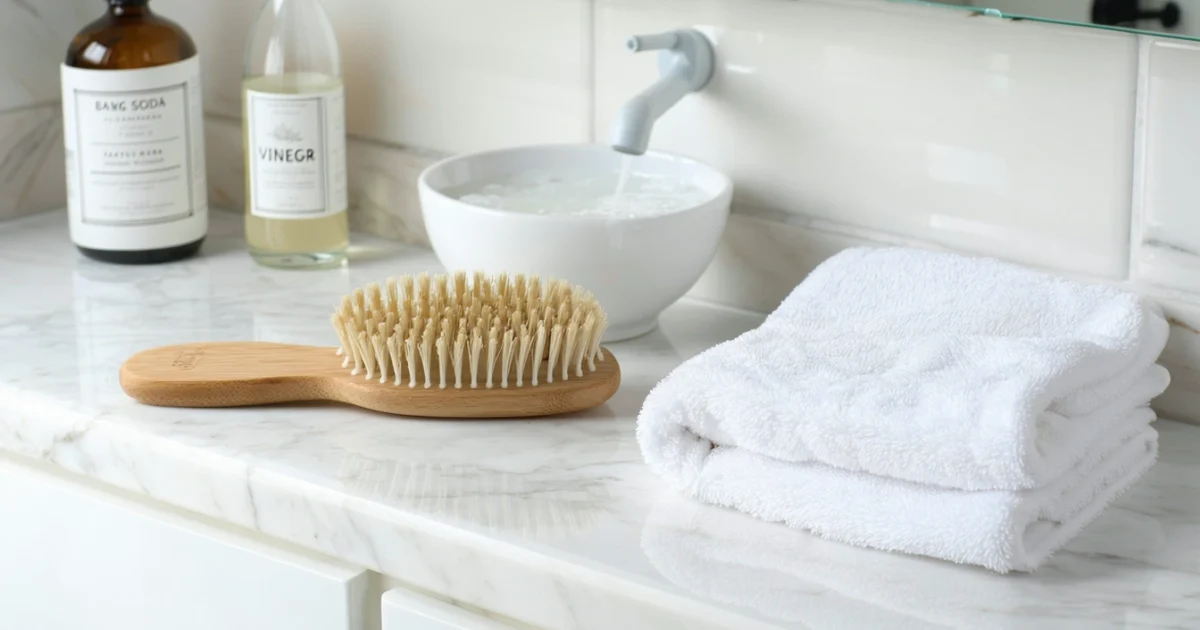
How to clean a hairbrush involves removing hair and debris, washing with soap and water, and allowing proper drying to maintain hygiene and brush performance. Regular cleaning prevents bacterial growth, removes product buildup, and extends your brush’s lifespan while keeping your hair healthier.
Dirty hairbrushes accumulate oils, dead skin cells, and styling products that can transfer back to clean hair. Moreover, neglected brushes become breeding grounds for bacteria and fungi, potentially causing scalp irritation and hair problems.
This comprehensive guide covers everything from basic weekly maintenance to deep cleaning with vinegar and baking soda. Furthermore, you’ll learn specific techniques for different brush types, including plastic bristle brushes, wooden brushes, and natural boar bristles. Additionally, we’ll explore alternative cleaning methods when you don’t have traditional cleaning tools available.
TL;DR
- Remove hair weekly and wash with soap and water for basic maintenance
- Deep clean monthly using vinegar and baking soda solution for stubborn buildup
- Different brush types require specific care – wooden brushes need gentle cleaning, while plastic bristles can handle scrubbing
- Proper drying prevents mold growth – air dry bristles down and store in clean, dry areas
Why Regular Hairbrush Cleaning Matters
Clean hairbrushes protect your hair and scalp from harmful bacteria while maintaining optimal styling performance. Regular cleaning removes accumulated oils, dead skin cells, and styling products that can transfer back to freshly washed hair. Additionally, proper brush maintenance prevents bacterial and fungal growth that thrives in warm, moist environments.
Health and Hygiene Benefits
Bacterial contamination occurs when hairbrushes remain uncleaned for extended periods. These microorganisms multiply rapidly in the presence of natural oils, dead skin cells, and moisture from styling products. Consequently, dirty brushes can cause scalp irritation, dandruff, and even folliculitis in severe cases.
Furthermore, fungal growth develops in brushes exposed to humid bathroom conditions without proper cleaning. Malassezia, a common scalp fungus, feeds on the sebum and dead skin trapped in brush bristles. This creates an ideal breeding ground that can worsen existing scalp conditions or trigger new infections.
Impact on Hair and Scalp Health
Dirty brushes redistribute old oils and product residue throughout clean hair, making it appear greasy and lifeless. This buildup weighs down hair strands and reduces volume, particularly affecting fine or thin hair types. Moreover, accumulated debris clogs hair follicles and can lead to reduced hair growth over time.
Scalp irritation frequently results from using contaminated brushes that harbor bacteria and allergens. The constant reintroduction of these irritants during brushing creates a cycle of inflammation that can manifest as redness, itching, or flaking. Therefore, maintaining brush cleanliness becomes essential for overall scalp health.
Warning Signs
Common Buildup Problems
Styling product accumulation creates the most visible form of brush contamination. Hair sprays, gels, mousses, and leave-in conditioners gradually coat bristles with sticky residues that attract dust and lint. This buildup becomes increasingly difficult to remove as it hardens over time, requiring more intensive cleaning methods.
Natural oil deposits from sebum production coat brush bristles during regular use. These oils oxidize when exposed to air, creating a rancid smell and yellowish discoloration. Additionally, the combination of oils and dead skin cells forms a paste-like substance that clogs bristle spaces and reduces brush effectiveness.
Environmental contaminants such as dust, pollen, and pollution particles also accumulate in hairbrushes over time. These microscopic particles embed themselves in the oil and product buildup, creating a complex mixture that requires thorough cleaning to remove completely. Consequently, deep cleaning techniques become necessary for heavily soiled brushes.
Dermatologists recommend cleaning hairbrushes weekly to prevent bacterial growth and maintain scalp health
Prevention strategies prove more effective than reactive cleaning approaches. Regular removal of hair strands after each use prevents the formation of dense mats that trap oils and debris. Similarly, storing brushes in clean, dry locations reduces exposure to humidity and airborne contaminants that accelerate bacterial growth.
How Often to Clean Your Hairbrush
Establishing a consistent cleaning schedule prevents bacterial buildup and extends your brush’s lifespan significantly. Most hair care professionals recommend weekly deep cleaning for regular users, though frequency adjustments depend on individual hair characteristics and styling habits.
Daily Hair Removal for Optimal Maintenance
Daily hair removal forms the foundation of proper brush hygiene. After each brushing session, pull out loose strands trapped between bristles using your fingers or a wide-tooth comb. This simple practice prevents hair from matting and creating dense clumps that trap oils and debris.
Regular hair removal also reduces the workload during weekly deep cleaning sessions. Furthermore, removing hair daily allows you to monitor your brush’s condition and identify when immediate cleaning becomes necessary.
Weekly Cleaning Schedule for Regular Users
Standard weekly cleaning suits most people with normal hair types and minimal product usage. However, certain factors require more frequent cleaning intervals to maintain optimal brush performance and scalp health.
| Hair Type | Cleaning Frequency | Key Factors |
|---|---|---|
| Oily hair | Every 3-4 days | Excess sebum production |
| Normal hair | Weekly | Standard maintenance |
| Dry hair | Bi-weekly | Less oil accumulation |
| Curly/textured hair | Weekly | Product buildup concerns |
Deep Cleaning Frequency Based on Hair Type and Product Use
Heavy styling product users require more intensive cleaning schedules than those who use minimal products. Hair sprays, gels, and leave-in treatments create sticky residues that accumulate rapidly on bristles and require thorough removal.
People with oily scalps should clean their brushes every three to four days because excess sebum production accelerates bacterial growth. Conversely, individuals with dry hair can extend cleaning intervals to bi-weekly since their scalps produce less natural oil.
Professional hairstylists often clean their brushes after each client to prevent cross-contamination. Similarly, people who share brushes should implement daily cleaning protocols to maintain hygiene standards.
Signs Your Brush Needs Immediate Cleaning
Visual and olfactory indicators signal when your brush requires immediate attention regardless of your regular cleaning schedule. White or grey buildup around bristle bases indicates accumulated oils, dead skin cells, and product residue that demands prompt removal.
- Unpleasant odors emanating from the brush
- Visible lint or dust particles trapped in bristles
- Sticky or tacky feeling when touching bristles
- Reduced brushing effectiveness or hair tangling
- Discoloration of bristles or brush base
Additionally, brushes that feel sticky or leave residue in your hair require immediate cleaning. These symptoms indicate bacterial overgrowth that can transfer to your scalp and potentially cause irritation or breakouts.
Quick Check Method
Maintaining a consistent cleaning routine becomes easier when you integrate it with other grooming habits. Many people find success cleaning their brushes while washing their hair, creating a natural weekly rhythm that ensures both hair and tools remain hygienic.
Removing Hair and Debris from Your Brush
Effective hair removal forms the foundation of proper brush maintenance and requires systematic techniques to eliminate tangled strands without damaging bristles. Manual hair removal serves as the primary method for extracting accumulated hair from brush bristles and involves careful finger manipulation to preserve brush integrity.
Manual Hair Removal Techniques
Begin hair removal by gently pulling visible strands from the brush surface using your fingers. Start from the outer edges and work systematically toward the center to prevent hair from becoming more entangled. This methodical approach ensures complete removal while minimizing stress on bristles.
For stubborn hair wrapped around bristle bases, carefully lift strands upward rather than pulling sideways. Subsequently, twist the hair gently to loosen it from bristle clusters before extracting completely. This technique prevents bristle breakage that commonly occurs with aggressive pulling motions.
Using Tools for Stubborn Hair Removal
Wide-tooth combs excel at removing deeply embedded hair that resists manual extraction. Insert the comb teeth between bristle rows and gently lift upward to catch tangled strands. This method proves particularly effective for paddle brushes and round brushes where hair commonly wraps around the base.
Alternatively, rat-tail combs with pointed ends can precisely target individual hair strands wound tightly around bristles. The pointed tip allows for careful manipulation without disturbing surrounding bristles or damaging the brush structure.
- Scissors for cutting severely tangled hair (use sparingly)
- Tweezers for extracting individual stubborn strands
- Old toothbrush for loosening hair from bristle clusters
- Seam ripper for carefully cutting wrapped hair
Eliminating Lint, Dust, and Grey Fuzz Buildup
Grey fuzz buildup consists of dead skin cells, fabric fibers, and environmental dust that accumulates between bristles over time. This debris creates an unsanitary environment that can transfer back to clean hair during brushing. Regular removal prevents bacterial growth and maintains brush effectiveness.
Use a clean, dry toothbrush to gently scrub between bristles and dislodge accumulated debris. Work in small circular motions to lift particles without pushing them deeper into the brush base. Focus particularly on areas where bristles meet the brush pad, as debris commonly collects in these crevices.
For persistent lint removal, compressed air effectively blasts debris from hard-to-reach areas between bristles. Hold the brush at a 45-degree angle and direct short bursts of air across the bristle surface. This technique proves especially useful for cleaning intricate brush designs with multiple bristle layers.
Pro Tip
Specialized Tools for Efficient Hair Removal
Brush cleaning tools designed specifically for hair removal streamline the maintenance process and reduce time spent on manual extraction. These specialized implements feature curved edges and pointed tips that navigate bristle patterns more effectively than household items.
| Tool Type | Best For | Effectiveness |
|---|---|---|
| Brush cleaning rake | Paddle brushes, wide bristle spacing | Excellent |
| Pointed pick tool | Round brushes, tight spaces | Very good |
| Multi-prong cleaner | All brush types | Good |
| Magnetic pin lifter | Metal bristle brushes | Excellent |
Professional-grade brush cleaning combs feature multiple prong sizes to accommodate different bristle densities. These tools reduce cleaning time by up to 60% compared to manual methods while ensuring thorough debris removal. Investment in quality cleaning tools pays dividends through extended brush lifespan and improved hygiene.
Finally, establish a systematic approach by removing hair and debris before each wet cleaning session. This preparation ensures cleaning solutions can penetrate bristles effectively rather than being blocked by accumulated matter. Consistent debris removal also prevents the formation of stubborn buildup that requires aggressive cleaning methods potentially harmful to brush materials.
Basic Hairbrush Cleaning Method
The soap and water method provides the most effective foundation for cleaning hairbrushes of all types. This gentle approach removes accumulated oils, product residue, and bacteria without damaging natural or synthetic bristles. Moreover, this technique works equally well for paddle brushes, round brushes, and specialty styling tools.
Simple Soap and Water Cleaning Process
Begin by selecting a mild shampoo or gentle dish soap that won’t strip protective coatings from brush materials. Harsh detergents can weaken bristle bonds and cause premature brush deterioration. Additionally, avoid antibacterial soaps containing triclosan, which may leave residue that transfers to hair during use.
Fill a clean basin with lukewarm water reaching approximately 2-3 inches deep. Water temperature should feel comfortable to touch—excessive heat damages natural bristles and softens plastic components. Furthermore, lukewarm water activates cleaning agents more effectively than cold water while preventing thermal damage.
Step-by-Step Washing Instructions
- Add one teaspoon of shampoo to the prepared water basin
- Swirl gently to create light suds without excessive foam
- Hold the brush handle firmly and dip only the bristles into the solution
- Gently agitate the brush in circular motions for 30-45 seconds
- Use a clean toothbrush to scrub between bristles if needed
- Focus on areas where product buildup appears heaviest
Never submerge the entire brush head underwater, especially with wooden handles or natural bristle brushes. Water penetration into the ferrule (metal band) can loosen bristles and cause permanent damage. Instead, maintain the brush at a slight angle to prevent water from reaching sensitive connection points.
For stubborn buildup, allow the bristles to soak in the cleaning solution for 2-3 minutes maximum. Extended soaking weakens adhesives and may cause bristle shedding during subsequent uses.
Proper Rinsing Techniques
Thorough rinsing removes all soap residue that could otherwise transfer to clean hair or cause scalp irritation. Run the brush under cool running water while gently massaging bristles with your fingers. Continue rinsing until water runs completely clear without any soap bubbles or foam.
Shake the brush vigorously to remove excess water trapped between bristles. This step prevents water accumulation that leads to mold growth or bacterial development. Additionally, gentle tapping against a clean towel helps dislodge stubborn water droplets from dense bristle areas.
Drying Methods to Prevent Damage
Proper drying techniques prevent warping, cracking, and bacterial growth while maintaining brush integrity. Place the freshly cleaned brush bristles-down on a clean towel to allow gravity-assisted drainage. This positioning prevents water from pooling around the ferrule or handle connection points.
Air drying typically requires 4-6 hours for complete moisture removal, depending on bristle density and ambient humidity. Avoid placing wet brushes in direct sunlight or near heat sources, which can cause uneven drying and material stress. Instead, choose a well-ventilated area with consistent room temperature.
Drying Warning
Check brush dryness by gently pressing a clean tissue against the bristle base. Any moisture transfer indicates incomplete drying that requires additional time. Completely dry brushes feel light and show no water spots on bristles or handle surfaces.
This basic cleaning method should be performed weekly for daily-use brushes and monthly for occasional styling tools. Regular maintenance using soap and water prevents the need for harsh chemical treatments while extending overall brush lifespan significantly.
Deep Cleaning with Vinegar and Baking Soda
When basic soap cleaning fails to remove stubborn buildup, vinegar and baking soda create a powerful cleaning combination that dissolves product residue and eliminates bacteria. This natural deep-cleaning method works effectively on all brush types while avoiding harsh chemicals that damage bristles or handles.
Creating an Effective Cleaning Solution
Mix two tablespoons of baking soda with one cup of warm water in a wide bowl to create the initial cleaning base. The alkaline properties of baking soda break down oily residue and product buildup that accumulates on bristles over time. Subsequently, prepare a separate solution using one part white vinegar to three parts water for the acidic cleaning phase.
Alternatively, create a paste using three tablespoons of baking soda mixed with just enough water to form a thick consistency. This concentrated paste works particularly well for brushes with heavy product accumulation or those that haven’t been cleaned regularly. The paste adheres better to bristles and provides more intensive cleaning action.
Soaking Time and Technique
Submerge the brush bristles-down in the baking soda solution, ensuring complete coverage while keeping the handle above water level. Soaking time ranges from 15 to 30 minutes depending on the severity of buildup and brush material. Natural bristle brushes require shorter soaking periods to prevent damage, while synthetic bristles can withstand longer exposure.
During the soaking process, gently agitate the brush every five minutes to help the solution penetrate between bristles. This movement helps dissolve stubborn residue and allows the cleaning solution to reach areas where product buildup typically accumulates. Watch for bubbling action, which indicates the baking soda is actively breaking down oils and debris.
Scrubbing Stubborn Buildup
After soaking, use an old toothbrush or small cleaning brush to gently scrub between bristles where residue persists. Work systematically from the base of bristles toward the tips, following the natural bristle direction to avoid damage. Focus particularly on areas near the ferrule where hair products and oils tend to accumulate most heavily.
For plastic bristle brushes with severe buildup, apply the baking soda paste directly to problem areas and scrub with circular motions. The abrasive action of baking soda combined with mechanical scrubbing removes even the most stubborn product residue. However, use lighter pressure on natural bristle brushes to prevent bristle breakage or loosening.
You May Also Like
How to Clean Retainers: Complete Guide for All Types 2026
How to Clean Your Ears Safely: Complete UK Guide 2026