How to Clean Leather Couch: Complete Care Guide 2026

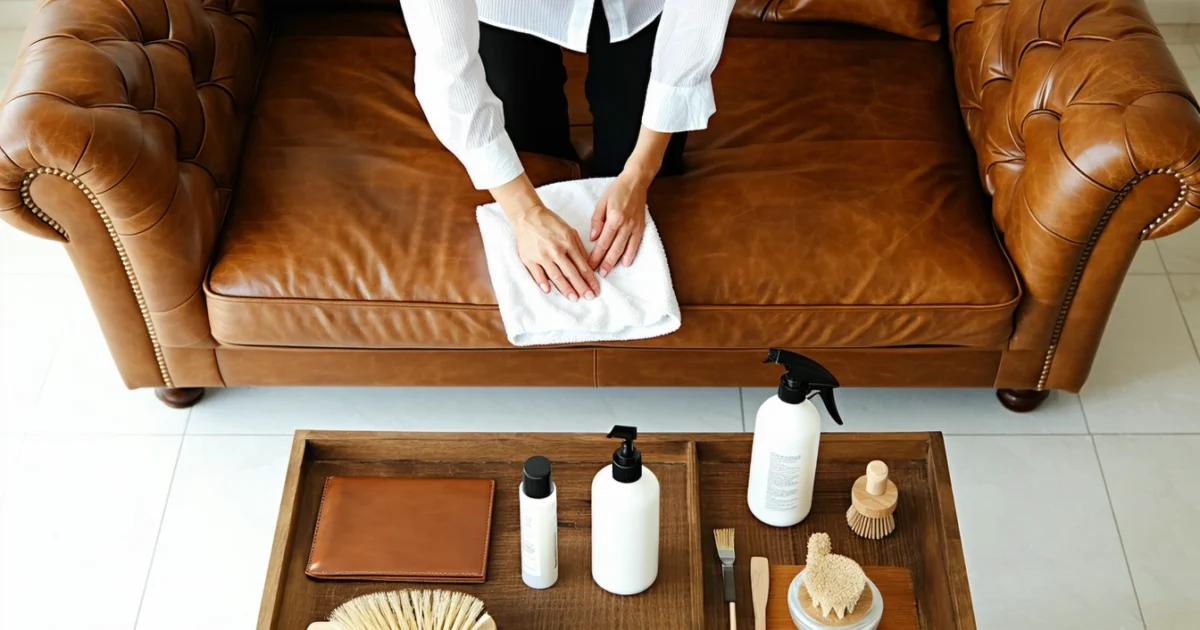
How to clean leather couch properly involves identifying your leather type, using appropriate cleaning products, and following a systematic approach to maintain both appearance and durability. Most leather couches require gentle cleaning with specialized products or mild natural solutions, followed by proper conditioning to prevent cracking and fading.
Successfully cleaning your leather furniture starts with understanding whether you have genuine leather, faux leather, or bonded leather. Additionally, different leather finishes like aniline, semi-aniline, and pigmented leather require specific cleaning approaches to avoid damage.
The cleaning process involves vacuuming debris, applying appropriate cleaning solutions, and thoroughly conditioning the leather afterward. Furthermore, regular maintenance prevents costly professional restoration and extends your couch’s lifespan significantly. Similar to cleaning microfiber furniture, leather requires specific techniques tailored to the material’s unique properties.
TL;DR
- Identify your leather type (genuine, faux, or bonded) and finish before cleaning to choose appropriate products
- Use gentle cleaning methods with commercial leather cleaners or natural solutions like diluted vinegar
- Always condition after cleaning to prevent cracking and maintain leather’s flexibility and appearance
- Test cleaning products on hidden areas first and work in small sections to avoid oversaturation
- Maintain regularly with weekly dusting and monthly deep cleaning to prevent permanent stains and damage
Understanding Your Leather Couch Type
Before applying any cleaning solution, you must identify your leather couch type to avoid permanent damage. Genuine leather comes from animal hides and requires different care than synthetic alternatives. Meanwhile, faux leather consists of plastic or fabric backing with polyurethane coating, making it more water-resistant but prone to cracking. Bonded leather combines leather scraps with polyurethane, creating a material that’s less durable than genuine leather.
Different leather finishes determine how your couch responds to cleaning products and moisture. Aniline leather absorbs dyes without surface coating, creating natural beauty but high stain susceptibility. Conversely, semi-aniline leather features light protective coating that balances appearance with durability. Pigmented leather receives heavy surface treatment, making it the most stain-resistant but least breathable option.
| Leather Type | Characteristics | Water Absorption | Cleaning Difficulty |
|---|---|---|---|
| Aniline | Natural pores visible, soft feel | High | Most challenging |
| Semi-aniline | Light protective coating | Moderate | Moderate |
| Pigmented | Uniform color, durable surface | Low | Easiest |
| Faux | Synthetic material, uniform texture | Very low | Easy |
Manufacturer care labels provide essential cleaning guidance that prevents warranty violations. These labels specify approved cleaning methods, prohibited products, and professional service requirements. Additionally, warranty terms often become void if you use unauthorized cleaning products or methods.
Testing cleaning methods on hidden areas prevents visible damage to your couch’s main surfaces. Choose an inconspicuous spot behind cushions or underneath the frame for testing. Apply your chosen cleaning solution to this area and wait 24 hours to observe any adverse reactions like discoloration, cracking, or texture changes.
Critical Testing Protocol
The water drop test helps identify your leather’s absorption rate and appropriate cleaning approach. Drop a small amount of water onto your test area – if it absorbs quickly, you have aniline leather requiring gentle care. However, if water beads on the surface, your couch likely has pigmented or faux leather that tolerates stronger cleaning solutions. Just like cleaning microfiber furniture, understanding material properties guides your cleaning strategy.
Professional leather identification services provide definitive answers when visual inspection proves inconclusive. Furniture retailers, leather specialists, and upholstery professionals can analyze your couch’s construction and finish type. This investment prevents costly mistakes that damage expensive leather furniture permanently.
Essential Supplies for Leather Couch Cleaning
Gathering the right cleaning supplies prevents damage while ensuring effective leather couch maintenance. Professional-grade equipment and appropriate cleaning solutions make the difference between successful restoration and costly mistakes. Moreover, having all necessary materials ready streamlines your cleaning process and delivers consistent results.
Vacuum Cleaner with Soft Brush Attachment
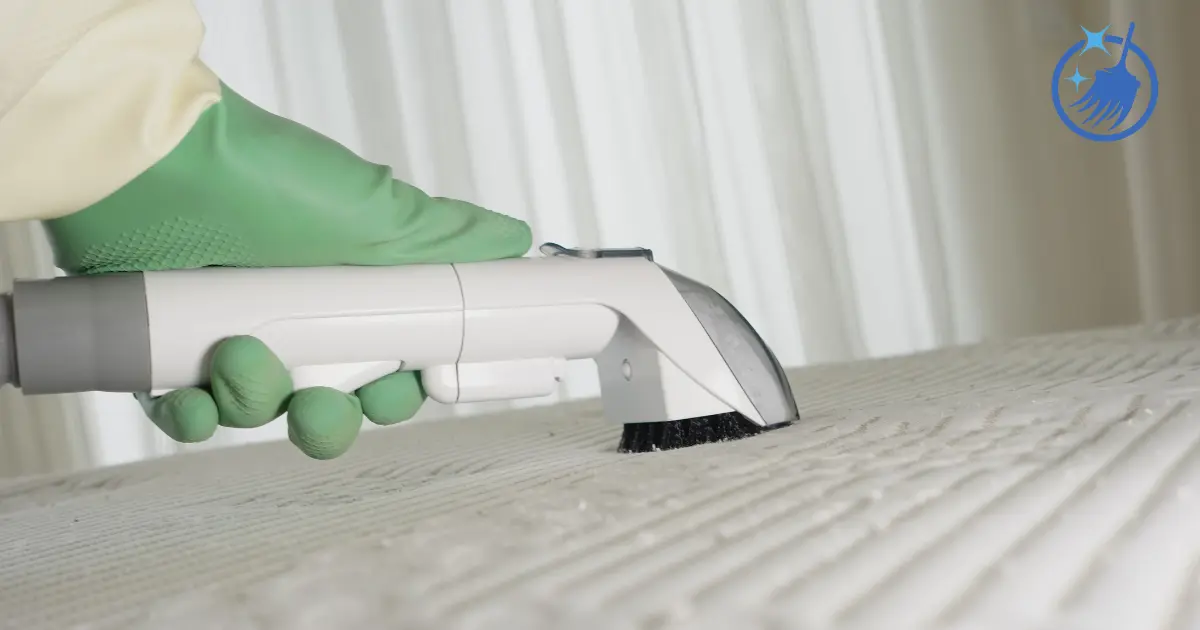
A vacuum cleaner with soft brush attachment removes surface dirt without scratching delicate leather surfaces. The soft bristles lift debris from crevices and seams where dust accumulates over time. Furthermore, regular vacuuming prevents abrasive particles from embedding into leather pores during cleaning.
Crevice tools reach tight spaces between cushions and frame joints effectively. These attachments extract crumbs, pet hair, and small debris that standard vacuum heads cannot access. Additionally, using low suction settings protects leather from stretching or pulling during the cleaning process.
Microfiber Cloths and Soft-Bristled Brushes
Microfiber cloths provide lint-free cleaning that won’t leave residue on leather surfaces. These cloths absorb moisture efficiently while maintaining gentle contact with sensitive leather finishes. Similarly, microfiber materials excel at cleaning various upholstery types without causing damage or scratching.
Soft-bristled brushes help work cleaning solutions into leather grain patterns without causing abrasion. Natural bristle brushes work best for delicate aniline leathers, while synthetic bristles suit more durable pigmented finishes. However, avoid stiff brushes that can scratch or tear leather surfaces permanently.
Commercial Leather Cleaners vs. Homemade Solutions
Commercial leather cleaners offer pH-balanced formulations specifically designed for leather care. These products contain conditioning agents that clean while maintaining leather flexibility and appearance. Professional cleaners also include protective ingredients that help prevent future staining and wear.
Homemade cleaning solutions provide cost-effective alternatives using common household items. A mixture of white vinegar and water (1:1 ratio) creates an effective natural cleaner for most leather types. Additionally, mild soap solutions using castile soap or dove soap offer gentle cleaning power without harsh chemicals.
Pros
- pH-balanced formulations
- Built-in conditioning agents
- Manufacturer warranties
- Professional-grade results
Cons
- Higher cost
- Chemical ingredients
- Limited availability
- Brand restrictions
Leather Conditioner and Protector Products
Leather conditioners restore natural oils that prevent cracking and maintain suppleness over time. Quality conditioners penetrate leather fibers to nourish from within while creating a protective barrier against moisture. Therefore, conditioning should follow every thorough cleaning session to maintain leather health.
Protector products create invisible shields against spills, stains, and UV damage. These treatments repel liquids while allowing leather to breathe naturally, preventing moisture buildup that causes mold or mildew. However, protectors require reapplication every 6-12 months depending on usage and environmental conditions.
What to Avoid: Harsh Chemicals, Bleach, Ammonia
Dangerous Products for Leather
Harsh chemicals strip natural oils from leather, causing immediate and long-term damage. Bleach destroys leather fibers and creates permanent white spots that cannot be repaired. Similarly, ammonia-based cleaners dissolve protective finishes and leave leather vulnerable to cracking.
Petroleum-based products like saddle soap or oil-based cleaners can darken leather permanently. These substances penetrate too deeply and alter leather’s natural appearance irreversibly. Furthermore, alcohol-based products dry out leather rapidly, leading to brittleness and premature aging.
- Avoid completely: Bleach, ammonia, acetone, nail polish remover
- Skip these products: Furniture polish, oil-based soaps, petroleum cleaners
- Never use: Abrasive scrubbers, steel wool, harsh detergents
- Prevent damage: Hair spray, perfume, alcohol-based products
Step-by-Step Leather Couch Cleaning Process
Proper leather couch cleaning requires systematic preparation and careful technique. Pre-cleaning preparation removes surface debris while protecting your workspace from cleaning solutions. Additionally, working methodically prevents damage while ensuring thorough coverage of all surfaces.
Pre-Cleaning: Vacuum and Prepare
Vacuum all cushions using an upholstery attachment to remove dust, crumbs, and pet hair. Remove loose cushions and clean both sides thoroughly, paying special attention to seams where debris accumulates. Furthermore, vacuum the frame, armrests, and back sections to eliminate particles that could scratch leather during cleaning.
Clean deep crevices between cushions using a crevice tool or soft brush attachment. These areas often harbor the most dirt and require extra attention before applying any cleaning solutions. Moreover, check for loose buttons, damaged stitching, or worn areas that need special handling during the cleaning process.
Protect surrounding areas with drop cloths or towels to prevent cleaning solution splashes. Room temperature provides optimal conditions for leather cleaning, as extreme temperatures can affect product performance and leather flexibility.
Apply Cleaning Solution with Proper Technique
Test cleaning solution on an inconspicuous area first, waiting 10-15 minutes to check for adverse reactions. Apply cleaner to a microfiber cloth rather than directly onto leather surfaces to maintain better control over product distribution. Subsequently, use gentle circular motions to work the solution into leather pores without excessive pressure.
Maintain consistent pressure while cleaning to avoid creating uneven patches or streaks. Light, overlapping strokes ensure complete coverage while preventing oversaturation that damages leather fibers. Therefore, focus on one small section at a time rather than attempting to clean large areas simultaneously.
Professional Tip
Work in Small Sections
Divide your couch into manageable sections approximately 2 feet square to prevent cleaning solution from drying before removal. Clean one armrest completely before moving to the next section, maintaining consistent technique throughout the process. Similarly, complete each cushion individually to ensure thorough cleaning without rushing.
Monitor cleaning solution application carefully to prevent oversaturation that causes water stains or leather damage. Leather absorbs moisture slowly, so excessive product creates problems rather than improving cleaning effectiveness. Consequently, multiple light applications work better than single heavy treatments.
- Clean one section completely before starting the next
- Maintain consistent pressure and technique
- Monitor for oversaturation signs
- Allow brief drying between applications if needed
Remove Cleaning Residue Thoroughly
Remove all cleaning residue using a clean, damp microfiber cloth to prevent product buildup that attracts dirt. Wipe each cleaned section immediately after application, using overlapping strokes to ensure complete removal. Moreover, change cloths frequently to avoid redistributing dirt or cleaning solution across clean surfaces.
Inspect each section carefully for remaining residue, which appears as cloudy or sticky areas on leather surfaces. Thorough residue removal prevents future dirt accumulation and maintains leather’s natural appearance. Additionally, proper removal ensures conditioning products can penetrate effectively during subsequent treatment steps.
Use distilled water for final wiping to avoid mineral deposits that tap water can leave on leather surfaces. Clean microfiber cloths provide optimal residue removal without scratching or damaging leather finishes.
Allow Proper Drying Time
Air drying provides the safest method for leather couch drying, typically requiring 2-4 hours depending on humidity and ventilation. Position furniture away from direct sunlight, heat sources, or air conditioning vents that cause uneven drying and potential cracking. Furthermore, ensure adequate air circulation around all surfaces to promote even moisture evaporation.
Test leather dryness by touching inconspicuous areas – properly dried leather feels room temperature and shows no dampness. Rushing the drying process leads to water stains, uneven coloring, or permanent damage to leather fibers. Therefore, patience during this stage protects your investment and ensures optimal cleaning results.
Once completely dry, leather appears uniform in color and texture without dark or light patches. Proper drying prepares leather for conditioning treatments that restore flexibility and protection. For comprehensive furniture care guidance, consider reviewing techniques for cleaning microfiber couches as well.
Professional leather cleaning requires 24-48 hours total time including drying and conditioning phases
Natural and DIY Cleaning Methods
Natural cleaning methods offer safe alternatives for leather couch maintenance, particularly when commercial cleaners prove too harsh or unavailable. However, these DIY solutions require careful application and proper dilution ratios to avoid damaging delicate leather surfaces. Understanding when natural methods work effectively versus when they pose risks helps protect your furniture investment.
Vinegar and Water Solution
White vinegar creates an effective leather cleaning solution when properly diluted with distilled water. Mix one part white vinegar with four parts distilled water to create a gentle cleaning mixture that removes surface dirt without over-drying leather fibers. This ratio provides sufficient cleaning power while maintaining leather’s natural oils and flexibility.
Apply the vinegar solution using a clean microfiber cloth, working in small circular motions across leather surfaces. Test the mixture on an inconspicuous area first, allowing it to dry completely before proceeding with full application. Never saturate leather with vinegar solution, as excessive moisture penetrates pores and causes permanent damage or discoloration.
Immediately wipe treated areas with a damp cloth containing only distilled water to remove vinegar residue. Subsequently, allow leather to air dry completely before applying conditioning treatments. The acidic properties of vinegar effectively break down soap residues and light stains while maintaining leather’s natural pH balance.
Baking Soda for Odor Control
Baking soda provides excellent odor absorption properties for leather couches, particularly effective against pet smells, food odors, or musty scents. Sprinkle a thin layer of baking soda across affected leather surfaces, ensuring even distribution without creating thick accumulations. Allow the powder to sit for 2-3 hours to absorb embedded odors from leather pores.
Vacuum baking soda thoroughly using upholstery attachments, ensuring complete removal from leather grain patterns and crevices. Alternatively, use a clean, dry brush to gently work powder from textured leather surfaces before vacuuming. Residual baking soda creates white residue that requires additional cleaning to remove completely.
For stubborn odors, create a paste using three parts baking soda with one part water for targeted spot treatment. Apply this mixture sparingly to specific areas, allowing it to dry before brushing away residue. This method works particularly well for removing organic stains that cause persistent odors in leather upholstery.
Olive Oil and Lemon Conditioning
Olive oil and lemon juice create a natural leather conditioner that restores flexibility while providing gentle cleaning properties. Mix two parts olive oil with one part fresh lemon juice to create an effective conditioning solution for dry or cracked leather surfaces. This combination nourishes leather fibers while the citric acid removes light surface stains.
Apply the mixture using a soft cloth, working in small sections to ensure even distribution. Allow the solution to penetrate leather for 10-15 minutes before buffing with a clean, dry cloth to remove excess oil. This process restores leather’s natural luster while preventing future cracking or stiffening.
Test this conditioning method on hidden areas first, as some leather types react poorly to acidic treatments. Dark leathers typically accept this treatment well, while light-colored leather may develop discoloration from lemon juice. Therefore, always verify compatibility before treating visible furniture surfaces.
Dove Soap Cleaning Method
Dove soap provides gentle cleaning for leather couches due to its moisturizing properties and mild formulation. Create a cleaning solution by mixing small amounts of Dove soap with warm distilled water until light suds form. This method works particularly well for finished leather that requires gentle maintenance without harsh chemical exposure.
Dip a clean cloth in the soapy solution, wringing out excess moisture before wiping leather surfaces. Work in small sections, immediately following with a damp cloth to remove soap residue before it penetrates leather pores. The moisturizing agents in Dove soap help maintain leather’s natural oils while removing surface dirt and grime.
Rinse treated areas thoroughly with a cloth dampened in distilled water, ensuring complete soap removal. Allow leather to air dry completely before assessing results or applying conditioning products. This method proves especially effective for regular maintenance cleaning of lightly soiled leather furniture.
When to Use Natural Methods vs. Professional Products
Natural cleaning methods work best for routine maintenance and light soil removal on finished leather surfaces. Use DIY solutions for regular dusting, minor spills, or general freshening when commercial products seem unnecessarily strong. These methods also provide safe alternatives for households with chemical sensitivities or environmental concerns.
Avoid natural methods on expensive leather furniture, antique pieces, or unfinished leather surfaces that require specialized care. Additionally, skip DIY solutions for deep stains, extensive damage, or valuable furniture where professional treatment ensures optimal results. Oil-based stains, ink marks, or color transfer typically require commercial cleaners for effective removal.
Consider professional cleaning when natural methods fail to address specific problems or when leather shows signs of deterioration. Furthermore, warranty considerations may require professional maintenance to preserve coverage on expensive furniture pieces. Always prioritize leather preservation over cost savings when dealing with valuable or irreplaceable furniture items.
Important Safety Note
Removing Specific Stains from Leather
Different stains require targeted removal techniques to prevent permanent damage to leather surfaces. Moreover, quick action often determines whether complete stain removal remains possible or if professional restoration becomes necessary.
Ink Stains: Alcohol-Based Solutions and Techniques
Rubbing alcohol provides the most effective treatment for fresh ink stains on leather furniture. Dab a cotton swab with 70% isopropyl alcohol and gently blot the stain without rubbing, which can spread ink deeper into leather fibers. Work from the outside edges toward the center to prevent enlarging the affected area.
Test alcohol application on an inconspicuous area first, as some leather finishes may discolor or become damaged. Additionally, use minimal amounts to avoid oversaturating the leather, which can cause cracking or permanent discoloration. Allow treated areas to dry completely before applying leather conditioner.
For stubborn ballpoint pen marks, try hairspray containing alcohol as an alternative treatment method. Spray lightly onto a cloth rather than directly onto leather, then blot gently until ink begins lifting. This technique works particularly well on older ink stains that have partially set.
Food and Beverage Spills: Immediate Response Steps
Speed determines success when addressing food and beverage spills on leather upholstery. Immediately blot liquid spills with clean, absorbent cloths to prevent penetration into leather pores. Never rub spills, as this action pushes liquids deeper and potentially spreads staining compounds.
For coffee, tea, or wine spills, create a cleaning solution using one part white vinegar mixed with two parts lukewarm water. Apply this mixture sparingly with a microfiber cloth, working from stain edges inward. Subsequently, wipe with a damp cloth to remove cleaning residue and allow natural air drying.
Sticky food residues require gentle scraping before liquid cleaning begins. Use a plastic scraper or credit card edge to remove solid particles without scratching leather surfaces. Then proceed with appropriate cleaning solutions based on the specific food type involved.
Grease and Oil Stains: Absorption and Cleaning Methods
Cornstarch or talcum powder provides excellent absorption for fresh grease and oil stains on leather furniture. Sprinkle powder generously over the affected area and allow it to sit for several hours or overnight to absorb maximum oil content. Vacuum or brush away powder residue using soft bristles.
For remaining stain traces, create a paste using baking soda and water in equal proportions. Apply this paste to the stained area and let it work for 30 minutes before gently wiping away with a damp cloth. This method proves particularly effective for cooking oil and butter stains.
Persistent grease stains may require professional leather degreasing products specifically formulated for furniture cleaning. However, always condition treated areas afterward, as degreasing can remove natural oils that keep leather supple and prevent cracking.
Water Stains and Ring Marks: Restoration Techniques
Water stains create distinctive ring marks when moisture penetrates leather surfaces and dries unevenly. These marks often appear darker than surrounding leather and feel slightly raised or textured compared to undamaged areas.
Treat water rings by lightly dampening the entire affected panel with distilled water using a clean cloth. This technique helps even out moisture distribution and often eliminates visible ring boundaries. Allow natural drying while maintaining room temperature and adequate ventilation.
For stubborn water marks, try the blow dryer method on cool settings held at least 12 inches from leather surfaces. Move the dryer continuously to prevent overheating while encouraging even moisture evaporation. Follow treatment with quality leather conditioner to restore flexibility and appearance.
Pet Stains and Odors: Enzymatic Cleaners and Neutralization
Enzymatic cleaners break down organic compounds in pet urine, providing the most effective treatment for both stains and persistent odors. These specialized products contain beneficial bacteria that digest odor-causing molecules rather than simply masking smells with fragrances.
Apply enzymatic cleaner according to manufacturer instructions, typically allowing 10-15 minutes contact time for optimal effectiveness. Blot treated areas thoroughly with clean cloths and allow complete air drying before assessing results. Multiple applications may be necessary for older or deeply penetrated stains.
For immediate odor control while waiting for enzymatic treatment, sprinkle baking soda over affected areas and vacuum after several hours. This approach provides temporary relief while enzymatic cleaners work on permanent odor elimination. Consider professional cleaning for extensive pet damage that affects multiple furniture sections.
Important Safety Note
Conditioning and Protecting Your Leather Couch
Conditioning represents the most critical step after cleaning your leather couch. Leather conditioner restores essential oils that cleaning products inevitably remove, preventing cracking and maintaining supple texture. Without proper conditioning, cleaned leather becomes brittle and develops premature aging signs within months.
Quality leather requires moisture replacement to maintain its natural flexibility and appearance. Furthermore, conditioning creates a protective barrier against future stains and environmental damage. This essential maintenance step extends furniture lifespan significantly while preserving investment value.
Selecting the Right Leather Conditioner
Choose conditioners specifically formulated for your leather type rather than generic products that may cause discoloration or damage. Aniline leather requires different conditioning agents than pigmented or semi-aniline varieties. Additionally, cream-based conditioners work better for heavily used furniture, while liquid formulations suit occasional maintenance.
Avoid conditioners containing silicone or petroleum-based ingredients that create surface buildup over time. Instead, seek products with natural oils like mink oil, lanolin, or beeswax that penetrate leather fibers effectively. Always test conditioners on hidden areas before full application to prevent unexpected color changes.
Conditioner Warning
Professional Application Techniques
Apply conditioner using clean microfiber cloths in small, circular motions for even distribution. Work on one cushion section at a time to maintain consistent coverage and prevent product drying before absorption. Start with minimal amounts since excess conditioner leaves sticky residues that attract dirt.
Allow conditioner to penetrate for the manufacturer’s recommended time, typically 15-30 minutes. Subsequently, buff away excess product with a fresh cloth to achieve natural sheen without greasiness. This buffing process also helps distribute oils evenly throughout leather pores.
- Clean hands and tools before application
- Apply thin, even coats across entire surfaces
- Work conditioner into seams and crevices thoroughly
- Remove excess product completely to prevent buildup
Conditioning Frequency Guidelines
Condition leather couches every 3-6 months depending on usage patterns and environmental conditions. High-traffic furniture requires more frequent conditioning, while occasional-use pieces need treatment only twice yearly. Moreover, homes with central heating or air conditioning create drying conditions that necessitate increased conditioning frequency.
Climate significantly affects conditioning schedules since dry environments accelerate leather dehydration. Humid conditions may extend intervals between treatments, but never exceed 12 months without conditioning. Similar maintenance principles apply to other upholstery materials requiring regular care.
| Usage Level | Climate | Conditioning Frequency |
|---|---|---|
| Daily use | Dry/heated | Every 3 months |
| Daily use | Moderate humidity | Every 4 months |
| Occasional use | Dry/heated | Every 4-5 months |
| Occasional use | Moderate humidity | Every 6 months |
UV Protection and Strategic Placement
Position leather furniture away from direct sunlight to prevent fading and cracking caused by ultraviolet radiation. UV exposure breaks down leather fibers and causes irreversible color changes that no amount of conditioning can repair. Even brief daily exposure accumulates significant damage over months.
Install window treatments or UV-filtering films to protect valuable leather investments from solar damage. Alternatively, rearrange furniture seasonally to distribute sun exposure evenly across all surfaces. This rotation strategy prevents uneven fading that creates permanent color variations.
Consider leather protection sprays that contain UV inhibitors for additional safeguarding against environmental damage. These products complement regular conditioning while providing enhanced defense against both sunlight and moisture. Professional-grade protectants offer superior longevity compared to consumer alternatives.
Proper conditioning and UV protection can extend leather furniture lifespan by 50-75% compared to untreated pieces
Professional vs. DIY Cleaning: When to Call Experts
Determining whether to clean your leather couch yourself or hire professionals depends on several critical factors. DIY cleaning works effectively for routine maintenance and minor surface dirt, while professional services become essential for deep stains, extensive damage, or valuable furniture pieces. Understanding these distinctions helps you make informed decisions about your leather furniture care.
Signs Your Couch Needs Professional Attention
Several warning signs indicate that professional leather cleaning becomes necessary rather than attempting DIY solutions. Deep-set stains that resist multiple cleaning attempts require specialized equipment and commercial-grade products unavailable to consumers. Similarly, widespread discoloration or fading typically results from improper previous treatments that only experts can address safely.
Cracking, peeling, or flaking leather surfaces demand immediate professional intervention to prevent further deterioration. Additionally, persistent odors that survive standard cleaning methods often indicate deep contamination requiring specialized deodorizing treatments. Attempting aggressive DIY solutions on these issues frequently worsens the damage and increases eventual repair costs.
- Ink stains or permanent marker damage
- Pet urine that has penetrated the leather
- Mold or mildew growth in humid conditions
- Color bleeding from clothing or other fabrics
- Heat damage from radiators or fireplaces
- Scratches or tears requiring repair work
Cost Comparison: DIY vs. Professional Services
DIY leather couch cleaning typically costs £15-30 for quality cleaning products and conditioners that handle multiple treatments. However, professional cleaning services charge £80-150 per three-seater sofa depending on leather type and condition. While professional services cost more upfront, they often prevent expensive mistakes that DIY attempts might cause.
| Service Type | Initial Cost | Annual Cost | Risk Level |
|---|---|---|---|
| DIY Cleaning | £15-30 | £20-40 | Medium |
| Professional Service | £80-150 | £80-150 | Low |
| Damage Repair | £200-800 | Variable | High |
Consider the replacement value of your leather furniture when evaluating cleaning options. A £2,000 leather sofa justifies professional cleaning costs to maintain its appearance and longevity. Conversely, budget furniture pieces may warrant DIY approaches since potential damage costs less than professional services.
What Professional Cleaners Can Accomplish
Professional leather cleaning services utilize specialized equipment and commercial-grade products unavailable to consumers. Steam cleaning systems extract deep-seated dirt while maintaining optimal moisture levels that prevent leather damage. Furthermore, professionals possess extensive knowledge about different leather types and appropriate treatment methods for each variety.
Expert cleaners can restore severely damaged leather through processes like color restoration and protective coating application. They also provide services such as scratch repair, tear mending, and complete refinishing that transform worn furniture. Additionally, professional-grade conditioning treatments penetrate deeper than consumer products, providing superior protection and longevity.
Pros
- Access to commercial-grade cleaning solutions
- Specialized equipment for deep cleaning
- Expert knowledge of leather types
- Color restoration capabilities
- Warranty protection on services
- Time-saving convenience
Cons
- Higher upfront costs
- Scheduling requirements
- Limited control over products used
- Potential for over-treatment
- Transportation logistics for large pieces
Warranty Considerations and Manufacturer Recommendations
Many furniture warranties specifically require professional cleaning to maintain coverage validity. Manufacturers often void warranties when improper cleaning products or methods cause damage to leather surfaces. Therefore, checking warranty terms before attempting DIY cleaning protects your investment and ensures continued coverage.
Luxury leather furniture brands frequently recommend specific cleaning intervals and approved service providers. Following these guidelines maintains warranty protection while ensuring optimal care for premium materials. Moreover, some manufacturers offer specialized cleaning programs through authorized dealers that provide guaranteed results.
Professional cleaning every 12-18 months can extend leather furniture lifespan by up to 10 years
Document all cleaning activities with photographs and receipts to support warranty claims if issues arise. Professional service records demonstrate proper maintenance that manufacturers require for warranty coverage. Conversely, evidence of improper DIY treatments may result in denied claims and voided protection plans.
Maintenance Schedule and Prevention Tips
Establishing a consistent maintenance routine prevents costly damage while preserving your leather couch’s appearance and durability. Regular care schedules address different aspects of leather preservation, from basic cleaning to environmental protection. Furthermore, preventive measures cost significantly less than restoration or replacement services.
Daily, Weekly, and Monthly Leather Care Routines
Daily maintenance requires minimal effort but provides maximum protection against wear and damage. Simply remove loose debris with a soft cloth or vacuum brush attachment to prevent particles from grinding into leather pores. Additionally, fluff cushions and rotate them regularly to ensure even wear patterns across all surfaces.
Weekly routines involve more thorough cleaning that addresses accumulated dust and light soiling. Wipe down all leather surfaces with a slightly damp microfiber cloth, working in circular motions to lift embedded dirt. Subsequently, allow the leather to air dry completely before applying any conditioning products.
| Frequency | Tasks | Time Required |
|---|---|---|
| Daily | Remove debris, fluff cushions | 2-3 minutes |
| Weekly | Dust removal, light cleaning | 10-15 minutes |
| Monthly | Deep cleaning, conditioning | 30-45 minutes |
| Quarterly | Professional assessment | 1-2 hours |
Monthly deep cleaning sessions address more stubborn stains and provide essential conditioning treatments. Begin by vacuuming all crevices and seams where dirt accumulates most heavily. Then apply a leather-specific cleaner following manufacturer instructions, ensuring complete coverage of all surfaces.
Preventing Damage from Environmental Factors
Sunlight exposure causes the most severe damage to leather furniture, leading to fading, cracking, and premature aging. Position your couch at least six feet away from windows or install UV-filtering blinds to block harmful rays. Moreover, consider rotating the furniture periodically to ensure even light exposure across all surfaces.
Heat sources like radiators, fireplaces, and heating vents create dry conditions that rob leather of essential moisture. Maintain at least three feet of distance between your couch and any heat source to prevent cracking and brittleness. Conversely, using a humidifier during winter months helps maintain optimal moisture levels.
Leather furniture performs best in environments with 40-60% humidity levels
Humidity control prevents both excessive drying and moisture-related problems like mold growth. Install a hygrometer to monitor indoor humidity levels and adjust accordingly using dehumidifiers or humidifiers. Additionally, ensure adequate ventilation around the furniture to promote air circulation and prevent moisture buildup.
Proper Usage Habits for Extended Lifespan
Developing good usage habits significantly extends leather furniture lifespan while maintaining its appearance and comfort. Avoid sitting in the same spot repeatedly, as this creates uneven wear patterns and permanent indentations. Instead, encourage family members to use different seating areas throughout the week.
Sharp objects pose constant threats to leather surfaces, including keys, belt buckles, and pet claws. Remove these items from pockets before sitting and consider protective covers during high-risk activities. Similarly, microfiber furniture requires similar protection strategies to prevent damage.
- Remove sharp objects from pockets before sitting
- Use arm covers during meals or activities
- Rotate cushions weekly for even wear
- Keep pets’ claws trimmed regularly
- Avoid wearing rough fabrics that can scratch leather
Temperature regulation helps maintain leather flexibility and prevents cracking from thermal stress. Allow the furniture to adjust gradually to seasonal temperature changes rather than exposing it to sudden extremes. Furthermore, avoid placing hot items directly on leather surfaces, as heat can cause permanent discoloration and damage.
Seasonal Care Adjustments
Winter care focuses on combating dry indoor air that can cause leather to crack and become brittle. Increase conditioning frequency to monthly treatments during heating season, using products specifically formulated for dry conditions. Additionally, position humidifiers strategically to maintain optimal moisture levels around the furniture.
Summer maintenance addresses increased humidity and potential sun damage from longer daylight hours. Reduce conditioning frequency slightly but increase cleaning intervals to address sweat and increased usage. Moreover, ensure adequate air conditioning to prevent excessive moisture that can promote mold growth.
Spring and autumn transitions require careful monitoring as temperature and humidity fluctuations stress leather materials. Inspect the furniture thoroughly during these seasons for signs of environmental damage or wear. Subsequently, adjust care routines based on observed changes in leather condition and appearance.
Critical Warning Signs Requiring Immediate Attention
Cracking represents the most serious leather damage that requires immediate professional intervention. Small hairline cracks can spread rapidly if left untreated, eventually requiring complete panel replacement. Therefore, contact a leather specialist immediately upon discovering any crack formation.
Emergency Signs
Color changes indicate various problems ranging from sun damage to chemical reactions with cleaning products. Fading typically occurs gradually, while sudden discoloration suggests exposure to harmful substances. Document color changes with photographs and consult professionals to determine appropriate treatment options.
Texture changes like stiffness, roughness, or excessive softness signal underlying leather deterioration. These changes often precede visible damage and provide early warning opportunities for intervention. Regular tactile inspections during cleaning routines help identify texture problems before they become severe.
Persistent odors that don’t respond to normal cleaning indicate deep contamination or bacterial growth within leather pores. These problems require specialized treatment to prevent permanent damage and health concerns. Professional cleaning services possess equipment and products necessary to address severe odor issues effectively.
Frequently Asked Questions
What is the best thing to clean leather couches?
The best cleaning solution depends on your leather type. For genuine leather, use commercial leather cleaners specifically designed for your leather finish. For natural alternatives, a mixture of white vinegar and water (1:1 ratio) works well for most leather types. Always test any cleaner on a hidden area first and follow up with a quality leather conditioner to maintain flexibility and prevent cracking.
How do you clean leather sofas at home?
Start by vacuuming all debris and dust from crevices and surfaces. Apply your chosen cleaning solution to a microfiber cloth (never directly to the leather) and work in small sections using circular motions. Remove excess moisture immediately and allow the leather to air dry completely. Finish by applying a leather conditioner to restore moisture and flexibility.
What should you not use on leather?
- Harsh chemicals like bleach, ammonia, or acetone
- Abrasive cleaners or scrubbing brushes
- Excessive water or soaking the leather
- Hair dryers or direct heat for drying
- Furniture polish or wax not designed for leather
- Baby wipes or disinfectant wipes containing alcohol
Can I use soap and water to clean my leather sofa?
Yes, but only with mild soap like saddle soap or a few drops of gentle dish soap mixed with water. Avoid regular household soaps which can strip leather’s natural oils. Use minimal water, apply with a damp cloth, and immediately dry the area. This method works best for pigmented leather but should be avoided on aniline leather which is more sensitive to moisture.
How do I clean leather couch stains naturally?
For natural stain removal, try these methods: White vinegar solution (equal parts vinegar and water) for general stains, baking soda paste for grease stains (let sit for a few hours then brush off), or lemon juice and cream of tartar paste for ink stains. Always test on a hidden area first and condition the leather afterward to prevent drying.
How often should I clean my leather couch?
Perform weekly dusting with a microfiber cloth and monthly deep cleaning for regular maintenance. Deep clean more frequently if you have pets, children, or heavy usage. Condition your leather every 3-6 months or when it starts feeling dry or stiff. Regular maintenance prevents permanent stains and extends your couch’s lifespan significantly.
Can I use Mrs Hinch methods for cleaning leather sofas?
While Mrs Hinch cleaning methods are popular, be cautious applying general cleaning advice to leather. Her methods often involve products like Zoflora or Flash which may be too harsh for leather. Stick to leather-specific products or gentle natural solutions. If trying any Mrs Hinch-inspired method, always test on a hidden area first and ensure the products are leather-safe.
How do I identify my leather couch type before cleaning?
Perform the water drop test: place a small drop of water on a hidden area. If it absorbs quickly, you have aniline leather requiring gentle care. If water beads on the surface, you likely have pigmented or faux leather. Check for visible pores and natural grain patterns (genuine leather) versus uniform texture (faux leather). Consult your manufacturer’s care label for definitive guidance.
How do I clean a leather couch that smells?
For odor removal, first vacuum thoroughly to remove debris causing smells. Wipe down with a vinegar solution (1:1 ratio with water) which naturally neutralizes odors. For persistent smells, sprinkle baking soda on the surface, let sit overnight, then vacuum. Ensure proper ventilation and consider using a leather-safe deodorizer. Address the odor source (spills, pet accidents) with appropriate stain removal first.
Should I condition my leather couch after cleaning?
Always condition after cleaning to restore moisture and flexibility. Cleaning removes natural oils, making leather prone to cracking and stiffness. Apply a quality leather conditioner with a clean cloth, working in small sections. Allow it to absorb for the recommended time, then buff with a dry cloth. This step is crucial for maintaining your leather’s appearance and extending its lifespan.
Can I use baking soda to clean my leather couch?
Baking soda can be used carefully for specific issues like grease stains and odors. Sprinkle a small amount on the affected area, let it sit for a few hours to absorb oils or odors, then gently brush or vacuum it off. Never scrub baking soda into the leather as it can be abrasive. This method works best on pigmented leather and should be followed by conditioning.
When should I hire professional leather cleaning services?
Consider professional cleaning for expensive or antique leather furniture, severe staining, or when warranty requirements specify professional service. Professionals have specialized equipment and products for deep cleaning without damage. Also seek professional help if you’re unsure about your leather type, have tried DIY methods unsuccessfully, or notice cracking, fading, or significant wear that requires restoration.
What's the difference between cleaning genuine leather vs faux leather?
Genuine leather requires gentler care with specialized leather cleaners and regular conditioning to maintain natural oils. Faux leather is more water-resistant and can tolerate mild soap solutions, but it’s prone to cracking and doesn’t benefit from conditioning. Faux leather typically has uniform texture and plastic-like feel, while genuine leather shows natural grain patterns and pores.
You May Also Like
How to Clean Microfiber Couch: Complete Care Guide 2026
How to Clean a Stainless Steel Sink Without Scratching It