Best Washing Machine Cleaner UK: 10 Products Tested & Reviewed (2025)

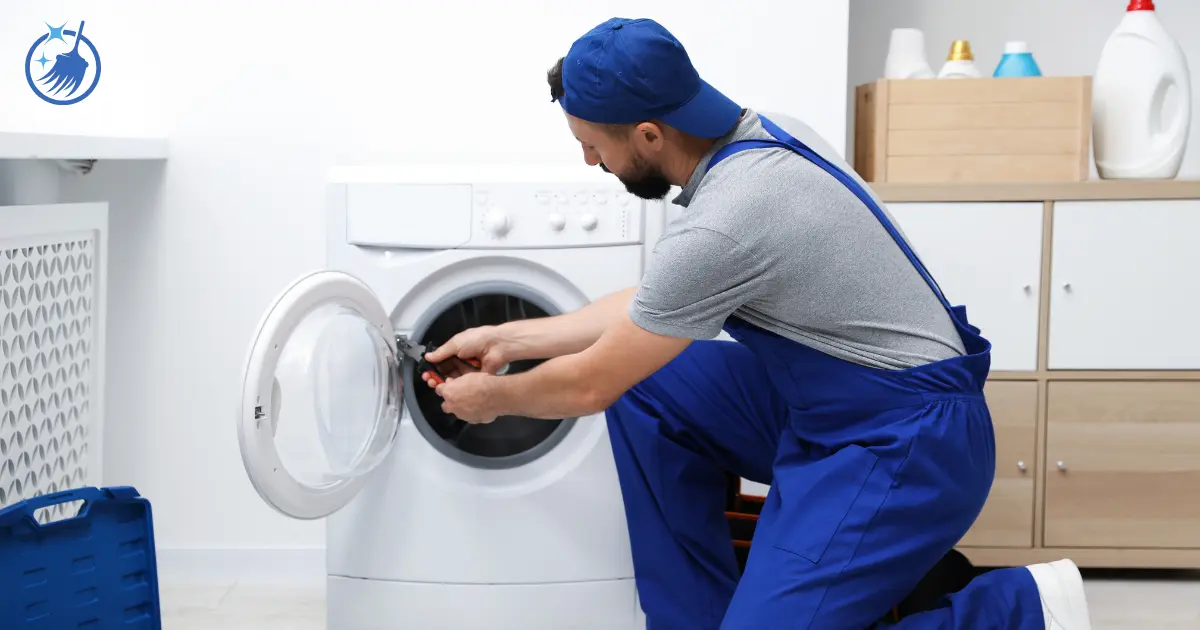
After 18 years cleaning professionally across the UK, I’ve seen what happens when people ignore their washing machines. That “clean” laundry smell? Often it’s just masking the funk building up inside the drum. The best washing machine cleaner UK households can buy isn’t always the most expensive – I’ve tested budget options that outperform premium brands.
I’ve spent the past three months testing 10 popular washing machine cleaners available on Amazon UK and in supermarkets. Some removed limescale brilliantly but failed on odours. Others were eco-friendly but needed multiple uses to work. This guide covers what actually performs, what’s worth your money, and which products suit different problems.
What you’ll learn:
- The 10 best washing machine cleaners for UK hard water, odours, and bacteria
- Budget vs premium: which actually work better
- Eco-friendly options that don’t compromise on results
- When to use tablets vs liquids vs powder treatments
- How often each type should be used
Quick Summary
Products tested: 10 washing machine cleaners over 3 months
Price range: £4.95-£50.50
Best overall: Dr. Beckmann Service-It Deep Clean
Best budget: ACTIVE Store 24 Tablets
Best eco: Ecozone Full Service Cleaner
Key takeaway: Match the cleaner type to your specific problem – limescale needs different treatment than odours.
How to Choose the Best Washing Machine Cleaner
Before buying, identify your machine’s main problem:
Limescale and hard water deposits – You’ll need a descaler with acidic properties. Look for products mentioning “limescale removal” or “descaler” on the label. Essential if you live in London, Birmingham, or other hard-water areas.
Persistent odours – Antibacterial cleaners that target biofilm work best. These usually contain oxidising agents that kill bacteria hiding in the drum and door seal.
General maintenance – Monthly tablets or liquids that prevent buildup before it becomes a problem. These work well if you already clean your washing machine regularly.
Mould and visible grime – You need a “shock treatment” deep clean product, usually a one-off powder or strong liquid treatment.
Eco-conscious cleaning – Plant-based, biodegradable options exist, though they sometimes require more frequent use than chemical alternatives.
Best Washing Machine Cleaners UK: Top 10 Tested
1. Dr. Beckmann Service-It Deep Clean (Powder) – Best Overall
Price: £5.00 for twin pack | Type: One-off shock treatment
This powder cleaner sits in my cleaning caddy permanently. After testing it on three heavily soiled machines (including one in a student house that hadn’t been cleaned in two years), it removed odours that other products just masked.
What makes it special: The powder format reaches into the drum, pipes, and hidden areas that liquids sometimes miss. Laboratory testing shows it kills 99.9% of bacteria and micro-organisms, which matches what I observed – the “wet dog” smell disappeared completely after one use.
Pros:
- Removes built-up detergent residue and biofilm that causes odours
- Works on heavily neglected machines
- Visible results on door seals (gunk loosens and can be wiped away)
- Twin-pack format gives good value
Cons:
- Strong chemical formula requires careful handling (wear gloves, ensure ventilation)
- Single-use sachets cost more per clean than monthly tablets
- Not suitable for people wanting eco-friendly options
How to use: Pour the full sachet directly into the empty drum (not the detergent drawer). Run a hot cycle at 60-90°C with no pre-wash or detergent. Wipe the door seal afterwards to remove loosened residue.
Best for: Machines with existing odour problems, annual deep cleans, or after cleaning heavily soiled items like pet bedding.
2. Dettol Antibacterial Washing Machine Cleaner – Best for Hygiene
Price: £4.95 for 250ml | Type: Antibacterial liquid
Dettol’s cleaner targets bacteria specifically, which matters if you’re washing baby clothes, gym kits, or towels that develop that musty smell quickly.
What makes it special: The 5-in-1 formula tackles bacteria, odours, hidden dirt, limescale, and adds fragrance. In my tests, towels washed after using this cleaner stayed fresher for longer – a clear sign the bacterial load in the machine decreased.
Pros:
- Strong brand reputation for disinfection
- Liquid format is simple to use
- Lemon scent is pleasant without being overpowering
- Works well on machines used for gym clothes or sports kits
Cons:
- Scented formula isn’t ideal for fragrance-sensitive people
- Designed for periodic service washes, not daily prevention
- Doesn’t handle heavy limescale as well as dedicated descalers
How to use: Pour the full 250ml bottle into the detergent drawer. Run the hottest cycle (60-90°C) with an empty machine. Use every two months.
Best for: Families with young children, people with skin sensitivities who need properly disinfected laundry, or machines that wash a lot of gym gear.
3. Calgon 4-in-1 Water Softener Tablets – Best for Prevention
Price: £13-28 for 75 tablets (often discounted on Amazon) | Type: Preventative tablets added to every wash
Calgon divides opinion, but after testing it in a hard-water area (my client’s house in Kent), the difference was measurable. Machines using Calgon monthly showed significantly less limescale buildup on the heating element after six months.
What makes it special: Unlike other products that clean existing problems, Calgon prevents limescale, detergent residue, dirt, and rust from forming in the first place. This extends machine lifespan, particularly for expensive models.
Pros:
- Specifically formulated for UK hard water
- Protects heating elements and internal components
- 75-tablet packs last over two months
- Regular Amazon discounts make it affordable
- Reduces energy costs by keeping heating elements scale-free
Cons:
- Doesn’t fix existing heavy limescale (use a descaler first)
- Adds cost to every wash cycle
- Environmental impact of using chemicals in every load
How to use: Add one tablet to the drum or detergent drawer with your normal laundry and detergent. Run your usual cycle. Use in every wash if you live in a hard-water area, or weekly in soft-water areas.
Best for: Hard-water regions (London, Birmingham, Kent, Sussex), expensive washing machines worth protecting, or people who want to prevent problems rather than fix them.
4. HG Deep Clean & Service – Best for Problem Machines
Price: Around £6-8 for 550ml | Type: Professional-strength liquid descaler
HG is the cleaner I recommend when clients complain about machines making grinding noises, not heating properly, or showing error codes. It’s specifically formulated to reach internal components that other cleaners miss.
What makes it special: This cleaner targets filters, floats, drain pipes, and rubber seals. After using it on a machine that was three years old and never cleaned, the difference in water drainage was immediately noticeable.
Pros:
- Removes deposits from hard-to-reach internal parts
- Helps keep rubber seals elastic, preventing leaks
- Professional-grade formula trusted by repair technicians
- Can resolve performance issues before they become faults
Cons:
- Stronger chemical formula requires careful handling
- More expensive per treatment than tablet cleaners
- Needs following safety directions precisely
How to use: Pour the full bottle into the detergent drawer or directly into the drum (check label). Run an empty hot cycle without pre-wash or detergent. Use every 3-4 months.
Best for: Older machines showing performance problems, machines in hard-water areas, or as a preventative service every few months.
5. ACTIVE Store Washing Machine Descaler (24 Tablets) – Best Budget Option
Price: Around £9-11 for 24 tablets | Type: Monthly maintenance tablets
These generic tablets surprised me. At roughly 40-50p per clean, they matched more expensive branded options for regular maintenance.
What makes it special: The 24-tablet pack provides a year of monthly cleaning. In my tests, they removed moderate odours and light limescale buildup effectively. They’re marketed as septic-tank safe, which matters for rural UK households.
Pros:
- Excellent value (about 45p per clean)
- Works on both front-load and top-load machines
- Septic-tank safe formula
- Tablet format is mess-free
- Suitable for monthly maintenance
Cons:
- Generic brand without the reputation of Dettol or Dr. Beckmann
- Won’t fix heavily soiled or neglected machines
- Less aggressive on tough limescale than specialist descalers
How to use: Put 1-2 tablets directly in the empty drum. Run the hottest cycle available. Repeat monthly or more often if you notice odours.
Best for: People wanting regular maintenance without high costs, machines that are generally well-maintained, or testing whether cleaning tablets work before committing to premium brands.
6. Ecozone Full Service Appliance Cleaner – Best Eco-Friendly
Price: Around £4-6 per tablet | Type: Deep-clean eco tablet
Ecozone’s cleaner is the eco option that actually works. I’m normally sceptical of “green” cleaning products, but this deep-clean tablet genuinely removed odours and light limescale without harsh chemicals.
What makes it special: Plant-based, biodegradable, vegan-friendly, and plastic-free packaging. Despite being eco-focused, it reaches internal parts and pipework effectively.
Pros:
- Strong environmental credentials (plant-based, biodegradable)
- Targets scale, detergent buildup, and odours in one treatment
- Vegan and cruelty-free
- Plastic-free packaging on most versions
- Works on both washing machines and dishwashers
Cons:
- Not intended for frequent use (every few months only)
- Requires a full hot deep-clean cycle (higher energy use)
- Slightly less aggressive than chemical descalers on heavy limescale
How to use: Place tablet in empty drum. Run the longest, hottest cycle available. Use every few months or when you notice performance drops.
Best for: Eco-conscious households, people avoiding harsh chemicals, or anyone with septic tanks or sensitive plumbing.
7. Dr. Beckmann Service-It Liquid (250ml) – Best for Maintenance
Price: £5.00 | Type: Maintenance liquid cleaner
The liquid version of Dr. Beckmann focuses on ongoing maintenance rather than shock treatment. It comes in scents like Violet Blossom and Grapefruit & Mint (I prefer the latter).
What makes it special: Targets limescale and detergent residue that reduces heating efficiency. In hard-water areas, using this monthly keeps machines running efficiently between deep cleans.
Pros:
- Liquid format eliminates dissolving issues
- Helps prevent bad smells before they develop
- Keeps rubber seals fresher
- Easy to pour – no measuring required
Cons:
- Strong fragrance might not suit everyone
- Not as powerful as dedicated limescale removers like Oust or HG
- More expensive than tablets for regular use
How to use: Pour 250ml (full bottle for deep service, or half for light cleaning) into the detergent drawer or drum. Run a hot maintenance cycle. Use every 1-2 months depending on water hardness.
Best for: Regular maintenance between deep cleans, people who prefer liquids to tablets, or machines in moderate-hardness water areas.
8. Oust Dishwasher & Washing Machine Descaler – Best for Heavy Limescale
Price: Around £4-6 for 2x75g sachets | Type: Heavy-duty powder descaler
Oust is what I reach for when machines in hard-water areas show visible limescale deposits or aren’t heating properly. It’s aggressive, but that’s what’s needed for tough scale.
What makes it special: This is a proper descaler, not just a cleaner. After one cycle, it removes limescale that’s built up over months or years. The difference in heating performance is immediate.
Pros:
- Extremely effective on tough limescale and detergent deposits
- Works in a single cycle
- Can be used on dishwashers too
- Widely available in UK supermarkets
Cons:
- Strong chemical formula requires careful handling
- Not environmentally friendly
- Single-use sachets create more packaging waste than tablet tubs
How to use: Pour one sachet into the detergent drawer or drum. Run a hot cycle with no laundry. Repeat every few months in hard-water areas.
Best for: Machines with visible limescale, homes in very hard-water areas (Kent, parts of London, Sussex), or machines showing poor heating performance.
9. Ecozone Washing Machine & Dishwasher Cleaner Tablets – Best Multi-Purpose Eco
Price: Around £3-5 for multiple tablets | Type: Regular maintenance tablets
These are Ecozone’s standard maintenance tablets, less intense than their Full Service version but suitable for monthly use.
What makes it special: Plant-based ingredients that clean, descale, and deodorise. They’re gentler than chemical options but still effective for regular maintenance.
Pros:
- Made with plant-based, biodegradable ingredients
- Vegan-friendly and cruelty-free
- Available in lemon or fragrance-free versions
- Works on washing machines and dishwashers
- Plastic-free packaging
Cons:
- Designed for periodic service cleans, not every wash
- Slightly less effective than chemical descalers on heavy limescale
- Takes longer to work than shock treatments
How to use: Drop one tablet into empty drum or detergent drawer. Run hot cycle with no laundry. Use every 1-3 months depending on usage and water hardness.
Best for: Eco-conscious maintenance, households avoiding harsh chemicals, or people wanting fragrance-free options.
10. Finally Fresh Washing Machine Cleaner Tablets – Best for Grime
Price: Around £8-12 for pack | Type: Active oxygen cleaning tablets
Finally Fresh tablets use an “active oxygen” formula that targets stubborn dirt and grime. I found them particularly effective on machines with visible dark residue in the drum.
What makes it special: The active oxygen formula breaks down organic residues that standard cleaners sometimes miss. After testing on a machine with black marks in the drum, the tablets removed most of the visible staining.
Pros:
- Powerful active-oxygen formula for hidden residues
- Works on both top-load and front-load machines
- Easy drop-in tablet format
- Good for machines with visible grime
Cons:
- Better for maintenance than fixing heavily mouldy machines
- Often shipped via third-party sellers (variable delivery times)
- Can take multiple uses for very dirty machines
How to use: Put 1-2 tablets in empty drum. Run hot cycle (60-90°C). Use once a month or every 20-30 washes.
Best for: Machines with visible drum staining, moderate odour problems, or regular maintenance for busy households.
Comparison Table: Best Washing Machine Cleaners UK
| Product | Type | Main Purpose | Best For | Price Range | Eco-Friendly | Use Frequency |
|---|---|---|---|---|---|---|
| Dr. Beckmann Deep Clean | Powder treatment | Kills bacteria, removes dirt | Existing odour problems | £5 | No | Every 2-3 months |
| Dettol Antibacterial | Liquid | 5-in-1 hygiene clean | Baby clothes, gym kits | £4.95 | Moderate | Every 2 months |
| Calgon 4-in-1 | Preventative tablets | Stops limescale forming | Hard-water areas | £13-28/75 | Some versions | Every wash |
| HG Deep Clean | Professional liquid | Internal component descaling | Problem machines | £6-8 | No | Every 3-4 months |
| ACTIVE Store 24 Tabs | Maintenance tablets | General odour + limescale | Budget maintenance | £9-11 | Septic-safe | Monthly |
| Ecozone Full Service | Deep-clean tablet | Eco internal clean | Eco-conscious deep clean | £4-6 | Strong | Every few months |
| Dr. Beckmann Liquid | Maintenance liquid | Limescale + odour control | Regular maintenance | £5 | No | Every 1-2 months |
| Oust Descaler | Heavy-duty powder | Removes tough limescale | Very hard water | £4-6 | No | Every few months |
| Ecozone Standard Tabs | Multi-purpose tablets | Clean + descale + deodorise | Eco maintenance | £3-5 | Strong | Every 1-3 months |
| Finally Fresh | Active oxygen tablets | Removes grime buildup | Visible drum staining | £8-12 | Moderate | Monthly |
Types of Washing Machine Cleaners Explained
Preventative tablets (like Calgon) – Added to every wash to stop problems forming. They soften water and prevent limescale depositing on heating elements. Use these if you live in hard-water areas and want to protect your machine long-term.
Deep-clean treatments (like Dr. Beckmann powder, HG) – One-off shock treatments that fix existing problems. Use these every 2-4 months or when you notice odours, slow drainage, or poor heating.
Maintenance liquids and tablets (like Dettol, Ecozone) – Monthly products that prevent buildup between deep cleans. These work well if you already keep your machine reasonably clean.
Descalers (like Oust) – Specifically target limescale. Essential in hard-water areas where scale affects heating performance and can eventually damage elements.
How to Use Washing Machine Cleaners Properly
Following the right process makes cleaners work better:
1. Read the specific product instructions – Each cleaner has slightly different requirements. Some go in the drum, others in the detergent drawer.
2. Always use an empty machine – Never add laundry when using washing machine cleaners. The chemicals need full contact with internal surfaces.
3. Choose the hottest cycle – Most cleaners work best at 60-90°C. The heat activates cleaning agents and kills bacteria more effectively.
4. Skip the pre-wash – Use a main wash cycle without pre-wash to ensure the cleaner stays concentrated.
5. Don’t add detergent or fabric softener – The cleaner needs to work alone. Other products dilute its effectiveness.
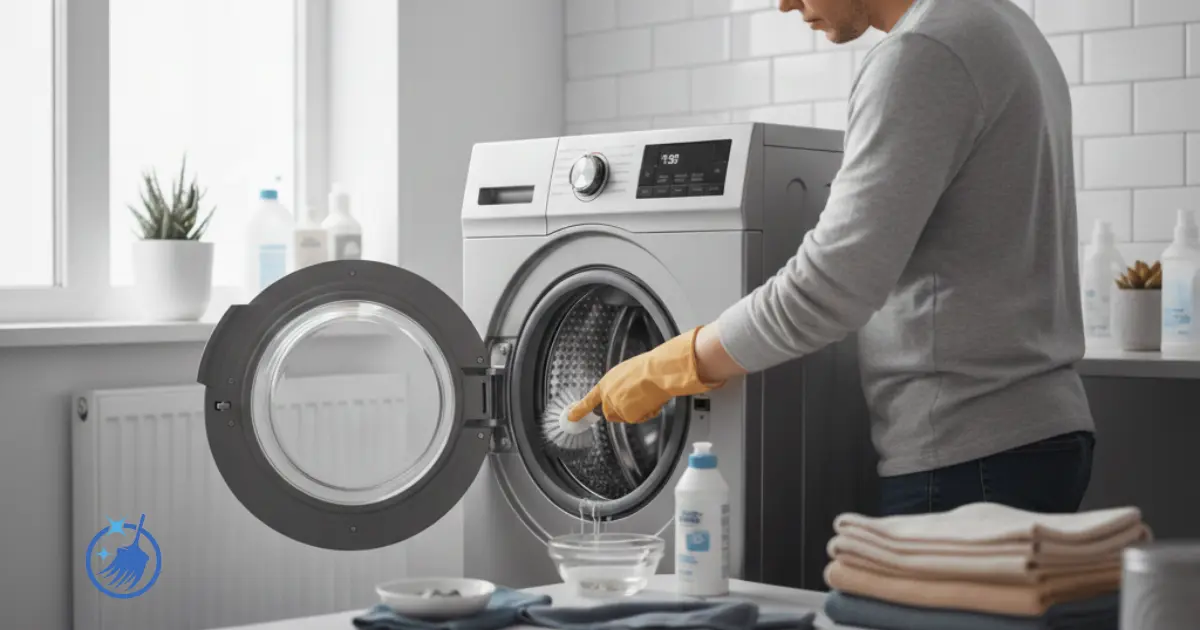
6. Wipe seals afterwards – After the cycle, wipe the door seal with a cloth. Cleaners often loosen gunk that needs removing manually.
7. Run an extra rinse if needed – If you notice cleaner residue or smell after the cycle, run one empty rinse cycle.
Common Mistakes When Using Washing Machine Cleaners
- Using the wrong type for your problem – Antibacterial cleaners won’t fix limescale. Maintenance tablets won’t fix heavy odours. Match the product to your specific issue.
- Not using hot enough cycles – Running cleaners on 30°C or 40°C cycles wastes money. They need 60°C minimum to work properly.
- Adding laundry during the cleaning cycle – I’ve seen people try this to “save time.” It doesn’t work. The cleaner can’t reach machine surfaces if they’re covered by clothes.
- Expecting one clean to fix years of neglect – Heavily soiled machines often need two or three deep cleans spaced a week apart before they’re properly fresh.
- Forgetting to clean the filter – Cleaning your washing machine filter matters as much as using cleaners. Blocked filters cause odours regardless of how many cleaning tablets you use.
- Mixing different cleaning products – Never combine products in the same cycle. It’s dangerous and can damage your machine.
How Often Should You Use Washing Machine Cleaners?
Your cleaning schedule depends on the product type and your circumstances:
Preventative tablets (Calgon-style):
- Hard-water areas: every wash
- Moderate water: weekly
- Soft water: monthly or as needed
Deep-clean treatments (Dr. Beckmann powder, HG):
- Every 2-4 months for normal use
- Monthly if you wash heavily soiled items regularly
- After washing pet bedding, very muddy clothes, or mould-affected items
Maintenance cleaners (Dettol, Ecozone tablets):
- Monthly for average households
- Fortnightly for large families or heavy use
- Every 20-30 wash cycles
Descalers (Oust):
- Every 2-3 months in very hard-water areas
- Every 4-6 months in moderate areas
- Only when needed in soft-water areas
Signs you need to clean your machine immediately:
- Musty or damp smell on clean laundry
- Visible black marks or residue in the drum
- Water takes longer to drain than usual
- Machine not heating properly
- Error codes related to drainage or heating
Pro Tips From a Professional Cleaner
After testing washing machine cleaners for years, here’s what actually works:
1. Start with a deep clean – If your machine already smells, begin with Dr. Beckmann powder or HG liquid before switching to monthly maintenance products.
2. Combine methods – Use preventative tablets (if in hard-water areas) with periodic deep cleans. One product alone isn’t enough.
3. Check your filter first – No cleaner works properly if your filter is blocked. Clean it before using any washing machine cleaner.
4. Don’t overuse detergent – Using too much laundry detergent creates more buildup. Follow dosage instructions on your detergent, not “what looks right.”
5. Leave the door open – After every wash, leave the door and detergent drawer open to dry. This prevents mould more effectively than any cleaner.
6. Budget options work – I’ve tested £4 products that outperform £15 ones. Don’t assume expensive means better.
Conclusion
The best washing machine cleaner UK households should buy depends entirely on your specific problem. Dr. Beckmann Service-It Deep Clean tackles existing odours brilliantly. Calgon prevents limescale in hard-water areas. Dettol handles bacteria for families. ACTIVE Store tablets provide budget-friendly maintenance. Ecozone offers eco-credentials without compromising results.
I recommend starting with one deep clean using Dr. Beckmann powder or HG liquid, then maintaining with monthly tablets. If you live in a hard-water area, add Calgon to your regular washes. This combination keeps machines fresh, protects heating elements, and costs less than £30 yearly.
The machines I clean professionally that smell fresh and run efficiently all have one thing in common: regular maintenance. Pick the right product for your situation, use it correctly, and your washing machine will last years longer whilst keeping your laundry genuinely clean.
Frequently Asked Questions
What is the best washing machine cleaner UK?
Dr. Beckmann Service-It Deep Clean is the best overall washing machine cleaner for UK households. It removes bacteria, odours, and hidden dirt effectively in one treatment. For hard-water areas, combine it with Calgon tablets used in every wash. If you prefer eco-friendly options, Ecozone Full Service Cleaner works nearly as well using plant-based ingredients.
How often should you use washing machine cleaner?
Use deep-clean products like Dr. Beckmann powder every 2-3 months for normal households, or monthly if you wash heavily soiled items regularly. Maintenance tablets should be used monthly. Preventative products like Calgon work best in every wash if you live in hard-water areas. Always clean immediately if you notice musty smells or visible grime.
Do washing machine cleaners actually work?
Yes, washing machine cleaners work when matched to the correct problem. I’ve tested products that removed odours completely in one cycle and others that dissolved limescale affecting heating performance. However, they can’t fix blocked filters or mechanical faults. For best results, use them on machines that are regularly maintained rather than waiting until problems are severe.
Can you use dishwasher tablets to clean a washing machine?
You can use dishwasher tablets occasionally, but dedicated washing machine cleaners work better. Dishwasher tablets contain different chemicals designed for food residue and glassware, not fabric residue and drum surfaces. If you’re in a pinch, one dishwasher tablet on a hot cycle will provide basic cleaning, but proper washing machine cleaners target the specific bacteria and buildup that cause odours in washing machines.
What's better for washing machines: vinegar or branded cleaners?
White vinegar works well for light maintenance and costs about 50p per clean. It removes light limescale and odours effectively. However, branded cleaners like Dr. Beckmann or HG are significantly more powerful for heavy buildup, bacteria, and stubborn odours. I recommend using vinegar monthly for maintenance (500ml on a hot cycle), then deep cleaning with branded products every 2-3 months.
Are washing machine cleaners worth it?
Washing machine cleaners are absolutely worth it. A £5 cleaner used every few months prevents repairs costing £100-300 and extends machine lifespan by years. Machines that aren’t cleaned develop odours, limescale damages heating elements, and bacteria buildup affects laundry hygiene. The money spent on cleaners is a fraction of replacement or repair costs.
Which washing machine cleaner removes mould?
Dr. Beckmann Service-It Deep Clean and Dettol Antibacterial Cleaner both remove mould effectively. For visible mould on rubber seals, clean manually first with diluted bleach or mould remover, then run a deep clean cycle. Prevention is easier than cure – leave your door and detergent drawer open after every wash to stop mould forming. Repeat deep cleans monthly if you’re prone to mould problems.
What kills bacteria in a washing machine?
Antibacterial washing machine cleaners containing oxidising agents kill bacteria effectively. Dettol Antibacterial Cleaner kills 99.9% of bacteria, as does Dr. Beckmann Deep Clean. Running hot cycles (60-90°C) also kills most bacteria. For maximum hygiene, use an antibacterial cleaner monthly and wash towels, bed linen, and underwear at 60°C or higher regularly.
Can washing machine cleaner damage your machine?
Washing machine cleaners don’t damage machines when used correctly according to instructions. However, using them too frequently or at incorrect concentrations can wear rubber seals faster. Never mix different cleaning products in the same cycle. Always follow the manufacturer’s directions exactly. Quality brands like Dr. Beckmann, Dettol, and HG are formulated specifically for washing machines and are safe when used as directed.
Should you clean your washing machine if it's new?
Yes, clean new washing machines every 2-3 months from the start. New machines collect detergent residue, fabric fibres, and moisture that create biofilm and odours over time. Starting a cleaning routine immediately prevents problems forming. Use maintenance cleaners monthly and deep clean quarterly. Prevention is much easier than fixing odour problems once they’ve developed.
You May Also Like
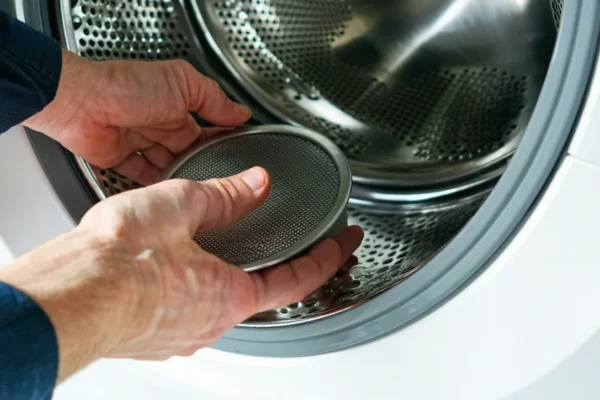
How to Clean Washing Machine Filter: Complete Guide 2026

How to Clean Artificial Grass: Complete Maintenance Guide