How to Clean Shower Glass: Complete UK Guide 2026

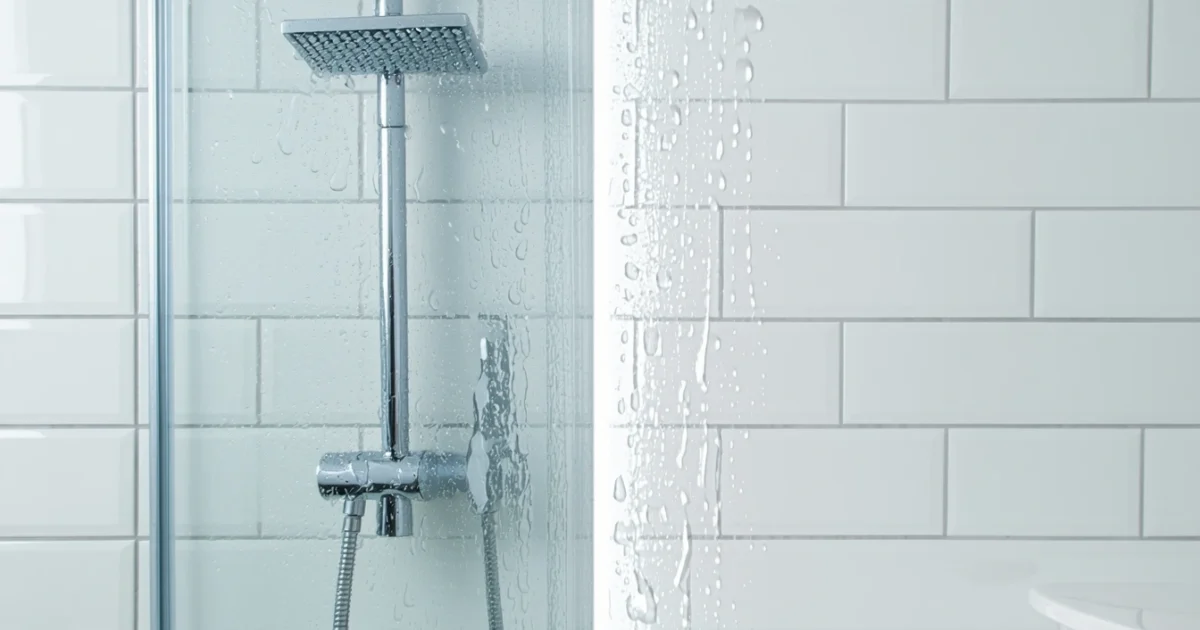
How to clean shower glass effectively requires the right combination of tools, cleaning solutions, and techniques to remove soap scum, limescale, and water stains that plague UK bathrooms. Most shower glass becomes cloudy due to hard water minerals, soap residue, and body oils that accumulate over time, creating stubborn deposits that regular cleaning often fails to tackle.
The key to crystal-clear shower glass lies in understanding what causes the buildup and using targeted approaches for different stain types. Whether you prefer homemade solutions like white vinegar and bicarbonate of soda or commercial cleaners, the proper technique makes all the difference between streaky disappointment and professional-looking results.
This comprehensive guide covers everything from essential tools and step-by-step cleaning processes to preventing future buildup. Additionally, you’ll discover how to maintain different glass types and avoid common mistakes that can damage your shower doors. For those dealing with other glass cleaning challenges, our streak-free window cleaning guide offers similar professional techniques.
TL;DR
- Use white vinegar or commercial limescale removers to tackle hard water stains and soap scum effectively
- Essential tools include microfibre cloths, squeegees, and soft-bristled brushes for different cleaning stages
- Daily squeegeeing and weekly light cleaning prevents heavy buildup and reduces deep cleaning frequency
- Apply cleaning solutions, scrub gently, rinse thoroughly, and dry completely for streak-free results
- Avoid abrasive materials and harsh chemicals that can scratch glass or damage seals and frames
Understanding What Makes Shower Glass Dirty
Shower glass accumulates dirt through several distinct processes that create different types of stains and buildup. Understanding these mechanisms helps you choose the most effective cleaning approach for your specific situation.
Soap Scum Formation and Mineral Deposits
Soap scum forms when soap molecules combine with minerals in water, creating sticky deposits that cling to glass surfaces. Traditional bar soaps contain fatty acids that react with calcium and magnesium ions, producing insoluble compounds that build up over time. Modern liquid soaps and shower gels contain surfactants that also leave residue, though typically less than traditional soaps.
These deposits create a film that traps dirt, dead skin cells, and other debris. Consequently, the glass loses its transparency and develops a cloudy appearance that regular rinsing cannot remove.
Hard Water Stains and Limescale Buildup
UK water supplies typically contain high levels of calcium and magnesium minerals, making hard water a common issue across most regions. When hard water evaporates on shower glass, these minerals remain behind as white, chalky deposits called limescale.
Hard water stains appear as white spots, streaks, or cloudy patches that become increasingly difficult to remove as they accumulate. Furthermore, these mineral deposits provide rough surfaces where soap scum and other contaminants can adhere more easily, accelerating the overall buildup process.
Similar to window cleaning challenges, mineral deposits create the most stubborn stains on glass surfaces throughout UK homes.
Body Oils and Personal Care Product Residue
Natural body oils and personal care products contribute significantly to shower glass contamination. Shampoos, conditioners, and body washes contain oils, silicones, and conditioning agents that create invisible films on glass surfaces.
These oily residues attract dust and dirt particles, creating a grimy layer that dulls the glass appearance. Additionally, body oils from skin contact with glass doors or panels leave fingerprints and smudges that become more visible as they accumulate.
Why Glass Becomes Cloudy and Loses Transparency
Glass cloudiness results from multiple microscopic layers of different contaminants that scatter light rather than allowing it to pass through clearly. Light scattering occurs when the smooth glass surface becomes textured with mineral deposits, soap films, and organic residues.
Each type of buildup refracts light differently, creating the characteristic hazy appearance that makes shower glass look dirty even after basic cleaning. Moreover, these layers interact with each other, making simple cleaning solutions less effective against the combined contamination.
The transparency loss becomes progressive – initially appearing as slight haziness that gradually develops into obvious cloudiness requiring intensive cleaning methods to restore clarity.
Essential Tools and Materials for Cleaning Shower Glass
Selecting the right tools transforms shower glass cleaning from a frustrating chore into an efficient process. Professional cleaners rely on specific equipment that removes different types of contamination without damaging glass surfaces. Furthermore, proper tool selection prevents streaking and ensures long-lasting clarity.
Microfibre Cloths and Their Advantages
Microfibre cloths provide superior cleaning performance compared to traditional cotton towels or paper products. These synthetic fibres contain microscopic splits that create millions of tiny hooks, effectively capturing dirt particles, soap residue, and mineral deposits from glass surfaces.
Quality microfibre cloths absorb up to seven times their weight in water, making them ideal for both wet cleaning and final drying stages. Additionally, their lint-free properties prevent fabric particles from adhering to clean glass, eliminating a common cause of streaking.
Use separate microfibre cloths for different cleaning stages – one for initial washing and another for final polishing. This separation prevents cross-contamination and ensures optimal results throughout the cleaning process.
Squeegee Selection and Proper Technique
A high-quality squeegee removes water and cleaning solutions efficiently, preventing water spots and mineral deposits from forming during the drying process. Professional-grade squeegees feature replaceable rubber blades that maintain consistent contact with glass surfaces.
Choose squeegees with 12-inch to 14-inch blades for standard shower doors, as this width covers most glass panels in single passes. Smaller 8-inch models work better in compact shower cubicles or for detailed work around fixtures and corners.
Proper squeegee technique involves starting at the top corner and pulling downward in overlapping strokes. Maintain consistent pressure and wipe the blade clean after each pass to prevent streaking. This method, similar to techniques used in professional window cleaning, ensures streak-free results.
Soft-Bristled Brushes for Stubborn Areas
Soft-bristled brushes provide gentle agitation that loosens stubborn soap scum and mineral deposits without scratching glass surfaces. Natural bristle brushes or soft synthetic alternatives work effectively for detailed cleaning around door frames, hinges, and textured glass areas.
Toothbrushes serve as excellent precision tools for cleaning tight spaces and intricate patterns in frosted or decorative glass. Their small size allows access to corners and crevices where larger cleaning tools cannot reach effectively.
Always test brush stiffness on an inconspicuous area first, as some synthetic bristles may be too abrasive for certain glass types. Consequently, gentle circular motions work better than aggressive scrubbing for most cleaning tasks.
Razor Blade Scrapers for Tough Deposits
Razor blade scrapers remove the most stubborn mineral deposits, paint spots, and hardened soap residue that other tools cannot eliminate. However, improper use can cause permanent scratches, making safety precautions essential.
Use only new, sharp blades held at a 45-degree angle to the glass surface. Dull blades require more pressure and increase scratching risk significantly. Moreover, always keep the glass surface wet during scraping to provide lubrication and prevent blade drag.
Work in small sections using light, consistent pressure with overlapping strokes. Never scrape dry glass or use scrapers on textured, frosted, or coated glass surfaces, as these treatments are particularly vulnerable to blade damage.
Protective Gloves and Ventilation Considerations
Protective gloves prevent skin irritation from cleaning chemicals and protect hands from cuts when using razor scrapers. Nitrile gloves offer superior chemical resistance compared to latex alternatives, particularly when using acidic cleaners for mineral deposit removal.
Proper ventilation becomes critical when using commercial glass cleaners or homemade solutions containing vinegar or ammonia. Open bathroom windows or run exhaust fans during cleaning to prevent chemical vapour accumulation in enclosed spaces.
Similarly to safety practices used when cleaning oven door glass, adequate airflow protects against respiratory irritation and ensures comfortable working conditions throughout the cleaning process.
Homemade Cleaning Solutions That Work
Natural cleaning solutions provide effective, economical alternatives to commercial glass cleaners while reducing chemical exposure in your bathroom. Furthermore, these homemade mixtures often outperform store-bought products for specific cleaning challenges like mineral deposits and soap scum.
White Vinegar Solution
White vinegar dissolves mineral deposits, soap scum, and hard water stains through its natural acetic acid content. Mix one part white vinegar with one part distilled water in a spray bottle for regular maintenance cleaning.
For heavy mineral buildup, increase the concentration to two parts vinegar to one part water. Apply the solution generously, allow it to dwell for 5-10 minutes, then wipe clean with a microfibre cloth. The acidic properties break down calcium and magnesium deposits that create cloudy glass surfaces.
Bicarbonate of Soda Paste
Bicarbonate of soda creates an effective abrasive paste for stubborn soap scum and grime removal. Mix three parts bicarbonate of soda with one part water to form a thick, spreadable consistency.
Apply the paste directly to problem areas using a soft cloth or sponge. The mild abrasive action removes buildup without scratching glass surfaces, making it particularly useful for textured shower doors. Rinse thoroughly after scrubbing to prevent white residue formation.
Lemon Juice for Natural Acid Cleaning
Fresh lemon juice provides natural citric acid that effectively dissolves mineral deposits while leaving a fresh scent. Use pure lemon juice for maximum effectiveness, or dilute with equal parts water for lighter cleaning tasks.
Cut a fresh lemon in half and rub directly onto glass surfaces for concentrated cleaning power. Alternatively, squeeze juice into a spray bottle and apply to affected areas. The citric acid works similarly to vinegar but offers a more pleasant aroma during cleaning sessions.
Dish Soap and Vinegar Combination
Combining dish soap with vinegar creates a powerful degreasing solution that tackles both soap scum and mineral deposits simultaneously. Mix one cup white vinegar, one cup water, and two tablespoons liquid dish soap in a spray bottle.
Heat the vinegar and water mixture in a microwave for 30 seconds before adding dish soap to improve dissolution and cleaning effectiveness. This heated solution penetrates stubborn buildup more efficiently than cold mixtures, particularly on heavily soiled glass surfaces.
When to Use Each Solution Type
Vinegar solutions work best for mineral deposits, hard water stains, and regular maintenance cleaning. Use these acidic cleaners weekly to prevent buildup accumulation on shower glass surfaces.
Bicarbonate of soda paste excels at removing thick soap scum, body oil residue, and stubborn grime that requires gentle abrasive action. Apply this solution monthly for deep cleaning sessions or spot treatment of problem areas.
Lemon juice serves as an excellent alternative to vinegar when you prefer citrus fragrance over vinegar’s sharp odour. Additionally, lemon juice provides natural antibacterial properties that help sanitise glass surfaces during cleaning.
The dish soap and vinegar combination handles the most challenging cleaning situations involving multiple types of buildup. Use this powerful mixture for monthly deep cleaning or when other solutions prove insufficient. Similar to techniques used for cleaning windows without streaks, proper application and thorough rinsing ensure optimal results with homemade solutions.
Commercial Cleaning Products for Shower Glass
While homemade solutions provide excellent results, commercial cleaning products offer convenience and specialised formulations for shower glass maintenance. Furthermore, professional cleaners contain specific ingredients that target different types of buildup more effectively than general household items.
Best Glass Cleaners Available in UK Supermarkets
Viakal Classic remains the most popular choice among UK consumers for shower glass cleaning. This ammonia-based cleaner dissolves limescale and soap scum without leaving streaks on glass surfaces. Additionally, Viakal requires no scrubbing for light to moderate buildup removal.
Method Glass Cleaner provides streak-free cleaning with plant-based ingredients and mint fragrance. Moreover, this eco-conscious option costs approximately £3.50 per 828ml bottle and performs comparably to traditional chemical cleaners.
Flash Bathroom Spray combines glass cleaning with antibacterial properties, making it ideal for shower enclosures. Consequently, this dual-purpose cleaner eliminates both grime and germs in a single application, saving time during bathroom maintenance routines.
Limescale Removers for Heavy Buildup
Cillit Bang Limescale & Grime contains hydrochloric acid that dissolves severe mineral deposits within minutes. However, this powerful formulation requires proper ventilation and protective gloves during application to prevent skin and respiratory irritation.
HG Professional Limescale Remover offers professional-strength cleaning without harsh fumes or toxic ingredients. Instead, this concentrated formula uses organic acids that break down limescale safely while protecting glass surfaces from etching damage.
Heavy limescale buildup requires contact time of 5-10 minutes with commercial removers before wiping. Subsequently, thorough rinsing prevents residue accumulation that could attract dirt and create new staining problems.
Specialist Shower Cleaners vs General Glass Cleaners
Specialist shower cleaners contain surfactants specifically designed to tackle soap scum, body oils, and mineral deposits simultaneously. In contrast, general glass cleaners focus primarily on streak-free drying and may struggle with bathroom-specific grime types.
Shower-specific formulations include ingredients like ethoxylated alcohols that penetrate soap film more effectively than standard glass cleaners. Therefore, products like Scrubbing Bubbles Bathroom Cleaner outperform multipurpose cleaners on shower glass surfaces.
General glass cleaners excel at maintaining already-clean shower glass through regular weekly cleaning. However, they prove insufficient for monthly deep cleaning or removing accumulated buildup that requires specialised chemical action.
Eco-Friendly Commercial Options
Ecover Glass & Surface Cleaner uses plant-based surfactants and renewable alcohol derived from sugar cane. Additionally, this biodegradable formula comes in recyclable packaging and costs £2.85 per 500ml bottle at most UK supermarkets.
Bio-D Glass Cleaner contains no petrochemicals, phosphates, or synthetic fragrances while maintaining excellent cleaning performance. Furthermore, this concentrated formula reduces packaging waste and transportation emissions compared to ready-to-use alternatives.
Eco-friendly cleaners typically require slightly longer contact time but deliver comparable results to conventional products. Nevertheless, they provide peace of mind for households concerned about chemical exposure and environmental impact.
Cost Comparison with Homemade Solutions
| Solution Type | Cost per Litre | Effectiveness Rating | Convenience Level |
|---|---|---|---|
| White Vinegar Mix | £0.85 | 8/10 | Low |
| Commercial Glass Cleaner | £4.20 | 9/10 | High |
| Specialist Shower Cleaner | £5.50 | 9/10 | High |
| Eco-Friendly Commercial | £5.70 | 8/10 | High |
Homemade solutions cost approximately 85% less than commercial alternatives while delivering nearly identical cleaning results. However, commercial products offer superior convenience, longer shelf life, and consistent formulation quality that appeals to busy households.
The annual cost difference between homemade and commercial cleaners ranges from £15-25 per household for average shower glass maintenance. Ultimately, this modest price difference makes commercial cleaners attractive for their ready-to-use convenience and reliable performance.
Similar to methods used for cleaning windows without streaks, proper technique matters more than product choice for achieving spotless shower glass. Therefore, combining quality commercial cleaners with correct application methods ensures optimal results regardless of your chosen cleaning approach.
Step-by-Step Cleaning Process
Effective shower glass cleaning requires systematic preparation and methodical execution. Therefore, following these sequential steps ensures thorough cleaning while preventing damage to glass surfaces and surrounding fixtures.
Pre-Cleaning Preparation
Remove all bottles, razors, and shower accessories from glass surfaces and surrounding areas. Additionally, clear soap dishes and hanging caddies to prevent cleaning solution from pooling around these items. This preparation step eliminates obstacles that could interfere with thorough cleaning coverage.
Begin with an initial cold water rinse to remove loose debris, hair, and surface soap residue. Subsequently, the cold rinse prevents soap scum from setting deeper into glass pores during the cleaning process. Furthermore, this preliminary rinse reveals the true extent of staining and buildup requiring attention.
Applying Cleaning Solution Effectively
Spray cleaning solution from top to bottom in overlapping vertical strips to ensure complete coverage. Moreover, this application method prevents dripping solution from creating streaks on already-cleaned areas. Work systematically across each glass panel rather than randomly spraying different sections.
Allow the cleaning solution to dwell for 3-5 minutes on heavily soiled areas before scrubbing begins. However, prevent the solution from drying completely, as dried cleaner creates additional residue requiring removal. Timing matters – insufficient dwell time reduces cleaning effectiveness while excessive time causes streaking.
Scrubbing Technique for Different Stain Types
Soap scum buildup responds best to circular scrubbing motions using a non-abrasive sponge or microfibre cloth. Conversely, water spots and mineral deposits require gentle linear strokes following the glass grain pattern. Never use steel wool or abrasive pads that scratch tempered glass surfaces permanently.
For stubborn limescale deposits, apply additional pressure while maintaining gentle circular movements. Similarly, mould and mildew stains need focused attention with antimicrobial cleaning solutions and soft-bristled brushes. Persistent stains may require multiple cleaning cycles rather than aggressive scrubbing that damages glass.
Hard water stains often concentrate along glass edges and corners where water naturally collects. Therefore, pay special attention to these areas using cotton swabs or small brushes for precise cleaning. This targeted approach ensures complete stain removal from difficult-to-reach spaces.
Proper Rinsing to Remove All Residue
Rinse thoroughly with warm water starting from the top and working downward in steady streams. Additionally, ensure complete removal of cleaning solution residue, as leftover chemicals create new streaking and attract dirt faster. The rinsing process requires patience and systematic coverage of every glass surface.
Use a handheld showerhead or large cup for controlled water application during rinsing. Furthermore, adjust water pressure to remove stubborn residue without splashing cleaning solution onto surrounding surfaces. Multiple rinse cycles may be necessary for heavily soiled glass or when using concentrated cleaning products.
Drying and Polishing for Streak-Free Finish
Immediately dry glass surfaces using a clean microfibre cloth or lint-free paper towels to prevent water spots from forming. Moreover, work quickly while glass remains wet, as air-drying creates mineral deposits that require additional cleaning. Similar to techniques used for cleaning windows without streaks, proper drying technique determines final results.
Polish glass using circular motions followed by vertical strokes for optimal clarity and shine. Subsequently, this two-stage polishing method removes any remaining moisture while creating a protective barrier against future water spotting. Professional window cleaners employ this exact technique for consistently superior results.
For enhanced shine, apply a small amount of glass polish or rain repellent using a separate clean cloth. However, avoid over-application as excess product creates streaking and attracts dirt. Less is more when applying finishing products to shower glass surfaces.
Final Inspection and Touch-Ups
Inspect cleaned glass from multiple angles under different lighting conditions to identify missed spots or remaining streaks. Additionally, side lighting reveals imperfections invisible under direct overhead illumination. This thorough inspection ensures professional-quality results worthy of your cleaning efforts.
Address any remaining spots with targeted cleaning using a damp microfibre cloth and minimal cleaning solution. Furthermore, focus on problem areas without re-cleaning entire glass panels unnecessarily. Spot cleaning maintains overall cleanliness while correcting specific imperfections efficiently.
Replace all shower accessories and bottles only after glass surfaces are completely dry and polished. Finally, this prevents water marks from forming under relocated items and maintains the pristine appearance achieved through proper cleaning technique. Regular maintenance following this systematic process keeps shower glass sparkling between deep cleaning sessions.
Tackling Stubborn Stains and Heavy Buildup
Persistent stains and heavy mineral deposits require aggressive treatment methods beyond standard cleaning approaches. Moreover, these stubborn accumulations often resist initial cleaning attempts, demanding specialised techniques and tools. Understanding the composition of different stains helps determine the most effective removal strategy.
Dealing with Thick Soap Scum Layers
Thick soap scum layers form when soap residue combines with hard water minerals and body oils over extended periods. Consequently, these deposits create a waxy, impermeable barrier that standard cleaners cannot penetrate effectively. Breaking down this barrier requires mechanical action combined with powerful degreasing agents.
Apply undiluted white vinegar to soap scum deposits and allow it to penetrate for 15-20 minutes. Subsequently, use a plastic scraper or old credit card to gently remove softened buildup without scratching glass surfaces. This mechanical removal proves far more effective than scrubbing alone.
For exceptionally thick accumulations, create a paste using baking soda and dish soap in equal proportions. Additionally, this abrasive mixture provides gentle scouring action while the soap breaks down greasy residues. Work the paste into deposits using circular motions with a non-abrasive sponge.
Removing Severe Limescale Deposits
Severe limescale deposits appear as chalky white or grey crusty formations that resist conventional cleaning methods. Furthermore, these calcium carbonate accumulations require acidic solutions to dissolve their crystalline structure effectively. The dissolution process transforms solid deposits into removable liquid waste.
Soak paper towels in concentrated citric acid solution (2 tablespoons per cup of warm water) and apply directly to limescale deposits. Meanwhile, the acid penetrates mineral structures while the towels maintain constant contact with affected areas. Leave towels in place for 30-45 minutes for maximum effectiveness.
Commercial limescale removers containing hydrochloric acid provide stronger dissolution power for extreme cases. However, ensure adequate ventilation and wear protective gloves when using these products. Always test acid-based cleaners on inconspicuous areas first to prevent glass etching or damage.
Using Razor Blades Safely on Glass
Razor blade removal effectively eliminates hardened deposits that resist chemical dissolution. Nevertheless, improper technique causes permanent scratches that compromise glass clarity and appearance. Professional window cleaners rely on specific blade angles and lubrication methods for safe scraping.
Hold the razor blade at a 45-degree angle to the glass surface and maintain constant lubrication with soapy water. Additionally, use only single-edge blades designed for glass cleaning rather than double-edge shaving razors. The blade should glide smoothly without catching or digging into the glass surface.
Work in overlapping strokes moving in one direction only to prevent blade chatter and scratching. Similarly, professional window cleaning techniques emphasise consistent pressure and smooth movements for optimal results. Replace blades immediately when they become nicked or dulled to maintain safe operation.
Multiple Treatment Approach for Persistent Stains
Persistent stains often require sequential treatment using different cleaning methods and chemicals. Consequently, combining mechanical, chemical, and thermal approaches maximises removal effectiveness while minimising glass damage risk. This systematic methodology addresses various stain components comprehensively.
- Begin with heat application using hot water or steam to soften deposits
- Apply appropriate chemical treatment based on stain composition
- Use mechanical removal techniques for loosened material
- Rinse thoroughly and assess remaining contamination
- Repeat process with alternative chemicals if necessary
Document which treatments prove most effective for future reference. Furthermore, photographing before and after conditions helps track progress and identify optimal treatment sequences. This systematic approach prevents repeated ineffective attempts while building cleaning expertise.
When to Consider Professional Cleaning
Professional cleaning services become necessary when DIY methods fail to achieve satisfactory results or when glass damage risk exceeds acceptable levels. Moreover, professionals possess specialised equipment and industrial-strength chemicals unavailable to consumers. Their expertise prevents costly glass replacement while achieving superior cleaning outcomes.
Consider professional intervention when stains cover more than 50% of glass surfaces or when multiple cleaning attempts produce minimal improvement. Additionally, etched glass, deep scratches, or suspected glass damage require professional assessment to determine restoration feasibility. Professional evaluation costs significantly less than premature glass replacement.
Professional services typically guarantee their work and carry insurance against accidental damage. Similarly, specialised glass cleaning techniques require training and experience to execute safely and effectively. The investment in professional cleaning often proves more economical than repeated DIY attempts using expensive specialty products.
Preventing Future Buildup
Prevention proves far more effective than reactive cleaning when maintaining shower glass clarity. Furthermore, establishing consistent maintenance routines prevents the accumulation of soap scum, mineral deposits, and water spots that require intensive cleaning efforts. Daily prevention requires minimal time investment while delivering maximum long-term benefits.
Daily Squeegee Routine
A daily squeegee routine removes water droplets before mineral deposits form on glass surfaces. Additionally, this simple practice eliminates the moisture that soap residue requires to bond with glass. Squeegee immediately after each shower while glass remains warm and water beads easily.
Start at the top corner and pull the squeegee downward in overlapping strokes. Moreover, wipe the squeegee blade between passes to prevent streaking from accumulated water. This 30-second daily habit prevents 90% of water spot formation according to cleaning industry standards.
Weekly Light Cleaning Schedule
Weekly maintenance cleaning addresses buildup that daily squeegeeing cannot prevent entirely. Similarly, this routine prevents minor deposits from becoming stubborn stains requiring intensive treatment. Light cleaning maintains glass transparency while requiring minimal effort and basic cleaning products.
- Spray glass with white vinegar solution (1:1 ratio with water)
- Wipe surfaces with microfibre cloth in circular motions
- Rinse thoroughly with clean water
- Squeegee dry to prevent new water spots
This weekly routine takes approximately 5 minutes but prevents the formation of deposits that would require hours of intensive cleaning later. Furthermore, consistent weekly maintenance preserves glass condition and extends the time between deep cleaning sessions.
Improving Bathroom Ventilation
Proper ventilation reduces humidity levels that accelerate soap scum formation and mineral deposit accumulation. Additionally, improved airflow helps water evaporate quickly from glass surfaces, preventing prolonged contact that creates stubborn stains. Ventilation improvements deliver immediate and long-term cleaning benefits.
Install an extractor fan rated for your bathroom size, typically requiring 8-10 air changes per hour for optimal moisture removal. Moreover, run the fan during showers and for 30 minutes afterward to eliminate residual humidity. Open windows when weather permits to create natural air circulation that supports mechanical ventilation efforts.
Poor ventilation creates conditions where soap residue and minerals remain moist longer, bonding more strongly to glass surfaces. Consequently, well-ventilated bathrooms require significantly less intensive cleaning while maintaining clearer glass for extended periods. This approach mirrors the principles used in professional window cleaning where environmental control enhances cleaning effectiveness.
Water Softener Benefits
Hard water areas throughout the UK experience accelerated mineral buildup on shower glass due to elevated calcium and magnesium concentrations. Furthermore, these minerals create white, chalky deposits that prove particularly difficult to remove once established. Water softening systems address the root cause rather than treating symptoms.
Water softeners reduce mineral content by up to 95%, dramatically decreasing glass cleaning frequency
Installing a whole-house water softener eliminates the minerals responsible for most shower glass staining. Similarly, point-of-use softeners targeting bathroom fixtures provide localised benefits at lower installation costs. Soft water requires less soap for effective cleaning, reducing the residue that contributes to glass clouding.
Areas with water hardness above 200 parts per million benefit most significantly from water softening systems. Additionally, softened water improves soap lathering while reducing the sticky soap scum that bonds to glass surfaces. This investment pays dividends through reduced cleaning time and improved glass clarity.
Choosing Low-Residue Shower Products
Product selection significantly impacts glass cleaning requirements, with some formulations leaving minimal residue while others create persistent films. Moreover, understanding ingredient differences helps identify products that support rather than hinder glass maintenance efforts. Strategic product choices reduce cleaning frequency while maintaining personal care effectiveness.
Select liquid soaps over bar soaps, as liquid formulations rinse more completely and leave less residue on glass surfaces. Additionally, choose products labelled as “low-residue” or “rinses clean” to minimise film formation. Natural ingredients like castile soap create less buildup than synthetic detergents containing heavy moisturisers.
| Product Type | Residue Level | Glass Impact |
|---|---|---|
| Castile soap | Minimal | Easy cleaning |
| Glycerin-free body wash | Low | Light maintenance |
| Moisturising body wash | High | Frequent cleaning required |
| Bar soap | Very high | Intensive cleaning needed |
Avoid products containing heavy oils, waxes, or conditioning agents that create persistent films on glass surfaces. Similarly, shampoos and conditioners with silicones contribute to buildup that requires specialised removal techniques. These preventive measures complement the cleaning strategies used for other glass surfaces, such as double glazed windows, where product residue similarly affects clarity and cleaning requirements.
Common Mistakes to Avoid
Understanding common cleaning errors prevents damage to shower glass while ensuring optimal results. Furthermore, recognising these mistakes helps avoid costly repairs and maintains the longevity of glass surfaces. Professional cleaning techniques eliminate these pitfalls through proper material selection and application methods.
Using Abrasive Materials That Scratch Glass
Abrasive cleaners create permanent scratches that trap dirt and reduce glass clarity over time. Additionally, scouring pads, steel wool, and rough cloths damage the smooth glass surface, making future cleaning more difficult. These scratches accumulate soap scum more readily than pristine glass surfaces.
Avoid cleaning products containing pumice, silica, or gritty particles that act as sandpaper against glass. Similarly, never use razor blades or metal scrapers on shower glass, as these tools create irreversible damage. Microfibre cloths and soft sponges provide effective cleaning without surface damage.
Cleaning Products That Damage Seals or Frames
Acidic cleaners deteriorate rubber seals and metal frames surrounding shower glass installations. Moreover, bleach-based products cause discolouration and brittleness in silicone seals over extended use. Frame materials like aluminium and chrome require pH-neutral cleaners to prevent corrosion and pitting.
Products containing ammonia or strong acids weaken adhesive bonds between glass and frames. Consequently, seal failure leads to water leakage and expensive replacement costs. Test cleaning products on inconspicuous areas before applying them to visible surfaces, similar to techniques used when cleaning windows without streaks.
Incorrect Squeegee Technique Causing Streaks
Poor squeegee technique creates streaks and water spots that require additional cleaning cycles. Furthermore, applying inconsistent pressure or using damaged rubber blades leaves water residue across glass surfaces. Proper squeegee maintenance ensures streak-free results with each cleaning session.
Start squeegee strokes from the top of the glass and work downward in overlapping passes. Additionally, wipe the squeegee blade clean after each stroke to prevent dirt redistribution. Replace worn blades immediately, as damaged rubber creates gaps that leave water streaks.
Neglecting Corners and Edges
Corner accumulation creates breeding grounds for mould and mildew that spread across entire glass surfaces. Moreover, neglected edges harbour soap scum buildup that becomes increasingly difficult to remove over time. These areas require targeted attention during every cleaning session.
Use cotton swabs or small brushes to reach tight corners where standard cleaning tools cannot access effectively. Similarly, pay special attention to frame joints and seal interfaces where moisture accumulates. Regular corner maintenance prevents extensive cleaning requirements later, much like the detailed approach needed for cleaning inside oven door glass.
Not Rinsing Thoroughly After Cleaning
Inadequate rinsing leaves cleaning product residue that attracts dirt and creates new buildup patterns. Furthermore, soap residue from cleaning solutions dries into visible films that require additional removal efforts. Thorough rinsing eliminates all cleaning agents and ensures pristine glass surfaces.
Rinse glass surfaces with clean water for at least 30 seconds after applying any cleaning product. Additionally, use a final rinse with distilled water to eliminate mineral deposits from tap water. Complete water removal through proper drying techniques prevents water spots and maintains glass clarity between cleaning sessions.
Maintaining Different Types of Shower Glass
Different shower glass types require specific cleaning approaches to maintain their appearance and functionality. Understanding these variations ensures proper maintenance while preventing damage to specialized coatings or textures.
Textured or Frosted Glass Special Considerations
Textured glass surfaces trap dirt and soap residue within their grooves and patterns, requiring more intensive cleaning methods. Additionally, frosted glass finishes show water spots more readily than smooth surfaces, demanding frequent maintenance to preserve their aesthetic appeal.
Use soft-bristled brushes to clean textured patterns thoroughly, working cleaning solution into all surface irregularities. Furthermore, avoid abrasive cleaners that can damage the frosted finish permanently. Gentle circular motions with microfibre cloths help remove buildup without compromising the glass texture.
Rinse textured glass more thoroughly than smooth surfaces, as cleaning residue accumulates in surface depressions. Consequently, use additional water pressure or multiple rinse cycles to ensure complete product removal from all textured areas.
Tempered Glass Care Requirements
Tempered glass withstands thermal stress better than regular glass but requires careful cleaning to prevent surface damage. Moreover, this safety glass type maintains structural integrity through specific manufacturing processes that create unique cleaning considerations.
Avoid extreme temperature changes during cleaning, as rapid thermal shifts can stress tempered glass unnecessarily. Similarly, never use ice-cold cleaning solutions on hot glass surfaces immediately after showering. Allow glass temperatures to normalise before beginning cleaning procedures.
Clean tempered glass with consistent pressure distribution across the entire surface area. Additionally, inspect edges regularly for chips or cracks that could compromise the glass integrity, much like the careful inspection needed when cleaning windows without streaks.
Framed vs Frameless Door Maintenance
Framed shower doors require cleaning both glass surfaces and metal or plastic frame components. However, frameless doors eliminate frame maintenance while creating different sealing challenges that affect cleaning approaches.
| Door Type | Key Maintenance Areas | Cleaning Frequency |
|---|---|---|
| Framed | Glass, frames, hinges, seals | Weekly comprehensive |
| Frameless | Glass, hinges, minimal sealing | Bi-weekly thorough |
Frame maintenance involves cleaning metal components with appropriate products that prevent corrosion or discolouration. Furthermore, rubber seals require gentle cleaning to maintain flexibility and water-tight properties. Regular lubrication of hinges ensures smooth operation and prevents premature wear.
Frameless doors concentrate cleaning efforts on glass surfaces and minimal hardware components. Nevertheless, pay special attention to hinge areas where water accumulation occurs more readily without frame protection.
Coated Glass (Anti-Limescale) Cleaning Methods
Anti-limescale coatings repel mineral deposits and soap scum but require specific cleaning products to maintain their effectiveness. Additionally, these protective treatments can deteriorate with improper cleaning methods, reducing their water-repelling properties significantly.
Use only pH-neutral cleaners on coated glass surfaces, as acidic or alkaline products can damage protective layers permanently. Moreover, avoid abrasive cleaning tools that can scratch or remove coating materials through mechanical action.
Coated glass maintains its protective properties for 3-5 years with proper care
Clean coated glass with gentle wiping motions rather than aggressive scrubbing techniques. Similarly, rinse thoroughly with clean water to remove all cleaning residue that could interfere with coating performance. Regular maintenance preserves coating integrity while maximising water-repelling benefits.
Test cleaning products on inconspicuous areas before full application to ensure coating compatibility. Furthermore, consult manufacturer guidelines for specific care instructions, as coating formulations vary between different glass suppliers and treatment methods.
Frequently Asked Questions
How often should I clean my shower glass to prevent buildup?
For best results, squeegee your shower glass daily after each use and perform a light cleaning weekly. Deep cleaning should be done monthly or when you notice significant buildup. Daily squeegeeing removes water droplets before minerals can dry and form limescale, significantly reducing the frequency of intensive cleaning sessions.
What's the best homemade solution for cleaning shower glass in the UK?
White vinegar is the most effective homemade solution for UK shower glass, as it tackles hard water stains and limescale common in British homes. Mix equal parts white vinegar and warm water in a spray bottle. For stubborn buildup, apply undiluted vinegar and let it sit for 10-15 minutes before scrubbing with a soft brush.
Can I use bicarbonate of soda on shower glass?
Yes, bicarbonate of soda is safe and effective for shower glass cleaning. Create a paste with water and gently scrub to remove soap scum and stains. However, avoid using it on delicate or coated glass surfaces, and always rinse thoroughly to prevent residue. It works particularly well when combined with white vinegar for tough stains.
Why does my shower glass still look streaky after cleaning?
Streaky glass typically results from improper drying techniques or residue from cleaning products. Always use a clean microfibre cloth or squeegee to dry the glass completely after cleaning. Avoid paper towels which can leave lint, and ensure your cleaning cloth isn’t contaminated with fabric softener or other products that leave residue.
What cleaning products should I avoid on shower glass?
Avoid abrasive cleaners, steel wool, razor blades, and harsh chemicals like bleach or ammonia-based products. These can scratch the glass surface or damage seals and frames. Also avoid using fabric softener-treated cloths or paper towels, as they can leave streaky residue on the glass.
How do I prevent soap scum from building up on shower glass?
Prevention involves daily maintenance and product choices. Squeegee or wipe down glass after each shower, switch to liquid soaps instead of bar soaps (which create more scum), and ensure good ventilation to reduce humidity. Consider applying a glass treatment or rain repellent product to create a protective barrier.
Is hard water making my shower glass cleaning more difficult?
Yes, hard water significantly increases cleaning difficulty in most UK areas. The high mineral content creates stubborn limescale deposits that require stronger cleaning solutions. Consider installing a water softener system for long-term improvement, or use vinegar-based cleaners specifically designed to tackle mineral deposits from hard water.
What's the proper technique for cleaning shower glass without scratching?
Use gentle, circular motions with soft materials only. Apply cleaning solution, let it sit for the recommended time, then scrub gently with a soft-bristled brush or microfibre cloth. Always rinse thoroughly with clean water and dry completely with a squeegee or clean microfibre cloth. Work from top to bottom to prevent drips on cleaned areas.
You May Also Like
How to Clean Shower Tiles: Complete Guide for 2026
How to Clean Shower Mold: Complete Removal Guide 2026