How to Stop Sediment in Washing Machine Drums: UK Guide 2026

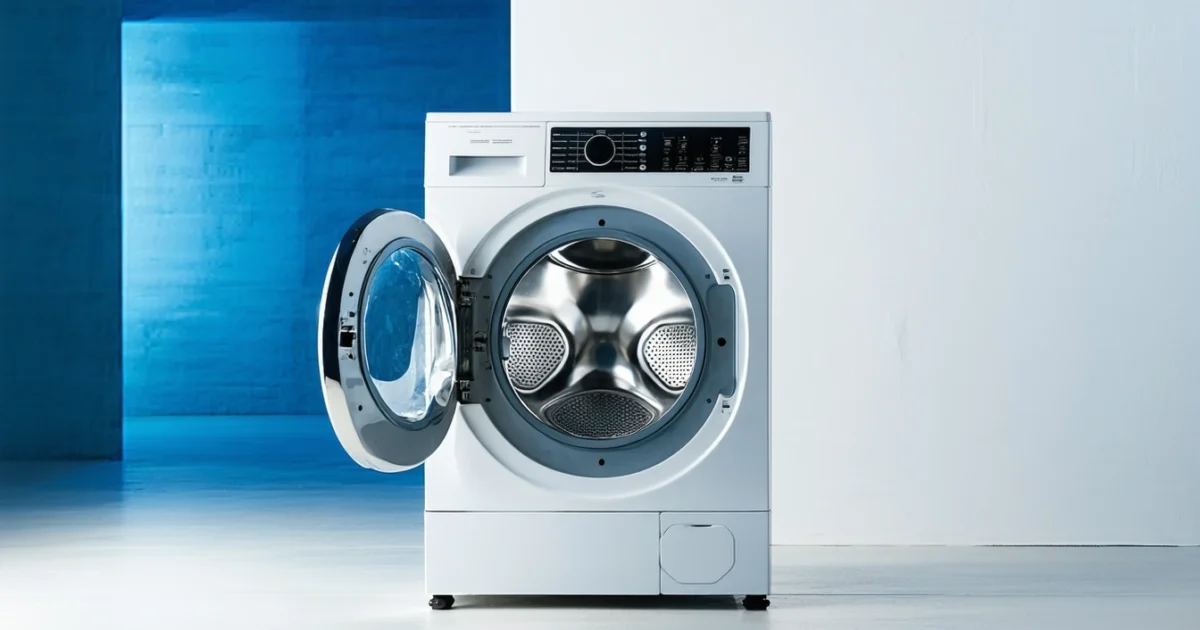
To stop sediment in the drum of your washing machine, you need to address the root causes: hard water minerals, excessive detergent use, and inadequate maintenance routines. This buildup of calcium deposits, detergent residue, and fabric softener can damage your appliance and reduce washing performance significantly.
Furthermore, sediment accumulation occurs when mineral-rich water combines with soap products during wash cycles. The resulting deposits cling to drum surfaces, door seals, and internal components. Without proper prevention, this buildup leads to unpleasant odours, reduced cleaning efficiency, and costly repairs.
Fortunately, simple changes to your washing routine can prevent these issues entirely. Regular maintenance washes, proper detergent dosing, and water treatment solutions effectively eliminate sediment formation. Additionally, natural cleaning methods using white vinegar and baking soda provide cost-effective alternatives to commercial products.
TL;DR
- Hard water minerals and excessive detergent use are the primary causes of drum sediment
- Monthly cleaning cycles with hot water and proper detergent dosing prevent buildup effectively
- Water softeners, vinegar treatments, and regular filter maintenance eliminate existing deposits
- Leaving the drum door open after use and wiping surfaces dry reduces moisture-related sediment formation
Understanding Sediment in Washing Machine Drums
Sediment forms when dissolved minerals, soap residues, and fabric softener compounds accumulate inside washing machine drums over time. This buildup occurs naturally as water evaporates during wash cycles, leaving behind concentrated deposits that adhere to metal surfaces. Hard water accelerates this process significantly, as calcium and magnesium ions bond with detergent molecules to create stubborn chalky residues.
Moreover, the formation process begins when heated water dissolves minerals from your supply pipes. Subsequently, these minerals interact with cleaning products to form insoluble compounds that cannot drain away completely. The drum’s spinning action then distributes these particles across all interior surfaces, creating a thin film that thickens with each wash cycle.
Common Types of Drum Sediment
Mineral deposits represent the most prevalent type of washing machine sediment in UK households. These white or grey chalky substances consist primarily of calcium carbonate and magnesium hydroxide from hard water areas. Additionally, these deposits feel gritty to the touch and often appear as streaky films on the drum’s stainless steel surface.
Detergent residue creates a different type of buildup that feels slippery or waxy when touched. This residue forms when users exceed recommended dosing amounts or use powder detergents in cool water temperatures. Furthermore, biological enzymes in modern detergents can leave protein-based films that attract dirt and bacteria over time.
Fabric softener buildup produces the stickiest form of sediment, creating a tacky coating that traps lint and debris. This accumulation typically concentrates around the fabric softener dispenser and drum edges where the product makes initial contact. Consequently, this buildup reduces the effectiveness of subsequent fabric softener applications and can cause dispensers to clog completely.
Visual Identification of Sediment Problems
Identifying sediment requires examining specific areas where buildup typically concentrates. White streaks or chalky patches on the drum surface indicate mineral deposits, while a dull or cloudy appearance suggests detergent film accumulation. Similarly, limescale patterns around water inlet points mirror those found on shower heads and taps throughout your home.
Additionally, texture changes provide crucial identification clues. Run your hand along the drum’s interior surface to detect rough, gritty areas that indicate mineral buildup. Conversely, slippery or sticky patches suggest soap residue or fabric softener accumulation. Black or brown spots often signal mould growth in areas where moisture and organic residues combine.
Furthermore, sediment problems manifest through visual inspection of door seals and detergent dispensers. These components show buildup patterns more clearly than the drum itself. Look for discoloured areas, crusty deposits, or film-like coatings that indicate cleaning intervention is necessary.
Impact on Washing Performance and Appliance Lifespan
Sediment accumulation directly reduces washing effectiveness by creating barriers between detergent and fabric fibres. Mineral deposits prevent proper soap dissolution, while residue films reduce water penetration into clothing. Consequently, garments emerge from wash cycles with reduced cleanliness levels and may develop grey or dingy appearances over time.
Moreover, sediment buildup forces washing machines to work harder during each cycle. The additional friction from rough deposits increases motor strain and bearing wear. Appliance lifespan decreases by an average of 2-3 years when sediment problems remain unaddressed, according to appliance repair specialists.
Finally, accumulated sediment creates ideal conditions for bacterial and mould growth within the machine. These microorganisms produce unpleasant odours that transfer to clean laundry and can trigger allergic reactions in sensitive individuals. Therefore, preventing sediment formation protects both your appliance investment and your family’s health.
Primary Causes of Drum Sediment
Understanding the root causes of sediment formation enables targeted prevention strategies. Multiple factors contribute to buildup patterns, with hard water minerals serving as the primary culprit in most UK households. Additionally, user habits and maintenance practices significantly influence sediment accumulation rates.
Hard Water Minerals
Calcium and magnesium represent the leading causes of washing machine sediment throughout the UK. These minerals dissolve naturally in groundwater and remain present even after municipal water treatment. When heated during wash cycles, calcium carbonate precipitates from solution and adheres to drum surfaces.
Furthermore, magnesium compounds combine with soap molecules to form insoluble precipitates. These chalky deposits accumulate gradually on drum walls, door seals, and internal components. Areas with water hardness above 200 mg/L experience accelerated mineral buildup compared to soft water regions.
Excessive Detergent and Fabric Softener Use
Overdosing with laundry detergents creates residue films that trap dirt particles and minerals. Modern concentrated formulas require smaller quantities than traditional powders, yet many users continue applying excessive amounts. Consequently, undissolved detergent molecules coat drum surfaces and provide nucleation sites for further sediment formation.
Fabric softener overuse compounds the problem by leaving waxy residues on internal components. These conditioning agents contain cationic surfactants that bind strongly to metal surfaces. Over time, fabric softener buildup creates sticky films that attract lint, soap scum, and mineral deposits.
Infrequent Cleaning Cycles
Neglecting regular maintenance washes allows sediment to accumulate unchecked within washing machines. Most manufacturers recommend monthly cleaning cycles using hot water and specialised cleaning products. However, surveys indicate that 70% of UK households perform maintenance washes less than quarterly.
Moreover, skipping cleaning cycles permits bacterial growth alongside mineral accumulation. Biofilm formation occurs when microorganisms colonise existing sediment deposits, creating complex matrices that resist standard cleaning attempts. Regular maintenance washes prevent these biological complications from developing.
Poor Water Drainage and Filter Maintenance
Drainage problems cause contaminated water to remain in contact with drum surfaces for extended periods. Partially blocked drain hoses or kinked connections prevent complete water evacuation after each cycle. Consequently, mineral-rich water pools in low areas and evaporates, leaving concentrated sediment deposits.
Additionally, clogged lint filters reduce water flow rates and create turbulence patterns that promote sediment settling. Filters require monthly cleaning to maintain optimal drainage performance. Neglected filters accumulate debris that eventually breaks free and redistributes throughout the washing system.
Low-Temperature Washing Habits
Cold water washing reduces detergent solubility and prevents complete dissolution of soap molecules. While energy-efficient, temperatures below 30°C fail to activate many cleaning agents effectively. Undissolved detergent particles settle on drum surfaces and combine with minerals to form persistent sediment layers.
Furthermore, low temperatures inhibit the natural cleaning action that occurs during hot wash cycles. Thermal agitation helps dissolve existing deposits and prevents new accumulation. Incorporating occasional 60°C washes helps maintain drum cleanliness while balancing energy consumption concerns.
Immediate Prevention Methods
Implementing proper prevention techniques stops sediment in the drum before it accumulates into stubborn deposits. These immediate actions address the root causes of mineral buildup and detergent residue formation. Moreover, consistent application of these methods maintains optimal washing machine performance while extending appliance lifespan.
Proper Detergent Dosing Guidelines
Excessive detergent usage creates the primary source of drum sediment in UK households. Manufacturers recommend 15-25ml of liquid detergent for standard 6kg loads, yet many users exceed these amounts significantly. Consequently, undissolved soap molecules accumulate on drum surfaces and combine with mineral deposits.
Water hardness levels determine optimal detergent quantities for effective cleaning. Hard water areas require 20% additional detergent to achieve proper cleaning performance, while soft water regions need reduced amounts. Furthermore, concentrated detergents deliver superior results at lower volumes compared to standard formulations.
Using Liquid vs Powder Detergents in Hard Water Areas
Liquid detergents dissolve more completely in hard water conditions compared to powder alternatives. Calcium and magnesium ions interfere with powder dissolution, creating undissolved particles that settle on drum surfaces. Therefore, households in hard water regions experience fewer sediment problems when using liquid formulations.
Powder detergents contain zeolite builders that react with hard water minerals to form insoluble precipitates. These precipitates contribute directly to drum sediment accumulation over time. In contrast, liquid detergents utilise phosphonate-based builders that remain soluble in mineral-rich water conditions.
Regular Hot Water Cleaning Cycles
Monthly 90°C maintenance washes dissolve existing sediment deposits and prevent new accumulation patterns. High temperatures activate detergent molecules more effectively while creating thermal expansion that loosens mineral buildup. Additionally, hot water cycles eliminate bacterial growth that contributes to biofilm formation.
Empty drum cleaning cycles using white vinegar or citric acid provide superior descaling action compared to standard detergents. These acidic solutions neutralise alkaline mineral deposits while removing soap residue buildup. Running these cycles quarterly maintains optimal drum condition in hard water areas.
Leaving Drum Door Open After Use
Air circulation prevents moisture retention that accelerates sediment formation inside washing machine drums. Closed doors trap humid air that promotes mineral crystallisation and bacterial growth. Therefore, leaving doors ajar for 2-3 hours after each wash allows complete moisture evaporation.
Proper ventilation reduces the formation of biofilms that trap mineral particles and create complex sediment matrices. Stagnant air creates ideal conditions for microbial growth, particularly in rubber door seals and detergent dispensers. Consequently, improved airflow disrupts these biological processes before they establish persistent colonies.
Wiping Down Drum and Door Seals
Weekly cleaning of rubber door seals removes trapped debris before it contributes to sediment accumulation. These areas collect lint, hair, and detergent residue that provide nucleation sites for mineral deposits. Using a damp microfibre cloth removes these contaminants effectively without damaging seal materials.
Drum surface cleaning with diluted white vinegar solution neutralises alkaline residues while removing early-stage mineral deposits. Focus particularly on the drum’s lower sections where sediment typically settles first. Additionally, cleaning the detergent dispenser drawer prevents soap buildup that eventually redistributes into the drum during wash cycles.
Water Treatment Solutions
Water treatment systems address the root cause of sediment formation by removing minerals before they enter your washing machine drum. Hard water contains dissolved calcium and magnesium that precipitate during wash cycles, creating stubborn deposits on drum surfaces. Therefore, implementing comprehensive water conditioning prevents mineral accumulation at its source.
Installing Water Softener Systems
Whole-house water softeners exchange calcium and magnesium ions for sodium ions through ion-exchange resin technology. These systems typically reduce water hardness from 300+ ppm to under 50 ppm, dramatically decreasing sediment formation potential. Moreover, softened water improves detergent efficiency while reducing soap scum accumulation throughout your home’s plumbing system.
Professional installation ensures optimal sizing based on household water consumption and hardness levels. Most UK homes require systems handling 15-25 litres per minute flow rates with regeneration cycles every 3-7 days. Additionally, modern softeners feature automatic regeneration based on actual water usage rather than fixed timers.
Using Washing Machine Descaling Products
Commercial descaling products contain citric acid or phosphonic acid compounds that dissolve existing mineral deposits while preventing new formation. These formulations target specific mineral types found in UK water supplies, particularly calcium carbonate and magnesium hydroxide. Furthermore, regular descaling treatments maintain optimal washing machine performance by keeping internal components clear.
Monthly descaling treatments work most effectively when combined with empty hot wash cycles at 90°C. The elevated temperature enhances acid penetration into crystallised deposits while improving dissolution rates. Similarly, limescale removal techniques used for shower heads apply to washing machine components through similar chemical processes.
Adding White Vinegar to Cleaning Cycles
White vinegar provides an economical alternative to commercial descaling products through its natural acetic acid content. Adding 250ml of white vinegar to monthly maintenance washes creates an acidic environment that dissolves mineral deposits effectively. However, vinegar treatments require longer contact times compared to purpose-formulated descaling products.
Vinegar’s mild acidity makes it safe for regular use without damaging rubber seals or metal components. The solution neutralises alkaline detergent residues while removing soap scum that contributes to sediment matrix formation. Nevertheless, avoid mixing vinegar with bleach-based products as this combination produces harmful chlorine gas.
Commercial Water Conditioning Tablets
Water conditioning tablets contain polyphosphate compounds that sequester mineral ions, preventing their precipitation during wash cycles. These tablets dissolve gradually in washing machine drums, providing continuous protection against sediment formation. Additionally, phosphate-based conditioners improve detergent performance by maintaining optimal pH levels throughout wash cycles.
Monthly tablet treatments cost approximately £2-4 per application while providing comprehensive mineral control. The tablets work particularly well in areas with moderate water hardness (150-300 ppm) where full softening systems may be unnecessary. Furthermore, conditioning tablets require no installation or maintenance beyond regular replacement.
Point-of-Use Water Filters for Washing Machines
Inline water filters install directly on washing machine supply lines, providing targeted filtration without affecting household water supply. These systems typically combine sediment filtration with scale inhibition through polyphosphate media. Consequently, point-of-use filters offer cost-effective protection for individual appliances in rental properties or homes with existing plumbing constraints.
Filter cartridges require replacement every 6-12 months depending on water quality and usage patterns. Most units handle standard 15mm washing machine connections while maintaining adequate flow rates for modern appliances. Installation typically takes 30-45 minutes using basic plumbing tools without requiring professional assistance.
Regular Maintenance Schedule
Establishing a consistent maintenance routine prevents sediment accumulation in washing machine drums while extending appliance lifespan. Regular cleaning schedules address mineral deposits before they solidify into stubborn scale formations. Moreover, preventive maintenance costs significantly less than emergency repairs or premature appliance replacement.
Monthly Drum Cleaning Routine
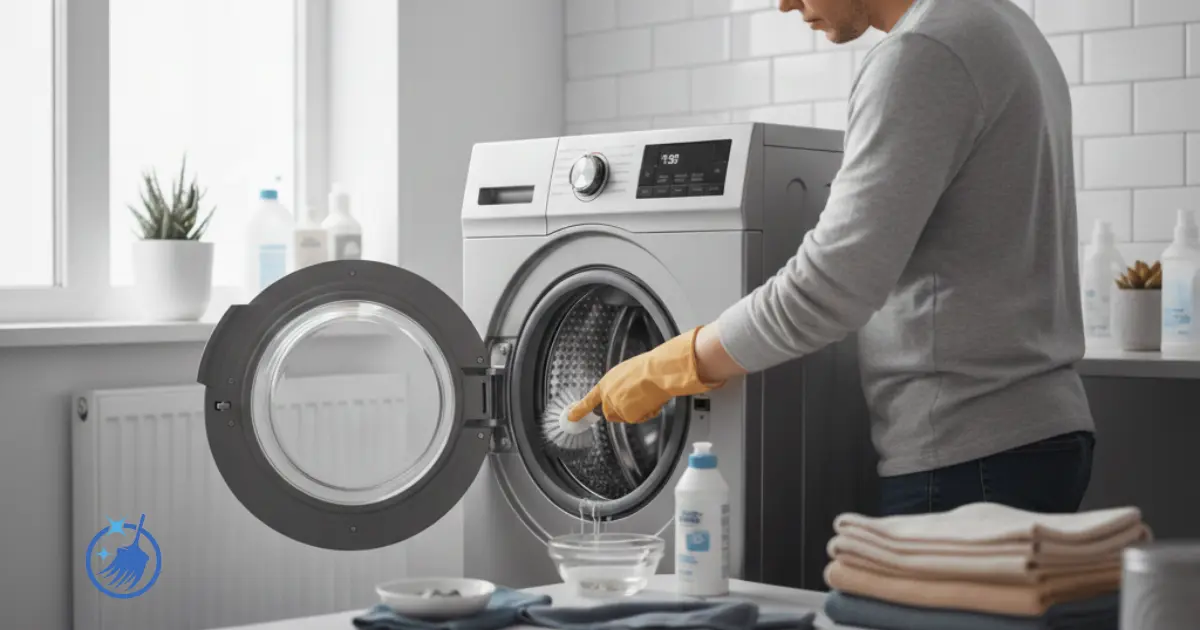
Monthly drum cleaning cycles remove soap residue and mineral deposits that contribute to sediment formation. Use washing machine cleaner tablets or white vinegar (250ml) for effective descaling action. Run the hottest available cycle without laundry to maximise cleaning effectiveness.
Commercial drum cleaners contain citric acid and surfactants that dissolve calcium carbonate deposits more effectively than household alternatives. Alternatively, bicarbonate of soda (100g) combined with white vinegar creates natural descaling action. Complete the cleaning cycle with an additional rinse to remove loosened sediment particles.
Filter Inspection and Cleaning
Washing machine filters require inspection every 4-6 weeks to prevent sediment bypass into drum chambers. Located behind the front panel or inside the drum, these filters trap lint, hair, and mineral particles during wash cycles. Consequently, blocked filters reduce cleaning efficiency while allowing debris recirculation.
Remove filters carefully and rinse under warm running water to dislodge accumulated sediment. Use a soft brush to remove stubborn deposits without damaging filter mesh. Replace damaged or excessively worn filters immediately to maintain optimal filtration performance.
Drain Pump Maintenance
Drain pump inspections every three months prevent sediment accumulation in pump chambers and outlet hoses. Access the pump through the front service panel and check for visible debris or mineral deposits. Additionally, listen for unusual noises during drain cycles that indicate pump obstruction.
Clean pump filters by removing the access cap and extracting trapped debris manually. Flush the pump chamber with clean water to remove residual sediment particles. Furthermore, inspect pump impellers for damage caused by hard water deposits that could affect drainage efficiency.
Door Seal and Detergent Drawer Care
Door seals accumulate soap scum and mineral deposits that contribute to drum contamination during subsequent wash cycles. Wipe seals weekly with diluted bleach solution (1:10 ratio) to prevent mould growth and sediment buildup. Pay particular attention to the bottom fold where water and debris naturally collect.
Detergent drawers require monthly removal and thorough cleaning to prevent powder residue crystallisation. Soak drawers in warm water with washing-up liquid to dissolve accumulated deposits. Use an old toothbrush to clean compartment channels where sediment often accumulates unnoticed.
Professional Service Recommendations
Annual professional servicing provides comprehensive appliance inspection beyond routine homeowner maintenance capabilities. Qualified technicians can access internal components, test water pressure systems, and identify early signs of sediment-related damage. Professional services typically cost £80-120 but prevent expensive repairs.
Service technicians perform deep descaling treatments using commercial-grade chemicals unavailable to consumers. They also calibrate water temperature sensors and inspect heating elements for scale accumulation that affects washing performance. Schedule annual services during low-usage periods to minimise household disruption.
Professional maintenance includes comprehensive system diagnostics that identify potential problems before they cause sediment-related failures. Technicians can recommend specific water treatment solutions based on local water quality analysis and usage patterns.
Natural vs Commercial Cleaning Solutions
Natural cleaning solutions offer effective methods to stop sediment in the drum whilst avoiding harsh chemicals that may damage rubber seals or internal components. White vinegar serves as a powerful descaling agent that dissolves mineral deposits naturally. Pour two cups of white vinegar directly into an empty drum and run a hot wash cycle to break down accumulated sediment.
Baking soda complements vinegar treatments by neutralising odours and providing gentle abrasive action against stubborn deposits. Add half a cup of baking soda to the drum after vinegar treatment, then run another hot cycle. This combination creates a fizzing reaction that loosens sediment particles from drum surfaces and internal pathways.
Citric acid provides superior limescale removal compared to standard household acids. Dissolve 100 grams of citric acid powder in warm water before adding to the drum for maximum effectiveness. This natural acid targets calcium carbonate deposits specifically, making it particularly effective in hard water areas where sediment accumulation occurs rapidly.
Commercial Cleaner Performance Analysis
Commercial washing machine cleaners contain concentrated descaling agents and surfactants designed for rapid sediment removal. Popular brands like Dr Beckmann Service-It Deep Clean and Calgon 2-in-1 demonstrate superior cleaning power in laboratory tests. However, these products cost significantly more than natural alternatives whilst achieving similar results.
| Solution Type | Cost per Treatment | Effectiveness Rating | Safety Score |
|---|---|---|---|
| White Vinegar | £0.30 | 85% | 95% |
| Citric Acid | £0.50 | 90% | 90% |
| Commercial Cleaner | £2.50 | 95% | 75% |
| Baking Soda Combo | £0.40 | 80% | 98% |
Commercial cleaners often contain phosphoric acid and sodium carbonate that provide rapid descaling action. Nevertheless, these chemicals may cause skin irritation and require careful handling during application. Always ensure adequate ventilation when using commercial products to prevent inhalation of chemical vapours.
Safety and Environmental Considerations
Natural cleaning solutions present minimal health risks and environmental impact compared to commercial alternatives. Vinegar and citric acid break down completely during wash cycles, leaving no harmful residues on clothing or internal components. Furthermore, these natural acids won’t damage rubber door seals or plastic components over time.
Commercial cleaners may contain chlorine bleach or ammonia compounds that create toxic fumes when mixed with other cleaning products. Store commercial cleaners separately from other household chemicals to prevent dangerous chemical reactions. Additionally, many commercial products require special disposal methods due to their chemical composition.
Children and pets face reduced exposure risks when households choose natural cleaning methods. Limescale removal techniques using citric acid demonstrate similar safety profiles across different household applications. Natural solutions also reduce packaging waste since bulk ingredients last longer than single-use commercial products.
Cost-Effectiveness Analysis
Annual cleaning costs vary dramatically between natural and commercial approaches. Natural solutions typically cost £15-20 per year for regular maintenance treatments, whilst commercial cleaners average £60-80 annually for equivalent cleaning frequency. Bulk purchasing of citric acid and vinegar reduces per-treatment costs further.
Natural cleaning solutions cost 75% less than commercial alternatives whilst achieving comparable sediment removal results
Long-term appliance protection represents additional value when choosing appropriate cleaning solutions. Natural acids clean effectively without causing component degradation that may result from harsh commercial chemicals. This protection extends washing machine lifespan and reduces repair costs associated with chemical damage to internal parts.
Troubleshooting Persistent Sediment Issues
Persistent sediment accumulation indicates underlying mechanical problems that require systematic diagnosis. When regular cleaning fails to stop sediment in the drum, homeowners must examine filter systems, drainage components, and pump mechanisms. These troubleshooting steps help identify root causes before sediment damage becomes irreversible.
Filter System Inspection and Replacement
Washing machine filters require replacement every 6-12 months depending on water hardness and usage frequency. Clogged filters allow sediment particles to recirculate through wash cycles, creating persistent drum contamination. Check filter condition monthly by examining trapped debris and water flow rates during drain cycles.
Filter replacement becomes necessary when cleaning fails to restore proper water flow. Moreover, damaged filter screens permit larger sediment particles to enter the drum chamber. Replace filters immediately when mesh tears appear or when sediment bypasses the filtration system consistently.
Drain System Blockages
Blocked drain systems create sediment backflow that recontaminates clean drums. Drain hose obstructions prevent proper water evacuation, causing mineral deposits to settle during incomplete drainage cycles. Furthermore, standpipe blockages force contaminated water back into the washing machine.
Identifying drain problems requires observing water evacuation patterns during spin cycles. Slow drainage indicates partial blockages, whilst standing water suggests complete obstruction. Additionally, gurgling sounds during drainage typically signal air trapped by blockages in the drain system.
Pump Malfunction Indicators
Pump problems directly affect sediment removal efficiency by reducing water circulation and drainage capacity. Failing pumps create insufficient pressure for proper sediment evacuation, allowing particles to accumulate in drum crevices. Unusual noises during wash cycles often indicate pump impeller damage or obstruction.
- Grinding or scraping sounds during drainage
- Reduced water pressure during rinse cycles
- Incomplete water evacuation after spin cycles
- Visible sediment remaining after cleaning cycles
Pump inspection reveals sediment accumulation around impeller blades and housing components. Consequently, damaged pumps require professional replacement to restore proper sediment removal function. Regular maintenance washes help prevent pump damage by removing sediment before it hardens around moving parts.
Professional Service Requirements
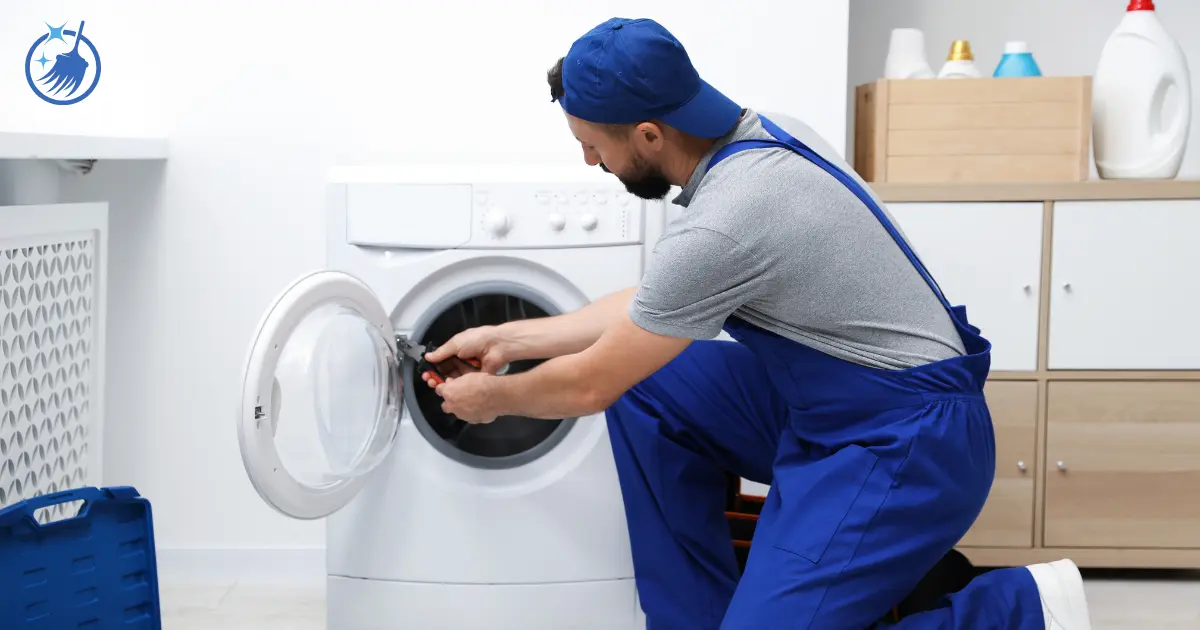
Contact professional repair services when sediment problems persist despite thorough cleaning and basic troubleshooting. Qualified technicians diagnose complex issues involving internal components, electrical systems, and water pressure irregularities. Additionally, professionals possess specialised tools for accessing sealed components safely.
Emergency service becomes necessary when sediment causes complete drainage failure or unusual mechanical noises. Similarly, electrical issues related to sediment contamination require immediate professional attention to prevent safety hazards. Professional diagnosis typically costs £80-120 but prevents costly component replacement from delayed repairs.
Warranty Coverage Considerations
Manufacturer warranties typically exclude damage caused by sediment accumulation resulting from inadequate maintenance. However, premature component failure due to manufacturing defects remains covered even when sediment contributes to the problem. Document all cleaning efforts and maintenance activities to support warranty claims.
Extended warranty coverage may include sediment-related repairs when homeowners demonstrate proper maintenance practices. Furthermore, some manufacturers offer water quality exceptions for areas with extremely hard water conditions. Review warranty terms carefully before attempting DIY repairs that might void coverage for sediment-related damage.
Frequently Asked Questions
What causes sediment to build up in my washing machine drum?
Sediment buildup is primarily caused by hard water minerals (calcium and magnesium), excessive detergent use, and inadequate maintenance. When heated water dissolves minerals from your supply pipes, these minerals interact with cleaning products to form insoluble compounds that cannot drain away completely, creating chalky residues on drum surfaces.
How can I tell if my washing machine has sediment buildup?
Look for white streaks or chalky patches on the drum surface, which indicate mineral deposits. Run your hand along the drum’s interior to detect rough, gritty areas. You may also notice a dull or cloudy appearance, slippery or sticky patches from detergent residue, and unpleasant odours during wash cycles.
How often should I clean my washing machine to prevent sediment?
Perform a monthly maintenance wash using hot water (90°C) with proper detergent dosing. Additionally, wipe down the drum and door seals after each use, leave the door open to air dry, and clean the detergent dispenser weekly to prevent buildup from accumulating.
Can I use natural products to remove washing machine sediment?
Yes, white vinegar and baking soda provide cost-effective alternatives to commercial cleaners. Run an empty hot wash cycle with 2 cups of white vinegar, followed by another cycle with 1/2 cup of baking soda. These natural acids help dissolve mineral deposits and neutralise soap residues effectively.
Will a water softener help prevent sediment in my washing machine?
Absolutely. Water softeners remove calcium and magnesium ions that cause hard water deposits, significantly reducing sediment formation. This also allows you to use less detergent, further preventing soap residue buildup and extending your washing machine’s lifespan.
What's the difference between mineral deposits and detergent residue?
Mineral deposits appear as white or grey chalky substances that feel gritty to touch, caused by hard water. Detergent residue creates a slippery or waxy buildup from excessive detergent use or using powder detergents in cool water. Fabric softener buildup produces the stickiest coating that traps lint and debris.
Can sediment buildup damage my washing machine?
Yes, sediment accumulation can cause significant damage and costly repairs. It reduces washing performance, creates unpleasant odours, clogs dispensers, and can damage internal components. The buildup also reduces cleaning efficiency and may cause premature wear of seals and moving parts.
Should I leave my washing machine door open after use?
Yes, always leave the door and detergent drawer open after use to allow air circulation and moisture evaporation. This simple practice significantly reduces moisture-related sediment formation and prevents mould and mildew growth in your washing machine.
You May Also Like
How to Clean Washing Machine Filter: Complete Guide 2026

How to Clean Artificial Grass: Complete Maintenance Guide