Self-Cleaning Oven Dangers: Health & Safety Risks UK 2026

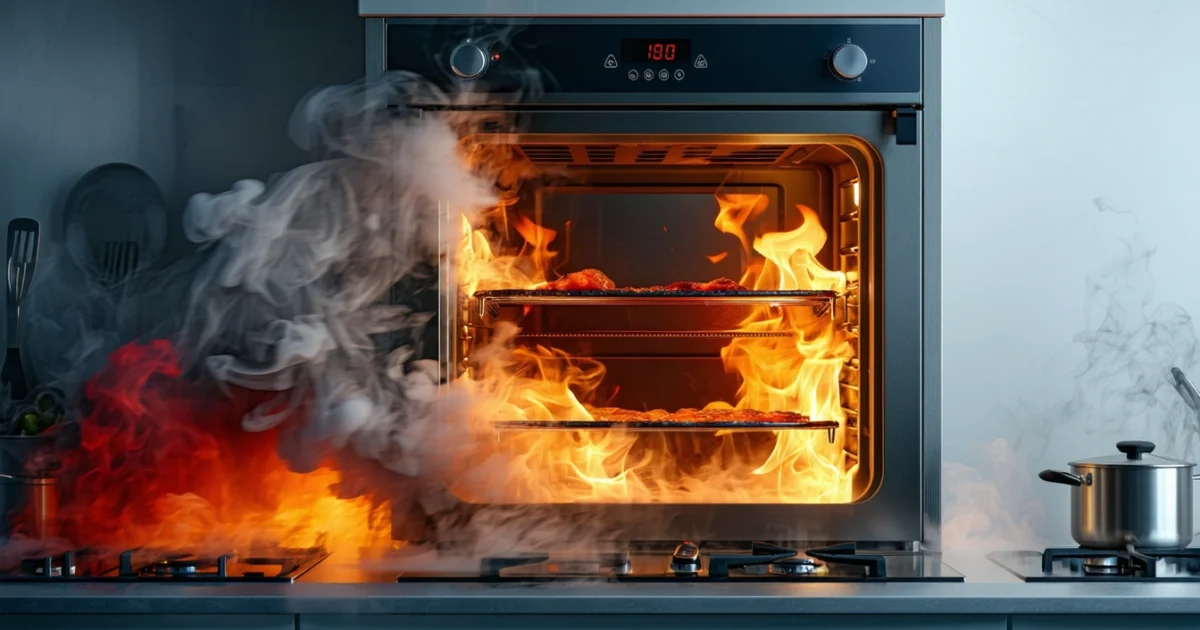
The dangers of a self-cleaning oven include fire hazards from excessive temperatures, toxic fume emissions, respiratory health risks, and potential mechanical failures. Self-cleaning ovens use pyrolytic technology that reaches 480-500°C to incinerate food residue, but this extreme heat creates serious safety concerns for your home and family.
These high-temperature cleaning cycles pose multiple risks beyond simple overheating. Furthermore, the process releases carbon monoxide, volatile organic compounds, and other harmful gases that can affect indoor air quality. Pet birds face particularly severe dangers, as the fumes can prove fatal to their sensitive respiratory systems.
Additionally, repeated exposure to extreme temperatures can damage oven components including door seals, heating elements, and electronic controls. Understanding these hazards helps you make informed decisions about oven maintenance and explore safer cleaning alternatives for your kitchen appliances.
TL;DR
- Fire and overheating risks from temperatures reaching 480-500°C during cleaning cycles
- Toxic fume emissions including carbon monoxide and VOCs that threaten indoor air quality
- Health dangers for humans with respiratory conditions and potentially fatal risks for pet birds
- Mechanical failures from thermal stress causing expensive component damage and door lock malfunctions
- Safety precautions include proper ventilation, removing pets, and never leaving the house unattended during cycles
Understanding Self-Cleaning Oven Technology and Risks
Pyrolytic self-cleaning technology operates by heating your oven to extreme temperatures between 480-500°C (896-932°F). This intense heat transforms food residue, grease, and spills into ash through a process called incineration. However, these temperatures exceed normal cooking ranges by more than 200°C, creating significant safety hazards.
The incineration process works by breaking down organic matter at the molecular level. During the cleaning cycle, food particles undergo thermal decomposition, converting fats, proteins, and carbohydrates into carbon dioxide, water vapour, and ash. Nevertheless, this combustion process also produces potentially harmful byproducts including carbon monoxide and volatile organic compounds.
Extreme temperatures create multiple safety hazards because household ovens weren’t originally designed to withstand such intense heat regularly. The thermal stress affects door seals, heating elements, and electronic components. Moreover, the high temperatures can cause oven doors to warp, creating gaps that allow dangerous gases to escape into your kitchen.
Catalytic cleaning systems offer a different approach compared to pyrolytic technology. Catalytic ovens feature special coating on interior walls that absorb and break down grease at normal cooking temperatures around 200-250°C. While safer than pyrolytic systems, catalytic cleaning proves less effective at removing stubborn stains and requires replacement of catalytic panels every few years.
| Cleaning System | Operating Temperature | Safety Level | Effectiveness |
|---|---|---|---|
| Pyrolytic | 480-500°C | High risk | Excellent |
| Catalytic | 200-250°C | Moderate risk | Good |
| Manual cleaning | Room temperature | Low risk | Variable |
The pyrolytic cleaning cycle typically runs for 2-4 hours, maintaining dangerous temperatures throughout this period. During this time, the oven door automatically locks to prevent accidental opening, but this safety feature can malfunction. Additionally, the extreme heat radiates through oven walls, potentially affecting nearby cabinets, countertops, and electrical wiring.
Understanding these technological differences helps you assess the risks versus benefits of self-cleaning ovens. While pyrolytic systems deliver superior cleaning results, they introduce hazards that don’t exist with traditional manual cleaning methods or catalytic alternatives. Therefore, careful consideration of your household’s safety needs should guide your decision-making process.
Fire and Overheating Hazards
Self-cleaning ovens create significant fire risks through excessive grease buildup that ignites during high-temperature cycles. When grease accumulates on oven walls, racks, or heating elements, temperatures exceeding 480°C can cause spontaneous combustion. Furthermore, food debris transforms into flammable carbon deposits that fuel fires once ignition occurs.
Thermal shock damage represents another critical hazard affecting oven components. Rapid temperature changes cause metal parts to expand and contract violently, leading to cracked heating elements, warped racks, and damaged interior surfaces. Additionally, glass oven doors frequently shatter from thermal stress, creating dangerous projectiles and compromising oven safety systems.
Electrical system overload poses serious risks during self-cleaning cycles. The extreme power demands can overwhelm household circuits, particularly in older homes with inadequate wiring. Consequently, circuit breakers may trip repeatedly, or worse, electrical fires can start within wall cavities where detection proves difficult.
Door seals and insulation deteriorate rapidly under repeated exposure to extreme temperatures. Heat degrades rubber gaskets, causing them to crack, shrink, or completely fail. Similarly, insulation materials break down, reducing thermal efficiency and allowing dangerous heat to escape into surrounding areas.
Oven fires account for 16% of all UK house fires, with self-cleaning cycles contributing significantly to this statistic.
Recognising warning signs of overheating helps prevent catastrophic failures. Unusual smells, particularly acrid or burning odours, indicate component degradation or fire risk. Moreover, visible damage such as discoloured oven walls, warped metal surfaces, or smoke emission during cleaning cycles demands immediate attention.
Temperature monitoring becomes crucial for safe operation. Ovens that exceed normal operating temperatures or fail to cool properly after cleaning cycles require professional inspection. Additionally, frequent circuit breaker trips during self-cleaning indicate electrical system stress that needs immediate resolution.
Prevention strategies focus on proper maintenance and careful observation. Regular removal of grease and food debris before cleaning cycles reduces fire risks significantly. However, even with diligent maintenance, the inherent dangers of extreme temperatures make self-cleaning ovens unsuitable for many households, particularly those with older electrical systems or inadequate ventilation.
Toxic Fume Emissions and Air Quality Concerns
Self-cleaning ovens generate dangerous toxic fumes that pose serious health risks during high-temperature cleaning cycles. These emissions contaminate indoor air quality and create hazardous conditions for occupants, particularly those with respiratory sensitivities or compromised immune systems.
Carbon Monoxide Production During Cleaning Cycles
Carbon monoxide forms when organic matter burns incompletely at extreme temperatures. Food residue, grease, and spilled substances produce this colourless, odourless gas during pyrolytic cleaning cycles. Consequently, carbon monoxide concentrations can reach dangerous levels in poorly ventilated kitchens.
The gas accumulates rapidly in enclosed spaces, creating potentially fatal conditions. Furthermore, carbon monoxide binds to haemoglobin more readily than oxygen, preventing proper oxygen transport throughout the body. Symptoms include headaches, dizziness, nausea, and confusion, which can escalate to unconsciousness or death without proper ventilation.
Volatile Organic Compounds from Food Residue
Volatile organic compounds (VOCs) release toxic vapours when food particles decompose at high temperatures. These chemical emissions include formaldehyde, benzene, and toluene, all classified as carcinogenic or harmful substances. Additionally, cooking oils and fats produce particularly dangerous VOC concentrations during thermal breakdown.
VOC exposure causes immediate respiratory irritation and long-term health complications. Short-term effects include throat irritation, eye watering, and breathing difficulties. However, prolonged exposure contributes to liver damage, nervous system disorders, and increased cancer risk.
Acrolein and Irritant Gas Formation
Acrolein forms when fats and proteins break down at temperatures exceeding 450°C. This highly toxic aldehyde causes severe respiratory irritation and tissue damage upon inhalation. Moreover, acrolein concentrations during self-cleaning cycles often exceed safe exposure limits established by health authorities.
Other irritant gases include hydrogen cyanide from protein decomposition and various aldehydes from carbohydrate breakdown. These compounds create a toxic cocktail that overwhelms natural respiratory defences. Consequently, even brief exposure can trigger asthma attacks, chemical pneumonia, or severe allergic reactions.
Polymer Fume Fever Risk from Non-Stick Coatings
Polymer fume fever develops when non-stick coatings release toxic fluoropolymer particles at high temperatures. Teflon and similar coatings begin decomposing at 260°C, well below self-cleaning cycle temperatures. These ultrafine particles penetrate deep into lung tissue, causing flu-like symptoms and respiratory distress.
Symptoms typically appear within 4-10 hours of exposure and include fever, chills, chest tightness, and difficulty breathing. While most cases resolve within 24-48 hours, repeated exposure can cause permanent lung damage. Therefore, ovens with non-stick interior coatings present particularly high risks during cleaning cycles.
Indoor Air Quality and Ventilation Requirements
Indoor air quality deteriorates rapidly during self-cleaning cycles without adequate ventilation systems. Standard kitchen extraction fans cannot remove toxic emissions effectively at the volumes produced. Subsequently, contaminated air circulates throughout the home, affecting occupants in distant rooms.
Toxic fume concentrations can remain elevated for 24-48 hours after cleaning cycles complete
Proper ventilation requires opening windows, running multiple exhaust fans, and evacuating the immediate area during cleaning cycles. However, even with maximum ventilation, some toxic compounds persist in indoor air for extended periods. This makes self-cleaning ovens unsuitable for homes with inadequate ventilation or occupants with respiratory conditions.
Professional air quality testing often reveals elevated toxin levels days after self-cleaning cycles. Therefore, households should consider safer alternatives like manual deep cleaning methods that avoid toxic emission risks entirely. Additionally, installing dedicated ventilation systems specifically for oven cleaning represents a significant expense that many homeowners cannot justify.
Health Risks to Humans and Pets
Self-cleaning ovens pose serious health threats to both humans and pets through toxic fume exposure. During pyrolytic cleaning cycles, respiratory irritation develops rapidly as harmful compounds enter the airways. Consequently, breathing difficulties can escalate from mild discomfort to severe respiratory distress within hours of exposure.
People with asthma or COPD face particularly dangerous risks during self-cleaning cycles. These individuals experience amplified respiratory responses to toxic emissions, potentially triggering life-threatening attacks. Moreover, pre-existing lung conditions make recovery from exposure significantly slower and more complicated than in healthy individuals.
Critical Dangers for Pet Birds
Pet birds face potentially fatal consequences from self-cleaning oven emissions due to their highly sensitive respiratory systems. Avian lungs process air more efficiently than mammalian systems, causing rapid absorption of toxic compounds. Therefore, even brief exposure to cleaning cycle fumes can result in sudden death within minutes.
Canaries, parakeets, and other small birds succumb to poisoning faster than larger species. However, all birds regardless of size remain extremely vulnerable to the carbon monoxide and polymer fumes released during cleaning cycles. Veterinary emergency rooms frequently treat bird poisoning cases directly linked to self-cleaning oven use.
Effects on Cats, Dogs, and Small Pets
Cats and dogs experience respiratory distress from self-cleaning oven emissions, though they typically survive exposure better than birds. Feline respiratory systems show particular sensitivity to polymer breakdown products from non-stick coatings. Additionally, small pets like hamsters, guinea pigs, and rabbits face elevated risks due to their rapid breathing rates and small body mass.
Pet poisoning symptoms manifest differently across species but share common respiratory indicators. Dogs may exhibit excessive panting, drooling, and lethargy following exposure. Meanwhile, cats often display mouth breathing, hiding behaviour, and reduced appetite after cleaning cycles complete.
Warning Symptoms During and After Cleaning
Recognising exposure symptoms quickly enables prompt medical intervention for both humans and pets. Initial signs include throat irritation, coughing, and watery eyes that develop within the first hour of exposure. Subsequently, more severe symptoms like chest tightness, shortness of breath, and dizziness may emerge.
- Immediate symptoms: Throat burning, eye irritation, headaches
- Progressive symptoms: Breathing difficulties, chest pain, nausea
- Severe reactions: Persistent coughing, fever, confusion
- Pet-specific signs: Excessive panting, lethargy, loss of coordination
Symptoms can persist for 24-72 hours after exposure ends, particularly in sensitive individuals. Furthermore, repeated exposure to self-cleaning oven emissions may cause cumulative lung damage over time. Anyone experiencing severe breathing difficulties should seek immediate medical attention, especially those with pre-existing respiratory conditions.
Mechanical Failures and Component Damage
Self-cleaning ovens subject their internal components to extreme stress during pyrolytic cycles, consequently leading to premature mechanical failures. The 900°F temperatures cause metal expansion and contraction that weakens joints, seals, and moving parts over repeated cleaning sessions. Moreover, these thermal stresses accelerate wear patterns that typically develop over years of normal cooking use.
Automatic door lock mechanisms represent the most vulnerable component during self-cleaning operations. These safety systems must maintain secure closure throughout the entire cleaning cycle while enduring intense heat exposure. Unfortunately, thermal expansion can cause lock assemblies to jam, warp, or fail completely, potentially trapping users out of their ovens or preventing proper sealing during subsequent cooking.
Internal oven components suffer significant degradation from prolonged high-temperature exposure during cleaning cycles. Oven racks frequently warp, discolour, or lose their protective coatings when subjected to pyrolytic temperatures. Similarly, thermostats and temperature sensors experience calibration drift or complete failure after repeated thermal shock exposure.
Heating elements face particular vulnerability during self-cleaning operations due to their extended operation at maximum capacity. Electric coils may develop hot spots, crack, or burn out entirely from the sustained high-temperature demands. Gas burners and igniters also experience accelerated wear from continuous operation during lengthy cleaning cycles.
Electronic control systems represent another critical failure point in modern self-cleaning ovens. Control panels and circuit boards contain temperature-sensitive components that degrade when exposed to excessive heat radiating from the oven cavity. Consequently, digital displays may malfunction, programming functions fail, or entire control systems require replacement after multiple cleaning cycles.
Insulation breakdown poses both safety and efficiency concerns as self-cleaning ovens age. The extreme temperatures gradually degrade insulating materials, allowing more heat to escape into surrounding cabinetry and kitchen spaces. This deterioration not only creates potential fire hazards but also forces the oven to work harder to maintain cleaning temperatures, further stressing internal components.
Repair costs for self-cleaning oven failures often exceed the appliance’s remaining value, particularly for older models. Door lock replacement typically costs £150-300, while control panel repairs range from £200-500 depending on the manufacturer. Furthermore, heating element replacement and insulation repair can easily reach £400-600, making replacement more economical than repair for many households.
Prevention strategies focus on limiting self-cleaning frequency and maintaining proper ventilation during cycles. Experts recommend using the self-cleaning function no more than 3-4 times annually to minimise component stress. Additionally, ensuring adequate clearance around the oven and maintaining clean exhaust systems helps prevent overheating that accelerates component degradation.
Safety Precautions and Risk Mitigation
Proper preparation significantly reduces the dangers associated with self-cleaning ovens. Pre-cleaning preparation involves removing large food debris, spills, and grease accumulations that could ignite during the high-temperature cycle. Moreover, excessive buildup creates more smoke and potentially toxic fumes when incinerated at 480°C temperatures.
Kitchen ventilation becomes critical during self-cleaning cycles as the process generates substantial smoke and chemical vapours. Therefore, homeowners must open windows, activate extractor fans, and ensure proper airflow throughout the cleaning duration. Additionally, adequate ventilation prevents carbon monoxide accumulation and reduces the concentration of potentially harmful pyrolytic byproducts.
Sensitive individuals and pets require removal from the kitchen area before initiating cleaning cycles. Children with respiratory conditions, elderly family members, and household pets face particular risks from the intense heat and chemical emissions. Consequently, birds prove especially vulnerable to the fumes generated during pyrolytic cleaning processes.
Never leave your home unattended during self-cleaning cycles, as this creates significant safety hazards. Continuous supervision allows immediate response to smoke alarms, unusual odours, or visible flames within the oven cavity. Furthermore, remaining present enables quick action if door locks malfunction or excessive heat affects surrounding cabinetry.
When to Avoid Self-Cleaning Functions
- Ovens showing visible damage to door seals or gaskets
- Units with malfunctioning temperature sensors or controls
- Appliances installed in poorly ventilated spaces
- During pregnancy or when household members have respiratory conditions
- When excessive grease buildup exceeds normal cooking residue
Regular maintenance prevents the excessive buildup that makes self-cleaning cycles more dangerous and less effective. Weekly cleaning of spills and monthly removal of loose debris reduces the workload during pyrolytic cycles. Similarly, maintaining clean oven racks and drip pans minimises smoke production and potential fire hazards.
Professional inspection becomes necessary when self-cleaning cycles produce unusual smoke, odours, or visible flames. Which? recommends annual safety checks for self-cleaning ovens to ensure door seals, temperature sensors, and ventilation systems function properly. Ultimately, recognising when to avoid the self-cleaning function protects both your household and your appliance investment.
Safer Alternatives to Self-Cleaning Cycles
Manual cleaning methods provide effective alternatives that eliminate the risks associated with high-temperature pyrolytic cycles. Bicarbonate of soda paste removes stubborn grease without toxic fumes or extreme heat exposure. Additionally, commercial oven cleaners specifically designed for manual application offer powerful degreasing action while maintaining safe operating temperatures.
Create an effective cleaning paste by mixing three parts bicarbonate of soda with one part water. This alkaline solution breaks down carbonised food residue through gentle chemical action rather than extreme heat. Furthermore, the paste method allows targeted cleaning of specific areas without subjecting the entire oven cavity to dangerous temperatures.
Steam Cleaning Methods
Steam cleaning harnesses water vapour to soften baked-on grime without chemical exposure or fire hazards. Place a heat-resistant bowl filled with water and lemon juice inside your oven, then heat to 100°C for 30 minutes. Consequently, the generated steam loosens debris for easy removal with a damp cloth.
Steam methods prove particularly effective for light to moderate soiling that accumulates from regular cooking. The gentle moisture penetrates food residue without creating toxic fumes or stressing oven components. Moreover, this approach eliminates the door-locking mechanisms and extreme temperatures that create safety concerns during self-cleaning cycles.
Professional Oven Cleaning Services
Professional cleaning services eliminate personal exposure to harsh chemicals while achieving superior results compared to self-cleaning cycles. Certified technicians use specialised equipment and eco-friendly solutions that remove even heavily carbonised deposits safely. Additionally, professional services inspect oven components for wear or damage that could compromise safety during future use.
UK professional oven cleaning typically costs between £40-80 depending on oven size and condition. However, this investment protects your appliance warranty while avoiding the component stress caused by repeated exposure to 500°C temperatures. Professional cleaning also extends oven lifespan by preventing the thermal shock that damages seals and electronic controls.
Regular Maintenance Cleaning Schedule
Implementing a weekly maintenance routine prevents the heavy soiling that makes self-cleaning cycles seem necessary. Wipe spills immediately after cooking while the oven remains warm but not hot. Similarly, monthly deep cleaning with gentle methods maintains oven hygiene without subjecting components to extreme thermal stress.
- Weekly: Remove loose debris and wipe interior surfaces
- Fortnightly: Clean oven racks and drip trays separately
- Monthly: Deep clean with bicarbonate paste or steam method
- Quarterly: Professional inspection and cleaning service
Regular maintenance prevents the accumulation of carbonised deposits that create smoke and fire hazards during self-cleaning cycles. Prevention proves more effective than cure when managing oven cleanliness safely. Furthermore, consistent cleaning maintains optimal cooking performance without compromising household air quality or appliance safety.
Cost-Benefit Analysis of Alternatives
| Method | Cost per Clean | Safety Risk | Effectiveness |
|---|---|---|---|
| Self-cleaning cycle | £2-4 electricity | High | Variable |
| Manual cleaning | £1-3 products | Low | High |
| Steam cleaning | £0.50 electricity | Very low | Moderate |
| Professional service | £40-80 | None | Excellent |
Alternative cleaning methods offer superior cost-effectiveness when factoring in safety risks and potential appliance damage. Self-cleaning cycles consume 8-12 kWh of electricity while potentially shortening oven lifespan through thermal stress. Conversely, manual and steam methods achieve comparable cleanliness at lower costs without safety concerns or component wear.
Long-term analysis reveals that avoiding self-cleaning functions reduces maintenance costs and extends appliance life expectancy. Professional cleaning every six months costs less than replacing damaged door seals or electronic controls caused by repeated high-temperature exposure. Therefore, safer alternatives provide both immediate safety benefits and long-term financial advantages for UK households.
Frequently Asked Questions
How hot do self-cleaning ovens get and why is this dangerous?
Self-cleaning ovens reach extreme temperatures of 480-500°C (896-932°F) during pyrolytic cleaning cycles. This is over 200°C hotter than normal cooking temperatures, creating significant fire hazards and thermal stress on oven components. The extreme heat can cause door seals to fail, heating elements to burn out, and electronic controls to malfunction.
What toxic fumes do self-cleaning ovens release?
During the cleaning cycle, self-cleaning ovens emit carbon monoxide, volatile organic compounds (VOCs), and other harmful gases produced by the incineration of food residue. These fumes can significantly impact indoor air quality and pose serious health risks, particularly for people with respiratory conditions and pets.
Are self-cleaning ovens dangerous for pets?
Yes, self-cleaning ovens pose severe dangers to pets, especially birds. Pet birds have extremely sensitive respiratory systems and the toxic fumes released during cleaning cycles can prove fatal. It’s essential to remove all pets from the home during self-cleaning cycles and ensure proper ventilation.
How long does a self-cleaning cycle take and can I leave the house?
Self-cleaning cycles typically run for 2-4 hours, maintaining dangerous temperatures throughout this period. You should never leave the house unattended during a cleaning cycle due to fire risks and potential mechanical failures. The oven door locks automatically, but this safety feature can malfunction.
What safety precautions should I take when using the self-cleaning function?
- Ensure proper ventilation by opening windows and using exhaust fans
- Remove all pets from the home, especially birds
- Never leave the house unattended during the cleaning cycle
- Remove large food debris manually before starting the cycle
- Check that door seals are intact before use
- Keep children away from the oven during and after the cycle
What's the difference between pyrolytic and catalytic self-cleaning ovens?
Pyrolytic ovens use extreme temperatures (480-500°C) to incinerate food residue but pose higher safety risks. Catalytic ovens feature special wall coatings that break down grease at normal cooking temperatures (200-250°C), making them safer but less effective at removing stubborn stains and requiring periodic panel replacement.
Can repeated use of self-cleaning cycles damage my oven?
Yes, frequent self-cleaning cycles can cause significant damage due to thermal stress from extreme temperatures. Common problems include damaged door seals, burnt-out heating elements, warped oven doors, and electronic control failures. These repairs can be expensive and may not be covered under warranty.
Are there safer alternatives to self-cleaning ovens?
Yes, safer alternatives include manual cleaning with appropriate oven cleaners, steam cleaning methods, or choosing ovens with catalytic cleaning systems. While these methods require more effort, they eliminate the fire hazards, toxic fume emissions, and mechanical stress associated with pyrolytic self-cleaning cycles.
You May Also Like
How to Clean Washing Machine Filter: Complete Guide 2026

How to Clean Artificial Grass: Complete Maintenance Guide