How to Clean Glasses: Complete Guide for Crystal Clear Vision

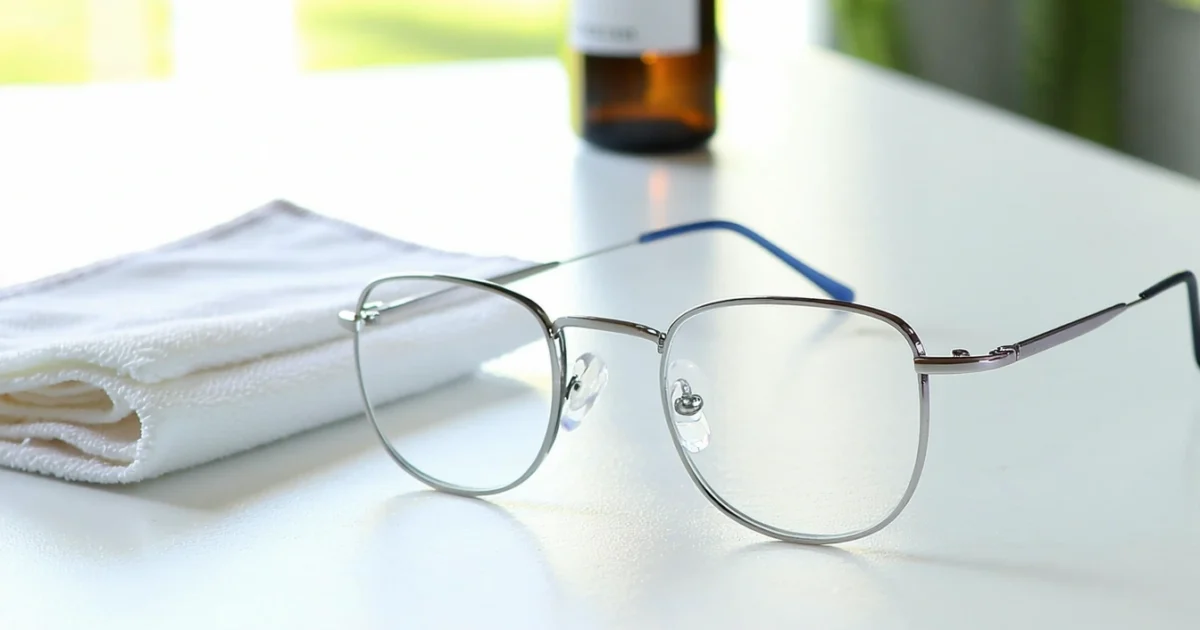
How to clean glasses properly involves using the right materials and technique to avoid scratches and maintain clear vision. The best method requires a microfiber cloth, lens cleaning solution or mild dish soap, and lukewarm water to safely remove smudges, fingerprints, and debris from both lenses and frames.
Many people unknowingly damage their glasses by using paper towels, tissues, or clothing to wipe their lenses. These materials can create microscopic scratches that accumulate over time. Additionally, household cleaners containing ammonia or alcohol can strip protective coatings from modern lenses.
Proper glasses cleaning extends beyond just the lenses. The frames, nose pads, and temple arms also collect oils, dirt, and bacteria throughout daily wear. Regular maintenance using the correct supplies and techniques will keep your glasses crystal clear while preserving expensive lens coatings like anti-reflective treatments and blue light blocking technology.
TL;DR
- Use microfiber cloths and lens cleaning solution or mild dish soap – never paper towels or household cleaners
- Rinse with lukewarm water first, apply cleaner, gently rub with fingertips, then dry with circular motions
- Clean frames, nose pads, and temple arms separately using soft-bristled brushes for hard-to-reach areas
- Homemade solutions like vinegar and distilled water work well for different lens types including anti-reflective and photochromic coatings
Essential Supplies for Cleaning Glasses
Selecting the right cleaning supplies prevents lens damage while ensuring crystal-clear vision. Professional opticians recommend specific materials that safely remove dirt, oils, and smudges without scratching delicate lens surfaces or damaging protective coatings.
Microfiber Cloth: The Gold Standard
Microfiber cloths represent the safest option for glasses cleaning due to their ultra-fine synthetic fibres. These microscopic strands lift dirt and oils without creating scratches, unlike cotton or paper alternatives. Additionally, quality microfiber cloths trap particles within their fibres rather than pushing debris across lens surfaces.
Professional-grade microfiber cloths contain fibres measuring less than 1 denier in thickness. Furthermore, these cloths remain effective for hundreds of washes when properly maintained. Most importantly, they work effectively both dry for light cleaning and damp for thorough sanitisation.
Lens Cleaning Solutions: Commercial vs Homemade
Commercial lens cleaning sprays contain specially formulated ingredients that dissolve oils without damaging anti-reflective coatings. These solutions typically include surfactants, distilled water, and gentle solvents designed specifically for optical surfaces. Moreover, reputable brands test their products on various lens materials and coatings.
Homemade cleaning solutions offer cost-effective alternatives using common household ingredients. A mixture of distilled water and white vinegar (10:1 ratio) effectively removes stubborn smudges and mineral deposits. Similarly, a few drops of mild dish soap in distilled water creates an excellent cleaning solution for heavily soiled lenses.
Distilled Water for Optimal Results
Distilled water prevents mineral deposits and water spots that tap water commonly leaves behind. Tap water contains calcium, magnesium, and other minerals that create cloudy residues on lenses. Consequently, distilled water ensures streak-free cleaning and protects expensive lens coatings from mineral damage.
Using distilled water becomes particularly important for cleaning glass surfaces with special treatments. Therefore, keeping a small spray bottle filled with distilled water provides an excellent first rinse before applying cleaning solutions.
Mild Dish Soap as Alternative Cleaner
Dawn dish soap and similar mild detergents effectively cut through oils and stubborn residues when diluted properly. These soaps contain gentle surfactants that break down greasy fingerprints without harsh chemicals. However, using only 1-2 drops per cup of distilled water prevents soap residue buildup on lenses.
Can you use Fairy Liquid to clean your glasses? Yes, Fairy Liquid works excellently for glasses cleaning when properly diluted. This popular UK brand contains mild ingredients suitable for optical surfaces. Nevertheless, thorough rinsing removes all soap traces that might attract dirt or create streaks.
Materials to Avoid at All Costs
Never Use These Materials
Paper towels and tissues contain wood fibres that act like sandpaper on lens surfaces. These materials create microscopic scratches that accumulate over time, eventually requiring lens replacement. Similarly, clothing fabrics trap dirt particles that scratch lenses during cleaning attempts.
Household cleaners pose serious risks to modern lens coatings. Ammonia-based window cleaners strip anti-reflective treatments, while bleach and alcohol damage photochromic lenses. Additionally, abrasive cleaners containing particles permanently etch lens surfaces beyond repair.
- Paper products: Paper towels, tissues, napkins
- Clothing materials: Shirts, towels, handkerchiefs
- Chemical cleaners: Windex, bleach, acetone
- Abrasive materials: Rough cloths, scrubbing pads
- Saliva: Contains enzymes that damage coatings
What should you not use to clean your glasses? Avoid any material not specifically designed for optical surfaces. Instead, invest in proper cleaning supplies that protect your investment while maintaining optimal vision clarity.
Step-by-Step Glasses Cleaning Method
Following the proper glasses cleaning sequence prevents damage while achieving crystal-clear vision. This systematic approach removes dirt, oils, and smudges without harming delicate lens coatings or frames.
Initial Rinse and Preparation
Start by rinsing your glasses under lukewarm water for 10-15 seconds. This crucial first step removes loose debris, dust particles, and surface grime that could scratch lenses during cleaning. Furthermore, lukewarm water temperature prevents thermal shock that might damage lens coatings.
Hold the frames securely while allowing water to flow over both sides of each lens. Additionally, ensure water reaches the nose bridge and temple areas where oils accumulate. Never use hot water, as excessive heat warps plastic frames and damages anti-reflective coatings.
Soap Application and Gentle Cleaning
Apply a single small drop of mild dish soap or dedicated lens cleaning solution to your fingertip. Quality dish soap like Fairy Liquid works effectively when used sparingly. However, excessive soap creates residue that attracts dirt and causes streaking.
Gently rub the soap across both lens surfaces using your fingertips in small circular motions. Cover the entire lens area, including edges where dirt accumulates. Similarly, clean the nose pads and temple arms with soapy fingers, as these areas harbour bacteria and oils.
- Apply one drop of soap to clean fingertip
- Spread soap evenly across lens surface
- Use gentle circular motions for 10-15 seconds
- Clean nose pads and temple areas thoroughly
- Avoid pressing hard against lens surfaces
Thorough Rinsing Process
Rinse glasses thoroughly under clean running water for at least 20 seconds. Complete soap removal prevents residue buildup that creates smears and attracts new dirt. Moreover, thorough rinsing eliminates soap traces that might irritate sensitive skin around the nose and ears.
Inspect lenses under good lighting to ensure all soap has been removed. Consequently, any remaining soap appears as a slippery film that requires additional rinsing. Pay special attention to frame crevices where soap tends to collect.
Proper Drying Technique
Dry your glasses using a clean microfiber cloth with gentle circular motions. Start from the centre of each lens and work outward to prevent redistributing oils. Additionally, use a fresh section of cloth for each lens to avoid cross-contamination.
Clean the nose pads and temple arms separately using a dry corner of the microfiber cloth. These areas require individual attention because they contact skin directly and accumulate the most oils and bacteria. Furthermore, proper drying of these components prevents skin irritation and extends frame life.
Professional Tip
Never use paper towels, tissues, or clothing to dry glasses, as these materials contain fibres that scratch lens surfaces. Instead, invest in multiple microfiber cloths so you always have a clean one available. Quality microfiber cloths last longer and provide superior cleaning results compared to generic alternatives.
For stubborn smudges or water spots, repeat the entire cleaning process rather than aggressive rubbing. Patience during the cleaning process protects your investment while maintaining optimal vision clarity throughout the day.
Cleaning Glasses Without Microfiber Cloth
When microfiber cloths aren’t available, several effective alternatives can clean your glasses safely. Clean cotton cloths provide excellent results because cotton fibres are soft enough to avoid scratching lens surfaces. Additionally, these natural fibres absorb oils and moisture effectively while maintaining gentle contact with delicate coatings.
Choose cotton materials like clean t-shirts, cotton handkerchiefs, or dedicated cotton cleaning cloths. However, ensure the fabric is completely clean and free from fabric softener residue, which can leave streaks on lenses. Furthermore, avoid cotton items with rough textures or decorative elements that might scratch your glasses.
Lens Cleaning Wipes as Microfiber Alternatives
Pre-moistened lens wipes offer convenient cleaning without requiring additional cloths or solutions. These specially formulated wipes contain gentle cleaning agents that dissolve oils and remove smudges effectively. Moreover, individual packaging ensures each wipe remains sterile and prevents contamination between uses.
Quality lens wipes are alcohol-free and safe for all lens coatings, including anti-reflective and blue light treatments. Consequently, they provide consistent cleaning results while protecting your investment in premium lens technologies. Always check the packaging to ensure compatibility with your specific lens type.
Emergency Paper Towel Technique
Use paper towels only in emergency situations when no other cleaning options exist. Pat the lenses gently rather than rubbing to minimise potential scratching from paper fibres. Additionally, choose high-quality paper towels with softer textures that reduce the risk of lens damage.
Apply cleaning solution to the lenses first, then use the paper towel to absorb moisture and oils. This technique reduces direct friction between paper fibres and lens surfaces. Nevertheless, replace paper towels with proper cleaning cloths as soon as possible to prevent long-term damage to your glasses.
Paper Towel Warning
Air Drying Method After Soap Cleaning
Air drying eliminates the need for any cloth while ensuring complete cleanliness. After washing glasses with soap and water, shake off excess water and place them on a clean surface with lenses facing upward. This method prevents water spots while allowing natural evaporation to complete the drying process.
Position glasses in a dust-free environment away from cooking areas or open windows. Consequently, airborne particles won’t settle on wet lenses during the drying process. The complete air drying typically takes 5-10 minutes depending on humidity levels and room temperature.
Inspect lenses after air drying to identify any remaining water spots or streaks. If necessary, use a clean cotton cloth or lens wipe to address specific problem areas rather than re-cleaning the entire lens surface.
Minimal-Wiping Lens Cleaning Sprays
Professional lens cleaning sprays are formulated to require minimal wiping while providing superior cleaning results. These solutions contain surfactants that break down oils and allow dirt to be easily removed with gentle pressure. Moreover, many sprays include anti-static properties that repel dust and extend time between cleanings.
Apply the spray evenly across both lens surfaces and allow it to work for several seconds before wiping. This dwell time enables the cleaning agents to dissolve stubborn residues effectively. Subsequently, use any available soft material like clean clothing or tissue with minimal pressure to complete the cleaning process.
Choose alcohol-free formulations to protect lens coatings and frame materials. Quality lens sprays work effectively with various wiping materials, making them ideal solutions when microfiber cloths aren’t available. Additionally, these sprays often provide antimicrobial benefits that reduce bacteria buildup on frames and nose pads.
Deep Cleaning Between Lens and Frame
The narrow spaces between lenses and frames accumulate oils, dead skin cells, and environmental debris that standard cleaning methods cannot reach. These hidden areas require specialized cleaning techniques to prevent bacterial growth and maintain optimal hygiene. Furthermore, neglecting these crevices can lead to frame deterioration and unpleasant odors that affect daily wear comfort.
Professional opticians recommend weekly deep cleaning of frame crevices to prevent long-term damage and maintain lens clarity. However, improper cleaning techniques can scratch delicate surfaces or damage frame materials, making gentle precision essential.
Soft-Bristled Toothbrush Technique
A clean, soft-bristled toothbrush effectively removes debris from tight spaces without scratching lens surfaces or frame materials. Choose a toothbrush with extra-soft bristles specifically designed for sensitive areas. Additionally, ensure the brush is completely dry before use to prevent moisture from spreading contaminants.
Gently brush along the lens-frame junction using circular motions with minimal pressure. The bristles naturally conform to curved surfaces and extract particles that cloth cleaning cannot reach. Subsequently, work systematically around each lens perimeter to ensure complete coverage of all problem areas.
Replace the cleaning toothbrush monthly to maintain hygiene standards and optimal cleaning effectiveness. Used toothbrushes can harbor bacteria and lose their cleaning efficiency over time.
Cotton Swab Deep Cleaning Method
Cotton swabs dipped in lens cleaning solution provide precise control for cleaning narrow crevices and delicate areas. The cotton tip absorbs excess solution while delivering targeted cleaning action to specific problem spots. Moreover, the swab’s flexibility allows access to curved areas that rigid tools cannot reach effectively.
Dampen the cotton swab with alcohol-free cleaning solution and gently work it into the spaces between lens edges and frame materials. Rotate the swab continuously to present clean cotton surfaces and prevent redistributing removed debris. This technique proves particularly effective for removing stubborn makeup residue and skin oils.
Use fresh cotton swabs for each section to prevent cross-contamination between different frame areas. Consequently, this approach ensures thorough cleaning without spreading bacteria or debris to previously cleaned surfaces.
Nose Pad and Hinge Maintenance
Nose pads accumulate dead skin cells, oils, and cosmetic residues that create breeding grounds for bacteria if left untreated. These areas require daily attention to prevent discoloration and maintain comfort during extended wear. Furthermore, proper nose pad cleaning prevents skin irritation and allergic reactions that affect sensitive users.
Remove adjustable nose pads when possible to clean both the pad surface and underlying frame area thoroughly. Soak removable pads in warm soapy water for several minutes before gently scrubbing with a soft brush. This deep cleaning process eliminates embedded debris that surface wiping cannot address.
Frame hinges collect dust and debris that can affect smooth operation and cause premature wear. Use cotton swabs to clean around hinge mechanisms and apply a small amount of cleaning solution to dissolve accumulated residues. However, avoid over-lubricating hinges as excess moisture can attract additional dirt and debris.
Professional Ultrasonic Cleaning
Ultrasonic cleaning devices use high-frequency sound waves to create microscopic bubbles that dislodge stubborn debris from impossible-to-reach areas. Professional opticians employ this technology for deep cleaning that exceeds home cleaning capabilities. Additionally, ultrasonic cleaning removes embedded particles without physical scrubbing that might damage delicate coatings.
The cleaning process involves submerging glasses in a specialized cleaning solution while ultrasonic waves agitate the liquid at frequencies between 20-40 kHz. These vibrations create cavitation bubbles that implode against surfaces, effectively removing microscopic debris and bacterial biofilms. Subsequently, the process reaches areas that manual cleaning cannot access.
Schedule professional ultrasonic cleaning every 3-6 months for optimal frame maintenance and hygiene. This service proves particularly beneficial for individuals with oily skin, those working in dusty environments, or users experiencing persistent cleaning challenges with home methods.
Deep Cleaning Precautions
Homemade Cleaning Solutions
Creating effective homemade cleaning solutions offers a cost-efficient alternative to commercial products while providing gentle care for delicate lens coatings. These DIY cleaners utilize common household ingredients that clean effectively without damaging anti-reflective or scratch-resistant treatments. Furthermore, homemade solutions eliminate harsh chemicals that can degrade lens materials over time.
Vinegar-Based Cleaning Solution
The most effective vinegar solution combines one part white vinegar with three parts distilled water to create a powerful yet gentle cleaning mixture. White vinegar’s acidic properties dissolve mineral deposits, soap residue, and stubborn smudges that accumulate on lenses throughout daily wear. Additionally, this solution neutralizes alkaline buildup from skin oils and environmental pollutants.
Mix the solution in a clean spray bottle and shake thoroughly before each use. The vinegar’s natural antimicrobial properties eliminate bacteria and reduce the risk of eye infections associated with dirty glasses. However, always use distilled water rather than tap water to prevent mineral deposits that can leave streaks or cloudiness on lenses.
Isopropyl Alcohol Mixture
Isopropyl alcohol at 70% concentration mixed with equal parts distilled water creates an excellent degreasing solution for heavily soiled glasses. This mixture effectively removes stubborn fingerprints, makeup residue, and oily buildup that water-based cleaners cannot eliminate. Moreover, alcohol evaporates quickly, reducing streaking and water spots on lens surfaces.
The alcohol concentration proves crucial for optimal cleaning performance without damaging lens coatings. Concentrations above 70% can strip protective treatments, while lower concentrations reduce cleaning effectiveness. Therefore, maintain the proper ratio to balance cleaning power with lens safety.
Mild Dish Soap Solution
A mild dish soap solution serves as the gentlest option for daily cleaning routines, particularly suitable for glasses with multiple coatings or sensitive lens materials. Mix one drop of pH-neutral dish soap with warm distilled water to create a cleaning solution that removes everyday dirt without aggressive chemical action. This approach mimics professional optical cleaning methods used by eyecare professionals.
The soap’s surfactant properties break down oil-based contaminants while remaining gentle enough for frequent use. Additionally, this solution works effectively for cleaning both lenses and frames without causing discoloration or material degradation. Rinse thoroughly after cleaning to prevent soap residue buildup that can attract additional dirt.
Commercial vs Homemade Alternatives
Understanding when to use commercial cleaners versus homemade alternatives depends on specific cleaning challenges and lens requirements. Commercial optical cleaners offer specialized formulations designed for particular coating types and provide consistent results across various lens materials. However, homemade solutions excel for routine maintenance and cost-effective cleaning.
Choose commercial cleaners when dealing with specialized coatings like blue light filters, progressive lenses, or high-index materials that require specific pH levels. Conversely, homemade solutions work effectively for standard prescription glasses, reading glasses, and sunglasses without specialized treatments. The same principles that make homemade cleaners effective for metal surfaces apply to glasses frames, particularly aluminum and stainless steel materials.
Safety Considerations
Professional cleaning becomes necessary when homemade solutions cannot remove persistent stains, when lenses develop cloudiness, or when frames show signs of corrosion. Regular maintenance with appropriate homemade solutions extends the lifespan of glasses while maintaining optical clarity and hygiene standards essential for eye health.
Special Care for Different Lens Types
Different lens types require specialized cleaning approaches to maintain their unique properties and prevent damage. Understanding these variations ensures optimal performance while preserving expensive coatings and treatments that enhance vision quality.
Anti-Reflective Coating Cleaning Techniques
Anti-reflective coatings demand gentle cleaning methods to prevent microscopic scratches that compromise their effectiveness. These delicate treatments reduce glare by allowing more light to pass through the lens rather than reflecting off the surface. Therefore, aggressive cleaning destroys the coating’s optical properties permanently.
Use only microfiber cloths specifically designed for optical surfaces when cleaning anti-reflective lenses. Paper towels, tissues, and clothing fabrics contain fibers that scratch these sensitive coatings. Additionally, clean lenses under lukewarm running water before wiping to remove abrasive particles that could cause damage during the cleaning process.
Apply cleaning solution sparingly to prevent oversaturation that can seep between lens layers. Commercial anti-reflective cleaners maintain the proper pH balance necessary for coating preservation. However, distilled water mixed with one drop of dish soap provides an effective alternative when commercial cleaners aren’t available.
Photochromic Lens Maintenance
Photochromic lenses contain light-sensitive molecules that darken when exposed to UV radiation and clear when UV exposure decreases. This chemical process requires specific care to maintain the transition mechanism’s effectiveness over time.
Avoid exposing photochromic lenses to excessive heat during cleaning, as temperatures above 40°C can permanently damage the transition molecules. Never use hot water or leave these glasses in direct sunlight while wet, as this combination accelerates coating deterioration.
Temperature Warning
Clean photochromic lenses with room-temperature solutions and dry immediately with a clean microfiber cloth. Furthermore, store these glasses in cool, dry environments to preserve the molecular structure responsible for light adaptation.
Progressive and Bifocal Lens Considerations
Progressive lenses feature multiple prescription zones within a single lens, requiring careful cleaning to maintain clarity across all viewing areas. The transition zones between different prescriptions are particularly sensitive to residue buildup that can distort vision.
Clean progressive lenses using circular motions that cover the entire lens surface uniformly. Start from the center and work outward to ensure even distribution of cleaning solution across all prescription zones. Pay special attention to the intermediate viewing corridor where most smudging occurs during daily wear.
Bifocal lenses with visible lines require extra care around the segment boundaries where dirt accumulates. Use a soft-bristled brush or cotton swab dampened with cleaning solution to gently clean along these transition lines. This prevents buildup that can make the segments more noticeable and affect visual comfort.
Blue Light Blocking Lens Care
Blue light filtering lenses incorporate special coatings or tints that block high-energy visible light from digital screens. These treatments require specific cleaning protocols to maintain their filtering effectiveness and prevent color distortion.
Avoid alcohol-based cleaners that can strip blue light coatings and reduce their protective properties. Instead, use pH-neutral solutions specifically formulated for coated lenses. The filtering effectiveness depends on coating integrity, making gentle cleaning essential for long-term performance.
Monitor blue light lenses for color changes or reduced effectiveness after cleaning. Properly maintained blue light filters should retain their slight yellow or amber tint without developing patches or inconsistent coloration across the lens surface.
Prescription vs Reading Glasses Differences
Prescription glasses typically feature higher-quality lens materials and advanced coatings that require more careful maintenance than basic reading glasses. The investment in custom lenses justifies using premium cleaning products and techniques to preserve optical clarity and coating longevity.
Reading glasses with basic lenses tolerate more aggressive cleaning methods and standard household cleaners. However, even inexpensive lenses benefit from proper cleaning techniques that prevent scratches and extend usable life.
| Lens Type | Cleaning Method | Special Considerations |
|---|---|---|
| Anti-reflective | Microfiber cloth only | Avoid paper products |
| Photochromic | Room temperature solutions | No heat exposure |
| Progressive | Circular motions | Clean all zones evenly |
| Blue light | pH-neutral cleaners | Avoid alcohol-based products |
| Basic reading | Standard cleaning | More tolerant of cleaners |
Professional lens treatments cost significantly more than basic reading glasses, making proper care essential for protecting this investment. Consequently, prescription lens wearers should invest in quality cleaning supplies and follow manufacturer guidelines to maintain optimal vision correction and coating performance.
Troubleshooting Common Cleaning Issues
Even with proper cleaning techniques, glasses wearers frequently encounter persistent problems that require specific solutions. Therefore, understanding how to address these common issues prevents frustration and protects your lenses from damage.
Removing Persistent Smudges and Fingerprints
Stubborn smudges typically result from oils, lotions, or makeup that standard cleaning cannot remove effectively. Additionally, these residues often attract dust and debris, creating layers of contamination that resist basic cleaning methods.
Apply a small amount of lens cleaning solution directly to the affected area and let it sit for 30 seconds before wiping. Furthermore, use circular motions with a clean microfiber cloth, working from the center of the smudge outward to prevent spreading the contamination.
For exceptionally persistent marks, repeat the cleaning process rather than applying more pressure. Excessive force damages lens coatings and creates microscopic scratches that permanently affect optical clarity.
Clearing Up Cloudy or Hazy Lenses
Cloudy lenses develop from soap residue, hard water deposits, or degraded anti-reflective coatings. Moreover, this haziness reduces visual acuity and creates glare problems that affect daily activities.
Rinse lenses thoroughly with distilled water to remove mineral deposits from tap water. Subsequently, clean with alcohol-free lens solution and dry completely with a fresh microfiber cloth to restore clarity.
Persistent cloudiness may indicate coating damage that requires professional assessment. Consequently, avoid harsh cleaning attempts that could worsen the condition and necessitate lens replacement.
Eliminating Streaks After Cleaning
Streaking problems occur when cleaning solutions leave residue or when cloths transfer lint and oils across the lens surface. Additionally, using paper towels or tissues creates static electricity that attracts dust particles immediately after cleaning.
Use only alcohol-free cleaning solutions and ensure your microfiber cloth is completely clean before use. Furthermore, wash microfiber cloths regularly in warm water without fabric softener to maintain their cleaning effectiveness.
Clean lenses in good lighting to identify streaks immediately and address them before they set. Meanwhile, avoid cleaning in direct sunlight or humid conditions that can cause solutions to dry too quickly and leave residue.
Dealing with Scratched Lenses
Lens scratches cannot be repaired through cleaning and often worsen with aggressive cleaning attempts. However, proper identification helps determine whether marks are surface contamination or permanent damage.
Test suspected scratches by cleaning the area thoroughly and examining it under bright light. Consequently, if marks remain visible after proper cleaning, they represent permanent damage that requires professional evaluation.
Minor surface scratches on basic lenses sometimes benefit from professional polishing services. Nevertheless, scratched anti-reflective coatings typically require complete lens replacement to restore optimal vision quality.
Scratch Prevention
Preventing Fogging Issues
Lens fogging occurs when warm, moist air contacts cooler lens surfaces and creates condensation. Similarly, this problem intensifies when moving between different temperature environments or during physical activities.
Apply anti-fog treatments specifically designed for eyewear to create a protective barrier that prevents condensation formation. Additionally, ensure proper frame fit to minimize warm air circulation from breathing that contributes to fogging.
Clean lenses completely before applying anti-fog products to ensure proper adhesion and effectiveness. Moreover, reapply treatments regularly according to manufacturer instructions to maintain consistent fog prevention.
Consider upgrading to anti-fog lens coatings for permanent fogging solutions, especially if you frequently experience this problem during daily activities or work environments.
Daily Maintenance and Prevention Tips
Maintaining clean glasses requires consistent daily habits that prevent dirt accumulation and reduce cleaning frequency. Furthermore, proper preventive measures protect your lenses from damage while ensuring optimal vision clarity throughout the day.
Proper Storage Solutions
Hard cases provide the best protection against scratches, dust, and accidental damage when glasses aren’t being worn. Additionally, always place glasses lens-side up in the case to prevent contact with contaminated surfaces.
Store glasses in clean, dry environments away from bathrooms or kitchens where steam and grease particles accumulate. Moreover, avoid leaving glasses on bedside tables or car dashboards where dust settles and temperature fluctuations occur.
Microfiber pouches offer portable protection for temporary storage but shouldn’t replace hard cases for overnight storage. Similarly, ensure storage areas remain free from cleaning chemicals, perfumes, or other substances that might damage lens coatings.
Correct Handling Techniques
Always handle glasses by the frame arms rather than touching the lenses directly to minimize fingerprint smudges and oil transfer. Consequently, this simple habit dramatically reduces the frequency of cleaning required.
Remove glasses using both hands to maintain proper frame alignment and prevent bending that leads to poor fit. Additionally, avoid pushing glasses up by the bridge, as this action transfers oils from your nose directly onto the lenses.
Quick Handling Tip
Recommended Cleaning Schedule
Daily cleaning prevents buildup of oils, dust, and debris that become increasingly difficult to remove over time. Therefore, establish a routine cleaning schedule that fits your lifestyle and usage patterns.
- Morning routine: Quick rinse and dry before wearing
- Midday touch-up: Dry microfiber wipe for minor smudges
- Evening cleaning: Thorough wash with soap and water
- Weekly deep clean: Complete frame and hinge cleaning
Increase cleaning frequency during high-pollen seasons, dusty work environments, or when using makeup and skincare products. Similarly, outdoor activities and cooking require more frequent maintenance to remove accumulated particles.
Activity-Specific Protection
Sports activities require protective eyewear or sports-specific frames designed to withstand impact and movement. Nevertheless, regular prescription glasses need additional protection during physical activities.
Use retention straps during water sports, cycling, or running to prevent glasses from falling and becoming damaged or lost. Additionally, consider sports goggles that fit over regular glasses for high-impact activities.
Kitchen work exposes glasses to grease particles and steam that create stubborn residues requiring immediate cleaning. Moreover, gardening and outdoor work introduce pollen, dirt, and plant materials that scratch lenses if not removed promptly.
Swimming pools and hot tubs contain chlorine and chemicals that damage lens coatings, so remove glasses before entering treated water. Subsequently, rinse glasses immediately if accidental exposure occurs.
Professional Cleaning Services
Ultrasonic cleaning removes deep-seated debris from frame hinges, nose pads, and hard-to-reach areas that home cleaning cannot address effectively. Furthermore, professional services use specialized equipment and solutions unavailable to consumers.
Schedule professional cleaning every six months or when home cleaning fails to restore clarity and cleanliness. Additionally, seek professional help when frames become loose, bent, or damaged beyond simple adjustments.
Many opticians offer complimentary cleaning services for customers, including frame adjustments and minor repairs. Therefore, take advantage of these services during routine eye exams or when purchasing new glasses.
Professional cleaning becomes essential when lens coatings appear damaged or when persistent cloudiness resists home cleaning attempts. Similarly, seek expert help for valuable or designer frames that require specialized care to maintain their appearance and functionality.
Frequently Asked Questions
Can you use Fairy liquid to clean your glasses?
Yes, you can use Fairy liquid or other mild dish soaps to clean your glasses safely. Use just a tiny drop diluted in lukewarm distilled water. Avoid using concentrated dish soap directly on lenses as it may leave residue. Dawn and Fairy liquid are particularly effective at cutting through oils and stubborn smudges when properly diluted.
How do you get rid of blurry glasses?
Blurry glasses are usually caused by smudges, fingerprints, or improper cleaning. First, rinse with lukewarm distilled water, then apply lens cleaning solution or diluted mild dish soap. Gently rub with your fingertips in circular motions, then dry with a clean microfiber cloth. If blurriness persists, check for scratches or damaged coatings that may require professional attention.
How do you clear up cloudy glasses?
Cloudy glasses often result from mineral deposits from tap water or damaged anti-reflective coatings. Try cleaning with a homemade solution of distilled water and white vinegar (10:1 ratio). For persistent cloudiness, the anti-reflective coating may be deteriorating and require replacement by an optician.
What should I not use to clean my glasses?
Never use these materials or products on your glasses:
- Paper towels, tissues, or clothing (cause microscopic scratches)
- Household cleaners containing ammonia or alcohol
- Window cleaners or glass cleaners
- Acetone or other harsh solvents
- Hot water (can damage lens coatings)
- Your shirt or other fabric materials
How to clean glasses without microfiber cloth?
If you don’t have a microfiber cloth, use clean cotton fabric like a soft t-shirt or cotton cloth as a temporary alternative. However, cotton isn’t as effective and may leave lint. For best results, rinse thoroughly with distilled water and air dry when possible, or invest in a quality microfiber cloth for optimal lens care.
How to clean glasses between lens and frame?
Use a soft-bristled toothbrush or cotton swab dipped in lens cleaning solution to gently clean between the lens and frame. Work carefully around the edges where dirt and oils accumulate. For thorough cleaning, consider having your optician professionally clean and adjust your frames during regular check-ups.
How often should I clean my glasses?
Clean your glasses daily for optimal vision and hygiene. Light cleaning with a dry microfiber cloth can be done throughout the day as needed. Perform thorough cleaning with water and cleaning solution at least once daily, and deep clean frames and nose pads weekly to remove accumulated oils and bacteria.
Can I use vinegar to clean my glasses?
Yes, white vinegar mixed with distilled water (10:1 ratio) makes an excellent homemade glasses cleaner. This solution effectively removes mineral deposits and stubborn smudges. Always use distilled water to prevent mineral buildup, and test on a small area first if you have special lens coatings.
How do I clean anti-reflective coating glasses?
Anti-reflective coatings require gentle cleaning with appropriate solutions. Use only lens cleaning solutions specifically designed for coated lenses or mild dish soap diluted in distilled water. Avoid ammonia-based cleaners and abrasive materials that can strip the coating. Always use circular motions with a clean microfiber cloth.
What's the best way to clean glasses frames?
Clean frames separately from lenses using a soft-bristled brush and mild soap solution. Pay special attention to nose pads, temple arms, and hinges where oils and bacteria accumulate. For metal frames, use a slightly damp cloth, while plastic frames can handle gentle scrubbing with a soft brush.
Can I use glasses cleaning spray on all lens types?
Most commercial lens cleaning sprays work on standard lenses, but check compatibility with special coatings like photochromic (transition) lenses or blue light blocking treatments. When in doubt, use distilled water and mild dish soap, or consult your optician for coating-specific recommendations.
Why do my glasses get dirty so quickly?
Glasses accumulate dirt from natural skin oils, environmental pollutants, and frequent handling. Factors like oily skin, humid conditions, cooking, and touching lenses increase contamination. Regular cleaning and proper handling (holding frames, not lenses) can reduce how quickly glasses become dirty.
How do I prevent scratches when cleaning glasses?
Prevent scratches by always rinsing lenses first to remove abrasive particles, using only microfiber cloths or appropriate cleaning materials, and employing gentle circular motions. Never clean dry lenses without rinsing, and replace worn microfiber cloths that may have trapped debris.
Is it safe to clean glasses with ultrasonic cleaners?
Ultrasonic cleaners can be safe for glasses if used properly with appropriate solutions. However, they may damage certain lens coatings or loose frame components. Consult your optician before using ultrasonic cleaning, especially for expensive or coated lenses. Professional cleaning is often the safest option for valuable eyewear.
You May Also Like
How to Clean a Hairbrush: Complete Guide for All Brush Types
How to Clean Retainers: Complete Guide for All Types 2026