How to Clean a Kettle: Complete Guide for 2026

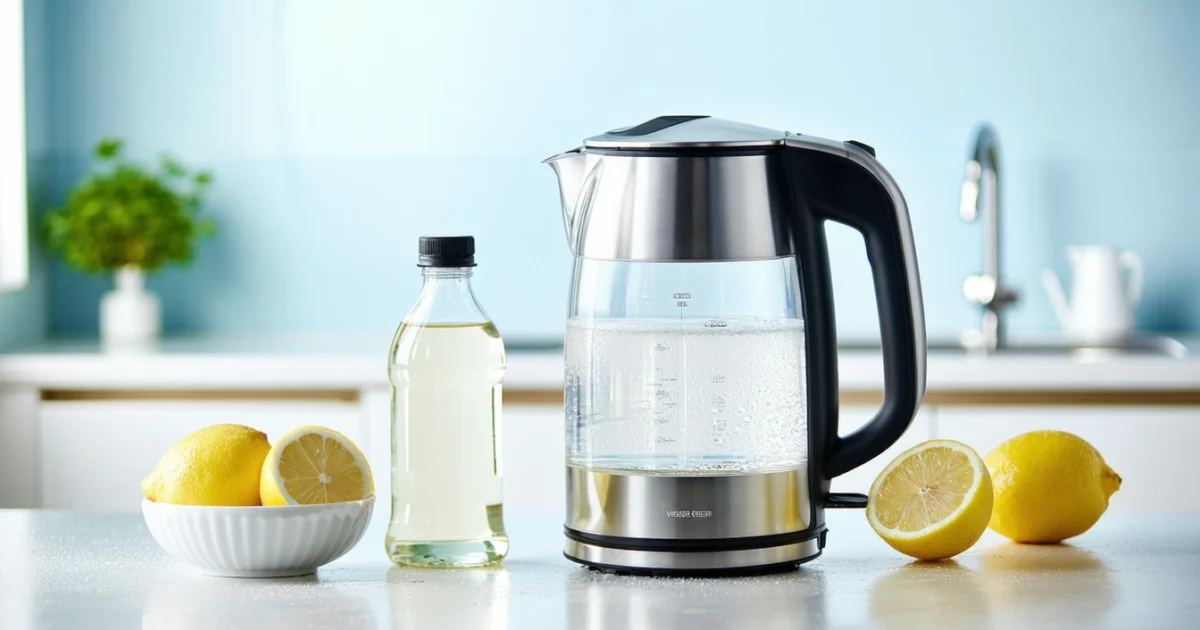
How to clean a kettle effectively requires understanding the right methods for removing limescale, mineral deposits, and calcium buildup that accumulate over time. Regular kettle cleaning not only improves water taste but also extends your appliance’s lifespan and maintains optimal performance. Whether you prefer natural solutions like white vinegar, lemon juice, or baking soda, or commercial descaling products, the key is choosing the right approach for your kettle type and water hardness level.
Most kettles develop unsightly white deposits from hard water minerals, particularly in areas with high calcium content. These deposits affect both taste and heating efficiency. Fortunately, cleaning your kettle is straightforward using household ingredients you likely already have. Deep cleaning your kitchen should always include proper kettle maintenance as part of your routine.
The frequency of cleaning depends on your local water quality and usage patterns. However, most experts recommend descaling every 4-8 weeks for optimal results. Additionally, daily maintenance habits can significantly reduce buildup and extend time between deep cleans.
TL;DR
- Natural methods work best: White vinegar, lemon juice, and baking soda effectively remove limescale without harsh chemicals
- Clean every 4-8 weeks: Frequency depends on water hardness and daily usage patterns
- Different kettle types need specific care: Electric, stainless steel, glass, and plastic kettles require tailored cleaning approaches
- Prevention is key: Daily maintenance and proper water quality management reduce buildup significantly
Understanding Kettle Cleaning: Why It's Essential
Regular kettle maintenance protects your health and preserves your appliance’s performance. Moreover, understanding why buildup occurs helps you choose the most effective cleaning methods for your specific situation.
What Causes Kettle Buildup
Limescale forms when hard water containing dissolved calcium and magnesium carbonates gets heated repeatedly. These minerals precipitate out of solution, creating the familiar white, chalky deposits inside your kettle. Additionally, other mineral deposits accumulate over time, including traces of iron, zinc, and various salts naturally present in tap water.
Calcium carbonate represents the primary component of most kettle buildup. When water temperatures exceed 60°C, calcium ions bond with carbonate ions to form solid deposits. Furthermore, repeated heating cycles concentrate these minerals, accelerating the formation of stubborn scale layers.
The buildup process intensifies in areas with particularly hard water. Consequently, kettles in regions like London, Birmingham, and much of Southeast England require more frequent descaling than those in Scotland or Wales, where water tends to be naturally softer.
Health and Taste Implications
Dirty kettles significantly impact both water taste and potential health concerns. Limescale deposits create an unpleasant metallic or chalky taste that ruins tea, coffee, and other hot beverages. Meanwhile, bacterial growth can occur in neglected kettles, particularly around mineral deposits where microorganisms find ideal conditions.
Stagnant water combined with mineral buildup creates environments where harmful bacteria multiply. Therefore, regular cleaning prevents potential health risks while ensuring your drinks taste as intended. Clean kettles also heat water more efficiently, reducing energy consumption and extending appliance lifespan.
Health Warning
How Water Quality Affects Cleaning Frequency
Water hardness directly determines how often you need to clean your kettle. Hard water areas require descaling every 2-4 weeks, while soft water regions can extend cleaning intervals to 6-8 weeks. Understanding your local water composition helps establish an appropriate maintenance schedule.
| Water Hardness Level | Cleaning Frequency | UK Regions |
|---|---|---|
| Very Hard (300+ mg/L) | Every 2-3 weeks | London, Essex, Kent |
| Hard (200-300 mg/L) | Every 3-4 weeks | Midlands, East Anglia |
| Moderately Hard (100-200 mg/L) | Every 4-6 weeks | Yorkshire, North West |
| Soft (0-100 mg/L) | Every 6-8 weeks | Scotland, Wales, Cornwall |
Daily usage patterns also influence cleaning schedules. Households using their kettle multiple times daily accumulate deposits faster than occasional users. Similarly, leaving water sitting in kettles between uses accelerates mineral concentration and bacterial growth potential.
Signs Your Kettle Needs Cleaning
Several clear indicators signal when your kettle requires immediate attention. White chalky deposits on the heating element or kettle walls represent the most obvious sign of limescale buildup. Additionally, longer heating times indicate that mineral deposits are insulating the heating element, reducing efficiency.
- Visible white or grey deposits on interior surfaces
- Metallic or bitter taste in boiled water
- Increased boiling time compared to when new
- Strange noises during heating cycles
- Flakes or particles floating in boiled water
- Discoloured water or unusual odours
Unusual sounds during operation often indicate significant mineral accumulation around heating elements. These deposits cause uneven heating, creating bubbling or crackling noises that weren’t present when the kettle was clean. Therefore, addressing these warning signs promptly prevents permanent damage and maintains optimal performance.
Regular inspection helps catch problems early. Consequently, checking your kettle weekly for these signs allows you to maintain it properly as part of your broader kitchen deep cleaning routine.
Natural Cleaning Methods for Kettles
Natural cleaning solutions provide effective, chemical-free alternatives for kettle maintenance. Moreover, these methods use common household ingredients that are safe, affordable, and environmentally friendly. Each natural approach targets limescale deposits differently, allowing you to choose the most suitable method for your kettle’s condition.
White Vinegar Method: Step-by-Step Process
White vinegar dissolves limescale deposits effectively due to its acetic acid content. This method works particularly well for moderate to heavy mineral buildup. Furthermore, vinegar’s natural antibacterial properties help eliminate bacteria and mould that may accumulate in moist kettle environments.
- Fill the kettle with equal parts white vinegar and water
- Bring the solution to a rolling boil
- Switch off the kettle and allow the mixture to sit for 15-20 minutes
- Pour out the solution completely
- Scrub interior surfaces gently with a non-abrasive sponge
- Rinse thoroughly with fresh water 3-4 times
- Boil plain water once and discard to eliminate any residual vinegar taste
The vinegar solution penetrates mineral deposits, breaking down calcium and magnesium compounds. Subsequently, the waiting period allows the acid to work on stubborn buildups without requiring aggressive scrubbing that might damage the kettle’s interior.
Lemon Juice Technique for Natural Descaling
Lemon juice contains citric acid that naturally dissolves limescale while leaving a fresh scent. This method proves gentler than vinegar, making it ideal for regular maintenance cleaning. Additionally, fresh lemons provide stronger acid concentration than bottled lemon juice.
Extract juice from 2-3 fresh lemons and mix with equal parts water. Alternatively, slice one whole lemon and add it directly to the water for enhanced cleaning power. The lemon slices release oils and additional citric acid as the mixture heats, creating a more potent descaling solution.
- Combine fresh lemon juice with equal parts water
- Add lemon slices for extra cleaning power
- Boil the mixture and let it stand for 30 minutes
- Scrub gently and rinse thoroughly
- Enjoy the natural citrus fragrance
Baking Soda Cleaning Approach
Bicarbonate of soda provides excellent cleaning power through its alkaline properties. This method works especially well for removing stains and neutralising odours. However, baking soda requires more physical scrubbing than acid-based methods to achieve similar results.
Create a paste using 3 tablespoons of baking soda mixed with enough water to form a thick consistency. This paste adheres to vertical surfaces, allowing the alkaline compounds to work on deposits for extended periods. Therefore, this method suits kettles with visible staining or discolouration.
- Mix 3 tablespoons baking soda with water to form a paste
- Apply paste to stained or scaled areas
- Leave for 15 minutes to penetrate deposits
- Scrub gently with a soft brush or sponge
- Fill kettle with water and boil to remove residue
- Rinse multiple times until water runs clear
Citric Acid Powder Method
Citric acid powder offers the most concentrated natural descaling solution available. Food-grade citric acid dissolves limescale rapidly without leaving residual tastes or odours. Consequently, this method requires shorter contact times while delivering superior results compared to other natural alternatives.
Purchase citric acid from health food stores, pharmacies, or online retailers. One tablespoon of citric acid powder equals approximately 4-5 lemons in terms of cleaning power. Thus, this method provides cost-effective cleaning for households with hard water requiring frequent descaling.
- Dissolve 1-2 tablespoons citric acid in 500ml water
- Boil the solution in your kettle
- Allow to stand for 10-15 minutes
- Empty and rinse thoroughly
- Boil fresh water once to ensure complete removal
Combining Natural Ingredients for Stubborn Buildup
Severe limescale accumulation sometimes requires combining multiple natural cleaning agents. Vinegar and baking soda create a powerful reaction that helps dislodge stubborn deposits. However, add these ingredients separately to maximise their individual cleaning properties before they neutralise each other.
Start with the vinegar treatment first, allowing it to dissolve mineral deposits. Subsequently, apply baking soda paste to remaining stains or discoloured areas. This sequential approach ensures each ingredient works at its optimal effectiveness rather than cancelling each other out immediately.
Pro Tip
Another effective combination involves using lemon juice followed by citric acid powder. The lemon juice provides initial cleaning action plus natural oils, while the citric acid powder delivers concentrated descaling power. This combination works particularly well for kettles that haven’t been cleaned for several months.
Natural cleaning methods require patience but deliver excellent results without harsh chemicals. Therefore, regular maintenance using these techniques keeps your kettle functioning efficiently while ensuring your beverages taste fresh and clean.
Commercial Kettle Cleaners and Products
Commercial descaling products offer convenient solutions when natural methods prove insufficient for heavy limescale buildup. These specialised cleaners contain concentrated acids that dissolve mineral deposits more aggressively than household ingredients. However, understanding when to use them ensures you maintain your kettle effectively without unnecessary chemical exposure.
When to Use Commercial Descaling Products
Commercial kettle cleaners become necessary when natural methods fail to remove stubborn limescale deposits. Kettles with severe mineral buildup that hasn’t responded to repeated vinegar or citric acid treatments require stronger intervention. Additionally, households in extremely hard water areas often benefit from monthly commercial descaling to prevent damage to heating elements.
Professional cleaners work faster than natural alternatives, typically requiring 15-30 minutes compared to several hours for natural methods. This efficiency makes them ideal for busy households or commercial environments where downtime must be minimised. Furthermore, some electric kettles with concealed elements benefit from commercial products that reach areas difficult to clean manually.
Popular Kettle Cleaner Brands and Effectiveness
Oust All Purpose Descaler ranks among the most effective commercial kettle cleaners available in the UK. This product removes limescale buildup within 10 minutes and works on various appliances beyond kettles. Users report excellent results even on heavily scaled kettles that natural methods couldn’t clean.
Kilrock Descaler provides another reliable option, specifically formulated for kitchen appliances. This cleaner dissolves mineral deposits quickly while being gentler than industrial-strength alternatives. Moreover, it comes in convenient sachets that eliminate guesswork about correct dosages.
| Brand | Active Time | Price Range | Effectiveness Rating |
|---|---|---|---|
| Oust All Purpose | 10 minutes | £3-5 | 9/10 |
| Kilrock Descaler | 15 minutes | £2-4 | 8/10 |
| HG Scale Away | 30 minutes | £4-6 | 8.5/10 |
| Viakal Descaler | 20 minutes | £3-5 | 7.5/10 |
HG Scale Away offers professional-grade cleaning power suitable for commercial kitchens and heavily used domestic kettles. This product requires longer contact time but delivers superior results on extreme limescale accumulation. Consequently, it represents the best choice for kettles that haven’t been maintained regularly.
Safety Considerations with Chemical Cleaners
Safety Warning
Commercial descalers contain concentrated acids that require careful handling to prevent injury or damage. Always wear rubber gloves when applying these products, as direct skin contact can cause irritation or chemical burns. Additionally, ensure adequate ventilation during use, as fumes from commercial cleaners can irritate respiratory systems.
Thorough rinsing becomes critical after using chemical descalers to prevent residue contamination. Rinse your kettle at least three times with fresh water, then boil and discard one full kettle of water before normal use. This process ensures no cleaning product residue remains that could affect taste or pose health risks.
Store commercial descalers safely away from children and pets, preferably in locked cabinets. Never transfer these products to unmarked containers, as this increases the risk of accidental ingestion. Furthermore, check expiry dates regularly, as degraded cleaning products may become less effective or potentially unsafe.
Cost Comparison: Natural vs Commercial Methods
Natural cleaning methods cost significantly less than commercial alternatives over time. A 500ml bottle of white vinegar costs approximately £1 and provides enough solution for 10-15 kettle cleanings. Similarly, citric acid powder costs around £3 per kilogram, offering exceptional value for regular maintenance.
Commercial descalers typically cost £3-6 per treatment, making them 5-10 times more expensive than natural alternatives. However, they save time and effort, which may justify the higher cost for busy households. Additionally, commercial products often work more effectively on severe buildup, potentially preventing costly kettle replacement.
Long-term costs favour natural methods when combined with regular maintenance schedules. Households using weekly vinegar treatments spend approximately £5-8 annually on kettle cleaning, while those relying solely on commercial products may spend £30-50 yearly. Therefore, combining both approaches – natural methods for maintenance and commercial products for deep cleaning – provides optimal cost-effectiveness.
Consider the hidden costs of neglecting kettle maintenance when evaluating cleaning methods. Heavily scaled kettles consume more energy and may require premature replacement, making regular cleaning with either natural or commercial products a worthwhile investment. Ultimately, the most cost-effective approach involves preventing severe buildup through consistent maintenance rather than reactive deep cleaning.
Cleaning Different Types of Kettles
Different kettle materials require specific cleaning approaches to maintain performance while avoiding damage. Each type presents unique challenges that demand tailored maintenance strategies for optimal results.
Electric Kettle Cleaning (Heating Element Care)
Electric kettles contain exposed heating elements that accumulate limescale deposits more rapidly than other components. The heating element’s direct contact with water creates concentrated mineral buildup that reduces efficiency and shortens appliance lifespan.
Never immerse electric kettle bases in water, as this damages electrical components permanently. Instead, focus cleaning efforts on the interior chamber where limescale forms. Fill the kettle with equal parts water and white vinegar, ensuring the solution covers the heating element completely.
Boil the vinegar solution for 15-20 minutes, then allow it to cool naturally. This process dissolves mineral deposits without scrubbing, which could damage the heating element’s surface. Rinse thoroughly with fresh water and boil plain water twice to eliminate any residual vinegar taste.
For stubborn buildup around heating elements, create a paste using citric acid and water. Apply this mixture directly to affected areas, let it sit for 30 minutes, then rinse thoroughly. This targeted approach removes persistent deposits without harsh scrubbing that might damage delicate components.
Stainless Steel Kettle Maintenance
Stainless steel kettles resist corrosion naturally but show water spots and fingerprints readily. Their durability allows for more aggressive cleaning methods compared to other materials, making maintenance straightforward yet requiring specific techniques for optimal appearance.
Clean stainless steel exteriors using warm soapy water and a microfibre cloth, wiping in the direction of the grain to prevent scratching. For stubborn stains or water spots, create a paste using baking soda and water, then buff gently with a soft cloth.
Interior cleaning follows standard descaling procedures, but stainless steel tolerates stronger solutions when necessary. Mix three parts water with one part white vinegar for regular maintenance, or use full-strength vinegar for heavy limescale buildup. The material’s resilience prevents damage from acidic solutions.
Polish stainless steel surfaces using specialized cleaners or natural alternatives like olive oil applied sparingly. This creates a protective barrier that repels water spots and maintains the kettle’s lustrous appearance between deep cleaning sessions.
Glass Kettle Cleaning Techniques
Glass kettles showcase limescale buildup visibly, making regular cleaning essential for aesthetic and functional reasons. Their transparent construction allows precise monitoring of cleaning progress but requires gentle handling to prevent thermal shock or scratching.
Use lukewarm cleaning solutions rather than hot mixtures to prevent thermal stress that could crack the glass. Fill the kettle with room-temperature water and vinegar solution, then heat gradually to avoid sudden temperature changes that damage glass components.
Clean glass exteriors using specialized glass cleaners or a mixture of water and white vinegar applied with lint-free cloths. Avoid abrasive materials that scratch the surface, creating permanent marks that detract from the kettle’s appearance and trap dirt particles.
For interior cleaning, lemon juice provides excellent results on glass surfaces while being gentler than commercial descalers. Cut fresh lemons in half, squeeze the juice into the kettle, then add the rinds for enhanced cleaning power. This natural approach effectively removes limescale while leaving a fresh scent.
Plastic Kettle Considerations and Limitations
Plastic kettles require the gentlest cleaning approach due to material sensitivity to heat, chemicals, and abrasion. Their affordability makes them popular, but proper maintenance becomes crucial for preventing damage and extending usable life.
Avoid using boiling vinegar solutions in plastic kettles, as high temperatures combined with acidic solutions may cause discoloration or material degradation. Instead, use cool or lukewarm cleaning mixtures and allow longer contact time for effective descaling.
Baking soda provides safer cleaning for plastic interiors compared to acidic solutions. Create a paste using baking soda and water, apply to limescale deposits, then rinse thoroughly after 30 minutes. This alkaline approach removes buildup without risking plastic damage.
External plastic surfaces benefit from mild dish soap solutions applied with soft cloths. Never use abrasive cleaners or scrubbing pads that scratch the surface, creating microscopic grooves where bacteria and stains accumulate. Regular gentle cleaning maintains both appearance and hygiene effectively.
Consider replacement when plastic kettles develop persistent odours or staining that cleaning cannot eliminate. Unlike metal or glass alternatives, plastic materials may absorb contaminants permanently, making thorough cleaning impossible after extended use. For comprehensive kitchen maintenance guidance, explore our complete kitchen deep cleaning guide.
Step-by-Step Kettle Cleaning Process
Proper kettle maintenance requires systematic cleaning that addresses every component thoroughly. Following these detailed steps ensures complete limescale removal, bacterial elimination, and optimal performance restoration across all kettle types.
Preparation and Safety Steps
Begin by unplugging your electric kettle and allowing it to cool completely before starting any cleaning process. Hot surfaces create safety risks and prevent effective cleaning solution application. Remove any remaining water by pouring it out completely, then inspect the interior for visible limescale deposits or discoloration.
Gather essential cleaning supplies including white vinegar, baking soda, soft cloths, and non-abrasive sponges. Additionally, prepare a clean workspace near your sink with adequate ventilation for chemical odours. Safety precautions include wearing rubber gloves when handling acidic solutions and ensuring pets and children remain away from the cleaning area.
Check your kettle’s manufacturer instructions for specific cleaning restrictions, particularly for plastic kettles or models with special coatings. Some warranties become void when using certain cleaning agents, making this verification crucial before proceeding with deep cleaning methods.
Interior Cleaning Detailed Method
Fill the kettle with equal parts white vinegar and water, ensuring the solution covers all limescale deposits and reaches the maximum fill line. This acidic mixture dissolves mineral buildup effectively while remaining safe for most kettle materials when used correctly.
Bring the vinegar solution to a boil, then immediately turn off the kettle and unplug it from the power source. Allow the hot solution to sit for 15-20 minutes, enabling the acid to penetrate stubborn limescale formations. The extended contact time maximises descaling effectiveness without requiring harsh scrubbing.
Pour out the vinegar solution completely, then examine the interior for remaining deposits. For persistent limescale, create a baking soda paste using three tablespoons of bicarbonate of soda mixed with minimal water. Apply this alkaline paste directly to problem areas using a soft cloth, avoiding abrasive scrubbing that damages heating elements.
Rinse the interior thoroughly with fresh water, ensuring no cleaning residue remains. Inadequate rinsing leaves chemical tastes that affect beverage quality, making this step essential for maintaining proper kettle function and taste neutrality.
Exterior Cleaning and Polishing
Clean the kettle’s exterior using appropriate methods based on material composition. Stainless steel kettles benefit from specialised metal cleaners or homemade solutions combining equal parts water and white vinegar applied with microfibre cloths.
Remove water spots and fingerprints by wiping in the direction of the steel grain, preventing scratch formation that dulls the surface finish. For stubborn stains, apply baking soda paste gently, then buff with clean cloths until the original shine returns completely.
Glass kettles require gentler handling using warm soapy water and lint-free cloths to prevent streaking. Avoid temperature shocks by ensuring cleaning solutions match the kettle’s current temperature, preventing thermal stress that causes cracking or shattering.
Polish the exterior using appropriate products for your kettle’s material, creating protective barriers against future staining and corrosion. Regular polishing maintains appearance while extending overall lifespan through enhanced surface protection.
Spout and Lid Cleaning Techniques
The kettle spout accumulates significant limescale due to constant water flow and steam exposure. Use a bottle brush or pipe cleaner soaked in vinegar solution to reach internal spout surfaces where standard cloths cannot access effectively.
For removable lids, disassemble completely and clean each component separately in warm soapy water. Pay special attention to rubber seals and hinges where bacteria and mineral deposits commonly accumulate, compromising both hygiene and functionality.
Clean fixed lids using cotton swabs dipped in cleaning solution, targeting crevices around the hinge mechanism and steam vents. These areas often harbour stubborn deposits that affect proper lid closure and steam release during operation.
Inspect the spout filter if your kettle includes one, removing and cleaning it separately according to manufacturer guidelines. Blocked filters reduce water flow and affect pouring control, making regular maintenance essential for optimal performance.
Final Rinse and Drying Process
Perform multiple rinse cycles using fresh water to eliminate all cleaning residue completely. Fill the kettle with clean water, boil it, then discard the water and repeat this process 2-3 times until no chemical odours or tastes remain detectable.
Dry the kettle thoroughly using clean towels, paying particular attention to electrical connections and base areas where moisture causes corrosion or electrical hazards. Leave the lid open for several hours, allowing complete air drying of internal surfaces.
Test the cleaned kettle by boiling fresh water and tasting for any residual cleaning flavours. If chemical tastes persist, repeat the rinsing process until water tastes completely neutral, ensuring safe beverage preparation.
Store the clean kettle in a dry location with the lid slightly open to prevent moisture accumulation that encourages bacterial growth. Regular maintenance following these steps maintains optimal kettle performance and extends operational lifespan significantly.
Cleaning Frequency and Maintenance Schedule
Establishing a proper cleaning schedule prevents limescale accumulation and maintains your kettle’s optimal performance throughout its lifespan. The frequency of cleaning depends primarily on your local water hardness, usage patterns, and the specific type of kettle you own.
How Often to Clean Based on Water Hardness
Water hardness significantly affects limescale formation rates in electric kettles across different UK regions. Hard water areas require more frequent descaling than soft water locations, with cleaning intervals varying from weekly to monthly depending on mineral content.
| Water Type | Cleaning Frequency | Signs to Watch For |
|---|---|---|
| Very Hard Water (300+ mg/L) | Every 3-5 uses | White deposits visible after each use |
| Hard Water (200-300 mg/L) | Weekly | Cloudy water, slower heating |
| Moderately Hard (150-200 mg/L) | Bi-weekly | Light scaling on heating element |
| Soft Water (0-150 mg/L) | Monthly | Minimal visible deposits |
Test your water hardness using TDS meters or contact your local water supplier for accurate mineral content information. Additionally, observe your kettle’s performance indicators such as heating speed and unusual noises that signal cleaning requirements.
Daily Maintenance Tips
Simple daily habits prevent major cleaning challenges and extend your kettle’s operational lifespan significantly. These maintenance practices require minimal effort but deliver substantial benefits for kettle performance and hygiene.
- Empty remaining water completely after each use to prevent stagnation
- Wipe exterior surfaces with a damp cloth while the kettle cools
- Leave the lid open for 30 minutes after use to allow moisture evaporation
- Fill with fresh water only when ready to use, avoiding overnight storage
- Clean spout areas immediately after use to prevent mineral buildup
Furthermore, position your kettle away from steam sources and ensure adequate ventilation around the base. These simple practices reduce moisture accumulation that accelerates corrosion and bacterial growth in hidden areas.
Weekly and Monthly Cleaning Routines
Weekly maintenance involves light descaling using natural cleaning agents, while monthly routines require thorough deep cleaning of all kettle components. These scheduled cleanings prevent heavy limescale accumulation that damages heating elements permanently.
Weekly Cleaning Protocol
Monthly deep cleaning requires dismantling removable components such as filters and lids for individual treatment. Soak these parts in citric acid solution while cleaning the main body with stronger descaling agents appropriate for your kettle type.
Document cleaning dates and methods used to track effectiveness and adjust schedules based on results. Some kettles respond better to specific cleaning agents, making record-keeping valuable for optimizing maintenance routines.
Seasonal Deep Cleaning Recommendations
Quarterly deep cleaning addresses accumulated deposits that regular maintenance cannot remove completely. These intensive sessions restore kettles to near-original condition and identify potential issues before they cause permanent damage.
Spring cleaning focuses on complete descaling using commercial kettle cleaners or concentrated citric acid solutions. This season’s cleaning removes winter’s heavy usage deposits and prepares the kettle for increased summer beverage preparation.
Summer maintenance emphasizes exterior cleaning and electrical connection inspection, as increased humidity affects metal components. Clean base contacts thoroughly and check for corrosion signs that compromise electrical safety during this period.
Autumn deep cleaning prepares kettles for winter’s heavy usage period by ensuring optimal heating efficiency. Replace filters if applicable and conduct thorough performance tests to identify any issues requiring professional attention.
Winter maintenance focuses on preventing freeze damage in unheated areas and maintaining consistent performance despite increased usage. Consider professional servicing during this season if your kettle shows signs of reduced efficiency or unusual operation patterns.
Seasonal cleaning aligns with your broader kitchen deep cleaning schedule, ensuring all appliances receive appropriate maintenance attention throughout the year. This coordinated approach maximizes efficiency and prevents overlooking important maintenance tasks.
Troubleshooting Common Kettle Cleaning Issues
Even the most diligent cleaning routines sometimes encounter stubborn problems that resist standard methods. Understanding how to address these persistent issues ensures your kettle maintains optimal performance and hygiene standards.
Removing Stubborn Limescale Deposits
Heavy limescale buildup requires more aggressive treatment than regular maintenance cleaning. These thick, chalky deposits form when standard cleaning intervals are missed or when extremely hard water accelerates mineral accumulation.
Commercial kettle descaler products contain stronger acids than household alternatives and dissolve severe limescale more effectively. Follow manufacturer instructions precisely, as these concentrated solutions can damage kettle components if used incorrectly or left too long.
For natural alternatives, create a concentrated citric acid solution using three tablespoons per cup of water. This mixture provides stronger descaling action than standard vinegar solutions while remaining gentler than commercial chemicals.
Stubborn deposits often require multiple treatment cycles rather than extended soaking times. Repeat the cleaning process two or three times with fresh solution, allowing complete cooling between cycles to prevent thermal shock damage.
Dealing with Discoloration and Stains
Interior discoloration typically results from mineral deposits, tea stains, or oxidation processes that standard cleaning cannot address. These aesthetic issues rarely affect functionality but indicate deeper cleaning needs.
Tea and coffee stains respond well to baking soda paste applied with gentle scrubbing motions. Create a thick paste using three parts baking soda to one part water, then work it into stained areas using a soft cloth or sponge.
Metal discoloration often indicates oxidation or reaction with cleaning chemicals. Address these issues by polishing with specialized metal cleaners appropriate for your kettle’s material, whether stainless steel, aluminum, or copper.
Exterior stains from spills or splashes require different approaches depending on the kettle’s finish. Glass kettles benefit from window cleaner application, while plastic models respond to mild bleach solutions followed by thorough rinsing.
Addressing Persistent Odors
Lingering odors indicate bacterial growth, chemical residue, or absorbed flavors that standard cleaning cannot eliminate. These problems affect beverage taste and suggest inadequate sanitization during previous cleaning attempts.
Fill the kettle with equal parts water and white vinegar, then add two tablespoons of baking soda for enhanced deodorizing action. The combination creates effervescent action that reaches crevices where odor-causing bacteria hide.
Activated charcoal tablets provide another effective odor elimination method. Dissolve two tablets in a full kettle of water, boil the solution, then let it stand overnight before thorough rinsing and drying.
Chemical odors from cleaning products require extended ventilation and multiple rinse cycles. Boil plain water three times, discarding each batch completely, then air-dry the kettle with the lid open for several hours.
When Cleaning Methods Aren't Working
Sometimes standard cleaning approaches fail to resolve persistent problems, indicating deeper issues that require alternative strategies or professional intervention. Recognizing these situations prevents damage from increasingly aggressive cleaning attempts.
Heating element damage often appears as permanent discoloration or rough textures that cleaning cannot improve. These issues affect heating efficiency and may require element replacement by qualified technicians rather than continued cleaning efforts.
Internal component corrosion creates cleaning challenges that household methods cannot address safely. Professional assessment determines whether repair or replacement provides the most cost-effective solution for severely damaged kettles.
Consider replacement when cleaning costs exceed 50% of a new kettle’s price or when repeated cleaning failures indicate fundamental design problems. Modern kettles often incorporate improved materials and features that prevent many common cleaning issues.
Safety Warning
Professional cleaning services specializing in appliance maintenance can address severe problems that exceed household cleaning capabilities. These services often prove more economical than replacement for high-quality kettles with extensive limescale damage.
Document cleaning attempts and results to identify patterns that might indicate water quality issues or usage problems requiring different maintenance approaches. This information helps prevent recurring problems and guides future cleaning strategies.
Prevention Tips to Keep Your Kettle Clean Longer
Preventing limescale buildup proves more effective than removing stubborn deposits after they form. Proactive maintenance strategies significantly reduce cleaning frequency while extending your kettle’s operational lifespan and maintaining optimal performance.
Water Quality Improvements
Installing a water softener system dramatically reduces mineral content that causes limescale formation. These systems remove calcium and magnesium ions before they reach your kettle, preventing the primary cause of scaling issues.
Water filtration systems provide an alternative solution for households where full softening isn’t practical. Carbon filters reduce chlorine taste while basic filtration removes some minerals, though they won’t eliminate all scaling potential.
Using filtered water from jugs or built-in refrigerator systems reduces mineral deposits by approximately 40-60% compared to direct tap water usage. This simple change extends cleaning intervals significantly in hard water areas.
Daily Habits to Reduce Buildup
Emptying your kettle completely after each use prevents mineral concentration from repeated heating cycles. Standing water creates ideal conditions for limescale formation as minerals precipitate during cooling periods.
Rinsing the kettle with fresh water before refilling removes residual minerals from previous uses. This simple habit reduces cumulative buildup that would otherwise accelerate scaling processes over time.
- Fill only with the amount needed to minimize waste water standing
- Rinse interior weekly with cold water to remove loose deposits
- Wipe exterior daily to prevent water spot formation
- Leave lid open when not in use to promote air circulation
Boiling fresh water rather than reheating previously boiled water reduces mineral concentration. Fresh water contains dissolved minerals in stable form, while reheated water has higher concentrations due to evaporation.
Proper Kettle Storage and Usage
Storing your kettle in a dry location prevents moisture accumulation that accelerates corrosion and mineral deposit formation. Ventilated areas allow complete drying between uses, reducing bacterial growth and scaling potential.
Avoiding overfilling prevents water from contacting areas not designed for regular submersion. Maximum fill lines exist to protect electrical components and ensure proper heating element function without excessive mineral exposure.
Temperature control settings, when available, should match your actual needs rather than defaulting to maximum heat. Lower temperatures reduce mineral precipitation rates while still achieving desired results for most beverages.
Storage Tip
When to Replace vs Continue Cleaning
Replacement becomes economical when cleaning costs exceed 50% of a new kettle’s price or when cleaning frequency increases to weekly intervals despite preventive measures. Modern kettles often incorporate improved materials that resist scaling more effectively.
Heating element damage indicates replacement necessity rather than continued cleaning attempts. Permanent discoloration, pitting, or rough textures on heating elements cannot be reversed and affect both efficiency and safety.
Consider replacement when your kettle requires descaling more than once monthly despite proper maintenance. This frequency suggests either severe water quality issues or internal component deterioration that cleaning cannot address adequately.
Energy efficiency improvements in newer models often justify replacement costs through reduced electricity consumption. Deep cleaning your kitchen provides an ideal opportunity to assess all appliances for replacement or continued maintenance needs.
| Cleaning Frequency | Action Recommended | Cost Consideration |
|---|---|---|
| Monthly or less | Continue cleaning | Maintenance cost-effective |
| Bi-weekly | Evaluate water treatment | Consider filtration systems |
| Weekly | Consider replacement | Cleaning costs likely exceed value |
| Multiple times weekly | Replace immediately | Severe efficiency and cost issues |
Professional assessment helps determine whether persistent cleaning challenges result from repairable issues or fundamental design limitations. Qualified technicians can evaluate internal components that household cleaning cannot address safely or effectively.
Frequently Asked Questions
What's the best way to clean the inside of a kettle?
The most effective method is using white vinegar mixed with water in a 1:1 ratio. Fill your kettle with this solution, boil it, then let it sit for 15-20 minutes before scrubbing gently and rinsing thoroughly. This natural approach removes limescale and mineral deposits without harsh chemicals.
Does boiling vinegar clean a kettle?
Yes, boiling vinegar effectively dissolves limescale and calcium buildup. The acetic acid in vinegar breaks down mineral deposits when heated. However, always dilute vinegar with water (50/50 ratio) and ensure proper ventilation as boiling vinegar produces strong fumes.
How can I descale my kettle naturally?
Several natural methods work excellently for descaling:
- White vinegar solution: Mix equal parts vinegar and water, boil, and let sit
- Lemon juice: Use fresh lemon juice or citric acid powder with water
- Baking soda paste: Create a paste for scrubbing stubborn deposits
- Coca-Cola: The phosphoric acid can dissolve light limescale buildup
Can you use bicarbonate of soda to clean a kettle?
Absolutely! Bicarbonate of soda (baking soda) is excellent for kettle cleaning. Make a paste with water for scrubbing, or dissolve 2 tablespoons in a full kettle of water, boil, and let sit for 30 minutes. It’s particularly effective for removing stubborn stains and neutralizing odors.
How often should I clean my kettle?
Cleaning frequency depends on your water hardness and usage patterns. In hard water areas, clean every 2-4 weeks. For soft water regions, every 6-8 weeks is sufficient. Daily users in very hard water areas like London may need weekly descaling.
How do I clean my kettle with lemon?
Cut a fresh lemon in half and squeeze the juice into your kettle, then add the lemon halves and fill with water. Boil the mixture, let it sit for 30 minutes, then scrub gently and rinse. The citric acid naturally dissolves limescale while leaving a fresh scent.
Can I clean my kettle without vinegar?
Yes, several vinegar alternatives work effectively:
- Lemon juice or citric acid for natural descaling
- Baking soda for scrubbing and deodorizing
- Commercial kettle cleaners for heavy buildup
- Denture tablets dissolved in water for gentle cleaning
How do I clean the kettle element safely?
Never immerse electric kettle elements in water. Instead, use the boiling method with vinegar or lemon solution to clean around the element. For external cleaning, unplug the kettle and wipe with a damp cloth. Avoid abrasive materials that could damage the heating element.
What's the difference between cleaning electric and stovetop kettles?
Electric kettles require careful handling around electrical components and should never be submerged. Stovetop kettles can be partially disassembled for thorough cleaning. Both benefit from the same descaling solutions, but electric kettles need more careful rinsing to protect internal mechanisms.
Can I use vinegar and baking soda together to clean my kettle?
While both are effective cleaners, don’t mix them simultaneously as they neutralize each other. Use them in sequence instead: first apply baking soda paste for scrubbing, rinse, then follow with a vinegar solution for descaling. This two-step approach maximizes both cleaning agents’ effectiveness.
Why does my kettle taste metallic after cleaning?
Metallic taste usually indicates insufficient rinsing after using vinegar or commercial cleaners. Always rinse thoroughly with fresh water and boil 2-3 cycles of plain water, discarding each batch. If the taste persists, try a baking soda rinse to neutralize any remaining acid residue.
How can I prevent limescale buildup in my kettle?
Prevention strategies include:
- Empty the kettle after each use to prevent mineral concentration
- Use filtered water to reduce mineral content
- Wipe dry the interior regularly
- Clean weekly in hard water areas
- Don’t leave water sitting for extended periods
Is it safe to drink water from a kettle with limescale?
While limescale isn’t toxic, it affects water taste and can harbor bacteria in severe cases. Heavy buildup may also contain other contaminants. Regular cleaning ensures both safety and taste quality. If you notice flakes in your water, clean immediately and consider more frequent maintenance.
What commercial kettle cleaners work best?
Effective commercial options include Oust Descaler, Kilrock Kettle Cleaner, and citric acid powder. These products are formulated specifically for limescale removal and often work faster than home remedies. Always follow manufacturer instructions and ensure thorough rinsing before use.
You May Also Like