How to Clean Trainers: Complete Guide for All Materials

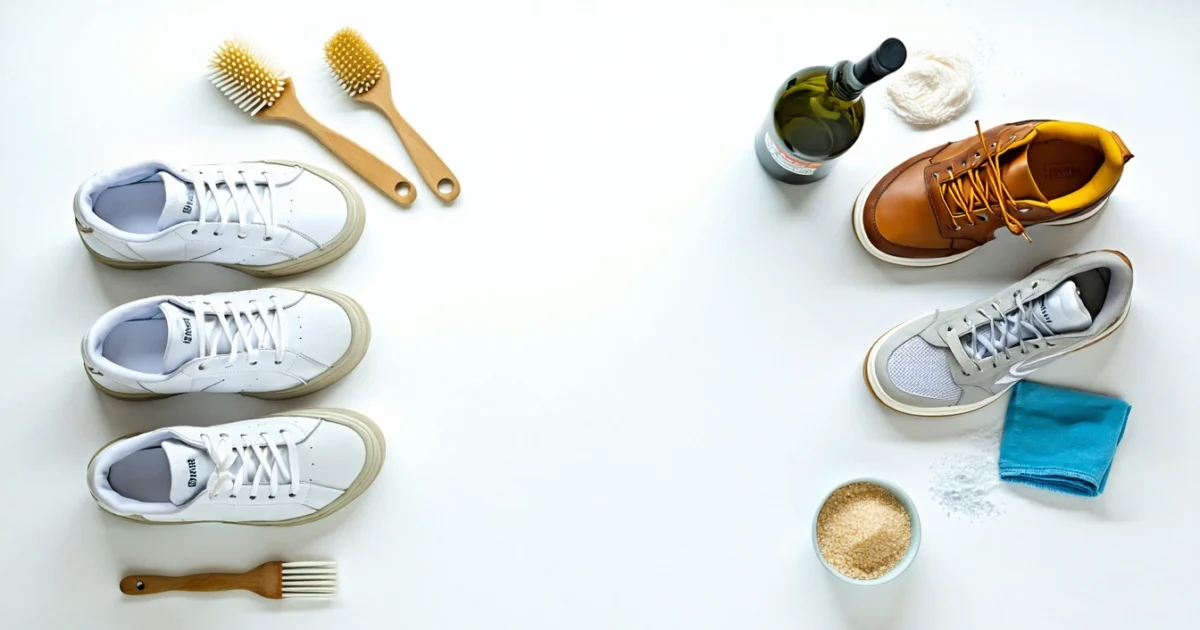
How to clean trainers effectively requires understanding your shoe materials and using the right cleaning methods for each type. Whether you’re dealing with canvas, leather, mesh, or synthetic materials, proper cleaning techniques can restore your trainers to their original condition while extending their lifespan. Most trainers can be cleaned using basic household items like bicarbonate of soda, mild detergent, and soft brushes.
The key to successful trainer cleaning lies in identifying your shoe material first, then choosing between hand cleaning and machine washing methods. Different materials require specific approaches – for example, leather trainers need specialized cleaners and conditioning, while canvas trainers can handle more robust soap solutions. Additionally, proper preparation and drying techniques are crucial for maintaining shoe shape and preventing damage.
From removing stubborn stains and whitening yellowed soles to cleaning delicate mesh materials, this comprehensive guide covers everything you need to know. Furthermore, we’ll explore brand-specific considerations for popular trainers like Nike, Adidas, and New Balance, ensuring you get the best results regardless of your shoe type.
TL;DR
- Material matters: Identify your trainer type (canvas, leather, mesh, suede) before choosing cleaning methods
- Hand cleaning vs machine washing: Canvas and synthetic trainers can often be machine washed, while leather and suede require hand cleaning only
- Essential supplies: Soft-bristled brush, microfiber cloths, mild detergent, and bicarbonate of soda handle most cleaning tasks
- Proper drying: Always air dry trainers away from direct heat to prevent material damage and shape distortion
- Preventive care: Regular cleaning and protective sprays extend trainer lifespan and prevent deep staining
Essential Supplies for Cleaning Trainers
Successful trainer cleaning requires the right tools and cleaning solutions to tackle dirt, stains, and odours effectively. Moreover, having proper supplies prevents damage to delicate materials while ensuring thorough cleaning results. Therefore, assembling a comprehensive cleaning kit before starting saves time and delivers professional-quality outcomes.
Basic Cleaning Kit Essentials
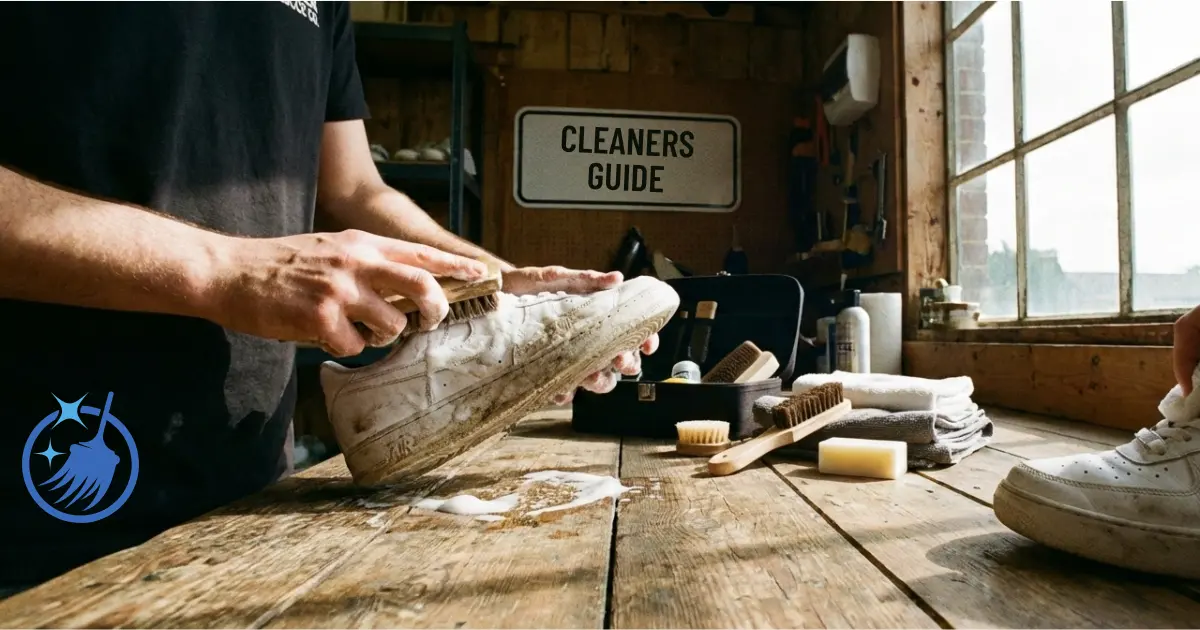
Every trainer cleaning kit needs soft-bristled brushes as the foundation tool for removing surface dirt and debris. Additionally, microfiber cloths provide lint-free cleaning and polishing without scratching delicate surfaces. Furthermore, an old toothbrush reaches tight spaces around eyelets, sole grooves, and mesh panels where larger brushes cannot access.
- Soft-bristled brush – removes surface dirt without damaging materials
- Microfiber cloths – absorbs moisture and polishes without scratching
- Old toothbrush – cleans detailed areas and stubborn stains
- Small bowl – mixes cleaning solutions and holds water
- Plastic scraper – removes dried mud and debris from soles
Professional cleaners recommend using natural bristle brushes for leather trainers because synthetic bristles can cause micro-scratches. Similarly, cleaning brushes regularly maintains their effectiveness and prevents cross-contamination between different shoe materials.
Cleaning Solutions and Products
Mild detergent forms the backbone of most trainer cleaning solutions because it removes dirt without damaging materials. However, bicarbonate of soda provides natural deodorising properties and gentle abrasive action for stubborn stains. Consequently, these household items handle 90% of trainer cleaning tasks effectively.
Bicarbonate of Soda Benefits
Specialized trainer cleaners offer targeted solutions for specific materials and stain types. For instance, leather cleaners contain conditioning agents that prevent cracking, while mesh cleaners penetrate fabric weaves more effectively than general detergents. Additionally, enzyme-based cleaners break down organic stains like grass and blood at the molecular level.
| Cleaning Solution | Best For | Key Benefits |
|---|---|---|
| Mild detergent | All materials | Gentle, effective, readily available |
| Bicarbonate of soda | Odours, white soles | Natural deodoriser, whitening agent |
| Leather cleaner | Leather trainers | Conditions while cleaning |
| Enzyme cleaner | Organic stains | Breaks down proteins and oils |
Water Temperature and Preparation
Lukewarm water provides optimal cleaning effectiveness without damaging trainer materials or causing colour bleeding. Specifically, water temperatures between 20-30°C activate cleaning solutions while preserving adhesives and preventing material shrinkage. Conversely, hot water can melt glues, warp synthetic materials, and cause irreversible damage.
Proper preparation involves removing laces and insoles before cleaning begins. Furthermore, tapping trainers together removes loose dirt and debris that could create muddy cleaning solutions. Subsequently, pre-treating visible stains with targeted solutions improves overall cleaning results.
Optional Professional Tools
Shoe trees maintain trainer shape during and after cleaning by preventing material distortion and creasing. Similarly, protective sprays create invisible barriers against future stains and water damage. Therefore, these optional tools extend trainer lifespan and reduce cleaning frequency.
Conditioning products restore flexibility to leather and synthetic materials after cleaning removes natural oils. Additionally, sole whitening products target yellowed rubber soles that regular cleaning cannot address. Moreover, odour eliminators provide long-lasting freshness beyond basic deodorising.
Professional shoe care extends trainer lifespan by up to 300% compared to basic cleaning alone
Investment in quality cleaning supplies pays dividends through improved results and extended trainer durability. Ultimately, having the right tools transforms trainer cleaning from a chore into an effective maintenance routine that preserves your footwear investment.
Pre-Cleaning Preparation and Assessment
Effective trainer cleaning begins with thorough preparation that determines the success of your entire cleaning process. Moreover, proper assessment prevents damage while ensuring optimal results for different trainer materials and stain types.
Removing Laces and Insoles
Remove laces completely before cleaning begins to access hidden dirt and prevent tangling during the cleaning process. Additionally, unlaced trainers allow cleaning solutions to reach tongue areas and eyelets where grime accumulates. Store laces separately for individual cleaning or replacement if severely worn.
Extract removable insoles to clean both the insole surface and the interior shoe cavity thoroughly. Furthermore, separated insoles dry faster and prevent moisture retention that causes odours and bacterial growth. However, permanently attached insoles require in-place cleaning with minimal moisture application.
Material Identification and Assessment
Identify trainer materials before selecting appropriate cleaning methods to prevent irreversible damage. Leather trainers require conditioning after cleaning, while canvas materials tolerate more aggressive scrubbing techniques. Meanwhile, mesh panels need gentle treatment to avoid tearing delicate fibres.
| Material Type | Cleaning Approach | Key Considerations |
|---|---|---|
| Leather | Gentle soap solution | Requires conditioning after cleaning |
| Canvas | Scrub brush with detergent | Can handle vigorous cleaning |
| Mesh | Soft brush, light pressure | Avoid snagging delicate fibres |
| Suede | Dry cleaning methods only | Never use water-based solutions |
| Synthetic | All-purpose cleaners | Most versatile cleaning options |
Suede trainers demand completely different cleaning approaches using specialised brushes and dry cleaning compounds. Conversely, synthetic materials offer the most flexibility, accepting various cleaning solutions without material degradation concerns.
Dirt and Stain Assessment
Evaluate dirt types and stain severity to select appropriate cleaning intensity and products. Surface dirt responds to basic cleaning, while embedded stains require pre-treatment and longer contact times. Additionally, different stain types demand specific removal approaches for optimal results.
- Mud and soil: Allow to dry completely, then brush away loose particles
- Grease stains: Apply degreasing agents before general cleaning
- Scuff marks: Target with magic erasers or specialised cleaners
- Salt stains: Neutralise with vinegar solution before cleaning
- Organic stains: Pre-treat with enzyme-based cleaners
Fresh stains clean more easily than set-in marks that have bonded with trainer materials over time. Therefore, immediate assessment and treatment prevent permanent staining and reduce cleaning effort required.
Care Label Guidelines
Check manufacturer care labels inside trainer tongues or heel areas for specific cleaning recommendations and restrictions. Care symbols indicate safe cleaning methods, temperature limits, and materials to avoid during the cleaning process. However, many trainers lack detailed care instructions, requiring material-based cleaning decisions.
Important Warning
Manufacturer websites often provide detailed cleaning guides for specific trainer models and materials. Similarly, leather care principles apply to leather trainer components, emphasising gentle cleaning and proper conditioning. Research brand-specific recommendations when dealing with expensive or specialty trainers.
Document your assessment findings to track which cleaning methods work best for your specific trainers. Subsequently, this preparation creates a foundation for successful cleaning that preserves trainer appearance and extends their usable lifespan.
Hand Cleaning Methods by Material Type
Different trainer materials require specific cleaning approaches to maintain their appearance and structural integrity. Furthermore, understanding material properties prevents damage while ensuring effective dirt and stain removal. Each material responds differently to cleaning agents, water exposure, and mechanical cleaning actions.
Canvas and Fabric Trainers
Canvas trainers tolerate water-based cleaning solutions and gentle scrubbing techniques without material degradation. Mix warm water with a few drops of mild laundry detergent or dish soap to create an effective cleaning solution. Additionally, this combination breaks down dirt and oils without harsh chemical damage.
Apply the soap solution using a soft-bristled brush or clean cloth, working in circular motions to lift embedded dirt. Target heavily soiled areas with concentrated scrubbing while maintaining gentle pressure to avoid fabric tearing. Rinse thoroughly with clean water to remove soap residue that can attract future dirt accumulation.
Fabric trainers with synthetic blends respond well to similar cleaning methods but may require longer drying times. Consequently, ensure complete air drying before wearing to prevent moisture-related odours and material weakening.
Leather Trainers
Leather trainers demand specialised cleaning products designed specifically for leather materials to maintain suppleness and prevent cracking. Commercial leather cleaners contain gentle surfactants that clean without stripping natural oils essential for leather flexibility.
Begin cleaning by removing surface dirt with a damp cloth, then apply leather cleaner according to manufacturer instructions. Work the cleaner into leather using circular motions with a soft cloth, paying attention to creased areas where dirt accumulates. Moreover, avoid excessive water exposure that can cause leather stiffening and discolouration.
Follow cleaning with leather conditioning to restore moisture and flexibility. Leather care principles emphasise the importance of conditioning after every cleaning session to prevent premature aging and cracking.
Mesh Trainers
Mesh materials require delicate cleaning approaches due to their lightweight construction and tendency to snag or tear under aggressive cleaning. Use a soft toothbrush with gentle pressure to work cleaning solution through mesh openings without damaging the weave structure.
Create a mild cleaning solution using lukewarm water and gentle detergent, avoiding harsh chemicals that can degrade synthetic mesh fibres. Work systematically across mesh surfaces, allowing cleaning solution to penetrate dirt buildup before gentle agitation removes embedded particles.
Rinse mesh trainers thoroughly under running water to flush out loosened dirt and soap residue from mesh openings. Subsequently, air dry completely before wearing, as trapped moisture in mesh can lead to bacterial growth and persistent odours.
Suede Trainers
Suede trainers require dry cleaning methods to preserve the characteristic napped texture that gives suede its distinctive appearance. Water exposure flattens suede fibres and creates permanent staining, making dry cleaning essential for maintenance.
Use a suede brush with brass or nylon bristles to lift dirt and restore nap texture through gentle brushing motions. Brush in one direction initially to remove surface dirt, then use multidirectional brushing to restore uniform texture across cleaned areas.
Suede erasers effectively remove scuff marks and light stains without liquid cleaners that damage suede texture. For stubborn stains, commercial suede cleaning products designed specifically for napped leather provide targeted treatment while preserving material integrity.
Synthetic Materials
Synthetic trainer materials offer versatility in cleaning approaches, tolerating both water-based solutions and stronger cleaning agents without material degradation. Common synthetic materials include polyurethane, vinyl, and various plastic compounds designed to mimic natural materials.
Most synthetic materials respond well to all-purpose cleaners diluted according to package instructions for safe use on footwear. Test cleaning products on inconspicuous areas first to ensure colour fastness and material compatibility before full application.
Microfibre cloths work effectively with synthetic materials, providing gentle cleaning action that removes dirt without scratching glossy surfaces. Additionally, synthetic materials typically dry faster than natural materials, reducing downtime between cleaning and wearing.
Material Testing Tip
Machine Washing Trainers Safely
Machine washing provides an efficient cleaning method for many trainer types, but success depends on selecting appropriate footwear and following proper preparation techniques. Canvas trainers, synthetic mesh shoes, and most athletic footwear tolerate machine washing well, while leather, suede, and delicate materials require hand cleaning methods instead.
Which Trainers Are Machine-Washable
Canvas and cotton trainers handle machine washing exceptionally well due to their durable fabric construction. Popular brands like Converse All Stars and Vans slip-on styles maintain structural integrity through multiple wash cycles when proper techniques are applied.
Synthetic mesh athletic shoes from brands like Nike, Adidas, and New Balance typically feature machine-washable construction designed for easy maintenance. However, check manufacturer care labels before washing, as some models contain delicate components that require special handling.
Avoid machine washing leather trainers, suede footwear, shoes with electronic components, and trainers featuring delicate embellishments or metallic accents. Additionally, high-end designer trainers often require professional cleaning to preserve their value and appearance.
Materials to Avoid
Proper Preparation Steps
Remove loose dirt and debris from trainer surfaces using a soft brush or cloth before machine washing begins. This preliminary cleaning prevents dirt from redistributing during the wash cycle and reduces strain on your washing machine’s filtration system.
Take out insoles and laces before washing to ensure thorough cleaning of all components. Wash laces separately in a small mesh bag, while insoles benefit from hand cleaning with mild detergent to preserve their cushioning properties.
Place trainers in mesh laundry bags or pillowcases to protect both your shoes and washing machine drum from damage during the wash cycle. Furthermore, mesh bags prevent trainers from banging against the drum walls, which could cause structural damage or excessive noise.
Optimal Washing Settings
Set your washing machine to cold water temperature (30°C or below) to prevent colour bleeding and material shrinkage that occurs with hot water washing. Cold water effectively removes dirt and odours while preserving trainer materials and adhesives that bond sole components.
Select the gentle or delicate cycle to minimise agitation that could damage trainer construction or cause sole separation. Gentle cycles use slower spin speeds and reduced wash action, protecting your trainers from excessive mechanical stress during cleaning.
Use mild liquid detergent in smaller quantities than normal loads, as excessive soap creates residue that’s difficult to rinse from trainer materials. Avoid bleach, fabric softeners, and harsh chemicals that can degrade synthetic materials or cause permanent discolouration.
| Setting | Recommended Option | Reason |
|---|---|---|
| Water Temperature | Cold (30°C max) | Prevents shrinkage and colour bleeding |
| Cycle Type | Gentle/Delicate | Reduces mechanical stress on materials |
| Spin Speed | Low (800 RPM max) | Minimises deformation and damage |
| Detergent Amount | Half normal dose | Prevents residue buildup |
Load Balancing Techniques
Add clean towels to the wash load to balance weight distribution and reduce noise during the spin cycle. Towels also provide cushioning that protects trainers from impact damage while maintaining proper water circulation throughout the washing process.
Include 2-3 bath towels for optimal load balance when washing one pair of trainers, or adjust towel quantity proportionally for multiple pairs. Moreover, towels absorb excess water during the spin cycle, reducing drying time for your freshly cleaned trainers.
Distribute towels evenly around the drum to prevent unbalanced loads that cause excessive vibration and potential damage to your washing machine. Proper load distribution ensures efficient cleaning while protecting both your trainers and appliance from unnecessary wear.
Cleaning Trainer Soles and Stubborn Areas
Trainer soles accumulate the most stubborn dirt and require targeted cleaning techniques to restore their original appearance. Rubber soles trap embedded debris in their grooves, while scuff marks and yellowing create persistent stains that standard washing cannot remove.
Removing Embedded Dirt from Sole Grooves
Use an old toothbrush to scrub dirt from sole grooves and tread patterns effectively. Dip the toothbrush in warm soapy water and work systematically across each section of the sole, applying firm pressure to dislodge compacted debris.
Focus on deep grooves where stones, mud, and organic matter become trapped during wear. The toothbrush bristles penetrate these narrow spaces more effectively than cloths or sponges, ensuring thorough dirt removal from every crevice.
Rinse the toothbrush frequently during cleaning to prevent redistributing dirt across clean areas. Additionally, work from heel to toe in consistent strokes to maintain cleaning efficiency and avoid missing embedded particles.
Tackling Scuff Marks and Rubber Sole Stains
Scuff marks on rubber soles respond well to targeted treatment with household cleaning products. Create a paste using bicarbonate of soda and water, then apply directly to marked areas using circular scrubbing motions.
For persistent black marks from rubber contact, try a magic eraser or melamine foam sponge dampened with water. These cleaning tools remove surface-level scuffs without damaging the underlying rubber material through gentle abrasive action.
Stubborn stains may require stronger intervention using white vinegar mixed with warm water in equal proportions. Apply this solution with a cloth, allowing it to sit for 5-10 minutes before scrubbing with your toothbrush for enhanced stain removal.
Whitening Yellowed Soles with Bicarbonate of Soda Paste
Yellowed rubber soles regain their whiteness through bicarbonate of soda treatment, which neutralises oxidation and removes discolouration. Mix three parts bicarbonate of soda with one part water to create a thick, spreadable paste.
Apply the paste generously across yellowed areas, ensuring complete coverage of discoloured rubber surfaces. Allow the treatment to sit for 30-45 minutes, giving the bicarbonate of soda time to break down staining compounds effectively.
Scrub the paste using your toothbrush in circular motions, then rinse thoroughly with clean water. For severely yellowed soles, repeat this process 2-3 times, allowing the sole to dry completely between treatments for optimal results.
Cleaning Around Eyelets, Tongue, and Hard-to-Reach Areas
Eyelet areas accumulate dirt and soap residue that requires careful attention during cleaning. Use a cotton swab dipped in soapy water to clean around each eyelet, removing buildup without damaging the metal or plastic components.
The tongue area often harbours bacteria and odours due to limited air circulation during wear. Lift the tongue gently and clean both sides using a damp cloth, paying particular attention to the base where it connects to the shoe body.
Clean the heel counter and ankle collar areas using a soft-bristled brush to remove accumulated sweat stains and dirt. These areas require gentle circular motions to avoid damaging padding or synthetic materials commonly used in trainer construction.
For mesh panels and ventilation holes, use compressed air or a dry toothbrush to remove dust and debris without introducing excess moisture. Furthermore, these delicate areas benefit from gentle cleaning techniques that preserve their structural integrity while ensuring thorough dirt removal.
Pro Tip
Restoring White Trainers and Removing Stains
White trainers lose their pristine appearance through daily wear, accumulating various stains that require targeted treatment approaches. Different stain types demand specific cleaning solutions to restore the original brightness without damaging trainer materials.
Bicarbonate of Soda Whitening Treatment
Bicarbonate of soda creates an effective whitening paste when mixed with water in a 3:1 ratio. This alkaline compound breaks down organic stains and neutralises odour-causing bacteria naturally, making it ideal for trainer restoration.
Apply the paste generously to yellowed or discoloured areas using an old toothbrush. Work the mixture into fabric fibres using circular motions, ensuring complete coverage of stained surfaces for maximum whitening effectiveness.
Allow the bicarbonate treatment to sit for 20-30 minutes before rinsing with clean water. For heavily stained trainers, repeat this process twice weekly until the desired whiteness returns to your footwear.
Targeting Specific Stain Types
Grass stains respond best to enzyme-based detergents mixed with cold water. Create a soaking solution using one tablespoon of biological washing powder per cup of water, then treat affected areas for 15 minutes before scrubbing gently.
Mud stains require complete drying before treatment begins. Brush away dried mud particles using a stiff-bristled brush, then apply a paste made from washing powder and water to remaining residue.
Oil-based stains need immediate attention with cornstarch or talcum powder to absorb excess grease. Sprinkle the powder liberally over fresh oil stains, leave for 30 minutes, then brush away before applying liquid detergent directly to the affected area.
Food stains vary in composition but generally respond to white vinegar solutions. Mix equal parts white vinegar and water, then dab the solution onto food stains using a clean cloth, working from the outside of the stain inward to prevent spreading.
Hydrogen Peroxide for Stubborn Discoloration
Hydrogen peroxide provides powerful bleaching action for persistent yellowing and deep stains. Use a 3% concentration only to avoid damaging synthetic materials commonly found in modern trainer construction.
Test hydrogen peroxide on an inconspicuous area first, as some materials may discolour or weaken when exposed to this chemical. Apply the solution using a cotton swab for precise application to problem areas.
Safety Precaution
Rinse treated areas thoroughly after 10 minutes maximum exposure to prevent material degradation. Subsequently, allow trainers to air dry completely away from direct sunlight, which can cause uneven bleaching effects.
Commercial Whitening Products Performance
Dedicated trainer whitening products offer convenience and consistent results for regular maintenance. Jason Markk and Crep Protect produce specialised whitening solutions designed specifically for athletic footwear materials.
Foam-based whiteners penetrate fabric fibres more effectively than liquid alternatives, providing deeper cleaning action. These products typically contain optical brighteners that enhance white appearance under UV light exposure.
Pen-style whitening applicators excel at targeting small scuff marks and localised staining. However, they prove less effective for large-scale discoloration that requires comprehensive treatment across entire shoe surfaces.
Cost-effectiveness varies significantly between commercial products and homemade solutions. While commercial whiteners offer convenience, household cleaning ingredients like bicarbonate of soda provide comparable results at substantially lower costs for regular trainer maintenance.
Regular whitening treatments every 2-3 weeks prevent deep staining and maintain trainer appearance more effectively than intensive cleaning sessions.
Proper Drying Techniques
Proper drying techniques determine whether your freshly cleaned trainers maintain their shape and material integrity. Heat damage represents the most common mistake that destroys athletic footwear during the drying process.
Air Drying vs Heat Drying: Why Heat Damages Trainers
Air drying preserves trainer materials by allowing gradual moisture evaporation at ambient temperatures. Heat sources like radiators, hair dryers, and tumble dryers cause synthetic materials to warp, shrink, or crack irreversibly.
Excessive heat breaks down the adhesive bonds that secure soles to uppers, leading to separation and structural failure. Additionally, high temperatures cause mesh panels to lose elasticity and leather components to become brittle and prone to cracking.
Direct sunlight creates uneven heating patterns that result in colour fading and material distortion. Furthermore, UV exposure degrades synthetic fibres and causes white trainers to develop yellow discoloration over time.
Optimal Drying Positions and Ventilation
Position trainers in a well-ventilated area away from direct heat sources to ensure even air circulation. Place shoes on their sides or upside down to prevent water pooling in the toe box or heel areas.
Remove insoles and laces before drying to allow maximum airflow through the interior compartments. This separation technique reduces drying time by 30-40% compared to drying complete assembled shoes.
Elevate trainers on a drying rack or towel to promote air circulation underneath the soles. Consequently, this positioning prevents moisture retention and reduces the risk of mould development in humid conditions.
Using Newspaper or Paper Towels to Absorb Moisture
Newspaper provides excellent moisture absorption properties due to its porous structure and high surface area. Stuff loosely crumpled newspaper into each trainer immediately after cleaning to accelerate the drying process.
Replace saturated newspaper every 2-3 hours during the initial drying phase when moisture levels remain highest. Paper towels offer similar absorption benefits but require more frequent replacement due to their smaller volume capacity.
Avoid packing absorbent materials too tightly, as this restricts airflow and creates moisture pockets that prolong drying times. Instead, allow space for air circulation while maintaining contact between paper and interior surfaces.
Estimated Drying Times for Different Materials and Weather Conditions
| Material Type | Dry Weather (20°C) | Humid Weather (15°C) | Winter Indoor (18°C) |
|---|---|---|---|
| Canvas trainers | 8-12 hours | 16-24 hours | 12-18 hours |
| Leather trainers | 12-18 hours | 24-36 hours | 18-24 hours |
| Mesh/synthetic | 6-10 hours | 12-18 hours | 10-14 hours |
| Suede trainers | 10-16 hours | 20-30 hours | 16-22 hours |
Humidity levels significantly impact drying duration, with high humidity conditions potentially doubling the time required for complete moisture evaporation. Temperature variations of 5°C can alter drying times by 20-30% in either direction.
Thick-soled trainers require additional drying time due to increased material density and reduced air penetration. Moreover, waterproof treatments on some athletic shoes create barriers that slow moisture release from interior surfaces.
Monitor drying progress by checking for residual dampness in seams, tongue areas, and heel sections where moisture typically persists longest. Complete drying prevents bacterial growth and eliminates the musty odours associated with trapped moisture.
Cleaning Laces and Insoles
Laces and insoles accumulate significant dirt, sweat, and bacteria during regular trainer use. Therefore, these components require dedicated cleaning attention to maintain freshness and extend trainer lifespan. Proper lace and insole maintenance prevents odour buildup while preserving the structural integrity of these essential trainer elements.
Machine Washing Laces in Mesh Bags
Mesh laundry bags provide the safest method for machine washing trainer laces. Remove laces completely from eyelets before washing to prevent tangling and ensure thorough cleaning. Place laces inside a fine mesh bag to contain them during the wash cycle.
Add laces to your regular laundry load using warm water and standard detergent. The agitation from other clothing items helps scrub away embedded dirt and grime from lace fibres. However, avoid washing with heavily soiled items that might transfer stains to clean laces.
Cotton and synthetic laces tolerate machine washing well, while leather laces require hand washing to prevent cracking. Additionally, reflective laces may lose their luminescent properties in hot water, so use cool temperatures for these specialised varieties.
Hand Washing Delicate Laces
Hand washing offers greater control for expensive or delicate trainer laces. Fill a basin with lukewarm water and add a small amount of mild detergent or washing-up liquid. Submerge laces and gently agitate them with your hands for 2-3 minutes.
For stubborn stains, create a paste using bicarbonate of soda and water. Rub this mixture directly onto stained areas using an old toothbrush, then rinse thoroughly with clean water. This method proves particularly effective for white laces that have yellowed over time.
Replacing Heavily Stained or Damaged Laces
Some laces reach a point where cleaning cannot restore their appearance or functionality. Frayed ends, permanent stains, or stretched elastic indicate replacement time. Moreover, broken aglets (plastic tips) make threading through eyelets difficult and damage the lace material further.
Measure existing laces before purchasing replacements to ensure proper length. Most trainer laces range from 100cm to 140cm depending on the number of eyelet pairs. Furthermore, consider upgrading to higher-quality laces that resist staining and maintain their shape longer.
Lace Length Guide
Cleaning Removable Insoles
Removable insoles benefit from regular washing to eliminate bacteria and odour-causing compounds. Lift insoles from trainers and check the material composition, as different materials require specific cleaning approaches. Foam insoles absorb more moisture and odours compared to gel or synthetic alternatives.
Hand wash most insoles using warm water and antibacterial soap. Scrub gently with a soft brush to remove dead skin cells and embedded dirt without damaging the surface texture. Subsequently, rinse thoroughly to remove all soap residue that could irritate feet during wear.
For deep deodorising, sprinkle bicarbonate of soda over dry insoles and leave overnight. This natural deodoriser absorbs moisture and neutralises acidic odours effectively. Shake off excess powder before reinserting insoles into trainers.
Deodorising Techniques for Insoles
Activated charcoal inserts provide long-term odour control for problematic trainers. Place these inserts inside trainers overnight to absorb moisture and neutralise smells. Similarly, cedar shoe trees maintain trainer shape while providing natural antimicrobial properties.
White vinegar solution offers another effective deodorising method. Mix equal parts water and white vinegar, then spray lightly onto insole surfaces. The acidic solution kills bacteria while the vinegar smell dissipates completely once dry.
Dealing with Non-Removable Insoles
Fixed insoles present greater cleaning challenges but still respond to targeted treatment methods. Create a cleaning solution using warm water and antibacterial detergent, then apply with a damp cloth or sponge. Work the solution into the insole surface without oversaturating the material.
Use a clean, damp cloth to remove soap residue, then stuff trainers with absorbent paper towels to speed drying. Change paper towels every few hours until insoles feel completely dry to touch.
Advanced Odour Control Methods
UV sanitising eliminates bacteria that cause persistent odours in trainer insoles. Place trainers in direct sunlight for 2-3 hours, rotating periodically to ensure even exposure. However, prolonged UV exposure can fade colours and weaken certain materials.
Freezing provides another bacteria-killing method for severe odour problems. Seal trainers in plastic bags and place in the freezer overnight. The extreme cold kills most odour-causing bacteria, though this method works best as a periodic deep-cleaning technique rather than regular maintenance.
Essential oil treatments offer pleasant-smelling alternatives to chemical deodorisers. Add 2-3 drops of tea tree oil or lavender oil to cotton balls and place inside trainers overnight. These natural oils possess antimicrobial properties while leaving a fresh scent.
Brand-Specific Cleaning Considerations
Different trainer brands require tailored cleaning approaches because manufacturers use distinct materials and construction methods. Nike incorporates advanced synthetic materials, while Adidas features proprietary foam technologies that demand specific care techniques. Understanding these brand-specific requirements prevents damage and maintains optimal appearance.
Nike Trainer Cleaning Methods
Air Max models contain pressurised air units that require gentle cleaning to prevent punctures. Use soft-bristled brushes around air bubble areas and avoid applying excessive pressure during scrubbing. The transparent air units show dirt easily, so regular maintenance prevents permanent staining.
React foam responds well to mild detergent solutions but deteriorates when exposed to harsh chemicals. Mix warm water with gentle laundry detergent, then apply using circular motions with a microfibre cloth. This synthetic foam material dries quickly, typically within 4-6 hours at room temperature.
Flyknit uppers feature engineered yarn construction that stretches when wet. Clean these materials using dabbing motions rather than scrubbing to maintain structural integrity. Furthermore, Flyknit materials benefit from air-drying in their natural shape, so insert shoe trees or stuff with paper towels during the drying process.
Adidas Cleaning Techniques
Boost sole technology contains thousands of energy capsules that trap dirt in microscopic spaces. Create a paste using baking soda and water, then work it into the textured surface using an old toothbrush. The alkaline properties of baking soda lift embedded grime without damaging the foam structure.
Primeknit uppers utilise seamless knitting technology that requires delicate handling during cleaning. Use lukewarm water and mild soap, applying gentle pressure with a soft cloth. Additionally, these materials dry unevenly, so rotate trainers every 2 hours during the drying process to prevent water spots.
Three-stripe leather requires different treatment than synthetic materials. Apply leather conditioner after cleaning to prevent cracking and maintain flexibility. However, avoid conditioning treatments on synthetic three-stripe designs, as they can cause discolouration.
New Balance Care Instructions
Mesh and suede combinations present unique cleaning challenges because these materials require different treatment methods. Clean mesh sections using standard detergent solutions, while suede areas need specialised suede brushes and cleaners. Work on each material separately to prevent cross-contamination.
Suede sections benefit from dry cleaning methods using suede erasers before applying liquid cleaners. Brush suede in one direction to maintain consistent texture, and never saturate these areas with water. Meanwhile, mesh sections tolerate more aggressive cleaning but require thorough rinsing to remove soap residue.
ENCAP midsole technology combines foam and rubber components that expand differently when wet. Clean these areas with minimal water exposure, using damp cloths rather than soaking methods. The dual-density construction maintains stability when properly cared for but can separate if oversaturated.
Converse Canvas Maintenance
Canvas uppers absorb stains quickly but respond well to deep cleaning methods. Pre-treat stains with stain remover before washing, and use warm water with heavy-duty detergent for best results. Canvas materials handle machine washing better than other trainer materials, making maintenance relatively straightforward.
Rubber toe caps protect canvas from wear but accumulate scuff marks that require targeted treatment. Use magic erasers or melamine foam to remove black marks and scratches from white rubber areas. Apply gentle pressure in circular motions to avoid removing the rubber’s protective coating.
Lace eyelets on vintage Converse models use metal grommets that can rust when exposed to excessive moisture. Dry these areas thoroughly after cleaning and apply a thin layer of clear nail polish to prevent oxidation. This protective coating maintains the authentic appearance while preventing corrosion damage.
Brand Warranty Considerations
Preventive Care and Maintenance
Establishing a regular cleaning schedule prevents deep staining and extends trainer lifespan significantly. Weekly surface cleaning removes dirt before it embeds into materials, while monthly deep cleaning addresses accumulated grime. This proactive approach maintains appearance and prevents permanent damage that requires expensive restoration treatments.
Most trainers benefit from daily maintenance that takes less than two minutes per pair. Remove surface dirt with a dry brush immediately after wear, focusing on high-contact areas like heels and toe boxes. Additionally, allow trainers to air dry completely between wears to prevent moisture buildup and bacterial growth.
Protective Treatments and Waterproofing
Protective sprays create invisible barriers that repel water, oils, and stains from trainer surfaces. Apply these treatments to clean, dry trainers in well-ventilated areas, holding the spray 6-8 inches away for even coverage. Reapply waterproofing treatments every 4-6 weeks or after deep cleaning sessions.
Different materials require specific protective products for optimal results. Leather trainers benefit from waterproofing wax that nourishes while protecting, whereas synthetic materials work better with silicone-based sprays. Canvas and mesh sections need breathable protectants that don’t compromise ventilation properties.
Application Timing
Proper Storage Techniques
Correct storage maintains trainer shape and prevents damage during periods of non-use. Shoe trees or crumpled newspaper inserted into trainers preserve their original form and absorb residual moisture. Cedar shoe trees offer additional benefits by naturally repelling insects and controlling odors.
Store trainers in breathable containers or dust bags rather than plastic bags that trap moisture. Cool, dry locations away from direct sunlight prevent material degradation and color fading. Furthermore, elevated storage prevents contact with damp floors that can cause mold growth.
- Temperature control: Maintain storage areas between 15-20°C to prevent material expansion
- Humidity management: Use silica gel packets in storage containers to control moisture
- Air circulation: Ensure adequate ventilation to prevent musty odors
- Light protection: Store away from UV exposure to prevent color fading
Rotation Strategies for Extended Lifespan
Implementing a rotation system distributes wear evenly across multiple pairs, significantly extending each trainer’s usable life. Professional athletes and footwear experts recommend having at least three pairs in active rotation to allow proper drying time between uses.
Daily rotation prevents compression set in midsole materials that occurs when foam doesn’t have time to recover between wears. This recovery period maintains cushioning properties and prevents premature breakdown of shock-absorbing components.
Track usage patterns to identify when specific trainers need maintenance or replacement. Wear indicators like tread depth, heel wear patterns, and midsole compression provide objective measures of trainer condition. Document these observations to optimize replacement timing and maintenance schedules.
Seasonal rotation strategies account for weather conditions and activity levels that affect trainer longevity. Reserve premium trainers for dry conditions while using weatherproof alternatives during wet periods. This approach protects valuable footwear while ensuring appropriate performance for different environments.
Common Mistakes to Avoid
Learning proper trainer cleaning techniques requires understanding what not to do as much as correct methods. Common cleaning mistakes can permanently damage expensive footwear, rendering trainers unwearable despite good intentions. These errors often stem from applying general cleaning knowledge without considering specific material requirements and manufacturer guidelines.
Critical Warning
Chemical Damage from Harsh Cleaners
Bleach destroys trainer materials through oxidation reactions that break down synthetic polymers and natural fibers. This chemical process weakens structural integrity while causing permanent discoloration that cannot be reversed. Additionally, chlorine-based cleaners react with rubber compounds in soles, creating brittleness that leads to cracking.
Harsh detergents strip protective coatings from leather and synthetic materials, leaving surfaces vulnerable to staining and water damage. Furthermore, alkaline cleaners alter pH levels in materials, causing color fading and texture changes that diminish appearance and performance. Professional cleaning services avoid these chemicals specifically because they cause more damage than cleaning benefit.
Machine Washing Unsuitable Materials
Machine washing leather trainers causes permanent damage through water saturation that strips natural oils and flexibility. The agitation process creates stress points that lead to cracking, while detergent residues penetrate pores and cause stiffness. Moreover, leather requires specific conditioning treatments that machine washing removes completely.
Suede trainers suffer irreversible texture damage when exposed to washing machine cycles that mat the delicate nap surface. Water saturation causes suede fibers to clump together, creating smooth patches that cannot be restored to original texture. Additionally, the spinning cycle compresses suede beyond recovery, eliminating the characteristic soft feel.
Canvas and mesh materials may seem machine-washable, but aggressive cycles damage reinforcement stitching and cause shrinkage. Therefore, always check manufacturer care labels before considering machine washing options.
Heat Damage from Improper Drying
Heat sources cause material shrinkage that permanently alters trainer fit and comfort. Direct sunlight, radiators, and hair dryers create uneven heating patterns that warp synthetic materials and cause sole separation. Consequently, trainers exposed to excessive heat often become unwearable due to size changes and structural damage.
Tumble drying subjects trainers to extreme temperatures that melt adhesives holding components together. This process weakens bonds between uppers and soles while causing foam midsoles to compress permanently. Similarly, leather materials become brittle when heat-dried, leading to cracking and premature aging.
Room temperature air drying preserves material integrity while allowing moisture to evaporate naturally without causing damage. This gentle process maintains trainer shape and extends usable lifespan significantly.
Ignoring Manufacturer Guidelines
Care instructions exist for specific reasons related to material composition and construction methods unique to each trainer model. Manufacturers test cleaning methods extensively to determine safe procedures that maintain warranty coverage and optimal performance. Ignoring these guidelines often voids warranties while causing preventable damage.
Different brands use varying material treatments and adhesive systems that require specific cleaning approaches. For instance, Nike’s Flyknit technology needs different care than Adidas Boost foam, despite both being athletic trainers. Therefore, generic cleaning advice cannot account for these technical differences that affect cleaning safety.
- Read care labels before attempting any cleaning method
- Contact manufacturers for specific guidance on unusual stains
- Test cleaning products on hidden areas before full application
- Document cleaning methods that work successfully for future reference
Professional cleaning services follow manufacturer specifications precisely because deviation from recommended procedures creates liability for damage costs. Consequently, home cleaning should mirror these professional standards to achieve safe, effective results.
Frequently Asked Questions
What is the best thing to clean trainers with?
The best cleaning solution depends on your trainer material. For most trainers, a mixture of mild detergent and warm water works effectively. Canvas and synthetic trainers respond well to gentle soap solutions, while leather trainers require specialized leather cleaners with conditioning agents. Bicarbonate of soda is excellent for removing odours and tackling stubborn stains across all materials.
Does bicarbonate of soda clean trainers?
Yes, bicarbonate of soda is highly effective for cleaning trainers. It provides natural deodorising properties and gentle abrasive action that removes stubborn stains without damaging materials. Mix bicarbonate of soda with water to create a paste for spot cleaning, or sprinkle it inside trainers overnight to eliminate odours. It’s particularly useful for whitening yellowed soles and removing grass stains.
How do I get my trainers white again?
To restore white trainers, create a paste using bicarbonate of soda and water, then gently scrub with a soft-bristled brush. For yellowed soles, try a mixture of bicarbonate of soda and white vinegar. Alternatively, use specialized whitening products designed for trainers. Always test cleaning solutions on a hidden area first, and ensure thorough rinsing to prevent residue buildup that can attract more dirt.
Can I put trainers in the washing machine?
Canvas and synthetic trainers can often be machine washed on a gentle cycle with cold water. However, leather, suede, and mesh trainers should never go in the washing machine as this can cause irreversible damage. Always remove laces and insoles before machine washing, use a mesh laundry bag for protection, and air dry completely away from direct heat.
How do I clean mesh trainers without damaging them?
Clean mesh trainers using a soft-bristled brush and mild detergent solution. Gently brush in circular motions to avoid snagging the mesh fabric. Use an old toothbrush for detailed cleaning around mesh panels. Avoid harsh chemicals and excessive scrubbing that can tear the delicate mesh material. Always air dry mesh trainers as heat can cause shrinkage and distortion.
How can I clean trainer soles effectively?
Clean trainer soles using a plastic scraper to remove dried mud and debris first. Then scrub with a stiff brush and soapy water, paying attention to grooves and treads. For stubborn stains, use bicarbonate of soda paste or specialized sole cleaners. An old toothbrush works well for detailed cleaning of sole patterns and hard-to-reach areas.
What's the difference between cleaning Nike and Adidas trainers?
While basic cleaning principles remain the same, Nike trainers often feature synthetic materials and mesh that respond well to gentle detergent solutions. Adidas trainers frequently use specialized materials like Boost foam that require careful cleaning to avoid damage. Always check the manufacturer’s care instructions and identify your specific trainer materials before choosing cleaning methods.
How do I clean trainers without washing them?
Clean trainers without washing by using spot cleaning techniques. Use a damp microfiber cloth with mild detergent for surface dirt, and a soft brush for stubborn areas. Bicarbonate of soda can be sprinkled inside for odour control, while specialized trainer wipes provide convenient cleaning for quick touch-ups. This method works particularly well for leather and suede trainers that cannot be fully washed.
How long should I let my trainers dry after cleaning?
Allow trainers to air dry for 24-48 hours depending on material and weather conditions. Stuff trainers with newspaper or paper towels to maintain shape and absorb moisture. Never use direct heat sources like radiators or hair dryers, as this can cause material damage and shape distortion. Ensure trainers are completely dry before wearing to prevent bacterial growth and odours.
What tools do I need for cleaning trainers at home?
Essential tools include:
- Soft-bristled brush for general cleaning
- Microfiber cloths for lint-free wiping
- Old toothbrush for detailed areas
- Plastic scraper for sole cleaning
- Small bowl for mixing solutions
- Mild detergent and bicarbonate of soda for cleaning solutions
How often should I clean my trainers?
Clean trainers every 2-3 weeks with regular wear, or immediately after exposure to mud, rain, or heavy dirt. Light cleaning after each use helps prevent deep staining and extends trainer lifespan. For athletic use, clean more frequently to prevent odour buildup and material degradation from sweat and moisture.
Can I use bleach to clean white trainers?
Avoid using bleach on trainers as it can weaken materials, cause yellowing, and damage synthetic components. Instead, use bicarbonate of soda, mild detergent, or specialized trainer whitening products. These alternatives provide effective cleaning without the harsh chemical damage that bleach can cause to trainer materials and construction.
How do I prevent my trainers from getting dirty quickly?
Prevent rapid soiling by applying protective sprays designed for your trainer material. Regular maintenance cleaning removes dirt before it sets in. Store trainers properly in a clean, dry environment, and rotate between multiple pairs to allow proper drying between wears. Consider using trainer protectors or covers in extremely dirty conditions.
You May Also Like
How to Clean UGGs: Complete Care Guide for Sheepskin Boots
How to Clean Birkenstocks: Complete Care Guide 2026