How to Remove Grease from Kitchen Cabinets: Complete Guide

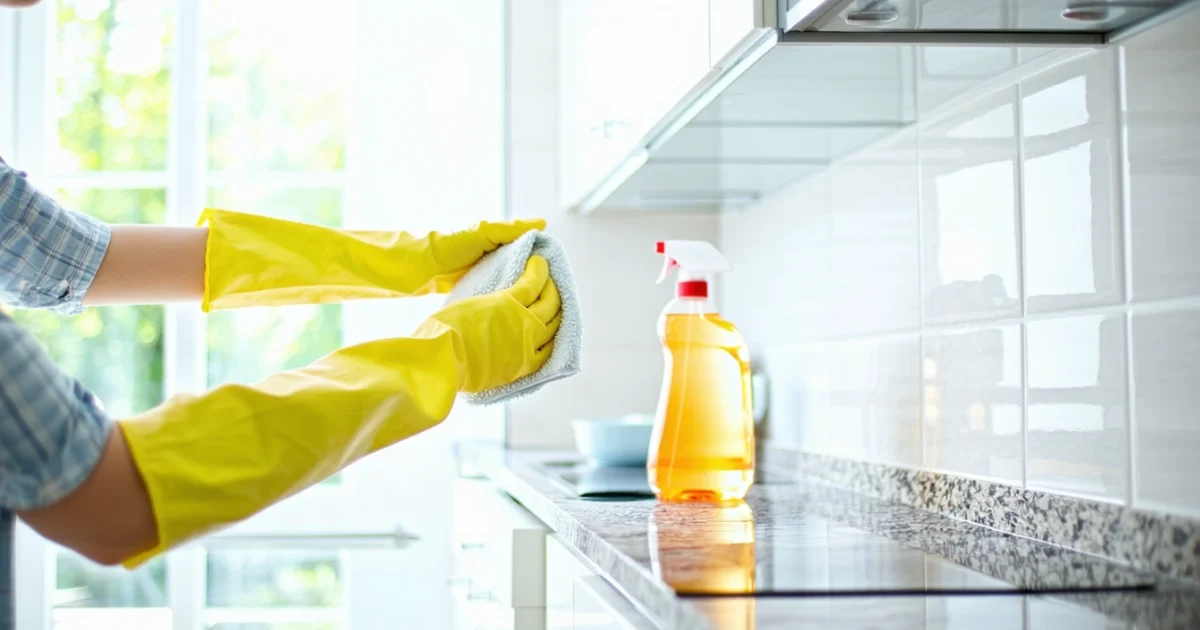
How to remove grease from kitchen cabinets effectively requires the right combination of household cleaning solutions and proper techniques. Kitchen cabinets accumulate grease from cooking vapours, oil splashing, and food handling, creating sticky buildup that attracts dirt and becomes increasingly difficult to clean over time. Most grease can be removed using simple ingredients like dish soap, white vinegar, and baking soda, though the cleaning approach varies depending on your cabinet material.
Different cabinet surfaces require specific care to avoid damage during cleaning. Furthermore, wood cabinets need gentle treatment to preserve their finish, while laminate and painted surfaces can handle slightly more aggressive cleaning methods. Regular maintenance prevents heavy grease accumulation and extends your cabinets’ lifespan.
The key to successful grease removal lies in understanding which cleaning solution works best for your specific situation. Additionally, proper technique ensures you remove grease without damaging cabinet finishes or leaving streaky residue behind.
TL;DR
- Dish soap and warm water removes most kitchen cabinet grease effectively and safely
- White vinegar solution tackles stubborn grease, while baking soda paste handles heavy buildup
- Different cabinet materials (wood, laminate, painted) require specific cleaning approaches to prevent damage
- Regular cleaning and proper kitchen ventilation prevent excessive grease accumulation
Understanding Grease Buildup on Kitchen Cabinets
Grease accumulation on kitchen cabinets occurs through multiple pathways during everyday cooking activities. Cooking vapours rise from stovetops and ovens, carrying microscopic grease particles that settle on cabinet surfaces throughout your kitchen. Additionally, oil splashing from frying pans and saucepans creates direct grease deposits on nearby cabinet doors and drawers.
Food handling contributes significantly to grease buildup, particularly around cabinet handles and knobs. Moreover, your hands transfer oils from cooking ingredients, creating sticky residue that attracts additional dirt and debris over time. Steam from boiling water also carries grease particles upward, coating upper cabinets with a thin film of oily residue.
Why Grease Becomes Sticky and Difficult to Remove
Grease adheres to cabinet surfaces through a process called polymerisation, where oil molecules bond together and harden over time. Heat accelerates this chemical reaction, causing liquid grease to transform into a sticky, semi-solid coating that bonds firmly to cabinet finishes. Consequently, fresh grease deposits become increasingly difficult to remove as they age and cure.
Dust and airborne particles stick to greasy surfaces, creating a compound layer that protects the underlying grease from casual cleaning attempts. Furthermore, repeated exposure to cooking heat causes this buildup to become more tenacious, requiring stronger cleaning solutions and more aggressive techniques for effective removal.
Cabinet Materials and Grease Susceptibility
| Cabinet Material | Grease Susceptibility | Cleaning Considerations |
|---|---|---|
| Natural Wood | High absorption | Requires gentle, oil-safe cleaners |
| Painted Wood | Medium resistance | Can handle stronger degreasers |
| Laminate | Low absorption | Most cleaning solutions safe |
| Thermofoil | Very low absorption | Easy to clean, heat-sensitive |
Natural wood cabinets absorb grease into their porous surface, making complete removal challenging without proper wood-safe degreasers. Painted cabinet surfaces resist grease penetration better but can suffer finish damage from harsh chemical cleaners. Glass surfaces near cabinets often show similar grease patterns and require coordinated cleaning approaches.
Laminate and thermofoil cabinets offer superior grease resistance due to their non-porous surfaces. However, these materials can still accumulate sticky buildup in textured areas and around hardware mounting points where grease settles into crevices.
Signs Your Cabinets Need Degreasing
- Sticky texture when touching cabinet surfaces, particularly around handles
- Discolouration appearing as yellow or brown staining on light-coloured cabinets
- Dust adherence creating visible buildup that doesn’t remove with dry wiping
- Odour retention where cooking smells linger on cabinet surfaces
- Streaky appearance after routine cleaning attempts fail to restore shine
Professional cleaning becomes necessary when standard household cleaners no longer remove grease effectively. Additionally, cabinet hardware may require removal for thorough degreasing when buildup accumulates in mounting areas and hinge mechanisms.
Regular inspection helps identify grease problems before they become severe cleaning challenges. Therefore, checking cabinet surfaces weekly allows you to address accumulation promptly and maintain your kitchen’s appearance with minimal effort.
Essential Supplies and Tools for Grease Removal
Successful grease removal requires the right combination of supplies and tools to tackle different types of buildup effectively. Moreover, having proper equipment prevents damage to cabinet surfaces while ensuring thorough cleaning results.
Basic Household Items for Degreasing
Dish soap serves as the foundation for most grease removal solutions due to its surfactant properties that break down oil molecules. Furthermore, concentrated washing-up liquid creates powerful degreasing action when mixed with warm water in proper ratios.
White vinegar provides natural degreasing power through its acetic acid content that dissolves grease buildup. Additionally, vinegar neutralises alkaline residues left by other cleaning products while leaving surfaces streak-free.
Baking soda acts as both an abrasive agent and alkaline degreaser that lifts stubborn grease from cabinet surfaces. Consequently, this versatile powder creates paste-like solutions when mixed with water for targeted cleaning applications.
Warm water enhances the effectiveness of all degreasing agents by helping dissolve grease molecules and improving cleaning solution penetration. Therefore, water temperature between 40-50°C optimises cleaning performance without damaging cabinet finishes.
Essential Cleaning Tools
Microfibre cloths capture grease particles effectively while preventing scratches on delicate cabinet surfaces. Similarly, these specialised fabrics hold cleaning solutions better than traditional cloths, extending working time during cleaning sessions.
Soft-bristled brushes reach into textured surfaces and detailed areas where grease accumulates in kitchen cabinets. However, natural bristle brushes work best for delicate finishes, while synthetic bristles handle tougher cleaning tasks on durable surfaces.
Spray bottles provide controlled application of cleaning solutions and prevent oversaturation of cabinet surfaces. Additionally, adjustable nozzles allow you to switch between fine mist and direct stream application depending on cleaning requirements.
| Tool Type | Best Use | Surface Compatibility |
|---|---|---|
| Microfibre cloth | General wiping and polishing | All cabinet surfaces |
| Soft brush | Detailed areas and grooves | Wood, laminate, painted |
| Spray bottle | Solution application | Universal |
| Plastic scraper | Thick grease removal | Non-delicate surfaces |
Commercial Degreasers and Applications
Commercial kitchen degreasers contain concentrated surfactants and solvents designed for heavy-duty grease removal. Nevertheless, these products require careful selection based on cabinet material compatibility and ventilation requirements during use.
Professional-grade degreasers work best for severe grease accumulation that household items cannot remove effectively. Furthermore, these products often require dilution according to manufacturer specifications to prevent surface damage while maintaining cleaning power.
Alkaline degreasers excel at removing cooking oil buildup but may damage certain finishes if left on surfaces too long. Conversely, solvent-based cleaners penetrate grease quickly but require immediate ventilation and careful handling to ensure safety.
When selecting commercial products, always test them on inconspicuous areas first to verify compatibility with your cabinet finish. Additionally, reading product labels helps identify which degreasers work best for specific grease types and surface materials found in your kitchen.
Safety Equipment and Precautions
Rubber gloves protect your hands from harsh cleaning chemicals and prevent skin irritation during extended cleaning sessions. Moreover, nitrile gloves offer superior chemical resistance compared to latex alternatives when working with commercial degreasers.
Eye protection becomes essential when using spray cleaners or working overhead where cleaning solutions might drip. Therefore, safety glasses prevent accidental contact with degreasing chemicals that could cause eye irritation or injury.
Proper ventilation ensures safe air quality when using commercial degreasers or strong cleaning solutions indoors. Consequently, opening windows and running exhaust fans removes chemical vapours and prevents respiratory irritation during cleaning activities.
Keep cleaning supplies away from heat sources and ensure adequate lighting for safe cabinet cleaning. Additionally, having a first aid kit nearby provides peace of mind when working with potentially hazardous cleaning chemicals in your kitchen environment.
Step-by-Step Grease Removal Methods
Dish Soap and Warm Water Solution Technique
The dish soap and warm water method provides the most effective general approach for removing kitchen cabinet grease. First, mix two tablespoons of washing-up liquid with one litre of warm water in a clean bowl or bucket.
Dip a microfibre cloth into the soapy solution and wring out excess water to prevent dripping. Next, wipe cabinet surfaces using circular motions, working from top to bottom to avoid recontaminating cleaned areas.
This gentle degreasing technique dissolves cooking oils and food residues without damaging cabinet finishes. Furthermore, the warm water temperature activates the soap’s grease-cutting properties while remaining safe for most cabinet materials.
White Vinegar and Water Mixture for Stubborn Grease
When standard soap solutions fail to remove persistent grease buildup, white vinegar offers enhanced cleaning power. Therefore, combine equal parts white vinegar and warm water in a spray bottle for easy application.
Spray the vinegar solution directly onto greasy areas and allow it to sit for five minutes before wiping. The acetic acid in vinegar breaks down stubborn grease molecules while naturally disinfecting cabinet surfaces.
However, avoid using vinegar on natural stone or marble cabinet accents, as acid can cause permanent etching damage. Additionally, test this solution on inconspicuous areas first to ensure compatibility with your cabinet finish.
Baking Soda Paste Application for Heavy Buildup
Baking soda paste tackles heavy grease accumulation that resists liquid cleaning solutions. Mix three parts baking soda with one part water to create a thick, spreadable paste consistency.
Apply the paste generously to heavily soiled areas using a soft brush or cloth. Then, allow the alkaline paste to work for 15-20 minutes before scrubbing gently in circular motions.
The abrasive action of baking soda particles physically removes embedded grease while neutralising acidic food residues. Consequently, this method proves particularly effective around cooker hoods and cabinet handles where grease accumulates most heavily.
Commercial Degreaser Application Process
Commercial kitchen degreasers provide maximum cleaning power for extreme grease situations. First, ensure adequate ventilation by opening windows and activating exhaust fans before beginning the degreasing process.
Spray the commercial degreaser according to manufacturer instructions, typically maintaining a 6-inch distance from cabinet surfaces. Moreover, allow the product to penetrate grease for the recommended contact time, usually between 30 seconds and 2 minutes.
Work systematically across cabinet surfaces, cleaning one section completely before moving to the next area. This approach prevents the degreaser from remaining on surfaces too long, which could damage cabinet finishes or leave residue marks.
Proper Wiping and Rinsing Techniques to Avoid Streaking
Streak-free results depend on proper wiping techniques and thorough rinsing after degreasing treatments. Use clean, lint-free cloths for each cleaning stage to prevent cross-contamination between dirty and clean surfaces.
Rinse all cleaning solutions completely with a damp cloth, followed immediately by drying with a separate clean towel. Additionally, work in small sections to prevent cleaning solutions from drying on cabinet surfaces before removal.
The final buffing step using a dry microfibre cloth eliminates water spots and restores the cabinet’s natural shine. Similarly to cleaning shower glass surfaces, proper drying technique prevents mineral deposits and ensures professional-looking results on your kitchen cabinets.
Cabinet Material-Specific Cleaning Approaches
Different cabinet materials require tailored cleaning approaches to effectively remove grease while preserving their structural integrity and appearance. Understanding your cabinet’s specific material composition determines which cleaning methods and products will deliver optimal results without causing damage.
Wood Cabinets: Gentle Cleaning to Preserve Finish and Grain
Wood cabinets demand the gentlest cleaning approach to maintain their natural beauty and protective finish. Start with a mild dish soap solution using 1 teaspoon of soap per cup of warm water to create an effective yet safe cleaning mixture.
Apply the solution sparingly using a slightly damp microfibre cloth, working in the direction of the wood grain. Furthermore, avoid excessive moisture that can penetrate wood pores and cause warping, swelling, or finish damage over time.
For stubborn grease deposits on wood surfaces, create a paste using baking soda and water in a 3:1 ratio. Gently rub this natural abrasive along the grain direction, then immediately wipe clean with a damp cloth followed by thorough drying.
Laminate Cabinets: Safe Cleaning Without Damaging Surface Coating
Laminate surfaces offer excellent grease resistance but require careful cleaning to prevent delamination or surface scratching. Use warm water mixed with white vinegar in equal proportions for effective grease dissolution without harsh chemical damage.
Avoid abrasive cleaners, steel wool, or scouring pads that can scratch the laminate’s protective coating. Instead, employ soft cloths or sponges for gentle cleaning action that removes grease buildup while maintaining surface integrity.
Commercial all-purpose cleaners work effectively on laminate cabinets, but always test in an inconspicuous area first. Additionally, ensure complete rinsing after cleaning to prevent residue buildup that can attract future grease deposits.
Painted Cabinets: Maintaining Paint Integrity While Removing Grease
Painted cabinet surfaces require balanced cleaning that removes grease without compromising paint adhesion or colour vibrancy. Begin with the mildest approach using warm water and a few drops of gentle dish soap.
For persistent grease stains on painted surfaces, mix 2 tablespoons of baking soda with 1 cup of warm water to create an alkaline solution that cuts through grease effectively. This natural approach prevents paint damage while providing sufficient cleaning power.
Avoid ammonia-based cleaners or harsh degreasers that can cause paint to fade, chip, or peel over time. Similarly, limit scrubbing pressure to prevent paint abrasion, especially on older painted surfaces that may have reduced durability.
Glass-Front Cabinets: Streak-Free Cleaning Methods
Glass cabinet doors present unique challenges as grease fingerprints and cooking residues become highly visible on transparent surfaces. Create an effective glass cleaner using 1 part white vinegar to 3 parts distilled water for streak-free results.
Spray the vinegar solution onto glass surfaces and wipe immediately with a lint-free cloth using horizontal then vertical motions. This cross-pattern technique ensures complete coverage while preventing streak formation that can occur with circular wiping motions.
For heavy grease buildup on glass doors, apply the cleaning solution and allow 30 seconds contact time before wiping. Subsequently, buff dry with a clean microfibre cloth to achieve crystal-clear transparency without water spots or cleaning residue.
Commercial glass cleaners also work effectively, but ensure they’re ammonia-free if your cabinets have metal frames that could suffer corrosion damage. Professional cleaning techniques for glass surfaces deliver consistently superior results compared to standard household cleaning methods.
Cleaning Cabinet Hardware and Details
Cabinet hardware accumulates grease buildup more rapidly than door surfaces due to frequent handling and proximity to cooking areas. Handles, knobs, and hinges require targeted cleaning approaches that address both visible grease deposits and hidden accumulation in crevices.
Removing Grease from Handles, Knobs, and Hinges
Create a concentrated degreasing solution using 2 tablespoons dish soap mixed with 1 cup warm water for effective hardware cleaning. This mixture penetrates grease layers while remaining gentle enough for most metal finishes including brass, chrome, and stainless steel.
Apply the solution using a soft-bristled toothbrush to scrub around knob bases, handle mounting points, and hinge pins where grease typically concentrates. Circular scrubbing motions help dislodge stubborn deposits without scratching decorative finishes or protective coatings.
For heavily greased hardware, spray the cleaning solution and allow 2-3 minutes contact time before scrubbing. This dwell time softens hardened grease deposits, making removal significantly easier while reducing the scrubbing effort required.
Cleaning Cabinet Interior Surfaces and Shelves
Interior cabinet surfaces trap cooking vapours and grease particles that settle on shelves, walls, and corners over time. Remove all items from cabinets before cleaning to ensure complete access to all interior surfaces.
Wipe down shelves using a microfibre cloth dampened with white vinegar solution (1:1 ratio with water) to cut through grease while eliminating odours. Pay particular attention to shelf edges and support brackets where grease accumulation occurs most frequently.
Clean cabinet walls from top to bottom using overlapping strokes to prevent dripping and ensure complete coverage. Additionally, vacuum loose debris from shelf holes and adjustment slots before applying liquid cleaners to prevent mud-like residue formation.
Addressing Grease in Cabinet Grooves and Decorative Details
Decorative grooves and raised panel details create grease traps that standard wiping cannot reach effectively. Use cotton swabs dipped in degreasing solution to clean these intricate areas thoroughly.
For deeper grooves, wrap a thin cloth around a plastic knife or credit card edge to create a custom cleaning tool. This technique allows precise cleaning of narrow channels while protecting surrounding surfaces from scratching or damage.
Compressed air can dislodge loose debris from detailed areas before applying cleaning solutions. However, ensure adequate ventilation when using compressed air to prevent debris from settling on nearby clean surfaces.
When to Remove Hardware for Thorough Cleaning
Remove cabinet hardware when grease buildup extends behind mounting plates or when standard cleaning methods fail to achieve satisfactory results. This intensive approach allows complete degreasing of all hardware surfaces and mounting areas.
Photograph hardware placement before removal to ensure correct reinstallation positioning. Furthermore, store screws and small components in labelled containers to prevent loss during the cleaning process.
Soak removed hardware in warm, soapy water for 15-20 minutes to soften stubborn grease deposits. Consequently, this soaking period reduces scrubbing time while achieving superior cleaning results compared to surface-only cleaning methods.
Professional cleaning services often recommend hardware removal for deep cleaning projects where comprehensive degreasing takes priority over convenience. This thorough approach ensures optimal results for heavily soiled cabinet hardware systems.
Prevention and Maintenance Strategies
Prevention strategies significantly reduce the frequency and intensity of cabinet degreasing sessions. Moreover, implementing consistent maintenance routines prevents heavy grease accumulation that requires aggressive cleaning methods and potentially damages cabinet finishes.
Establishing a Regular Cleaning Schedule
Weekly light cleaning prevents grease from bonding permanently to cabinet surfaces. Additionally, this preventive approach maintains cabinet appearance while reducing deep cleaning requirements throughout the year.
Daily spot cleaning addresses fresh grease splatters before they harden and spread. Fresh grease removes easily with simple soap solutions, whereas aged deposits require stronger degreasers and intensive scrubbing techniques.
- Daily: Wipe visible splatters immediately after cooking
- Weekly: Clean cabinet fronts with mild degreasing solution
- Monthly: Deep clean handles, hinges, and detailed areas
- Quarterly: Inspect and clean cabinet interiors thoroughly
Kitchen Ventilation Improvements
Proper ventilation systems dramatically reduce airborne grease circulation throughout kitchen spaces. Furthermore, effective ventilation prevents grease particles from settling on cabinet surfaces during cooking activities.
Range hood efficiency depends on proper sizing relative to cooktop dimensions and adequate CFM ratings for kitchen volume. Consequently, undersized ventilation systems allow grease-laden air to circulate freely, increasing cabinet contamination rates significantly.
Regular filter maintenance ensures optimal ventilation performance while preventing grease recirculation. Similarly, maintaining clean cooking surfaces reduces grease splatter that contributes to airborne contamination.
Professional ventilation assessments identify inadequate airflow patterns that contribute to excessive cabinet soiling. Therefore, upgrading ventilation capacity provides long-term benefits that outweigh initial installation costs through reduced cleaning requirements.
Protective Measures During Cooking
Splatter screens effectively contain grease during high-heat cooking methods like frying and searing. Moreover, these protective barriers reduce cabinet contamination by up to 70% when used consistently during grease-producing cooking activities.
Lower cooking temperatures reduce grease volatilisation and subsequent airborne dispersion throughout kitchen areas. Additionally, covering pans during cooking minimises splatter while maintaining cooking efficiency and food quality standards.
Strategic placement of temporary protective coverings shields nearby cabinets during intensive cooking sessions. For instance, lightweight plastic sheeting provides temporary protection during deep-frying or other high-splatter cooking methods.
Quick Daily Maintenance for Busy Households
Microfiber cloths capture grease effectively during quick daily wipe-downs without requiring cleaning solutions. Furthermore, these cloths prevent grease redistribution that occurs with traditional cotton cleaning materials.
Two-minute maintenance routines prevent major cleaning projects while fitting seamlessly into busy household schedules. Consequently, consistent brief cleaning sessions maintain cabinet appearance more effectively than infrequent intensive cleaning marathons.
| Task | Time Required | Frequency |
|---|---|---|
| Spot clean visible splatters | 30 seconds | After each cooking session |
| Wipe cabinet handles | 1 minute | Daily |
| Quick surface dust | 2 minutes | Every 2-3 days |
Keep cleaning supplies readily accessible near cooking areas to encourage consistent maintenance habits. Similarly, pre-moistened cleaning wipes provide convenient solutions for immediate grease removal without preparation time requirements.
Establishing cleaning routines immediately after cooking sessions prevents grease from cooling and hardening on cabinet surfaces. Therefore, this timing strategy maximises cleaning efficiency while minimising effort required for grease removal.
Troubleshooting Common Cleaning Challenges
Even with proper techniques, stubborn grease stains occasionally resist standard cleaning methods. However, these challenging situations require strategic approaches rather than aggressive scrubbing that damages cabinet surfaces.
Dealing with Extremely Stubborn or Old Grease Stains
Old grease deposits polymerise over time, creating hardened layers that standard degreasers cannot penetrate effectively. Consequently, these aged stains require gradual softening through repeated applications of warm cleaning solutions rather than single intensive treatments.
Heat activation enhances cleaning solution effectiveness against polymerised grease significantly. Therefore, applying warm (not hot) cleaning solutions and allowing 15-20 minute contact time softens stubborn deposits before gentle removal attempts.
- Apply cleaning solution generously to saturate the stain completely
- Cover treated areas with plastic wrap to prevent evaporation
- Allow extended contact time for chemical penetration
- Use plastic scrapers for gentle mechanical removal
- Repeat process multiple times rather than increasing solution strength
Commercial enzyme cleaners break down protein-based cooking residues that traditional degreasers cannot dissolve. Additionally, these biological cleaners work continuously over several hours, making them ideal for overnight treatment of persistent stains.
Avoiding Damage to Cabinet Finishes During Aggressive Cleaning
Cabinet finishes vary significantly in durability and chemical resistance across different materials and manufacturers. Moreover, aggressive cleaning attempts often cause permanent damage that exceeds the cost of professional restoration services.
Test cleaning solutions on inconspicuous areas before applying to visible cabinet surfaces. Furthermore, this precautionary step reveals potential adverse reactions without compromising the overall cabinet appearance.
| Cabinet Finish | Safe Cleaning Method | Avoid These Products |
|---|---|---|
| Painted surfaces | Mild soap solutions | Abrasive cleaners, ammonia |
| Wood veneer | Wood-specific cleaners | Water-based solutions, bleach |
| Laminate | Gentle degreasers | Acetone, strong solvents |
| Stained wood | Mineral spirits | Water, alkaline cleaners |
Mechanical damage occurs when excessive pressure removes protective topcoats along with grease deposits. Subsequently, exposed substrate materials become vulnerable to moisture damage and permanent staining from future cooking activities.
Addressing Discolouration or Sticky Residue After Cleaning
Cleaning residue creates sticky surfaces that attract dirt and grease more rapidly than properly cleaned cabinets. However, thorough rinsing with clean water removes soap residues that cause this problematic stickiness.
Discolouration often results from chemical reactions between cleaning products and cabinet finishes rather than incomplete grease removal. Therefore, identifying the specific cause determines the appropriate restoration approach.
White residue indicates soap film buildup from insufficient rinsing during previous cleaning sessions. Additionally, this residue dissolves readily with white vinegar solutions followed by thorough water rinsing and immediate drying.
Dark discolouration suggests chemical damage to cabinet finishes that requires professional assessment. Consequently, attempting further cleaning often worsens the damage and increases restoration costs significantly.
When to Consider Professional Cabinet Restoration Services
Professional restoration becomes cost-effective when cleaning damage exceeds 20% of cabinet surface area or affects highly visible areas. Furthermore, professionals possess specialised equipment and materials unavailable to homeowners for complex restoration projects.
Multiple failed cleaning attempts often indicate underlying problems that require professional diagnosis and treatment. Moreover, continued DIY efforts typically worsen existing damage and increase final restoration costs substantially.
Professional cabinet restoration costs 60-80% less than complete cabinet replacement while achieving comparable aesthetic results.
Consider professional services when cabinets show structural damage, extensive finish deterioration, or require colour matching for partial repairs. Similarly, valuable antique or custom cabinets warrant professional attention to preserve their investment value and historical significance.
Professional assessment helps homeowners understand whether restoration provides better value than replacement for their specific situation. Therefore, obtaining multiple professional opinions ensures informed decision-making about cabinet maintenance investments.
Frequently Asked Questions
How often should I clean grease from my kitchen cabinets?
You should clean kitchen cabinets weekly for light maintenance and perform a thorough grease removal monthly. High-use areas near the hob may require more frequent attention. Regular cleaning prevents heavy buildup that becomes increasingly difficult to remove over time.
What's the safest homemade cleaner for removing grease from wood cabinets?
Mix warm water with a few drops of gentle dish soap for the safest approach to wood cabinets. Avoid vinegar or harsh chemicals that can damage wood finishes. Always test any cleaner on an inconspicuous area first and dry immediately after cleaning.
Can I use white vinegar on all types of kitchen cabinets?
No, white vinegar is not suitable for all cabinet types. Avoid vinegar on natural wood cabinets as it can damage the finish. It’s safe for laminate and painted surfaces when properly diluted (1:1 ratio with water), but always test first.
Why does grease keep coming back even after thorough cleaning?
Grease returns quickly due to inadequate kitchen ventilation and incomplete removal during cleaning. Ensure your extractor fan works properly and consider upgrading if cooking vapours aren’t being effectively removed. Also, residual cleaning product can attract new grease deposits.
What should I avoid when cleaning greasy kitchen cabinets?
- Abrasive scrubbers that can scratch cabinet finishes
- Bleach or ammonia-based cleaners that may discolour surfaces
- Excessive water that can warp wood or damage joints
- Steel wool or harsh brushes on painted or laminate surfaces
How do I remove really stubborn, old grease buildup?
For heavy, old grease, create a paste using baking soda and water. Apply to the affected area, let it sit for 15-20 minutes, then gently scrub with a soft cloth. For extremely stubborn buildup, use a plastic scraper to carefully remove the softened grease before cleaning.
Should I remove cabinet doors when deep cleaning grease?
Removing cabinet doors isn’t necessary for routine grease cleaning, but it can be helpful for annual deep cleaning or when dealing with severe buildup. This allows better access to hinges and door edges where grease accumulates. Take photos before removal to ensure proper reinstallation.
How can I prevent grease buildup on my kitchen cabinets?
- Use your extractor fan during and after cooking
- Wipe cabinet surfaces weekly with a damp cloth
- Install splashbacks behind hobs and preparation areas
- Clean spills immediately before they set
- Consider cabinet door protectors near high-grease cooking areas
You May Also Like
How to Clean a Sink Drain: Complete Step-by-Step Guide
How to Deep Clean Your Kitchen: Complete Step-by-Step Guide