Is It Legal to Clean Gravestones in the UK? Laws & Permissions

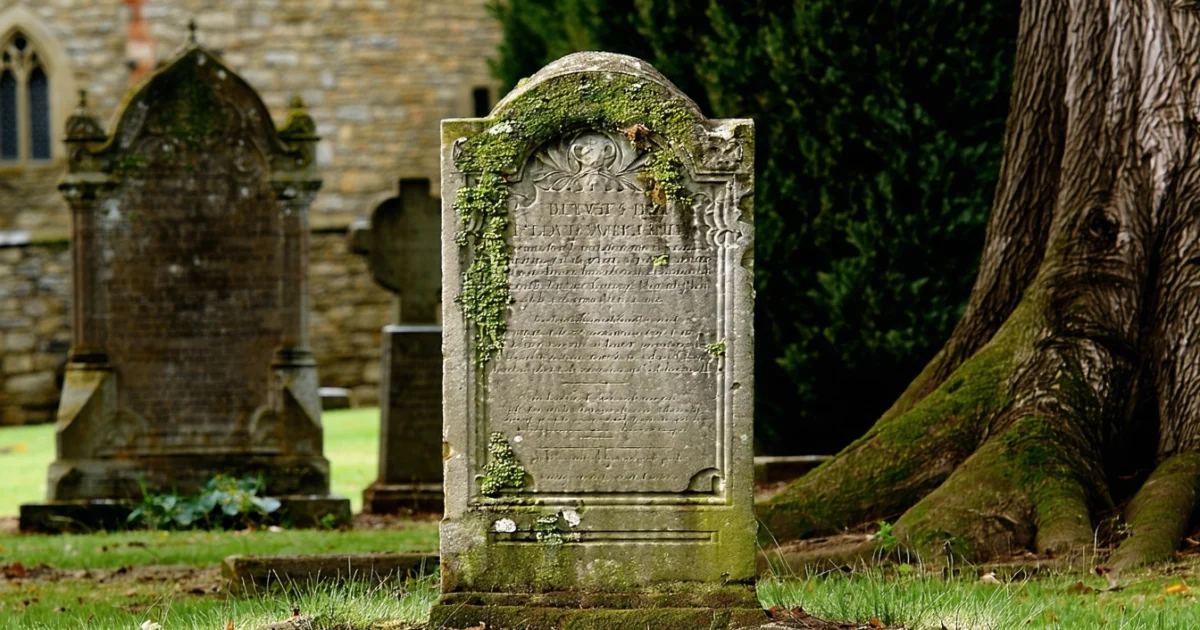
Is it legal to clean gravestones in the UK? Yes, but it requires proper permission from cemetery authorities or church officials, and strict adherence to heritage protection laws. The legality depends on whether the gravestone is in a public cemetery, private churchyard, or protected heritage site.
Cleaning gravestones without authorization can result in criminal charges and hefty fines under UK heritage legislation. Furthermore, using inappropriate cleaning methods may constitute criminal damage, even with good intentions.
The legal framework varies significantly between Church of England churchyards, which require faculty jurisdiction approval, and local authority cemeteries with their own bylaws. Additionally, historic gravestones may need listed building consent or conservation area permissions before any cleaning work begins.
TL;DR
- Gravestone cleaning requires permission from cemetery authorities or church officials in most cases
- Heritage protection laws apply to historic gravestones, requiring special consent for cleaning
- Unauthorized cleaning can result in criminal charges and significant financial penalties
- Legal requirements vary between public cemeteries, private churchyards, and protected heritage sites
Legal Framework for Gravestone Cleaning in the UK
The UK legal framework governing gravestone cleaning operates through multiple layers of legislation and regulation. Consequently, the Burial Act 1857 establishes fundamental principles for cemetery management, while the Care of Cathedrals Measure 2011 and Ecclesiastical Jurisdiction and Care of Churches Measure 2018 regulate church property maintenance.
Moreover, the Planning (Listed Buildings and Conservation Areas) Act 1990 provides heritage protection for historic gravestones. This legislation requires listed building consent for any work affecting Grade I, II*, or II listed monuments, including cleaning activities that might alter their appearance or fabric.
Public Cemeteries vs Private Churchyards
Public cemeteries operate under local authority bylaws established through the Local Government Act 1972. These facilities typically require written permission from the burial authority before any gravestone maintenance begins. Additionally, most councils maintain specific regulations about approved cleaning methods and materials.
Conversely, private churchyards fall under ecclesiastical jurisdiction governed by the Church of England or other religious denominations. The Faculty Jurisdiction Rules 2015 require formal faculty approval for significant gravestone work, while minor maintenance may proceed under the List A permissions framework.
| Cemetery Type | Governing Authority | Permission Required | Key Legislation |
|---|---|---|---|
| Public Cemetery | Local Authority | Burial Authority Consent | Local Government Act 1972 |
| Church of England Churchyard | Diocesan Authority | Faculty or List A | Faculty Jurisdiction Rules 2015 |
| Private Religious Ground | Religious Organisation | Denominational Approval | Varies by Faith |
Heritage Protection Laws
Historic England administers heritage protection through the Ancient Monuments and Archaeological Areas Act 1979 and related legislation. Scheduled monuments receive the highest protection level, requiring scheduled monument consent for any alterations, including cleaning procedures.
Furthermore, gravestones within conservation areas need conservation area consent for significant alterations under the Planning Act. The National Heritage Act 2002 also empowers Historic England to issue heritage partnership agreements that streamline consent processes for routine maintenance.
Importantly, the Treasure Act 1996 applies when cleaning reveals archaeological finds or historical artifacts. Historic England guidance emphasizes that even well-intentioned cleaning can constitute criminal damage without proper authorization.
Local Authority Bylaws and Cemetery Regulations
Local authority bylaws establish specific rules for cemetery operations under the Public Health Act 1984 and Local Government Act 1972. These regulations typically prohibit unauthorized grave maintenance and specify approved cleaning materials and techniques.
Additionally, cemetery-specific regulations often include restrictions on cleaning times, required insurance coverage, and mandatory consultation with cemetery staff. Many authorities require risk assessments and method statements before permitting any gravestone cleaning activities.
Finally, the Health and Safety at Work Act 1974 applies to all cemetery maintenance activities. This legislation requires proper safety measures, appropriate personal protective equipment, and compliance with COSHH regulations when using cleaning chemicals or equipment.
Permission Requirements and Ownership Rights
Understanding gravestone ownership and permission requirements forms the foundation of legal cemetery maintenance. Burial plot ownership typically belongs to the person who purchased the exclusive right of burial, creating a complex relationship between grave owners, cemetery authorities, and family members.
In most cases, the grave owner holds legal responsibility for gravestone maintenance and cleaning decisions. However, cemetery management retains authority over maintenance methods, safety standards, and operational procedures within their grounds.
Legal Ownership of Gravestones and Burial Plots
The deed holder or their designated representative owns both the burial plot and any installed memorials. Consequently, this ownership transfers through inheritance or specific legal arrangements outlined in wills or probate proceedings.
Cemetery authorities maintain management responsibilities for overall site safety, access control, and compliance with health regulations. Nevertheless, they cannot authorize gravestone cleaning without proper owner consent or legal authority.
Cemetery Authority Permission Requirements
Most cemetery authorities require written permission before any cleaning activities commence. Additionally, they typically mandate insurance coverage, risk assessments, and compliance with approved cleaning methods.
Permission becomes essential when using mechanical equipment, chemical cleaning agents, or accessing restricted cemetery areas. Furthermore, many authorities specify permitted cleaning hours and require advance notification of maintenance activities.
Church of England Faculty Jurisdiction
Church of England churchyards operate under ecclesiastical law requiring faculty permission for gravestone alterations or cleaning. The Diocesan Advisory Committee reviews applications and provides guidance on appropriate conservation techniques.
Faculty jurisdiction extends to all memorial maintenance within consecrated grounds. Therefore, unauthorized cleaning in churchyards may constitute ecclesiastical offenses subject to church court proceedings.
Family Member Rights and Responsibilities
Family members possess rights to maintain ancestral graves when they can demonstrate legitimate interest and obtain proper permissions. However, these rights remain subject to cemetery regulations and owner consent requirements.
Importantly, family maintenance rights do not override cemetery authority jurisdiction or heritage protection requirements. Always verify ownership status and obtain written permission before undertaking any gravestone cleaning activities, regardless of family connections to the deceased.
Heritage and Conservation Considerations
Historic gravestones receive protection under various heritage designations that significantly impact cleaning permissions. Listed building consent becomes mandatory for any maintenance work on Grade I and Grade II* listed memorials, regardless of the cleaning method employed. Consequently, unauthorized cleaning of protected monuments constitutes a criminal offense under the Planning (Listed Buildings and Conservation Areas) Act 1990.
Conservation areas impose additional restrictions on gravestone maintenance activities within their boundaries. Local planning authorities designate these areas to preserve architectural and historic character, thereby requiring conservation area consent for memorial alterations. Moreover, scheduled monuments receive the highest level of protection, making any unauthorized work a serious offense under the Ancient Monuments and Archaeological Areas Act 1979.
Listed Churchyard Regulations
Grade I listed churchyards contain monuments of exceptional national importance requiring specialist conservation approaches. These sites demand detailed method statements and often necessitate professional conservator involvement before any cleaning commences. Similarly, Grade II* listed memorials represent particularly important examples requiring careful assessment and appropriate treatment protocols.
Heritage designations frequently overlap, creating complex regulatory frameworks for gravestone maintenance. For instance, a Grade II listed memorial within a conservation area requires multiple consent processes and adherence to strict conservation principles throughout any cleaning activities.
Diocesan Advisory Committee Processes
The Diocesan Advisory Committee (DAC) provides expert guidance on churchyard conservation matters and reviews faculty applications for memorial maintenance. Committee members include archaeologists, architects, and conservation specialists who assess proposed cleaning methods against heritage preservation standards. Furthermore, the DAC consultation process typically requires detailed documentation of existing memorial condition and proposed treatment approaches.
Faculty applications must demonstrate that proposed cleaning methods will not damage historic fabric or compromise archaeological significance. The committee particularly scrutinizes chemical cleaning proposals and mechanical intervention techniques that could cause irreversible harm to heritage assets.
National Heritage Guidelines
Historic England publishes comprehensive guidance on churchyard conservation emphasizing minimal intervention principles and reversible treatment methods. Their technical advice notes specifically address gravestone cleaning techniques and highlight potential risks associated with inappropriate maintenance approaches. Additionally, Historic Environment Scotland provides parallel guidance for Scottish heritage sites, emphasizing similar conservation philosophies and protective measures.
Both organizations recommend professional assessment before cleaning historic memorials and advocate for gentle, water-based cleaning methods over chemical or abrasive techniques. They emphasize that conservation aims to stabilize existing conditions rather than restore memorials to original appearance, particularly when such restoration might compromise historic authenticity or material integrity.
Approved Cleaning Methods and Restrictions
Professional conservators distinguish between acceptable cleaning techniques and prohibited methods based on stone composition and memorial age. Different gravestone materials require specific cleaning approaches that preserve structural integrity while removing biological growth and surface deposits. Moreover, conservation standards prioritize reversible treatments that cause minimal intervention to historic fabric.
Permitted Cleaning Techniques by Stone Type
Limestone and sandstone memorials respond well to gentle water cleaning using soft-bristled brushes and low-pressure rinsing. These sedimentary stones require careful moisture control to prevent water penetration that could cause freeze-thaw damage. Additionally, biological cleaning using D/2 Biological Solution provides effective lichen removal without chemical damage to porous stone surfaces.
Granite monuments tolerate slightly more robust cleaning methods due to their dense, non-porous nature. Water cleaning combined with plastic scrapers removes surface deposits effectively, while steam cleaning offers professional-grade results for stubborn staining. However, even granite requires gentle handling to preserve carved inscriptions and decorative elements.
Marble gravestones demand the most cautious cleaning approach because calcium carbonate reacts with acidic substances. Only pH-neutral cleaning solutions should contact marble surfaces, and mechanical cleaning must use extremely soft brushes to prevent scratching. Furthermore, conservation professionals recommend avoiding any cleaning method that might alter the stone’s natural patina or surface texture.
Prohibited Products and Damaging Methods
Household bleach constitutes one of the most damaging cleaning products for gravestone conservation. Sodium hypochlorite penetrates porous stone and continues chemical reactions long after application, causing ongoing deterioration and structural weakening. Similarly, acidic cleaners including vinegar and commercial lime-scale removers dissolve calcium-based stones and create irreversible surface damage.
Pressure washing represents a prohibited cleaning method that forces water into stone cracks and accelerates weathering processes. High-pressure water streams also erode soft stone surfaces and remove original tool marks that contribute to memorial authenticity. Additionally, wire brushes and abrasive cleaning tools create permanent scratches and surface damage that compromise both appearance and structural integrity.
Commercial monument cleaners often contain harsh chemicals that exceed conservation standards for heritage preservation. These products may achieve immediate visual improvement but cause long-term damage through salt crystallization and chemical residue accumulation. Therefore, conservation professionals consistently advise against using any cleaning product not specifically designed for historic stone conservation.
Professional Conservation Standards
The Institute of Conservation (Icon) establishes professional standards requiring comprehensive condition assessment before any cleaning intervention begins. Conservators must document existing damage, identify stone composition, and evaluate environmental factors that might affect cleaning outcomes. These assessments inform treatment decisions and ensure cleaning methods align with preservation objectives rather than cosmetic improvement goals.
Best practice protocols emphasize minimal intervention principles that preserve maximum original material while achieving necessary conservation goals. Professional cleaning typically involves multiple gentle treatments rather than single intensive cleaning sessions that might stress historic stone. Furthermore, conservation documentation requirements ensure all treatments remain traceable and reversible for future conservation needs.
Accredited conservators follow established testing procedures that evaluate cleaning method effectiveness on inconspicuous memorial areas before proceeding with full treatment. These trials identify potential adverse reactions and allow method modification to prevent damage. Additionally, professional conservation includes post-treatment monitoring to assess long-term cleaning effects and inform future maintenance strategies.
When Cleaning Becomes Restoration
Cleaning activities cross into restoration territory when they involve structural repair, inscription re-carving, or surface reconstruction beyond simple deposit removal. Any intervention that alters original stone surfaces or adds new material requires specialist conservation permission and professional oversight. Moreover, attempts to restore weathered inscriptions or repair structural damage typically require faculty jurisdiction approval in consecrated burial grounds.
Professional assessment becomes mandatory when cleaning reveals underlying structural problems such as stone delamination, crack propagation, or foundation instability. These conditions require conservation-grade treatments that exceed routine cleaning scope and demand specialized expertise in historic stone conservation. Additionally, memorials showing signs of previous inappropriate cleaning or restoration need professional evaluation to prevent further deterioration during maintenance activities.
The distinction between cleaning and restoration often depends on treatment reversibility and material preservation rather than visual outcomes. Historic England guidance emphasizes that legitimate cleaning preserves existing material conditions while restoration involves reconstruction or replacement of lost elements. Consequently, any cleaning method that permanently alters stone composition or surface characteristics requires specialist conservation approval and professional implementation.
Legal Consequences and Enforcement
Unauthorized gravestone cleaning constitutes criminal damage under the Criminal Damage Act 1971 when activities alter, deface, or harm memorial structures without proper permission. Furthermore, police authorities can prosecute individuals for criminal trespass when cleaning occurs without cemetery permission or family consent. These criminal charges carry potential fines up to £5,000 and possible imprisonment for serious heritage damage cases.
Additionally, unauthorized cleaners face civil liability for restoration costs when inappropriate cleaning methods damage historic memorials or protected monuments. Property owners can pursue compensation claims for professional conservation treatments required to rectify cleaning damage. Civil courts regularly award damages ranging from £500 to £50,000 depending on memorial significance and restoration complexity required to reverse unauthorized interventions.
Heritage protection legislation imposes statutory penalties for unauthorized work on listed monuments and scheduled ancient monuments within cemetery grounds. Consequently, the Planning (Listed Buildings and Conservation Areas) Act 1990 enables local authorities to issue enforcement notices requiring damage rectification at the offender’s expense. Historic England can also impose stop notices preventing further unauthorized cleaning activities on protected heritage assets.
Cemetery authorities possess extensive enforcement powers including immediate access restrictions, cleaning activity prohibition, and legal action initiation against unauthorized interventions. Moreover, burial ground managers can issue trespass warnings and coordinate with police for criminal prosecution when cleaning activities violate cemetery regulations or cause memorial damage. These enforcement procedures typically begin with written warnings before escalating to formal legal action and potential court proceedings.
Criminal charges for unauthorized gravestone cleaning can result in fines up to £5,000 and potential imprisonment
Local authority planning departments enforce listed building controls through prosecution powers that include unlimited fines for unauthorized alterations to protected memorials. Planning enforcement officers investigate reported cleaning damage and can serve breach of condition notices requiring immediate cessation of harmful activities. These enforcement actions often result in prosecution through magistrates’ courts with significant financial penalties for heritage legislation violations.
Professional conservation standards require Historic England approval for cleaning activities on scheduled monuments and grade-listed memorials within cemetery boundaries. Enforcement procedures include site inspections, photographic evidence collection, and formal investigation processes that can lead to criminal prosecution. Ultimately, the severity of legal consequences depends on memorial significance, damage extent, and whether cleaning activities occurred with proper authorization and professional oversight.
How to Obtain Proper Authorization
Securing proper authorization for gravestone cleaning requires a systematic approach that begins with identifying the memorial’s legal status and ownership. Furthermore, the application process varies significantly depending on whether the gravestone holds listed building status, sits within a conservation area, or forms part of a scheduled monument. Consequently, thorough research prevents costly mistakes and ensures compliance with heritage protection laws.
Step-by-Step Permission Process
The authorization process starts with contacting the cemetery manager or burial ground authority to establish ownership and obtain basic cleaning permission. Subsequently, applicants must determine if the memorial requires additional approvals from Historic England, local planning departments, or diocesan authorities for church graveyards. Additionally, this initial consultation reveals specific restrictions, approved cleaning methods, and professional requirements for the particular memorial.
- Contact cemetery management to confirm memorial ownership and basic permission requirements
- Research heritage designations through Historic England records and local authority listings
- Submit formal application with detailed cleaning methodology and photographic evidence
- Await approval confirmation and any additional conditions or restrictions
- Engage qualified conservation professionals if required by authorization conditions
Planning permission applications for listed memorials require detailed method statements that specify cleaning techniques, materials, and expected outcomes. Moreover, applications must include professional condition assessments, historical research, and photographic documentation of current memorial state. Therefore, comprehensive documentation significantly improves approval chances and demonstrates serious commitment to heritage preservation.
Required Documentation and Applications
Authorization applications demand extensive documentation that proves cleaning necessity, methodology safety, and applicant qualifications. Additionally, listed building consent applications require heritage statements explaining historical significance, condition assessments from qualified conservators, and detailed cleaning specifications. Consequently, incomplete applications face automatic rejection and require resubmission with additional delays and costs.
| Document Type | Required For | Typical Cost |
|---|---|---|
| Heritage Statement | Listed buildings | £500-£1,500 |
| Conservation Report | Scheduled monuments | £800-£2,500 |
| Method Statement | All applications | £200-£600 |
| Photographic Survey | All applications | £150-£400 |
Professional condition surveys form the foundation of successful authorization applications by documenting existing damage, stone composition, and structural integrity. Furthermore, these surveys identify appropriate cleaning methods while highlighting areas requiring special care or professional intervention. Therefore, investing in professional documentation significantly increases approval likelihood and prevents costly application rejections.
Timeframes and Associated Costs
Listed building consent applications typically require 8-13 weeks for processing, while scheduled monument consent can extend to 16-20 weeks depending on complexity and consultation requirements. Additionally, local authority planning departments charge application fees ranging from £206 to £462 for heritage consent applications. Consequently, early application submission prevents project delays and allows adequate time for potential appeals or modifications.
Professional conservation assessments cost between £800-£2,500 but significantly improve authorization success rates
Emergency cleaning applications receive expedited processing when memorials face immediate deterioration risks from biological growth or structural instability. However, emergency procedures still require professional assessment and basic documentation to ensure appropriate cleaning methods. Therefore, emergency applications typically process within 2-4 weeks but incur additional administrative fees and professional consultation costs.
When to Consult Heritage Professionals
Heritage consultation becomes mandatory for Grade I and Grade II* listed memorials, scheduled monuments, and memorials within conservation areas showing significant historical or architectural importance. Moreover, professional conservators provide essential expertise for stone identification, cleaning method selection, and damage risk assessment that authorities require for approval decisions. Consequently, early professional engagement streamlines authorization processes and prevents application delays or rejections.
Accredited conservators registered with the Institute of Conservation (Icon) possess specialized knowledge of historical stone types, traditional construction methods, and appropriate cleaning techniques for heritage memorials. Additionally, their professional reports carry significant weight with planning authorities and Historic England decision-makers. Therefore, professional consultation represents a worthwhile investment that typically ensures successful authorization outcomes.
Complex memorial cleaning projects involving multiple stone types, structural repairs, or inscription restoration always require professional oversight regardless of heritage designation status. Furthermore, professionals identify potential complications, recommend appropriate materials, and provide ongoing supervision that prevents irreversible damage. Ultimately, professional involvement protects both memorial integrity and legal compliance throughout the cleaning process.
Alternative Options When Permission is Denied
Permission denial triggers several alternative approaches including application modification, professional consultation, or formal appeals through planning authority procedures. Additionally, applicants can request detailed feedback explaining rejection reasons and guidance for addressing specific concerns in revised applications. Consequently, most denials result from inadequate documentation rather than fundamental objections to cleaning activities.
Alternative cleaning approaches may satisfy authority concerns while achieving memorial preservation goals through less invasive techniques or phased implementation strategies. Moreover, professional conservators often propose modified methodologies that address authority objections while maintaining cleaning effectiveness. Therefore, collaborative approaches with heritage professionals frequently transform initial rejections into successful approvals through improved application quality.
Formal appeals against permission denials follow established planning procedures through local authority appeals processes or Planning Inspectorate reviews for complex cases. However, appeals require additional legal costs, extended timeframes, and professional representation that can exceed original cleaning project budgets. Ultimately, successful appeals depend on demonstrating authority errors, procedural failures, or new evidence that supports cleaning necessity and heritage preservation benefits.
Frequently Asked Questions
Do I need permission to clean my family member's gravestone?
Yes, you typically need permission from the relevant cemetery authority or church officials before cleaning any gravestone, even if it belongs to your family. Public cemeteries require written consent from the burial authority, while church graveyards need approval from diocesan authorities or may fall under List A permissions for minor maintenance.
What are the penalties for cleaning a gravestone without permission?
Unauthorized gravestone cleaning can result in criminal charges and significant financial penalties under UK heritage legislation. Using inappropriate cleaning methods may constitute criminal damage, even with good intentions. Penalties can include hefty fines and potential prosecution under heritage protection laws.
How do I know if a gravestone is protected by heritage laws?
Historic gravestones may be protected under several designations:
- Listed buildings (Grade I, II*, or II) require listed building consent
- Scheduled monuments need scheduled monument consent
- Conservation areas may require conservation area consent
- Check with your local planning authority or Historic England for specific designations
What's the difference between cleaning rules for public cemeteries and church graveyards?
Public cemeteries operate under local authority bylaws and require burial authority consent. Church graveyards fall under ecclesiastical jurisdiction, requiring either faculty approval for significant work or may qualify for List A permissions for minor maintenance under the Faculty Jurisdiction Rules 2015.
Can I use any cleaning products on gravestones?
No, most cemetery authorities and heritage organizations have strict guidelines about approved cleaning methods and materials. Inappropriate cleaning products can cause permanent damage to historic stone and may constitute criminal damage. Always check with the relevant authority about approved cleaning techniques before beginning any work.
How long does it take to get permission for gravestone cleaning?
Permission timescales vary significantly depending on the location and protection status. Public cemetery permissions may take a few weeks, while faculty applications for church graveyards can take several months. Historic or listed gravestones requiring heritage consent may take even longer due to additional consultation requirements.
What should I do if I discover artifacts while cleaning a gravestone?
Stop work immediately and contact the relevant authorities. The Treasure Act 1996 applies when cleaning reveals archaeological finds or historical artifacts. You must report significant discoveries to the local coroner and may need to involve Historic England or local archaeological services.
Are there professional services for gravestone cleaning in the UK?
Yes, professional conservation specialists and approved contractors can handle gravestone cleaning with proper permissions and expertise. They understand heritage protection requirements, use appropriate methods, and can navigate the legal framework. Using professionals is often recommended for historic or valuable monuments to avoid accidental damage and legal issues.
You May Also Like

Will Vinegar Remove Brake Dust? Complete UK Guide 2026
How to Clean Tombstones with Shaving Cream: Safe Guide