Will Vinegar Remove Brake Dust? Complete UK Guide 2026

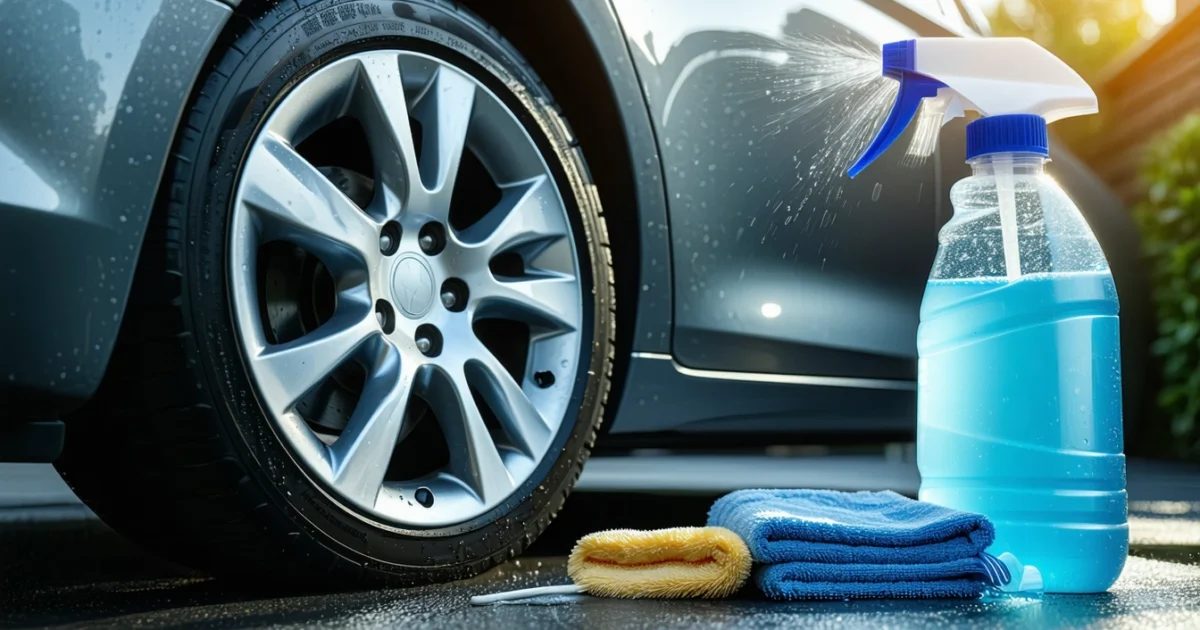
Will vinegar remove brake dust from rims? Yes, vinegar can effectively remove light to moderate brake dust from rims due to its acetic acid content, which dissolves metallic particles and iron deposits. However, the effectiveness depends on the type of brake dust, wheel material, and contamination level.
The acetic acid in white vinegar creates a chemical reaction with iron-based brake dust particles, breaking them down for easier removal. This makes it a popular DIY wheel cleaning solution amongst UK motorists seeking cost-effective alternatives to commercial products.
Nevertheless, vinegar has limitations when dealing with heavy or baked-on brake dust. Additionally, certain wheel finishes require careful consideration to avoid damage, particularly alloy wheels with delicate coatings.
TL;DR
- Vinegar removes light to moderate brake dust through acetic acid dissolving iron particles
- White distilled vinegar works best at 1:1 ratio with water for most applications
- Safe for most wheel types but requires caution with delicate finishes and clear coats
- Less effective than commercial cleaners for heavy contamination or baked-on deposits
- Cost-effective solution for regular maintenance cleaning but not suitable for severe cases
Does Vinegar Remove Brake Dust: The Science Behind It
The acetic acid in vinegar dissolves metallic brake dust particles through a chemical process called chelation. When acetic acid encounters iron oxide particles, it forms water-soluble compounds that break the bond between the dust and wheel surface. This dissolution process makes the contamination easier to wipe away with minimal scrubbing.
Brake dust consists primarily of iron particles from brake pads and rotors, along with carbon fibres and adhesive resins. The iron content oxidises when exposed to heat and moisture, creating rust-like deposits that adhere strongly to wheel surfaces. Consequently, the acidic nature of vinegar targets these iron-based compounds specifically.
The chemical reaction occurs when acetic acid molecules donate hydrogen ions to the iron oxide particles. This process reduces the pH level around the brake dust, causing the metallic bonds to weaken. Furthermore, the reaction creates iron acetate, a water-soluble salt that rinses away easily with water.
Commercial brake dust removers typically contain stronger acids like hydrofluoric acid or oxalic acid, which work faster and more aggressively than vinegar. However, these professional products cost significantly more and require careful handling due to their corrosive nature. Meanwhile, vinegar provides a gentler alternative for regular maintenance cleaning.
White distilled vinegar contains approximately 5% acetic acid, making it effective for light to moderate contamination. Nevertheless, this concentration proves insufficient for heavy brake dust accumulation or deposits that have baked onto wheels through repeated heat cycles. Additionally, the cleaning action requires longer contact time compared to commercial alternatives.
Temperature affects the cleaning efficiency significantly, as warm vinegar accelerates the chemical reaction with iron particles. Moreover, the pH level of standard white vinegar ranges between 2.4 and 3.4, providing enough acidity to dissolve brake dust without damaging most wheel finishes when used correctly.
Professional wheel cleaners often combine multiple acids with surfactants and chelating agents for enhanced effectiveness. These formulations can remove 95% of brake dust in under five minutes, whereas vinegar typically requires 10-15 minutes of contact time for similar results on light contamination. DIY wheel cleaning solutions using vinegar work best as preventative maintenance rather than heavy-duty cleaning.
Baked-on brake dust creates a particularly challenging cleaning scenario where vinegar shows its limitations. High temperatures from braking cause the iron particles to bond more permanently with wheel surfaces, requiring stronger acids or mechanical action to remove effectively. Therefore, vinegar works optimally on fresh brake dust that hasn’t undergone multiple heat cycles.
Types of Vinegar and Concentration for Brake Dust Removal
White distilled vinegar outperforms apple cider vinegar for brake dust removal due to its higher acetic acid concentration and lack of organic compounds that can leave residues. Furthermore, apple cider vinegar contains sugars and proteins that may attract dirt after cleaning, whereas distilled vinegar evaporates cleanly without leaving sticky deposits.
The acetic acid content determines cleaning effectiveness, with white vinegar typically containing 5% acetic acid compared to apple cider vinegar’s variable concentration of 4-6%. Additionally, the clear composition of distilled vinegar prevents staining on light-coloured wheels, making it the preferred choice for automotive applications.
Optimal Vinegar-to-Water Ratios
| Contamination Level | Vinegar Ratio | Water Ratio | Contact Time |
|---|---|---|---|
| Light dust | 1 part | 3 parts | 5-8 minutes |
| Moderate buildup | 1 part | 1 part | 10-12 minutes |
| Heavy deposits | 2 parts | 1 part | 15-20 minutes |
Light brake dust responds well to a 1:3 vinegar-to-water ratio, providing sufficient acidity whilst minimising potential damage to wheel finishes. However, moderate contamination requires equal parts vinegar and water to achieve effective dissolution of iron particles. Heavy deposits necessitate stronger concentrations, though multiple applications of diluted solutions often prove safer than single treatments with concentrated acid.
Undiluted vs Diluted Solutions
Undiluted vinegar should only be used on heavily contaminated steel wheels with protective clear coats, as the concentrated acid can damage bare aluminium or painted surfaces. Moreover, undiluted applications require immediate neutralisation with water to prevent etching or corrosion of wheel materials.
Diluted solutions offer greater control and safety for regular maintenance cleaning. Subsequently, most wheel manufacturers recommend diluted acids to preserve finish integrity whilst achieving adequate cleaning results. DIY wheel cleaner recipes typically incorporate vinegar at safe concentrations for home use.
pH Considerations for Wheel Materials
Aluminium wheels tolerate vinegar’s pH of 2.4-3.4 when properly diluted, though prolonged exposure can cause pitting or discolouration. Conversely, chrome wheels resist acid damage better due to their protective plating, allowing for slightly stronger concentrations.
Painted wheels require the most cautious approach, as acidic solutions can compromise paint adhesion or cause colour fading. Therefore, always test vinegar solutions on inconspicuous areas before full application. Additionally, anodised aluminium wheels show particular sensitivity to acids, requiring maximum dilution ratios of 1:4 vinegar to water.
The pH buffering capacity of different wheel materials varies significantly, with bare metals showing immediate reactions to acid exposure whilst coated surfaces provide temporary protection. Consequently, contact time becomes more critical than concentration for achieving safe yet effective cleaning results across various wheel types.
Safety Considerations for Different Wheel Types
Different wheel materials exhibit varying resistance levels to vinegar’s acidic properties, requiring specific precautions to prevent permanent damage. Understanding these material-specific vulnerabilities ensures safe brake dust removal whilst preserving wheel integrity and appearance.
Alloy Wheel Compatibility and Potential Finish Damage
Alloy wheels demonstrate moderate acid tolerance, though their protective coatings determine safe exposure limits. Clear-coated alloys resist vinegar better than bare aluminium surfaces, which can develop white oxidation marks within minutes of contact. Furthermore, polished alloy finishes show particular vulnerability to etching when exposed to undiluted vinegar solutions.
Machine-finished alloys require maximum caution due to their thin protective layers that acids can penetrate rapidly. Always dilute vinegar to 1:3 ratios for alloy wheels and limit contact time to under two minutes. Additionally, powder-coated alloys offer superior acid resistance compared to painted or anodised variants.
Steel Wheel Treatment and Corrosion Risks
Steel wheels present the highest corrosion risk when treated with acidic solutions like vinegar. Bare steel reacts immediately with acids, forming rust that spreads beneath paint layers and compromises structural integrity. Consequently, painted steel wheels require extreme dilution ratios and immediate neutralisation after cleaning.
Galvanised steel wheels offer better protection against acid damage, though prolonged exposure still causes zinc coating deterioration. Moreover, any existing scratches or chips in steel wheel paint create entry points for acid penetration and accelerated corrosion development.
Chrome and Painted Wheel Precautions
Chrome wheels demonstrate excellent acid resistance due to their electroplated protective layer, tolerating stronger vinegar concentrations than other wheel types. However, damaged chrome plating exposes underlying metals to rapid corrosion when treated with acidic cleaners. Therefore, inspect chrome wheels thoroughly for pitting or wear before applying vinegar solutions.
Painted wheels require the most conservative approach, as acids can cause paint softening, colour fading, or adhesion failure. Water-based paints show greater vulnerability than solvent-based coatings, whilst single-stage paints lack the protective properties of base-coat clear-coat systems. Additionally, metallic paints can develop uneven colour patches when exposed to acids.
Clear Coat Protection and Long-Term Effects
Clear coat finishes provide crucial barrier protection against acid damage, though repeated vinegar exposure gradually degrades these protective layers. Automotive clear coats typically withstand pH levels above 3.0 without immediate damage, making properly diluted vinegar solutions relatively safe for occasional use.
Long-term effects include clear coat cloudiness, reduced gloss levels, and eventual coating failure that exposes underlying materials to direct acid contact. Furthermore, UV-damaged clear coats show accelerated deterioration when treated with acidic cleaners, requiring replacement sooner than expected.
Tyre Rubber Contact Safety
Tyre rubber exhibits excellent resistance to vinegar’s acidic properties, though prolonged contact can cause sidewall discolouration or premature aging of rubber compounds. Natural rubber components in tyres remain largely unaffected by diluted vinegar solutions used for brake dust removal.
However, tyre sidewall lettering and decorative elements may fade when exposed to acids repeatedly. Additionally, ensure thorough rinsing prevents vinegar residue from accumulating in tyre treads, where it could affect rubber flexibility over time. DIY wheel cleaner formulations should account for tyre contact to prevent unintended damage to rubber components.
Step-by-Step Vinegar Brake Dust Removal Method
Pre-Cleaning Preparation and Wheel Cooling
Begin the brake dust removal process by ensuring your wheels reach ambient temperature before applying any cleaning solution. Hot wheels cause rapid vinegar evaporation, reducing contact time and cleaning effectiveness whilst potentially concentrating acid levels on sensitive surfaces.
Park your vehicle in a shaded area and wait 30-45 minutes after driving to allow proper cooling. Meanwhile, gather your materials: white distilled vinegar, clean water for dilution, microfibre cloths, soft-bristled brushes, and protective gloves to prevent skin irritation.
Remove loose debris using a dry brush or compressed air, as embedded grit can scratch wheel surfaces during cleaning. Subsequently, rinse wheels with clean water to eliminate surface contaminants that might interfere with vinegar’s cleaning action.
Application Techniques and Contact Time
Create a cleaning solution using one part white vinegar to three parts water for safe brake dust removal without damaging wheel finishes. This dilution ratio provides sufficient acidity to dissolve metallic brake deposits whilst minimising risks to painted or coated surfaces.
Apply the vinegar solution using a spray bottle, working from bottom to top to prevent streaking and ensure complete coverage. Focus particularly on areas where brake dust accumulates heavily, typically around spoke intersections and rim edges where airflow deposits particles.
Allow the solution to remain in contact with brake dust deposits for 3-5 minutes maximum. Longer contact times increase acid exposure risks without providing additional cleaning benefits, as vinegar’s dissolution action occurs rapidly upon contact with metallic particles.
Agitation Methods for Stubborn Deposits
Use gentle circular motions with a soft-bristled brush to agitate stubborn brake dust deposits after the contact period. Natural bristles work effectively without scratching delicate wheel finishes, whilst synthetic brushes may leave microscopic scratches on polished surfaces.
Apply minimal pressure during agitation, as vinegar’s chemical action performs most of the cleaning work. Excessive scrubbing can damage clear coats or remove protective finishes, particularly on aftermarket wheels with decorative coatings.
For heavily contaminated areas, reapply the vinegar solution and repeat the contact-agitation cycle rather than increasing scrubbing intensity. This approach prevents surface damage whilst ensuring thorough brake dust removal from all wheel surfaces.
Proper Rinsing and Neutralisation Process
Thoroughly rinse all wheel surfaces with clean water immediately after agitation to remove dissolved brake dust particles and neutralise residual acid. Use moderate water pressure to ensure complete removal without forcing contaminated solution into wheel bearings or brake components.
Pay special attention to spoke crevices and rim channels where vinegar solution can accumulate and continue acting on wheel materials. Additionally, rinse surrounding bodywork and brake components that may have contacted the cleaning solution during application.
Complete the neutralisation process by applying a baking soda solution (one teaspoon per cup of water) if working with particularly sensitive wheel finishes. This alkaline treatment neutralises any remaining acid residue and prevents ongoing chemical reactions that could damage protective coatings.
Post-Cleaning Protection and Drying
Dry wheels completely using clean microfibre cloths to prevent water spotting and mineral deposits that can interfere with protective treatments. Work systematically from top to bottom, ensuring all moisture removal from spoke intersections and rim channels.
Apply a suitable wheel protectant or wax within 24 hours of cleaning to restore barrier protection against future brake dust accumulation. These protective products create a sacrificial layer that simplifies subsequent cleaning whilst maintaining wheel appearance.
Inspect wheel surfaces for any signs of damage or discolouration that may indicate excessive acid exposure. Furthermore, monitor wheel condition over the following weeks to ensure no delayed reactions occur from residual cleaning chemicals.
Effectiveness vs Commercial Brake Dust Removers
Vinegar demonstrates comparable performance to commercial brake dust removers on light to moderate contamination levels. However, commercial formulations typically outperform vinegar when tackling heavy brake dust accumulation or baked-on deposits. The acidic strength of white vinegar (approximately 5% acetic acid) provides sufficient cleaning power for regular maintenance but lacks the concentrated chemical action found in purpose-built wheel cleaners.
Commercial brake dust removers often contain hydrofluoric acid or iron-dissolving agents that specifically target metallic brake particles. These specialised chemicals break down iron oxide deposits more aggressively than vinegar’s mild acetic acid content. Consequently, commercial products achieve faster results on stubborn contamination whilst requiring less mechanical agitation.
Time Efficiency and Labour Requirements
Vinegar cleaning typically requires 15-20 minutes of contact time plus additional scrubbing effort to achieve results comparable to commercial cleaners. Professional wheel cleaning products often work within 5-10 minutes with minimal agitation required. This time difference becomes significant when cleaning multiple vehicles or maintaining fleet operations.
Labour intensity varies considerably between methods. Vinegar applications demand more physical scrubbing and multiple treatment cycles for heavily soiled wheels. Meanwhile, commercial formulations often feature colour-changing indicators that signal when brake dust dissolution occurs, reducing guesswork and repeated applications.
| Cleaning Method | Contact Time | Scrubbing Required | Cost per Session |
|---|---|---|---|
| White Vinegar | 15-20 minutes | Moderate to High | £0.15-0.25 |
| Commercial Cleaner | 5-10 minutes | Low to Moderate | £1.50-3.00 |
| Professional Detailing | 3-5 minutes | Minimal | £5.00-8.00 |
Situations Where Commercial Products Excel
Commercial brake dust removers outperform vinegar in several specific scenarios. Performance vehicles with high-temperature brake systems generate more aggressive dust particles that require stronger chemical intervention. Similarly, wheels exposed to track conditions or frequent heavy braking accumulate deposits that exceed vinegar’s cleaning capacity.
Painted or powder-coated wheels benefit from commercial cleaners formulated for specific finishes. These products contain pH-balanced formulations and protective additives that prevent damage whilst delivering superior cleaning power. Additionally, commercial cleaners prove essential for removing brake fluid contamination or hydraulic fluid deposits that vinegar cannot effectively dissolve.
Time-sensitive cleaning situations favour commercial products due to their rapid action and reduced labour requirements. Professional detailers and commercial vehicle maintenance operations rely on these efficient formulations to maintain productivity whilst achieving consistent results across diverse wheel types and contamination levels.
Environmental Impact Considerations
Vinegar offers significant environmental advantages over commercial brake dust removers. As a naturally occurring organic acid, vinegar biodegrades rapidly without leaving harmful residues in soil or waterways. This characteristic makes vinegar particularly suitable for areas with strict environmental regulations or sensitive ecosystems nearby.
Commercial wheel cleaners often contain phosphates, surfactants, and synthetic acids that require careful disposal and can impact aquatic life if improperly managed. However, many modern commercial formulations now feature biodegradable ingredients and reduced environmental impact compared to traditional products.
Packaging considerations also influence environmental impact. Vinegar typically comes in recyclable containers with minimal plastic waste, whereas commercial cleaners may require specialised disposal due to chemical content. For environmentally conscious consumers, making your own wheel cleaner using vinegar and other household ingredients provides the most sustainable approach to brake dust removal whilst maintaining effective cleaning performance.
When Vinegar Isn't Enough: Alternative Solutions
While vinegar effectively removes light to moderate brake dust, certain contamination levels require stronger interventions. Heavy brake dust accumulation often contains iron particles that have oxidised and bonded chemically with wheel surfaces, creating deposits that resist mild acid treatment.
Professional-grade iron fallout removers contain stronger acids like hydrochloric or phosphoric acid that dissolve stubborn metallic contamination. These products turn purple or red when reacting with iron particles, providing visual confirmation of their effectiveness. However, these formulations require careful handling and adequate ventilation due to their caustic nature.
Mechanical Removal for Baked-On Deposits
Baked-on brake dust deposits form when extreme heat cycles fuse metallic particles to wheel surfaces. These contaminated areas appear as dark, textured patches that feel rough to the touch. Chemical cleaners alone cannot penetrate these hardened deposits effectively.
Clay bar treatment provides the most effective solution for embedded particles and surface contamination. The clay’s abrasive action mechanically lifts contaminants whilst the lubricating spray prevents scratching. Professional detailers recommend using fine-grade clay bars on wheels to avoid damaging delicate finishes.
Advanced Cleaning Techniques
Combining mechanical and chemical approaches delivers superior results for severely contaminated wheels. Start with iron fallout remover to dissolve metallic particles, then follow with clay bar treatment to remove remaining embedded contaminants. This two-stage process ensures complete decontamination without excessive scrubbing.
Steam cleaning offers another professional-grade solution for stubborn deposits. The high-temperature steam softens baked-on contamination whilst the pressure removes loosened particles. Additionally, steam cleaning requires no chemicals, making it environmentally friendly and safe for all wheel finishes.
When to Seek Professional Services
Professional wheel cleaning services become necessary when DIY methods fail to restore wheel appearance or when dealing with expensive custom wheels. Professional facilities possess specialised equipment including ultrasonic cleaners, media blasting systems, and industrial-strength chemical solutions.
Seek professional help if wheels show signs of corrosion, pitting, or permanent discolouration after attempting home cleaning methods. Professional restoration can often salvage wheels that appear beyond repair through techniques like refinishing, polishing, and protective coating application. For those interested in creating their own cleaning solutions, making your own wheel cleaner provides cost-effective alternatives to commercial products.
Furthermore, professional services prove cost-effective for fleet vehicles or multiple cars requiring regular maintenance. The time savings and consistent results justify the expense, particularly for commercial operations where vehicle appearance impacts business reputation.
Frequently Asked Questions
What type of vinegar works best for removing brake dust?
White distilled vinegar is the most effective type for brake dust removal. It contains approximately 5% acetic acid, which provides the right concentration to dissolve iron particles without being overly aggressive. Mix it with water at a 1:1 ratio for optimal results on most wheel types.
How long should I leave vinegar on my wheels before wiping?
Allow the vinegar solution to sit on the wheel surface for 10-15 minutes to give the acetic acid time to break down the iron particles. For better results, use warm vinegar as it accelerates the chemical reaction. Never let the solution dry completely on the wheel surface.
Is vinegar safe for all wheel types and finishes?
Vinegar is generally safe for most wheel types, but exercise caution with delicate finishes and clear coats. Always test on an inconspicuous area first. Avoid using vinegar on wheels with damaged clear coats or highly polished finishes, as the acid may cause etching or discolouration.
Can vinegar remove heavy or baked-on brake dust?
Vinegar has limited effectiveness against heavy or baked-on brake dust. The 5% acetic acid concentration isn’t strong enough to break down deposits that have been subjected to repeated heat cycles. For severe contamination, commercial brake dust removers with stronger acids are more appropriate.
How does vinegar compare to commercial wheel cleaners?
Commercial cleaners typically remove 95% of brake dust in under 5 minutes, whilst vinegar requires 10-15 minutes for similar results on light contamination only. However, vinegar is significantly more cost-effective and safer to handle, making it ideal for regular maintenance cleaning rather than heavy-duty applications.
What's the proper technique for cleaning wheels with vinegar?
- Mix white vinegar with water at a 1:1 ratio
- Ensure wheels are cool to the touch before application
- Spray or apply the solution evenly across the wheel surface
- Allow 10-15 minutes contact time
- Gently agitate with a soft brush if needed
- Rinse thoroughly with clean water
- Dry immediately to prevent water spots
How often should I clean my wheels with vinegar?
For preventative maintenance, clean your wheels with vinegar solution every 2-3 weeks or after every few hundred miles of driving. Regular cleaning prevents brake dust from building up and becoming baked-on, making vinegar more effective as a long-term cleaning strategy.
Are there any safety precautions when using vinegar on wheels?
Always wear gloves and eye protection when cleaning wheels. Ensure adequate ventilation as vinegar vapours can be irritating. Never mix vinegar with other cleaning products, and always rinse thoroughly after use. Test on a small, hidden area first to check for any adverse reactions with your specific wheel finish.
You May Also Like
How to Clean Tombstones with Shaving Cream: Safe Guide

Is It Legal to Clean Gravestones in the UK? Laws & Permissions