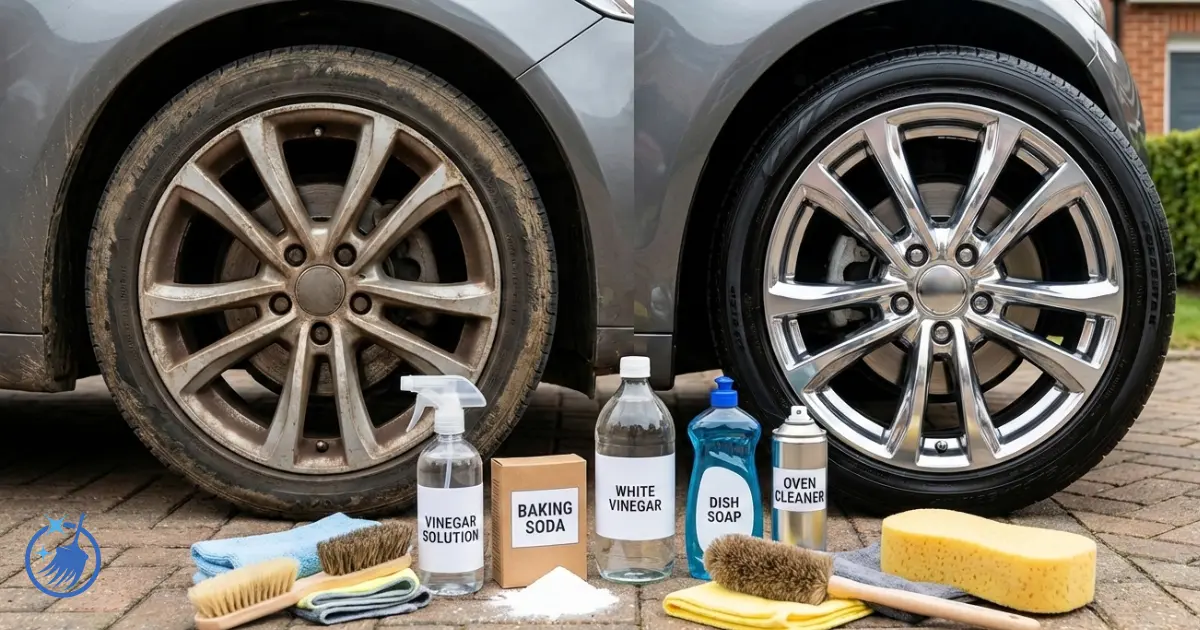
How to Clean Windows Without Streaks: Expert Guide for Crystal-Clear Glass


You’ve just spent 30 minutes scrubbing your windows, only to step back and see nothing but streaks catching the light. Sound familiar? You’re not alone. Streaky windows are one of the most frustrating cleaning problems, but here’s the good news: it’s almost always about technique, not effort.
The secret to streak-free windows comes down to three things: using distilled water instead of tap water (those minerals are your enemy), cleaning on a cloudy day so the solution doesn’t dry too fast, and ditching paper towels for a microfiber cloth or squeegee. Get these basics right, and you’ll never struggle with streaky windows again.
In this guide, I’ll walk you through exactly how professional window cleaners achieve that crystal-clear finish every time. You’ll learn which tools actually work, which common mistakes cause streaks, and how to tackle everything from inside windows to stubborn mineral deposits. No fancy equipment required – just the right approach.
Quick Summary
Time needed: 15-30 minutes per window
Difficulty: Easy
You’ll need: Microfiber cloths, distilled water, white vinegar or window cleaner, squeegee (optional)
Key takeaway: Clean on cloudy days with distilled water and proper tools to eliminate streaks completely.
Why Windows Get Streaky After Cleaning
Before we jump into solutions, let’s understand what’s actually happening when your windows streak. It’s not random bad luck – there’s science behind it.
The Science Behind Window Streaks
Streaks form when water evaporates too quickly, leaving behind whatever was dissolved in it. Tap water contains minerals like calcium and magnesium. When the water evaporates, these minerals stay on your glass as white deposits. That’s your streak.
The same thing happens with soap residue. If you use too much cleaner, or don’t wipe it off completely, you’re left with a thin film that catches the light at certain angles. This is why windows can look perfect from one side but streaky from another.
Temperature plays a massive role too. When you clean in direct sunlight, the glass heats up. Your cleaning solution evaporates in seconds, before you can wipe it properly. The result? You’re essentially baking residue onto the glass.
Common Causes of Streaky Windows
Here’s what’s typically going wrong:
Cleaning in direct sunlight – The number one culprit. Hot glass dries cleaning solution too fast, leaving streaks before you can wipe them away. Always choose an overcast day or work on the shaded side of your house.
Using hard water – If you live in an area with hard water and you’re diluting your cleaner with tap water, you’re adding minerals that will definitely leave marks. Switch to distilled water and watch the difference.
Too much soap or cleaner – More isn’t better with cleaning solution. Excess soap creates a thicker mixture that’s impossible to remove completely. You end up pushing residue around rather than cleaning it off.
Wrong wiping tools – Paper towels might seem convenient, but they leave behind lint and don’t absorb well enough. They’re one of the main reasons people struggle with streaks.
Not removing dust first – When dry dust meets wet cleaning solution, you get mud. That muddy mixture smears across your glass and dries into stubborn streaks that are harder to remove than the original dirt.
Dirty cleaning tools – Using the same cloth you used on the last window, or a squeegee blade that’s picked up grit, just transfers dirt around. Your tools need to be as clean as you want your windows to be.
Essential Tools and Materials for Streak-Free Windows
Having the right kit makes all the difference. You don’t need expensive professional equipment, but certain tools will save you time and frustration.
Best Cleaning Tools
Squeegee – This is what professional window cleaners swear by. A good squeegee with a sharp rubber blade removes water completely in one stroke, leaving no drips or streaks. Look for one with a 25-30cm blade for standard windows. The technique takes a bit of practice, but once you’ve got it, you’ll never go back.
Microfiber cloths – These are non-negotiable for streak-free results. Microfiber is designed to trap dirt and absorb water without leaving lint behind. Keep several on hand – you’ll need clean, dry ones for final buffing. Wash them regularly without fabric softener, which reduces their absorbency.
Spray bottle – A good trigger spray bottle gives you control over how much solution you apply. This is crucial because too much liquid leads to drips and streaks. Fill it with your chosen cleaning solution and you’re ready to go.
Bucket – If you’re cleaning multiple windows or doing outside windows, a bucket is more efficient than a spray bottle. You can dip a strip applicator or sponge in the solution and apply it quickly to large areas.
Extension pole – For high windows or outside upper floors, an extension pole with a squeegee attachment saves you climbing ladders. Make sure it’s sturdy and the connection is secure.
Vacuum or brush – Before you start wetting anything, you need to remove loose dirt, cobwebs, and dust. A handheld vacuum with a brush attachment is ideal, but a soft brush or duster works fine.
What NOT to Use
Let me save you some frustration by telling you what doesn’t work:
Paper towels – They seem convenient, but they’re terrible for windows. Paper towels leave lint, don’t absorb well, and often create more streaks than they remove. Save them for other jobs.
Newspapers – You’ll see this suggested everywhere. Yes, newspaper can work, but it leaves ink on your hands and window frames. Modern newsprint also doesn’t work as well as the old stuff. Stick with microfiber.
Dirty rags or sponges – Obvious, but worth saying. If your cloth or sponge has dirt, grease, or old cleaning product in it, you’re just spreading grime around.
Abrasive scrubbers – Steel wool (except #000 for specific stains), rough sponges, or scouring pads will scratch your glass. Once scratched, your windows will never look properly clean.
Best Cleaning Solutions
You’ve got two routes here: commercial products or DIY solutions. Both work well if used correctly.
White vinegar solution – Mix equal parts white distilled vinegar and water in a spray bottle. Vinegar’s mild acidity cuts through grime and mineral deposits without leaving residue. It’s cheap, natural, and works brilliantly. The smell disappears once it dries, but if it bothers you, add a few drops of lemon essential oil.
Dish soap solution – Add just 2-3 drops of washing-up liquid to a bucket of warm water. That’s it. More soap isn’t better – it just creates suds that leave residue. This works well for very dirty windows but requires thorough rinsing.
Commercial glass cleaners – Products like Window cleaner sprays do work, and they’re convenient. The good ones contain ingredients that help water evaporate evenly and prevent streaking. Check what professional window cleaners use if you want to invest in commercial products.
Distilled water – This deserves its own mention. If you’re diluting any cleaner or making your own solution, use distilled water rather than tap water. The lack of minerals means no streaks. You can buy it cheaply at any supermarket, and one bottle will last ages.
Rubbing alcohol mixture – For tougher jobs, mix 1 cup distilled water, 1 cup rubbing alcohol, and 1 tablespoon vinegar. The alcohol helps solution evaporate quickly without streaking, and adds extra cleaning power for greasy buildup.
When to Clean Windows (Timing Matters!)
This might sound trivial, but choosing the right time to clean your windows makes the difference between success and frustration.
Best Weather Conditions
Cloudy days are your friend – Overcast conditions are perfect for window cleaning. Without direct sunlight, your cleaning solution stays wet longer, giving you time to wipe it off properly. The glass stays cool, so nothing dries too fast.
Avoid direct sunlight and hot days – This is crucial. When sun hits glass, it heats up fast. Your cleaner evaporates within seconds, leaving streaks before you can wipe them away. If you must clean on a sunny day, work on the shaded side of your house, or wait until early morning or late evening.
Cool temperatures are ideal – Mild weather between 10-20°C is perfect. You’re not fighting rapid evaporation, but it’s not so cold that water takes forever to dry or (in extreme cold) freezes on the glass.
Not too cold either – If it’s below 5°C, water can freeze on the glass before you finish wiping. This creates ice crystals that leave marks when they melt. Wait for a slightly warmer day.
Check the forecast – Don’t clean windows if rain is predicted within a few hours. You’ve just wasted your effort. That said, a light drizzle after cleaning won’t actually hurt – it’s the initial dirt that makes rain spots visible.
How Often to Clean Windows
The honest answer? It depends on where you live and what your windows are exposed to.
Standard recommendation – For most UK homes, cleaning windows twice a year is enough. Do a thorough clean in spring after winter grime has accumulated, and again in autumn before the darker months.
High-traffic areas need more – If your windows face a busy road, you’re dealing with traffic film – a mixture of exhaust fumes, brake dust, and tyre particles. These windows need cleaning every 2-3 months to prevent buildup.
Pollen season requires attention – If you live near fields, parks, or have lots of trees nearby, spring pollen will coat your windows in a yellow film. You might need an extra clean during May-June when pollen counts peak.
Coastal homes face extra challenges – Salt spray is harsh on windows. If you’re near the sea, clean your windows more frequently (every 4-6 weeks) to prevent salt buildup, which becomes harder to remove over time.
Homes with pets or children – Nose prints, paw marks, and fingerprints show up more on inside windows. You might need to do quick inside cleans every 4-6 weeks, even if the outside is still fine.
Signs it’s time to clean – If light looks dimmer coming through your windows, or you can’t see clearly outside, it’s time. Don’t wait for windows to look obviously dirty – regular cleaning prevents heavy buildup that takes more effort.
How to Clean Windows Without Streaks: Complete Method
Right, let’s get into the actual cleaning process. This is the method that delivers consistently streak-free results, whether you’re doing one window or your whole house.
Preparation Phase
Choose your day – Wait for overcast weather if possible. If the sun’s out, plan to clean the shaded side of your house, or schedule it for early morning or evening when glass is cooler.
Gather everything you need – Get all your tools and cleaning solution ready before you start. Nothing’s more annoying than realising mid-job that you need something from another room. You’ll need: spray bottle or bucket with solution, microfiber cloths (at least 3-4), squeegee, dry towels for edges, and something to remove dust (vacuum, brush, or duster).
Protect your floors – For inside windows, lay old towels along the window sill and floor below. Even careful cleaning can create drips, and you don’t want water damage or slippery floors.
Clear the area – Move furniture, plants, or ornaments away from windows. Take down curtains or tie them back securely. If you can remove curtains completely, that’s even better – they’ll need washing anyway while you’re doing a proper clean.
Pre-Cleaning Steps
This step separates amateur results from professional ones. Never skip it.
Remove dust and debris – Use a brush, duster, or vacuum with a brush attachment to remove dust from window frames, sills, and the glass itself. Work from top to bottom. Get into corners where cobwebs hide. The window should look visibly cleaner (though still dirty) after this step.
Clean window tracks – Those channels where your windows slide need attention too. Vacuum out dirt and debris. If they’re grimy, wipe them with a damp cloth before you start on the glass. Properly cleaned tracks prevent dirt from dripping onto freshly cleaned glass.
Remove or clean window screens – Take screens off if you can. Vacuum both sides or spray them with a hose outside. If they need deeper cleaning, scrub gently with soapy water, rinse, and leave them to dry completely before putting them back. Never put wet screens back on wet windows.
Inspect for stubborn marks – Look for bird droppings, tree sap, paint spots, or sticker residue. These need pre-treatment. Soak them with cleaning solution for a few minutes before you start the main clean.
Inside Windows Cleaning Process
Inside windows are usually easier because they’re less exposed to weather and dirt. Here’s how to get them perfect:
Dust thoroughly first – Even though I mentioned this above, it bears repeating for inside windows. Use a dry microfiber cloth or duster on the frame, sill, and glass. You’d be surprised how much dust accumulates, especially on top edges of frames.
Apply cleaning solution – Spray your chosen cleaner onto the glass. Don’t be shy – use enough to cover the window evenly, but not so much that it’s dripping everywhere. If you’re using a bucket method, dip your strip applicator or sponge and apply solution in overlapping strokes.
Work one window at a time. If you spray multiple windows, the first one will dry before you get to it.
The squeegee technique – This is where practice makes perfect, but once you’ve got it, you’ll never want to use anything else.
Hold the squeegee at a 45-degree angle to the glass. Start at the top left corner (or right if you’re left-handed). Pull the squeegee across to the opposite side in a smooth stroke. Without lifting the blade, tilt it to start the next stroke, slightly overlapping the first. Work your way down the window in this pattern.
The key is keeping the blade in contact with the glass throughout. Any gaps leave streaks. After each stroke, wipe the blade with a clean, dry cloth. This removes the dirty water so you’re not dragging it down the window.
When you reach the bottom, do one final horizontal stroke to catch any remaining water.
The cloth method – If you’re not using a squeegee (or for small panes where a squeegee is awkward), a microfiber cloth works brilliantly.
Wipe the glass using an S-pattern, working from top to bottom. The S-pattern is better than circular motions because it’s less likely to leave swirl marks. Apply light pressure – let the cloth do the work, you don’t need to scrub.
After you’ve cleaned the window with your damp cloth, immediately go over it again with a clean, dry microfiber cloth. This removes any remaining moisture and prevents streaks.
Dry the edges – This is crucial and often forgotten. Water collects along the edges of the glass where it meets the frame. Use a dry cloth to wipe along these edges immediately after cleaning. If you leave it, the water will drip down and create streaks on your freshly cleaned window.
Check for streaks – Step back and look at the window from different angles. Light will reveal any remaining streaks. If you spot any, don’t panic – just buff them out with a clean, dry microfiber cloth using small circular motions.
Outside Windows Cleaning Process
Outside windows face weather, pollution, and all sorts of grime. They need a bit more attention than inside windows.
Remove loose dirt first – Before you wet anything, brush off or rinse away loose dirt, dust, and pollen. If your windows are really grimy, use a hose on a gentle setting to rinse off the worst. This prevents you from scrubbing dirt into the glass.
Clean window frames and sills – Outside frames get dirty fast. Wipe them down with a damp cloth before you start on the glass. This stops dirt from the frame dripping onto clean glass.
Apply cleaner generously – Outside windows usually need more cleaning solution than inside ones. Spray or wipe on plenty of cleaner. For stubborn dirt, let the solution sit for 30 seconds before wiping to loosen grime.
Scrub tough spots – Bird droppings, tree sap, or splashed mud won’t come off with just wiping. Use a damp strip applicator or the scrubby side of a sponge to loosen these spots. Apply more pressure than you would inside, but don’t scrub aggressively – you could scratch the glass.
For really stubborn mineral deposits or hard water stains, use #000 (triple zero) super fine steel wool dampened with vinegar. Rub gently in small circles. This grade of steel wool won’t scratch glass, but check in an inconspicuous corner first if you’re nervous.
Squeegee or wipe clean – Use the same technique as for inside windows. Outside windows often need two passes – one to remove most of the dirty water, and a second to get a perfect finish. Keep wiping your squeegee blade between strokes.
If using a cloth, you’ll definitely need more than one. Keep a bucket of clean water nearby to rinse your cloth when it gets dirty.
Work quickly – Outside windows dry faster, especially if there’s any breeze. Don’t dawdle between applying cleaner and wiping it off. If a section dries before you get to it, spray it again.
Final inspection from inside – Once you’ve cleaned the outside, go inside and look through the window. This often reveals streaks or spots you missed. You can identify which side has the streak by looking at which side looks worse when viewing from inside.
Buff if needed – If you spot streaks, go back with a clean, dry microfiber cloth and buff them out. A few seconds of buffing usually sorts it.
Dealing with Double-Glazed Windows
Double glazing requires the same cleaning technique, but a couple of things to note:
If you notice misting or streaks between the panes, that’s condensation inside the sealed unit. You can’t clean it – the seal has failed and the unit needs replacing. No amount of external cleaning will fix it.
Be gentle around the seals. Don’t let cleaning solution pool around the rubber gaskets, as this can degrade them over time.
DIY Window Cleaning Solutions That Actually Work
Shop-bought cleaners are convenient, but homemade solutions work just as well and cost a fraction of the price. Here’s what actually works.
White Vinegar Solution (Most Effective)
This is the go-to solution for most window cleaning jobs.
Basic recipe: Mix equal parts white distilled vinegar and water in a spray bottle. That’s 250ml vinegar to 250ml water for a standard 500ml spray bottle.
Why it works: Vinegar is mildly acidic (pH around 2.5), which makes it brilliant at cutting through mineral deposits, soap scum, and general grime. The acidity dissolves alkaline deposits without leaving its own residue behind. Once dry, the vinegar smell disappears completely.
For better smell: Add 10-15 drops of lemon or orange essential oil to mask the vinegar smell while you’re cleaning. The citrus oils also add extra grease-cutting power.
When to use: This solution is perfect for regular maintenance cleaning. If your windows aren’t heavily soiled, this is all you need.
What it handles: Light dirt, dust, fingerprints, pollen, mineral deposits, and soap residue from previous cleaning.
The beauty of vinegar solution is that it’s nearly impossible to leave streaks with it, assuming you’re using distilled water. The vinegar evaporates cleanly, taking dirt with it.
Dish Soap Solution
This is your heavy-duty option for really dirty windows.
Recipe: Add just 2-3 drops of washing-up liquid to a bucket of warm water (about 5 litres). Stir gently – you don’t want lots of suds.
Why minimal soap matters: Too much soap creates foam that’s impossible to rinse off completely. Those remaining soap molecules dry into a film that catches light at certain angles – that’s your streak. With just a few drops, you get cleaning power without residue.
When to use: Use this for outside windows that haven’t been cleaned in months, windows covered in tree sap or bird droppings, or any window with greasy buildup.
Technique tip: After cleaning with soapy water, do a second pass with just clean water to rinse. Then squeegee or wipe dry as normal. This extra step removes any soap residue.
Ammonia-Based Solution
This is stronger than vinegar and cuts through tough grime, but it’s more aggressive.
Recipe: Mix 1 tablespoon of household ammonia with 1 litre of warm water. Add 1 tablespoon of white vinegar for extra power.
Caution: Ammonia fumes are strong. Only use this outside or with windows wide open. Wear gloves because ammonia can irritate skin. Never mix ammonia with bleach – this creates toxic chloramine gas.
When to use: For heavily soiled windows, nicotine buildup, or greasy kitchen windows near cookers.
Not for tinted windows: Ammonia can damage window tinting film. If you have tinted windows, stick to vinegar solution.
Advanced Recipe for Stubborn Grime
When standard solutions aren’t cutting it, try this:
Recipe:
- 250ml distilled water
- 250ml rubbing alcohol (isopropyl alcohol)
- 1 tablespoon white vinegar
Why it works: The alcohol helps solution evaporate quickly without streaking, makes cleaning easier in cold weather (it doesn’t freeze), and cuts through greasy residue brilliantly. The vinegar handles mineral deposits.
Best for: Winter cleaning, greasy windows, or windows that constantly streak despite proper technique.
Cornstarch Solution (Old-School Method)
This sounds odd but works surprisingly well.
Recipe: Mix 2 tablespoons cornstarch with 125ml white vinegar and 125ml water. Shake well before each use (it settles).
Why it works: Cornstarch is mildly abrasive, helping to scrub off grime without scratching. As it dries, it absorbs dirt and oils, then wipes away cleanly.
Best for: Very dirty windows or as a deep-clean solution before switching back to regular maintenance with vinegar.
Commercial vs Homemade: The Reality
Let’s be honest about when to use what:
Homemade solutions win on: Cost (pennies per bottle), environmental impact, safety around kids and pets, and preventing chemical buildup on glass.
Commercial cleaners win on: Convenience (grab and spray), pleasant smell, and sometimes slightly faster drying time due to added polymers.
The verdict: For regular cleaning, homemade vinegar solution is brilliant and you’ll never need anything else. For very dirty windows or if you value convenience highly, commercial cleaners are fine. Just read the label and avoid anything with strong solvents or harsh chemicals you can’t pronounce.
The best way to clean windows often comes down to personal preference, but results-wise, properly made vinegar solution performs identically to premium commercial cleaners.
Cleaning Different Types of Windows
Not all windows are created equal. Here’s how to adapt your technique for different situations.
Car Windows (Inside and Outside)
Car windows present unique challenges. The glass curves, space is tight, and you’re dealing with specific types of dirt.
Inside car windows: These get a filmy buildup from dashboard off-gassing (especially in hot weather), cigarette smoke if anyone smokes, and general oils from air conditioning. This film is stubborn.
Use a microfiber cloth slightly dampened with vinegar solution. Work in small sections because you can’t reach the whole window at once. For the windscreen, start from the passenger side and work towards yourself so you can reach the far corners.
The trick for inside windscreens is to get low in your seat and clean upwards. This lets you reach the top area that you normally can’t access properly.
Dry immediately with a clean, dry microfiber cloth. Don’t use too much solution – the last thing you want is drips running down into electronics or door mechanisms.
Outside car windows: These deal with road grime, bugs, and weather. Use the same cleaning solution as for house windows, but you might need more scrubbing power for bug splatter.
Keep a separate microfiber cloth just for car windows. Don’t use the same cloths you use for bodywork – they might have wax or polish residue that will streak your glass.
Windscreen-specific tips:
- Clean your wiper blades at the same time. Dirty blades smear grime across your windscreen the first time it rains.
- If you have a film that won’t shift, it might be hard water deposits. Use straight vinegar (not diluted) on a cloth and scrub in circles.
- For the inside of your windscreen, sometimes you need to clean it twice – once to remove the heavy film, once to get it perfect.
Large or High Windows
Windows you can’t reach from the ground need special equipment and safety awareness.
Extension tools: A telescopic window cleaning pole with a squeegee attachment is essential. These extend up to 3-4 metres and let you clean upper windows from the ground. Get one with a swivel head so you can angle it properly.
Technique from the ground: Apply solution using the pole (many have a spray attachment), then squeegee using the same top-to-bottom technique. The challenge is maintaining even pressure on the blade from a distance. It takes practice.
Safety first: Never lean out of upper-floor windows to clean them. It’s not worth the risk. Either use extension tools, clean from inside only, or hire professionals with proper safety equipment.
When to hire professionals: If windows are above first floor and you can’t reach them safely with extension tools, call in the pros. They have scaffolding, ladders with safety gear, and insurance. Your life is worth more than saving £50.
Robotic window cleaners: These are fairly new technology. They stick to the glass with suction and clean automatically. Reviews are mixed – they work well on large, flat windows but struggle with frames, corners, and smaller panes. Worth considering if you have lots of big windows and budget allows.
Textured or Treated Windows
Some glass needs special care.
Tinted windows: Never use ammonia-based cleaners on tinted glass. Ammonia breaks down the tinting film. Stick to vinegar solution or commercial cleaners marked safe for tints. Use soft cloths only – nothing abrasive.
Low-E coated windows: These have a special coating that reflects heat. Most cleaners are fine, but avoid abrasive scrubbers which will damage the coating. If unsure what products are safe, check the manufacturer’s guidelines or stick to plain vinegar solution.
Frosted or privacy glass: The textured side collects dirt in the grooves. Use a soft brush or cloth with extra solution to work into the texture. Rinse thoroughly because solution can pool in the texture and leave marks.
Leaded glass or stained glass: Be very gentle around the lead came (the metal between glass pieces). Don’t let solutions sit on lead – it can tarnish. Use minimal water and dry quickly.
Problem Windows
Some windows have specific issues that need special treatment.
Windows with mineral buildup: These have white, cloudy deposits that won’t wipe off normally. Soak the area with straight white vinegar for 5-10 minutes. Scrub gently with a cloth. For really stubborn deposits, use #000 steel wool dampened with vinegar, rubbing in small circles.
Paint-spattered windows: If you’ve got paint spots from decorating, the solution depends on paint type. Water-based paint usually softens with warm soapy water. Oil-based paint might need white spirit on a cloth (test in a corner first). Scrape carefully with a razor blade held at 45 degrees to avoid scratching.
Windows with adhesive residue: From stickers or tape, try white spirit or rubbing alcohol on a cloth. Rub until the adhesive softens, then wipe away. Finish by cleaning the area with your normal window cleaner.
Oxidised windows (white cloudy film): This happens on older aluminium-framed windows. The glass itself isn’t the problem – it’s oxidised metal leaching onto the glass. Use a metal cleaner on the frame first, then clean the glass. You might need to repeat a few times.
Common Mistakes That Guarantee Streaky Windows
Let’s talk about what not to do. These mistakes trip up almost everyone at some point.
Cleaning in Direct Sunlight
I’ve mentioned this already, but it’s such a common mistake that it deserves its own section. Sun hitting glass heats it up. Hot glass dries cleaning solution in seconds – faster than you can wipe it off. The result is baked-on residue that’s actually harder to remove than the original dirt.
Even on an overcast day, if the glass feels warm to the touch, it’s too hot. Wait for it to cool down or move to a shaded side of the house.
Morning or evening cleaning sessions work brilliantly because the glass is cool. You’ve got all the time you need to clean properly without fighting rapid evaporation.
Using Too Much Cleaner
The logic goes: more cleaner equals cleaner windows. Actually, it equals streakier windows.
Excess cleaning solution doesn’t evaporate or wipe away completely. It leaves a thin film of cleaner residue on the glass. This film catches light at certain angles, creating those maddening streaks that only show up after you’ve finished.
The fix is simple: use less. You want enough to cover the glass and loosen dirt, but not so much that it’s dripping everywhere. If you’re using a spray bottle, 5-6 squirts for a standard window is plenty. For bucket cleaning, your applicator should be damp but not saturated.
Using Paper Towels
Paper towels seem like the obvious choice – disposable, convenient, and you probably have them already. But they’re terrible for windows.
Paper towels leave lint. Those tiny fibres catch the light and look like streaks. They don’t absorb well enough to remove all the moisture, so you end up pushing dirty water around rather than removing it.
Quality matters too. Cheap paper towels disintegrate when wet, leaving bits of paper stuck to your glass. Even expensive ones don’t perform as well as a proper microfiber cloth.
The solution: invest in 5-6 good microfiber cloths. They’re reusable, washable, and will last years. After you’ve used them, chuck them in the washing machine and they’re ready again. No fabric softener though – it reduces absorbency.
Not Removing Dust First
When dry dust or pollen meets cleaning solution, you get a muddy paste. Wiping this paste across glass creates smears that are harder to remove than if you’d just cleaned the window when it was dry.
It takes 30 seconds to dust or vacuum a window before cleaning. Those 30 seconds will save you 10 minutes of frustration trying to remove muddy streaks.
Use a brush, duster, or vacuum with a brush attachment. Work from top to bottom so dust falls away from areas you’ve already dusted. Get into corners where cobwebs hide.
Using Tap Water in Hard Water Areas
If your kettle gets limescale buildup, your area has hard water. That means your tap water contains dissolved minerals – mainly calcium and magnesium.
When you use hard water to dilute your cleaner (or just use plain water), those minerals get deposited on your glass as the water evaporates. White streaks, spots, and a hazy film are all signs of mineral deposits.
The fix is ridiculously simple: switch to distilled water. It costs about £1 for a 5-litre bottle at the supermarket, and one bottle will last ages for window cleaning.
Letting Cleaner Dry on the Glass
You spray the cleaner on and then… get distracted. The phone rings, someone asks you a question, or you just take a bit too long. The cleaner dries on the glass.
Dried-on cleaner forms a film that’s remarkably difficult to remove. You’ll need to clean the window twice – once to remove the dried cleaner, then again to actually clean the window.
Work one section at a time. Spray, wipe, done. Move to the next section. If you’re cleaning multiple windows, do them one by one rather than spraying several and then going back to wipe.
Using Dirty Cleaning Tools
Your squeegee blade has picked up grit from the last window. Your microfiber cloth is already dirty. Your bucket of cleaning solution looks like muddy water.
These dirty tools will transfer dirt onto “clean” glass. You’re basically wiping one window’s dirt onto the next window.
Keep several microfiber cloths on hand and switch to a fresh one when the current one gets dirty. Rinse your squeegee blade after every stroke (or at least after every window). Change your bucket of cleaning solution halfway through if you’re doing lots of windows.
Wrong Wiping Technique
Circular motions might seem logical, but they can create swirl marks, especially if there’s any grit on your cloth or squeegee.
The S-pattern or figure-8 motion works best with cloths. For squeegees, straight overlapping strokes from top to bottom is the professional method.
Applying too much pressure doesn’t help either. Let the tool do the work. Light, even pressure is all you need.
What to Do When Streaks Won't Go Away
You’ve followed all the advice, but you’re still seeing streaks. Don’t worry – there’s usually a specific reason and a specific fix.
Identifying the Problem
First, work out what type of streak you’re dealing with:
White, cloudy streaks or spots – These are mineral deposits from hard water. They feel slightly rough to the touch.
Film or haze that catches light – This is residue from too much cleaner or old cleaning product buildup. The glass might feel slightly sticky or have a “draggy” feel when you rub it.
Streaks that disappear depending on viewing angle – Usually cleaner residue or very fine mineral deposits.
Streaks only visible from one side – The streak is on the other side. Use the direction trick: if you cleaned one side horizontally and the other vertically, the streak direction tells you which side needs attention.
Solutions for Persistent Mineral Deposits
If you’ve got white, cloudy marks that won’t wipe off:
Vinegar soak method: Spray undiluted white vinegar directly onto the affected area. Let it sit for 5-10 minutes. The acid needs time to dissolve the minerals. Scrub gently with a cloth, then rinse with distilled water and dry.
For really stubborn deposits, make a paste of baking soda and vinegar (it fizzes – that’s fine). Rub this gently onto the deposits. The slight abrasive action of baking soda combined with vinegar’s acid works wonders. Rinse thoroughly.
Steel wool method: For deposits that still won’t shift, use #000 (triple zero) super fine steel wool. Dampen it with vinegar and rub in small circles. This grade won’t scratch glass, but test in a corner first if you’re nervous. The steel wool physically removes the deposit.
Commercial lime remover: If home remedies aren’t working, products designed to remove limescale (like those for kettles) will work on windows too. Follow the product instructions carefully and rinse thoroughly.
Solutions for Cleaner Residue
If you’ve got a film or streaks that look like cleaner residue:
Clean again with just water: Use distilled water and a clean microfiber cloth. No cleaner at all. You’re trying to remove the cleaner, not add more. This often fixes the problem immediately.
Vinegar rinse: Spray very dilute vinegar solution (1 part vinegar to 4 parts water) and wipe off with a clean, dry cloth. The vinegar helps break down the cleaner residue.
Multiple passes: Sometimes you just need persistence. Clean the window several times with plain distilled water, using fresh cloths each time. Each pass removes more residue.
Newspaper buffing: As a last resort, crumple up plain newspaper (not the glossy sections) and buff the window when it’s dry. Newspaper is actually quite effective at removing filmy residue, though it can leave ink on your frames.
When to Start Fresh
If you’ve tried everything and still have streaks, you might have multiple layers of old cleaner buildup. The solution is to strip it all back:
Strip everything: Use neat white vinegar all over the window. Let it sit for 10 minutes. Wipe off with a damp cloth, then rinse with distilled water. Dry thoroughly.
Let it dry completely: Leave the window to air dry for an hour. This ensures all residue is gone.
Start from scratch: Clean the window using the basic method – distilled water and a tiny bit of cleaner (or just vinegar solution), squeegee or wipe dry.
This reset often works when nothing else will. You’ve removed all the accumulated products and can start fresh.
Prevention Going Forward
Once you’ve solved the streak problem:
Switch to distilled water permanently – It’s cheap enough that there’s no reason not to. This eliminates mineral deposit problems.
Use less cleaner – If residue was your problem, you were using too much. Cut your cleaner amount in half.
Improve your technique – Practice the squeegee method or perfect your wiping technique. Good technique prevents most streak problems.
Clean more regularly – Clean windows are easier to keep clean. If you leave windows for months, dirt builds up and you need stronger solutions, which increases the chance of residue.
Professional Window Cleaning Secrets
Professional window cleaners make it look easy because they use tricks developed over thousands of windows. Here are the ones worth knowing.
The Direction Trick
Clean one side of the window using horizontal strokes and the other side using vertical strokes. When you’re done, if you see a streak, its direction tells you which side it’s on.
Horizontal streak? It’s on the side you cleaned horizontally. Vertical streak? It’s on the other side. This saves ages of guessing and recleaning both sides.
The Black Background Test
To spot streaks you might have missed, place something dark behind the window (inside looking out, or outside looking in). A black bin bag works. The dark background makes even tiny streaks visible that you wouldn’t see against normal viewing.
The Squeegee Prep
Before you start squeegeeing, wipe the blade with a damp cloth. This helps the blade glide smoothly and prevents any dust or grit on the blade from scratching your glass. Pro window cleaners do this automatically.
The Vinegar and Alcohol Power Combo
For windows that are exceptionally grimy or haven’t been cleaned in years, mix:
- 250ml distilled water
- 250ml rubbing alcohol
- 2 tablespoons white vinegar
- 1 drop (literally one drop) of washing-up liquid
This cuts through almost anything while still drying streak-free. The alcohol makes it evaporate faster, perfect for outside work on breezy days.
The Buff Direction
When buffing out remaining streaks with a dry cloth, always buff in a circular motion, not back and forth. Circular buffing distributes any remaining moisture evenly, whilst back and forth can create new streak lines.
The Coffee Filter Alternative
Barista at work? Coffee filters (the paper ones) are lint-free and work surprisingly well for final buffing. They’re not a replacement for microfiber cloths for the main clean, but for that final polish, they’re brilliant.
The Newspaper Technique (Done Right)
If you’re going to use newspaper (I still recommend microfiber, but if you’re determined):
Only use plain newsprint – no glossy sections, no colour pages. Crumple it into a ball – this creates texture that helps clean. Use it only for buffing dry glass, not for wiping wet cleaner. Wear gloves – the ink will get on your hands. Change to fresh paper frequently – soggy newspaper is useless.
The Ice Cube Trick
On a hot day when you absolutely must clean windows in sunshine, add ice cubes to your bucket of cleaning solution. The cold solution takes longer to evaporate, giving you extra working time before streaks form.
The Window Vac Game-Changer
Window vacuums (like Kärcher window vacs) are what many professionals now use. They squeegee and vacuum up the dirty water in one pass. No drips, no streaks, no mess.
They’re not essential, but if you clean windows regularly or have lots of windows, they’re worth the investment. They’re particularly brilliant for inside windows where drips onto sills and floors are annoying.
The Maintenance Schedule
Professionals clean windows in zones rather than doing the whole house in one go:
Every month: Quick wipe of high-traffic inside windows (patio doors, kitchen windows).
Every quarter: Thorough clean of outside windows on the side that faces prevailing weather.
Twice a year: Complete inside and outside clean of all windows.
This spreads the work and prevents any window getting extremely dirty, which makes every clean easier.
Keeping Windows Clean Longer
You’ve just spent time getting perfectly clean windows. Here’s how to keep them that way.
Quick Maintenance Between Deep Cleans
The secret to easier window cleaning is not letting dirt build up in the first place.
Weekly wipe: Keep a spray bottle of vinegar solution handy. Once a week, give high-use windows (patio doors, kitchen windows facing the cooker) a quick spray and wipe. Takes 2 minutes per window and prevents grime buildup.
Spot-clean immediately: Bird dropping? Nose print? Splashed mud? Clean it within a day or two. Fresh marks wipe off in seconds. Leave them for weeks and they become permanent stains that need serious effort.
Door windows need more: Windows in doors get more fingerprints and marks. Keep a microfiber cloth near your most-used doors and give them a quick buff when you notice marks.
Preventive Measures
Keep window sills clean – Dirt on the sill gets tracked onto the glass when you open windows. Vacuum or wipe sills weekly.
Maintain your screens – Clean window screens prevent dirt from the screen dripping onto clean glass when it rains. Vacuum screens monthly, wash them twice a year.
Sort gutter issues – Overflowing gutters splash dirty water onto windows. Keep gutters clear so rainwater goes where it should, not down your windows.
Trim back plants – Trees or bushes that touch windows drop sap, leave debris, and create homes for spiders. Keep vegetation at least 30cm away from windows.
Address leaks promptly – Any moisture getting where it shouldn’t (around frames, through seals) will show as marks on glass. Fix leaks as soon as you notice them.
Seasonal Considerations
Different seasons bring different challenges for windows:
Spring – Pollen is the enemy. If you live near fields or have lots of trees, you might need extra cleans in May and June. Pollen creates a yellow film that’s surprisingly sticky.
Summer – Insects, especially flies and wasps, leave marks. If you keep windows open a lot, you’ll get more inside marks from insects. Quick weekly wipes prevent buildup.
Autumn – Falling leaves create debris on sills and frames. More importantly, decomposing leaves release tannins when wet – brown stains that can mark glass if left. Clear leaves from window areas regularly.
Winter – Less obvious dirt buildup, but condensation can be an issue, especially on single-glazed windows. Condensation can encourage mould growth around frames, which then marks the glass. Keep rooms ventilated.
Protecting Your Investment
If you’ve paid for new windows or had old ones professionally cleaned:
Wait after installation – New windows often have adhesive residue or protective films. Wait a few days after installation before cleaning, or ask the installer when it’s safe.
Use correct products – Some window coatings or tints have specific cleaning requirements. Keep the manufacturer’s care instructions.
Gentle on seals – The rubber seals around double glazing can degrade if exposed to harsh chemicals. Don’t let cleaning solution pool against seals.
Annual frame maintenance – Window frames (whether uPVC, wood, or aluminium) need maintenance too. Clean frames when you clean glass to extend the life of your windows.
Conclusion: Your Path to Permanently Streak-Free Windows
Getting streak-free windows isn’t about working harder – it’s about working smarter. The fundamentals haven’t changed: clean on cloudy days, use distilled water, and choose microfiber cloths or a squeegee over paper towels.
Start with just one window. Follow the method step-by-step. You’ll see the difference immediately when you step back and there are no streaks catching the light. That success makes the next window easier, and soon you’ll be cleaning windows faster and better than you ever thought possible.
The most important thing I can tell you is this: if you’re getting streaks, something in your technique needs adjusting. It’s usually one of three things – your timing (cleaning in sun), your tools (paper towels or hard water), or your products (too much cleaner). Fix that one thing, and your windows will be crystal clear.
Remember, professional window cleaners don’t have magic solutions or secret techniques. They just follow the basics consistently: right time, right tools, right technique. You can do exactly the same.
Your windows are about to look better than they have in years. Give it a try this weekend on a cloudy day, and you’ll understand exactly what I mean.
Frequently Asked Questions About Streak-Free Windows
What is the best homemade solution for cleaning windows without streaks?
The most effective homemade solution is equal parts white distilled vinegar and distilled water in a spray bottle. Mix 250ml of each for a standard 500ml bottle. The vinegar cuts through grime and mineral deposits whilst the distilled water prevents new mineral marks from forming. If the vinegar smell bothers you, add 10 drops of lemon essential oil. This solution costs pennies and works just as well as expensive commercial cleaners.
For tougher jobs, add 1 tablespoon of rubbing alcohol to the mix for extra cleaning power and faster drying time.
Why do my windows look smeared and streaky even after cleaning?
This happens for three main reasons. First, you might be cleaning in direct sunlight – hot glass causes solution to evaporate too quickly, leaving streaks before you can wipe them off. Second, you’re likely using too much cleaner, which leaves a residue film on the glass. Third, using tap water in hard water areas deposits minerals that dry into white streaks.
The fix: clean on cloudy days, use less cleaning solution (5-6 sprays per window is plenty), and switch to distilled water. If streaks persist, clean the window again using just distilled water to remove cleaner buildup.
Can you use newspaper to clean windows?
Yes, but it’s not ideal. Plain black-and-white newspaper (not glossy sections) can work for buffing dry windows because it’s lint-free. However, newspaper ink will transfer to your hands and window frames, creating mess. Modern newsprint also doesn’t work as well as the older, higher-quality paper.
Microfiber cloths are far better – they’re reusable, washable, don’t leave ink everywhere, and give more consistent results. If you’re determined to use newspaper, only use it for the final buffing stage on dry glass, not for applying or wiping cleaner.
Should you clean windows on a sunny day or cloudy day?
Always choose a cloudy day. Sunlight heats the glass, causing cleaning solution to evaporate within seconds. The solution dries before you can wipe it properly, leaving streaks baked onto the hot glass. These dried-on streaks are actually harder to remove than the original dirt.
On cloudy days, the glass stays cool and your cleaning solution stays wet longer, giving you time to wipe it off completely. If you must clean on a sunny day, work on the shaded side of your house or wait until early morning or late evening when the glass has cooled down.
How often should windows be cleaned?
For most UK homes, twice a year is sufficient – once in spring and once in autumn. However, certain situations require more frequent cleaning:
Every 2-3 months if you live near a busy road (traffic film builds up fast), in coastal areas (salt spray damages windows), or if your windows face high pollen areas.
Monthly touch-ups for high-traffic inside windows like patio doors, or windows near cooking areas that get greasy.
Regular cleaning actually makes each session easier because you’re not fighting heavy buildup.
What should you never use to clean windows?
Avoid these common mistakes:
Paper towels – they leave lint and don’t absorb well enough, creating more streaks than they remove.
Undiluted ammonia on tinted windows – it damages the tinting film permanently.
Abrasive scrubbers – anything rough will scratch your glass. Only use #000 super fine steel wool for stubborn mineral deposits.
Too much soap – excess washing-up liquid leaves a residue film that creates streaks.
Tap water in hard water areas – the minerals leave white deposits. Use distilled water instead.
Dirty rags or cloths – you’re just spreading dirt from one window to another.
How do you clean inside car windows without streaks?
Inside car windows get a stubborn film from dashboard off-gassing and air conditioning. Use a microfiber cloth slightly dampened with 50/50 vinegar and water solution. Work in small sections because you can’t reach the whole windscreen at once.
The key is using minimal solution – too much creates drips that run into electronics or door mechanisms. Wipe immediately with a clean, dry microfiber cloth. For the windscreen, get low in your seat and clean upwards to reach the top area properly.
For really stubborn film, use neat vinegar on a cloth and scrub in circles, then wipe dry. Clean your wiper blades at the same time – dirty blades will smear grime across clean glass the first time it rains.
Can you use vinegar on all types of windows?
Vinegar is safe for most standard glass windows and works brilliantly. However, use caution in these situations:
Tinted windows – test vinegar solution in a corner first. Whilst generally safe, some cheaper tints can be sensitive to acidic cleaners.
Natural stone window sills – vinegar can etch marble or limestone. Cover stone sills with towels before cleaning.
Windows with special coatings – low-E coated or treated windows may have specific cleaning requirements. Check manufacturer guidelines first, though diluted vinegar is usually fine.
For leaded or stained glass windows, use vinegar solution but don’t let it sit on the metal came (the strips between glass pieces) – it can tarnish.
Why do my windows still look dirty after cleaning?
If windows look cloudy or hazy after cleaning, you’re seeing old cleaner residue that’s now more visible, or you’ve used too much new cleaner creating a film. The solution is to clean again using just distilled water and a clean cloth – no cleaner at all. This removes the residue layer.
If you see white, cloudy marks that won’t wipe off, those are mineral deposits from hard water. Soak them with neat white vinegar for 5-10 minutes, scrub gently, then rinse with distilled water.
Sometimes windows need “resetting” – clean with neat vinegar, let dry completely, then start fresh with your normal cleaning method.
What's better for streak-free windows: a squeegee or microfiber cloth?
Both work brilliantly when used correctly – it depends on your preference and window type.
Squeegees are faster for large windows and what professionals use. They remove water completely in one stroke, leaving no drips or streaks. The technique takes practice but delivers consistently perfect results. They’re awkward for small panes or windows with lots of dividers.
Microfiber cloths offer more control and work well for any size window. They’re easier for beginners and better for detailed work around frames and corners. You’ll need several cloths – fresh ones for final drying.
The professional approach: use both. Squeegee the main glass area, then use a microfiber cloth for edges and any spots you missed.
How do you remove hard water stains from windows?
Hard water stains are mineral deposits that won’t wipe off with normal cleaning. Here’s how to remove them:
For light stains: Spray neat white vinegar directly on the marks. Leave for 5-10 minutes to let the acid dissolve the minerals. Scrub with a cloth, then rinse with distilled water.
For stubborn stains: Make a paste of baking soda and vinegar (it fizzes – that’s normal). Rub onto the deposits gently. The slight abrasive action combined with vinegar’s acid removes tough buildup. Rinse thoroughly.
For really tough deposits: Use #000 super fine steel wool dampened with vinegar. Rub in small circles. This won’t scratch glass but test in a corner first if worried.
Prevention: always use distilled water for cleaning to prevent new mineral deposits forming.
Are window vacuums worth buying?
Window vacuums (like Kärcher models) are definitely worth it if you clean windows regularly or have lots of windows. They squeegee and vacuum dirty water in one pass, leaving perfectly dry, streak-free glass with no drips.
They’re particularly brilliant for inside windows where drips onto sills and floors are annoying. The vacuum element means no mess at all – dirty water goes straight into the tank.
The downside is cost (£40-70) and they need charging. For someone who only cleans windows twice a year, they’re probably not essential. But if you’re cleaning monthly or have 15+ windows, they’re a game-changer that saves time and frustration.
What causes white cloudy marks on windows that won't come off?
Those white, cloudy marks are mineral deposits from hard water, or they’re oxidisation from metal window frames leaching onto the glass.
If they feel slightly rough to the touch, they’re definitely mineral deposits. Soak with neat vinegar for 10 minutes, then scrub. For deposits that still won’t shift, use #000 steel wool with vinegar.
If the cloudiness is smooth and appears mainly along the edges near metal frames, it’s oxidisation. Clean the window frames first with a metal cleaner, then tackle the glass. You might need to repeat several times.
In extreme cases where nothing works, the glass itself might be permanently etched or damaged. This typically happens on very old windows or ones that have had mineral deposits left for years.
How do you clean windows without leaving smears?
Smears are usually caused by using too much cleaner or not drying the glass completely. Here’s how to avoid them:
Use minimal cleaning solution – just enough to cover the glass, not dripping wet. Work one section at a time so nothing dries before you wipe it. Use a squeegee or microfiber cloth in an S-pattern from top to bottom.
Most importantly, dry the edges immediately with a clean cloth. Water pooling along edges is a common cause of smears. After cleaning, step back and view the window from different angles – light will reveal any remaining smears. Buff them out with a dry microfiber cloth using small circular motions.
If smears persist despite good technique, your glass probably has old cleaner buildup. Clean it with just distilled water (no cleaner) to remove the residue layer, then start fresh.
Can you clean windows in winter or when it's cold?
Yes, but adjust your technique. If it’s below 5°C, water can freeze on the glass before you finish wiping, leaving ice marks. Add rubbing alcohol to your cleaning solution – this lowers the freezing point and helps solution dry faster.
Cold glass is actually better than hot glass because there’s no rapid evaporation causing streaks. Just work a bit faster and dry thoroughly to prevent water freezing in corners or along edges.
Avoid cleaning when it’s actually freezing outside or when frost is on the windows. Wait for a milder day (above 5°C) for best results. Inside windows can be cleaned any time regardless of outside temperature.
You May Also Like
How to Clean Shower Tiles: Complete Guide for 2026
How to Clean Shower Mold: Complete Removal Guide 2026