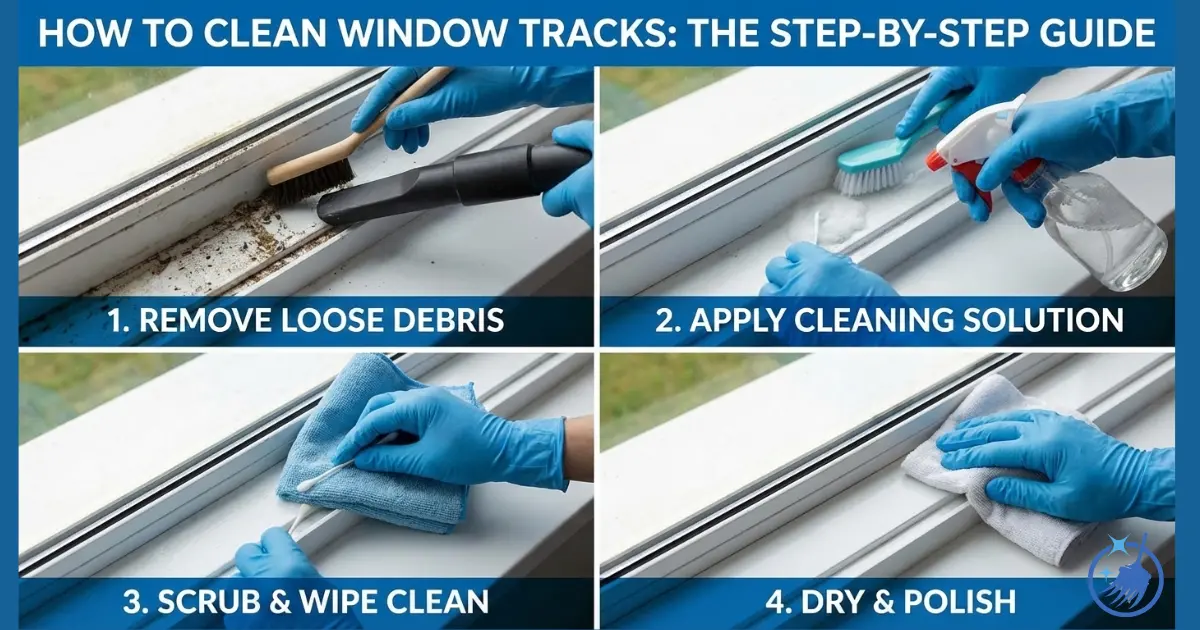
Window tracks collect more than you would think: grit, pollen, dead insects, pet hair, and in a damp room a film of mould. Most people only notice when the window starts to stick or will not close properly. The good news is that the job is quick once you pick the right method for the state the track is in.
The methods below cover uPVC, aluminium and timber frames, whether you have standard casements or sliding patio doors. If you want the quickest way to clean window tracks, the table gives you the short answer first. After that you will find each method in turn, mould, the viral sponge hack, and how to stop the tracks filling up again.
Disclosure: Cleaners Guide is a participant in the Amazon Associates programme, so if you buy through links on this page we may earn a small commission at no extra cost to you. It never changes our recommendations, we suggest products because they work and we point out cheaper options where they do the same job. Prices and availability change, so always check the current price before buying.
Which method suits your tracks
| Method | Best for | Effort | Risk |
|---|---|---|---|
| Vacuum, then bicarb and vinegar | Built-up grime baked into corners | Medium, about 10 to 15 minutes per window with the fizz time | Low on uPVC and aluminium. Keep vinegar off natural stone sills and unsealed timber |
| Brush and warm soapy water | Regular upkeep and light dirt | Low | Very low. Avoid soaking timber frames |
| Handheld steam cleaner | Caked-on dirt and sticky film | Low once it is heated up | Medium. Steam can distort seals and crack cold glass if aimed at it |
| Cotton buds or an old toothbrush | Corners, screw holes and weep holes | Fiddly but thorough | Very low |
| Notched sponge | Light monthly wipes on tracks that are already clean | Low | Low, but it skims over real grime |
The pattern is simple. Loose debris needs a vacuum, stuck-on dirt needs something to soften it, and corners need a small brush. For most households the bicarb and vinegar method with a toothbrush is the cheapest all-rounder, and a steam cleaner is worth considering only if you will use it on other jobs too.
Bicarb and vinegar, step by step
This is the method to reach for when the tracks are properly grubby. Everything on the list is probably in the cupboard already.
- White vinegar, in a small spray bottle if you have one, and bicarbonate of soda
- An old toothbrush or small stiff brush, plus cotton buds for tight corners
- Two or three microfibre cloths
- A vacuum cleaner with a crevice attachment
- Washing-up liquid and warm water
- A plastic scraper or old bank card for hardened paint or caulk drips
- Optional: silicone lubricant spray designed for plastics and windows
1. Vacuum the loose debris
Open the window fully so you can reach the whole track. Use the crevice tool to lift dust, dead insects and grit, making two or three passes and paying attention to the corners, where most of it collects.
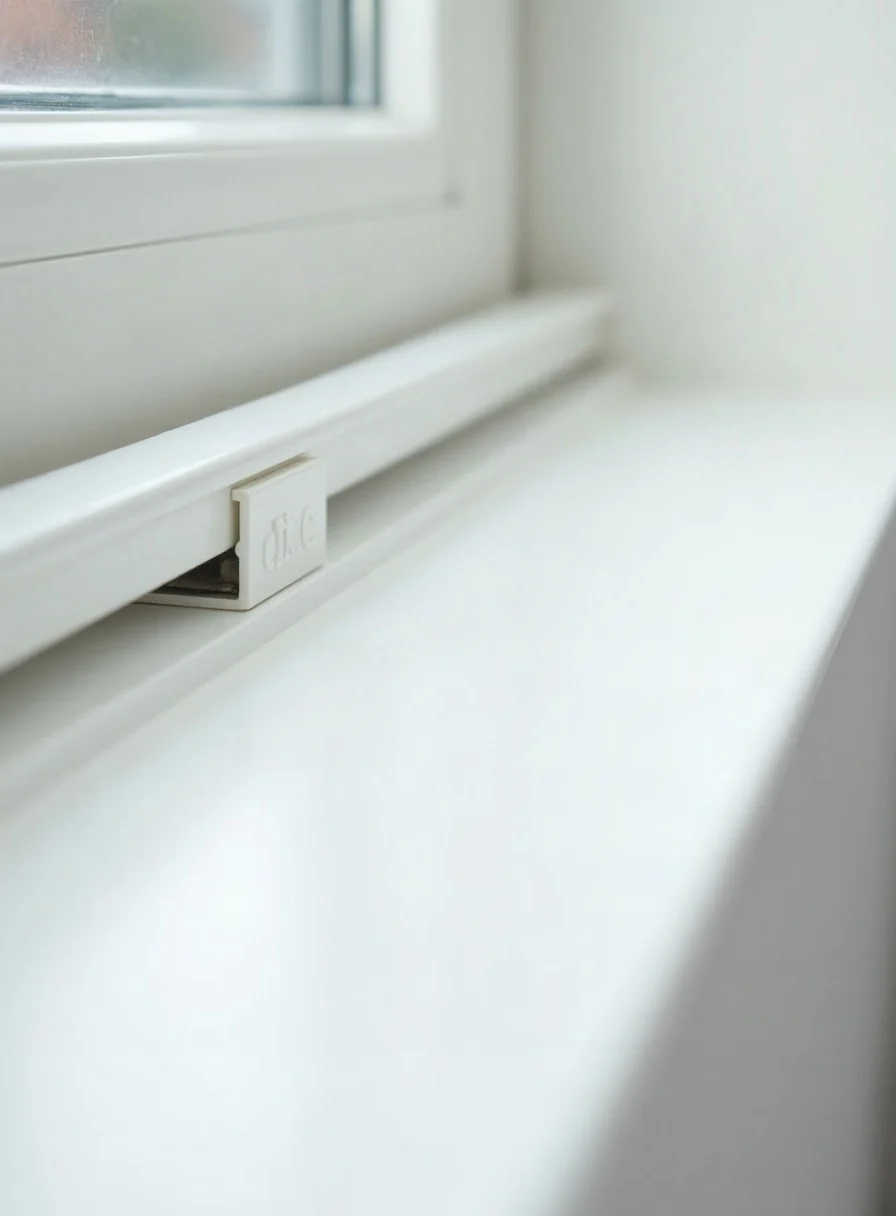
No vacuum? A small dustpan and brush will sweep debris to one end, where you can scoop it out. See the section on cleaning without a vacuum further down for other options.
2. Apply bicarb, then vinegar
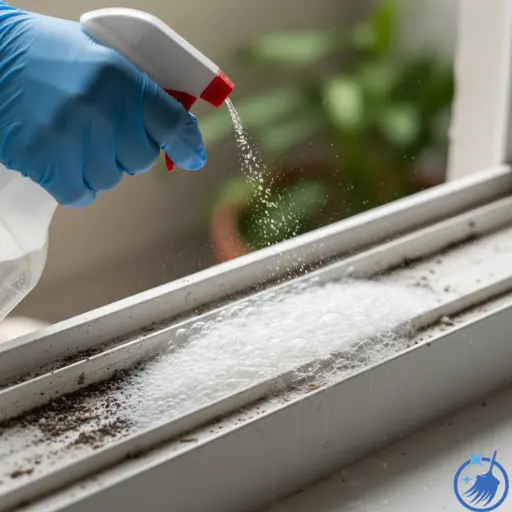
Sprinkle bicarbonate of soda along the track in a decent layer, then spray or pour on white vinegar. It fizzes straight away. The foam is mostly a gentle reaction that helps loosen dirt in narrow grooves, and it is not a strong cleaner, so give it 10 minutes to do its work, or up to 15 on tracks that have not been cleaned for a long time. Our article on whether baking soda and vinegar actually clean explains what the fizz does and does not do.
3. Scrub the track
Work along the track with a detailing brush set or an old toothbrush, pushing the paste into the corners. A set of small brushes is handy if you have a lot of windows, because the thin ones fit the groove and the angled ones reach the corners. Dip a cotton bud in the vinegar for the very tight spots. A plastic scraper or old bank card will lift hardened paint drips or old caulk. Never use a metal scraper on uPVC or aluminium, because it scratches.
Work from one end to the other so you do not miss a section and have to go back.
4. Wipe, rinse and check the weep holes
Wipe away the paste and loosened dirt with a damp microfibre cloth, rinsing the cloth often. Most uPVC tracks have small drainage slots, called weep holes, that let rain and condensation escape. Poke them clear with a cotton bud. If they block, water sits in the track and the frame stays damp.
5. Dry fully, then lubricate lightly
Dry the track with a clean cloth and leave the window open for 20 to 30 minutes. Damp tracks collect dust fast and encourage mould. Once bone dry you can add a thin coat of silicone lubricant spray suitable for plastics, wipe off the excess, and slide the window a few times to spread it. A thin film is enough, because extra lubricant just catches dirt.
Steam, or no vacuum at all
Using a steam cleaner on window tracks
A handheld steam cleaner loosens stuck-on grime with heat and no chemicals, which makes it useful on tracks that have gone sticky or crusty. It is the same kind of tool that helps with limescale around shower heads, so it can earn its place if you have other jobs for it. If you are only cleaning window tracks, the cupboard method above costs far less.
- Vacuum first. Steam softens stuck-on dirt but does not remove loose grit.
- Fill and heat the machine following the manufacturer’s instructions.
- Work in sections of about 15 to 20 cm with the nozzle close to the track, moving slowly.
- Wipe straight away with a microfibre cloth while the dirt is warm and soft.
- Use the small brush attachment for corners.
Keep the steam on the track only. Aim it away from the glass, especially in winter, because a rapid temperature change can crack cold glass. Also keep it off rubber gaskets and seals for long periods, and check the frame maker’s guidance on heat if you have older uPVC or timber. Steam is hot enough to scald, so keep hands clear of the nozzle. Heat does help against mould, though our piece on whether steam cleaning kills germs is a useful reality check on what it can and cannot do.
Cleaning window tracks without a vacuum
Plenty of people do not own a vacuum with a crevice tool, and you do not need one.
- Dustpan and brush. Sweep debris towards one end of the track, then scoop it out.
- Sticky tape. Wrap wide packing tape around your fingers, sticky side out, and press it into the track to lift fine dirt. Swap the tape as it fills.
- Compressed air. A can of compressed air blows debris out of tight corners. Hold a cloth at the far end to catch what comes out, and wear glasses.
- Damp cloth first pass. Wipe with a slightly damp cloth to collect loose debris before you apply any cleaner. It is less thorough than vacuuming but better than starting with a gritty paste.
uPVC, aluminium and timber tracks
Many UK homes have uPVC windows, and white tracks show dirt more than any other part of the frame. The bicarb and vinegar method is suitable, because uPVC is tough and vinegar is only a mild acid. For yellowed tracks, make a paste of bicarbonate of soda and water, leave it on for 30 minutes and scrub gently, since it works as a mild abrasive. Avoid solvent-based cleaners and abrasive cream cleaners, which can dull the surface over time.
Aluminium tracks respond to the same method. For white oxidation, a bicarb paste left for 15 minutes and scrubbed gently is usually enough. Avoid strong alkalis or acids on aluminium, as they can pit or stain the metal. On timber frames use as little water as possible and dry thoroughly, because soaked wood can swell and the finish can lift.
For the glazing itself, see our guides to cleaning double-glazed windows and cleaning windows without streaks.
Mouldy window tracks
Black spots in the track are usually mould, and they are common in bathrooms and kitchens where condensation builds up overnight. Mould spores become airborne when disturbed, so open the window and any nearby doors, and wear gloves. If you are sensitive to mould or have asthma, consider a mask, or have someone else do it.
- Vacuum or wipe off loose spores gently rather than brushing them into the air.
- Apply a mould remover labelled for use on uPVC or tiles, and follow the label for contact time and ventilation. White vinegar is a mild option for light spotting, but it is not a proven disinfectant, so do not rely on it for heavy growth. Our guide to whether vinegar disinfects explains why.
- Scrub with a toothbrush and wipe away the residue.
- Dry the track completely. Mould needs moisture, so a dry track gives it nothing to grow on.
For stubborn black mould on uPVC or tiles, diluted household bleach used strictly as the label directs can work, but never on wood and never with the windows shut. Rinse thoroughly afterwards.
Never mix bleach with vinegar or any other cleaner. The combination can release toxic chlorine gas. If you have used vinegar first, rinse the track well with water and leave it to dry before using bleach, and see our list of cleaning products you should never mix.
Mould that keeps coming back usually means the underlying cause is moisture, mainly condensation from cooking and showering combined with poor ventilation. Wipe the track dry when it is wet, open windows for a short while each day even in winter, and use extractor fans. For wider problems, see what kills mould and how to clean mould off walls.
The sponge hack and sliding doors
The notched sponge hack: does it work?
You have probably seen the video where someone cuts notches into a kitchen sponge so it slots into the track. It does work as a quick maintenance wipe on tracks that are already clean, with a little washing-up liquid and water. On tracks with proper grime it struggles. The sponge compresses, skims over stuck-on dirt rather than scrubbing it, and cannot get into the corners. Cutting neat notches in the scourer side, which is the part that actually cleans, is also awkward. A toothbrush reaches everywhere and does a better job.
How often to clean, and what to avoid
| Job | Suggested frequency | Why |
|---|---|---|
| Quick wipe or vacuum | Monthly | Stops grit building up |
| Proper clean | Every three months | Keeps windows sliding smoothly |
| Deep clean | Twice a year, spring and autumn | Clears whatever the quick jobs missed |
| Mould check | Weekly in damp rooms | Catches problems early |
Clean more often if you live near building sites or a busy road, have pets, get regular condensation, or have tracks in a kitchen or bathroom. You can clean less often if the window is rarely opened, the room is well ventilated, or it is on an upper floor with less debris. Sticking or stiff windows are a sign that it is time.
Patio doors
Sliding door tracks are the same job on a bigger scale. They sit at floor level, so they collect leaves, gravel, pet hair and a lot of dust, and they get heavy use. The method is identical, but allow more time and pay attention to corners where dirt compacts. If the door rollers are accessible, clean and lightly lubricate them, and make sure the drainage holes are completely clear. A patio door typically takes noticeably longer than a standard window.
Mistakes that make tracks harder to clean
- Skipping the vacuum. Adding liquid to loose grit makes a muddy paste that is harder to remove.
- Using too much water. Dripping cloths can seep into wall cavities and damage wooden frames.
- Ignoring weep holes. Blocked drainage causes water to pool, leading to mould and corrosion.
- Closing a damp window. Wet tracks and a closed window are an easy place for mould to start.
- Using metal scrapers. They scratch uPVC and aluminium. Use plastic or an old card.
- Over-lubricating. Excess lubricant attracts dust and gets grimy within weeks.
Small habits that keep tracks clean
Keep a small container with a toothbrush, cotton buds and a microfibre cloth near the window so a monthly wipe takes a couple of minutes. Wipe condensation off the track when you see it, and clean on a bright, dry day when the tracks dry faster and you can see the dirt. Lubricating after a deep clean means the window is easier to open, which encourages the ventilation that keeps condensation down. All of this is cheaper and quicker than dealing with a track that has been left for years. Tracks cleaned every few months rarely need more than a quick brush, and clean tracks mean windows that open smoothly, better ventilation and fewer mould problems around your home.
Window track questions
Can I use WD-40 on window tracks? A silicone spray made for plastics and windows is the usual advice, because it leaves a dry, thin film. Oily sprays can attract dust and turn into a grey paste. If you do use a general-purpose lubricant, check it is safe for the frame material, apply very little and wipe off the excess.
Why do window tracks get so black so quickly? Outdoor dust, pollen and traffic grime settle in the groove, and condensation makes it stick. In kitchens, cooking grease adds to the film. If the track stays damp, mould joins in. Wiping it dry and ventilating the room slows the build-up.
What are the little holes in window tracks for? They are drainage slots, often called weep holes, which let rain and condensation drain outside the frame. If they block, water collects in the track. Clear them with a cotton bud or a thin plastic tool when you clean, and avoid sealing them with lubricant or caulk.
Is it safe to use a steam cleaner on uPVC windows? Generally yes on the track, if you keep the nozzle moving and aim away from glass and rubber seals. Cold glass can crack under direct steam, and prolonged heat can soften or warp plastic. Check the window manufacturer’s guidance if you are unsure, and test a small, hidden area first.
My window still sticks after cleaning. What next? Check for debris in the rollers or hinges, dried lubricant, a warped frame or dropped sash. Clean and lightly lubricate moving parts. If the window is still stiff, misaligned or will not lock, a glazing or window repair specialist can adjust or replace the rollers and hinges.