How to Clean Earrings: Complete Guide for All Metal Types

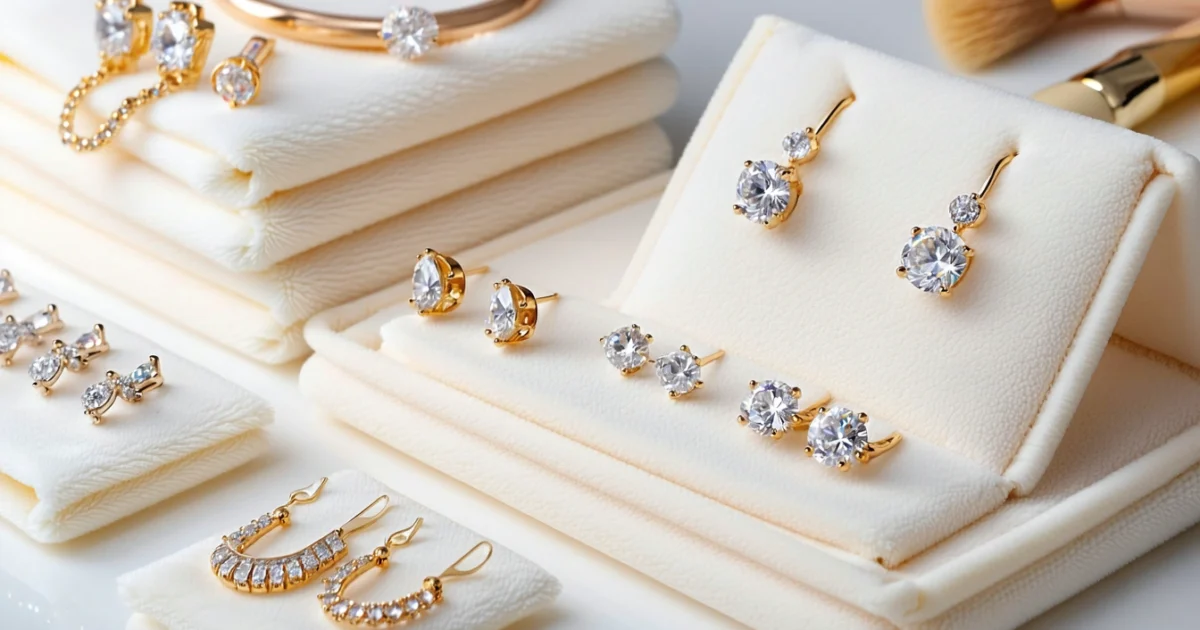
How to clean earrings properly requires understanding your earring materials and using the right cleaning methods to maintain their shine whilst protecting delicate components. Whether you’re dealing with sterling silver, gold, gemstones, or costume jewellery, each material needs specific care to prevent damage and maintain hygiene. Regular cleaning not only keeps your earrings looking brilliant but also prevents skin irritation and bacterial buildup that can lead to ear infections.
Most earrings can be safely cleaned with warm soapy water and a soft-bristled toothbrush, but precious metals and delicate stones require specialised techniques. Additionally, proper disinfection is essential for maintaining ear health, especially when sharing jewellery or after illness. Understanding which cleaning solutions to use and which to avoid will help preserve your earrings’ value and appearance for years to come.
From basic maintenance to deep cleaning tarnished pieces, this comprehensive guide covers everything you need to know about earring care. Furthermore, we’ll explore safe storage methods and maintenance schedules to keep your jewellery collection in pristine condition.
TL;DR
- Basic cleaning kit: warm water, mild dish soap, soft-bristled toothbrush, and microfibre cloths work for most earrings
- Metal-specific care: sterling silver needs tarnish removal, gold requires gentle handling, and costume jewellery needs extra caution
- Gemstone safety: hard stones like diamonds can handle scrubbing, but soft stones and pearls need gentle, water-free cleaning
- Disinfection is crucial: use hydrogen peroxide or rubbing alcohol to prevent ear infections and maintain hygiene
- Regular maintenance: daily wiping, weekly cleaning for frequent wear, and proper storage prevent damage and tarnishing
Essential Supplies for Cleaning Earrings
Proper earring cleaning requires the right tools and supplies to ensure effective results without damaging your jewellery. Moreover, having a well-stocked cleaning kit prevents you from using inappropriate household products that could harm delicate metals or gemstones. The key lies in choosing gentle yet effective supplies that work across different earring materials.
Basic Cleaning Kit Essentials
Start with warm water as your foundation cleaning agent, as it dissolves oils and loosens debris without causing thermal shock to metals or stones. Additionally, mild dish soap provides gentle cleansing power that effectively removes accumulated grime whilst remaining safe for most earring materials. Choose pH-neutral formulas specifically, as they won’t react with sensitive metals like sterling silver.
A soft-bristled toothbrush serves as your primary scrubbing tool for reaching intricate details and crevices in earring designs. Furthermore, the bristles must be soft enough to avoid scratching precious metals yet firm enough to dislodge stubborn buildup. Replace toothbrushes regularly to maintain optimal cleaning effectiveness and prevent bacterial contamination.
Specialised Cleaning Tools
Microfibre cloths excel at polishing and buffing earrings to a brilliant shine without leaving lint or scratches on metal surfaces. These cloths trap particles effectively, preventing them from being redistributed across your jewellery during cleaning. Similarly, microfibre technology proves invaluable for delicate cleaning tasks throughout your home.
Cotton swabs provide precision cleaning for tight spaces, post backs, and intricate gemstone settings where brushes cannot reach. However, use them sparingly on delicate pieces to avoid cotton fibres becoming trapped in prong settings. Meanwhile, jewellery polishing cloths contain specialised compounds that remove tarnish whilst imparting protective coatings to prevent future oxidation.
Safe Cleaning Solutions
Hydrogen peroxide serves dual purposes as both a cleaning agent and disinfectant, making it particularly valuable for earrings that contact your skin regularly. Nevertheless, limit exposure time to prevent potential damage to certain gemstones or metal finishes. Rubbing alcohol (isopropyl alcohol) provides excellent disinfection properties whilst evaporating quickly to prevent water spots.
Commercial jewellery cleaners offer convenience and targeted formulations for specific metal types, though they typically cost more than homemade solutions. These products often contain surfactants and mild acids that effectively remove tarnish and restore shine. Always verify compatibility with your specific earring materials before use, as some cleaners may damage certain gemstones or plated metals.
What to Avoid: Harmful Products and Practices
Harsh chemicals including bleach, ammonia, and chlorine-based cleaners can permanently damage precious metals and cause discolouration or pitting. These substances also pose health risks when used near your ears and face. Similarly, avoid acidic solutions like lemon juice or vinegar, which can etch metal surfaces and dissolve certain gemstones.
Abrasive materials such as steel wool, scouring pads, or rough cloths create microscopic scratches that dull metal surfaces and provide hiding places for bacteria. Instead, stick to soft materials that clean effectively without causing surface damage. Additionally, avoid paper towels, which contain wood fibres that can scratch delicate finishes.
Ultrasonic cleaners present risks for delicate pieces, particularly those containing pearls, opals, emeralds, or costume jewellery with glued components. The vibrations can loosen stones, crack fragile gems, or separate bonded elements. Therefore, reserve ultrasonic cleaning only for sturdy pieces like solid gold or platinum earrings with securely set diamonds, and always consult a professional jeweller first.
Step-by-Step General Cleaning Method
Following a systematic approach ensures thorough earring cleaning while minimising damage risks. However, this general method requires adaptation based on your specific earring materials and construction. Moreover, consistency in technique produces better results than sporadic intensive cleaning sessions.
Pre-Cleaning Inspection
Begin by examining each earring under good lighting to identify loose stones, bent posts, or damaged settings. Gently wiggle gemstones to check for movement, as cleaning solutions can dislodge already-loose components. Additionally, inspect for wear patterns around clasps and posts that might indicate structural weakness.
Check for tarnish patterns or discolouration that might require special attention during cleaning. Furthermore, note any areas where dirt or oils have accumulated, particularly around intricate details or behind gemstone settings. This inspection guides your cleaning approach and prevents surprises during the process.
Soaking Process
Fill a small bowl with warm water and add two drops of mild dish soap, creating a gentle cleaning solution. The water temperature should feel comfortably warm to your touch—approximately 30-35°C—as excessive heat can damage certain gemstones or loosen adhesives in costume jewellery.
Submerge your earrings completely and allow them to soak for 5-10 minutes maximum. This soaking period softens accumulated oils, makeup residue, and surface dirt without over-exposing delicate materials to moisture. Meanwhile, avoid extended soaking times that might affect plated finishes or water-sensitive stones like pearls.
Gentle Scrubbing Technique
Use a soft-bristled toothbrush or dedicated jewellery brush to gently clean crevices and detailed areas. Work in circular motions with minimal pressure, allowing the bristles to reach into grooves and around gemstone settings. Subsequently, pay special attention to earring backs and posts where bacteria commonly accumulate.
For intricate designs, employ a cotton swab dipped in the soapy solution to clean tight spaces that brushes cannot reach. Clean each section methodically, ensuring you address all surfaces including the back of gemstones and inside hollow areas. This systematic approach prevents missing spots that could harbour bacteria or tarnish.
Thorough Rinsing and Drying
Rinse each earring under lukewarm running water to remove all soap residue, which can cause dulling if left behind. Hold earrings securely during rinsing to prevent accidental drops down the drain—consider placing a towel in the sink bottom as additional protection.
Pat dry immediately with a clean, lint-free cloth to prevent water spots and mineral deposits. Avoid rubbing motions that might scratch surfaces; instead, use gentle pressing movements to absorb moisture. Allow earrings to air dry completely for 10-15 minutes before handling or storing, ensuring no trapped moisture remains in crevices.
Final Polishing
Use a microfibre polishing cloth to restore shine and remove any remaining water spots or fingerprints. Polish in straight lines rather than circular motions to avoid creating swirl marks on metal surfaces. This technique works particularly well for gold, silver, and platinum pieces.
For gemstone earrings, polish the metal components while avoiding direct contact with stones that might be sensitive to pressure or friction. Finally, inspect your cleaned earrings under good lighting to ensure complete cleaning and proper shine restoration. This systematic cleaning approach mirrors techniques used for other delicate personal items requiring careful maintenance.
Metal-Specific Cleaning Techniques
Different metals require tailored cleaning approaches to maintain their appearance and prevent damage. Understanding each metal’s unique properties ensures your earrings receive appropriate care while avoiding costly mistakes that could permanently harm delicate surfaces.
Sterling Silver: Tarnish Removal and Prevention
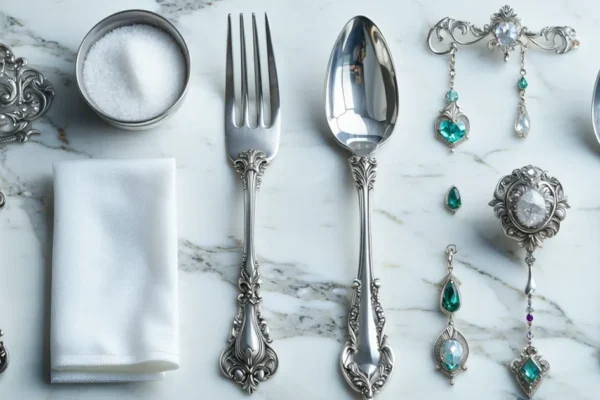
Sterling silver earrings develop tarnish when exposed to sulphur compounds in air, creating a dull, blackened appearance. Create a gentle cleaning paste using three parts baking soda to one part water, then apply with a soft-bristled toothbrush in circular motions. This method effectively removes tarnish without scratching the silver surface.
For heavily tarnished pieces, line a bowl with aluminium foil and add hot water with one tablespoon of salt and one tablespoon of baking soda. Submerge earrings for 2-3 minutes while the chemical reaction lifts tarnish naturally. Rinse thoroughly and dry immediately to prevent water spots from forming.
Prevention proves more effective than removal—store sterling silver earrings in anti-tarnish pouches or airtight containers with silica gel packets. Additionally, wearing silver jewellery regularly helps prevent tarnish formation, as natural skin oils create a protective barrier against oxidation.
Gold Earrings: Maintaining Different Karat Weights Safely
Higher karat gold (18k-24k) requires gentler treatment than lower karat alternatives due to its softer composition. Clean high-karat gold earrings using only warm soapy water and a soft cloth, avoiding abrasive materials that could scratch the surface. Lower karat gold (10k-14k) contains more alloy metals, making it more durable but potentially reactive to certain cleaning agents.
For white gold earrings, avoid ammonia-based cleaners that can strip rhodium plating and cause discolouration. Instead, use mild dish soap solutions and polish with a chamois cloth to maintain the bright finish. Rose gold benefits from similar gentle treatment, though its copper content makes it slightly more tarnish-resistant than other gold varieties.
Test any cleaning solution on an inconspicuous area first, particularly with vintage or antique gold pieces that may have unique alloy compositions. This precautionary approach prevents irreversible damage to valuable jewellery items.
Stainless Steel and Surgical Steel: Robust Cleaning Approaches
Stainless steel and surgical steel earrings offer exceptional durability and corrosion resistance, allowing for more aggressive cleaning methods. Create a cleaning solution using equal parts white vinegar and water, then soak earrings for 5-10 minutes to dissolve mineral deposits and restore shine.
For stubborn stains or buildup, apply a paste of baking soda and water, scrubbing gently with a soft brush. These metals withstand moderate abrasion without damage, making them ideal for thorough cleaning sessions. Rinse completely and buff dry with a microfibre cloth to achieve a mirror-like finish.
Unlike precious metals, steel earrings can be cleaned with isopropyl alcohol for additional sanitisation without risk of damage. This makes them particularly suitable for individuals with sensitive ears or those requiring frequent cleaning due to active lifestyles.
Costume Jewellery: Gentle Methods for Plated and Delicate Metals
Costume jewellery earrings feature thin metal plating over base metals, requiring extremely gentle cleaning to prevent plating removal. Use only lukewarm water with a few drops of mild shampoo, avoiding harsh detergents that could strip delicate coatings. Clean quickly and dry immediately to prevent water penetration beneath plating layers.
Never soak costume jewellery for extended periods, as moisture can cause base metals to corrode and plating to bubble or peel. Instead, use a damp cotton swab to clean specific areas, maintaining control over moisture exposure. This targeted approach protects vulnerable plating while achieving effective cleaning results.
For pieces showing signs of tarnishing or discolouration, apply a thin layer of clear nail polish to slow further deterioration. However, remember that costume jewellery has limited lifespan compared to solid metal alternatives, making gentle care essential for maximising wearable life.
Platinum Care: Specialised Techniques for Precious Metal
Platinum earrings represent the pinnacle of precious metal jewellery, requiring specialised care to maintain their naturally white lustre. Unlike white gold, platinum doesn’t require rhodium plating, but it develops a natural patina over time that some owners prefer to preserve. Clean platinum using warm soapy water and a soft brush, focusing on crevices where debris accumulates.
For professional-level results, create a cleaning solution using one part ammonia to six parts water, soaking platinum earrings for no more than one minute. This method effectively removes oils and residue without damaging the metal’s integrity. Rinse thoroughly and dry with a lint-free cloth to prevent water spotting.
Professional polishing every 12-18 months helps maintain platinum’s mirror finish, though many owners appreciate the subtle matte patina that develops naturally. Store platinum earrings separately from other metals to prevent scratching, as platinum’s density makes it susceptible to surface marks from harder materials. This careful approach ensures your investment pieces maintain their value and appearance for generations.
Cleaning Earrings with Gemstones and Pearls
Gemstone and pearl earrings demand specialised cleaning approaches that protect delicate materials while maintaining their natural brilliance. Different stones possess varying hardness levels and porosity characteristics, making universal cleaning methods potentially damaging. Understanding each gemstone’s unique properties ensures your precious pieces receive appropriate care without compromising their structural integrity or aesthetic appeal.
Diamond and Hard Gemstone Cleaning Techniques
Diamonds rank as the hardest natural substance, allowing for more aggressive cleaning methods than softer gemstones. Create a cleaning solution using warm water and mild dish soap, then soak diamond earrings for 10-15 minutes to loosen accumulated oils and debris. Use a soft-bristled toothbrush to gently scrub around the setting, paying particular attention to the pavilion where dirt commonly accumulates.
Sapphires and rubies share similar hardness ratings with diamonds, making them suitable for gentle scrubbing techniques. However, avoid ultrasonic cleaners if these stones show internal fractures or have been treated with oils or resins. Steam cleaning works effectively for natural, untreated specimens, but professional assessment helps determine the safest cleaning approach for treated stones.
For hard gemstones like topaz and garnet, combine one teaspoon of ammonia with one cup of water for enhanced cleaning power. Soak earrings for no more than one minute, then brush gently with circular motions. This method effectively removes stubborn residue while maintaining the stone’s natural lustre and clarity.
Special Care for Soft Gemstones
Opals contain significant water content, making them extremely vulnerable to temperature changes and harsh chemicals. Clean opal earrings using only lukewarm water and a soft cloth, avoiding soap solutions that can penetrate the stone’s porous structure. Never expose opals to ultrasonic cleaners or steam, as rapid temperature changes cause cracking and crazing.
Turquoise requires exceptionally gentle handling due to its porous nature and relatively low hardness rating. Use a barely damp cloth to wipe the surface, then immediately dry with a soft towel. Avoid submerging turquoise in water, as prolonged exposure causes colour fading and structural weakening. Store turquoise earrings in a dry environment away from direct sunlight.
Emeralds often contain natural inclusions and may have been treated with oils to enhance clarity. Clean emerald earrings using only warm soapy water and a soft brush, avoiding ultrasonic cleaners that can damage oil treatments. Pat dry gently rather than rubbing, as emeralds can chip along their natural fracture lines when subjected to pressure.
Pearl Earring Care Without Nacre Damage
Pearl earrings demand the gentlest cleaning approach, as their nacre coating is extremely delicate and easily damaged by acids and abrasives. Wipe pearls with a soft, damp cloth immediately after wearing to remove skin oils and cosmetic residue. This simple practice prevents acidic substances from etching the pearl’s surface over time.
For deeper cleaning, use only lukewarm water and the mildest soap available, avoiding detergents or chemicals entirely. Gently wipe each pearl individually, then rinse with clean water and pat dry with a soft towel. Never soak pearl earrings, as water can weaken the silk thread in strung pieces and damage the nacre layers.
Professional restringing becomes necessary every 2-3 years for frequently worn pearl earrings, particularly those with multiple pearls. This maintenance prevents breakage and ensures the silk remains strong enough to support the pearls’ weight safely.
Preventing Water Damage to Porous Stones
Porous gemstones like lapis lazuli, malachite, and unglazed ceramic require water-free cleaning methods to prevent internal damage. Use a soft brush to remove surface dust and debris, followed by a barely damp cloth for stubborn spots. Immediately dry the stone completely to prevent water absorption that can cause cracking or colour changes.
Organic materials such as amber, coral, and jet absorb moisture readily, making water exposure particularly problematic. Clean these materials using only dry methods, such as soft brushing or polishing with a microfibre cloth. If moisture contact occurs accidentally, dry immediately and allow several hours of air drying before storage.
Similarly, delicate cleaning approaches benefit other household items requiring gentle care, much like cleaning electronic screens safely demands specific techniques to prevent damage.
Professional Cleaning for Valuable Pieces
High-value earrings warrant professional cleaning services that possess specialised equipment and expertise for handling precious materials. Professional jewellers use ultrasonic cleaners with appropriate frequency settings for different gemstone types, ensuring thorough cleaning without structural damage. They also identify potential issues like loose settings or worn prongs before problems become costly repairs.
Schedule professional cleaning annually for frequently worn pieces, or every 18-24 months for occasional-wear earrings. This service typically includes inspection, cleaning, and minor adjustments to settings or clasps. Insurance appraisals often require professional cleaning beforehand, making this maintenance both protective and financially beneficial.
For antique or heirloom earrings, seek specialists experienced with vintage techniques and materials. These pieces may contain older setting methods or treated stones that require different handling approaches than modern jewellery. Professional assessment helps determine the safest cleaning methods while preserving historical integrity and value.
Disinfecting Earrings for Health and Hygiene
Proper disinfection becomes essential when earrings require sanitisation beyond routine cleaning. New earrings carry manufacturing residues and handling contamination from multiple sources during retail display. Additionally, shared jewellery between family members or friends creates cross-contamination risks that standard cleaning cannot eliminate.
Post-illness disinfection proves particularly crucial after ear infections, bacterial conjunctivitis, or respiratory illnesses. Pathogens survive on metal surfaces for extended periods, potentially reinfecting healed tissue or spreading to other household members. Furthermore, earrings worn during illness require thorough sanitisation before safe reuse.
Safe Disinfection Methods
Hydrogen peroxide provides effective disinfection for most earring materials without causing damage to metals or stones. Create a 3% hydrogen peroxide solution by mixing equal parts pharmacy-grade peroxide with distilled water. Submerge earrings completely for 10-15 minutes, then rinse thoroughly with clean water and dry immediately.
Alternatively, 70% isopropyl alcohol offers rapid disinfection suitable for quick sanitisation needs. Soak cotton pads with rubbing alcohol and wipe all earring surfaces methodically, ensuring complete coverage of posts, backs, and decorative elements. Allow alcohol to air-dry completely before handling, as evaporation indicates proper disinfection completion.
However, avoid alcohol-based disinfection on porous stones like pearls, opals, or turquoise, as alcohol penetration causes permanent damage. Similarly, antique pieces with delicate finishes require gentler hydrogen peroxide treatment over aggressive alcohol wiping.
Post-Infection Sanitisation Protocols
Ear infection recovery demands comprehensive earring disinfection to prevent recontamination of healing tissue. Begin sanitisation only after complete symptom resolution and medical clearance for earring wear. Discard any earrings worn during active infection periods if they cannot withstand thorough disinfection processes.
Create a dedicated disinfection workspace using clean towels and separate containers for contaminated and sanitised items. Process all earrings that contacted infected areas, including backup pairs stored in the same container. This thorough approach prevents residual bacterial contamination from compromising healing progress.
Medical professionals often recommend replacing earring backs entirely after infections, as these small components harbour bacteria in microscopic crevices that resist standard cleaning. Consequently, invest in new backs alongside thorough earring disinfection for optimal infection prevention, similar to how proper ear cleaning requires specific hygiene protocols.
Preventing Cross-Contamination
Establish separate cleaning stations for contaminated and clean earrings to prevent accidental recontamination during the disinfection process. Use disposable gloves when handling potentially infected jewellery, changing gloves between contaminated and sanitised items. This barrier protection prevents hand-to-earring bacterial transfer throughout the cleaning procedure.
Moreover, designate specific containers for each cleaning stage, clearly labelling them as “contaminated,” “soaking,” and “clean” to maintain proper workflow organisation. Never return sanitised earrings to original storage containers without thorough container disinfection using the same protocols applied to the jewellery itself.
Finally, disinfect all cleaning tools, containers, and work surfaces with household bleach solution after completing the earring sanitisation process. This comprehensive approach eliminates environmental contamination that could compromise future cleaning efforts or spread pathogens to other household items.
Troubleshooting Common Earring Problems
Even with proper maintenance, earrings develop specific issues that require targeted solutions. Understanding these common problems enables effective troubleshooting that restores both appearance and wearability. Additionally, recognising when professional intervention becomes necessary prevents damage from improper home remedies.
Removing Green Marks and Skin Discolouration
Copper oxidation creates the distinctive green marks that transfer from earrings to skin during wear. This chemical reaction occurs when copper-containing alloys interact with moisture, acids, and oxygen present on skin surfaces. Furthermore, the resulting copper carbonate deposits stain both jewellery and surrounding tissue with characteristic blue-green discolouration.
Remove green stains from earrings using white vinegar combined with table salt to create a mildly acidic cleaning paste. Apply this mixture directly to affected areas, allowing the acid to dissolve copper deposits through chemical neutralisation. Subsequently, scrub gently with a soft toothbrush to lift loosened oxidation without scratching underlying metal surfaces.
For skin discolouration, lemon juice effectively breaks down copper stains through natural citric acid action. Mix equal parts lemon juice and baking soda to form a gentle abrasive paste that removes surface staining. However, avoid harsh scrubbing that could irritate sensitive ear tissue or damage delicate skin around piercing sites.
Dealing with Stuck Earring Backs and Posts
Dried skin oils and accumulated debris frequently cement earring backs to posts, creating frustrating removal challenges. This buildup hardens over time, essentially gluing components together through organic residue accumulation. Moreover, forceful removal attempts often damage delicate earring mechanisms or cause painful ear injuries.
Soak stuck earrings in warm soapy water for fifteen minutes to soften hardened deposits that bind backs to posts. The heat expands metal components slightly while soap dissolves organic buildup that creates adhesion. Consequently, gentle twisting motions after soaking typically release stuck backs without excessive force application.
Apply mineral oil around stuck backs using cotton swabs to lubricate threading mechanisms and dissolve waxy buildup. This penetrating oil seeps into microscopic gaps where debris accumulates, breaking down adhesive residues through chemical dissolution. Additionally, the lubricating properties reduce friction during removal attempts, preventing damage to delicate post threading.
Cleaning Heavily Tarnished or Oxidised Pieces
Silver tarnish develops when sulphur compounds in air react with silver surfaces, creating dark silver sulphide layers that obscure original lustre. This oxidation process accelerates in humid environments or when exposed to household chemicals containing sulphur. Furthermore, heavily tarnished pieces require progressive cleaning approaches that gradually remove oxidation without damaging underlying metal.
Create a baking soda paste using three parts baking soda to one part water for treating moderate tarnish on silver earrings. The alkaline properties neutralise acidic tarnish compounds while gentle abrasive action physically removes surface oxidation. Apply with soft brushes, working in circular motions to avoid scratching decorative details or gemstone settings.
For severe oxidation, aluminium foil combined with hot water and salt creates an electrochemical reaction that reverses tarnish formation. Line a bowl with foil, add hot water and salt, then submerge tarnished earrings for several minutes. This process transfers sulphur from silver back to aluminium, effectively removing tarnish through ionic exchange rather than abrasive scrubbing.
Restoring Shine to Dull or Cloudy Earrings
Micro-scratches accumulate on earring surfaces over time, creating dull appearances that scatter light rather than reflecting it clearly. These microscopic abrasions result from daily wear, improper storage, and contact with abrasive materials. Similarly, soap residue and skin oils create cloudy films that diminish natural metal brilliance and gemstone sparkle.
Polish gold earrings using jewellery rouge or specialised polishing cloths designed for precious metals to remove surface scratches and restore reflective properties. These products contain fine abrasives that smooth microscopic irregularities while depositing protective compounds that resist future tarnishing. Work systematically across all surfaces, paying particular attention to high-wear areas around posts and decorative elements.
Ultrasonic cleaners effectively remove embedded dirt and residue from intricate earring designs where manual cleaning proves insufficient. These devices use high-frequency vibrations to dislodge particles from crevices and settings without physical scrubbing. However, avoid ultrasonic cleaning for pearls, opals, or other delicate gemstones that may crack under vibrational stress.
When to Seek Professional Jeweller Assistance
Antique earrings and pieces with significant monetary or sentimental value require professional assessment before attempting home cleaning methods. Vintage items often contain materials or construction techniques that react unpredictably to modern cleaning solutions. Therefore, professional jewellers possess specialised knowledge about historical manufacturing methods and appropriate restoration techniques.
Seek professional help when earrings contain loose gemstones or damaged settings that could worsen during cleaning attempts. Jewellers use specialised tools and techniques to secure stones before cleaning, preventing loss or further damage. Additionally, they can identify structural weaknesses that home cleaning might exacerbate, potentially saving costly repairs or irreplaceable pieces.
Professional cleaning becomes essential for earrings with unknown metal composition or complex multi-metal construction that could react adversely to standard cleaning methods. Mixed-metal pieces require specific approaches that consider each material’s properties and potential interactions. Consequently, professional assessment prevents damage from incompatible cleaning solutions or techniques, similar to how proper ear cleaning requires understanding individual sensitivities and appropriate methods.
Maintenance Schedule and Storage Tips
Establishing a consistent maintenance routine prevents earring deterioration and extends their lifespan significantly. Daily care forms the foundation of proper jewellery maintenance, whilst weekly and monthly schedules address deeper cleaning needs. Moreover, proper storage methods protect investments and maintain aesthetic appeal between wears.
Daily Care Essentials
Daily wiping after each wear removes oils, perspiration, and environmental pollutants that accumulate during normal use. Use a soft, lint-free cloth to gently wipe both the front and back surfaces of earrings immediately after removal. Subsequently, this simple habit prevents buildup that requires more aggressive cleaning methods later.
Proper removal technique protects both earrings and ear health simultaneously. Always wash hands before handling earrings to prevent transferring bacteria or contaminants. Additionally, remove earrings gently by grasping the backing rather than pulling on decorative elements, which could loosen settings or damage delicate components.
Weekly Cleaning Schedule
Frequently worn earrings require weekly cleaning to maintain their appearance and hygiene standards. This routine involves gentle cleaning with appropriate solutions based on metal type and gemstone composition. Furthermore, weekly maintenance prevents the accumulation of stubborn residues that necessitate intensive cleaning methods.
- Inspect earrings for loose stones or damaged components
- Clean with appropriate solution for metal type
- Rinse thoroughly with clean water
- Dry completely before storage
- Check backings for wear or damage
Monthly Deep Cleaning Protocol
Monthly deep cleaning addresses accumulated grime and restores earrings to optimal condition. This intensive maintenance involves soaking, gentle scrubbing with soft brushes, and thorough inspection for potential issues. Consequently, monthly protocols catch problems early before they require professional intervention.
Schedule deep cleaning sessions during daylight hours when natural light reveals hidden dirt and potential damage more effectively. Use this opportunity to rotate earring collections, allowing pieces to rest between intensive wear periods. Similarly, monthly cleaning provides ideal timing for applying protective treatments or polishing compounds as needed.
Storage Solutions That Prevent Damage
Proper storage methods prevent tarnishing, scratching, and structural damage when earrings aren’t being worn. Individual compartments or soft pouches separate pieces and prevent metal-on-metal contact that causes scratches. Moreover, controlled environments with appropriate humidity levels slow oxidation processes that lead to tarnishing.
| Storage Method | Best For | Benefits |
|---|---|---|
| Velvet-lined boxes | Precious metals | Prevents scratching, reduces tarnishing |
| Anti-tarnish strips | Silver earrings | Absorbs moisture, slows oxidation |
| Individual pouches | Delicate gemstones | Prevents contact damage |
| Hanging organisers | Daily wear pieces | Easy access, prevents tangling |
Avoid storing earrings in bathrooms or other high-humidity environments that accelerate tarnishing and corrosion. Instead, choose cool, dry locations away from direct sunlight and temperature fluctuations. Additionally, consider using silica gel packets or anti-tarnish cloths within storage containers to maintain optimal conditions.
Travel Care and Portable Solutions
Travel cleaning kits enable proper earring care away from home whilst maintaining established maintenance routines. Portable solutions include travel-sized cleaning cloths, small bottles of appropriate cleaning solutions, and compact storage cases. Furthermore, travel care prevents damage from environmental changes and unfamiliar conditions.
Pack earrings in hard-sided cases or padded pouches that protect against impact damage during transport. Separate different metal types to prevent galvanic corrosion that occurs when dissimilar metals contact each other in humid conditions. Similarly, proper ear cleaning requires attention to hygiene standards that travel situations often compromise.
Daily wiping after wear prevents 80% of common earring cleaning problems
Establish backup cleaning methods for travel situations where preferred products aren’t available. Research local water quality and adjust cleaning techniques accordingly, as hard water can leave mineral deposits on cleaned earrings. Therefore, portable distilled water or pre-moistened cleaning cloths provide consistent results regardless of location.
Frequently Asked Questions
How often should I clean my earrings?
For earrings worn daily, clean them weekly with warm soapy water and wipe them down after each wear. Earrings worn occasionally need cleaning monthly or before wearing. Always disinfect earrings before first wear or after sharing them to prevent ear infections.
Can I use household cleaners on my earrings?
Avoid harsh household cleaners like bleach, ammonia, or abrasive products as they can damage metals and gemstones. Stick to mild dish soap, hydrogen peroxide for disinfection, and specialised jewellery cleaners. Never use toothpaste or baking soda on delicate pieces.
What's the safest way to clean pearl earrings?
Pearls require gentle, water-free cleaning as they’re porous and delicate. Use a soft, damp microfibre cloth to wipe them clean, then dry immediately. Never soak pearls or use soap, as this can damage their lustre and weaken the nacre coating.
How do I remove tarnish from sterling silver earrings?
Use a silver polishing cloth or specialised silver cleaner for light tarnish. For heavy tarnishing, create a paste with baking soda and water, gently rub with a soft cloth, then rinse and dry thoroughly. Store silver earrings in anti-tarnish pouches to prevent future oxidation.
Is it safe to clean earrings with gemstones?
It depends on the gemstone hardness. Hard stones like diamonds, rubies, and sapphires can handle gentle scrubbing with a soft toothbrush. Soft stones like opals, turquoise, and emeralds need careful wiping with a damp cloth only. Always research your specific gemstone’s cleaning requirements.
Can I clean costume jewellery earrings the same way as real gold?
No – costume jewellery requires extra caution as it often has plated finishes that can wear off. Use minimal water, avoid soaking, and dry immediately. Test cleaning methods on a hidden area first, and consider using only a slightly damp cloth for delicate pieces.
What should I do if my earrings cause irritation after cleaning?
Rinse the earrings thoroughly with clean water to remove any cleaning residue, then disinfect with hydrogen peroxide or rubbing alcohol. Allow them to air dry completely before wearing. If irritation persists, you may have a metal sensitivity – consider switching to hypoallergenic materials like surgical steel or titanium.
How should I store my earrings to keep them clean longer?
Store earrings in a clean, dry environment with individual compartments to prevent scratching. Use anti-tarnish strips for silver pieces, and keep them away from moisture and direct sunlight. Jewellery boxes with soft fabric lining or individual pouches work best for maintaining cleanliness between wears.
You May Also Like
How to Clean Rust Off Metal: Complete Removal Guide 2026
How to Clean Silver Necklace: Complete Guide 2026