Does WD-40 Clean Aluminum Wheels? Complete Guide 2026

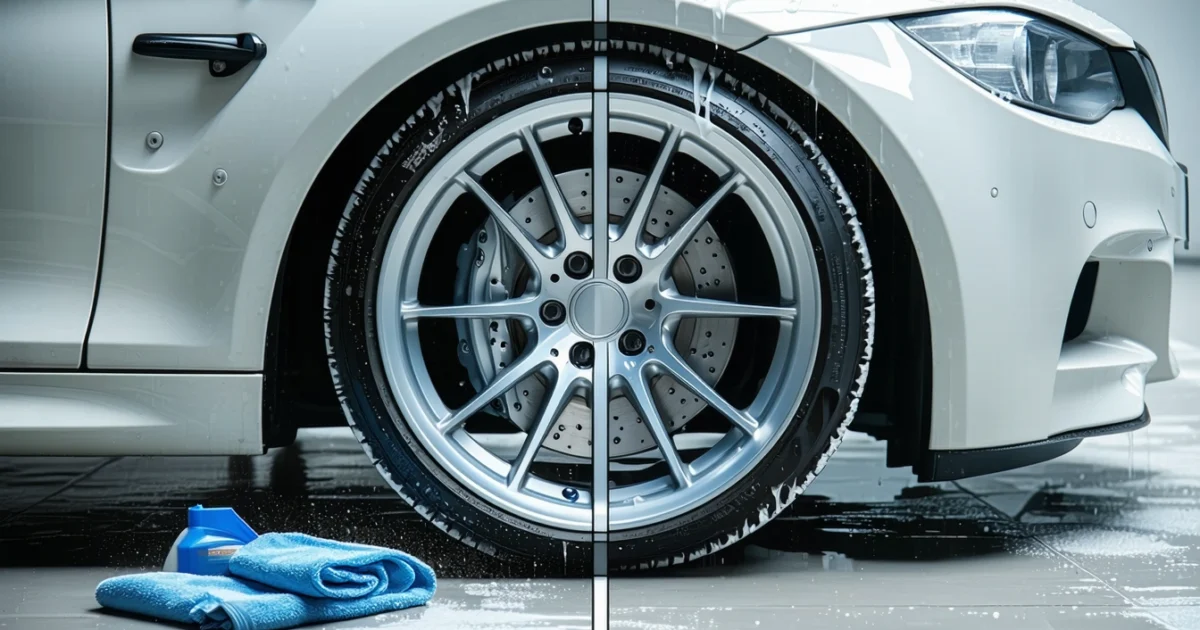
Does WD-40 clean aluminum wheels? Yes, WD-40 can help clean aluminum wheels by removing light brake dust, road grime, and water spots, but it’s primarily a penetrating oil and water displacer rather than a dedicated wheel cleaner. However, WD-40 has significant limitations when dealing with heavy contamination, stubborn brake dust, or oxidised aluminum surfaces.
WD-40 works by penetrating and loosening contaminants on aluminum surfaces, making them easier to wipe away. Additionally, its water-displacing properties help prevent corrosion and remove moisture-related stains. Nevertheless, it cannot match the effectiveness of purpose-made wheel cleaners for thorough cleaning.
Understanding WD-40’s actual capabilities helps you make informed decisions about wheel maintenance. Furthermore, knowing when to use alternatives ensures your aluminum wheels stay clean and protected without damage to finishes or coatings.
TL;DR
- WD-40 can remove light brake dust and road grime from aluminum wheels but isn’t a dedicated cleaner
- Limited effectiveness against heavy contamination, oxidation, and stubborn deposits
- Best used as a maintenance tool rather than primary cleaning solution for aluminum wheels
What WD-40 Actually Does to Aluminum Wheels
WD-40 functions primarily as a water displacement formula and penetrating oil, not a cleaning agent. The product displaces moisture from surfaces while penetrating into microscopic crevices to loosen stuck particles. Consequently, this dual action makes it effective for specific wheel maintenance tasks.
When applied to aluminum surfaces, WD-40 creates a thin film that repels water and prevents corrosion. The penetrating oil component seeps into brake dust deposits and road grime, breaking the bonds between contaminants and the wheel surface. However, the product doesn’t chemically dissolve or neutralise these substances like dedicated cleaners do.
The Difference Between Cleaning and Lubricating Effects
WD-40’s cleaning effect occurs through mechanical displacement rather than chemical breakdown. The formula loosens particles by reducing their adhesion to aluminum, making them easier to wipe away. Meanwhile, its lubricating properties leave a protective residue that repels future contamination.
Traditional wheel cleaners work differently by chemically breaking down brake dust and oxidation. These products contain acids or alkaline compounds that dissolve contaminants at the molecular level. In contrast, WD-40 relies on physical penetration and displacement to achieve cleaning results.
What Contaminants WD-40 Can Remove
Light brake dust responds well to WD-40 treatment because these particles haven’t bonded strongly to the aluminum surface. Similarly, road salt, water spots, and fresh grime lift away easily after the penetrating oil loosens their grip. The product also removes tar spots and adhesive residue effectively.
Surface oxidation and light corrosion yield to WD-40’s penetrating action. Additionally, the formula dissolves soap residue and removes fingerprints from polished aluminum surfaces. These successes occur because the contaminants haven’t created permanent chemical bonds with the wheel material.
Limitations Against Stubborn Contamination
Heavy brake dust buildup resists WD-40’s penetrating action because these deposits have baked onto the aluminum surface through heat cycling. The product cannot break down iron particles that have oxidised and bonded chemically with the wheel. Furthermore, dedicated wheel cleaning solutions contain specific acids designed to dissolve these stubborn deposits.
Deep oxidation, pitting, and etched-in stains remain unaffected by WD-40 application. The formula lacks the chemical strength to reverse aluminium corrosion or remove embedded contaminants. Moreover, WD-40 cannot restore the original finish to wheels that have suffered permanent damage from neglect or harsh chemicals.
WD-40's Effectiveness on Common Wheel Contaminants
Understanding how WD-40 performs against specific wheel contaminants helps determine when this multi-purpose penetrating oil provides effective cleaning results. Different types of contamination require varying approaches, and WD-40’s effectiveness varies significantly based on the contaminant’s chemical composition and bonding strength.
Brake Dust Removal Capabilities and Limitations
Light brake dust dissolves readily when treated with WD-40 because these particles maintain loose adhesion to aluminum surfaces. The penetrating formula infiltrates between dust particles and the wheel surface, effectively breaking the mechanical bond. However, heavy brake dust accumulation presents significant challenges for WD-40’s cleaning capabilities.
Baked-on brake dust creates chemical bonds with aluminum through repeated heat cycling from braking friction. Consequently, WD-40 cannot penetrate these hardened deposits effectively. Moreover, iron particles within brake dust oxidise over time, forming rust-like compounds that resist displacement through penetrating oils alone.
Road Grime and Tar Dissolution
Road tar responds exceptionally well to WD-40 treatment because both substances share similar petroleum-based compositions. The penetrating oil dissolves tar spots through chemical compatibility, making removal straightforward with gentle agitation. Additionally, fresh road grime lifts away easily since these contaminants haven’t had time to cure or harden.
Asphalt residue, tree sap, and adhesive remnants also succumb to WD-40’s dissolving action. Furthermore, the product effectively removes rubber marks and scuff marks from tire contact. These successes occur because organic contaminants share chemical properties that allow WD-40 to break down their molecular structure.
Salt and Corrosion Treatment
Road salt deposits dissolve quickly when WD-40 penetrates the crystalline structure and displaces moisture that holds salt particles together. The penetrating oil also neutralises salt’s corrosive effects by creating a protective barrier on aluminum surfaces. However, established corrosion requires more aggressive treatment than WD-40 provides.
Surface rust and early-stage corrosion respond to WD-40’s moisture-displacing properties. Nevertheless, deep pitting and advanced oxidation remain unaffected because these conditions represent permanent chemical changes to the aluminum structure. Therefore, prevention through regular cleaning proves more effective than attempting restoration with penetrating oils.
Oxidation and Aluminum Oxide Buildup
Light oxidation and surface dulling improve with WD-40 application because the penetrating oil removes the thin oxide layer that causes discolouration. The formula also restores some shine to mildly oxidised aluminum by filling microscopic surface irregularities. However, heavy oxidation requires chemical restoration beyond WD-40’s capabilities.
Aluminum oxide buildup creates a protective but unsightly layer that bonds chemically with the base metal. While WD-40 can remove loose oxide particles, it cannot reverse the oxidation process or restore heavily damaged finishes. Consequently, severely oxidised wheels need professional restoration or replacement rather than simple cleaning.
Comparison with Dedicated Wheel Cleaning Products
Dedicated wheel cleaners contain specific acids and surfactants designed to dissolve brake dust and metal contaminants that WD-40 cannot address. These specialised products achieve superior results on heavily soiled wheels through targeted chemical formulations. Meanwhile, WD-40 excels at maintenance cleaning and protective applications rather than heavy-duty restoration.
Professional wheel cleaning solutions cost more than WD-40 but deliver faster, more complete results on stubborn contamination. However, homemade wheel cleaning alternatives can bridge the gap between WD-40’s gentle action and commercial products’ aggressive formulations. Ultimately, choosing the right product depends on contamination severity and desired results rather than cost considerations alone.
Proper Application Method for WD-40 on Aluminum Wheels
Successful WD-40 application on aluminum wheels requires systematic preparation and technique to achieve optimal cleaning results. First, ensure wheels are cool to the touch and parked in a shaded area away from direct sunlight. Hot surfaces cause rapid evaporation that reduces the product’s effectiveness significantly.
Begin by rinsing wheels thoroughly with clean water to remove loose dirt and debris. This preliminary rinse prevents scratching during the cleaning process and allows better WD-40 penetration into contaminated areas. Subsequently, shake the WD-40 can vigorously for 30 seconds to ensure proper mixing of the formula’s components.
Step-by-Step Application Process
- Spray WD-40 evenly across the wheel surface from a distance of 6-8 inches
- Focus on heavily contaminated areas like brake dust accumulation zones
- Work from top to bottom to prevent dripping onto already-cleaned sections
- Apply additional product to stubborn spots without oversaturating the surface
- Cover all spokes, rim edges, and recessed areas systematically
The penetrating oil requires adequate contact time to dissolve contaminants effectively. Allow WD-40 to remain on the wheel surface for 3-5 minutes for light soiling, or up to 10 minutes for heavy contamination. During this dwell time, the formula penetrates microscopic crevices and loosens bonded particles through chemical action.
Agitation Techniques and Tool Selection
Gentle agitation enhances WD-40’s cleaning effectiveness without damaging aluminum surfaces. Use soft-bristled brushes for textured wheel areas and intricate spoke designs where dirt accumulates. Natural bristle brushes work better than synthetic alternatives because they conform to surface contours more effectively.
Microfibre cloths provide optimal results for smooth wheel surfaces and final polishing steps. These cloths trap particles within their fibres rather than redistributing contamination across the surface. Additionally, cotton rags work well for initial cleaning but leave lint residues that microfibre alternatives avoid completely.
Avoid using abrasive materials like steel wool or harsh scrubbing pads that scratch aluminum permanently. Similarly, stiff plastic brushes can create micro-scratches that dull the wheel’s finish over time. Instead, apply moderate pressure with appropriate tools to achieve thorough cleaning without surface damage.
Rinsing and Follow-Up Procedures
Thorough rinsing removes dissolved contaminants and prevents WD-40 residue from attracting new dirt particles. Use high-pressure water to flush all wheel crevices and ensure complete product removal. Pay particular attention to areas behind spokes where cleaning solution tends to pool.
Immediately after rinsing, dry wheels completely using clean microfibre towels to prevent water spotting. Work quickly because aluminum surfaces show water marks prominently when air-dried. Furthermore, applying a dedicated wheel protection product after WD-40 cleaning extends results and simplifies future maintenance.
Complete the process by inspecting each wheel for missed contamination or residual product. Repeat the application on any areas that require additional attention, following the same systematic approach for consistent results across all wheels.
Safety Considerations During Application
Personal protective equipment prevents skin and eye irritation during WD-40 application. Wear nitrile gloves to avoid prolonged skin contact, especially when using brushes or cloths for extended periods. Safety glasses protect eyes from accidental spray drift and splashing during agitation.
Ensure adequate ventilation when working in enclosed spaces like garages or car parks. WD-40’s petroleum distillates can cause respiratory irritation in poorly ventilated areas. Moreover, avoid smoking or using open flames near the application area because the product contains flammable solvents.
Store the WD-40 can away from heat sources and direct sunlight after use. Extreme temperatures affect the product’s performance and can cause container failure in severe cases. Finally, dispose of contaminated cloths and rinse water according to local environmental regulations to prevent pollution.
Potential Risks and Limitations
While WD-40 effectively removes light contamination from aluminum wheels, several limitations and potential risks require careful consideration. Understanding these drawbacks helps determine when alternative cleaning methods provide better results and protection for your wheels.
Impact on Wheel Finishes and Coatings
WD-40’s petroleum-based formula can damage certain wheel finishes and protective coatings over time. Clear coat finishes may develop clouding or dulling with repeated exposure to the product’s solvents. Additionally, anodized aluminum wheels risk losing their protective oxide layer when subjected to aggressive rubbing with WD-40.
Painted wheel surfaces show particular vulnerability to WD-40’s penetrating properties. The product softens some paint formulations, leading to potential discoloration or finish degradation. Furthermore, wheels with powder coating may experience adhesion problems if WD-40 penetrates microscopic surface imperfections.
Residue Concerns and Dirt Attraction
Incomplete removal of WD-40 creates a sticky residue that attracts road grime and brake dust more readily than clean aluminum surfaces. This residue forms a contamination magnet that accelerates wheel soiling between cleaning sessions. Consequently, wheels may appear dirtier faster after WD-40 application compared to dedicated wheel cleaners.
The product’s lubricating properties persist even after apparent removal, creating an invisible film on wheel surfaces. This film collects airborne particles and environmental contaminants, particularly in urban driving conditions. Moreover, residual WD-40 can interfere with subsequent applications of wheel protection products or waxes.
Compatibility with Different Aluminum Wheel Types
Cast aluminum wheels generally tolerate WD-40 better than forged aluminum varieties due to their denser surface structure. However, machined aluminum wheels with exposed metal surfaces show increased susceptibility to staining and discoloration from the product’s additives. These wheels require immediate and thorough rinsing to prevent permanent marking.
Wheels with diamond-cut finishes present particular challenges because WD-40 can penetrate the microscopic cutting marks and create lasting stains. Similarly, wheels featuring multiple finish types (painted centers with machined faces) require selective application to avoid damaging the more sensitive areas.
When WD-40 Proves Insufficient
Heavy brake dust accumulation and baked-on contamination exceed WD-40’s cleaning capabilities, requiring stronger chemical solutions or mechanical intervention. The product lacks the alkaline strength needed to dissolve stubborn iron particles embedded in wheel surfaces. Additionally, tar deposits and industrial fallout often resist WD-40’s penetrating action entirely.
Salt corrosion and winter road treatments create contamination levels that overwhelm WD-40’s gentle cleaning action. Professional wheel cleaners containing acid-based formulations prove necessary for these challenging conditions. Furthermore, wheels neglected for extended periods typically require multi-stage cleaning processes beyond WD-40’s scope. For comprehensive cleaning solutions, consider exploring DIY wheel cleaner recipes that address heavy contamination more effectively.
Long-term Effects on Wheel Appearance
Regular WD-40 use can gradually diminish wheel shine and create a flat, lifeless appearance compared to wheels maintained with dedicated products. The product’s petroleum base leaves microscopic deposits that accumulate over multiple applications, dulling the aluminum’s natural reflectivity. This effect becomes particularly noticeable on polished and mirror-finish wheels.
Extended exposure to WD-40’s chemical components may cause micro-etching on sensitive aluminum alloys, creating permanent surface texture changes. These alterations affect how light reflects from wheel surfaces, reducing their visual impact and potentially decreasing vehicle aesthetic appeal. Consequently, wheels cleaned exclusively with WD-40 often require professional restoration to recover their original appearance.
Alternative Cleaning Solutions and When to Use Them
Understanding when to choose specific cleaning solutions over WD-40 ensures optimal wheel maintenance results. Different contamination levels and wheel conditions require targeted approaches for effective cleaning and long-term preservation.
Dedicated Aluminum Wheel Cleaners vs WD-40
Purpose-built wheel cleaners contain specialized surfactants and chelating agents designed specifically for aluminum surfaces. These formulations effectively dissolve brake dust, road grime, and metallic particles without damaging protective coatings. Moreover, dedicated cleaners incorporate corrosion inhibitors that protect aluminum from oxidation during the cleaning process.
WD-40 functions primarily as a water displacement and penetrating oil, lacking the chemical composition necessary for thorough wheel cleaning. Professional wheel cleaners feature pH-balanced formulas that neutralize acidic contaminants while maintaining aluminum integrity. Consequently, dedicated products deliver superior cleaning performance with reduced risk of surface damage.
pH-Balanced Cleaners for Regular Maintenance
Neutral pH cleaners (6.5-7.5) provide safe daily maintenance for aluminum wheels without causing chemical etching or finish deterioration. These gentle formulations remove light contamination while preserving protective wax coatings and clear finishes. Weekly application of pH-balanced cleaners prevents heavy buildup that requires aggressive cleaning methods.
Regular maintenance with neutral cleaners extends wheel lifespan significantly compared to harsh alternatives or inadequate cleaning with products like WD-40. Furthermore, consistent use of balanced formulas maintains wheel appearance and reduces the need for intensive restoration procedures.
Acid-Based Cleaners for Heavy Brake Dust
Acidic wheel cleaners (pH 1-3) effectively dissolve stubborn brake dust and iron contamination that accumulates on heavily used vehicles. These powerful formulations contain hydrofluoric or phosphoric acid compounds that break down metallic particles embedded in wheel surfaces. However, acid-based products require careful application and immediate neutralization to prevent aluminum damage.
Professional detailers recommend acid cleaners only for severe contamination when gentler methods prove insufficient. Always follow manufacturer dilution ratios and wear protective equipment when handling these concentrated solutions. Additionally, thorough rinsing and pH neutralization prevent residual acid from causing long-term corrosion.
Home Remedies and Their Effectiveness
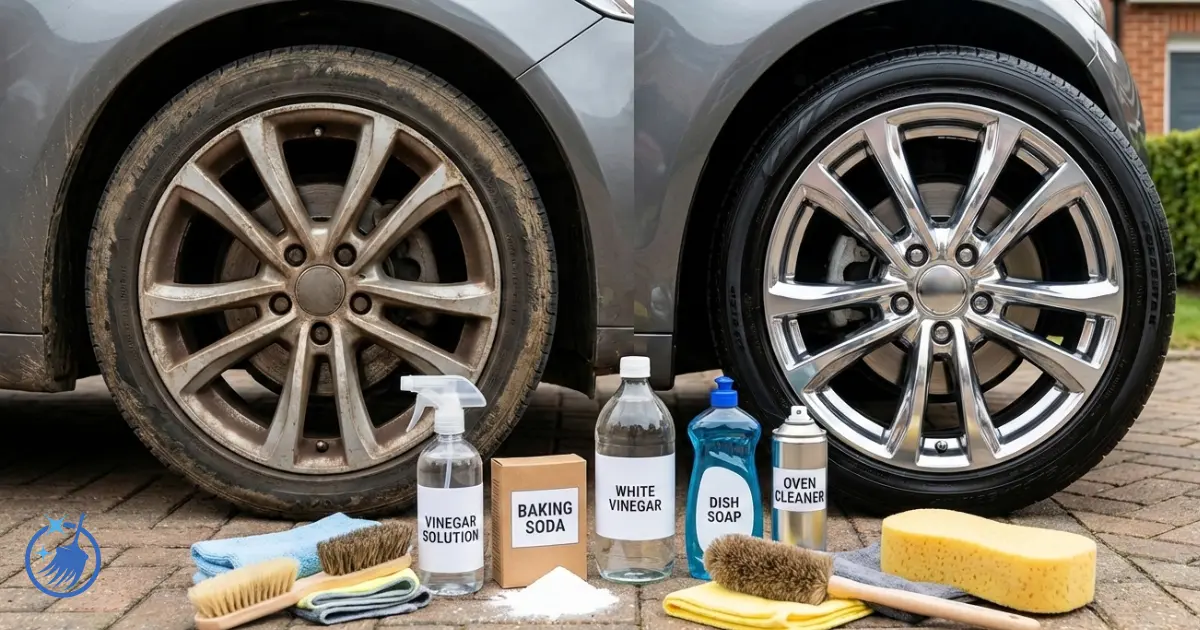
Dish soap and water combinations provide safe, effective cleaning for lightly soiled aluminum wheels without chemical risks. This simple mixture removes road salt, mud, and surface grime while maintaining pH neutrality. However, dish soap lacks the degreasing power necessary for brake dust and oil contamination removal.
Baking soda paste offers mild abrasive action for stubborn spots while remaining aluminum-safe due to its alkaline nature. White vinegar solutions (diluted 1:1 with water) effectively dissolve mineral deposits and light oxidation. Nevertheless, homemade wheel cleaner recipes typically require more time and effort compared to commercial formulations for equivalent results.
Lemon juice and cream of tartar create natural acid-based cleaners that tackle moderate contamination effectively. These household alternatives cost significantly less than commercial products while providing reasonable cleaning performance for budget-conscious vehicle owners.
Professional Cleaning Products and Services
Professional-grade wheel cleaners incorporate advanced chemical technologies unavailable in consumer products, including iron dissolvers, ceramic-safe formulas, and multi-stage cleaning systems. These products deliver superior results while minimizing application time and physical effort required.
Mobile detailing services provide expert wheel cleaning using specialized equipment and products tailored to specific wheel types and contamination levels. Professional services typically include wheel removal, thorough cleaning, polishing, and protective coating application. Moreover, experienced detailers identify potential issues like corrosion or damage that require immediate attention.
Investment in professional cleaning proves cost-effective for expensive wheels or severely contaminated surfaces that risk permanent damage from improper DIY attempts. Industry studies demonstrate that professional maintenance extends wheel lifespan by 40-60% compared to amateur cleaning methods.
Best Practices for Aluminum Wheel Maintenance
Establishing proper maintenance routines preserves aluminum wheel appearance while preventing costly damage from neglect. Furthermore, systematic care extends wheel lifespan significantly beyond manufacturer warranties.
Regular Cleaning Schedule to Prevent Buildup
Weekly cleaning prevents brake dust accumulation that causes permanent staining on aluminum surfaces. Additionally, frequent washing removes road salt, tar, and environmental contaminants before they bond chemically with wheel finishes.
Seasonal driving conditions dictate cleaning frequency adjustments for optimal wheel preservation. Winter months require twice-weekly cleaning due to increased salt exposure, while summer conditions allow standard weekly maintenance schedules.
- Rinse wheels before washing to remove loose debris
- Clean wheels when cool to prevent water spotting
- Work from top to bottom using systematic patterns
- Dry immediately after washing to prevent mineral deposits
Protective Treatments and Sealants
Wheel sealants create protective barriers that repel contaminants while simplifying future cleaning efforts. Modern ceramic coatings provide 6-12 months protection against brake dust adhesion and environmental damage.
Application timing affects sealant performance significantly, with clean, cool surfaces providing optimal bonding conditions. Therefore, apply protective treatments immediately after thorough cleaning while wheels remain completely dry.
Wax-based protectants offer temporary protection lasting 4-6 weeks but require frequent reapplication for consistent results. Conversely, polymer sealants deliver longer-lasting protection with enhanced durability against harsh weather conditions.
Proper Storage and Seasonal Care
Seasonal wheel storage requires specific preparation steps to prevent corrosion and finish deterioration during extended periods. Clean wheels thoroughly before storage, removing all brake dust, road grime, and moisture that accelerate oxidation processes.
Climate-controlled storage environments maintain stable temperature and humidity levels that preserve aluminum integrity. Moreover, vertical storage positions prevent flat spots while reducing stress on wheel structures.
- Store wheels in breathable covers to prevent moisture accumulation
- Maintain storage temperatures between 10-25°C for optimal preservation
- Check stored wheels monthly for signs of corrosion or damage
- Apply light coating of protective spray before long-term storage
Signs That Indicate Professional Cleaning Is Needed
Persistent staining that resists standard cleaning methods indicates the need for professional intervention using specialized equipment and chemicals. Additionally, visible corrosion spots require immediate professional assessment to prevent structural damage.
White chalky deposits on aluminum surfaces signal oxidation processes that demand professional treatment beyond typical maintenance capabilities. Furthermore, deep scratches or gouges compromise protective finishes and require professional refinishing services.
Brake dust buildup lasting longer than two weeks suggests inadequate cleaning techniques or products that necessitate professional evaluation. Professional detailers possess specialized tools including steam cleaners, ultrasonic baths, and acid-neutralizing compounds unavailable to consumers.
Long-term Preservation Strategies
Comprehensive preservation programs combine regular maintenance with strategic protective measures that maximize wheel investment returns. Consequently, systematic care reduces replacement costs while maintaining vehicle aesthetic appeal over extended periods.
Documentation systems track cleaning schedules, product applications, and maintenance costs for informed decision-making regarding wheel care investments. Similarly, photographic records document wheel condition changes over time, identifying potential issues before they become costly problems.
Creating custom cleaning solutions tailored to specific wheel types and local environmental conditions optimizes maintenance effectiveness while controlling costs. Professional consultation establishes baseline care requirements specific to wheel materials, finishes, and usage patterns.
Proper aluminum wheel maintenance reduces replacement costs by up to 70% while preserving vehicle resale value
Frequently Asked Questions
Can WD-40 damage aluminum wheels?
WD-40 is generally safe for aluminum wheels when used properly. However, it’s not designed as a wheel cleaner and may leave a residue that attracts dirt. Always test on a small area first and avoid using it on wheels with special coatings or finishes without manufacturer approval.
How long should I leave WD-40 on aluminum wheels before wiping?
Allow WD-40 to penetrate for 2-5 minutes on light contamination. For stubborn spots, you can leave it for up to 10 minutes. However, don’t let it sit too long as it may attract more dirt or become difficult to remove completely.
What's the best way to apply WD-40 to aluminum wheels?
Spray WD-40 directly onto the contaminated areas of cool wheels (never hot). Use a clean microfibre cloth to spread it evenly, then allow it to penetrate before wiping clean with a fresh cloth. Always work in shade and ensure wheels are cool to touch.
Should I use WD-40 instead of proper wheel cleaner?
No, WD-40 should complement rather than replace dedicated wheel cleaners. Use purpose-made wheel cleaners for thorough cleaning, especially for heavy brake dust or oxidation. WD-40 works best for light maintenance and protecting against moisture between proper cleaning sessions.
Can WD-40 remove heavy brake dust from aluminum wheels?
WD-40 has limited effectiveness against heavy brake dust that has baked onto wheels through heat cycling. For stubborn brake dust, you’ll need dedicated wheel cleaners containing acids specifically designed to dissolve iron particles and oxidised deposits.
Will WD-40 protect aluminum wheels from corrosion?
WD-40’s water-displacing properties provide temporary protection against moisture and corrosion. However, it’s not a long-term protective coating. For proper wheel protection, use dedicated wheel wax or sealants after cleaning.
What should I avoid when using WD-40 on wheels?
- Never apply to hot wheels or brake components
- Avoid getting WD-40 on brake discs or pads
- Don’t use on wheels with ceramic or special coatings without testing first
- Never substitute it for proper wheel cleaning products
- Avoid using it as a regular maintenance product
How do I remove WD-40 residue from aluminum wheels?
Clean the wheels with warm soapy water and a microfibre cloth to remove WD-40 residue. For stubborn residue, use a dedicated degreaser or wheel cleaner. Rinse thoroughly and dry completely to prevent water spots on the aluminum surface.
You May Also Like
Can I Use Vinegar to Clean Drums? Safe Methods & Warnings

Best Homemade Aluminum Cleaner: Natural DIY Recipes That Work