How to Use Oven Liners: Complete UK Guide for Clean Ovens

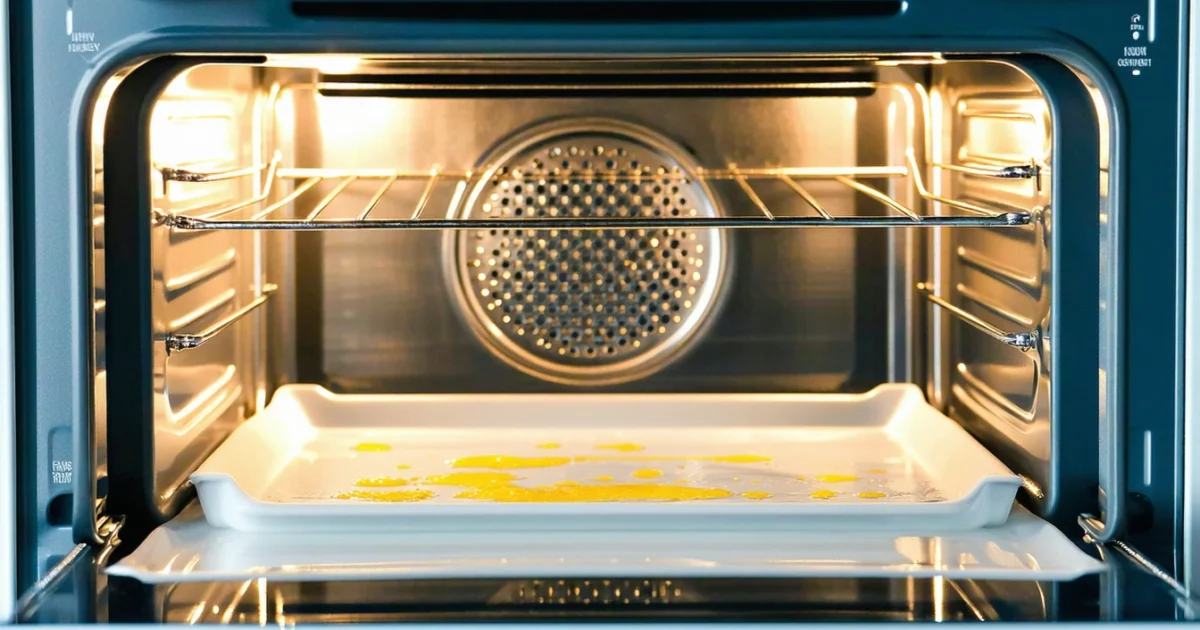
How to use an oven liner to keep your oven clean involves placing a protective sheet on the oven floor or rack to catch spills, grease, and food debris before they bake onto surfaces. These heat-resistant liners create a barrier between your food and oven interior, making cleanup significantly easier whilst protecting against stubborn stains and burnt-on residue.
Oven liners come in three main types: silicone, PTFE (Teflon), and disposable options. Furthermore, proper installation requires careful placement away from heating elements and ensuring adequate air circulation. Most importantly, understanding temperature limits and safety guidelines prevents damage to both your liner and oven.
Regular maintenance keeps liners effective for months or years, depending on the material chosen. However, avoiding self-cleaning oven cycles whilst liners are installed prevents potential safety hazards and material degradation.
TL;DR
- Oven liners catch spills and grease, preventing them from baking onto oven surfaces
- Choose between silicone, PTFE, or disposable liners based on temperature needs and budget
- Install correctly by placing on oven floor or racks, keeping clear of heating elements
- Regular cleaning and proper temperature limits ensure safety and longevity
What Is an Oven Liner and How Does It Work
An oven liner serves as a protective barrier that prevents food spills, grease, and debris from directly contacting your oven’s interior surfaces. These heat-resistant sheets function by creating a removable layer between cooking food and the oven floor or racks. Consequently, spills land on the liner rather than baking onto expensive oven surfaces.
The primary purpose involves simplifying oven maintenance whilst extending appliance lifespan. Additionally, liners eliminate the need for harsh chemical cleaners and reduce scrubbing time significantly. Most importantly, they prevent permanent staining and burnt-on residue that can affect oven performance.
Types of Oven Liners Available
Silicone oven liners offer excellent heat resistance up to 260°C (500°F) and provide long-term durability. These flexible mats clean easily in dishwashers and resist staining from acidic foods. Furthermore, silicone liners maintain their shape through repeated heating cycles.
PTFE (Teflon) liners withstand higher temperatures up to 300°C (572°F) and feature superior non-stick properties. However, these liners require careful handling to prevent tearing or scratching. Moreover, PTFE options cost more initially but offer exceptional release properties for sticky foods.
Disposable oven liners provide convenient single-use protection for occasional baking or roasting. These paper-based or foil options eliminate cleaning requirements entirely. Nevertheless, disposable liners generate more waste and prove less economical for frequent oven users.
How Liners Protect Oven Surfaces
Oven liners work by intercepting spills before they reach heated oven surfaces where burning occurs. The liner material absorbs or contains liquid spills whilst allowing proper heat circulation around food. Therefore, grease and food particles collect on the removable liner rather than adhering permanently to oven walls or floors.
Heat distribution remains unaffected when liners are properly positioned with adequate spacing around heating elements. The protective barrier maintains oven efficiency whilst preventing carbonised debris that can create smoke and unpleasant odours. Additionally, liners reduce the frequency of deep cleaning cycles required.
Difference Between Oven Liners and Oven Mats
Oven liners typically measure larger and cover the entire oven floor or rack surface for comprehensive protection. These products focus primarily on spill prevention and easy removal for cleaning. Conversely, oven mats are smaller, designed for specific cooking tasks like catching drips from particular dishes.
Thickness varies significantly between these products, with liners being thinner to maintain proper heat circulation. Meanwhile, oven mats often feature thicker construction for cushioning delicate items or providing insulation. Both products serve protective functions, yet liners offer broader coverage whilst mats target specific cooking needs.
Choosing the Right Oven Liner for Your Needs
Selecting the appropriate oven liner depends on your cooking habits, oven type, and budget considerations. Different materials offer distinct advantages and limitations that affect performance and longevity. Understanding these characteristics helps you make an informed decision for your specific requirements.
Silicone Liners: Benefits, Temperature Limits, and Durability
Silicone oven liners provide excellent flexibility and easy cleaning due to their non-stick surface properties. These liners typically withstand temperatures up to 260°C (500°F), making them suitable for most home cooking applications. However, silicone materials can degrade when exposed to higher temperatures or direct contact with heating elements.
Durability represents a key advantage of silicone liners, as they resist cracking and tearing under normal use conditions. The material maintains its flexibility even after repeated heating cycles, whilst the non-porous surface prevents odour absorption. Nevertheless, silicone liners require careful positioning to avoid contact with oven walls or heating elements that could cause melting.
PTFE/Teflon Liners: Non-Stick Properties and Heat Resistance
PTFE (polytetrafluoroethylene) liners, commonly known as Teflon-coated products, deliver superior non-stick performance compared to other materials. These liners handle temperatures up to 300°C (572°F) without degradation, providing greater heat tolerance than silicone alternatives. The smooth surface allows effortless food release and simplified cleaning processes.
Heat resistance makes PTFE liners ideal for high-temperature cooking methods like roasting and broiling. The coating prevents food adhesion whilst maintaining structural integrity under extreme heat conditions. Additionally, PTFE liners often feature reinforced edges that prevent curling and ensure flat positioning during use.
Disposable vs Reusable Options: Cost and Environmental Considerations
Disposable oven liners offer convenience for occasional use but generate ongoing costs and environmental waste. These single-use products typically cost £0.50-£2 per liner and require regular replacement after each cooking session. Consequently, frequent bakers find disposable options expensive over time whilst contributing to household waste streams.
Reusable liners present better long-term value despite higher initial investment costs ranging from £10-£25. These products withstand hundreds of uses when properly maintained, reducing per-use costs significantly. Furthermore, reusable options align with sustainable practices by minimising packaging waste and reducing environmental impact through extended product lifecycles.
Size and Fit Considerations for Different Oven Types
Proper sizing ensures optimal protection and prevents interference with oven operation. Standard domestic ovens typically require liners measuring 40cm x 33cm, whilst compact ovens need smaller dimensions around 30cm x 25cm. Measuring your oven interior before purchase prevents sizing errors that could affect performance.
Fan-assisted ovens require special consideration for air circulation patterns that prevent hot spots and ensure even cooking. Liners must allow adequate clearance around fan vents and heating elements to maintain proper airflow. Similarly, gas ovens need careful positioning to avoid blocking burner flames or safety sensors that monitor combustion.
Trimming oversized liners compromises their structural integrity and may create sharp edges that pose safety risks. Instead, selecting appropriately sized products ensures secure fit whilst maintaining manufacturer warranties. Natural oven cleaning methods complement liner use by maintaining overall oven hygiene between deep cleaning sessions.
Step-by-Step Installation Guide
Proper installation ensures your oven liner provides maximum protection whilst maintaining safe operation. Following systematic installation steps prevents common mistakes that could damage your appliance or compromise cooking performance.
Pre-Installation: Cleaning and Measuring Your Oven
Begin by completely cooling your oven to room temperature before starting any installation work. Never attempt to install liners in warm ovens, as residual heat can cause burns or damage to liner materials. Remove all racks, trays, and accessories to access the oven interior fully.
Clean the oven bottom thoroughly using natural cleaning methods to remove grease, food debris, and burnt residues. This cleaning step ensures proper liner adhesion and prevents trapped particles from creating uneven surfaces. Additionally, cleaning reveals any existing damage or wear patterns that might affect liner placement.
Measure your oven’s interior dimensions precisely using a tape measure. Record the length, width, and note the positions of heating elements, fan vents, and door hinges. These measurements determine correct liner sizing and placement strategies for optimal coverage.
Proper Placement on Oven Bottom or Rack Positioning
Position bottom liners directly on the oven floor, ensuring complete coverage of the cooking surface. The liner should lie flat without wrinkles or air bubbles that could create hot spots during cooking. Smooth out any creases by working from the centre outwards towards the edges.
For rack liners, place them on the lowest oven shelf position to catch drips effectively. However, rack positioning varies depending on your cooking needs and oven design. Some users prefer mid-level placement for better accessibility whilst maintaining spill protection.
Ensure the liner covers high-risk areas where spills commonly occur, particularly near the oven door and corners where grease accumulates. Proper coverage prevents spillovers from reaching the oven bottom whilst maintaining easy removal for cleaning purposes.
Ensuring Adequate Clearance from Heating Elements
Clearance requirements vary by oven type but typically require minimum distances of 2.5cm from heating elements. This spacing prevents liner melting, scorching, or interference with heat distribution patterns. Gas ovens need additional clearance from burner flames and pilot lights.
Check that the liner doesn’t obstruct air circulation vents in fan-assisted ovens, as blocked airflow reduces cooking efficiency and may trigger safety shutoffs. Similarly, ensure door seals close properly without liner interference that could compromise oven insulation.
Test oven door operation after installation to verify smooth opening and closing. The liner shouldn’t shift position when the door moves, nor should it create gaps that allow spills to bypass protection. Proper clearance maintains both safety and functionality throughout the liner’s service life.
Common Installation Mistakes to Avoid
Avoid oversizing liners by trimming them to fit, as cutting compromises structural integrity and may void manufacturer warranties. Instead, select appropriately sized products that fit your oven dimensions without modification requirements.
Never install liners in preheated ovens or immediately after cooking, as thermal shock can cause cracking or warping. Additionally, don’t overlap multiple liners, as layered materials create uneven heating and potential fire hazards.
Resist the temptation to cover oven walls or doors with liner material, as these applications exceed safe temperature limits and may interfere with oven sensors. Furthermore, avoid using damaged or previously torn liners, as compromised materials provide inadequate protection and pose safety risks during high-temperature cooking operations.
Safety Considerations and Temperature Limits
Understanding temperature limitations prevents dangerous overheating and potential fire hazards when using oven liners. Different liner materials withstand varying heat levels, making material selection crucial for safe operation. Silicone liners typically handle temperatures up to 260°C (500°F), while PTFE-coated liners safely operate to 250°C (482°F).
| Material Type | Maximum Temperature | Safe Applications |
|---|---|---|
| Silicone | 260°C (500°F) | Most baking, roasting |
| PTFE-coated | 250°C (482°F) | Standard cooking tasks |
| Heavy-duty silicone | 300°C (572°F) | High-heat cooking |
| Fibreglass mesh | 260°C (500°F) | General purpose use |
Exceeding these temperature thresholds causes liner degradation, releasing potentially harmful fumes and creating fire risks. Always verify your oven’s operating temperature before selecting appropriate liner materials for specific cooking applications.
Direct Heat Contact Prevention
Maintaining proper distance between liners and heating elements prevents dangerous overheating and material failure. Keep liners at least 2.5cm (1 inch) away from exposed heating coils in electric ovens, as direct contact causes immediate burning and toxic smoke production.
Position liners carefully to avoid contact with oven walls near heating elements, particularly in compact ovens where space limitations increase contact risks. Furthermore, ensure liners don’t curl upward during heating, as warped edges may touch hot surfaces and ignite.
Monitor liner condition regularly for signs of heat damage, including discolouration, brittleness, or surface bubbling. Replace damaged liners immediately, as compromised materials pose significant safety hazards during subsequent cooking operations.
Fire Safety and Ventilation Requirements
Proper ventilation prevents dangerous fume accumulation when oven liners approach their temperature limits. Always operate extraction fans during high-temperature cooking to remove any vapours released from heating liner materials. Additionally, ensure kitchen windows provide adequate air circulation during extended cooking sessions.
Install smoke detectors near cooking areas to provide early warning of overheating incidents involving oven liners. Keep fire extinguishers readily accessible, particularly Class K extinguishers designed for kitchen fires involving cooking materials and equipment.
Never leave ovens unattended during initial liner use, as new materials may emit odours or smoke during their first heating cycles. Moreover, discontinue use immediately if you detect unusual smells or visible smoke emanating from liner materials during cooking operations.
When Not to Use Oven Liners
Gas ovens require special consideration due to open flame heating systems that create different safety challenges. Many manufacturers explicitly prohibit liner use in gas ovens, as materials may interfere with proper combustion or block essential ventilation pathways.
Avoid using liners in self-cleaning ovens during cleaning cycles, as pyrolytic temperatures reach 480°C (900°F) and destroy most liner materials. This extreme heat creates toxic fumes and fire hazards that compromise both safety and oven functionality. Learn more about self-cleaning oven safety risks before attempting liner use during these cycles.
- Convection ovens with bottom-mounted fans
- Steam ovens with moisture injection systems
- Combination microwave-convection units
- Commercial-grade ovens exceeding 300°C
- Vintage ovens lacking modern safety features
Check manufacturer guidelines before installing liners in specialty ovens, as specific models may have unique restrictions or safety requirements. Consequently, warranty coverage may become void if liners cause damage to prohibited oven types or models.
Cleaning and Maintaining Your Oven Liner
Proper maintenance extends liner lifespan whilst ensuring optimal cooking performance. Daily care prevents grease accumulation that leads to smoke production and unpleasant odours during cooking sessions.
Daily Maintenance and Spot Cleaning Techniques
Remove liners after each cooking session once the oven cools completely. Wipe surfaces with a damp cloth to eliminate food particles and light grease deposits before they solidify.
For silicone liners, use warm soapy water and a soft sponge to clean surfaces gently. Additionally, avoid abrasive cleaners that scratch protective coatings and reduce non-stick properties over time.
PTFE-coated liners require gentle cleaning with mild detergent solutions to preserve their non-stick surfaces. Furthermore, never use steel wool or harsh scrubbers that damage delicate coating layers permanently.
Deep Cleaning Methods for Stubborn Stains and Grease
Baked-on grease requires targeted cleaning approaches that vary by liner material composition. Create a paste using baking soda and water for natural cleaning power that breaks down stubborn residue effectively.
Apply the paste to stained areas and allow it to sit for 15-20 minutes before scrubbing gently. Subsequently, rinse thoroughly with warm water to remove all cleaning residue that might affect future cooking sessions.
For persistent stains on silicone liners, try natural cleaning methods with lemon that cut through grease whilst maintaining material integrity. Meanwhile, commercial degreasers work effectively on heavily soiled areas when natural methods prove insufficient.
Dishwasher Safety for Different Liner Materials
Silicone oven liners typically withstand dishwasher cleaning on normal cycles without material degradation. However, place them on the top rack to prevent direct exposure to heating elements that might cause warping.
Most PTFE-coated liners require hand washing only, as dishwasher detergents contain harsh chemicals that strip protective coatings. Therefore, always check manufacturer specifications before attempting machine cleaning methods.
| Liner Material | Dishwasher Safe | Temperature Limit | Special Instructions |
|---|---|---|---|
| Silicone | Yes | 65°C | Top rack only |
| PTFE-coated | No | N/A | Hand wash only |
| Fibreglass | Varies | 60°C | Check label first |
Signs It's Time to Replace Your Liner
Visual inspection reveals when liners reach the end of their useful service life. Look for cracks, tears, or holes that compromise protective barriers and allow grease to reach oven surfaces directly.
Warping indicates heat damage that prevents proper liner placement and creates gaps where food particles accumulate. Similarly, discolouration beyond normal use patterns suggests material breakdown that reduces effectiveness significantly.
- Persistent odours that cleaning cannot eliminate
- Non-stick surfaces becoming sticky or tacky
- Brittleness or cracking when handled normally
- Shrinkage that no longer covers intended areas
- Staining that penetrates material completely
Replace liners immediately when they show these deterioration signs to maintain oven cleanliness and cooking safety. Consequently, continuing to use damaged liners creates fire hazards and compromises food hygiene standards in your kitchen.
Maximising Effectiveness and Troubleshooting
Proper oven liner placement prevents most common issues while maximising protective effectiveness. Position liners with adequate clearance around heating elements, maintaining at least 2.5cm gaps to ensure proper air circulation throughout your oven cavity.
Furthermore, avoid covering vent holes or fan openings that facilitate airflow patterns essential for even cooking temperatures. These openings enable hot air circulation that distributes heat uniformly across all oven levels.
Preventing Spills and Maximising Protection
Strategic liner positioning creates maximum spill protection without compromising oven functionality. Place liners slightly overlapping at edges to eliminate gaps where liquids might seep through onto oven surfaces.
Additionally, trim liners to fit precisely within your oven dimensions, leaving expansion room for heat-related material growth. Oversized liners create wrinkles and folds that trap food particles and reduce cleaning effectiveness significantly.
- Pre-heat ovens gradually to allow liner adjustment
- Check liner positioning before each cooking session
- Remove loose crumbs weekly to prevent burning
- Rotate liner positions monthly for even wear patterns
Dealing with Warping and Movement Issues
Warping problems typically result from excessive heat exposure or incorrect liner placement near heating elements. When liners warp, they create uneven surfaces that allow grease accumulation in raised areas.
Consequently, address warping immediately by repositioning liners away from direct heat sources. Curling edges indicate temperature stress that requires adjustment of liner placement or replacement with heat-resistant alternatives.
Movement during cooking occurs when liners lack proper anchoring or experience thermal expansion. Therefore, secure lightweight liners with oven-safe weights placed strategically at corners to maintain stable positioning throughout cooking cycles.
Impact on Cooking Performance and Air Circulation
Properly installed oven liners minimally affect cooking performance when positioned correctly with adequate airflow clearance. However, improperly placed liners significantly disrupt air circulation patterns that ensure even heat distribution.
Moreover, blocked ventilation creates hot spots and uneven cooking temperatures that affect food quality and cooking times. Glass stovetop cleaning techniques share similar principles regarding maintaining proper airflow around heating elements.
Blocked air vents reduce oven efficiency by up to 25% and increase cooking times significantly
Fan-assisted ovens require unobstructed airflow around fan housings to circulate heated air effectively. Consequently, check that liners don’t interfere with fan operation or create barriers that redirect airflow patterns.
When to Remove Liners for Specific Cooking Methods
Certain cooking techniques require liner removal to achieve optimal results and prevent material damage from extreme temperatures or cooking methods. High-temperature roasting above 240°C demands liner removal to prevent melting or toxic fume release.
Similarly, broiling operations generate intense direct heat that exceeds most liner temperature tolerances. Remove liners before broiling to prevent material degradation and potential fire hazards from overheated synthetic materials.
| Cooking Method | Liner Recommendation | Reason |
|---|---|---|
| Standard Baking | Keep liner | Temperatures within safe limits |
| High-temp Roasting | Remove liner | Exceeds material tolerance |
| Broiling | Remove liner | Direct heat exposure risk |
| Pizza Stones | Remove liner | Requires direct oven floor contact |
| Self-cleaning Cycle | Remove liner | Extreme temperatures destroy materials |
Furthermore, pizza stone cooking requires direct contact with oven surfaces to achieve proper heat transfer and crust development. Therefore, always remove liners when using pizza stones or similar cooking implements that need direct surface contact.
Frequently Asked Questions
Can I use oven liners in all types of ovens?
Most oven liners work in conventional, fan, and gas ovens, but you should avoid using them during self-cleaning cycles. Always check the manufacturer’s temperature rating against your oven’s maximum temperature. Some liners aren’t suitable for very high-temperature cooking or grilling functions.
How often should I clean my oven liner?
Clean your oven liner after every few uses or when you notice visible spills and grease buildup. Silicone liners can go in the dishwasher, whilst PTFE liners should be hand-washed with warm soapy water. Regular cleaning prevents odours and maintains the liner’s effectiveness.
Will an oven liner affect my cooking results?
When properly installed with adequate spacing around heating elements, oven liners won’t affect cooking performance. They allow proper heat circulation whilst protecting surfaces. However, covering heating elements or blocking air vents can cause uneven cooking and potential safety hazards.
What's the maximum temperature oven liners can handle?
Temperature limits vary by material type:
- Silicone liners: Up to 260°C (500°F)
- PTFE liners: Up to 300°C (572°F)
- Disposable liners: Typically 200-250°C (392-482°F)
Always check the specific product specifications before use.
Can I cut oven liners to fit my oven size?
Yes, most oven liners can be trimmed to fit your oven dimensions. Use kitchen scissors to cut silicone or PTFE liners, ensuring you maintain proper spacing from heating elements. Always leave at least 2.5cm (1 inch) clearance around all heating elements and oven walls.
Are oven liners safe for food contact?
Quality oven liners made from food-grade silicone or PTFE are safe for indirect food contact. However, they’re designed as protective barriers rather than direct cooking surfaces. Always ensure your liner is certified food-safe and avoid using damaged or degraded liners that might release particles.
How long do oven liners typically last?
Lifespan depends on material and usage frequency:
- Silicone liners: 2-5 years with proper care
- PTFE liners: 1-3 years, depending on handling
- Disposable liners: Single use only
Replace liners when you notice cracking, warping, or persistent odours that cleaning cannot remove.
What should I avoid when using oven liners?
Never place liners directly on heating elements or oven walls, as this can cause melting or fire hazards. Avoid using during self-cleaning cycles, and don’t use sharp utensils that might puncture the liner. Additionally, ensure proper ventilation by not blocking air circulation vents.
You May Also Like
How to Clean Washing Machine Filter: Complete Guide 2026
How to Clean Artificial Grass: Complete Maintenance Guide