Best Ways to Clean an Induction Hob: Complete UK Guide 2026

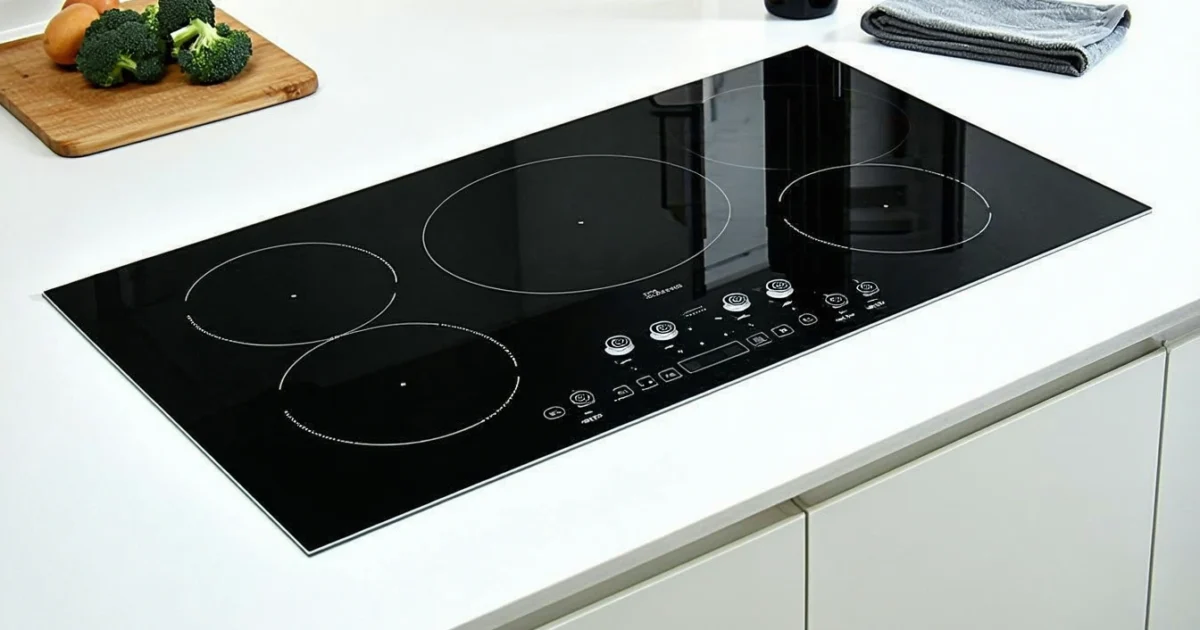
The best ways to clean an induction hob involve using specialist ceramic glass cleaners, microfibre cloths, and gentle techniques that protect the delicate surface whilst removing stubborn stains and grease. Unlike traditional electric hobs, induction cooktops require specific cleaning methods due to their ceramic glass composition and sensitive touch controls.
Proper cleaning maintains your hob’s sleek appearance and ensures optimal performance. Moreover, regular maintenance prevents permanent staining, scratches, and costly repairs that can occur from using incorrect cleaning products or abrasive materials.
This comprehensive guide covers everything from daily maintenance routines to deep cleaning stubborn burnt-on food. Additionally, you’ll learn which products to avoid and discover safe cleaning techniques that preserve your hob’s warranty and extend its lifespan.
TL;DR
- Use specialist ceramic glass cleaners and microfibre cloths for safe, effective cleaning
- Clean spills immediately while the hob is warm, then perform daily wipe-downs when cool
- Avoid abrasive materials like steel wool and harsh chemicals that can damage the surface
- Follow proper safety procedures by ensuring the hob is switched off and cooled before deep cleaning
Understanding Your Induction Hob Surface
Induction hobs feature a ceramic glass surface that differs significantly from traditional electric cooktops. This specialised material combines durability with heat resistance, creating a smooth, non-porous cooking surface that requires specific cleaning approaches. Furthermore, the ceramic glass composition makes it susceptible to scratches from abrasive materials and thermal shock from rapid temperature changes.
The electromagnetic induction technology beneath the glass surface generates heat directly in compatible cookware rather than heating the hob itself. Consequently, the cooktop remains relatively cool during cooking, which affects how spills behave and how cleaning should be approached. Additionally, this technology means that only the areas directly under pans become warm, creating uneven temperature zones across the surface.
Key Differences from Traditional Electric Hobs
Traditional electric hobs use coil elements or solid plates that become extremely hot during operation. In contrast, induction surfaces remain cooler, preventing immediate burning of spills but allowing them to adhere differently to the glass. Moreover, the flat, seamless surface of induction hobs eliminates the crevices and raised elements that trap grease and food particles on conventional cooktops.
The touch-sensitive controls integrated into induction hob surfaces require gentle cleaning methods to prevent damage. These electronic components can malfunction if moisture penetrates the surface or if harsh chemicals corrode the sensitive circuitry. Therefore, cleaning techniques must protect both the glass surface and the underlying technology.
Why Proper Cleaning Matters
Performance efficiency depends heavily on maintaining a clean induction hob surface. Burnt-on residues and grease buildup can interfere with the electromagnetic field generation, reducing cooking effectiveness and energy efficiency. Similarly, scratches on the ceramic glass can create weak points that may eventually lead to cracks or complete surface failure.
Regular maintenance prevents permanent staining that occurs when spills are left to bake onto the warm surface repeatedly. Once these stains penetrate the glass surface, they become nearly impossible to remove without professional restoration. Additionally, proper cleaning preserves the hob’s aesthetic appeal and maintains your kitchen’s overall appearance.
The warranty coverage for most induction hobs specifically excludes damage caused by improper cleaning methods or use of inappropriate products. Manufacturers require evidence of proper maintenance to honour warranty claims, making correct cleaning techniques essential for protecting your investment. Furthermore, well-maintained hobs retain higher resale value and demonstrate responsible appliance ownership to potential buyers.
Essential Cleaning Supplies and Tools
Selecting appropriate cleaning supplies ensures effective maintenance whilst protecting your induction hob’s delicate surface. Cream cleaners specifically formulated for ceramic glass provide gentle yet thorough cleaning action without causing microscopic scratches. These products contain mild abrasives that remove stubborn residues whilst maintaining surface integrity.
Specialist hob cleaners offer superior performance for burnt-on stains and grease buildup. Brands like Weiman and Elbow Grease manufacture products designed specifically for induction surfaces, containing ingredients that break down carbonised food particles effectively. Additionally, these cleaners often include protective agents that help prevent future staining.
Safe Cleaning Tools
Microfibre cloths represent the gold standard for induction hob cleaning due to their non-abrasive properties and superior dirt-trapping capabilities. These cloths lift particles away from the surface rather than pushing them around, preventing potential scratching during the cleaning process. Furthermore, microfibre materials require minimal cleaning product to achieve excellent results.
Plastic scrapers safely remove stubborn residues without damaging the ceramic glass surface. These tools feature angled edges that effectively lift burnt-on food particles whilst distributing pressure evenly across the surface. However, ensure scrapers remain clean and free from embedded particles that could cause scratching.
Soft sponges with non-abrasive surfaces provide gentle cleaning action for regular maintenance. Choose sponges specifically labelled as safe for glass surfaces, avoiding those with textured or rough backing materials. Moreover, replace sponges regularly to prevent bacterial buildup and maintain cleaning effectiveness.
Materials to Avoid
Abrasive materials pose significant risks to induction hob surfaces, creating permanent scratches that compromise both appearance and functionality. Steel wool, scouring pads, and rough cloths can cause microscopic damage that accumulates over time, eventually leading to surface failure.
Harsh chemicals including bleach, ammonia-based products, and oven cleaners can damage the protective coating on ceramic glass surfaces. These substances may cause discolouration, etching, or chemical burns that permanently mar the hob’s appearance. Similarly, avoid acidic cleaners like vinegar or lemon juice, which can corrode sensitive electronic components.
Steel wool and metal scrapers create deep scratches that cannot be repaired through conventional cleaning methods. These materials remove microscopic layers of glass, creating permanent damage that affects both aesthetics and performance. Additionally, metal particles can become embedded in the surface, potentially causing electrical issues.
Budget-Friendly Alternatives
Bicarbonate of soda creates an effective, gentle cleaning paste when mixed with water. This natural abrasive removes stains without scratching whilst neutralising odours and grease buildup. Apply the paste using circular motions, then remove with a damp microfibre cloth for optimal results.
Dish soap solutions provide excellent cleaning power for regular maintenance at minimal cost. Mix a few drops of quality washing-up liquid with warm water to create a gentle yet effective cleaning solution. This approach works particularly well for daily cleaning and prevents buildup that requires stronger products.
Homemade cleaning solutions offer cost-effective alternatives whilst maintaining safety standards. Combining bicarbonate of soda with a small amount of dish soap creates a powerful cleaning paste suitable for most stains. However, always test homemade solutions on an inconspicuous area before applying to the entire surface.
Newspaper provides an excellent finishing tool for achieving streak-free surfaces after cleaning. The dense fibres and ink composition help absorb residual moisture whilst leaving no lint behind. Use newspaper as a final polishing step after applying your chosen cleaning product for professional-quality results.
Daily Cleaning Routine
Establishing a consistent daily cleaning routine prevents stubborn stains whilst maintaining your induction hob’s optimal performance. Regular maintenance reduces the need for intensive cleaning sessions and preserves the surface’s pristine condition. Furthermore, daily care extends the appliance’s lifespan and ensures safe cooking conditions.
Immediate Spill Cleanup While Hob Is Warm
Clean spills immediately whilst the hob remains warm for maximum effectiveness. Warm surfaces help loosen food particles and prevent them from bonding permanently to the glass. However, ensure the temperature remains safe to touch before beginning the cleaning process.
Use a damp microfibre cloth to wipe away fresh spills in gentle circular motions. The residual heat assists in dissolving grease and sugar-based substances before they crystallise. Additionally, immediate cleanup prevents burnt-on residue that requires aggressive scrubbing later.
Avoid using cold water on hot surfaces as thermal shock can crack the glass. Instead, allow extremely hot areas to cool slightly before applying cleaning solutions. This approach protects your investment whilst maintaining cleaning effectiveness.
Proper Cooling Down Procedure
Allow your induction hob to cool completely before performing thorough cleaning routines. Most modern units feature residual heat indicators that signal when surfaces remain too hot for safe handling. These indicators typically display “H” symbols on affected cooking zones.
Wait approximately 30-45 minutes after cooking before beginning comprehensive cleaning procedures. This cooling period ensures safe handling whilst preventing thermal damage to cleaning cloths. Moreover, completely cool surfaces reveal all stains and residue clearly.
Test surface temperature using the back of your hand before direct contact. The glass should feel neutral to touch rather than warm or hot. Consequently, this simple check prevents accidental burns during the cleaning process.
Quick Daily Wipe-Down Technique
Perform a two-minute daily wipe-down using a damp microfibre cloth to maintain surface cleanliness. Start from the cleanest areas and work towards more soiled zones to prevent spreading contaminants. This systematic approach ensures thorough coverage without cross-contamination.
- Spray cleaning solution lightly across the entire surface
- Wipe in overlapping circular motions from left to right
- Use a dry microfibre cloth for final polishing
- Check for missed spots under different lighting angles
Focus extra attention on frequently used cooking zones where splatter accumulates most. These areas typically require additional passes to remove all residue completely. Similarly, clean control panels and surrounding surfaces to maintain overall hygiene standards.
Finish with a streak-free polish using newspaper or lint-free cloth for professional results. This final step removes any cleaning product residue whilst creating a pristine surface. Glass stovetop cleaning techniques apply similarly to induction surfaces for achieving optimal clarity.
Preventing Buildup and Staining
Prevention strategies prove more effective than reactive cleaning approaches for maintaining induction hob appearance. Use appropriately sized cookware to minimise splashing beyond cooking zones. Additionally, clean pot and pan bottoms before cooking to prevent transferring dirt onto the surface.
Sugar-based spills require immediate attention as they caramelise rapidly on warm surfaces. These substances create hard, amber-coloured stains that resist standard cleaning methods once set. Therefore, address sweet spills immediately using a damp cloth whilst the surface remains warm.
Wipe up oil splatters promptly to prevent them from attracting dust and debris. Oil residue creates sticky films that trap particles and create unsightly buildup over time. Regular removal maintains both cleanliness and cooking efficiency.
Monitor cooking temperatures to prevent excessive bubbling and splashing during food preparation. Lower heat settings often achieve similar results whilst reducing mess significantly. Consequently, this approach minimises cleaning requirements whilst improving cooking control and energy efficiency.
Deep Cleaning Method for Stubborn Stains
Stubborn stains on induction hobs require systematic deep cleaning approaches that target specific contamination types. Begin by ensuring the hob surface remains completely cool before starting intensive cleaning procedures. Moreover, gather specialised cleaning materials including ceramic hob scrapers, baking soda paste, and white vinegar solutions for optimal stain removal effectiveness.
Step-by-Step Deep Cleaning Process
- Remove loose debris using a soft brush or vacuum attachment
- Apply warm soapy water to soften dried residues for 10-15 minutes
- Scrape stubborn deposits gently using a ceramic hob scraper at 45-degree angles
- Create cleaning paste from baking soda and water in 3:1 ratio
- Spread paste over stained areas and allow 20 minutes contact time
- Wipe clean using circular motions with microfibre cloth
- Rinse thoroughly with clean water to remove all cleaning residues
Professional cleaning techniques emphasise patience during the deep cleaning process. Rushing through steps often results in incomplete stain removal and potential surface damage. Therefore, allow adequate contact time for cleaning agents to penetrate and dissolve stubborn deposits effectively.
Removing Burnt-on Food and Grease
Burnt-on food particles create carbonised deposits that bond strongly to glass surfaces through heat application. These deposits require mechanical removal combined with chemical softening for complete elimination. Start by applying warm water soaks to rehydrate dried food particles before attempting scraper removal.
Grease stains respond well to alkaline cleaning solutions that break down fatty acid chains effectively. Mix washing-up liquid with warm water in 1:10 ratio to create degreasing solution. Subsequently, apply this mixture generously over greasy areas and allow 15 minutes penetration time before wiping clean.
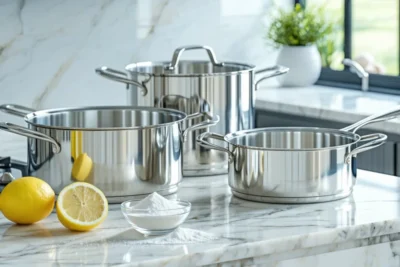
Persistent grease buildup benefits from natural cleaning methods using lemon which cuts through fatty residues whilst providing fresh fragrance. Lemon’s natural acidity dissolves grease molecules whilst being gentle on glass surfaces.
Dealing with Sugar Spills and Caramelised Residue
Caramelised sugar creates particularly challenging stains due to its hard, glass-like consistency once cooled. These amber-coloured deposits resist water-based cleaning methods and require specialised removal techniques. Never attempt to scrape caramelised sugar whilst hot as this spreads the sticky substance further across the surface.
Dissolve sugar residues using warm water applications that gradually soften the crystalline structure. Apply hot, damp cloths repeatedly over caramelised areas for 30-45 minutes until the residue begins dissolving. Patience proves essential as rushing this process often damages the hob surface through excessive force application.
For extremely stubborn caramelised deposits, create a paste using cream of tartar and water which provides gentle abrasive action. This natural cleaning agent breaks down sugar crystals without scratching delicate glass surfaces. Apply the paste, wait 20 minutes, then gently work the area using circular motions.
Tackling Water Marks and Mineral Deposits
Hard water minerals create cloudy white deposits that obscure the hob’s glossy finish over time. These calcium and magnesium compounds accumulate through repeated water exposure during cleaning and cooking activities. Regular removal prevents permanent etching of the glass surface.
White vinegar solutions effectively dissolve mineral deposits through mild acidic action that breaks down alkaline scale buildup. Mix equal parts white vinegar and water in a spray bottle for convenient application. Spray the solution over affected areas and allow 10 minutes contact time before wiping clean.
Limescale removal requires systematic approach combining chemical dissolution with gentle mechanical action. Apply vinegar solution, allow adequate contact time, then use soft cloth in circular motions to remove dissolved deposits. Finally, rinse thoroughly with clean water to prevent vinegar residue from attracting new dirt particles.
Deep cleaning should occur monthly to prevent permanent staining and maintain optimal cooking performance
Removing Specific Types of Stains and Marks
Different stain types require targeted removal techniques to restore your induction hob’s pristine appearance. Understanding each stain’s composition helps you select the most effective cleaning method while protecting the delicate glass surface from damage.
Grease and Oil Stains
Grease stains penetrate the hob surface through heat activation, creating stubborn residues that attract additional dirt particles. These oily deposits require degreasing agents that break down lipid molecules without harsh scrubbing motions. Dish soap mixed with warm water provides effective grease dissolution through surfactant action.
Apply the soapy solution directly to cooled grease spots and allow 15 minutes contact time for optimal penetration. Subsequently, use a soft microfibre cloth to lift dissolved grease particles through gentle circular motions. Rinse thoroughly with clean water to remove soap residue that might attract future contamination.
For particularly stubborn oil stains, baking soda paste provides gentle abrasive action combined with alkaline degreasing properties. Mix three parts baking soda with one part water to create a thick paste consistency. This natural cleaning agent neutralises acidic grease compounds while providing mild scrubbing action.
Burnt Food Particles
Carbonised food particles bond strongly to glass surfaces through high-temperature chemical reactions that create stubborn black deposits. These burnt residues require careful removal to prevent scratching the delicate induction hob surface during cleaning procedures.
Never attempt to scrape burnt food while the hob remains hot, as thermal shock can crack the glass surface. Instead, allow complete cooling before applying any cleaning solutions or mechanical removal techniques. Patience during this cooling period prevents costly damage to your appliance.
Create a steam treatment by placing a damp cloth over burnt areas for 20 minutes to soften carbonised deposits. The moisture penetrates the burnt material, making removal significantly easier without aggressive scrubbing. Follow this treatment with gentle scraping using a plastic scraper held at 45-degree angles.
Water Spots and Limescale
Water spots form when mineral-rich droplets evaporate, leaving behind calcium and magnesium deposits that create cloudy white marks on the glass surface. These alkaline deposits require acidic solutions for effective dissolution and removal.
White vinegar provides natural acidic action that dissolves limescale buildup without damaging the hob’s protective coating. Apply undiluted vinegar to affected areas using a spray bottle for even distribution. Allow 10 minutes contact time before wiping with a soft cloth to remove dissolved minerals.
For severe limescale accumulation, lemon juice offers stronger citric acid content that breaks down stubborn mineral deposits more effectively. Cut a fresh lemon in half and rub directly onto affected areas, then allow the natural acids to work for 15 minutes before cleaning with a damp cloth.
Scratches and Scuff Marks
Surface scratches occur when abrasive materials contact the glass during cleaning or cooking activities. While deep scratches require professional repair, minor surface marks respond well to polishing compounds specifically designed for glass surfaces.
Toothpaste containing mild abrasives can polish out light scratches through careful application and gentle buffing motions. Use only white, non-gel toothpaste to avoid introducing additional chemicals that might damage the surface. Apply small amounts and work in circular motions using a soft cloth.
Commercial glass polish provides more consistent results for scratch removal than household alternatives. These specialised products contain precisely calibrated abrasives that smooth surface irregularities without creating additional damage. Always test any polishing product on an inconspicuous area first.
Discolouration and Heat Marks
Heat marks appear as rainbow-coloured stains or white cloudy areas where excessive temperatures have altered the glass surface structure. These thermal damage marks indicate localised stress in the material that requires gentle treatment to prevent further deterioration.
Cerium oxide polish, commonly used for glass restoration, can reduce the appearance of heat discolouration through careful application. This specialised compound fills microscopic surface irregularities while providing optical clarity restoration. Professional glass repair services offer this treatment for valuable appliances.
Prevention remains more effective than treatment for heat marks, as severe discolouration often indicates permanent glass damage. Always use appropriate cookware sizes and avoid dragging pans across the surface to minimise thermal stress and mechanical damage. Regular maintenance prevents minor issues from developing into costly repairs requiring professional intervention.
Safety Precautions and Best Practices
Proper safety measures protect both the appliance and the user during induction hob cleaning procedures. Furthermore, following established protocols prevents costly damage while ensuring effective maintenance results.
Ensuring Complete Power Disconnection
Always switch off the induction hob at both the appliance controls and the mains supply before beginning any cleaning process. Additionally, allow the surface to cool completely for at least 30 minutes after cooking to prevent thermal burns.
Touch the glass surface lightly with the back of your hand to verify complete cooling before applying cleaning solutions. Moreover, residual heat indicators may not always function correctly, making manual temperature checks essential for safe cleaning procedures.
Protecting Sensitive Touch Controls
Cover touch control panels with dry cloth or masking tape to prevent moisture infiltration during cleaning activities. Subsequently, electronic components can malfunction when exposed to cleaning liquids or excessive humidity.
Never spray cleaning solutions directly onto the hob surface, as overspray can penetrate control mechanisms and cause permanent damage. Instead, apply cleaners to cloth first, then transfer to the glass surface using controlled motions.
Preventing Thermal Shock Damage
Thermal shock occurs when rapid temperature changes cause glass surfaces to crack or shatter unexpectedly. Therefore, avoid applying cold cleaning solutions to warm glass surfaces, even when they feel cool to touch.
Room temperature cleaning products provide the safest approach for glass surface maintenance. Similarly, avoid using ice-cold water for rinsing, as temperature differentials can create stress fractures in the ceramic glass material.
Safe Chemical Handling Procedures
Wear rubber gloves when handling commercial cleaning chemicals to prevent skin irritation and chemical burns. Additionally, ensure adequate ventilation by opening windows or activating extractor fans during cleaning sessions.
Store cleaning chemicals in their original containers away from heat sources and cooking areas to maintain product stability. Never mix different cleaning products, as chemical reactions can produce dangerous fumes or reduce cleaning effectiveness significantly.
Read manufacturer safety data sheets for all cleaning products before use, particularly when dealing with glass stovetop cleaning solutions. Furthermore, keep emergency contact numbers accessible in case of accidental chemical exposure or ingestion incidents.
Preventive Maintenance Tips
Preventive maintenance protects your induction hob from damage while maintaining optimal performance throughout its lifespan. Consequently, proper prevention strategies reduce cleaning frequency and prevent costly repairs or replacements.
Using Appropriate Cookware
Flat-bottomed cookware prevents scratching and ensures even heat distribution across the glass surface. Moreover, pans with smooth bases eliminate the risk of creating permanent marks during cooking sessions.
Cast iron and carbon steel require careful handling to avoid surface damage. Therefore, lift these heavy materials rather than sliding them across the ceramic glass. Additionally, check pan bases regularly for rough spots that could scratch the hob surface.
Stainless steel and enamelled cookware provide the safest options for induction cooking surfaces. Furthermore, these materials resist warping and maintain smooth contact with the glass throughout their useful life.
Immediate Cleanup Strategies
Spill cleanup becomes significantly easier when addressed immediately after occurrence. However, allow the surface to cool sufficiently before attempting any cleaning procedures to prevent burns.
Sugar-based spills require immediate attention because they can permanently damage glass surfaces when heated. Similarly, acidic substances like tomato sauce or lemon juice need prompt removal to prevent etching.
Keep a damp microfibre cloth nearby during cooking for quick spill management. Subsequently, this proactive approach prevents stains from setting and reduces deep cleaning requirements.
Regular Maintenance Schedule
Daily maintenance involves wiping the surface with a clean, damp cloth after each cooking session. Meanwhile, weekly deep cleaning removes accumulated grease and maintains the hob’s appearance.
- Daily: Wipe surface after cooling, check for spills
- Weekly: Deep clean with appropriate glass cleaner
- Monthly: Inspect control panel and ventilation areas
- Quarterly: Professional service check if under warranty
Monthly inspections help identify potential issues before they become serious problems. Additionally, regular maintenance extends the appliance’s lifespan and maintains optimal cooking performance.
Protecting the Surface When Not in Use
Hob covers protect the glass surface from accidental impacts and scratches during non-cooking periods. However, ensure covers are heat-resistant and allow proper ventilation around control areas.
Avoid using the hob surface as additional workspace for food preparation or storage. Instead, designate specific areas for kitchen activities to prevent accidental damage from knives or heavy objects.
Remove protective covers before activating the hob to prevent melting or fire hazards. Furthermore, store covers in designated locations away from heat sources when not protecting the surface. For additional kitchen appliance maintenance guidance, consider learning how to clean glass stovetops using similar techniques.
Troubleshooting Common Cleaning Problems
Even with proper cleaning techniques, induction hobs can develop stubborn issues that require targeted solutions. Understanding these common problems helps you maintain your appliance effectively and avoid costly repairs.
Persistent Stains That Won't Budge
Burnt-on food residue creates the most challenging stains on induction surfaces. These carbonised deposits bond with the glass through high heat exposure, making standard cleaning methods ineffective.
Create a paste using baking soda and water for stubborn stains. Apply this mixture to affected areas and let it sit for 15-20 minutes before scrubbing gently with a non-abrasive pad. The alkaline properties break down acidic food residues naturally.
For extremely persistent stains, use a ceramic hob scraper at a 45-degree angle. Heat the surface slightly to soften hardened deposits, then scrape carefully to avoid scratching the glass. Always work in one direction rather than back-and-forth motions.
Sugar-based spills require immediate attention as they can permanently etch the surface when heated. If discovered after cooling, apply white vinegar to dissolve crystallised sugar deposits before attempting mechanical removal.
Streaking and Residue After Cleaning
Streaky surfaces typically result from improper cleaning products or inadequate rinsing techniques. Commercial glass cleaners often leave chemical residues that create visible streaks under kitchen lighting.
Switch to a 50:50 white vinegar solution for streak-free cleaning. This natural acid cuts through grease effectively whilst evaporating cleanly without leaving residue. Apply with a microfibre cloth using circular motions, then buff dry immediately.
Hard water minerals cause persistent white spots and streaking on glass surfaces. Consequently, use distilled water for final rinses in areas with high mineral content. The absence of dissolved minerals prevents spot formation during drying.
Cleaning cloth quality significantly affects results. Paper towels and cotton cloths leave lint and create micro-scratches that trap dirt. Instead, invest in high-quality microfibre cloths specifically designed for glass cleaning applications.
Damage Assessment and When to Call Professionals
Surface scratches appear as fine lines that catch light differently than surrounding areas. Minor scratches from metal utensils can often be polished out using specialised glass polish and gentle buffing techniques.
However, deep scratches or chips compromise the hob’s structural integrity and require professional assessment. These defects can expand under thermal stress, potentially leading to complete surface failure during cooking.
Contact qualified technicians immediately if you notice spider web cracks or impact damage. Similarly, any electrical issues such as unresponsive controls or error codes require professional diagnosis to ensure safety compliance.
Warranty considerations often void coverage for DIY repairs or incorrect cleaning methods. Therefore, document any damage with photographs before attempting repairs, and consult manufacturer guidelines for approved service providers.
Restoring Shine to Dull Surfaces
Dull, cloudy surfaces develop from accumulated microscopic scratches and chemical residue buildup. This surface degradation reduces the hob’s aesthetic appeal and can affect heat transfer efficiency.
Begin restoration with a thorough degreasing using isopropyl alcohol. This solvent removes cooking oils and cleaning product residues that contribute to surface dullness. Apply with a clean cloth and work systematically across the entire surface.
For comprehensive restoration, use cerium oxide polish designed for glass surfaces. This mild abrasive removes fine scratches whilst restoring optical clarity. Apply small amounts with a soft cloth, working in overlapping circles until the surface regains its original lustre.
Maintain restored shine through proper daily maintenance and avoiding abrasive cleaning methods. Regular care prevents the gradual dulling that necessitates intensive restoration procedures. Additionally, using appropriate cookware with smooth, flat bottoms reduces surface wear during normal cooking operations.
Frequently Asked Questions
Can I use regular glass cleaner on my induction hob?
No, you should avoid regular glass cleaners as they often contain ammonia or other harsh chemicals that can damage the ceramic glass surface and sensitive touch controls. Instead, use specialist ceramic glass cleaners designed specifically for induction hobs to ensure safe and effective cleaning.
How often should I clean my induction hob?
You should clean spills immediately while the hob is still warm, then perform daily wipe-downs with a microfibre cloth once the surface has cooled. For deep cleaning, aim for a thorough clean weekly or whenever you notice stubborn stains or burnt-on food residue.
What should I never use to clean an induction hob?
Never use these items on your induction hob:
- Steel wool or abrasive scouring pads that can scratch the ceramic glass
- Harsh chemicals like bleach or ammonia-based cleaners
- Razor blades or sharp scrapers that can damage the surface
- Rough cloths or paper towels that may leave scratches
Is it safe to clean my induction hob while it's still warm?
It’s safe to clean spills immediately while the hob is warm, but you should switch off the hob first and avoid the hottest areas. For deep cleaning, always wait until the surface has completely cooled to prevent thermal shock and ensure your safety.
Why won't my induction hob work properly after cleaning?
If your induction hob isn’t working properly after cleaning, check that no moisture has penetrated the touch controls and ensure the surface is completely dry. Residual cleaning products or water can interfere with the electromagnetic field generation and touch-sensitive controls. Allow the hob to dry thoroughly before use.
Can scratches on my induction hob be repaired?
Minor surface scratches cannot be repaired at home and typically require professional restoration. Deep scratches may compromise the ceramic glass integrity and could void your warranty. This is why prevention through proper cleaning techniques and using microfibre cloths is essential.
Will improper cleaning void my induction hob warranty?
Yes, most manufacturers exclude warranty coverage for damage caused by improper cleaning methods or inappropriate products. Always follow the manufacturer’s cleaning guidelines and keep records of proper maintenance to ensure warranty protection.
What's the best way to remove burnt-on food from an induction hob?
For stubborn burnt-on food, use a specialist ceramic glass cleaner and let it sit for several minutes to soften the residue. Then gently remove with a microfibre cloth using circular motions. For extremely stubborn spots, you may use a plastic scraper designed for ceramic surfaces, but never use metal tools.
You May Also Like
How to Clean Washing Machine Filter: Complete Guide 2026
How to Clean Artificial Grass: Complete Maintenance Guide