Standing water at the bottom of the dishwasher after a cycle almost always comes down to one of five things: a clogged filter, a kinked hose, a blocked pump, a blocked kitchen sink waste, or a faulty pump motor. The first two cause the vast majority of cases and take minutes to check yourself, no engineer needed.
This guide walks through each cause in the order you should check them, starting with the quickest fix, plus the specific checks worth doing on common UK brands like Bosch, Beko and Neff.
How to Tell It’s a Draining Problem
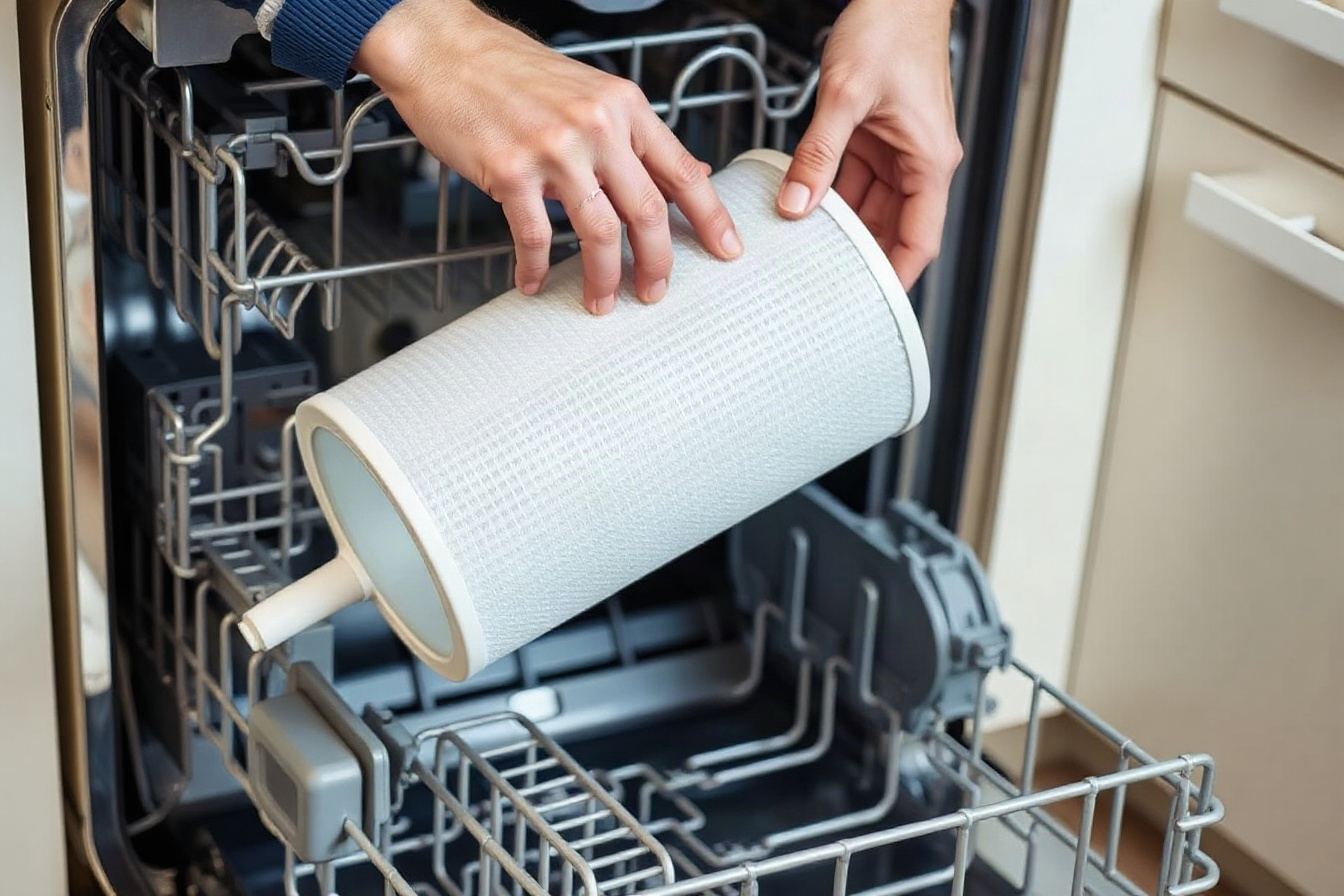
A dishwasher that is not draining usually leaves a pool of water at the bottom of the drum, often an inch or two deep, after the cycle has finished. You might also notice a musty smell, dishes still visibly dirty or filmy, or the machine getting stuck partway through a cycle.
Step 1: Check and Clean the Filter
This is by far the most common cause, and the easiest to fix yourself in under ten minutes.
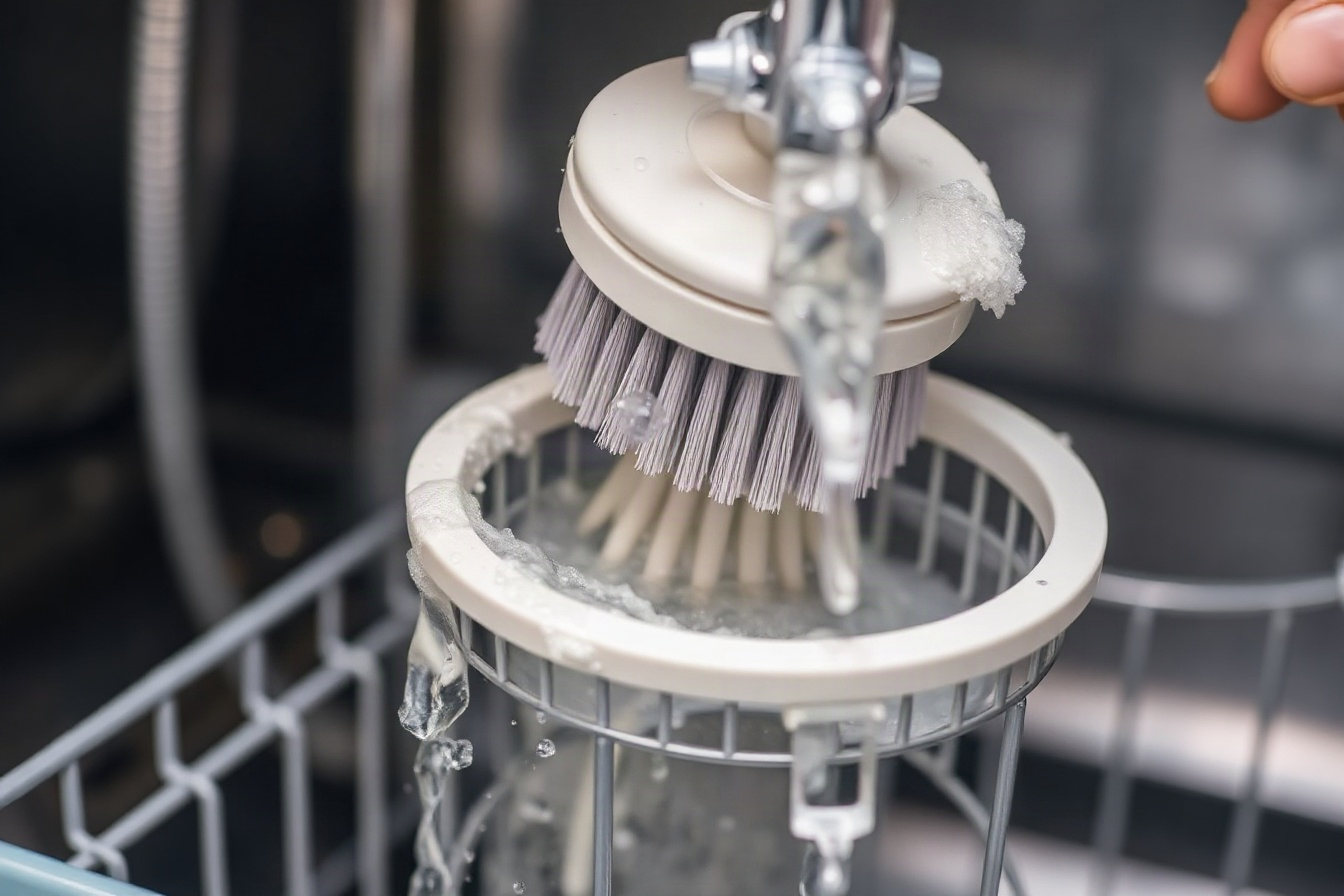
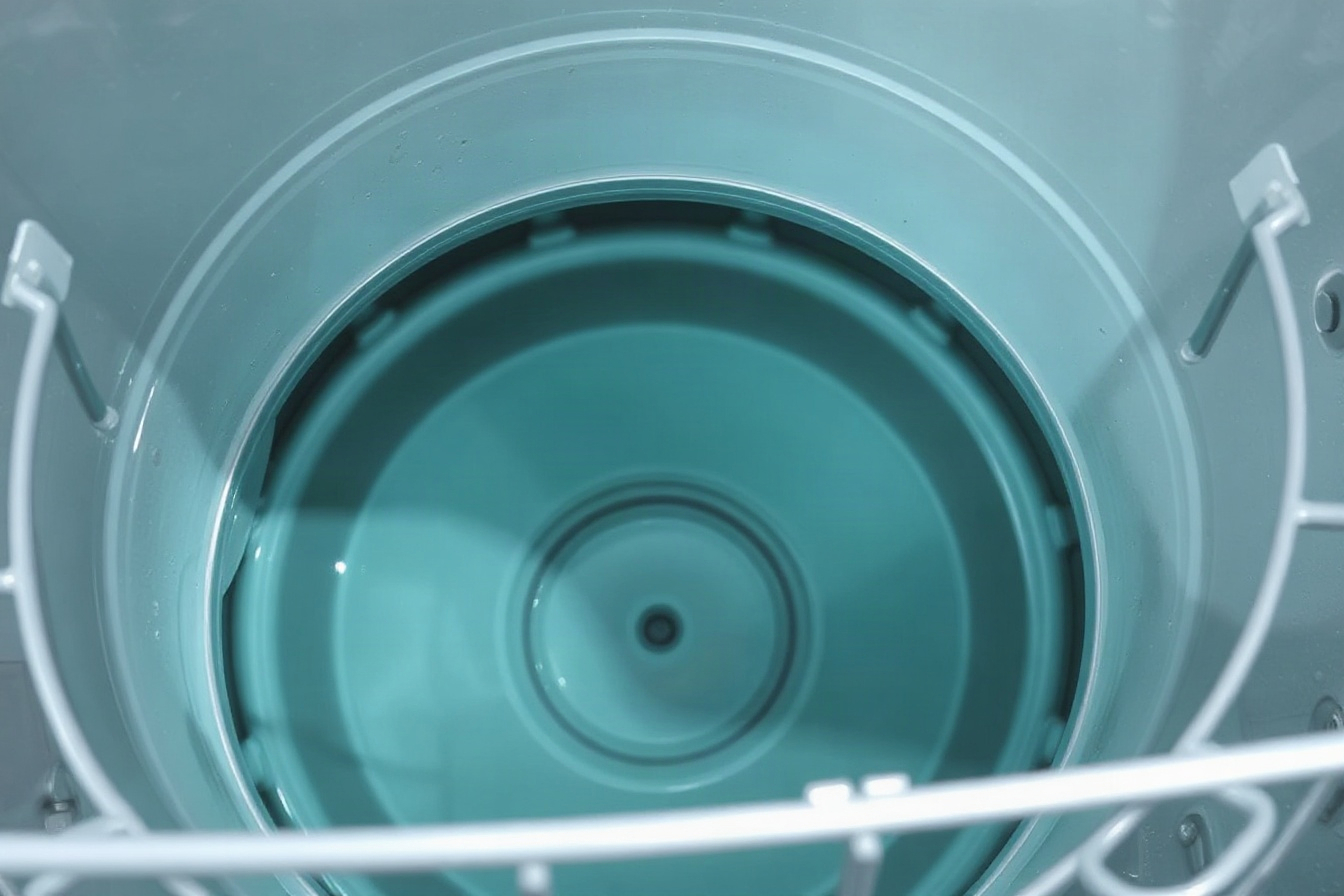
- Remove the lower rack to access the filter assembly at the base of the drum.
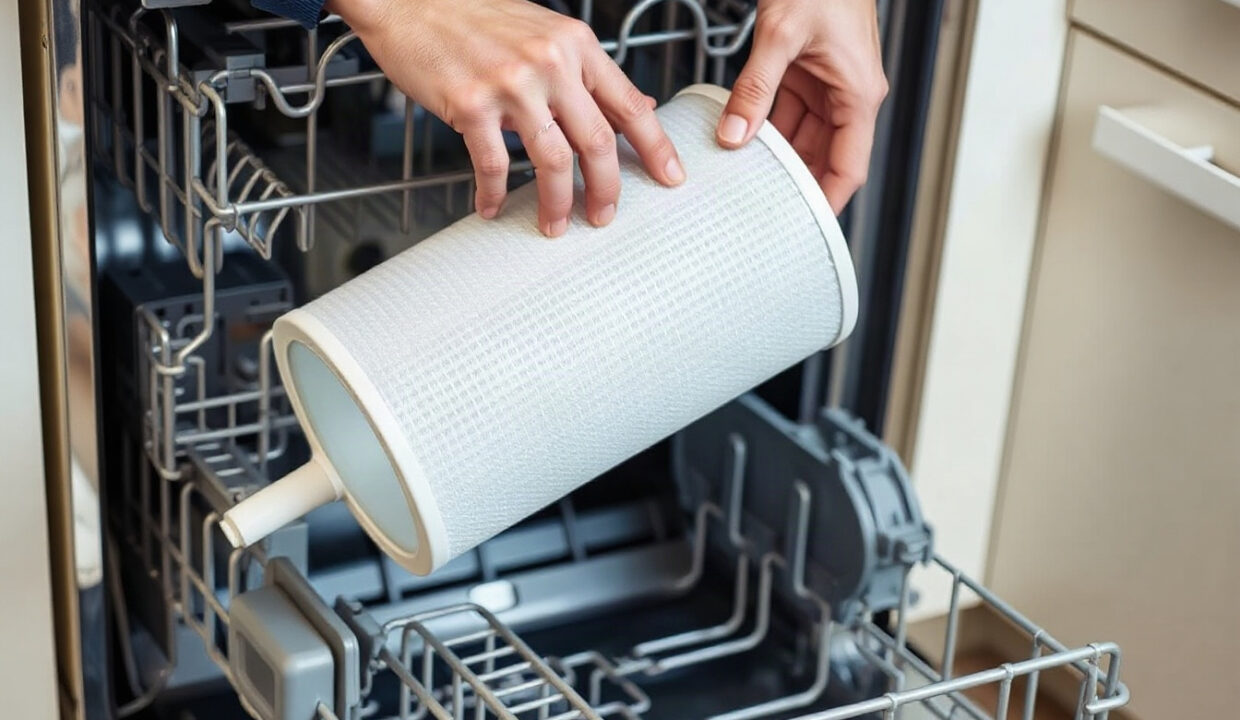
- Twist the cylindrical filter anticlockwise and lift it out, then remove the flat mesh filter underneath it.
- Rinse both pieces under warm water and scrub with a soft brush to remove food debris and grease.
- Clear any debris sitting in the sump underneath by hand or with a damp cloth.
- Refit the filter, twisting it clockwise until it locks into place.
- Run a short cycle to check whether the water now drains properly.
For the full deep-clean version of this step, including how often to do it and what to use for a stubborn build-up, see our guide on cleaning a dishwasher filter.
Step 2: Check the Drain Hose
If the filter is clean and the problem persists, the drain hose is the next most likely cause, particularly if the machine has recently been moved or installed.
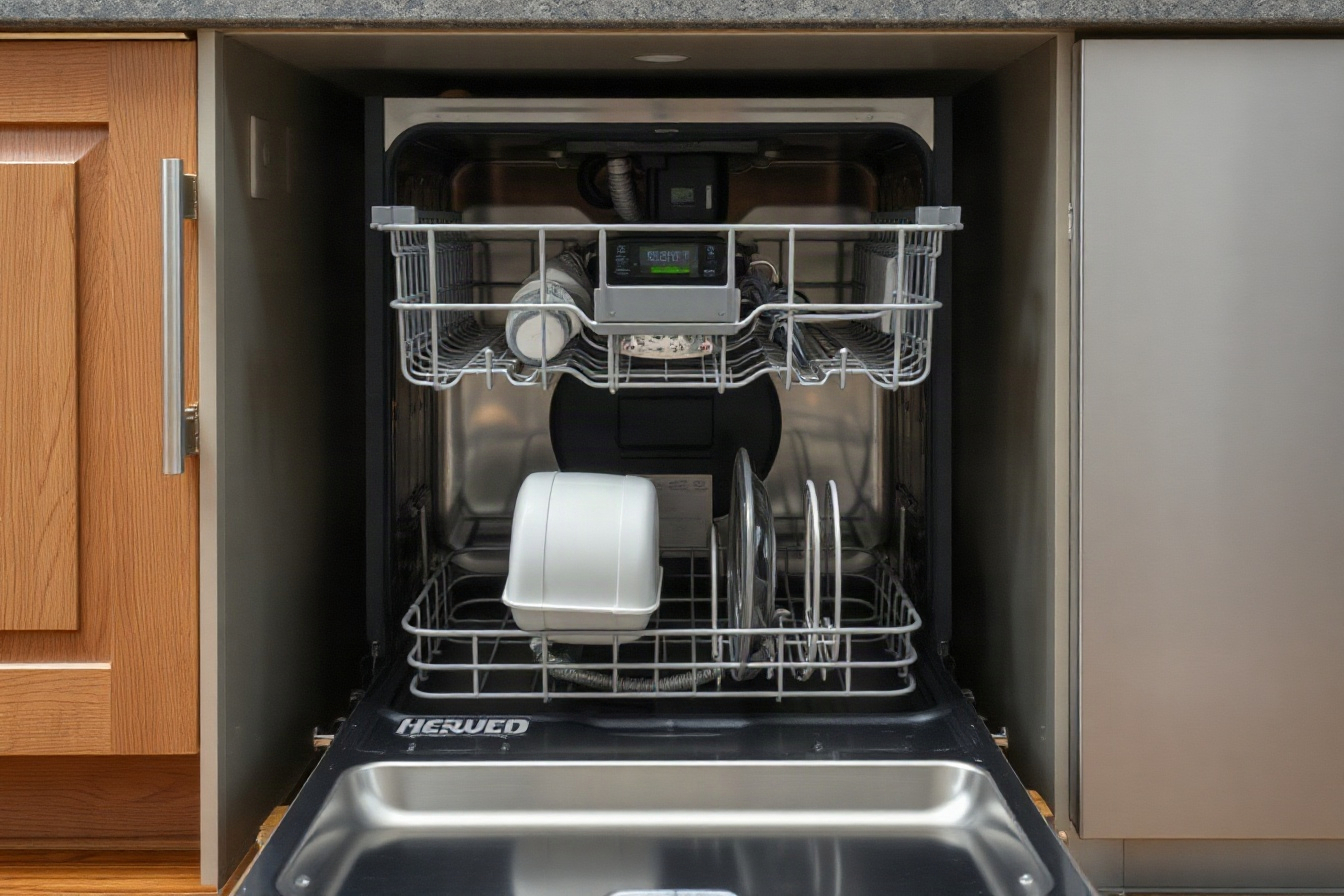
- Switch off and unplug the dishwasher before doing anything else.
- Pull the machine forward carefully to access the full length of the hose.
- Check for kinks, twists, or the hose being pinched against the cabinet or wall.
- Make sure the hose rises to a high loop before it connects to the waste pipe, usually 50-100cm above the floor, this stops dirty water siphoning back into the machine.
- Disconnect the hose at the sink end and flush it through with warm water to clear any internal grease or debris.
- Replace the hose if it stays blocked or shows signs of damage.
A hose that doesn’t rise to a high loop before the waste connection can let dirty water siphon back into the machine, even if nothing is actually blocked.
Step 3: Check for a Blocked Drain Pump
Small items that get past the filter, broken glass, bits of bone, a stray piece of crockery, can jam the pump impeller and stop it drawing water out.
- With the machine unplugged, remove the filter assembly to access the pump area.
- Use a torch to look into the sump and pump inlet for any obstruction.
- Wearing gloves, carefully remove anything you find.
- Run a cycle to confirm drainage is restored.
| What You Hear | Likely Cause |
|---|---|
| Humming sound but water does not drain | The motor is running but the impeller is physically blocked, check the pump area again |
| No sound at all during the drain stage | The pump motor has likely failed, this needs a replacement part and is usually an engineer job |
Step 4: Check the Kitchen Sink Waste
If the filter, hose and pump all check out, the blockage might not be inside the dishwasher at all. A slow or blocked kitchen sink waste pipe can stop the dishwasher draining properly even when the machine itself is working fine.
- Run the kitchen sink and check whether it drains freely on its own.
- If it drains slowly, clear the household waste pipe or trap first, our guide on cleaning a sink drain covers this.
- Check the connection where the dishwasher hose meets the sink’s waste spigot.
- On a newly installed dishwasher, make sure the plastic blanking cap inside the spigot was removed before the hose was connected, this is a surprisingly common fitting mistake.
Checking Common UK Brands
The core troubleshooting steps above apply to every brand, but a few details are worth knowing if you own one of the more commonly searched makes.
| Brand | Notes |
|---|---|
| Bosch | Filter and pump checks follow the same steps above. Bosch dishwashers often show an error code on the display during a drain fault, check your manual for what it means before calling an engineer. |
| Beko | Beko recommends checking the filter weekly and confirms the hose should sit 50-100cm above the floor. Beko customer care can be reached on 0333 207 9710 if the problem persists. |
| Neff, Siemens | Share similar mechanisms to Bosch, being part of the same parent company. The same filter and hose checks apply. |
| Hotpoint, Indesit, Zanussi | Filter access is usually very similar, remove the lower basket, twist and lift. Check your specific model’s manual for the exact twist direction. |
Mistakes to Avoid
- Running the dishwasher repeatedly hoping it clears itself, this can push dirty water back up into the machine via the hose if there is no proper high loop.
- Skipping the filter check because it looks clean from a glance, food residue often hides underneath the mesh filter where you cannot see it without lifting it out.
- Forcing the hose connection back into place if it feels tight, check for kinks along the full length first rather than just at the ends.
- Assuming a pump motor fault without checking for a physical obstruction first, most pump issues are blockages, not motor failures.
When to Call an Engineer
If you have checked the filter, hose, visible pump area and sink waste and water is still not draining, particularly if there is no sound at all from the pump during the drain stage, the pump motor itself has likely failed. Replacing it needs the correct part number for your model and is usually worth leaving to an engineer unless you are confident with appliance repairs.
Worth Having on Hand
A replacement hose and a dishwasher cleaner keep draining issues from recurring.
If it is your washing machine rather than the dishwasher that is not draining, our guide on washing machine not draining covers the same kind of step-by-step troubleshooting.
Frequently Asked Questions
Why is there standing water at the bottom of my dishwasher?
This almost always means the water is not draining out properly at the end of the cycle, most commonly because the filter is clogged with food debris. Check and clean the filter first, then the drain hose if that does not fix it.
How do you fix a dishwasher that is not draining?
Start by removing and rinsing the filter, which resolves most cases. If that doesn’t work, check the drain hose for kinks and make sure it forms a high loop before the waste connection, then check for a blockage in the pump itself.
How do I know if my dishwasher pipe is blocked?
Pull the machine forward and check the full length of the drain hose for kinks, twists or pinching. Disconnect it at the sink end and try flushing it through with warm water, if water won’t pass through freely, it is blocked.
What can I pour down my dishwasher to unclog it?
A dedicated dishwasher cleaner run through an empty cycle can help clear grease build-up in the pump and pipework. For a physical blockage like food debris or a lodged object, this will not help, you need to check the filter and pump directly.
Why is my Bosch dishwasher not draining?
The same core causes apply, start with the filter, then the hose, then check for an error code on the display, which often points to the specific fault. Bosch dishwashers use the same filter and pump mechanism as most other brands.
Why is my dishwasher not draining but there’s no blockage?
If you’ve checked the filter, hose and visible pump area and found nothing, the pump motor itself may have failed. A humming sound with no drainage suggests a blocked impeller, while total silence during the drain stage usually points to a motor fault needing a replacement part.
Can a blocked kitchen sink stop a dishwasher from draining?
Yes, if the dishwasher’s drain hose connects to the kitchen sink’s waste pipe, a slow or blocked sink drain can back up and prevent the dishwasher from draining properly, even when the machine itself has no fault.